
Last updated November 18, 2026
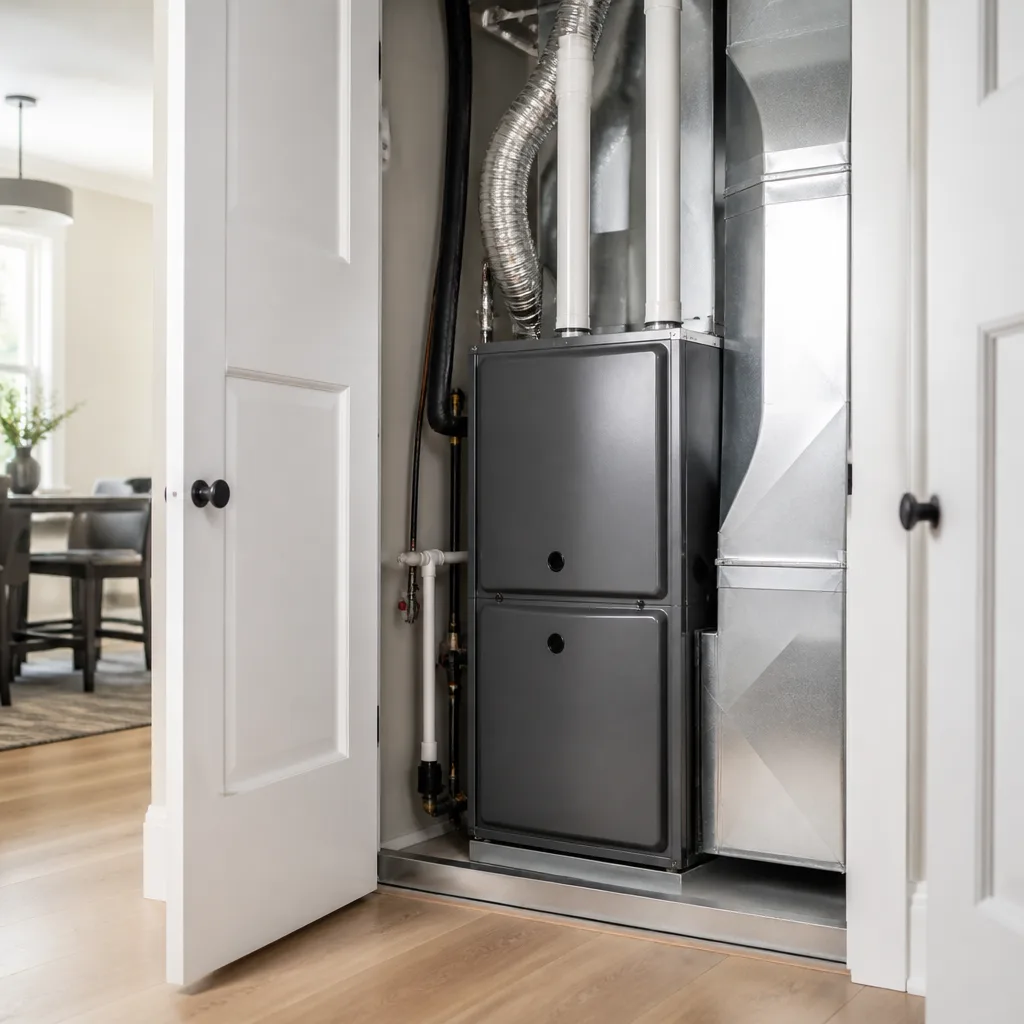 Furnace & heating
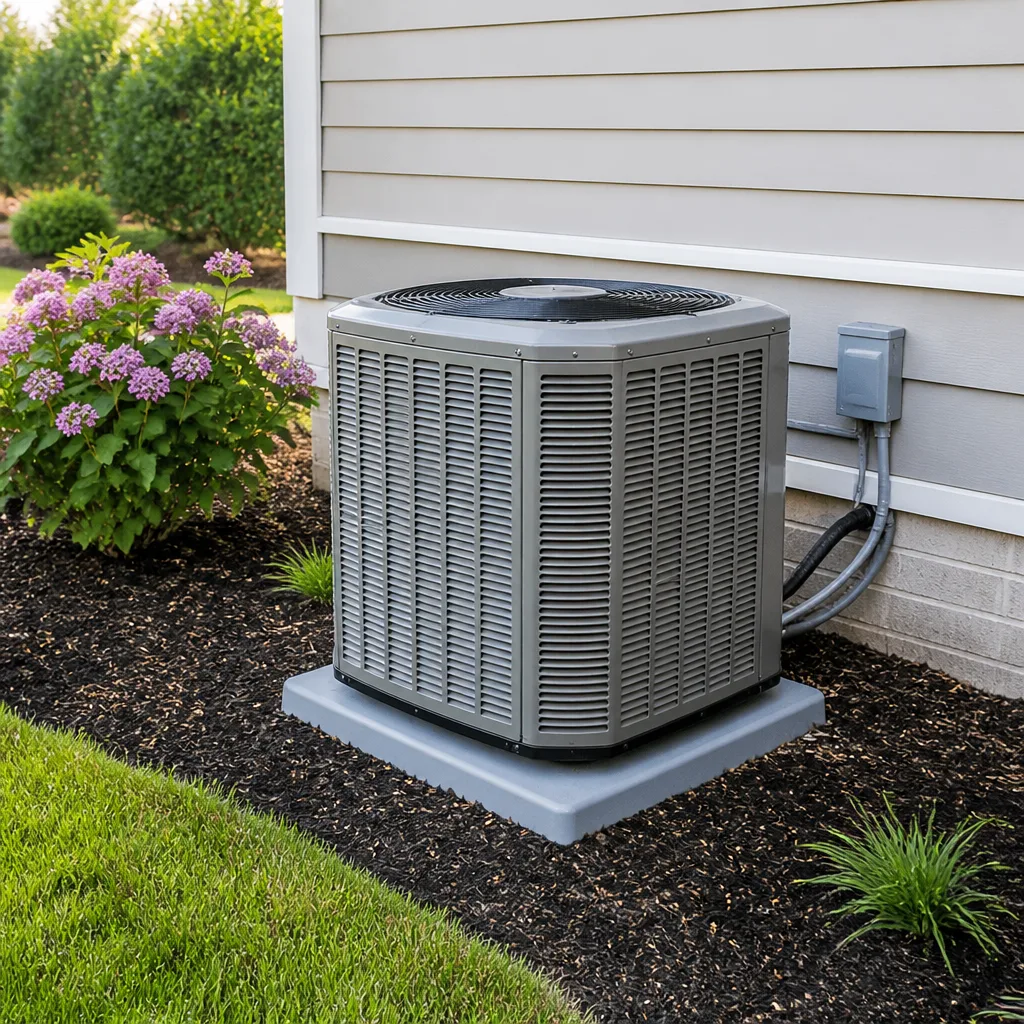 AC repair
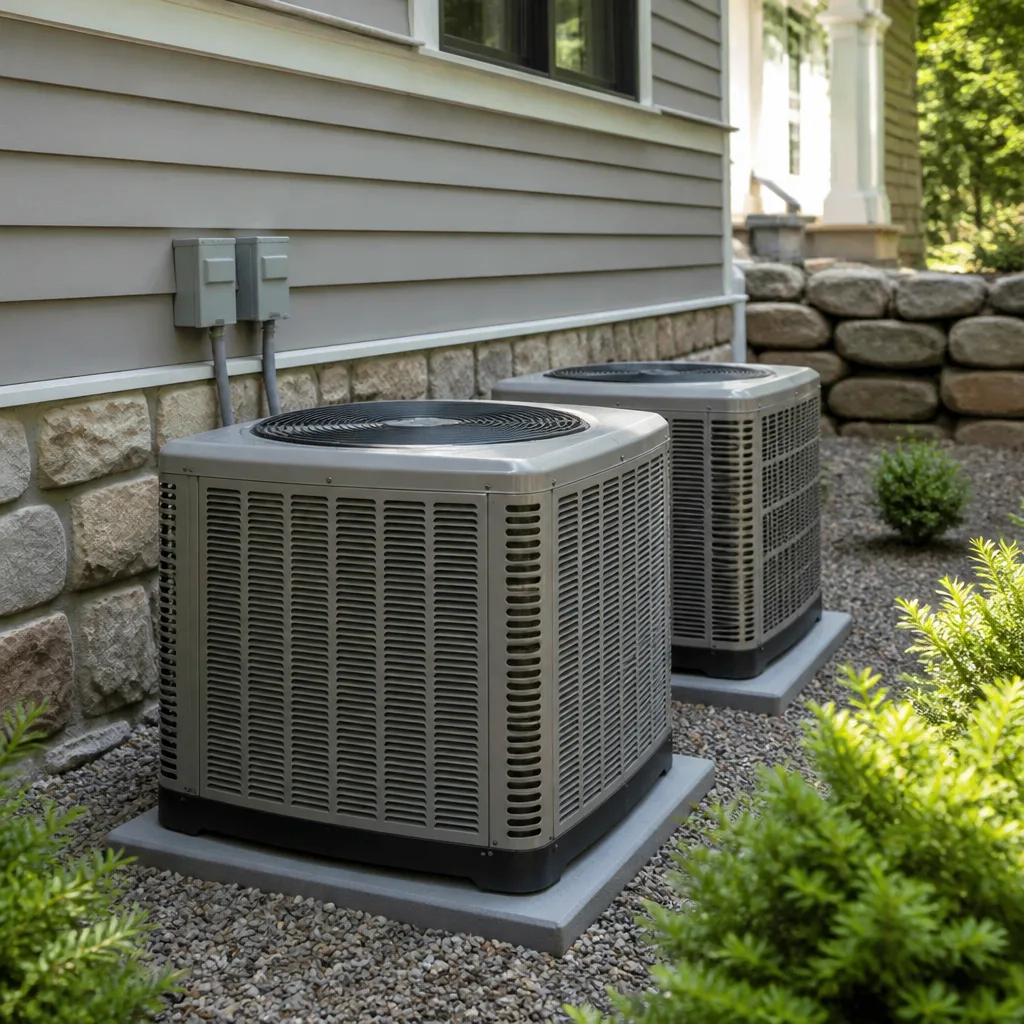 Heat pumps
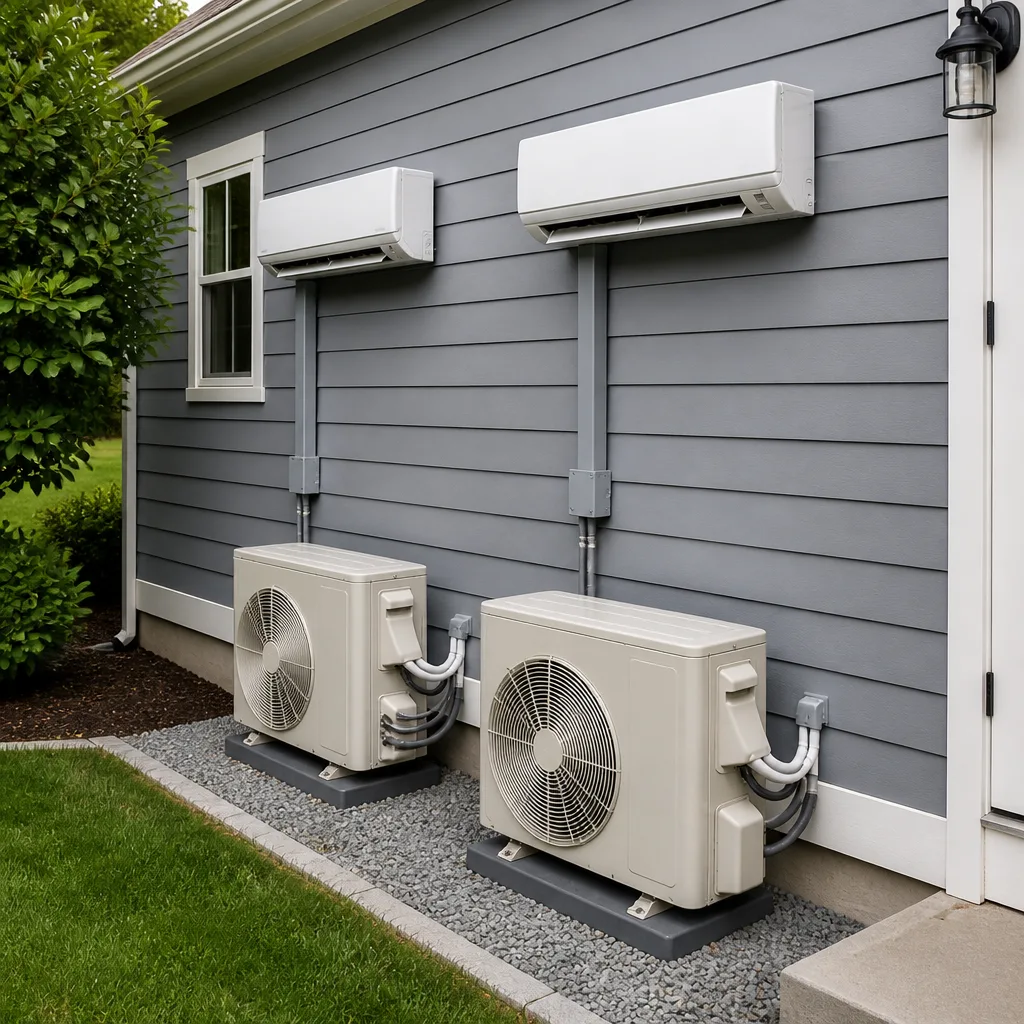 Ductless mini splits
 Carrier
 Trane
 Goodman
Seasonal tune-up and full diagnostic on your Carrier, Trane, or Goodman system - readings shown to you before any repair is proposed
Diagnosis first, numbers second - you approve the repair price before a single part goes in.
Get your free estimateHow Long Does Heating & Furnace Take? Timelines and What to Expect
A furnace replacement that looks like a six-hour job in the catalog can stretch into six days in real life – and the difference almost never comes from the installation itself. In our experience across Winchester, NV, the wrench work is the shortest part of the project. What eats the calendar is everything that happens before a technician ever opens the front door: the assessment, the equipment order, the permit, and the duct inspection that nobody budgeted for. This guide breaks the furnace timeline into the four phases most homeowners never see, shows what actually slows each one down, and explains why Winchester’s high-desert altitude adds a wrinkle to sizing that lower-elevation installs don’t face. By the end you’ll know how to plan your week around a furnace job instead of sitting in a cold house waiting on surprises.
Styles & brands we work with
- AC repair
- Furnace & heating
- Heat pumps
- Ductless mini splits
- Carrier
- Trane
- Goodman
Quick Answer
A straight gas furnace swap in Winchester typically runs one day of actual installation (4 to 8 hours on site), but the full project from signed quote to first heat cycle usually takes 3 to 10 days once you factor in the assessment, equipment lead time, and permit pull. A full replacement that includes duct modification or a combo furnace-and-AC-coil job runs 2 to 4 days of install and often 1 to 3 weeks end to end. The single biggest variable is not labor – it’s equipment availability and whether a permit is required.
Table of Contents
- The Four Phases of a Furnace Job
- Why a “One-Day Job” Isn’t One Day
- Phase 1: Assessment and Quote
- Phase 2: Equipment Procurement and Lead Times
- Phase 3: Permits and Inspections in Winchester
- How Winchester’s Altitude Affects Sizing and Lead Time
- Same-Day Emergency Swap vs. Planned Replacement
- The First Heat Cycle Inspection
- Timelines by Job Type
- Common Mistakes to Avoid
- When to Call a Professional
- Frequently Asked Questions
- The Bottom Line
The Four Phases of a Furnace Job
Most guides hand you a single number – “a furnace install takes about a day” – and leave you to figure out why your contractor kept pushing the date. That number describes only the final phase. A furnace project is really four separate jobs stacked end to end, and any one of them can run long.
Here’s how we break it down when a homeowner in Winchester asks what to expect:
- Assessment and quote. A load calculation, a look at the existing flue and ductwork, and a written, fixed price. Usually one visit of 60 to 90 minutes.
- Equipment procurement. The furnace itself gets ordered or pulled. This is where lead times live – anywhere from same-day to a few weeks depending on brand, size, and efficiency tier.
- Permit pull. A gas furnace replacement generally requires a mechanical permit and inspection. The clock starts when the paperwork is filed, not when the truck rolls.
- Installation and first heat cycle. The on-site work itself – removal, setting the new unit, venting, gas connection, and running the system through a full cycle before anyone leaves.
When a project “takes a week,” it’s almost never because phase four ran long. It’s because phases two and three stacked up. Knowing the four phases lets you ask your contractor the right question: not “how long does install take?” but “where are we right now, and what’s the next thing that has to happen?”
Why a “One-Day Job” Isn’t One Day
The catalog time and the calendar time are two different numbers, and the gap between them frustrates more homeowners than any part of the process. A catalog might quote six hours for a furnace replacement. That six hours assumes the unit is already on site, the permit is already in hand, the ductwork already fits, and nothing unexpected turns up behind the old unit.
In Winchester, we’ve learned to name the usual suspects up front. Old flues that don’t meet current venting requirements. Return-air chases that were sized for a smaller unit. A gas line that needs to be re-run. A closet that’s an inch too shallow for the new cabinet. Each of those turns an afternoon into a second visit, and a second visit turns “today” into “next week.”
- Equipment not on the shelf. The most common delay. A standard-efficiency Goodman or Rheem in a common size may move the same week. A high-efficiency Daikin or York in an unusual capacity might take longer.
- Permit timing. Filing, review, and scheduling an inspection all consume calendar days, not work hours.
- Hidden conditions. Duct repairs, venting upgrades, and gas-line work that only surface once the old furnace is out.
- Accessibility. A furnace in a tight attic or a crawlspace adds labor hours that a garage closet never does.
None of this is bad news – it’s just the honest version. When the price is fixed and the phases are explained, a homeowner can plan a warm backup room or a space heater night without guessing.
Phase 1: Assessment and Quote (Usually 1 Visit)
The first phase is the one that protects you from everything else. A proper assessment isn’t a salesman walking through with a clipboard – it’s a technician measuring the house, checking the existing ductwork and flue, and running a load calculation so the new furnace is sized to the home and not to whatever’s on the truck.
Expect a single visit of about 60 to 90 minutes. Here’s what a thorough assessment covers:
- Square footage, insulation, window type, and ceiling height – the inputs to a real load calculation.
- A look at the existing furnace model, age, and venting configuration.
- A ductwork check: return-air size, supply runs, and any obvious leaks or blockages.
- A review of the gas line and electrical service feeding the unit.
- A written, fixed quote – the price quoted is the price paid.
This is also the moment to sort out repair versus replacement. If the existing unit is in its teens and facing a second major repair, the math rarely favors throwing good money after it. For a fuller breakdown, see our guide to heating and furnace service in Winchester. The assessment phase usually resolves in a day or two, but if you want a free second opinion on any written estimate, that’s a second visit and a second day.
Phase 2: Equipment Procurement and Lead Times
Once the quote is signed, the equipment clock starts. This phase surprises more Winchester homeowners than any other, because the furnace itself doesn’t come from a warehouse next door – it comes from a distributor, and distributor stock moves with the season.
What drives lead time:
- Efficiency tier and size. Standard single-stage units in common capacities turn over fast. Two-stage and modulating units, or unusual BTU ratings, can take longer to source.
- Brand. Popular lines like Goodman, Rheem, and Daikin are generally easier to source in a hurry than a specialty high-efficiency model.
- Season. The first cold snap of the year in Winchester clears distributor shelves quickly. Ordering in October is smoother than ordering in January.
- Supply bottlenecks. Occasionally a manufacturer runs short on a specific model. A good contractor will tell you the honest timeline rather than promise a date they can’t hit.
In our experience, the realistic range is same-day to about two weeks. A planned replacement booked well ahead usually lands toward the fast end. An emergency in the middle of a cold snap can land at the far end – which is one reason a planned replacement is easier on everyone.
Phase 3: Permits and Inspections in Winchester
A gas furnace replacement is permitted work, and the permit is a calendar constraint, not a labor one. The permit has to be pulled, and in many cases an inspection has to be scheduled before the job is considered complete. That adds days even when the install itself goes smoothly.
What typically happens:
- The contractor files the mechanical permit with the local authority having jurisdiction.
- The permit is issued – usually within a few business days, though timing can stretch during busy periods.
- The installation is performed under that permit.
- An inspection is scheduled and passed. A final inspection can take anywhere from a day or two to a week or more to get on the calendar.
Two things to watch for in Winchester. First, high-efficiency condensing furnaces introduce venting and condensate requirements that a standard-efficiency replacement doesn’t, and inspectors look closely at those. Second, older homes near the valley floor sometimes have existing installations that predate current code, which can trigger a small upgrade the inspection requires. It’s rare, but it’s real, and it’s exactly the kind of thing a good contractor flags during the assessment rather than after the wall is open. If your project also includes cooling, our AC repair and installation team in Winchester coordinates the two permits so you’re not waiting twice.
How Winchester’s Altitude Affects Sizing and Lead Time
Winchester sits in the high desert, at roughly 2,600 feet above sea level. That elevation matters for combustion equipment, and it’s a point most general furnace guides skip entirely.
At higher altitude, air is thinner. A gas furnace rated at sea level shifts its combustion profile, and the derate that manufacturers publish for altitude has to be applied when the unit is sized and set up. A furnace that would be perfectly matched to a house at sea level may need an adjustment – a different orifice, a gas-pressure setting, or a slightly different capacity – to burn cleanly and deliver the heat the load calculation calls for.
Why that can add lead time:
- Sizing precision matters more. A load calculation that’s off by a fraction matters less at sea level and more up here. Getting it right takes a competent assessment, not a rule of thumb.
- Special-order possibility. If the home needs a specific high-altitude configuration, the unit may not be the one on the shelf. That adds a few days to procurement.
- Older installs were sometimes set up casually. We’ve walked into Winchester homes where a prior furnace was never properly derated, and the new unit gets sized correctly from scratch. That’s a conversation, not a delay, but it’s one that happens during the assessment.
Local climate adds a second wrinkle. Winchester’s cold winter nights are real, and a furnace that’s sized for sea-level air may short-cycle or over-fire up here. The right approach is a proper load calculation, a factory-authorized altitude adjustment, and a technician who knows the difference. Our heat pump and mini-split crew in Winchester handles the same altitude considerations on the cooling side, so a combo replacement gets a consistent answer.
Same-Day Emergency Swap vs. Planned Replacement
Sometimes a furnace fails on the coldest night of the year and there’s no time to plan. A same-day emergency replacement is possible, and in our experience it happens more often than homeowners expect – but it carries more risk and it deserves an honest description.
What a planned replacement looks like
- Assessment and written quote in advance, with the load calculation and duct check already done.
- Equipment ordered or reserved, so the exact unit is waiting.
- Permit pulled and inspection scheduled around the install.
- The install itself on a normal weekday, with no overtime, no rush, and the first heat cycle fully run before the technician leaves.
- A written fixed price, with rebate and financing paperwork handled in the same sitting.
What a same-day emergency swap looks like
- The failed unit is diagnosed and confirmed dead, usually late in the day.
- The replacement is pulled from whatever stock is available – often a standard-efficiency unit in a common size, because that’s what’s on the shelf.
- Permit and inspection follow the install rather than precede it, which is legal in an emergency but adds paperwork later.
- Setup may be less tailored to the specific home if the goal is heat tonight. The altitude derate and the full first heat cycle still get done, but the job is being pushed through on a clock.
An emergency swap gets your house warm, and on a dangerously cold night that matters. But it carries more risk than a planned replacement: less time for the sizing, less flexibility on the equipment, and a permit that follows the work instead of guiding it. If you can plan ahead – for example, replacing the furnace in the fall before the first hard freeze – you’ll usually get a smoother install and a better-matched unit. If you can’t, call anyway; a live person answers at 2 a.m.
The First Heat Cycle Inspection
The last thing that happens before a technician leaves isn’t paperwork – it’s the first heat cycle. A furnace that lights on the first try and runs clean for twenty minutes is a finished job. A furnace that lights but shows a problem at the twenty-minute mark is a job that still needs work, and finding that on site is far better than finding it three days later.
What the technician is watching for during the first cycle:
- Ignition and flame stability. A steady, even flame, not a roll-out or a lazy yellow tip.
- Combustion readings. Air-fuel mixture has to sit in range – and this is where the high-altitude derate gets verified.
- Temperature rise. The difference between return and supply air has to land inside the manufacturer’s spec. Too high means restricted airflow; too low means the unit is over-sized or under-firing.
- Venting and draft. A clean, steady draft up the flue, no spillage at the connector.
- Condensate (high-efficiency units only). A free-draining trap with no leaks at the fittings.
- Thermostat and controls. A full cycle through the thermostat – call for heat, run, satisfy the setpoint, shut down cleanly.
Skipping this step is how a furnace gets “installed” and then fails the first really cold night. A furnace that runs clean through its full first cycle is one you can plan around. That’s the standard we hold to, and it’s part of the 90-Day Done Right Promise that backs every job – if it isn’t done right, we make it right, in writing, no arguing.
Timelines by Job Type
Here are the realistic ranges by job, with the honest caveats. Use these as a planning tool, not a promise – the assessment phase will confirm which range you’re in.
- Straight gas furnace swap, like for like. Install day: 4 to 8 hours. End to end: 3 to 10 days. Can slow down if: the unit isn’t in stock, the flue needs venting work, or the permit inspection delays.
- Furnace replacement with duct modification. Install: 1 to 3 days. End to end: 1 to 3 weeks. Can slow down if: return-air chases need resizing, ducting sits in a crawlspace, or the home has more than one zone.
- Combination furnace and AC coil (cooling side added). Install: 2 to 4 days. End to end: 1 to 3 weeks. Can slow down if: the line set needs re-running, the electrical service needs an upgrade, or the cooling equipment is a special order.
- High-efficiency condensing furnace (with new venting). Install: 1 to 2 days. End to end: 1 to 2 weeks. Can slow down if: the new venting route doesn’t fit the existing chase, or condensate drain has nowhere to go.
One honest caveat on every one of these: a project never takes longer because a competent contractor was slow. It takes longer because something in the house, the permit, or the supply chain needed handling. A contractor who explains that in advance is worth more than one who promises a one-day job and pushes the date three times. For the AC side of a combo job, our AC repair and installation in Winchester runs the same four-phase process so the two halves get scheduled together. And if you’re just comparing repair to replace, our heating and furnace service page for Winchester walks through the decision.
Common Mistakes to Avoid
- Treating the install as the whole project. The day of work is the short part. Plan for the assessment, procurement, and permit days, and you’ll be far less frustrated if the calendar stretches.
- Waiting until the first freeze to call. Winchester’s early cold snaps clear distributor shelves in days. Booking in September or October gets you an in-stock unit and a normal weekday install.
- Skipping the load calculation. A rule-of-thumb furnace size ignores the high-desert altitude adjustment and the actual house. A furnace sized for sea level short-cycles up here.
- Assuming no permit is needed. A gas furnace swap is permitted work. If a contractor offers to skip it, that’s a sign, not a shortcut.
- Not asking for the fixed price in writing. A quote that drifts mid-job is not a quote. A square deal means the price quoted is the price paid.
- Picking the lowest bid without checking what it includes. A low bid that excludes venting, permits, or the first heat cycle is not comparable to one that includes them. Ask what’s covered before you compare.
- Losing the paperwork. Keep the permit, the warranty, and the install record. The 90-Day Done Right Promise is only useful if you can find the number – so we keep everything in one place for you before we leave.
When to Call a Professional
Call in these situations: your furnace is blowing cold air and the thermostat is calling for heat; you smell gas or notice a yellow, lazy flame or a roll-out at the burners; the furnace keeps cycling on a limit switch; it’s making a rumbling, cracking sound that wasn’t there before; or it’s over fifteen years old and this is the second major repair in a year, which is a signal to look at replacement. We also get called when a homeowner isn’t sure what’s wrong and just wants a straight read on repair versus replace.
A furnace that won’t light isn’t a wait-and-see problem, and a suspected gas smell isn’t either – leave the house, then call. For a straight answer on the timeline your job would face, Fireside Heating & Air Co. Winchester offers free estimates in Winchester – call (844) 783-5043 and a live person will answer, day or night.
Frequently Asked Questions
The actual installation takes 4 to 8 hours on site for a straight gas furnace swap, but the full project from signed quote to first heat cycle usually runs 3 to 10 days once assessment, equipment lead time, and permit pull are factored in. A job with duct modifications or a combo furnace-and-AC-coil replacement runs 1 to 3 weeks end to end. The install is rarely the slow part; procurement and permits usually are. Call (844) 783-5043 for a free estimate and a realistic timeline for your specific home.
Yes, the on-site portion can be done in a single day for a straight like-for-like swap – 4 to 8 hours of work. But “one day” only describes the install, not the full project. Expect a few business days before that day for the assessment, the equipment, and the permit. A contractor who promises one-day end to end without checking stock and permit timing is skipping steps. Call for a free estimate and we’ll give you the honest version for your house.
Winchester sits around 2,600 feet, and thinner air at altitude changes how a gas furnace burns. The unit has to be derated for elevation during setup, and in some cases that means a specific high-altitude configuration that isn’t the standard shelf unit. That can add a few days to procurement compared to a sea-level install. Getting the load calculation right matters more here, so a proper assessment adds hours that a rule-of-thumb approach wouldn’t. Call for a free estimate and we’ll confirm what your home needs.
Yes, a gas furnace replacement is generally permitted work and typically requires a mechanical permit with an inspection before the job is considered complete. The permit has to be filed and the inspection scheduled, which adds calendar days even when the install itself is quick. If a contractor suggests skipping the permit, that’s a red flag, not a shortcut. Call (844) 783-5043 and we’ll handle the paperwork and the inspection scheduling as part of the job.
If you smell gas, leave the house and call from outside first. If it’s a no-heat failure with no gas smell, call us – a live person answers around the clock, including at 2 a.m., and we can walk you through your options for an emergency swap or a same-day repair. A same-day emergency replacement is possible but carries more risk than a planned one, so if the house is safe to occupy and the forecast allows, a carefully planned replacement usually gets you a better-matched unit. Call (844) 783-5043 and we’ll talk through the safest path for tonight.
The first heat cycle is a full run of the new furnace – ignition, flame stability, combustion readings, temperature rise, venting draft, and a clean thermostat cycle – before the technician leaves. It’s how we catch an altitude derate that’s slightly off, a restricted return, or a venting issue that only surfaces when the unit gets hot. Skipping it is how a furnace fails on the first really cold night. Every install we complete finishes with a full first cycle. Call for a free estimate and we’ll walk you through the whole install-day checklist.
The Bottom Line
The honest answer to “how long does furnace replacement take” isn’t one number – it’s four phases stacked together. The wrench work is the short part: 4 to 8 hours for a straight gas furnace swap, 1 to 4 days for a project that includes duct work or a combo furnace-and-AC-coil replacement. What eats the calendar is the assessment, the equipment lead time, the permit pull, and the first heat cycle you should never let anyone skip. In Winchester, the high-desert altitude adds a sizing consideration that a sea-level install doesn’t have, so a real load calculation is worth the extra hours. Plan the project around the phases, book ahead of the first freeze, and get the price in writing. Fireside Heating & Air Co. Winchester answers the phone around the clock, quotes a fixed price, and stands behind the work in writing for 90 days – done right, or we make it right. Call (844) 783-5043 for a free estimate and a straight answer on your timeline.
For more on the company, visit the Fireside Heating & Air Co. Winchester home page.
Written by the team at Fireside Heating & Air Co. Winchester.
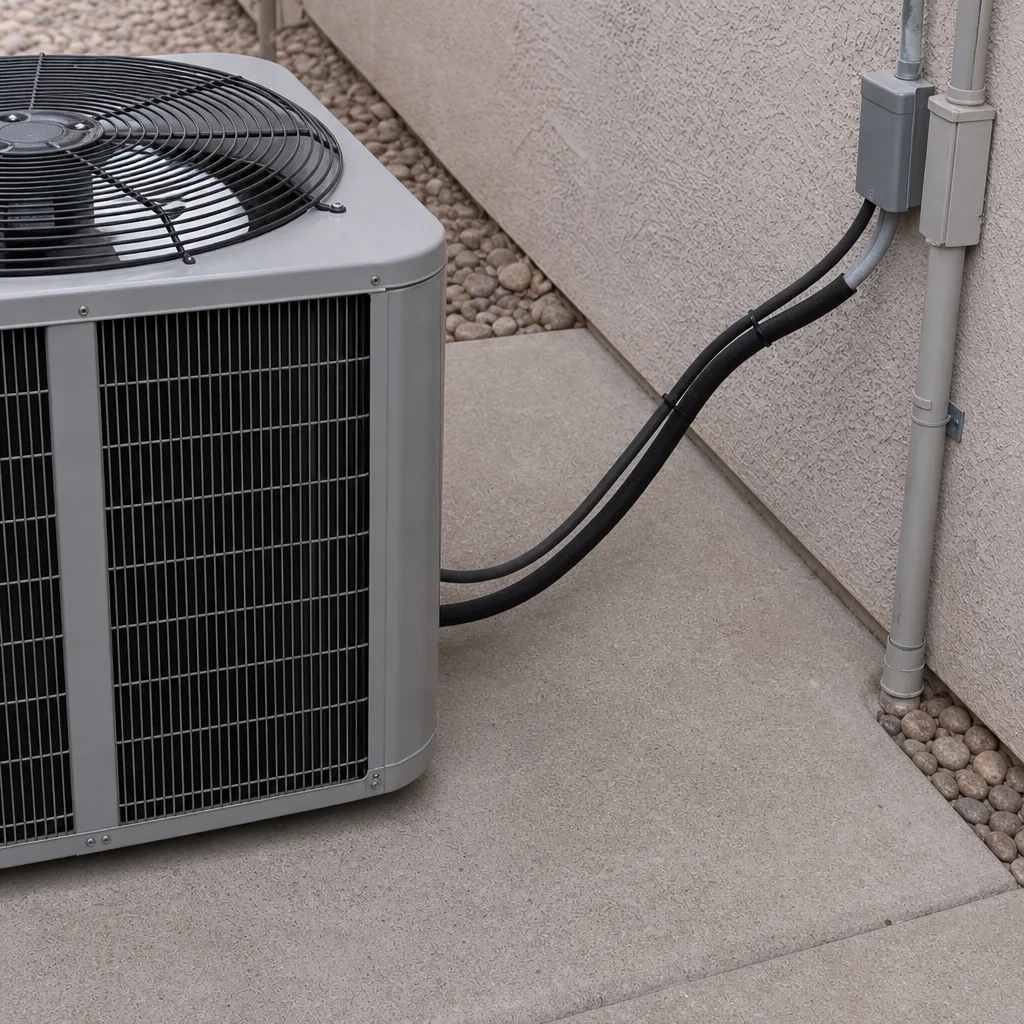
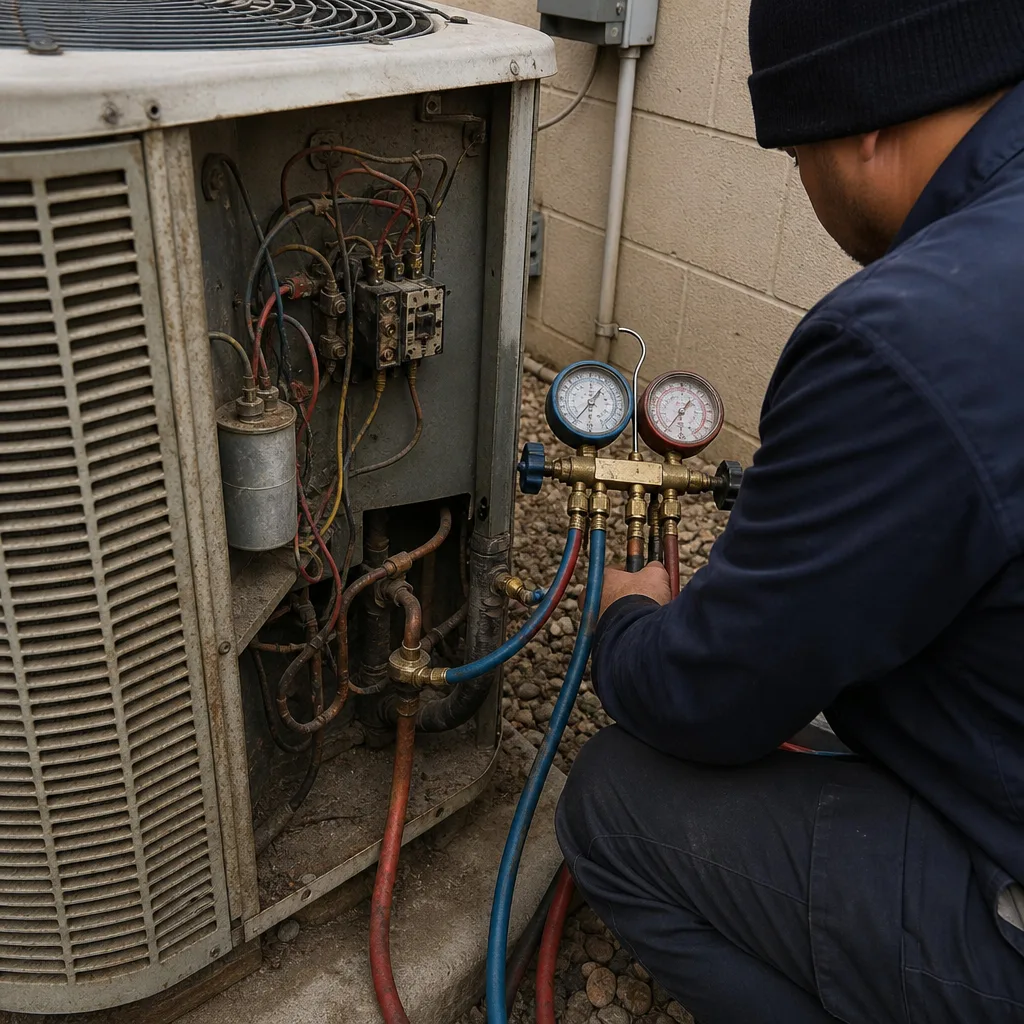
See the difference
 Before
 After
 Before
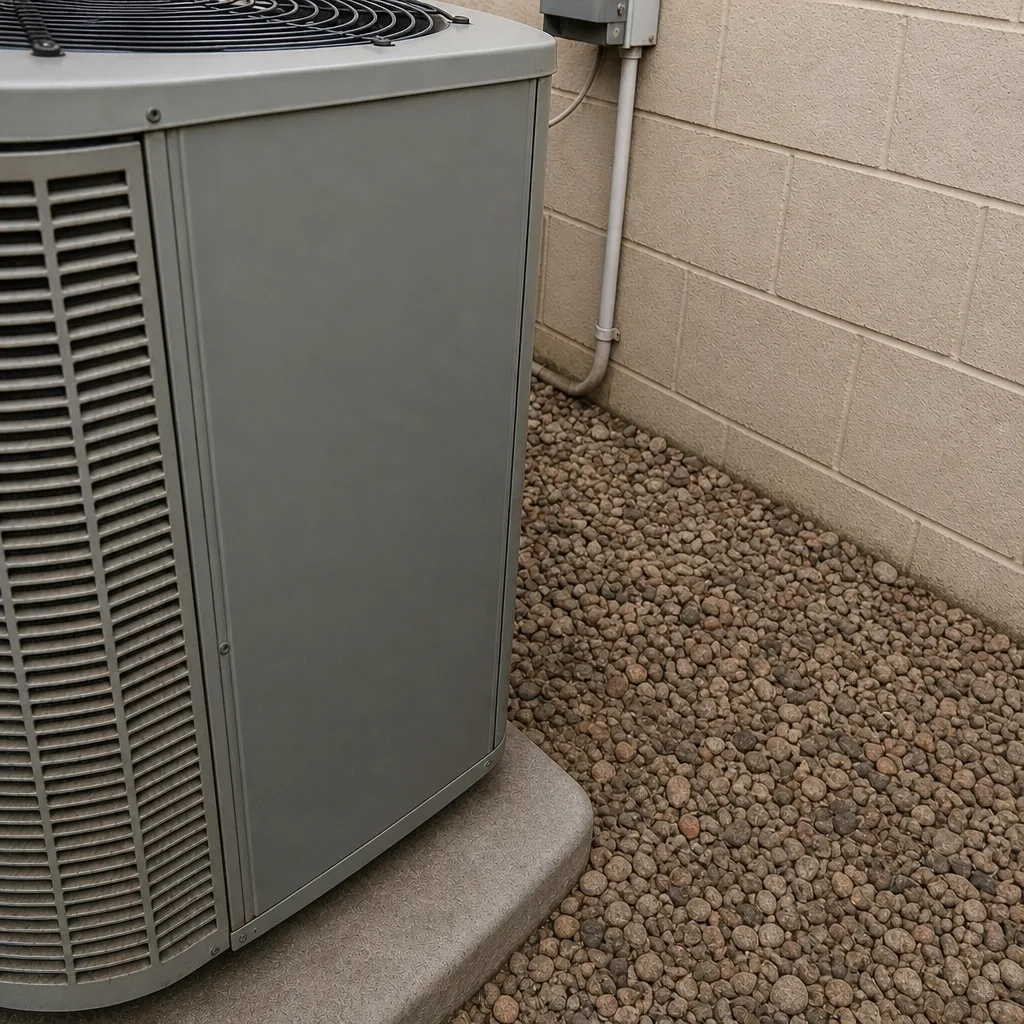 After
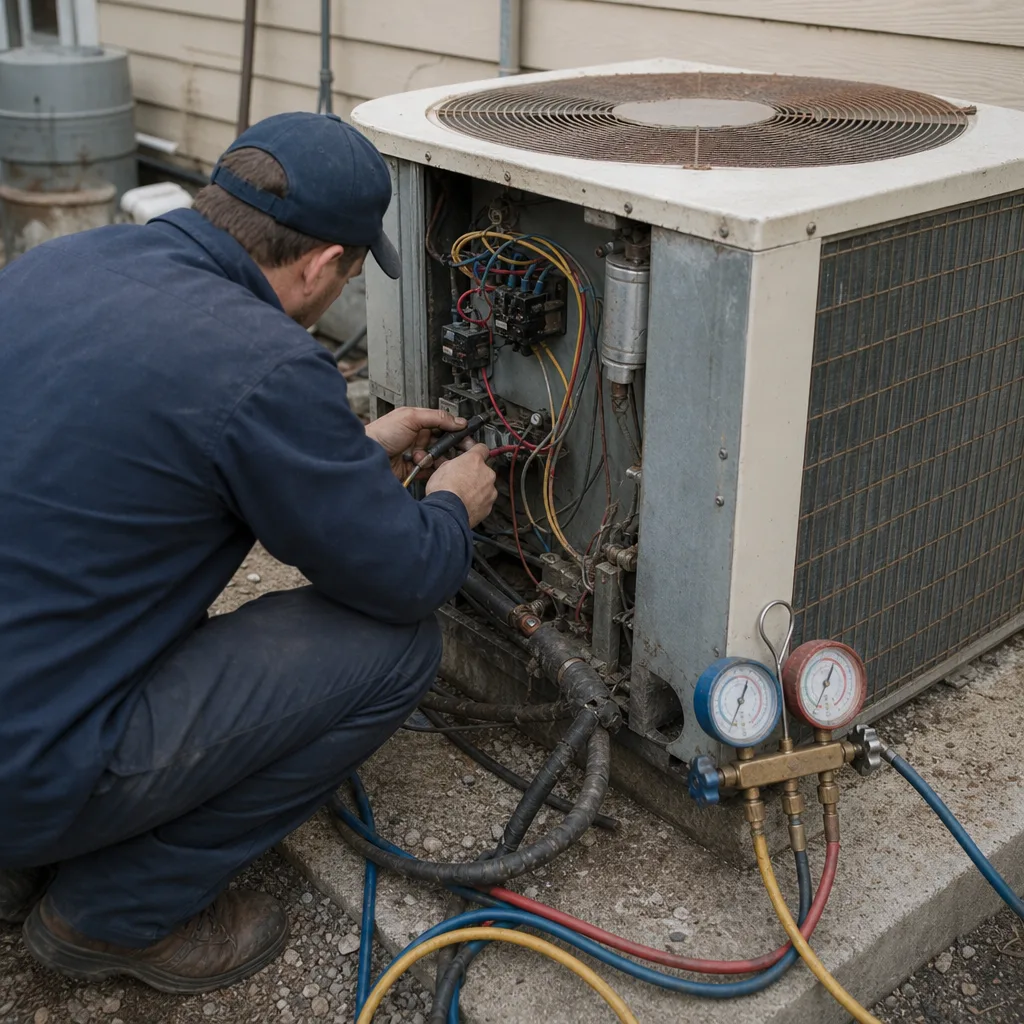 Before
 After