
Last updated November 18, 2026
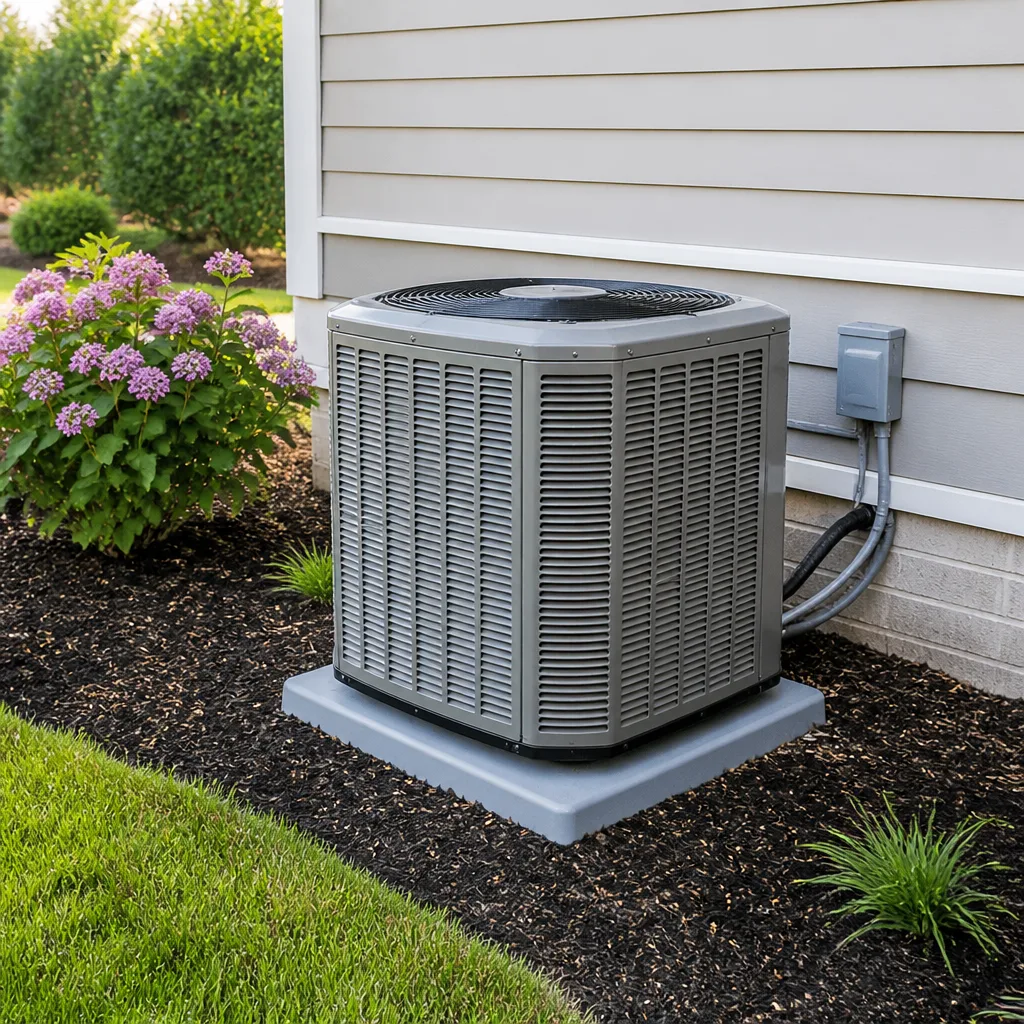 AC repair
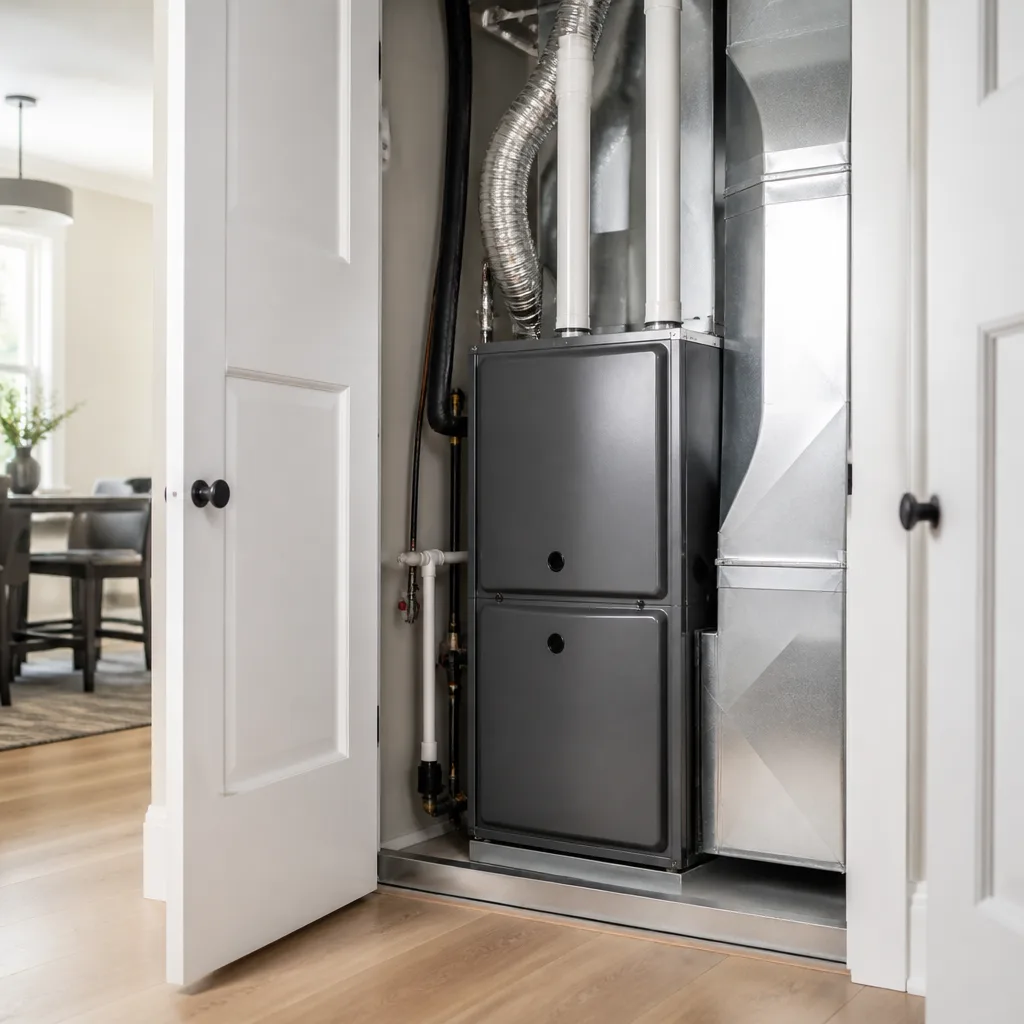 Furnace & heating
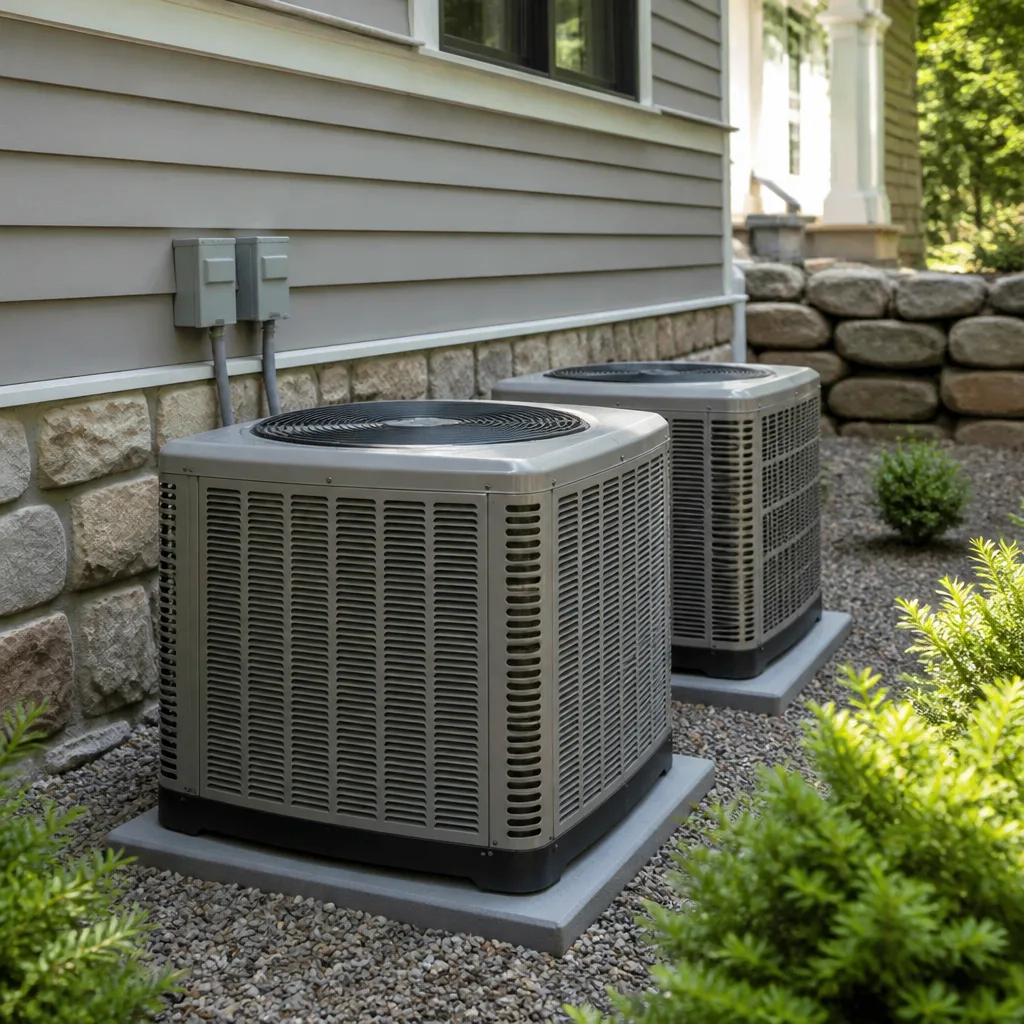 Heat pumps
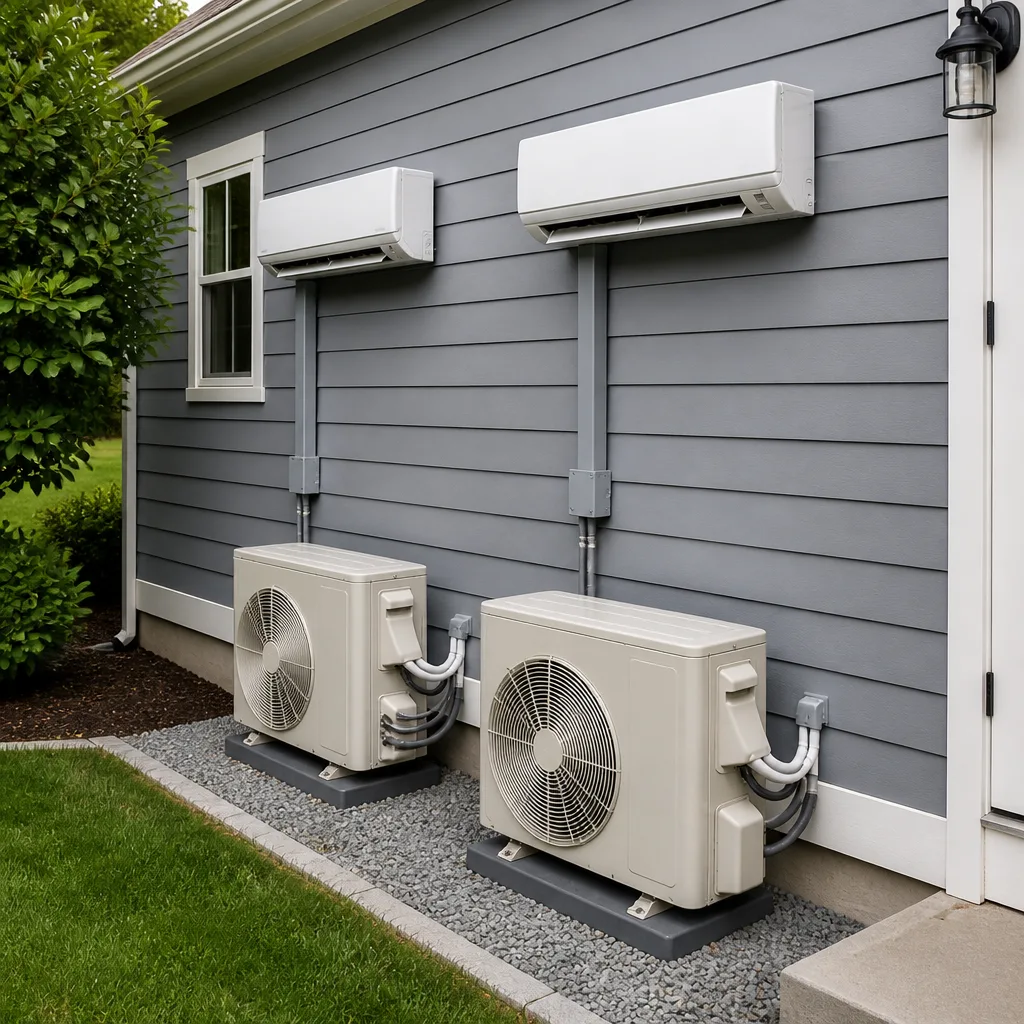 Ductless mini splits
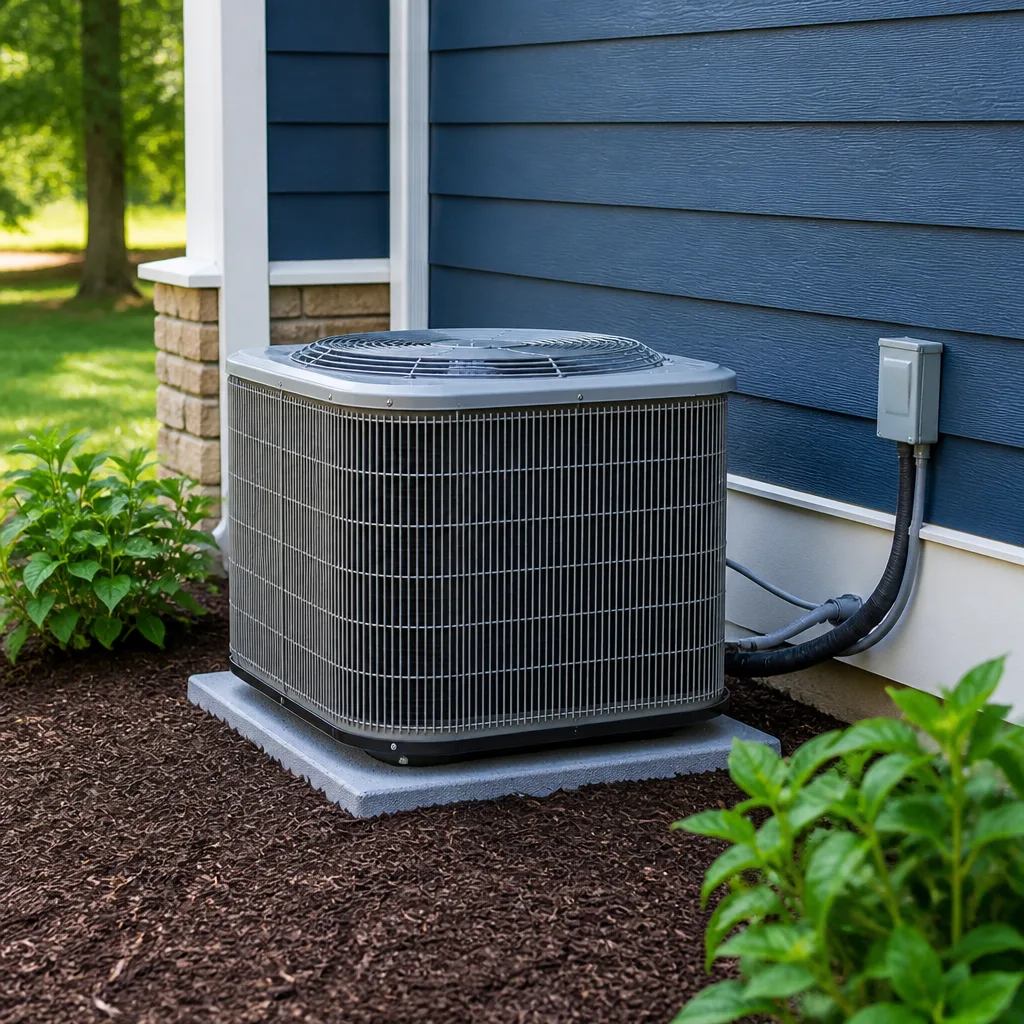 Carrier
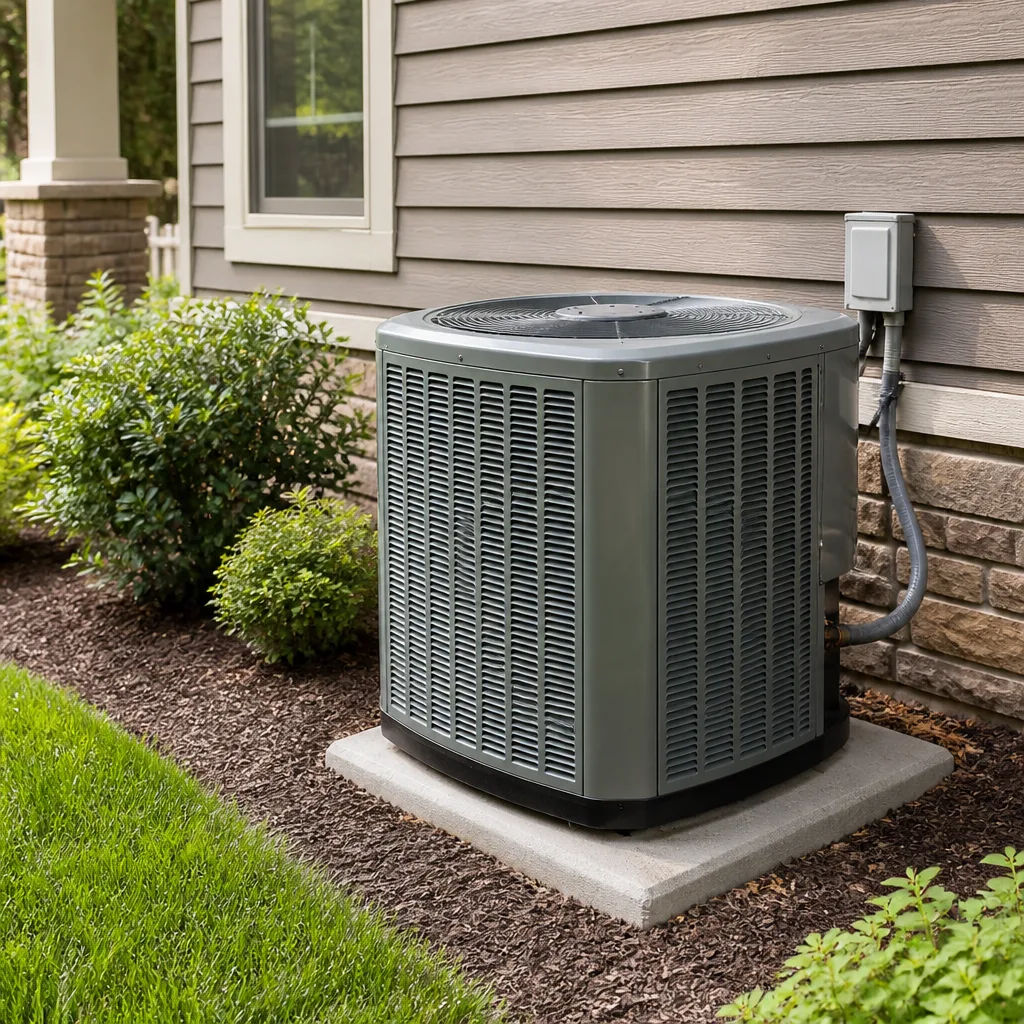 Trane
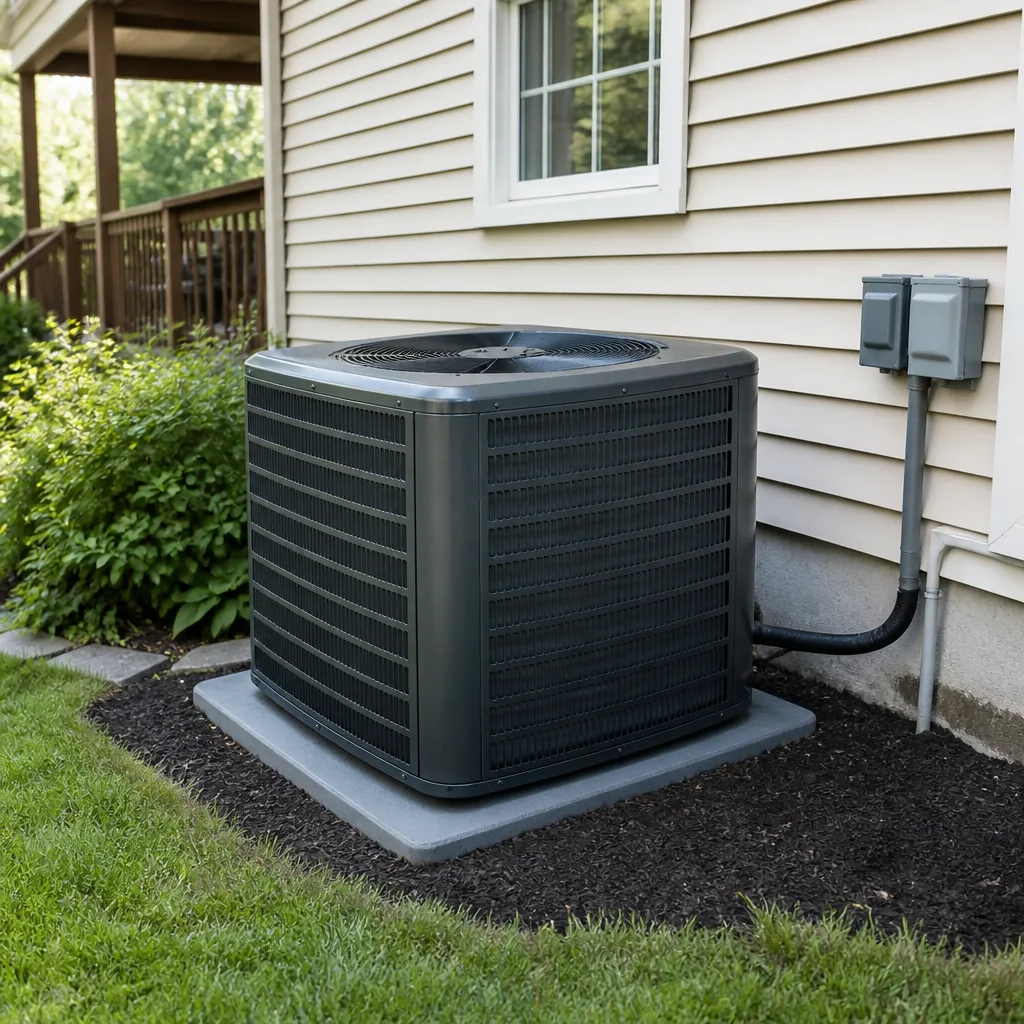 Goodman
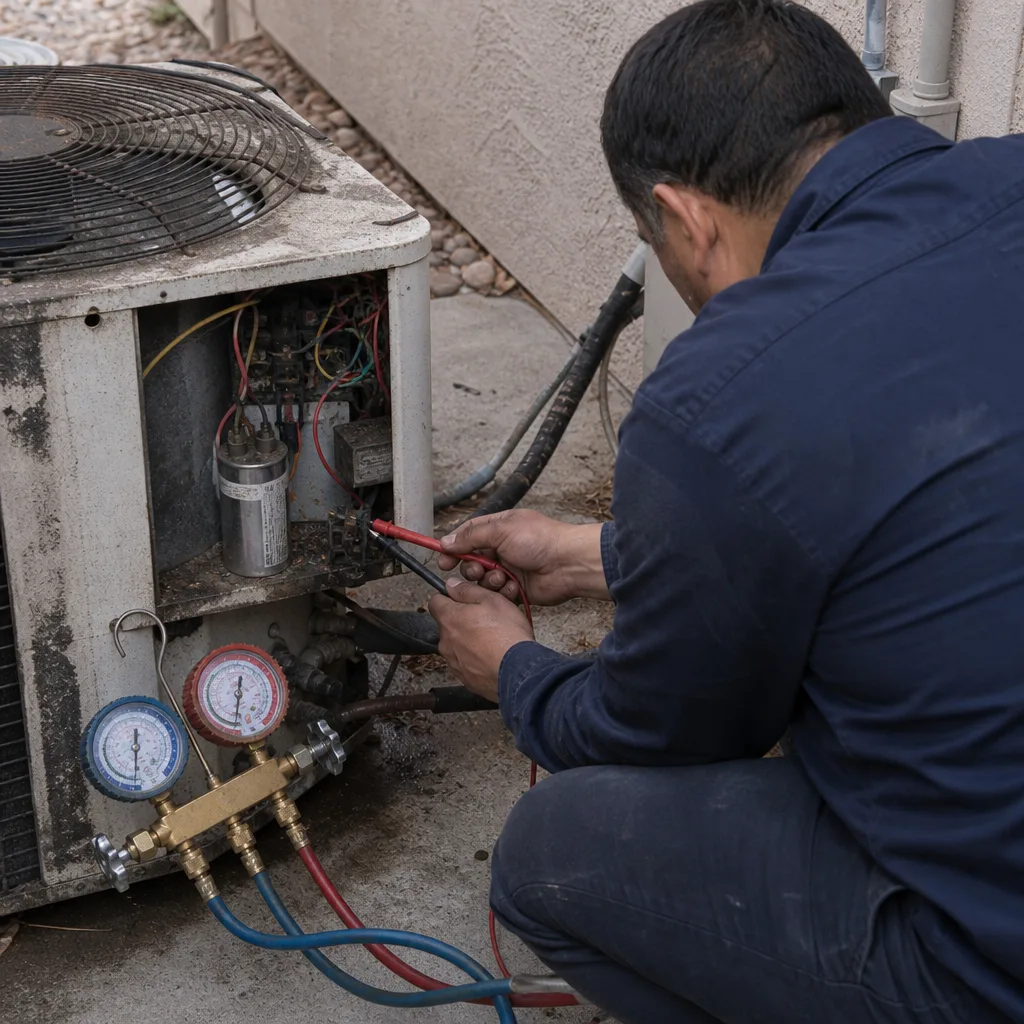
Seasonal tune-up and full diagnostic on your Carrier, Trane, or Goodman system - readings shown to you before any repair is proposed
Diagnosis first, numbers second - you approve the repair price before a single part goes in.
Get your free estimateHVAC Cost Breakdown: The Winchester Homeowner’s Reference for 2026
Here’s the number that stops most homeowners cold: the same 3-ton air conditioner installed in Winchester can run $5,800 from one contractor and $11,400 from another. Both quotes can be entirely legitimate. The gap isn’t greed on one side or a bargain on the other. It’s equipment grade, labor depth, permit handling, and how much hidden work your house actually needs. This guide breaks down what Winchester homeowners genuinely pay in 2026, what drives the low end and the high end of every range, and the three cost variables that separate a fair price from one you’ll regret. Knowing what you’re paying for is the only way to judge what you’re being charged.
Quick Answer
A full HVAC system replacement in Winchester typically runs $6,800 to $11,500 in 2026, including equipment, labor, materials, permits, and disposal. A single AC or furnace replacement generally lands between $4,200 and $7,800. The width of that range comes down to three things: equipment tier, house-specific install complexity like ductwork and electrical capacity, and whether the job is properly permitted and right-sized. Skip any of those three and the “cheap” quote usually costs more over ten years.
Styles & brands we work with
- AC repair
- Furnace & heating
- Heat pumps
- Ductless mini splits
- Carrier
- Trane
- Goodman
Table of Contents
- Line-Item Cost Breakdown
- How Your House Shifts the Price by $1,000 to $4,000
- The Efficiency Upgrade Math: 14 SEER vs. 18 SEER
- Financing, Rebates, and the Federal Tax Credit
- Lifetime Cost vs. Install Cost: A 10-Year Comparison
- How to Evaluate a Quote You’ve Received
- Common Mistakes to Avoid
- Frequently Asked Questions
Line-Item Cost Breakdown: What You’re Actually Paying For
Every honest HVAC quote in Winchester breaks into five cost buckets. If a contractor hands you a single lump number with no breakdown, ask for one. Here’s what each piece realistically runs in the Winchester market in 2026, and what you should expect to see.
- Equipment: $2,600 to $5,400. A builder-grade Goodman or Rheem condenser sits at the low end; a mid-tier Lennox or York unit runs several hundred dollars more. This is roughly 40 to 50 percent of your total.
- Labor: $1,400 to $2,600. Install of a full split system takes a crew most of a day. More complex changeouts (heat pumps, mini-splits, attic air handlers) push toward the top of the range.
- Materials: $350 to $900. Line sets, refrigerant, pad, electrical connections, drain line, filter rack, thermostat, and the small parts that add up.
- Permits: $180 to $450. Clark County requires a mechanical permit for HVAC changeouts, and the cost is passed through from the county. A quote that says “no permit needed” is a quote you should not sign.
- Disposal and refrigerant recovery: $120 to $300. The old unit must be hauled off and the old refrigerant captured legally.
Add those ranges and you get a legitimate $6,800 to $11,500 full-system job. The $5,800 quote you saw gets there by trimming labor, skipping the permit, or dropping to a builder-grade unit. Each of those decisions has a cost on the back end, covered below. If you want to talk through your specific numbers, our AC Repair & Installation in Winchester team handles quotes the same way we handle installs: line by line, in writing.
How Your House Shifts the Price by $1,000 to $4,000
Two identical homes on the same street in Winchester can get quotes that differ by thousands, and the reason usually isn’t the contractor. It’s the house. Four factors move the number more than anything else, and a good estimator will walk the property and tell you which ones apply before any dollar figure is quoted.
- Ductwork condition. If your ducts are leaking 20 to 30 percent of the air (common in homes built before 1990), you’re paying to cool the attic. Sealing and repair runs $600 to $1,500. Full duct replacement runs $2,500 to $5,000. A new system on tired ducts is money half wasted.
- Electrical panel capacity. Modern heat pumps and high-efficiency systems often need a dedicated circuit or a panel upgrade. That’s $400 to $1,200 for a new circuit, more if the panel itself needs work.
- Attic access and equipment location. A horizontal air handler squeezed into a tight attic space or a unit on a hard-to-reach rooftop adds several hundred dollars in labor. Easy closet installs trim the same amount.
- Existing tonnage and load. A right-sized system is calculated from your house, not pulled from the old nameplate. If the last installer oversized your unit by a ton (very common in Winchester track homes), the new one may be smaller and cheaper, or may need ductwork rebalanced to distribute air properly.
Together, these factors explain most of the $1,000 to $4,000 swing between two otherwise similar quotes. A contractor who quotes without looking in the attic has quoted a fictional job. Insist on a walk-through before signing anything.
The Efficiency Upgrade Math: 14 SEER vs. 18 SEER
The 14 SEER to 18 SEER jump adds roughly $800 to $1,400 to the equipment price. The question worth asking is whether it earns that back in Winchester. Here’s the honest math, using real Winchester electricity economics.
Winchester summers regularly push past 105°F, and July alone can drive a cooling bill into $180 to $260 for an average 1,800-square-foot home. If a 14 SEER system costs about $1,400 a summer in electricity on that house, an 18 SEER unit saves roughly 20 to 22 percent, or about $280 to $310 a season. Over ten years that’s $2,800 to $3,100. Minus the $800 to $1,400 upfront premium, the net gain comes to $1,400 to $2,300.
It pencils out when:
- You plan to stay in the home 8 years or longer.
- Your current electric bill tops $200 in summer.
- Ductwork is already sealed and insulated, so you’re not upgrading equipment on top of leaks.
- You can combine the upgrade with an NV Energy rebate that offsets the difference (see next section).
It doesn’t pencil out on a home you plan to sell in three to four years, or one where the ducts are the real problem. Fix the ducts first, then re-run the math.
Financing, Rebates, and the Federal Tax Credit
The 2026 financing landscape for HVAC in Winchester is more favorable than it has been in years, and stacking incentives correctly can cut a $9,000 job down to $6,500 or less on paper. Here’s what’s actually available.
- NV Energy rebates: The utility’s residential efficiency programs rebate qualifying high-efficiency equipment, with heat pumps and mini-splits often leading the pack. Rebate amounts change, so ask for a signed rebate reservation before you sign the install contract. The best contractors handle the paperwork for you.
- Federal tax credit: Under current law, qualifying high-efficiency systems remain eligible for a federal tax credit of up to 30 percent of the installed cost, with an annual cap. This is a credit against what you owe, not a discount at the register, and eligibility depends on meeting efficiency thresholds. Confirm current rules with your tax professional.
- Manufacturer and dealer financing: Most major brands, including Lennox and York, offer dealer financing through partner lenders. Terms vary. Ask the contractor to show you the actual APR before comparing financed monthly payments against cash price.
- Contractor standing offers: Ask any contractor what they can knock off the number for the same approved work. Our Heat Pump & Mini Split in Winchester team, for example, offers $50 off any repair over $250 and a free second opinion on any written estimate, which is a no-risk way to check a quote before committing.
The one rule of stacking: apply the manufacturer and county rebate as a line-item reduction at install, then claim the federal credit on your return. Don’t let anyone roll the promised rebate into the financed balance, because if the rebate doesn’t land, you’re paying interest on money you never received.
Lifetime Cost vs. Install Cost: A 10-Year Comparison
Two Winchester homeowners buy a 3-ton system in the same month. One takes the $5,800 quote; the other takes a $9,200 right-sized, properly permitted job. On install day, the first homeowner saved $3,400. Ten years later, the math looks very different.
Here’s a realistic ten-year total cost of ownership comparison, in 2026 dollars:
- Budget install ($5,800 base): Higher electric bills from an undersized or oversized system running inefficiently on leaky ducts, plus a compressor replacement likely in year 7 or 8, plus repairs after year 5, plus the eventual cost of the permit you’ll need to sell. Estimated ten-year cost: $15,800 to $18,500.
- Right-sized install ($9,200 base): Lower electric costs, warranty intact, no permit surprises, and a system designed to deliver its rated efficiency. Estimated ten-year cost: $13,200 to $14,600.
The gap isn’t dramatic, but it’s real, and it flips the entire premise of “the cheapest quote wins.” The right-sized job also tends to be the one you don’t have to think about. That’s the trade most of our customers in Winchester actually want. When a system is sized and installed correctly, most homes get many years of quiet, boring service before anything goes wrong.
How to Evaluate a Quote You’ve Received
If you have two or three HVAC estimates sitting on the kitchen counter and no idea which to sign, run them through this five-step check. It takes about ten minutes and catches most of the cost traps.
- Confirm the permit is included, in writing. Ask the contractor for the mechanical permit number and the inspecting jurisdiction. A quote without a permit is $300 to $500 cheaper for a reason that catches up with you.
- Look for a load calculation. A right-sized system gets a Manual J or equivalent load calc. If the quote just copies the old tonnage, ask why.
- Check the equipment model number, not just the brand. Two Lennox systems with the same logo can differ by $1,000 in efficiency and warranty. The model number tells you which one you’re actually buying.
- Read the labor and permit lines, not the total. The total is negotiable fluff. The line items are where the real quote lives.
- Ask what happens if the install doesn’t meet spec. A meaningful warranty is written, not spoken. Our Fireside Heating & Air Co. Winchester home page and our Heating & Furnace in Winchester service both carry a 90-Day Done Right Promise in writing, which is a useful bar to hold any quote against.
Common Mistakes to Avoid
- Skipping the walk-through. Any quote given without an attic inspection and a load calculation is a guess dressed up as a price. Insist on the walk.
- Choosing strictly on the bottom line. A $3,000 gap usually means $3,000 of something was left out: permit, ductwork, or equipment tier. Ask what’s missing, not what’s discounted.
- Installing a new system on unsealed ducts. In older Winchester neighborhoods, leaky ducts can waste 20 to 30 percent of the cooling you just paid for. Seal first, then install.
- Ignoring the electrical panel. A modern system may drag the panel into the job. If the contractor doesn’t check amperage, they haven’t fully estimated.
- Rolling a rebate into the financed balance. If the rebate doesn’t land, you’re paying interest on money you never got. Ask for the rebate as a line-item reduction.
- Signing a single-page “contract.” A real contract lists equipment model numbers, permit status, warranty terms, and payment schedule. If it doesn’t, walk.
- Assuming the cheapest bid is the most honest. A bid that leaves out the permit is cheaper by definition. The county will still expect to see that permit when you sell the house.
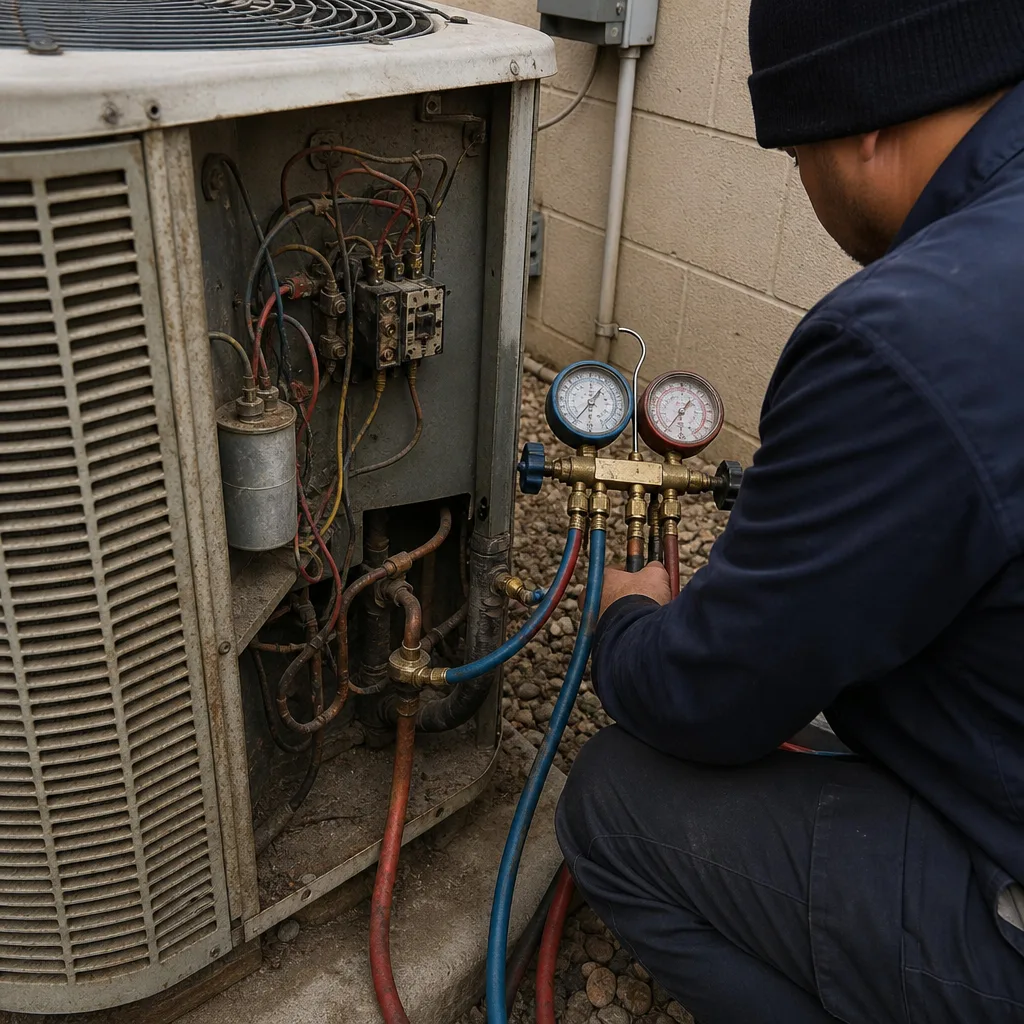
See the difference
 Before
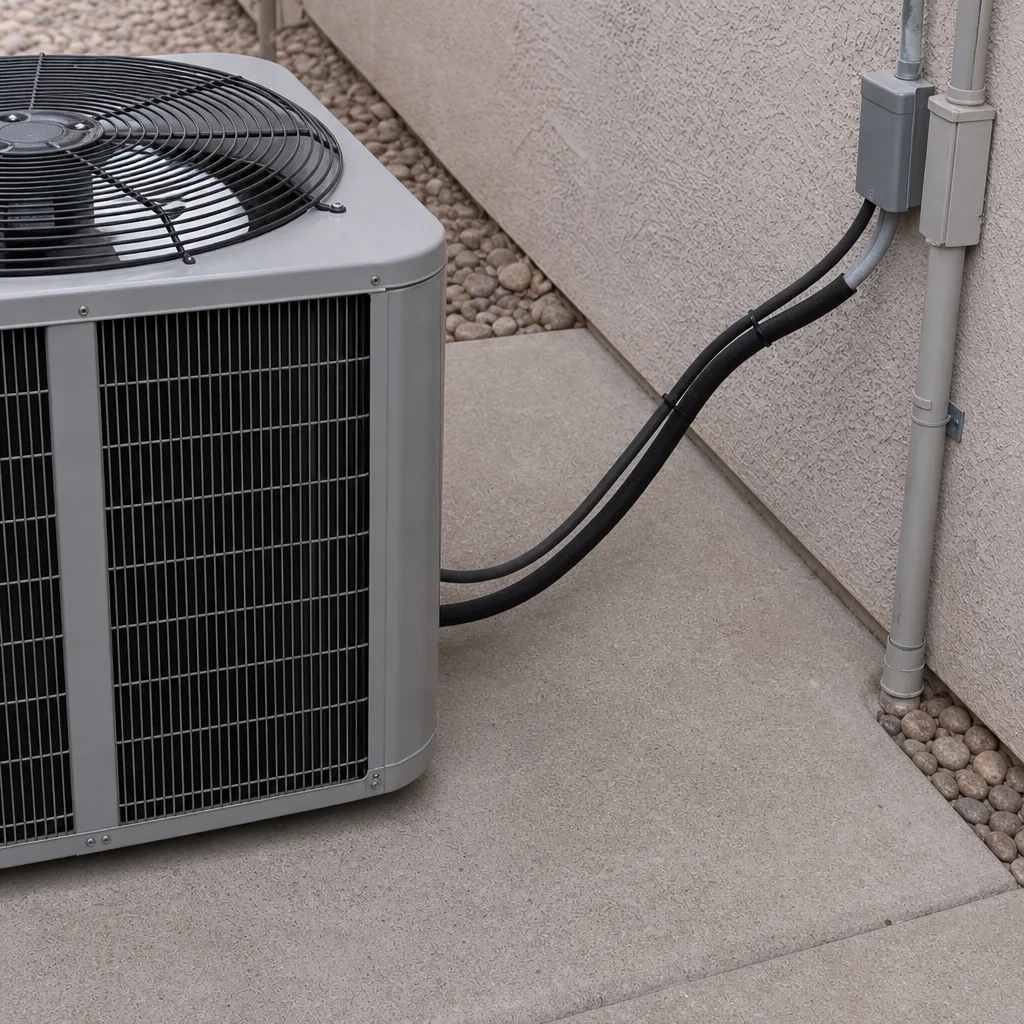 After
 Before
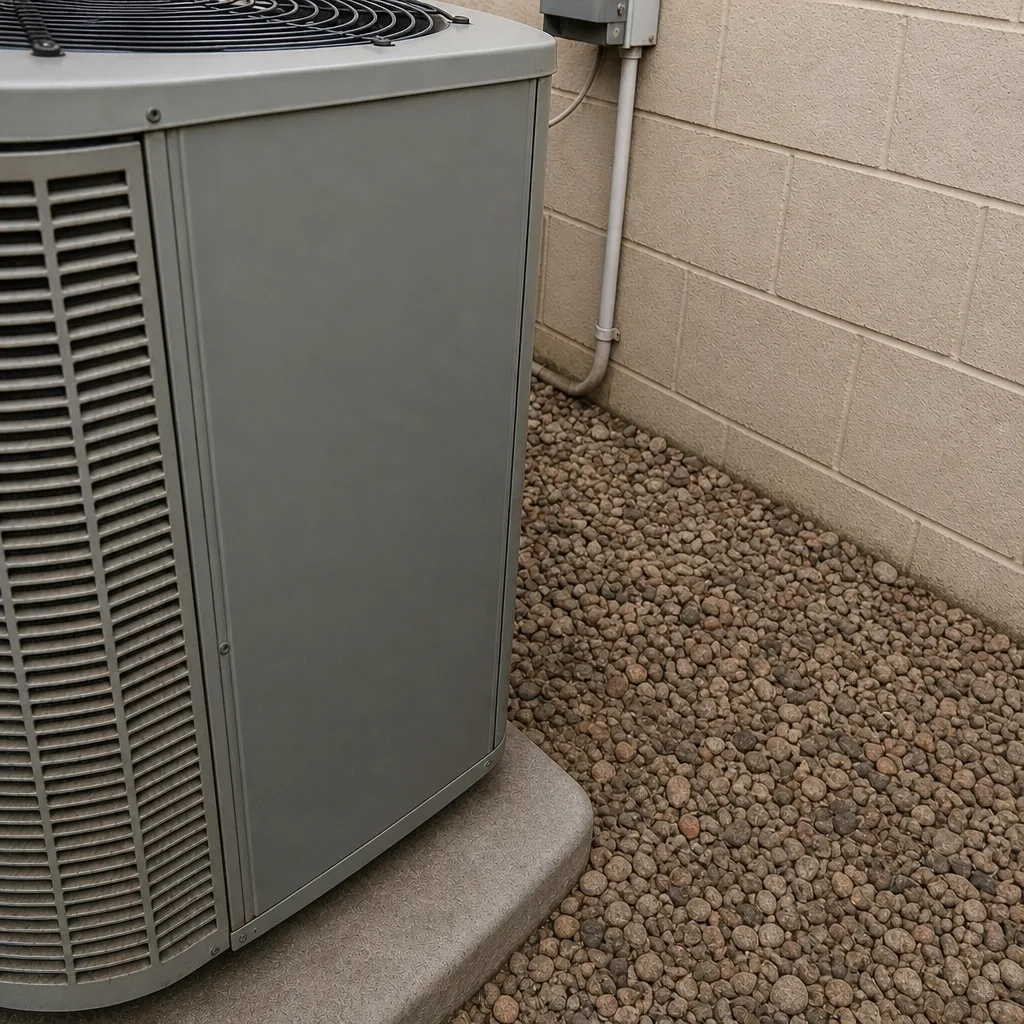 After
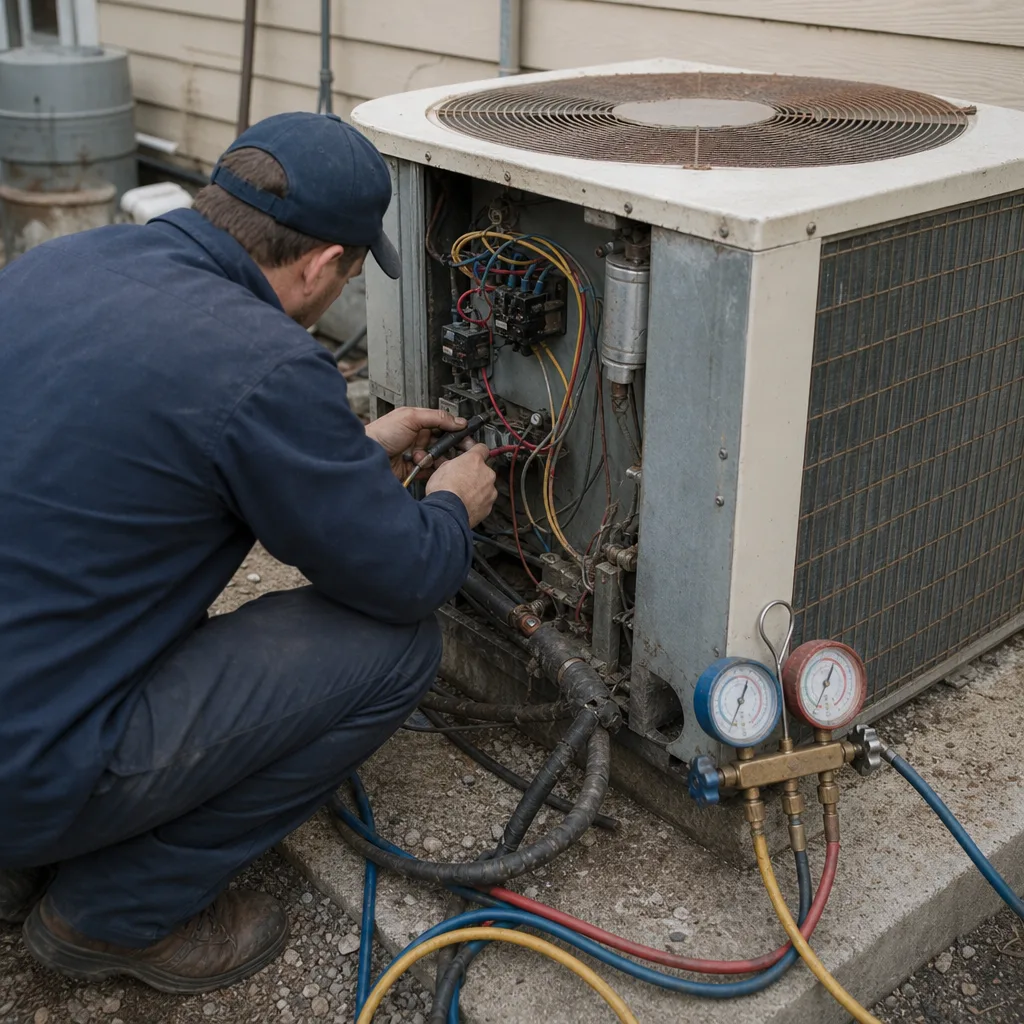 Before
 After
When to Call a Professional
Not every HVAC decision needs a contractor. But several do, and calling too late almost always costs more than calling early. Call us when your system is more than 15 years old and starting to need repairs twice a season, when the AC can’t keep a Winchester afternoon below 78°F no matter what the thermostat says, when you’ve had a repair that didn’t hold and you want a second opinion before throwing money at it again, or when you’re ready to price a new install and want a full walk-through and written quote. Gas line work and electrical panel work belong in a trained professional’s hands, and neither should be handled as a homeowner repair.
Fireside Heating & Air Co. Winchester offers free estimates in Winchester – call (844) 783-5043 for a written, no-hassle quote with a live person on the line, day or night.
Frequently Asked Questions
A full system replacement in Winchester typically runs $6,800 to $11,500 in 2026, including equipment, labor, permits, and disposal. A single AC or furnace changeout runs $4,200 to $7,800. Your exact number depends on equipment tier and house-specific install factors. Call (844) 783-5043 for an exact quote – estimates are free.
Yes, if you plan to stay in the home 8 years or longer and your summer electric bill tops $200. At Winchester electricity rates, the upgrade saves roughly $280 to $310 per season, recouping the $800 to $1,400 premium within four to five summers. Pair it with an NV Energy rebate and the payback shortens further.
Clark County mechanical permits for HVAC changeouts typically run $180 to $450 and are passed through from the county. A quote that claims no permit is needed is a quote you should question. Every legitimate install in Winchester pulls one.
Yes. Most major brands, including Lennox and York, offer dealer financing through partner lenders, and NV Energy rebates plus the current federal tax credit can be stacked alongside it. Ask for the actual APR before comparing financed monthly payments to cash price.
Repair if the system is under 10 years old and the repair costs less than a third of replacement. Replace if it’s over 15 years old, if repairs are hitting twice a season, or if the compressor or heat exchanger has failed. Repair decisions made on systems near the end of life usually cost more than replacement within a year.
We take calls 24/7 and can often schedule same-day repairs in Winchester, particularly for no-cool and no-heat emergencies. Call (844) 783-5043 and a live person will answer – no voicemail tree – and give you the soonest available window.
The Bottom Line
The HVAC market in Winchester gives you a wide range of quotes, and most of them are honestly priced. The $5,800 job and the $11,400 job aren’t the same work. One skips the permit, trims the labor, or installs on leaky ducts. The other sizes the system correctly, pulls the permit, and delivers on its efficiency claims over ten years. The three variables that separate fair from regrettable are equipment model, install permitting, and right-sizing. Get all three in writing, run the numbers against ten-year cost instead of install day, and the right decision usually picks itself. The price quoted is the price paid. Done right, or we make it right.
Written by the team at Fireside Heating & Air Co. Winchester.