
Last updated November 18, 2026
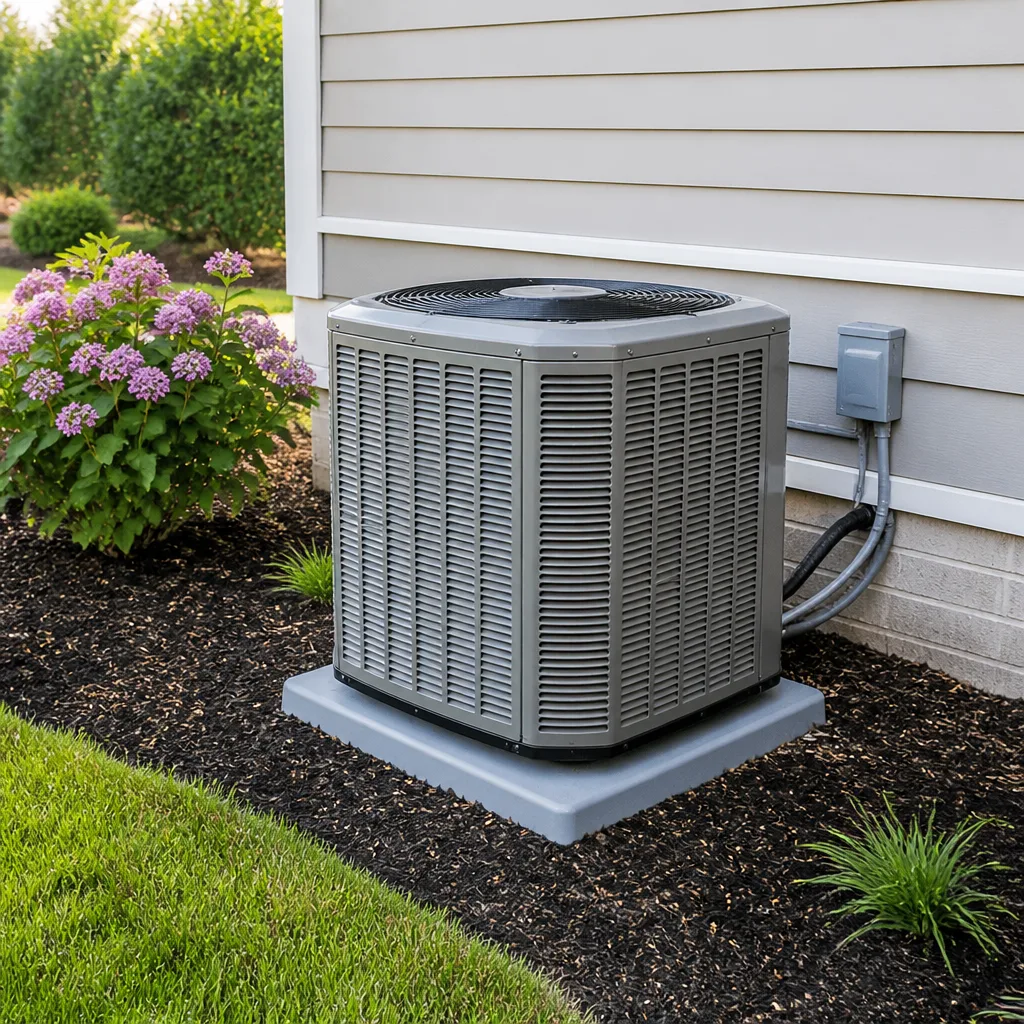 AC repair
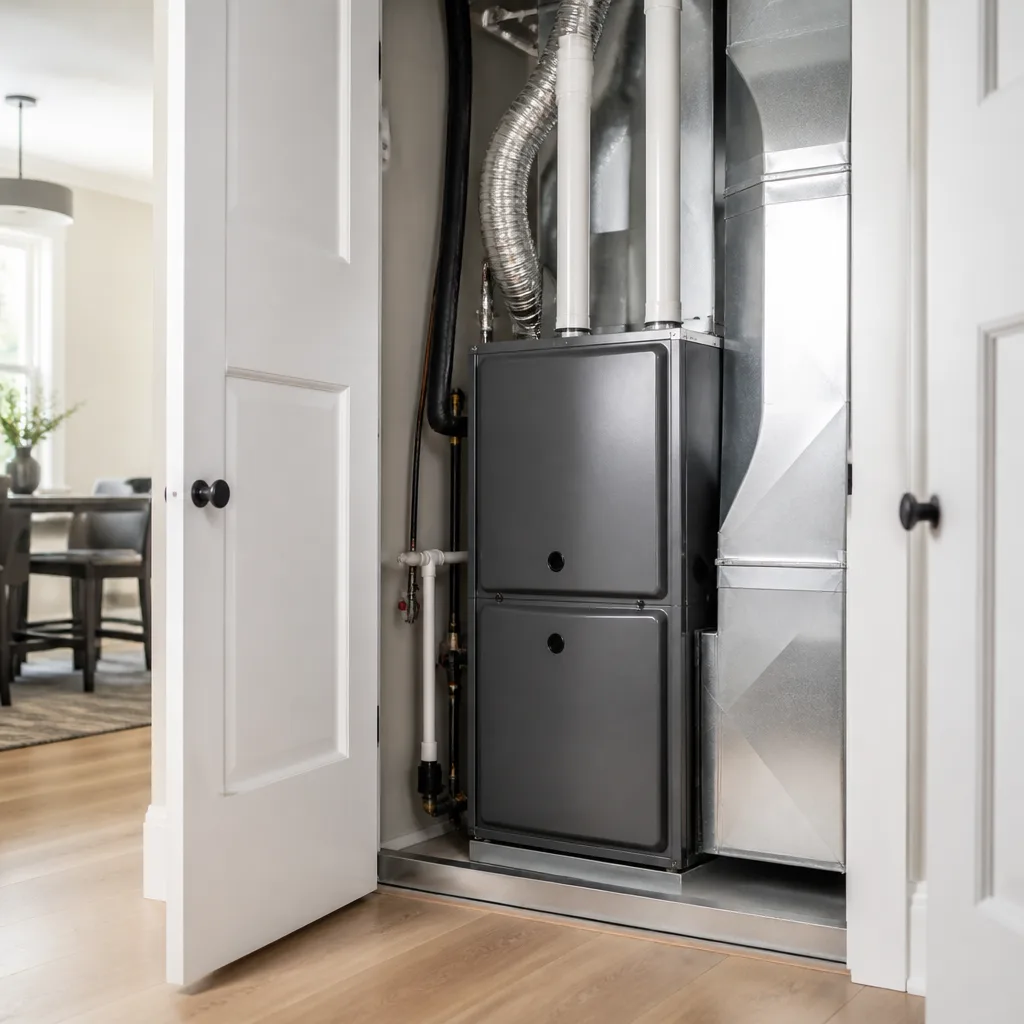 Furnace & heating
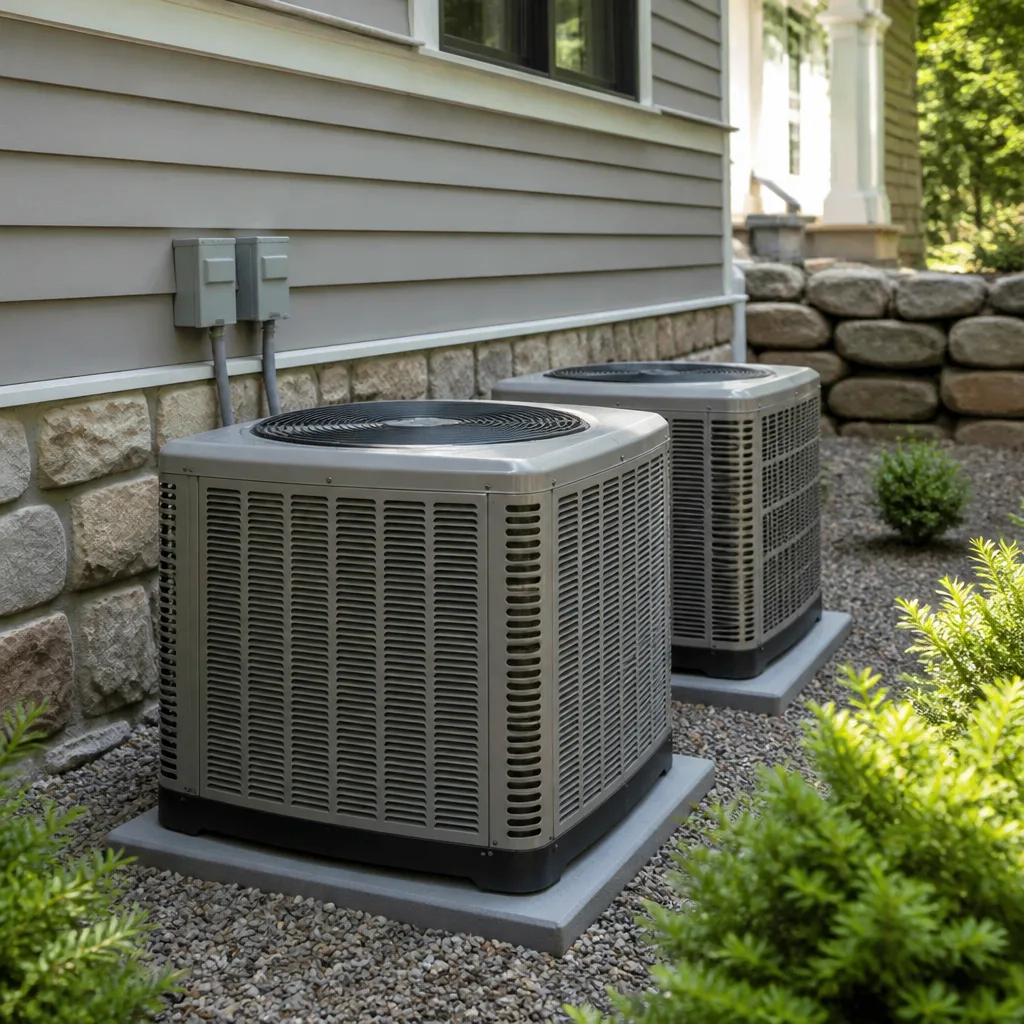 Heat pumps
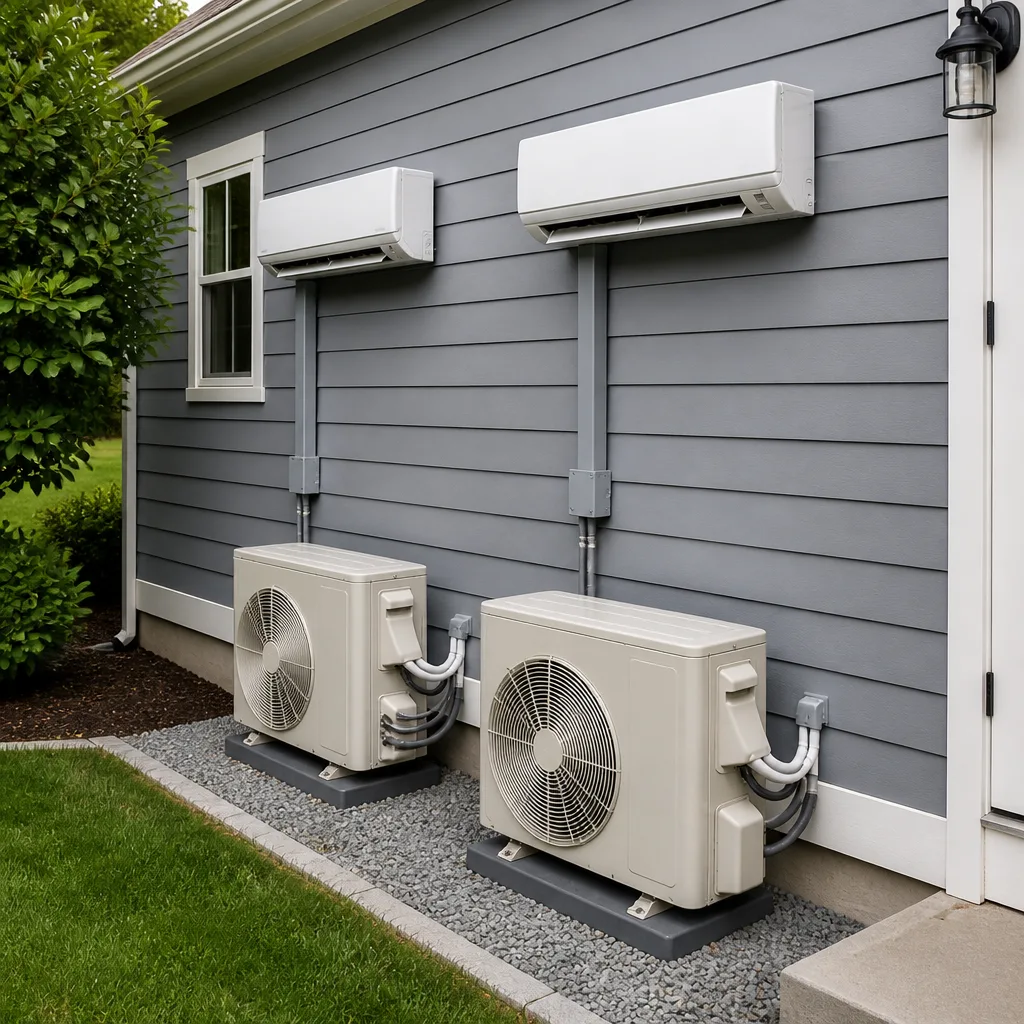 Ductless mini splits
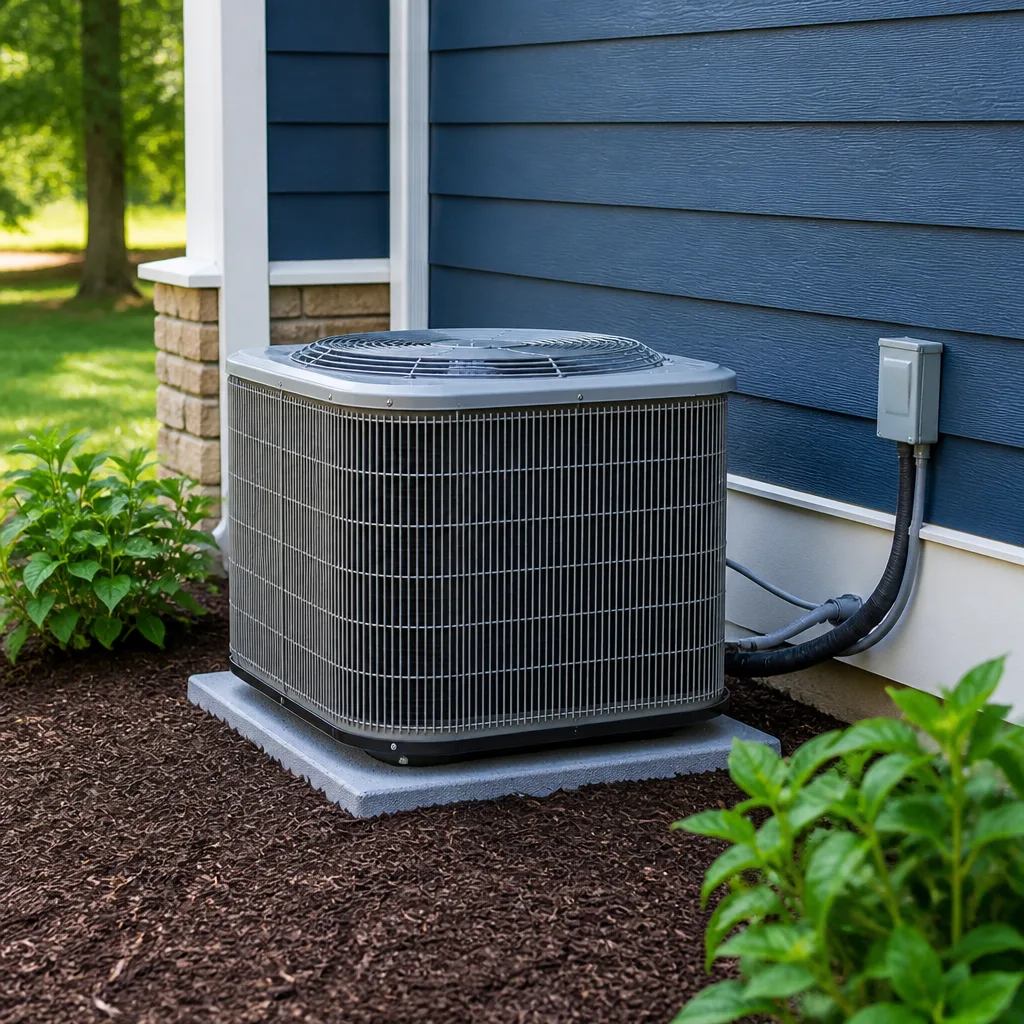 Carrier
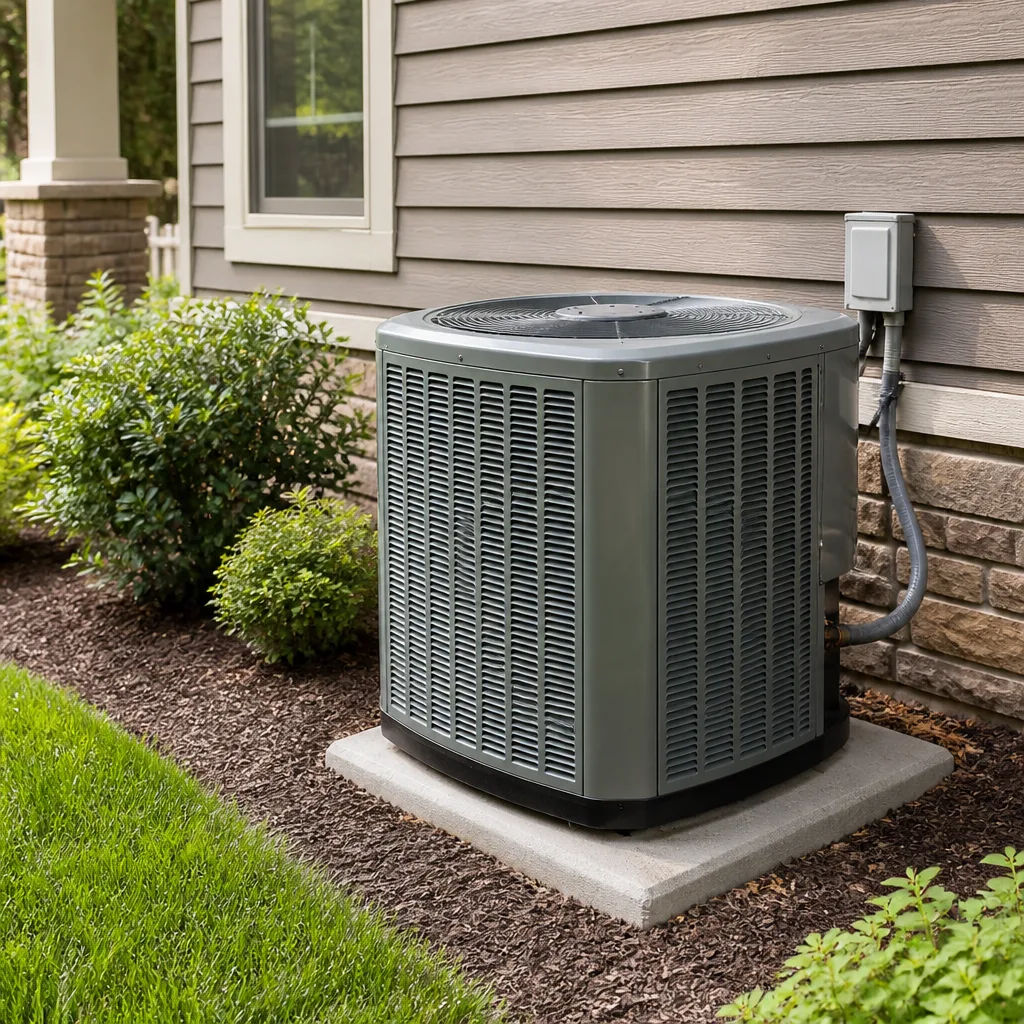 Trane
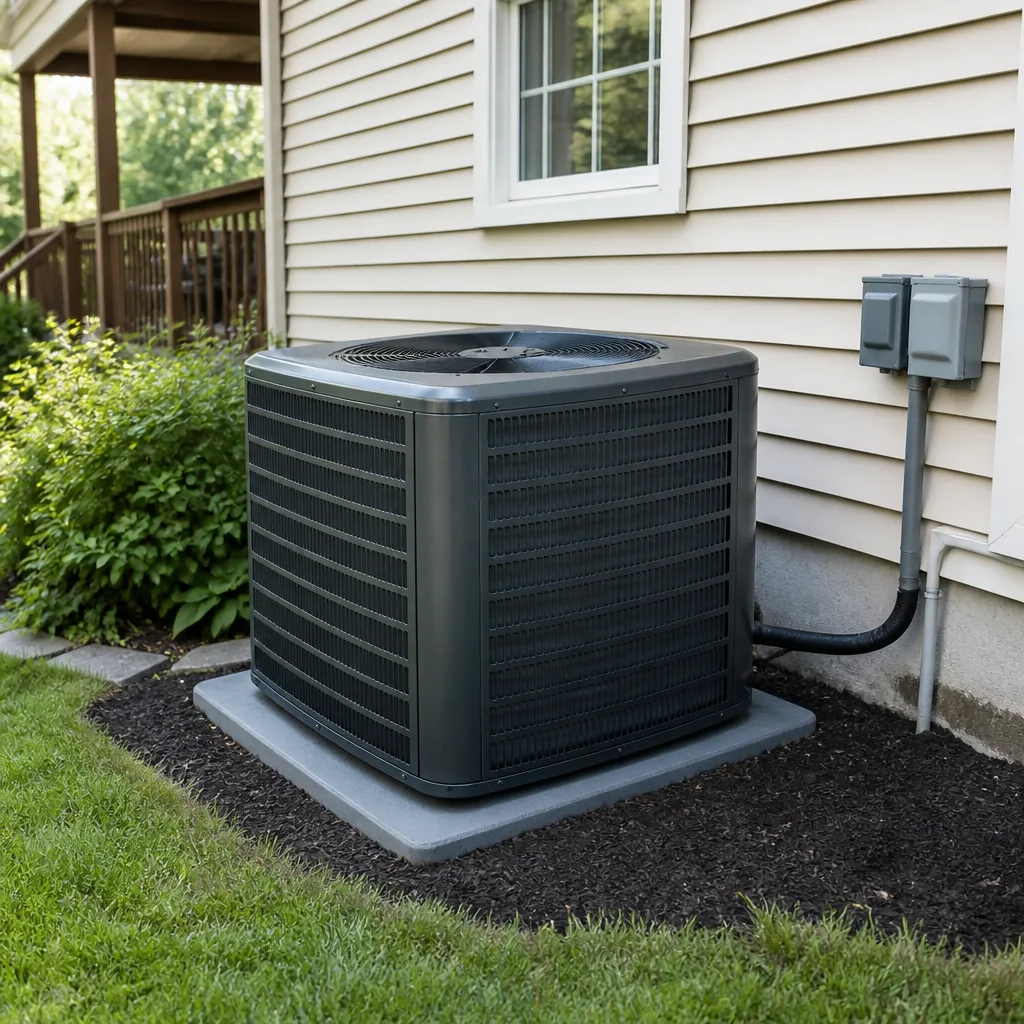 Goodman
Seasonal tune-up and full diagnostic on your Carrier, Trane, or Goodman system - readings shown to you before any repair is proposed
Diagnosis first, numbers second - you approve the repair price before a single part goes in.
Get your free estimateHVAC Warning Signs: A Winchester Homeowner’s Reference Guide
By the time your system quits outright, the decision has usually been made for you, and it’s the expensive one. The warning signs that matter most aren’t the dramatic ones. They’re the quiet, boring signals that show up 60 to 180 days before a breakdown: a slightly longer run cycle, a clicking sound you can’t quite place, a utility bill that jumped 18% with no explanation. We’ve seen Winchester homeowners catch those signals and pay for a $300 repair. We’ve also seen the same signals ignored until the only phone call left is for a full replacement. This guide walks you through what to watch for, what each sign points to, and how to read the 18-to-24-month window that tells you whether your system has life left or is running on borrowed time.
Quick Answer
In Winchester, the earliest warning signs of HVAC trouble are longer run cycles to reach the same setpoint, an unexplained 15 – 20% jump in your utility bill, new or changed sounds near the outdoor unit or furnace, and rising indoor dust or humidity. These signals typically appear 60 to 180 days before a hard failure, which is why catching them early is the difference between a manageable repair and a full system replacement. When two or more appear at once, it’s time for a professional inspection.
Styles & brands we work with
- AC repair
- Furnace & heating
- Heat pumps
- Ductless mini splits
- Carrier
- Trane
- Goodman
Table of Contents
- The Long-Run Cycle: Your System’s Most Honest Gauge
- Unusual Sounds, Mapped to the Component Behind Them
- Reading Your Utility Bill as a Diagnostic Tool
- Indoor Air Quality Shifts as Early Warnings
- The Two-Year Window: Reliable Life vs. Imminent Failure
- Winchester-Specific Patterns Worth Knowing
- Common Mistakes to Avoid
- When to Call a Professional
- Frequently Asked Questions
The Long-Run Cycle: Your System’s Most Honest Gauge
A system that starts taking longer than usual to hit the thermostat setpoint isn’t “just getting old.” It’s a measurable efficiency loss, and in almost every case it has a specific, fixable cause. The trick is knowing what “normal” looks like in your own house. Most Winchester homes reach setpoint in a fairly predictable window. When that window quietly stretches from 15 minutes to 25, that’s data, not a feeling.
Here’s how to check without guessing. On a mild afternoon, set the thermostat and time how long the system runs before it shuts off. Do the same thing again in two weeks. If the run time has grown, something changed. The three most common causes we see in Winchester homes:
- A clogged or undersized filter, or a filter that’s bypassing air around its frame. This is the cheapest possible cause and the most common. A dirty filter restricts airflow, the blower works harder, and the system runs longer to move the same amount of air. Changing it costs almost nothing; ignoring it stresses the blower motor and the compressor.
- A refrigerant charge that’s drifted low or high, often from a slow leak. Systems don’t “use up” refrigerant the way a car uses oil. If the charge is off, it’s leaking or it was never set right, and both are parent problems, not pass-throughs. Low charge means the compressor runs longer and hotter to do the same work.
- A failing capacitor or a blower motor that’s losing strength. The system’s mechanical heart is wearing. A weak start capacitor makes the compressor labor on every startup; a tired blower moves less air and the system compensates by running longer.
In our experience, a long-run cycle that appears alongside a bill spike points to the first two causes far more often than a physical break. That’s good news: both are caught early and fixed for a fraction of what a compressor replacement costs. If you’re already noticing longer cycles and want the system looked at, our AC repair and installation team in Winchester can diagnose the cause instead of selling you a unit.
Unusual Sounds, Mapped to the Component Behind Them
Sound is the most underused diagnostic tool a homeowner has. The problem is that “weird noise” is useless, but “a squeal from the outdoor unit right at startup” points to a specific part. Learn to separate the three noises below and you’ll know exactly how urgently to act.
- The bearing squeal. A high-pitched squeal or grinding whine, usually from the outdoor unit or the indoor blower, is a worn motor bearing. It tends to build over weeks rather than appear suddenly. This one is urgent but not an emergency: a bearing that seizes in the middle of a 110-degree Winchester afternoon leaves you with no cooling and a motor that’s now more expensive to replace. Get it looked at within days, not months.
- The contactor chatter. A rapid clicking or buzzing near the outdoor unit, often cycling on and off in quick succession, usually points to the contactor, the electrical switch that starts the compressor and fan. Sometimes it’s a failing contactor; sometimes it’s a symptom of low voltage or a control board problem. Treat it as a call-today item, because a chattering contactor can cook a compressor if it’s left running.
- The heat exchanger tick. In heating season, a slow metallic ticking or popping from the furnace as it heats up and cools down can be normal expansion. But a consistent tick that wasn’t there last winter deserves attention. The heat exchanger is a safety-critical part, and a cracked one can let carbon monoxide into your home. If you’re hearing a new tick and your carbon monoxide detector has ever chirped, stop using the furnace and call a professional.
One sound that deserves its own line: a single loud bang or boom at startup is usually a duct issue from a pressure pop, not a mechanical failure, but it’s worth having checked along with the rest. We’ve walked through dozens of Winchester homes where a “nothing serious” noise turned out to be a $200 part that had been cooking a $1,200 motor for two months.
Reading Your Utility Bill as an HVAC Diagnostic Tool
Your monthly bill is the most accurate record of your system’s health you’ll ever get, and almost nobody reads it that way. The number isn’t the point. The change is. An unexplained 15 – 20% spike in a summer or winter bill, in a month where the weather was comparable to last year’s, is a signal your system is working harder than it should.
Here’s how to read it properly, step by step:
- Pull the same month from last year. Compare the total usage, not just the dollar figure, since rates change. Usage in kilowatt-hours in summer or therms in winter is the honest number.
- Compare the weather. In Winchester, a July that runs several degrees hotter than last July legitimately uses more power; a July that was cooler but used more is the real flag.
- Look for consistency. One spike could be a guest staying a week. Two or three comparable months running 15 – 20% high is a trend, and trends point to a system-level cause.
- Cross-check against run time. If the bill is up and the system is running longer, you’ve likely found a charge or airflow problem. If the bill is up but run time is normal, look at duct leakage or a control issue.
What a spike typically points to in our experience: low refrigerant charge, a failing compressor or blower, duct leakage pulling hot attic air into the supply, or a dirty condenser coil that can’t shed heat. All of these are caught early and fixed for far less than waiting until the system quits. A professional can tell you which one it is in a single visit, and the diagnosis is where the money actually saves itself.
Indoor Air Quality Shifts as Early Warnings
Before a system fails, it usually stops handling air as well as it used to. Rising dust, uneven humidity, and musty smells aren’t just comfort complaints. They’re early indicators of specific problems in the air path.
- Dust appearing faster than usual often points to a filter that’s bypassing, meaning air is going around the filter rather than through it, or to a duct leak pulling dusty attic air into the supply side. If you’re dusting more this month than last with no other change, have the filter fit and duct connections checked.
- Humidity that’s too high in summer or too dry in winter usually signals that the system isn’t running long enough to dehumidify (a short-cycling problem) or that your ductwork is leaking air into unconditioned space. In Winchester’s dry climate, a winter that suddenly feels arid indoors can point to a leak pulling cold dry air in from the attic or crawlspace.
- A musty, damp, “old basement” smell is the clearest early sign of a moisture problem in the air path: a wet evaporator coil, standing water in the drain pan, or a duct run passing through a damp space. Left alone, that moisture becomes mold, and the repair grows with it.
Keep in mind that air quality problems compound. A small coil leak or a filter bypass that starts as a little extra dust turns into a compressor that’s working harder, which then shows up as a bill spike. Catching the air-quality signal early is often how you avoid the mechanical one entirely. If you want a professional read on your air path, our Winchester home HVAC specialists can walk the system and tell you what’s actually happening.
The Two-Year Window: Reliable Life vs. Imminent Failure
Here’s the distinction that saves real money. Some warning signs mean your system has another 18 to 24 months of reliable life if you address them now. Others mean it’s on the edge and a single hot week will finish it. Knowing which is which changes what you do next.
Signs of reliable life remaining (address within 30 days):
- One consistently longer run cycle that hasn’t worsened
- A bill that’s up 15 – 20% but a system that’s still holding setpoint
- A single bearing squeal that’s been stable for weeks
- Moderate dust with no humidity or smell change
Signs of imminent failure (address now, this week):
- Multiple warning signs stacking at once: a bill spike plus a new sound plus longer run cycles
- A compressor or contactor chatter that repeats daily
- Any heat exchanger concern in heating season, which is a safety matter
- A system that has stopped holding setpoint at all, or is tripping its breaker
- Visible refrigerant oil at a fitting, which means it’s leaking now
The two-year window matters because your decision is different in each case. With reliable life left, you fix the specific cause and plan ahead. With imminent failure, you’re choosing between an emergency repair on a dying system and a planned replacement you can schedule on your terms. Most Winchester homeowners who get caught in the second scenario wish they’d acted 60 days earlier. If your system is showing signs of either, a straight talk conversation about repair versus replace is the right next step. Our Winchester heating and furnace team handles the heating side of that same conversation, and neither team will sell you equipment you don’t need.
Winchester-Specific Patterns Worth Knowing
Winchester’s climate has a particular way of testing systems. Summer afternoons run hot and dry, which means your AC’s condenser coil has to shed heat into air that’s already carrying plenty of it, and coils clogged with dust from nearby construction and desert wind work noticeably harder here than they would in a milder climate. Winter mornings run cold enough that heat pumps lean on auxiliary heat, and that’s when worn parts show themselves.
Two local patterns we’ve seen enough times to name:
- Spring startup complaints. In April and May, we regularly hear from homeowners whose systems ran fine last fall and now short-cycle or won’t cool properly. The cause is often a capacitor that lost capacity over the winter or a condenser coil that picked up a season of dust. Spring is the cheapest time to catch both, before the first real heat wave pushes a marginal part over the edge.
- Winter fan complaints. In December and January, a heat pump running in defrost mode cycles frequently, which wears on the reversing valve and the defrost controls. A rattling or clicking during cold snaps is worth a look before the coldest week of the year, not during it.
We also see the same advice pay off again and again during the summer: a system that’s properly charged and its coil cleaned runs shorter cycles in the heat. If you’re thinking about a heat pump or a mini-split for a room addition or a converted garage, our heat pump and mini-split installation in Winchester team can size it correctly the first time, which matters more here than in most places.
Common Mistakes to Avoid
- Waiting for a total failure before calling anyone. A system running longer is a gift of warning. The homeowners who wait until it dies are the ones paying for emergency calls and rushed replacements, often in the same week.
- Chalking a bill spike up to “rates going up” without checking usage. Rates change, but usage in comparable weather doesn’t spike 18% on its own. Compare the honest number and you’ll know whether to call.
- Replacing a filter with the wrong size or skipping the check entirely. A filter that’s too small bypasses air around its frame and protects nothing. A filter that’s too thick restricts airflow and makes the system run longer.
- Assuming a new sound is “normal for an old unit.” Age doesn’t make a bearing squeal normal; it makes it more likely the bearing is about to fail. Sound is information.
- Ignoring a musty smell until it becomes a mold problem. In Winchester’s dry climate, a musty smell indoors almost always means moisture somewhere in the air path. That’s a repair window you don’t want to miss.
- Accepting a replacement quote without a diagnosis first. A long-run cycle is not a reason to replace a system. It’s a reason to find the cause. Replace only when the cause is something you can’t fix economically. If you have a written estimate and want an honest second opinion, we offer one free.
- Skipping a seasonal check because the system is “running fine.” A tune-up is exactly when you want to catch the things you can’t hear from the living room. It costs $89 with us, which is a lot less than a compressor.
When to Call a Professional
Call a professional when any sign on the imminent-failure list shows up. That means a bill spike plus a new sound, a contactor that chatters, a heat exchanger concern, a system tripping its breaker, or a unit that’s stopped holding setpoint. For the quieter signs, a planned diagnostic visit within a few weeks is the right pace. What you should never do is crawl into the furnace cabinet or put a hand near the outdoor unit’s electrical components; a capacitor holds a lethal charge even after the system is off, and the electrical panel is not a place for a homeowner with a screwdriver. A trained technician with the right meter is the safe path, always.
Fireside Heating & Air Co. Winchester offers free estimates in Winchester. Our phones are answered by a live person, 24 hours a day, every day of the year, so a 2 a.m. no-heat call reaches a person, not a voicemail tree. Call (844) 783-5043.
Frequently Asked Questions
A longer run cycle to reach the same setpoint is the most reliable early sign. It’s measurable (you can time it), it appears well before a failure, and in Winchester homes it’s usually caused by a clogged filter, a low refrigerant charge, or a failing capacitor. If your system is running longer than it did last season, call (844) 783-5043 for a diagnostic visit before the problem compounds.
Diagnostic pricing varies by company and by what’s found, so we won’t quote a number that doesn’t match your system. What we will say: the price quoted is the price paid, and we offer a free second opinion on any written estimate you’ve received. That’s how you confirm a repair is the right call before you spend. Call (844) 783-5043 to schedule.
Many repairs are done in a single visit, and we aim for that on every call. Our technicians work with the parts needed for the most common failures, and most jobs are completed the first time. For a true no-heat or no-cool emergency, same-day service is the goal, and calls are answered 24/7. Call (844) 783-5043.
Repair when the cause is specific and the system has reliable life left: a filter, a capacitor, a charge adjustment, a bearing. Replace when the signs are stacking, the system is tripping breakers, or the repair cost approaches the system’s remaining value. That’s why we diagnose first and quote after, and why we offer a free second opinion on any written estimate.
Our technicians are trained on the nine major residential brands, including Carrier, Trane, Lennox, Goodman, Rheem, York, Daikin, Bryant, and American Standard. That means we can diagnose and repair the system you already own rather than steering you toward a brand we prefer to install. Call (844) 783-5043 for a visit.
Yes. A heat exchanger that’s cracked can let carbon monoxide into your home, and a new, consistent tick in heating season is worth checking. Stop using the furnace and call for a professional if the tick is new and your carbon monoxide detector has ever chirped. This is not a DIY item. Call (844) 783-5043 and we’ll get someone out.
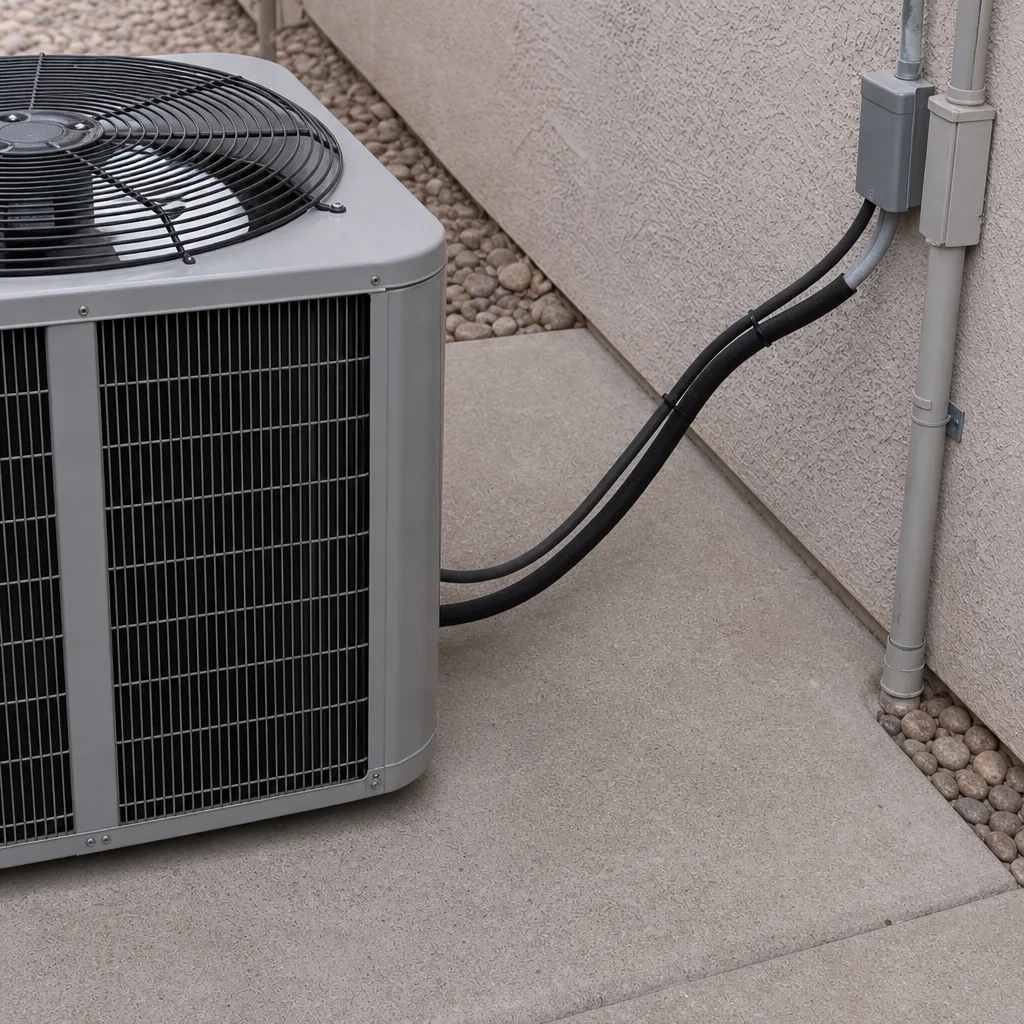
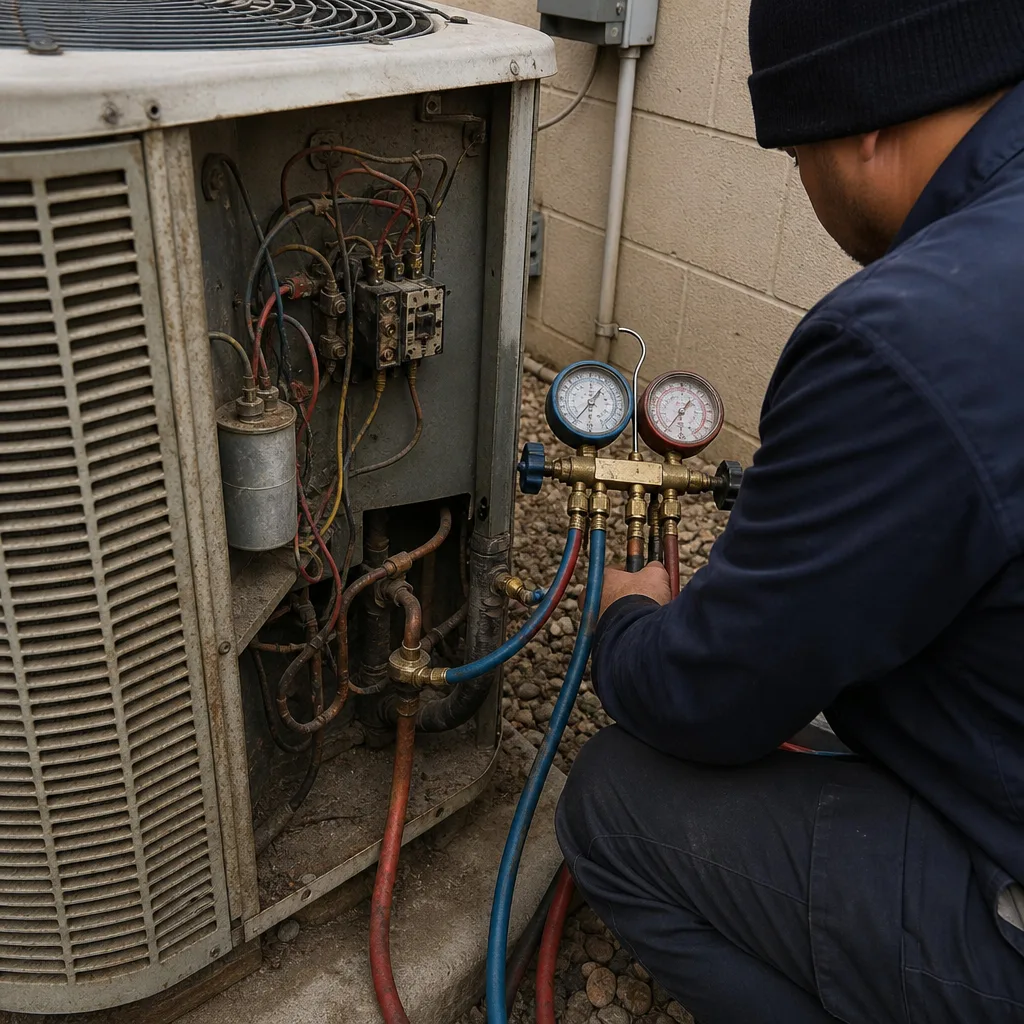
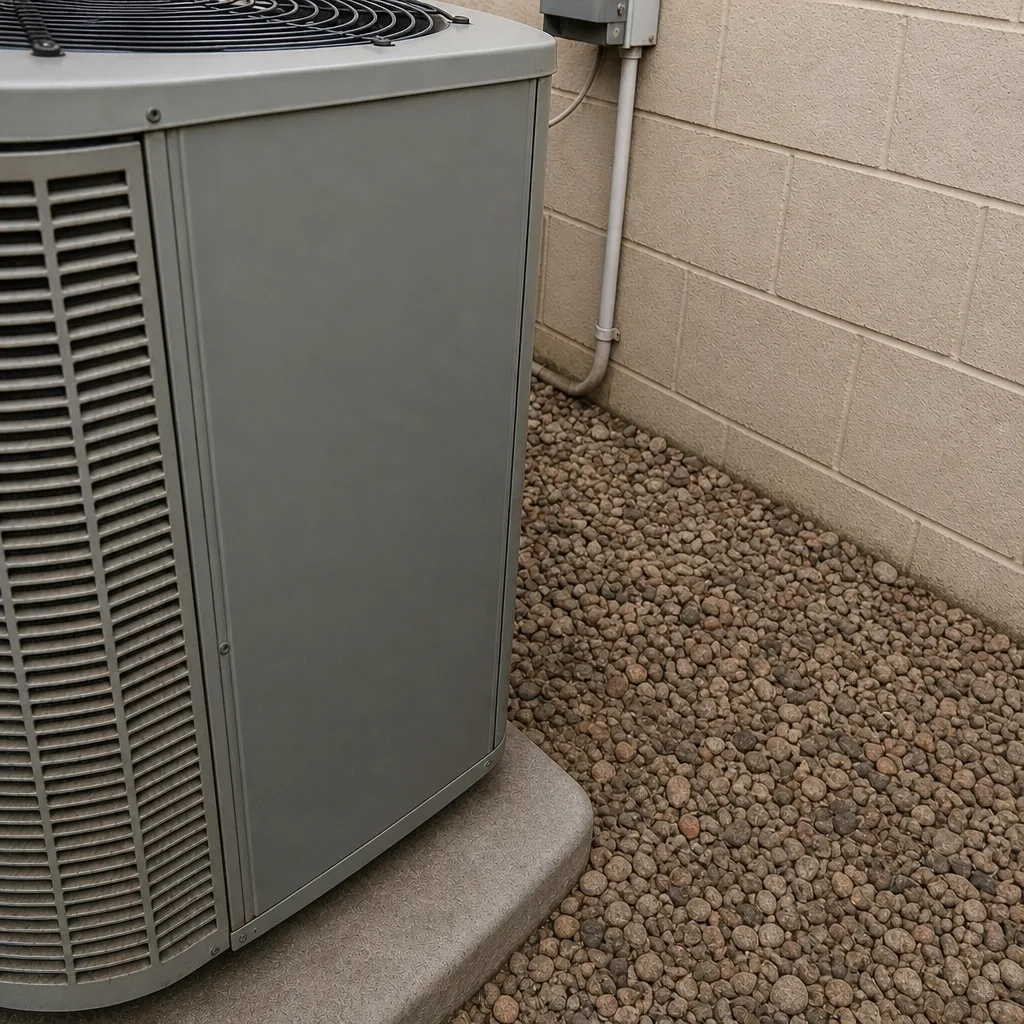
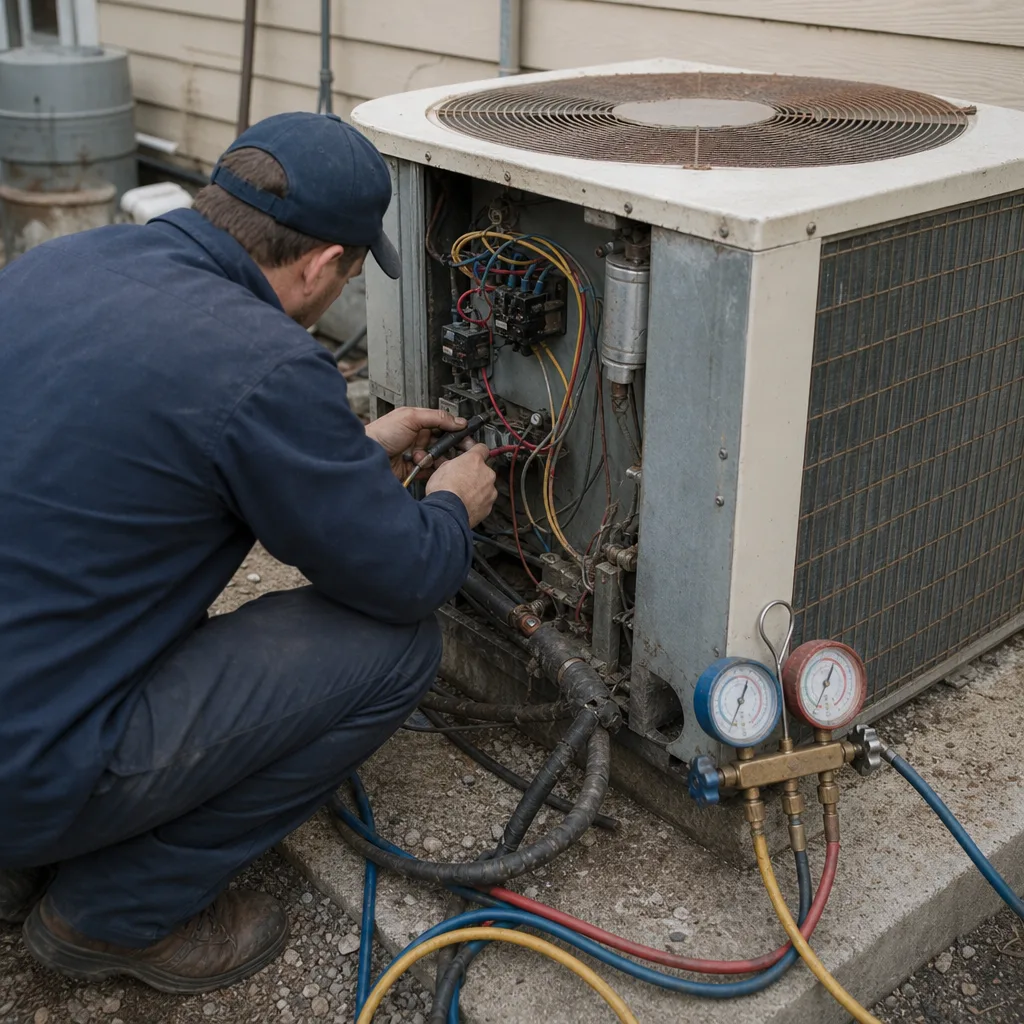
See the difference
 Before
 After
 Before
 After
 Before
 After
The Bottom Line
The expensive HVAC failure is almost never a surprise; it’s a surprise the homeowner ignored. The long run cycle, the bill spike, the new squeal, the musty smell: each one is a 60-to-180-day advance notice, and acting on any one of them is how a $300 repair stays a $300 repair instead of becoming a $6,000 replacement. Read your bill against last year’s weather. Time your run cycles. Treat new sounds as information, not background noise. And when the signs stack, get a professional diagnosis before the system makes the decision for you. That’s the whole guide, and it’s the way we’ve done this work in Winchester for over 42 years.
Written by the team at Fireside Heating & Air Co. Winchester.
Contact
If your system is showing any of the signs in this guide, we’d rather look at it now than hear from you in a crisis. Fireside Heating & Air Co. Winchester backs every job with the 90-Day Done Right Promise: if it isn’t done right, we make it right, in writing, no arguing. Our technicians are background-checked and trained as journeymen, and they put on shoe covers without being asked. The price quoted is the price paid, and current standing offers include $50 off any repair over $250, a free second opinion on any written estimate, an $89 seasonal tune-up, and a 5% discount for seniors and veterans. Call (844) 783-5043 for a free estimate. A live person answers, day or night.
Written by the team at Fireside Heating & Air Co. Winchester.