
Last updated November 18, 2026
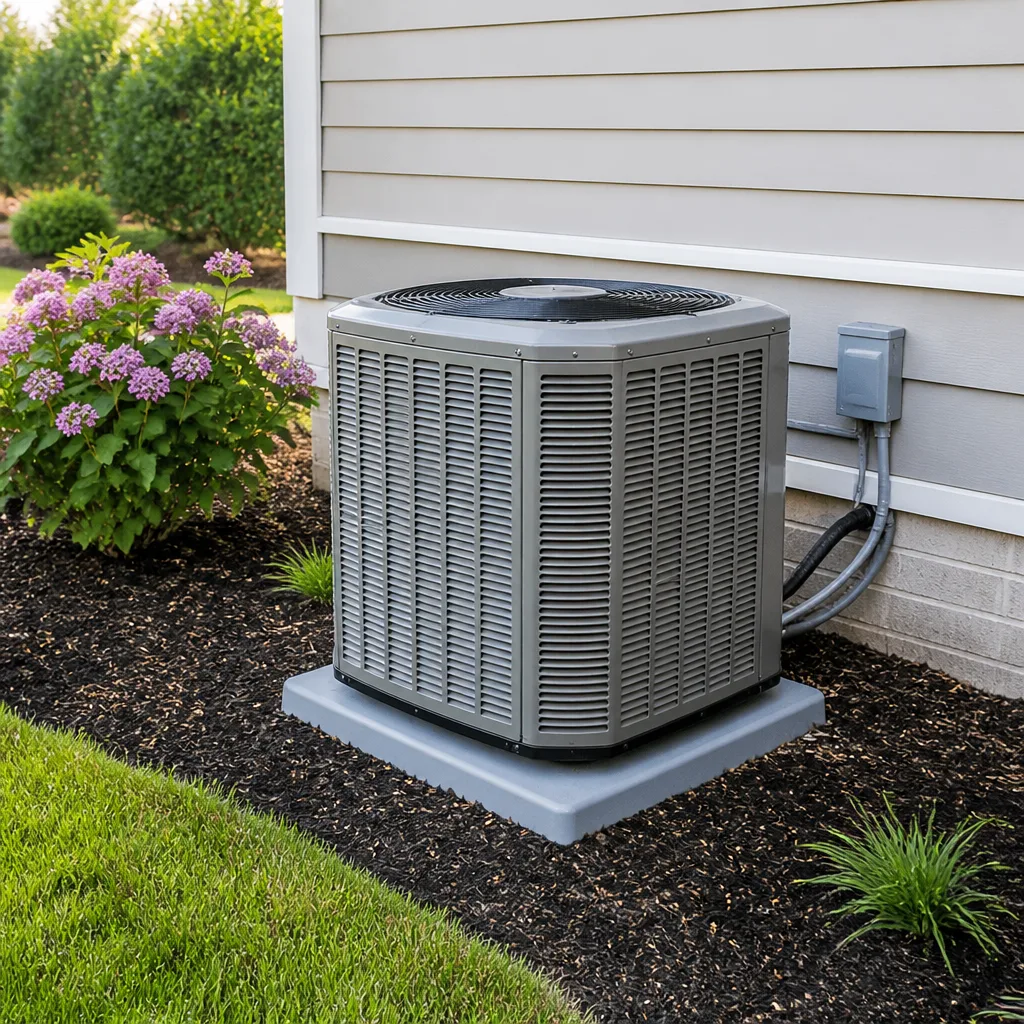 AC repair
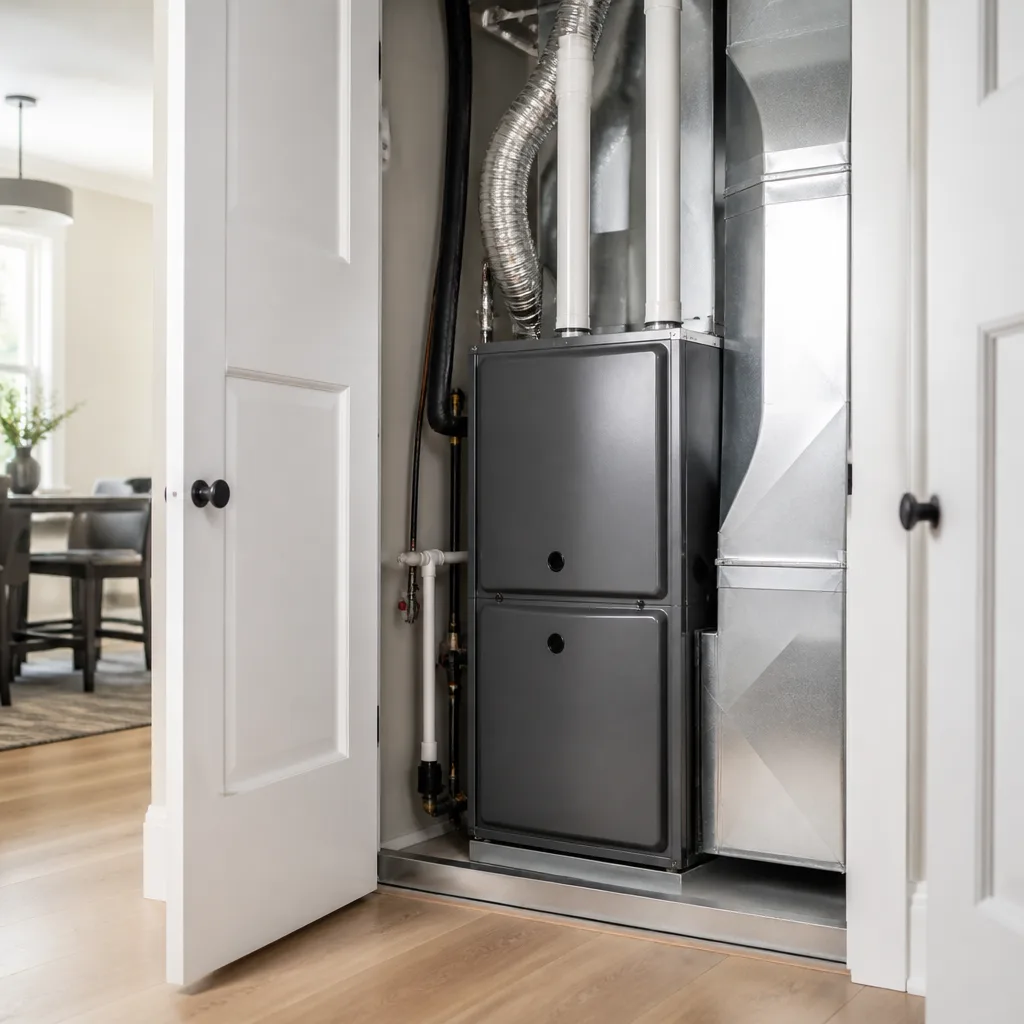 Furnace & heating
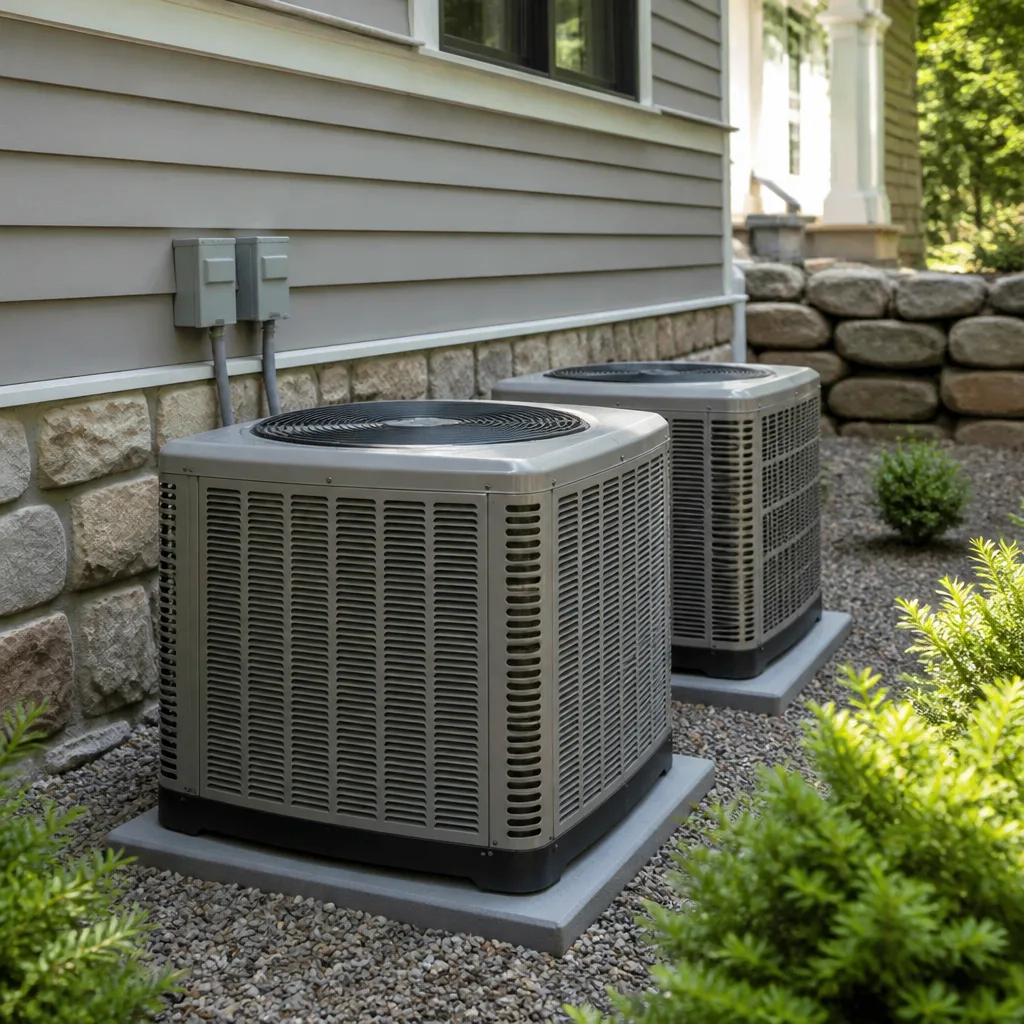 Heat pumps
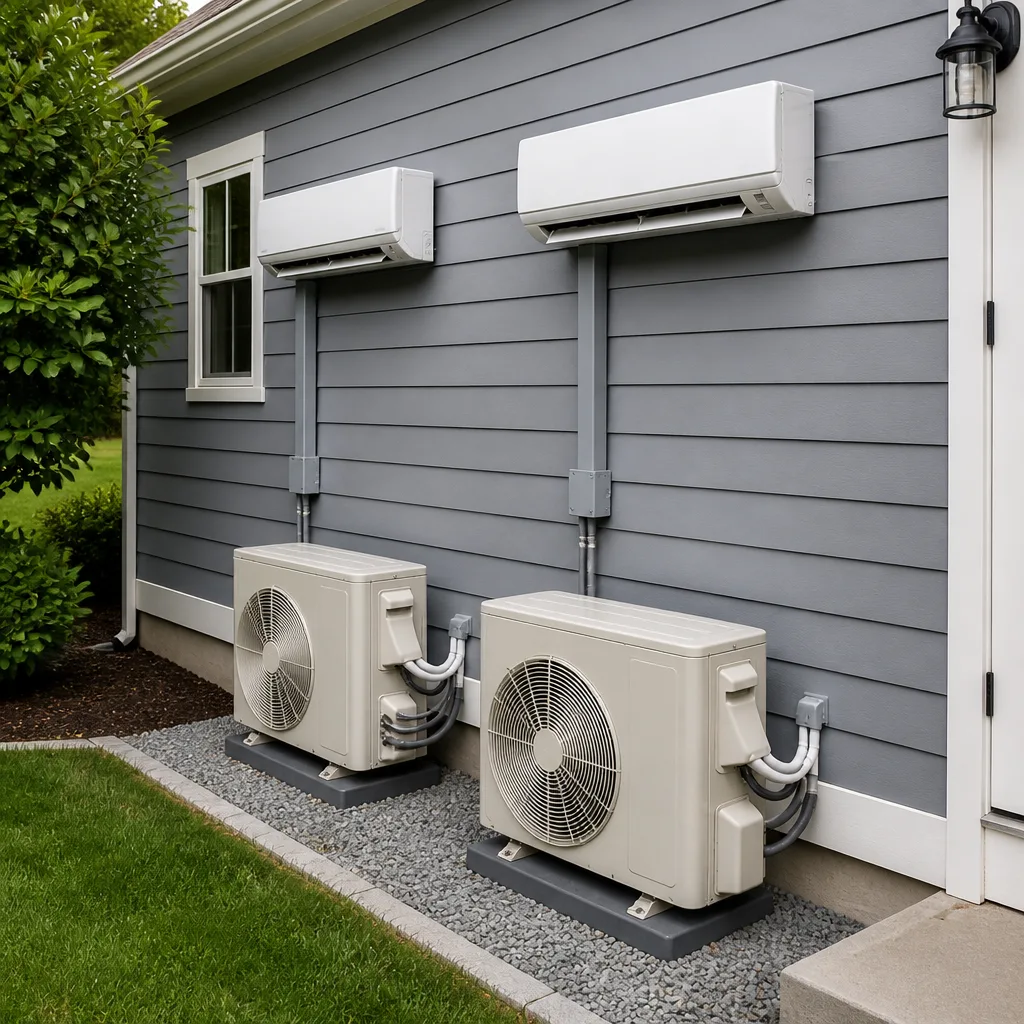 Ductless mini splits
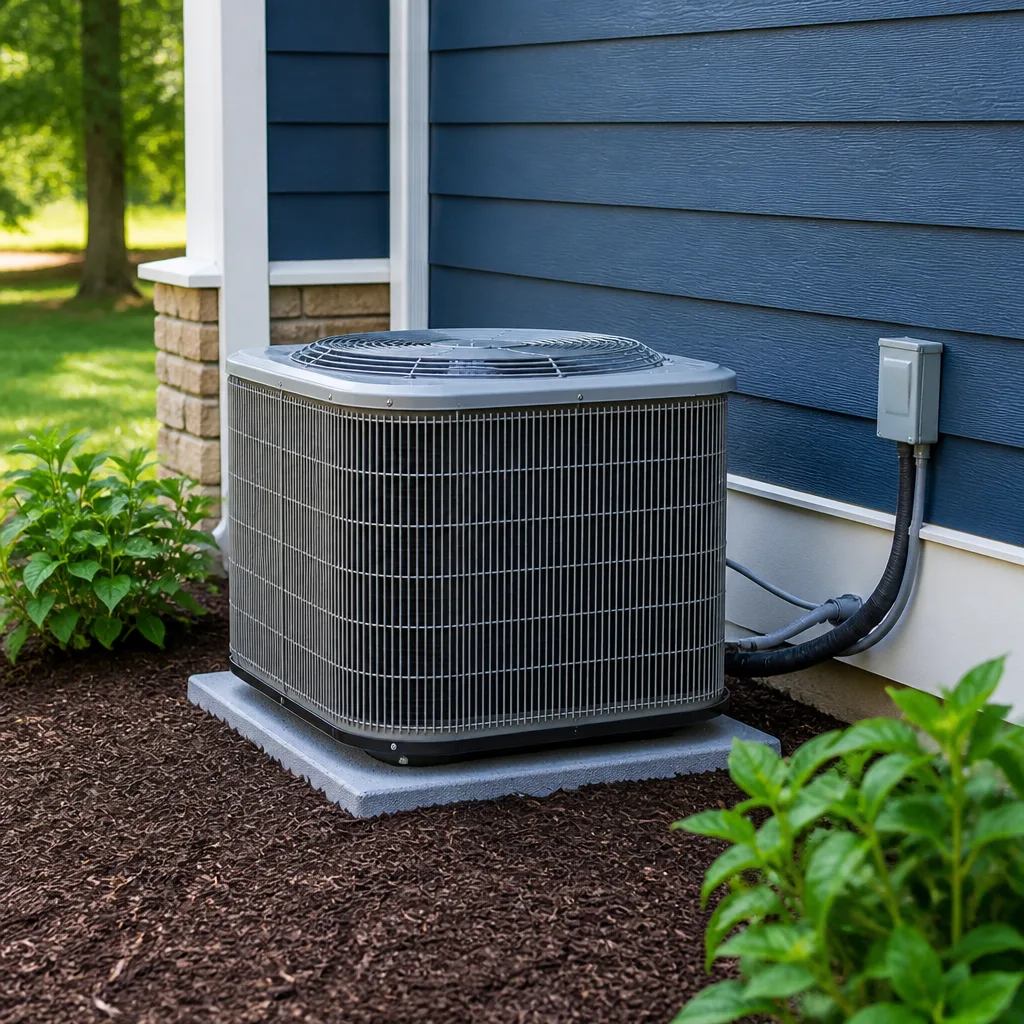 Carrier
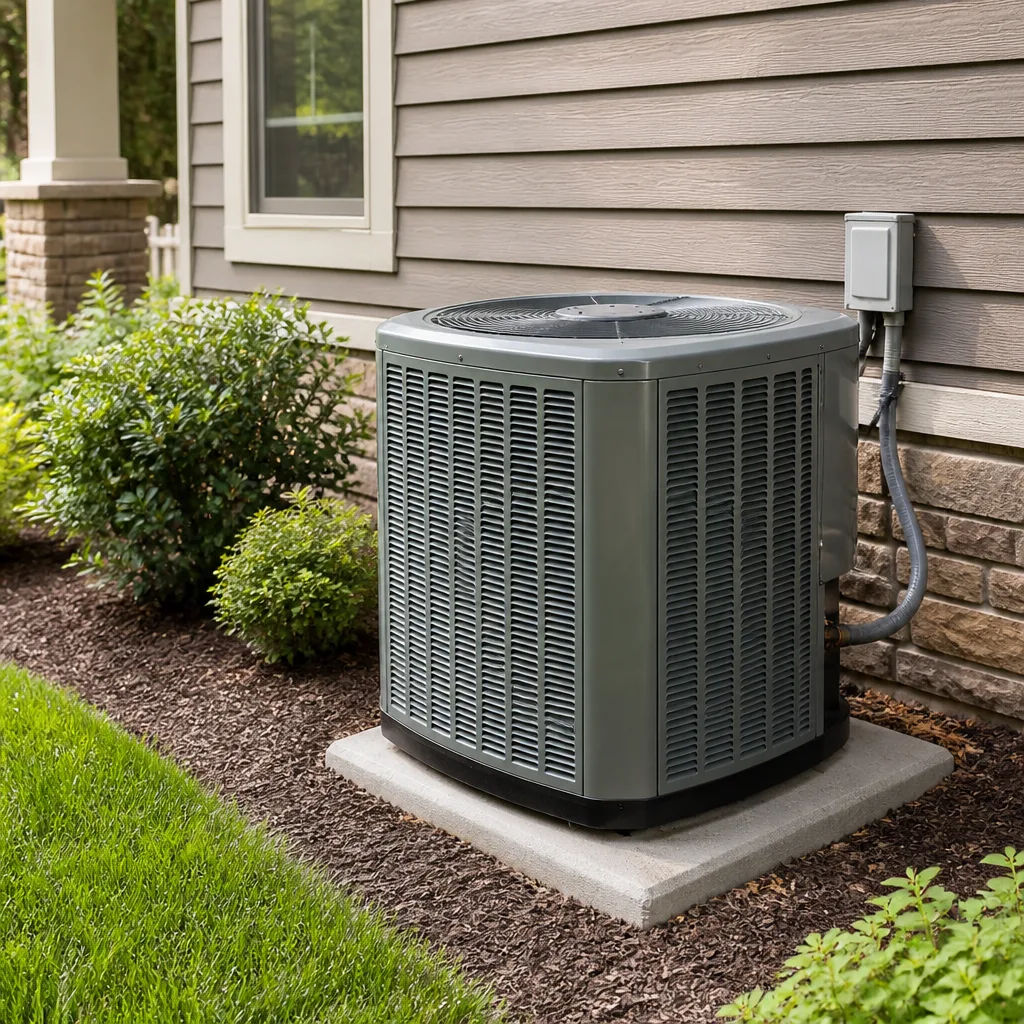 Trane
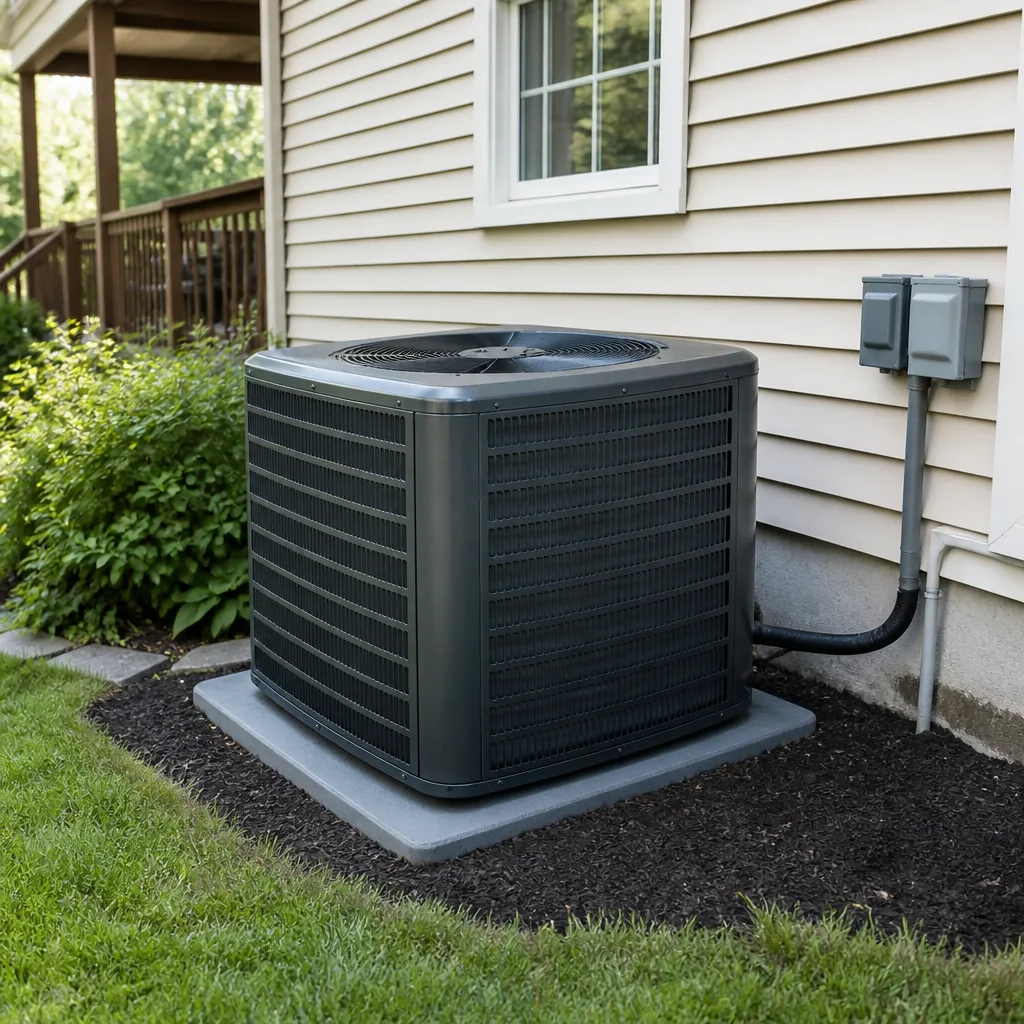 Goodman
Seasonal tune-up and full diagnostic on your Carrier, Trane, or Goodman system - readings shown to you before any repair is proposed
Diagnosis first, numbers second - you approve the repair price before a single part goes in.
Get your free estimateHow to Hire an HVAC Contractor in Winchester: A Step-by-Step Guide
Here is the number that should stop you before you write a deposit check: Nevada doesn’t license HVAC contractors with a general contractor’s card. It requires a specific C-21 classification, and plenty of crews working Winchester neighborhoods after a July heat wave don’t hold one. Homeowners find that out later, usually when the system fails and nobody answers the phone. This guide walks through the verification work most people skip: checking the license, reading the warranty fine print, asking the questions that separate a real outfit from a truck with a magnet on the door, and comparing three bids that aren’t apples to apples. By the end, you’ll know exactly what to ask and what to walk away from.
Quick Answer
To hire an HVAC contractor in Winchester, verify the company’s Nevada C-21 license through the state contractor board before any price conversation, confirm in writing that they’ll pull permits and run a Manual J load calculation, and compare three bids line by line rather than by bottom-line total. The contractor who answers those questions clearly and puts the labor warranty in writing is the one to hire, even if they aren’t the cheapest.
Styles & brands we work with
- AC repair
- Furnace & heating
- Heat pumps
- Ductless mini splits
- Carrier
- Trane
- Goodman
Table of Contents
- Why the Nevada C-21 License Matters More Than the Quote
- How to Verify a Contractor’s License in Winchester
- The Five Questions That Reveal a Real HVAC Pro
- What a Written Warranty Should Actually Contain
- Winchester Red Flags: What to Watch For
- How to Compare Three Bids Apples to Apples
- Common Mistakes to Avoid
- Frequently Asked Questions
Why the Nevada C-21 License Matters More Than the Quote
Nevada treats HVAC work as a specialty trade, and that means a contractor has to hold a C-21 air conditioning and heating license to legally perform it. A general contractor’s license isn’t enough. Neither is a handyman card. The distinction exists because refrigerant handling, gas connections, and electrical work on a condensing unit all carry real risk, and the state wants proof that someone on that crew knows what they’re doing.
Here’s why this matters to your wallet and not just to the regulators. When an unlicensed crew installs a system in Winchester, three things tend to happen. First, the equipment manufacturer’s warranty often requires installation by a licensed professional, which means a failed compressor eighteen months later may come out of your pocket instead of theirs. Second, if a permit was never pulled, an inspector can require the work be torn out and redone. Third, and most painfully, a homeowner who paid a $4,000 deposit to a company that quietly moved on has almost no leverage to recover it.
We’ve seen this play out in Winchester more than once, typically in the weeks after the first triple-digit stretch in June, when out-of-town crews sweep through and collect deposits on systems they never intend to install to code. The license check takes about ten minutes. It’s the cheapest insurance you’ll ever buy on a five-figure purchase.
If your existing system is failing and you need it looked at before you start the hiring process, our AC Repair & Installation in Winchester page explains what a proper diagnostic should cover.
How to Verify a Contractor’s License in Winchester
Every licensed contractor in Nevada appears in the state’s contractor board database, and you can search it yourself without paying a dime. Here’s the process, step by step.
- Get the license number in writing. Ask the company to put their license number on the written estimate. A legitimate contractor knows it by heart and won’t hesitate.
- Search the database. Look up the number yourself rather than trusting a card or a website. The record shows the license holder’s name, classification, status, and bond information.
- Confirm the C-21 classification. Not every active license covers HVAC. Make sure the classification actually says C-21 air conditioning and heating.
- Check the status is “active” or “current.” A license can be suspended, revoked, or expired while the website still displays it. The status field is the part that matters.
- Read the complaint history. The record shows disciplinary actions. One old complaint isn’t automatically disqualifying, but a pattern of them is a hard stop.
- Confirm insurance and bond. The record reflects whether the contractor carries the required general liability coverage and the contractor’s bond. If it doesn’t show, ask for certificates before signing anything.
Do this for every contractor you’re seriously considering, including the one a neighbor recommended. Recommendations are worth a lot, but the license record tells you what’s actually true today, not what was true five years ago. When we talk to Winchester homeowners about a new system, we expect them to run this check on us too. It’s the right thing to do.
The Five Questions That Reveal a Real HVAC Pro
Anyone can talk a good game about “quality workmanship.” These five questions get past the talk. Ask each one directly, and listen for the answer rather than the tone.
- “Will you pull a permit for this job?” A permitted installation gets inspected by the local authority, which protects you. A contractor who suggests skipping the permit to “save you time” is telling you they don’t want an inspector looking at their work.
- “Will you run a Manual J load calculation before sizing the system?” Manual J is the industry-standard method for figuring out how much heating and cooling a specific house actually needs. It accounts for window count, insulation, ceiling height, and the direction the rooms face. Skipping it and sizing by square footage alone means the system may be too big, which shortens its life and makes it run poorly.
- “Will you inspect the ductwork?” In Winchester, plenty of homes in older neighborhoods have ducts that leak 20 to 30 percent of the cooled air before it reaches the rooms. Installing a new condenser on top of leaky ducts is throwing money at a problem that isn’t the equipment.
- “Who’s actually doing the work, and are they employees or subcontractors?” Both arrangements can be legitimate, but you should know what you’re buying. Ask who will be in your home, whether they’re background-checked, and who you call if something goes wrong.
- “Is the labor warranty in writing, and for how long?” Equipment warranties come from the manufacturer and cover parts. The labor warranty comes from the contractor and covers the cost of actually making the fix. It’s the one that’s frequently missing or verbal-only.
The answers tell you almost everything. A contractor who says yes to permits and Manual J, inspects the ducts without being asked, is clear about who does the work, and hands you a written labor warranty is one who expects to stand behind the job. When a homeowner in Winchester asks us these five questions, we take it as a good sign about them.
What a Written Warranty Should Actually Contain
Warranty language is where the real differences hide, and most homeowners never read past the headline number. A “10-year warranty” sounds great until you learn it covers parts only and the labor on the failed component runs into four figures. Here’s what to look for in the written document before you sign a contract.
- Labor coverage duration. How long does the contractor’s labor warranty last, and does it reset if they come out and fix the same problem again? A labor warranty measured in months rather than days is a real signal of confidence.
- Parts coverage source. Is the parts warranty from the manufacturer, from the contractor, or both? Get the registered manufacturer warranty document in your hands, not just a verbal promise. Many brands like Carrier and Trane require online registration within a set window to keep the full warranty term, so ask who handles that registration.
- Voiding conditions in the fine print. Read the section that talks about what voids the warranty. It’s usually tucked at the bottom. Common examples: a missing maintenance record, unauthorized repairs, using filters of the wrong size, or the equipment being moved by someone other than the original installer. Some warranties require annual tune-ups to stay valid, which is worth knowing up front.
- How to file a claim. Is there a written process, and is the phone number a live person or a message line? A warranty is only as good as the ability to reach someone when it matters.
- What’s excluded. Refrigerant, filters, and labor for diagnostic visits sometimes sit outside the warranty entirely. Ask directly, and make sure it’s written down.
Our approach is simple: a 90-day labor guarantee in writing, the price quoted is the price paid, and if it’s not done right we come back and make it right without a paperwork fight. That’s the standard we think every contractor in Winchester should meet, and the one to hold us to.
Winchester Red Flags: What to Watch For
Most bad experiences don’t come out of nowhere. They come from patterns a homeowner could have spotted early if they knew what to look for. These are the ones that show up most often in Winchester.
Out-of-town crews that arrive right after a hot spell. Winchester summers push the thermostat past 110, and that’s when trucks from out of state roll in and knock on doors. These crews are gone before the first cool-down, which means warranty service is effectively nonexistent. Check the license address and see whether the company actually operates in southern Nevada.
“Today-only” pricing. A discount that vanishes if you take twenty-four hours to think about it is a pressure tactic, full stop. A legitimate contractor will give you a written price and let you consider it. The system you’re buying has a useful life of fifteen to twenty years; nobody should be forcing a decision in your kitchen.
Vague answers about subcontracting. If you ask “who will be in my house?” and the answer is a shrug, that’s a problem. You’re entitled to know whether the crew is background-checked, insured, and on the contractor’s payroll or someone else’s.
No physical address or no license number on the estimate. Both are basic. A contractor with nothing to hide has nothing to hide.
Deposits large enough to hurt. A reasonable deposit for special-order equipment is one thing. A demand for half the job total before anyone has pulled a permit should make you slow down.
Estimates that describe the job differently. If one bid says “install 3-ton AC” and the other says “replace cooling system,” they may not be quoting the same work at all. That gets to the next section.
How to Compare Three Bids Apples to Apples
Getting three bids is standard advice. Most people then compare the bottom-line numbers, which is exactly the wrong way to read them. A bid is only comparable to another bid if the scopes of work are the same, and contractors rarely describe things the same way. The framework below is what we’d suggest for any Winchester homeowner comparing bids on a replacement.
Build a sheet with the same rows for every bid, and fill each one from the written estimate.
- Equipment model number and capacity. Not just “a 3-ton Lennox.” The exact model number, which tells you the efficiency rating and warranty terms.
- Permit pulled? Yes or no, in writing.
- Manual J load calculation included? Yes or no. If not, why not?
- Duct inspection and sealing included? Either included, quoted separately, or not addressed. Note which.
- Line set and pad replacement. Are they reusing the old line set or installing a new one? Reusing can be legitimate, but the bid should say so.
- Thermostat. Included, or existing one retained? Same model across all three bids?
- Electrical and gas connections. Included in the quote, or a separate line item a later contractor might change?
- Haul-away of the old equipment and cleanup. Included or not?
- Warranty terms. Labor warranty length, parts warranty length, and registration responsibility.
- Total price and payment schedule. Any provision that makes the price a range rather than a fixed number is worth asking about.
Once the sheet is filled in, the bids will actually be comparable. A bid that’s $1,200 lower because it skips the permit, reuses a fifteen-year-old line set, and offers no labor warranty is not a lower bid. It’s a different, smaller job. If a contractor won’t fill in the details, that’s an answer too.
When you’re ready to talk through a heating-side replacement, our Heating & Furnace in Winchester page covers what a proper furnace install includes and why sizing matters so much.
When Should You Talk to a Professional About Your System?
Some problems are homeowner-reasonable and some aren’t. Call a professional when a gas odor is present, when you see scorch marks or smell burning near the furnace, or when the breakers trip repeatedly on an HVAC circuit. Those are safety issues and not a weekend project. Call when your system runs constantly without keeping up, when the unit ices over, or when the house doesn’t cool off in the late afternoon despite a running AC. And call when you’re getting a quote on a replacement, because the installation quality is where most long-term issues originate, and a bad install doesn’t announce itself for a year or two.
Fireside Heating & Air Co. Winchester offers free estimates in Winchester. We answer the phone with a live person, day or night. Call (844) 783-5043.
See the difference
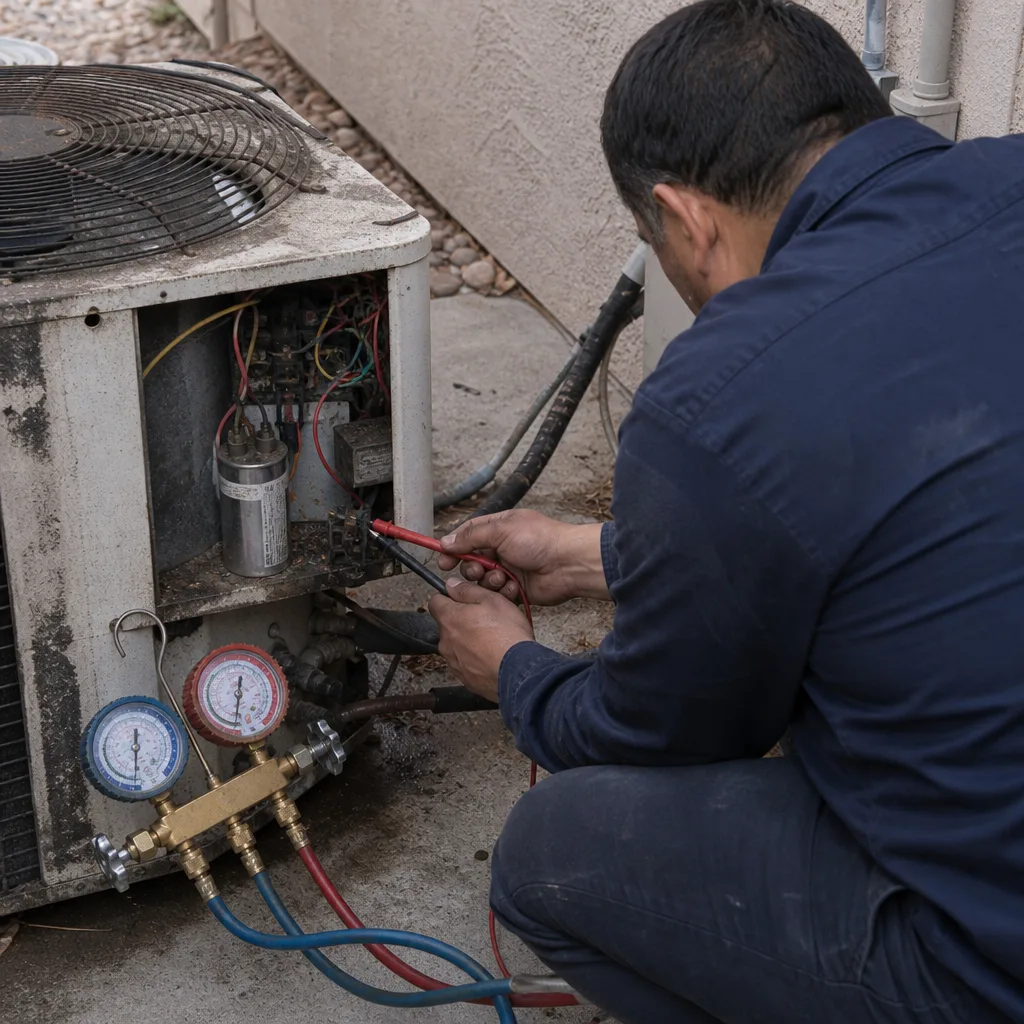 Before
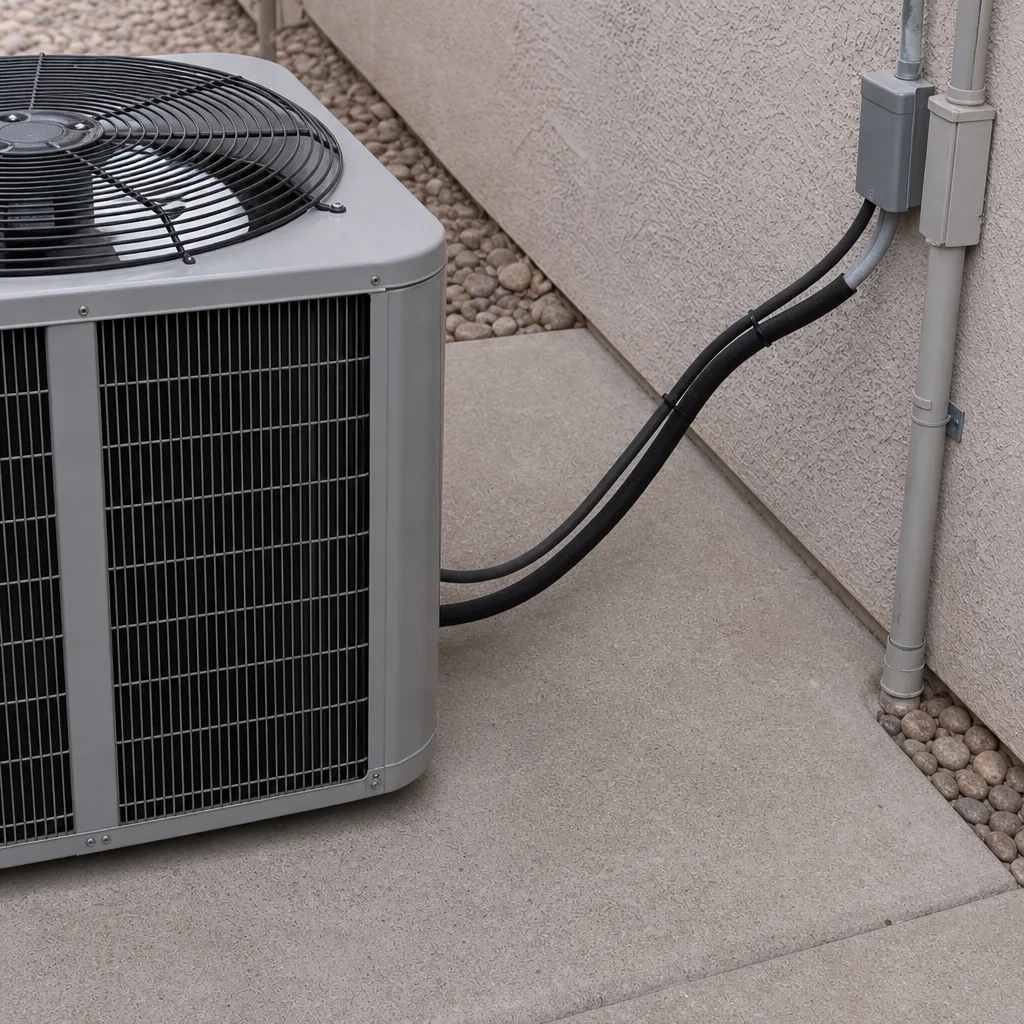 After
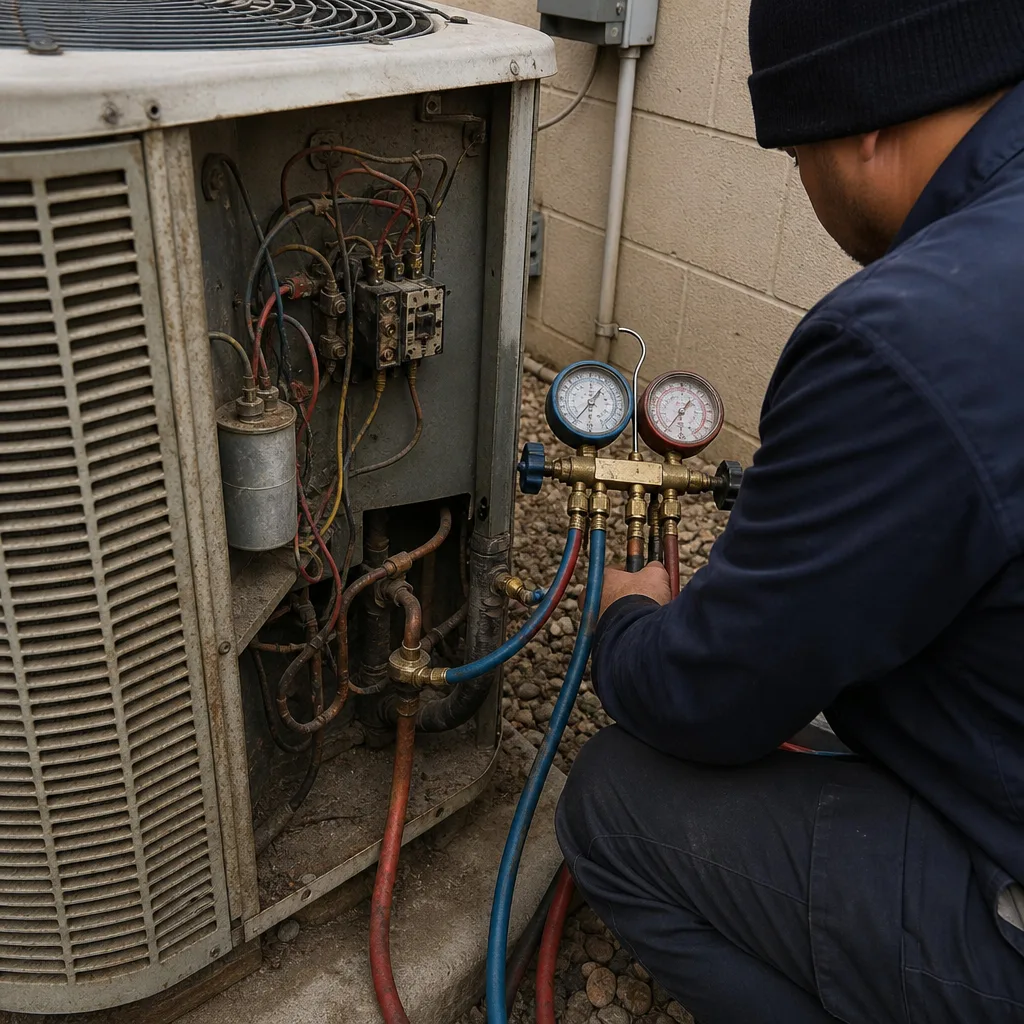 Before
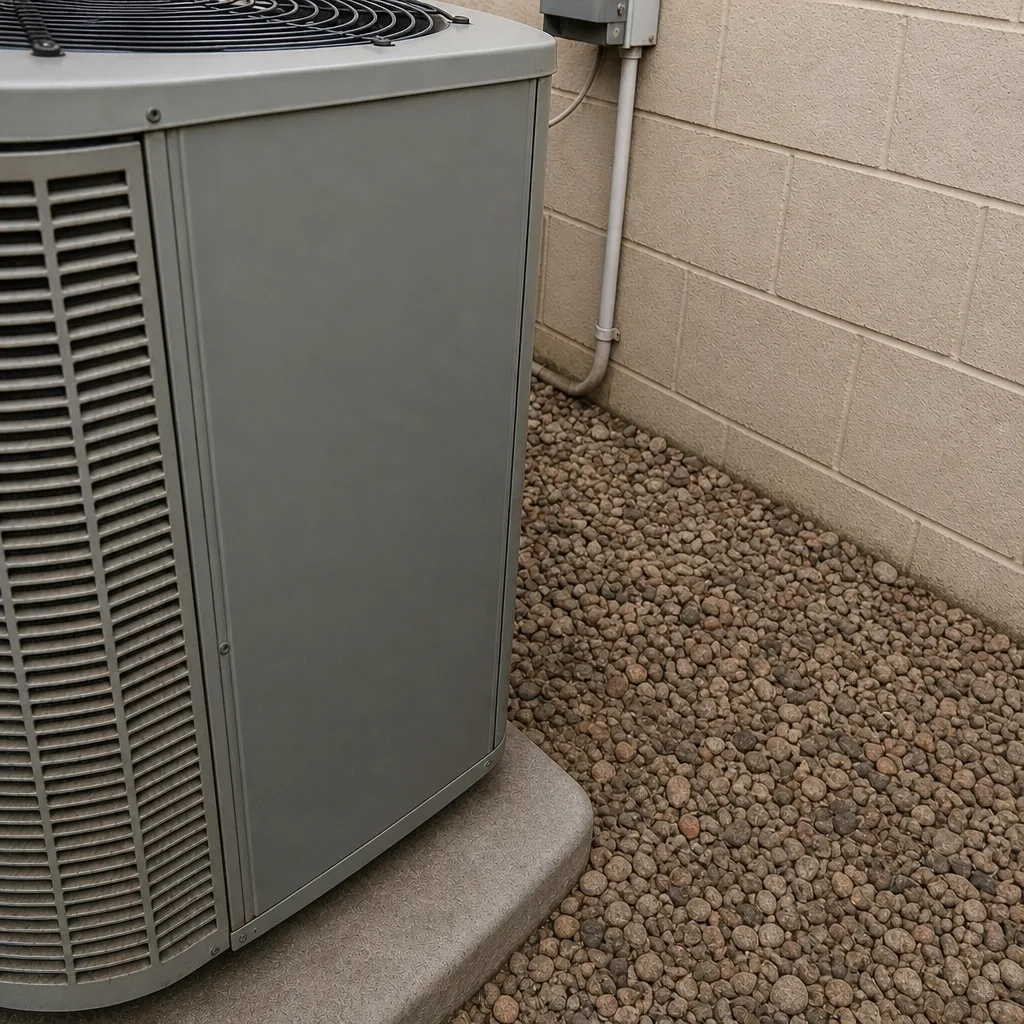 After
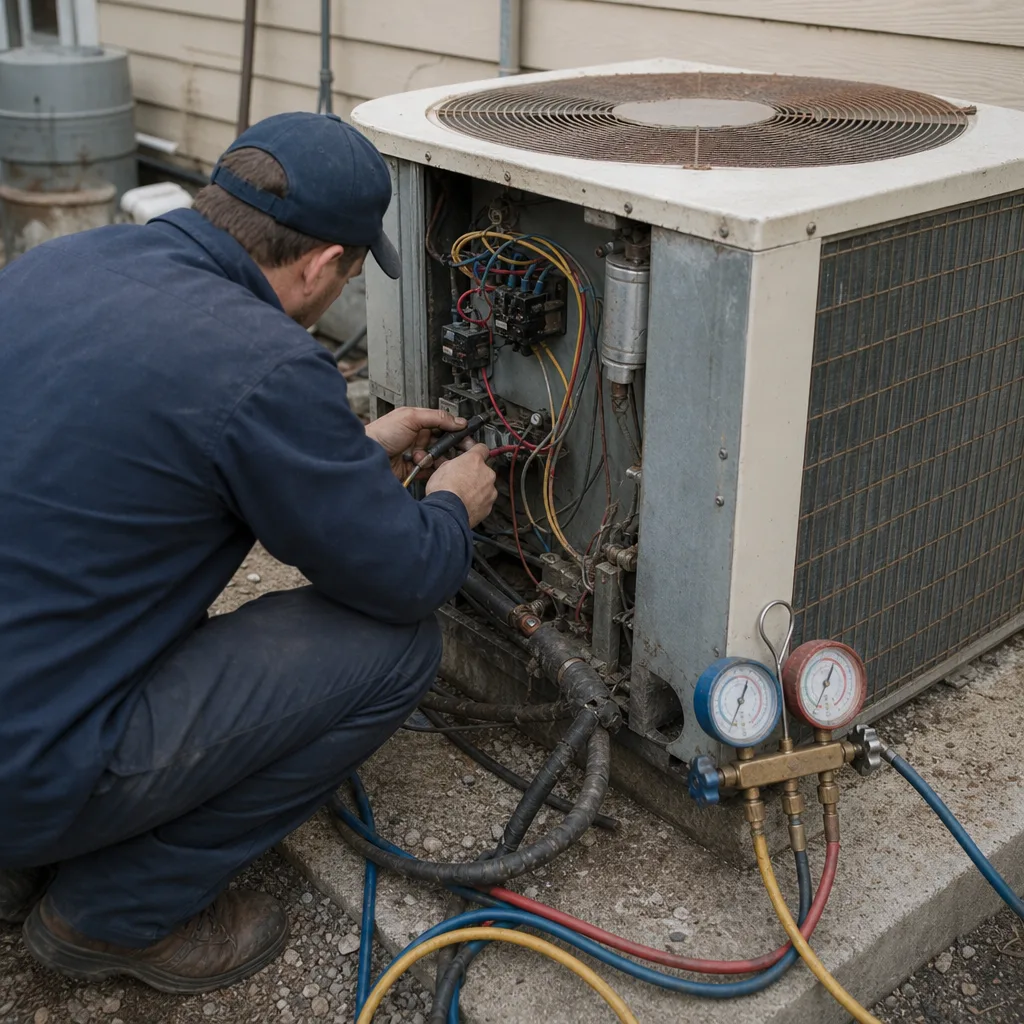 Before
 After
Common Mistakes to Avoid
- Hiring on price alone. The cheapest bid is often the one where scope was quietly trimmed. If a price is thousands lower than the other two, ask what’s missing before you celebrate.
- Skipping the license check. A surprising number of Winchester homeowners have paid deposits to companies that don’t hold a Nevada C-21 license. Ten minutes on the state database prevents a six-month headache.
- Accepting a verbal warranty. A labor warranty that isn’t written down isn’t a warranty, it’s a promise. Get it on paper, in the contract, with a length in months or years.
- Letting the contractor size the system without a load calculation. Sizing by square footage feels quick but it’s usually wrong. Oversized systems cool too fast, don’t dehumidify, and cycle on and off until something breaks.
- Ignoring the ductwork. Installing a new condenser on top of leaky ducts wastes the upgrade, especially in the older Winchester homes where duct sealing is a real need. Ask about it.
- Paying a large deposit before a permit is pulled. A reasonable deposit is normal. A large cash-on-the-barrelhead demand before paperwork exists is a red flag, particularly if the crew came from out of town.
- Not asking who’s actually showing up. Employees, subcontractors, and borrowed crews all get mixed together. You’re allowed to know who’s in your house, whether they’re background-checked, and who’s responsible for the work.
If you want to hear how we handle a heat pump or mini-split install before you start calling around, our Heat Pump & Mini Split in Winchester page has the details. You can also read more about how we work on our Fireside Heating & Air Co. Winchester home page.
Frequently Asked Questions
Yes. Nevada requires HVAC contractors to hold a C-21 license, and the state database is public and free to search. Ask for the license number on the written estimate, then look it up yourself. If the number doesn’t exist, isn’t C-21, or the license isn’t active, walk away before you discuss price. Call (844) 783-5043 if you’d like us to point you to the right resources.
A parts warranty covers the cost of replacement components and usually comes from the manufacturer. A labor warranty covers the cost of a technician coming out to do the work, and it comes from the contractor. Many systems come with strong parts warranties and almost no labor coverage. Ask for the labor warranty term in writing before you sign anything. Free second opinions on existing written estimates are available at (844) 783-5043.
Ask directly and get the answer in writing on the estimate. A permit means the installation gets inspected by the local authority, which protects you. A contractor who suggests skipping the permit to save you time or money is telling you they don’t want an inspection. Call (844) 783-5043 with questions on a specific estimate you’ve received.
Line items, every time. Total-price comparison only works when the scopes are identical, and they rarely are. Build a side-by-side sheet with equipment model numbers, permit and load-calc confirmations, duct work, warranty length, and payment schedule. Call (844) 783-5043 to have a bid reviewed with you.
Three come up again and again. Out-of-town crews that arrive just after a hot spell and leave before warranty service is needed, “today-only” pricing that pressures a decision within twenty-four hours, and vague answers about whether the crew is employees or subcontractors. Any of those should slow the process down. Call (844) 783-5043 if you want to talk through a bid before you commit.
A standard residential replacement in a single-family home typically takes a full day, sometimes two if duct sealing or line set replacement is included. Any contractor quoting a three-hour install without a load calculation or permit is likely skipping steps. Fireside Heating & Air Co. Winchester’s technicians have up to 8 years of experience and every job is scheduled by a set install date, not a call-you-when-we-can arrangement. Call (844) 783-5043 for a written fixed price and a scheduled install date.
The Bottom Line
Hiring an HVAC contractor in Winchester is a credential and accountability check, not a price-shopping exercise. Verify the C-21 license through the state database. Ask the five questions and listen for the answers. Insist on permits, a Manual J load calculation, and a written labor warranty with the voiding conditions clearly stated. Compare bids line by line, not by bottom-line total. Walk away from out-of-town crews, “today-only” pricing, and vague talk about who’s actually coming to your house. Pick the contractor who answers all of it clearly and stands behind the work in writing. If they can’t put their promise on paper, they don’t intend to keep it.
If you’d like to talk through a system you’re considering, call Fireside Heating & Air Co. Winchester at (844) 783-5043. Estimates are free, a live person answers the phone, and the price quoted is the price paid.
Written by the team at Fireside Heating & Air Co. Winchester.