
Last updated November 18, 2026
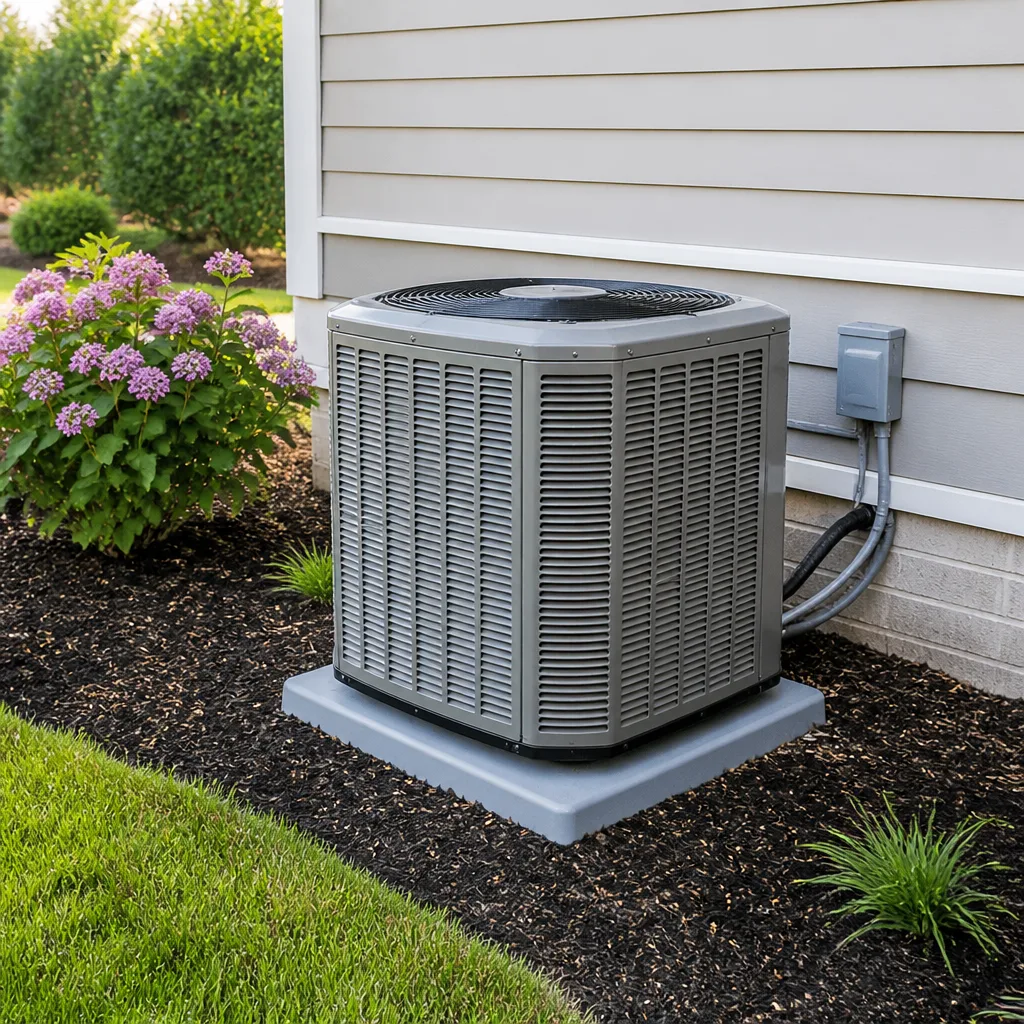 AC repair
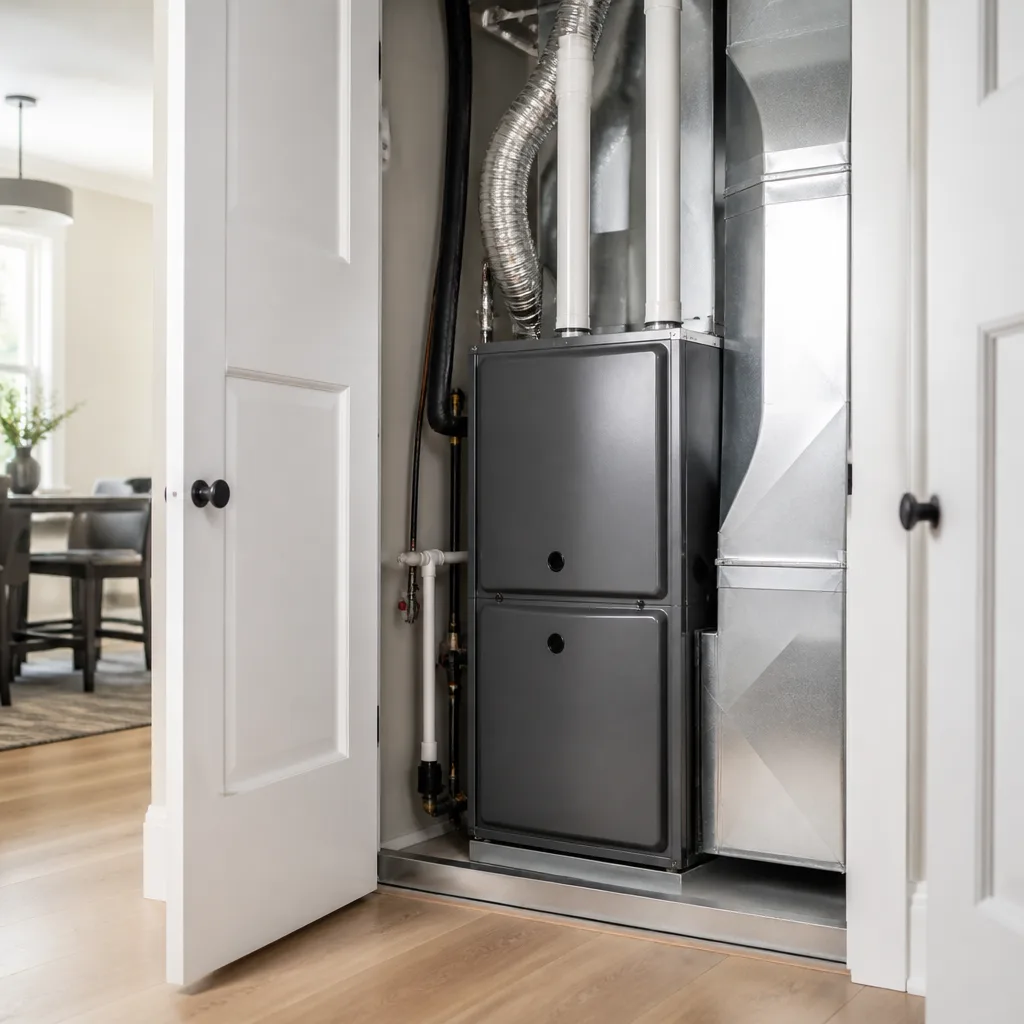 Furnace & heating
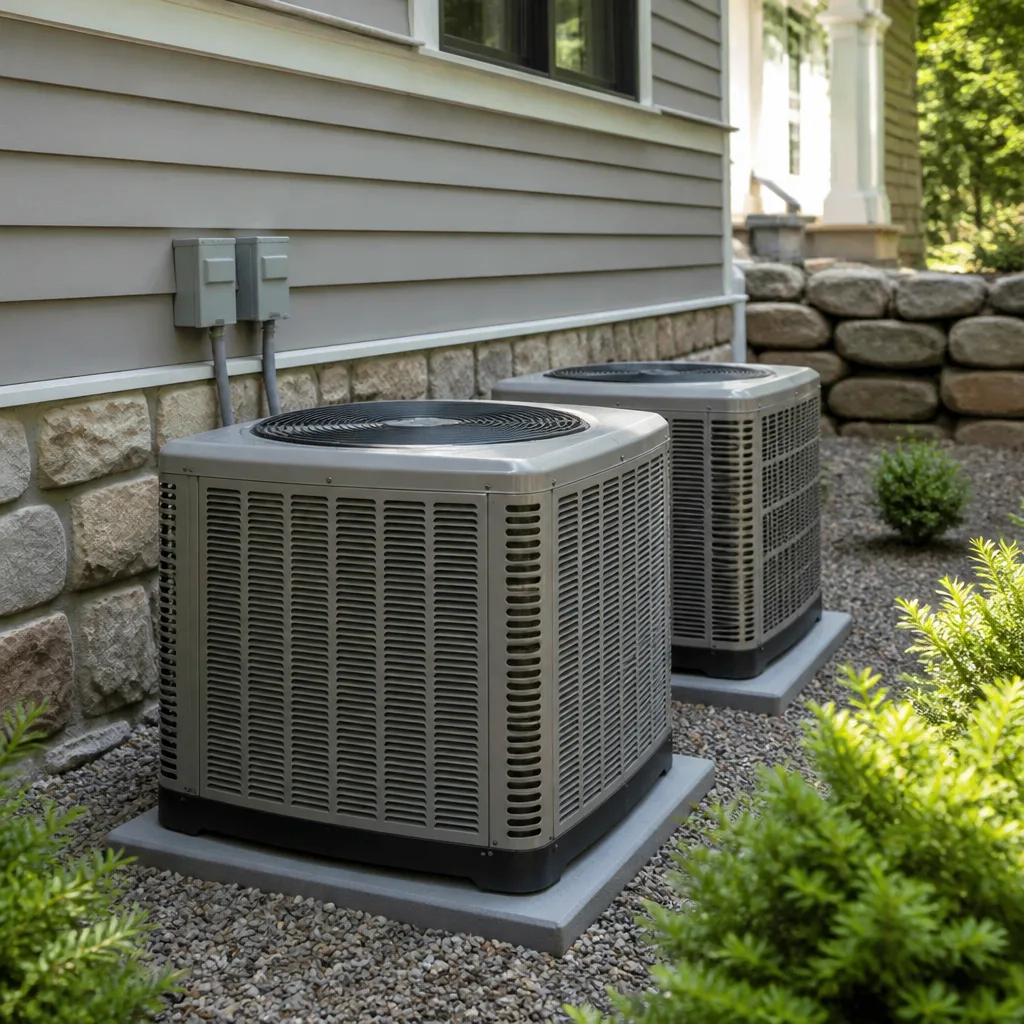 Heat pumps
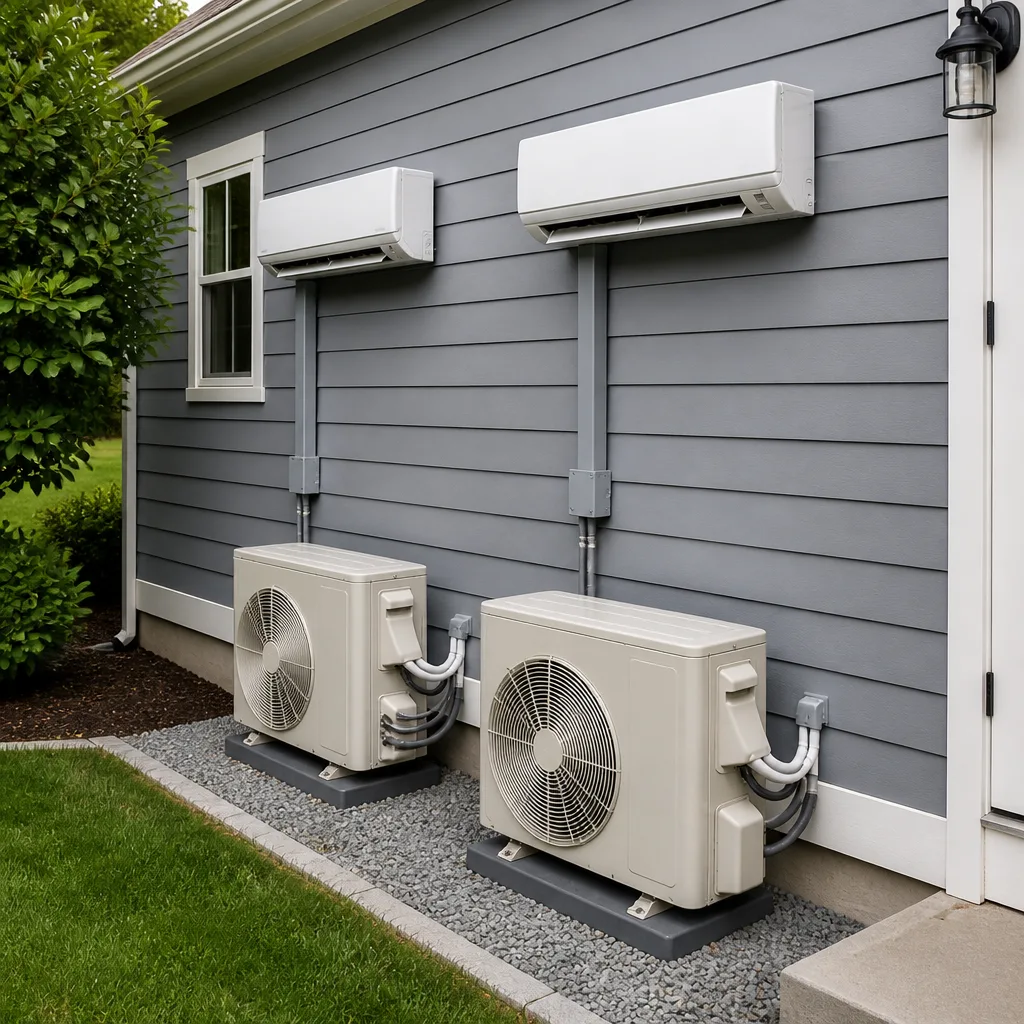 Ductless mini splits
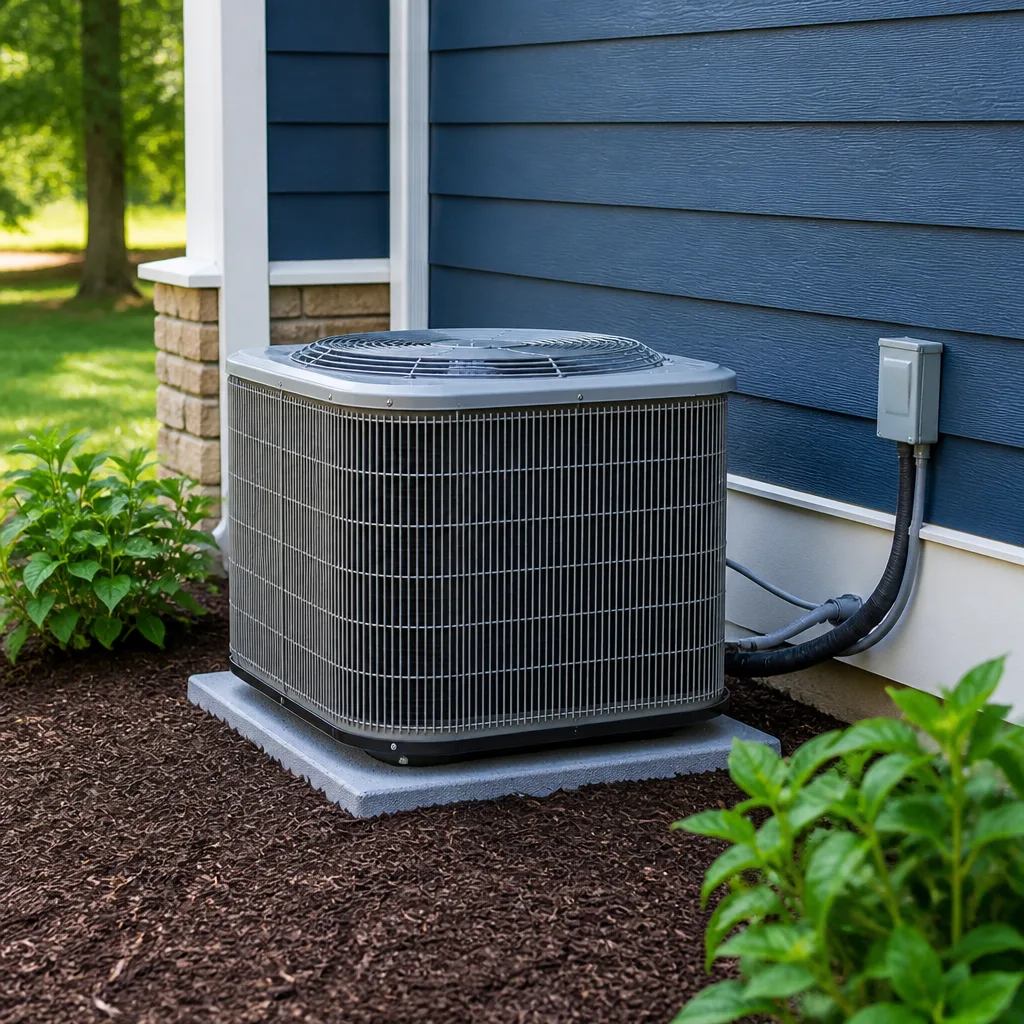 Carrier
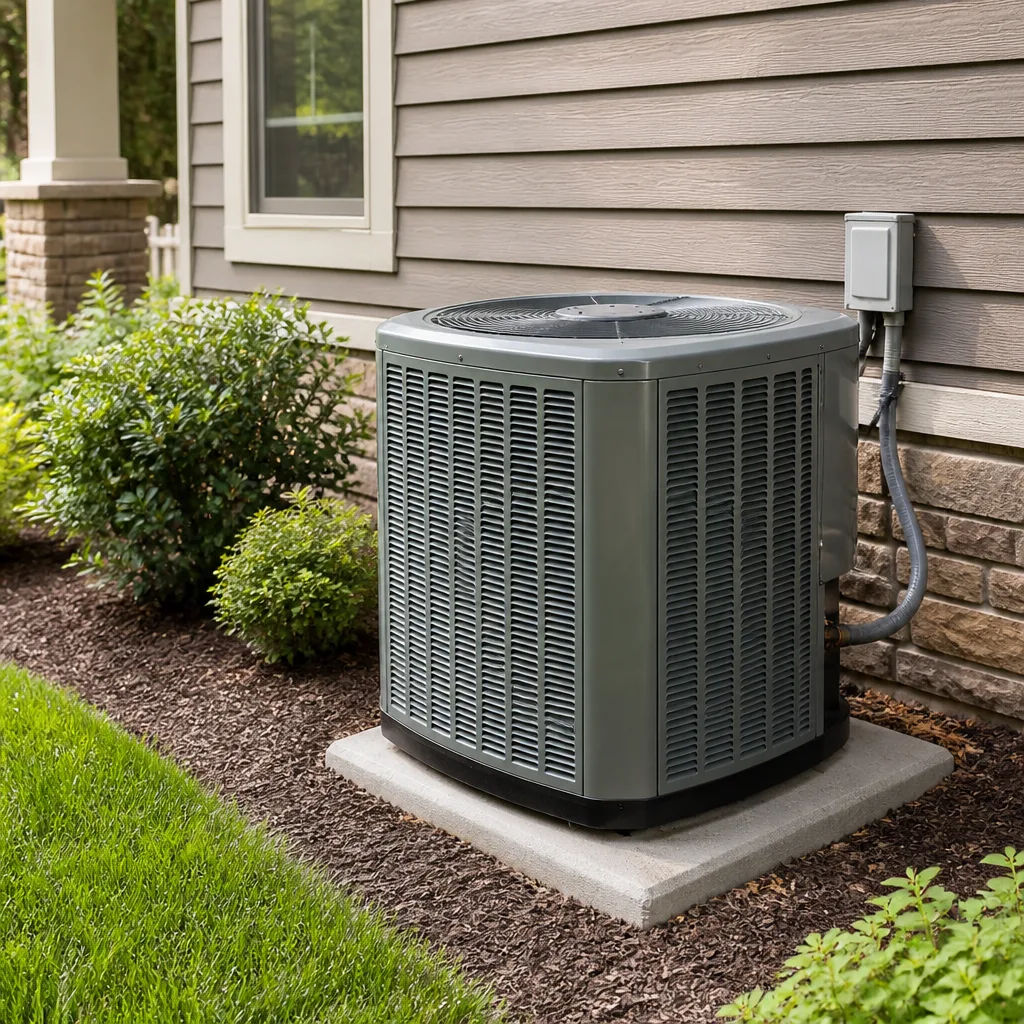 Trane
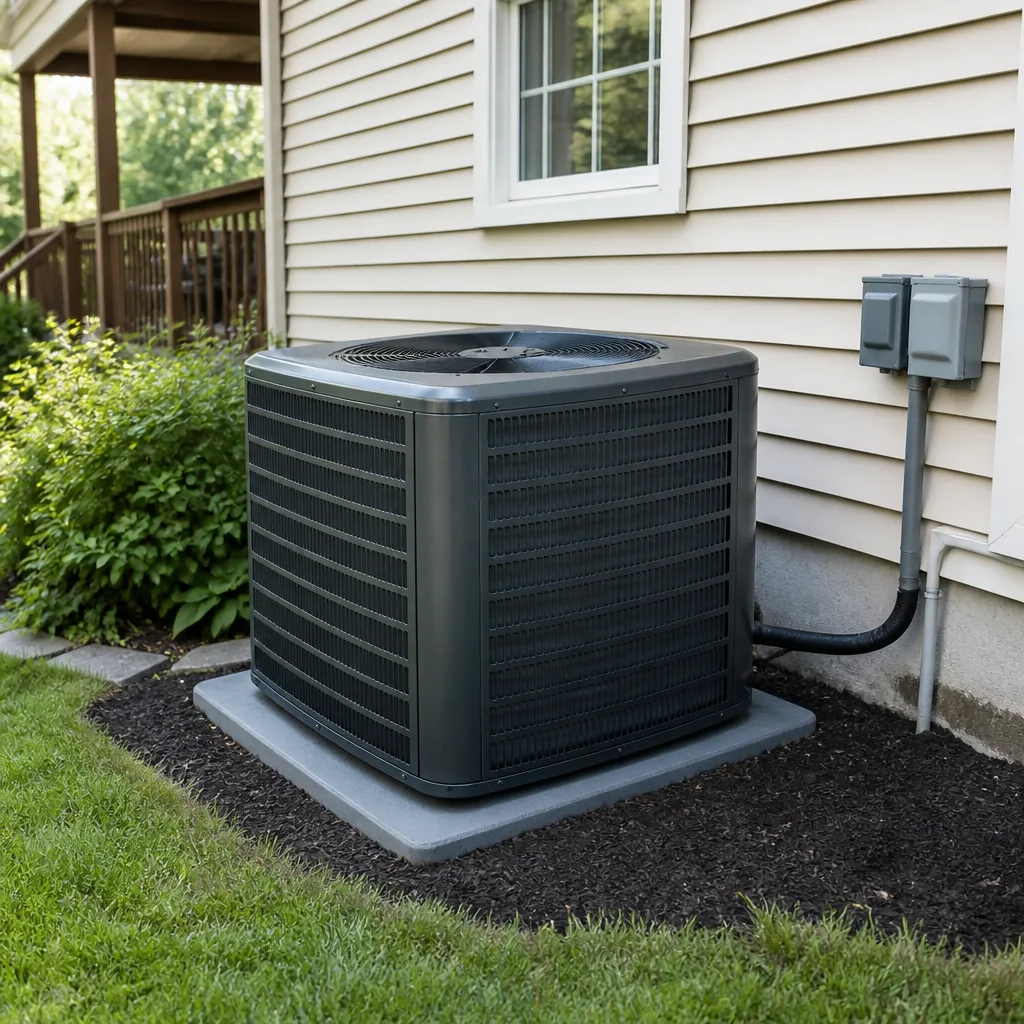 Goodman
Seasonal tune-up and full diagnostic on your Carrier, Trane, or Goodman system - readings shown to you before any repair is proposed
Diagnosis first, numbers second - you approve the repair price before a single part goes in.
Get your free estimateDIY vs Professional AC Repair & Installation: What’s Safe to Do Yourself
Here’s the part most DIY videos leave out: handling refrigerant without an EPA Section 608 certification is a federal violation. Not a grey area, not a technicality buried in fine print – an actual enforcement priority. Yet nearly every “recharge your AC” tutorial skips that step and jumps straight to the gauges. We’ve watched homeowners in Winchester buy a $60 can of refrigerant and a $40 charging hose, get halfway through the job, and then call us anyway. What follows is an honest line between the work you can safely and legally do yourself and the work that belongs to a licensed technician. No condescension, no scare tactics – just the reasoning behind each one.
Quick Answer
You can safely and legally change air filters, clear debris from the outdoor condenser, straighten bent fins, clean the condensate drain line, reset breakers and float switches, and replace a thermostat on low-voltage wiring. You should not touch refrigerant, open the sealed refrigerant circuit, replace compressors or capacitors inside a live panel, or install a new system yourself – those require EPA 608 certification, electrical licensing, and in Winchester, a county permit and inspection that DIY work almost never passes.
Styles & brands we work with
- AC repair
- Furnace & heating
- Heat pumps
- Ductless mini splits
- Carrier
- Trane
- Goodman
Table of Contents
- Where the line is drawn
- Tasks homeowners can legally and safely perform
- What voids a manufacturer warranty
- Why DIY installation fails Winchester permits
- The break-even math on a failed DIY repair
- How to work alongside a technician
- Common mistakes to avoid
- When to call a professional
Where the Line Is Drawn
The line is not about how handy you are. It is about three things: the law, the warranty, and what happens if you get it wrong. Filter changes break none of those rules. Refrigerant work breaks all three at once.
Refrigerant is regulated under Section 608 of the Clean Air Act. Any person who opens a refrigerant circuit, adds refrigerant, or evacuates a system must hold EPA certification. That is not a company policy – it is federal law, and it applies equally to a homeowner working on their own equipment. If your system uses R-410A or the newer R-454B, venting it or mishandling it carries real penalties.
Warranty is the second line. Manufacturers require that certain repairs be performed by licensed contractors. Circuit-level work on the compressor, condenser coil replacement, and full system installation are the usual triggers. A Daikin or Bryant unit is a well-built machine, but the warranty paperwork doesn’t care about the machine – it cares about who touched it.
The third line is danger. A capacitor holds a lethal charge long after the disconnect is pulled. A compressor terminal can arc. A 240-volt circuit is not a place to learn. In our experience, the homeowners who get hurt are the confident ones – the ones who watched a video twice and figured it was straightforward. Air conditioning is one of the most reliable systems in a house when it’s installed right. It is also the most expensive to fix when someone with good intentions and no license gets inside the refrigerant loop. If you want the full picture of what we cover in Winchester, start with our AC Repair & Installation in Winchester page.
Tasks Homeowners Can Legally and Safely Perform
This is where we want you to save money. These are legitimate, code-compliant, warranty-safe tasks that any capable homeowner can handle. We would rather you do these yourself than pay for a service call to swap a filter.
- Change the air filter. Every 30 to 90 days, depending on pets and dust. Use the correct MERV rating – going too high (MERV 13+ on a system not designed for it) restricts airflow and strains the blower. In Winchester’s dusty spring months, we see filters clog faster than homeowners expect.
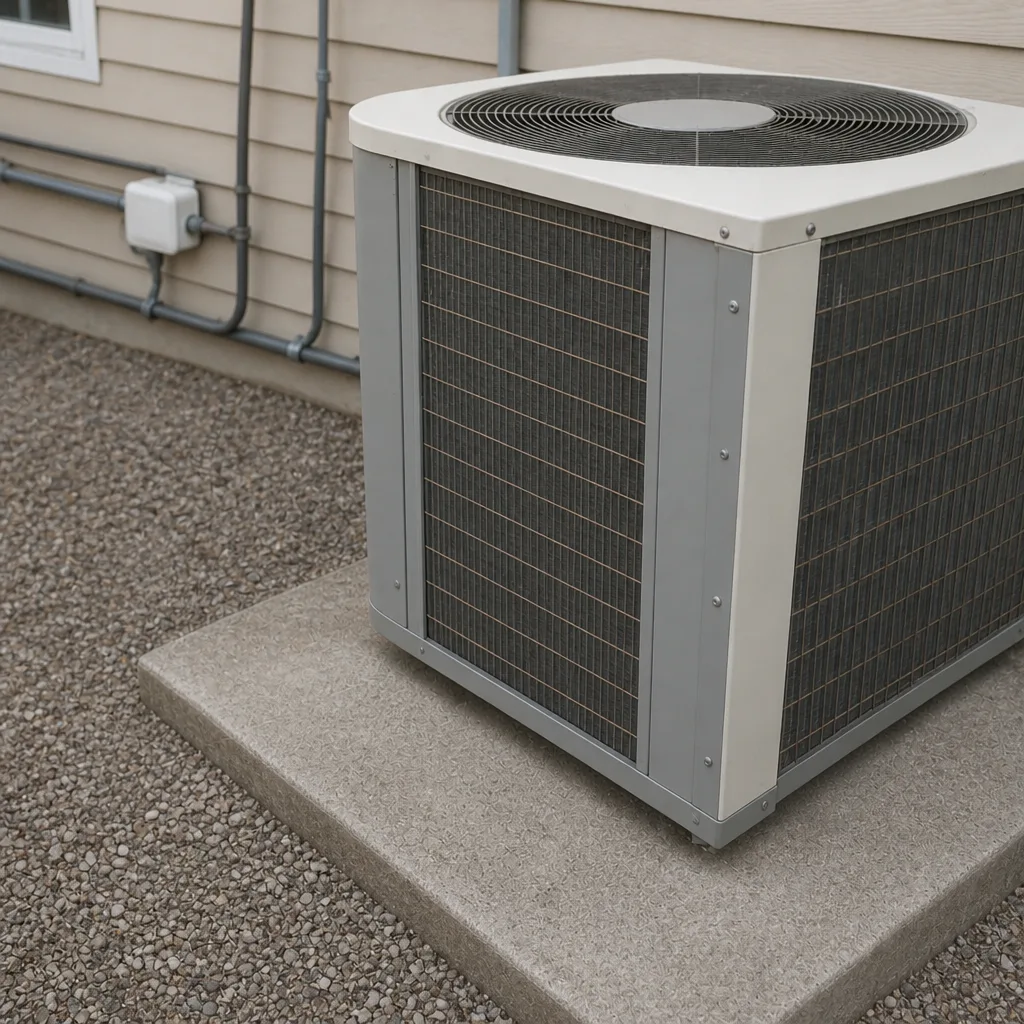
- Clear the outdoor condenser. Trim vegetation back two feet on all sides, remove leaves, and rinse the coil with a garden hose on low pressure. A blocked condenser in 110-degree Winchester heat makes the compressor work harder and shortens its life.
- Straighten bent fins. A fin comb is a few dollars. Flattened fins on the outdoor coil reduce heat transfer. Gentle, even strokes – the fins tear easily.
- Flush the condensate drain line. A cup of white vinegar down the access port every few months prevents the algae clogs that cause water damage to ceilings. We see this constantly in Winchester homes where the drain runs through a hot attic.
- Reset a tripped breaker or float switch. If the outdoor unit won’t run, check the breaker in your panel first. If the float switch in the drain pan is tripped, dry the pan and reset it. This alone saves some homeowners a service call.
- Replace a thermostat on low-voltage wiring. A standard 24-volt thermostat swap is safe for a careful homeowner – turn the air handler off at the breaker first, photograph the wiring before you touch it, and match the terminal letters. Get the wiring wrong and you can fry a control board, so if you’re unsure, leave it.
Notice what these have in common: none of them open the sealed refrigerant circuit, and none require you to diagnose electrical faults. They are maintenance and simple swaps. If you’d rather not do them yourself, our Fireside Heating & Air Co. Winchester home page covers our $89 seasonal tune-up, which handles all of the above plus a written report of what we find. Our technicians have up to 8 years of experience and aren’t paid on what they sell.
What Voids a Manufacturer Warranty
Manufacturer warranties vary by brand, but the categories where DIY work triggers a denial are consistent. Knowing which ones matter saves you from a very expensive argument later.
- Refrigerant circuit work. Adding or recovering refrigerant without EPA 608 certification is both a legal violation and a standard warranty exclusion. Every major brand – Carrier, Trane, American Standard, Daikin – requires certified handling.
- Compressor replacement. The compressor is the heart of the system and the single most expensive part. Manufacturers require licensed installation, and a failed compressor with home-installed evidence is grounds for denial.
- Evaporator and condenser coil replacement. Same category. These are part of the sealed circuit.
- Electrical control board swaps. Boards can be miswired or shorted by improper handling. If the board fails after a homeowner install, many brands will treat it as user error.
- Full system installation by an uncertified individual. Even a properly sized system installed without a permit and license may void the manufacturer’s parts warranty and will typically fail inspection.
Here is the honest part: some of these exclusions are technically avoidable through documentation and a certified follow-up. But a warranty claim is not the moment to discover you have no paperwork. We have seen a homeowner in Winchester spend $340 on a board and another $1,200 on a compressor repair because the original install was a DIY job with no record. That’s a $1,540 lesson the warranty would have covered.
Why DIY Installation Fails Winchester Permits
Clark County requires a permit for HVAC replacement, and that permit requires a licensed contractor to pull it. When you install a system yourself, the inspection step is where the job quietly breaks down – and the cost of a failed inspection is not the inspection fee, it is what comes after.
An unpermitted install creates a paper trail problem that surfaces at the worst possible time: when you sell the house. A buyer’s inspector finds an installed-without-permit unit, the sale stalls, and the seller pays for a retroactive permit and an inspection of work that was never supervised. In Winchester, we’ve seen closings held up over this exact issue.
There are also the technical failures. Load calculation, duct sizing, line-set length, and refrigerant charge all need to be right for the unit to run efficiently in our climate. A 100-degree Winchester summer exposes every shortcut. An undersized or overcharged system loses efficiency and shortens compressor life within a few seasons.
Compare the paths:
- DIY install: no permit, no inspection, no load calculation, no warranty protection, potential failed inspection at resale, and no recourse if the system underperforms. You’re also on the hook for refrigerant handling you can’t legally do.
- Licensed installation: permitted, inspected, load-calculated, warranty intact, and backed in writing. In our case, that backstop is the 90-Day Done Right Promise – if it isn’t right, we make it right, no arguing.
On any new system, you’re also looking at rebates and financing paperwork, which is easier handled by someone who files it regularly. If you’re weighing a heat pump or ductless option, our Heat Pump & Mini Split in Winchester page walks through how those get permitted and installed.
The Break-Even Math on a Failed DIY Repair
The math on a failed DIY attempt is simple once you write it down. The professional quote is not the high number – it is the floor. The DIY path is the bet.
Take a common case: a system not cooling in July. The technician quotes $280 for a capacitor and a diagnostic, done right for a flat price. The homeowner decides to try it. A capacitor costs $25 online, a multimeter $40, and two hours on a Saturday. If it works, the savings are real – $280 minus $65 is still $215 in the pocket.
But replace a capacitor with the wrong microfarad rating, or wire it backward, and the compressor fails to start. Now you’re looking at a compressor replacement, which in Winchester runs into the low four figures before labor is finished. That’s not a $215 savings. That’s a $3,000 repair that a $280 service call would have prevented.
Where DIY pays off: filter changes (saves roughly $100 a visit), drain flushes, fin straightening, thermostat swaps. Where it almost never pays off: anything electrical inside the cabinet, anything involving refrigerant, anything requiring diagnosis. When the diagnosis is the hard part, the technician’s value isn’t the labor – it’s knowing what is actually wrong before spending money fixing the wrong thing.
How to Work Alongside a Technician
You can reduce labor time on a service call – and sometimes the price – by doing the prep work yourself. Our technicians are happy to work this way. It speeds up the visit and it’s less expensive for you. Here’s how it works in practice.
- Clear access before we arrive. Move boxes, furniture, and pet crates away from the air handler and the outdoor unit. Fifteen minutes of your time saves fifteen minutes of billed time.
- Have the filter ready. Know the size, or better, have the new filter sitting next to the unit. We’ll show you how to seat it correctly if you ask.
- Photograph your thermostat wiring if you plan to change it. If you want to swap a thermostat yourself later, take the photo now while we’re there. We can tell you which terminals to avoid.
- Note the symptoms in plain language. “It runs but doesn’t cool” and “it won’t turn on at all” lead to very different diagnostics. The more precise you are, the faster we find the fault.
- Ask for the flat price in writing before work starts. Our price quoted is the price paid. If a technician won’t put it in writing, call someone who will.
What we won’t do is teach you to open a live panel or charge refrigerant – that isn’t helpful, it’s dangerous and illegal. If you don’t have heat and it’s below freezing, that’s a health issue and not a DIY project. Our Heating & Furnace in Winchester page covers the winter side of the same rules.
Common Mistakes to Avoid
- Adding refrigerant from a can without EPA certification. It’s a federal violation, the sealant in those cans can ruin a system, and you have no way to know the correct charge without gauges and a temperature reading. This is the single most common and most expensive mistake we see in Winchester.
- Over-tightening filter changes into MERV upgrades. A MERV 13 filter on a system built for MERV 8 chokes airflow in a tight Winchester attic install. Higher isn’t better here.
- Capping a condensate drain without a float switch. If the drain clogs and there’s no safety switch, water runs into the ceiling. We see this in older Winchester homes with attic air handlers.
- Testing capacitors with bare hands. They hold a charge after power-off. Discharge them properly or don’t touch them – a shock at 240 volts is not a learning experience.
- Installing a new thermostat without photographing the old wiring. R, W, Y, G, and C terminals get mixed up easily. One swap can fry a control board.
- Assuming a DIY install will pass inspection at resale. It won’t without a retroactive permit, and that often means undoing or re-documenting the work.
- Skipping the permit to save money. The permit fee is small compared to the resale stall or the failed inspection.
When to Call a Professional
Call a professional when the symptom points at refrigerant, the compressor, an electrical fault inside the cabinet, a control board, or a full replacement. Call when you smell burning, when the breaker trips repeatedly, when the system is leaking water, or when the outdoor unit won’t start after a breaker reset. Call when it’s a heat pump or ductless system doing something you don’t recognize. And call when the diagnosis itself is unclear – guessing is how a small repair becomes a large one.
The other time to call is warranty. If a repair might be covered, a licensed technician documents the claim and does the work in a way the manufacturer accepts. That’s worth more than saving a labor charge.
We answer the phone with a live person, 24 hours a day. If your AC fails in a Winchester July, that matters. Fireside Heating & Air Co. Winchester offers free estimates in Winchester – call (844) 783-5043. If you have another written quote, we’ll give you a free second opinion on it before you decide.
See the difference
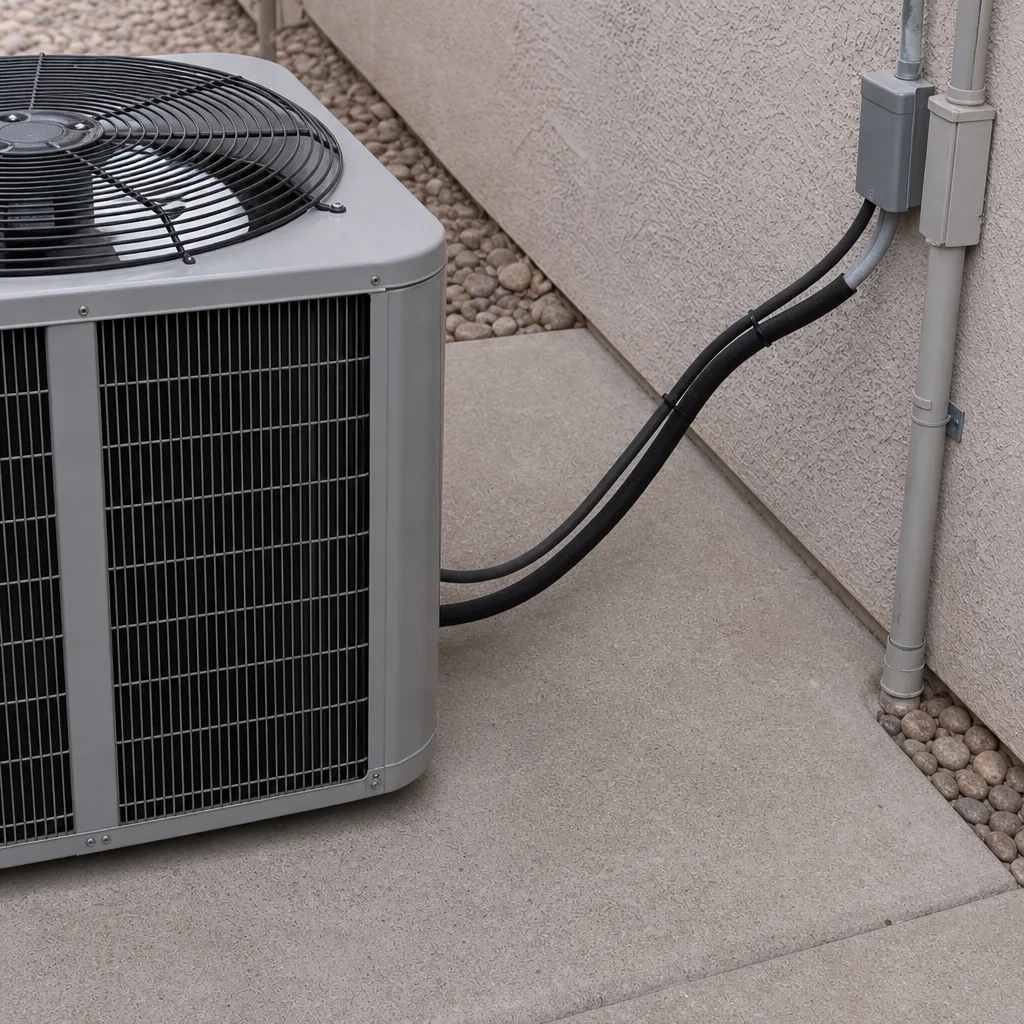
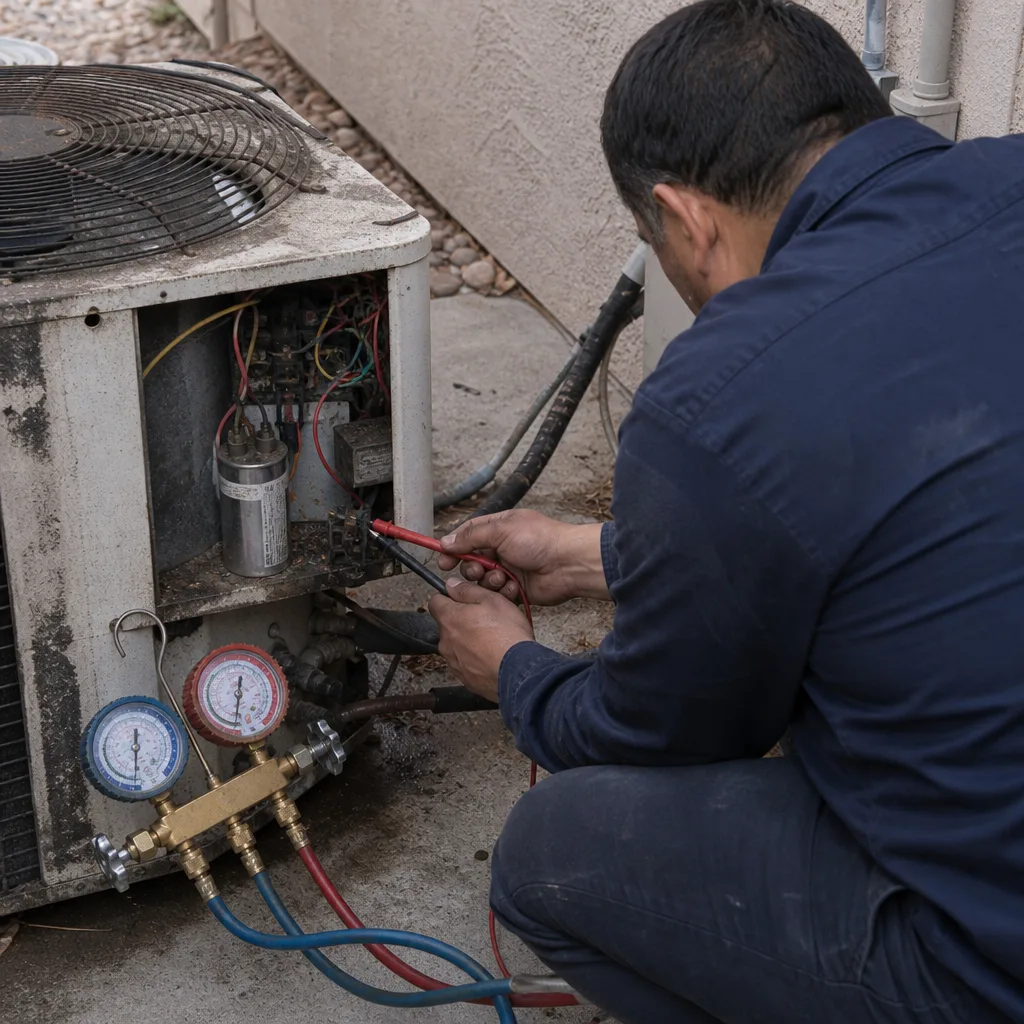 Before
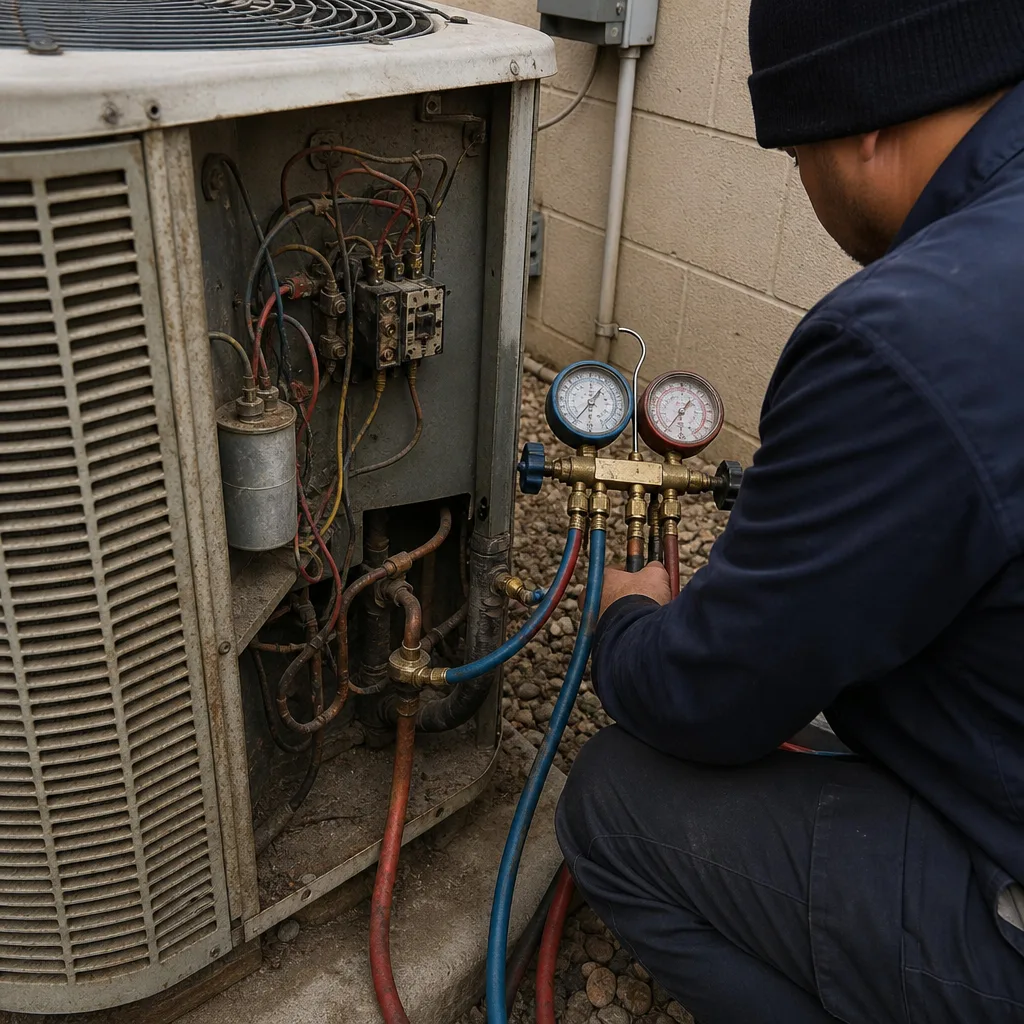
 After
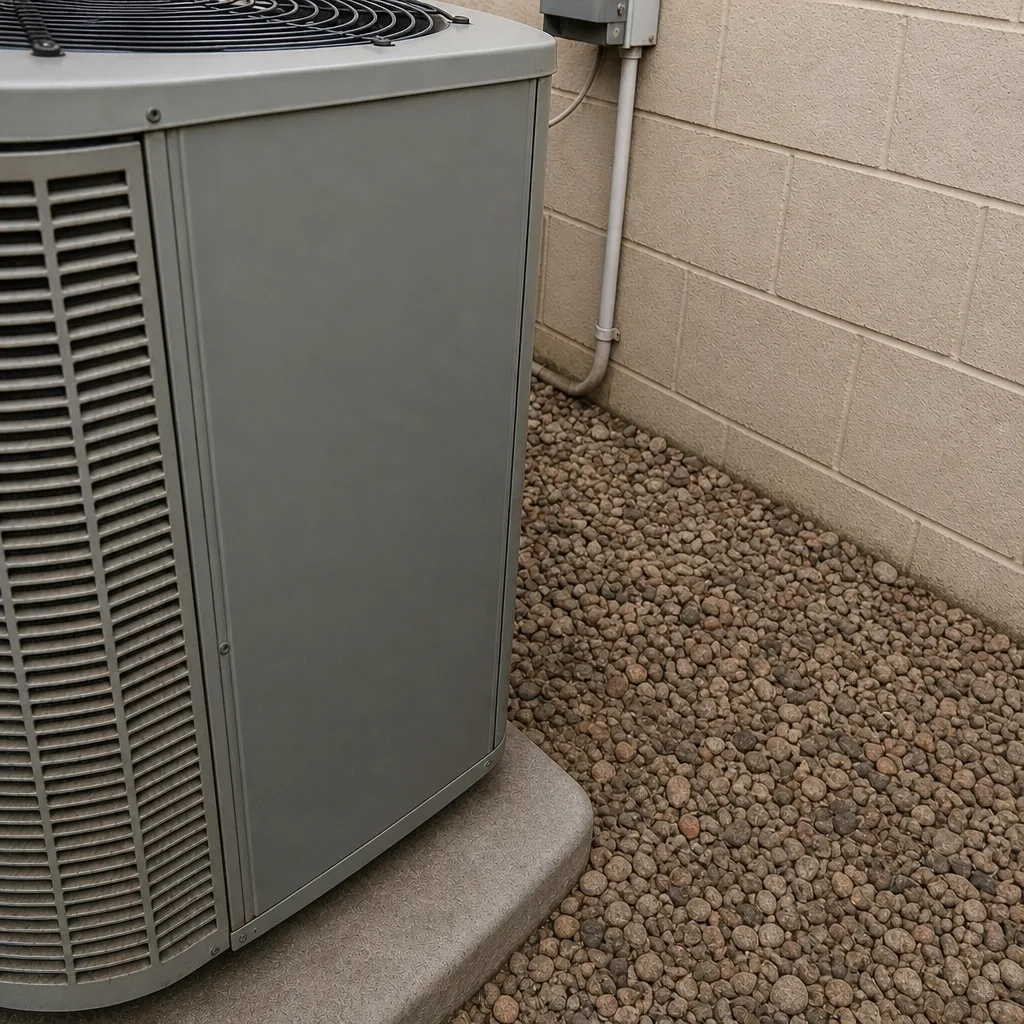
 Before
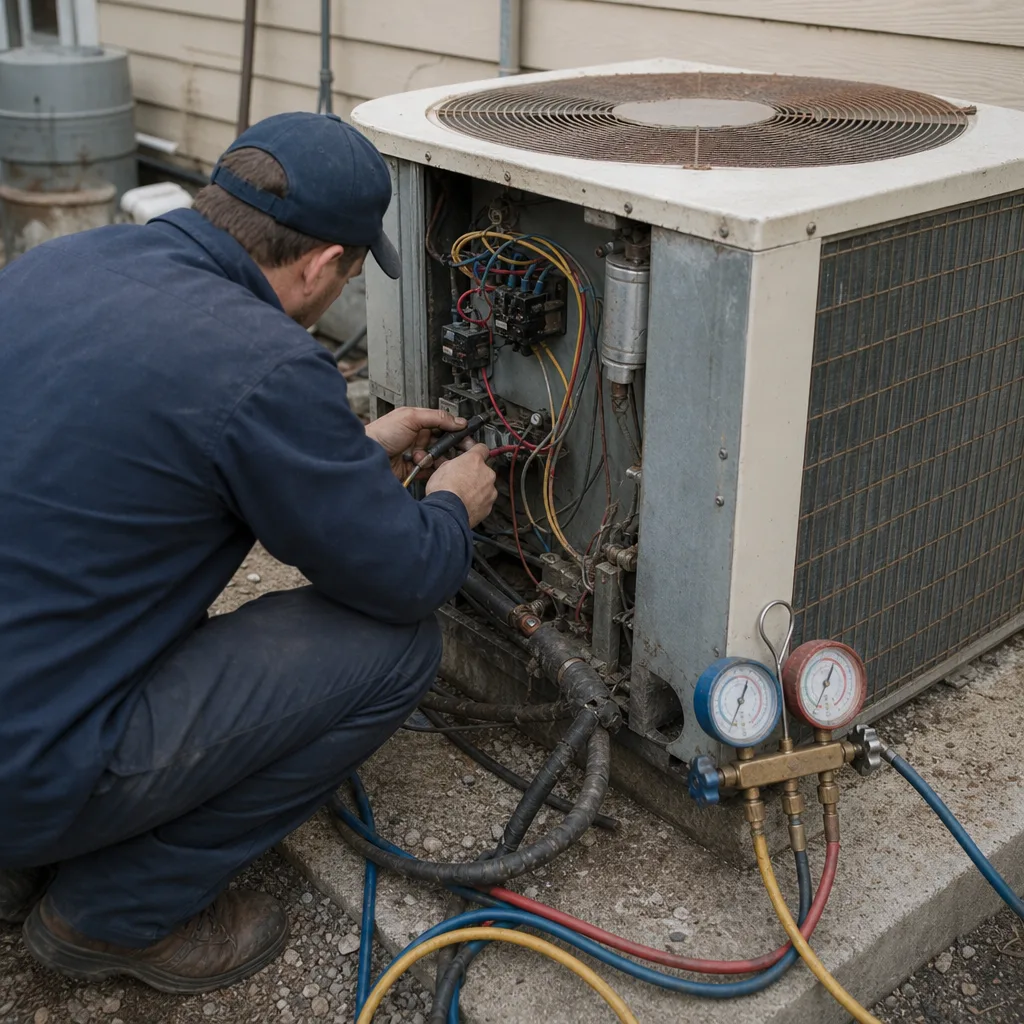
 After
 Before
 After
Frequently Asked Questions
No. Adding or handling refrigerant requires EPA Section 608 certification, and that applies to homeowners as well as contractors. Using a store-bought can without certification is a federal violation and typically voids your manufacturer warranty. Call (844) 783-5043 and we’ll pinpoint the actual charge and the leak.
No. Filter changes, condenser cleaning, and drain flushing are maintenance tasks that homeowners can perform without affecting warranty coverage. Keep a simple record of when you changed filters and the system stays in good standing. When in doubt, our $89 seasonal tune-up documents the whole year for you.
You can physically try, but Clark County requires a licensed contractor to pull the permit and pass inspection, and most manufacturers require licensed installation for the parts warranty. A DIY install usually fails inspection at resale and can cost more than the original quote to fix. We handle the permit, load calculation, and rebate paperwork on every new system.
Roughly when the repair requires diagnosis rather than a simple swap. Filter changes, drain flushing, and thermostat swaps pay off for a capable homeowner. Capacitor and control-board work inside the cabinet is where the math flips – a $280 professional repair is cheaper than a $3,000 compressor failure caused by a wrong part. Call (844) 783-5043 for a flat quote before you attempt it.
Yes, with the power off at the breaker. Rinse the coil gently with a garden hose and keep vegetation trimmed two feet back. Do not open the electrical panel or remove the fan guard – a capacitor inside can hold a lethal charge. If the coil is packed with cottonwood or grass, that’s when to call us.
We answer the phone day or night with a live person, and we do same-day repair on most calls. If your system is blowing warm air in 100-degree heat, don’t wait – a failed capacitor can become a failed compressor overnight. Call (844) 783-5043 for the earliest available slot and a flat price before we start.
The Bottom Line
The line between safe and not safe isn’t about your skill level – it’s about the law, the warranty, and the danger. Change your filters. Flush the drain. Keep the condenser clear. Straighten the fins. Swap a thermostat carefully if the wires are photographed. Everything on the other side of that line – refrigerant, compressors, coils, control boards, and full installation – requires a licensed technician, and in Winchester, a permit. A failed DIY attempt almost always costs more than the professional quote would have, and a DIY install costs you at resale. If you’re not sure which side of the line you’re on, call and ask. Free estimates and a free second opinion on any written quote. Done right – or we make it right, in writing.
Call (844) 783-5043 for a free estimate in Winchester. We’ll give you straight talk about what you can do yourself and what needs a licensed hand.
Written by the team at Fireside Heating & Air Co. Winchester.