
Last updated November 18, 2026
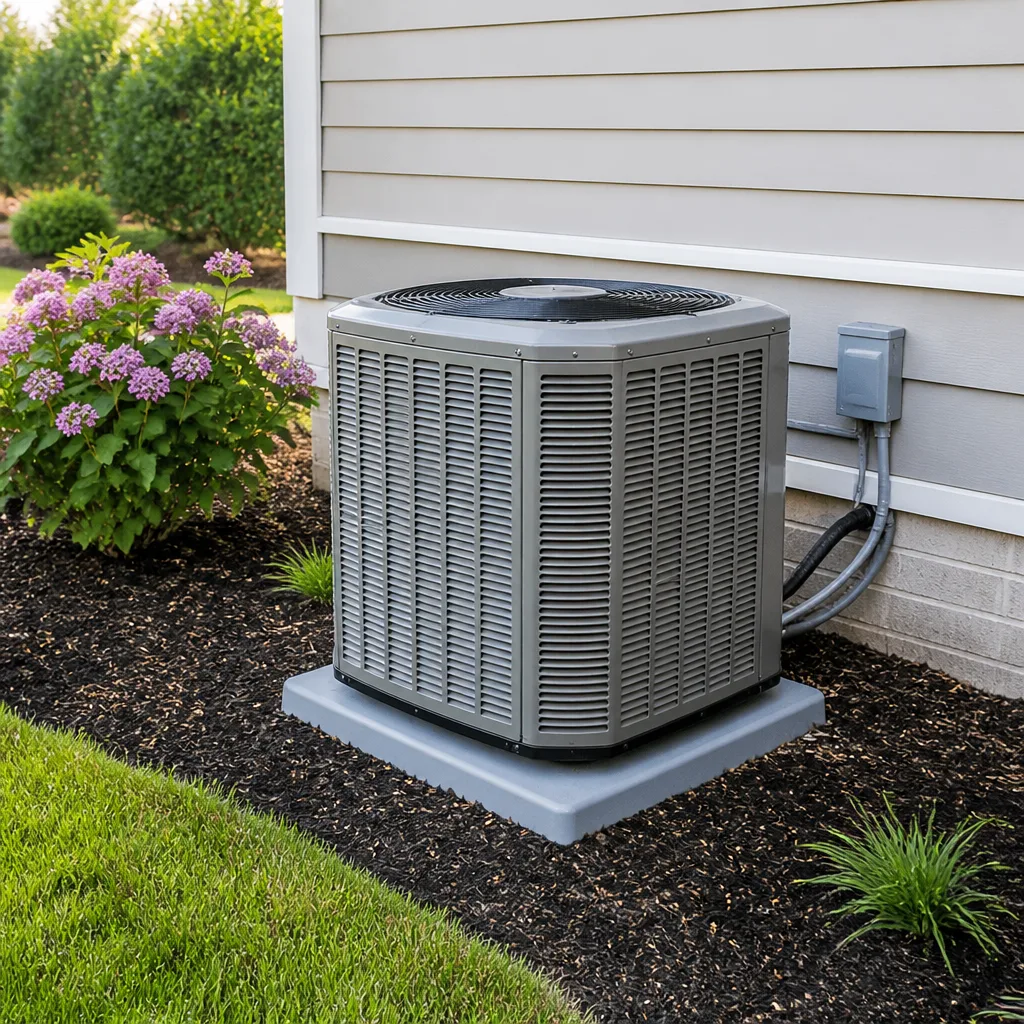 AC repair
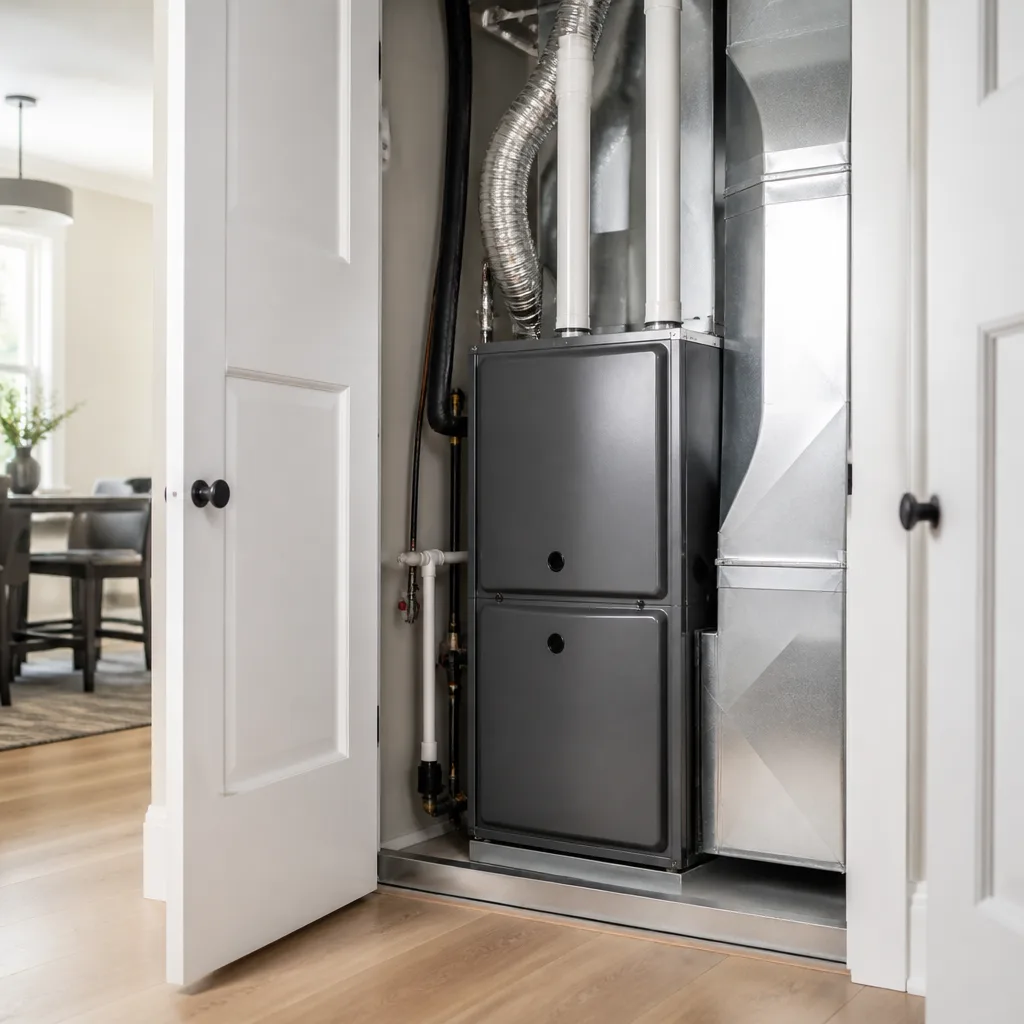 Furnace & heating
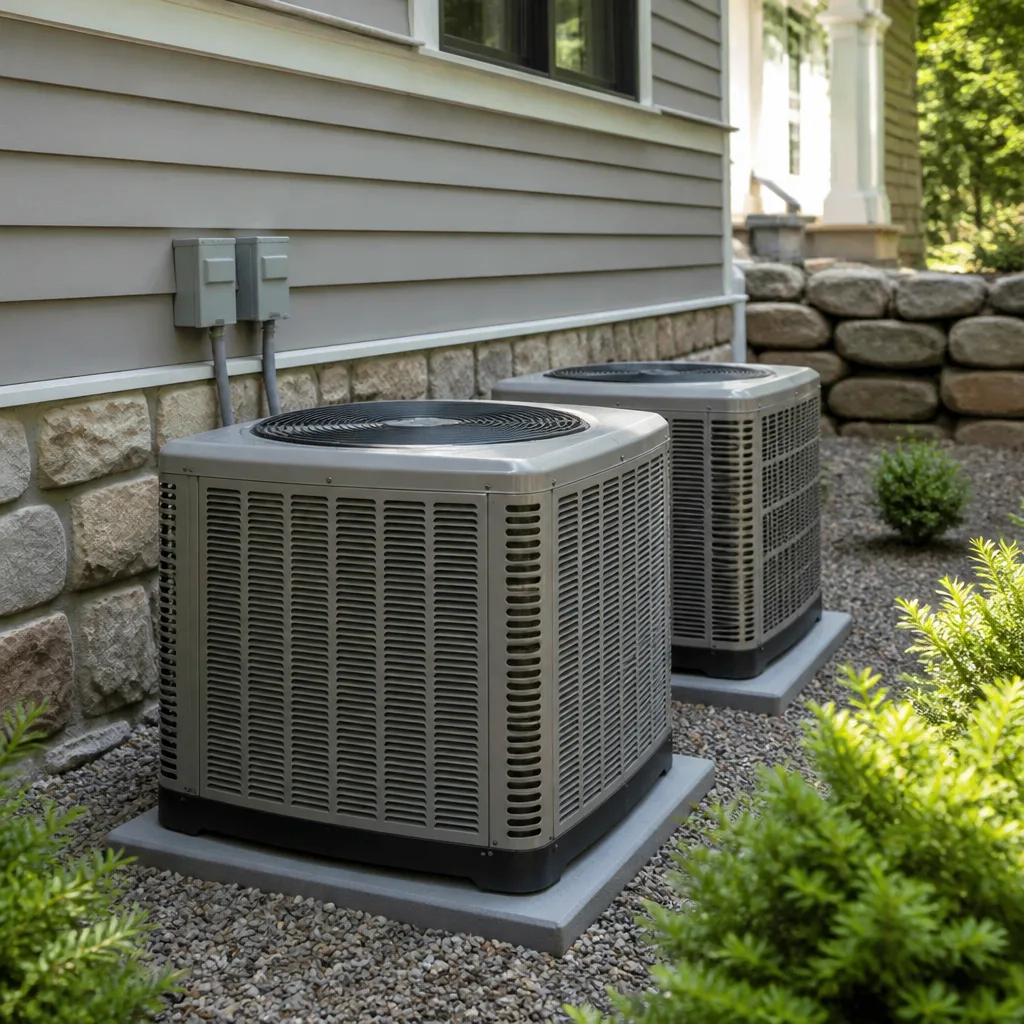 Heat pumps
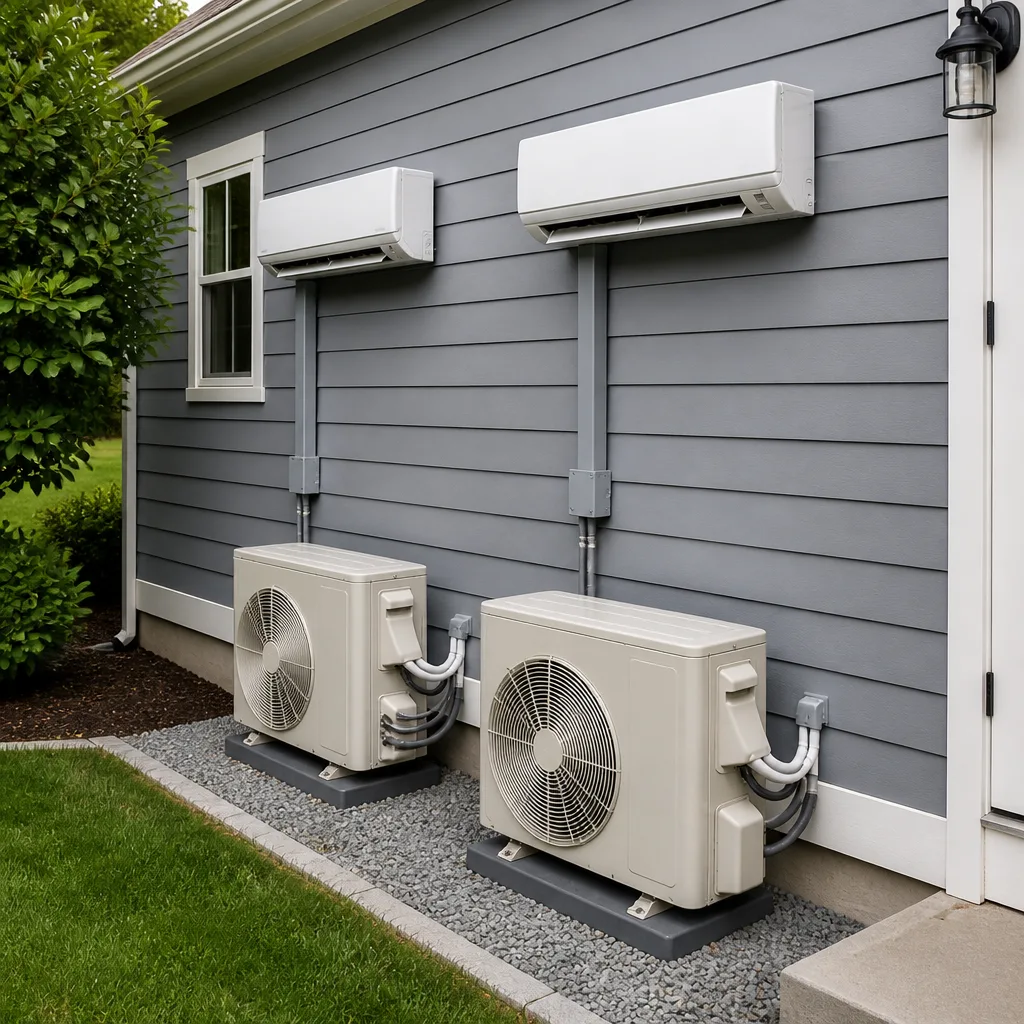 Ductless mini splits
 Carrier
 Trane
 Goodman
Seasonal tune-up and full diagnostic on your Carrier, Trane, or Goodman system - readings shown to you before any repair is proposed
Diagnosis first, numbers second - you approve the repair price before a single part goes in.
Get your free estimateDIY vs Professional Emergency & Commercial HVAC: What’s Safe to Do Yourself
Nevada requires an EPA Section 608 certification to handle refrigerant on any system, commercial or residential. A business owner who tops off a low commercial unit themselves, a repair that feels minor, has just committed a federal violation and potentially voided every remaining warranty on the equipment. It’s not about whether you’re handy. It’s about where the legal line sits, and on a commercial system that line is further back than most people realize. This guide explains exactly which tasks are genuinely safe to do yourself, which ones carry real consequences, and how to document what was done and by whom. We’ll also cover how Clark County rules apply to the buildings along the Winchester corridor.
Quick Answer
For commercial HVAC in Nevada, the safe DIY tasks are filter changes, visual coil inspections, thermostat programming, and clearing a condensate drain. Anything involving refrigerant, electrical components beyond flipping a breaker, gas lines, or opening a sealed system requires a licensed professional and, for refrigerant, a federal EPA Section 608 certification. For life-safety emergencies, know where the gas shutoff and electrical disconnect are, use them, then call a professional.
Styles & brands we work with
- AC repair
- Furnace & heating
- Heat pumps
- Ductless mini splits
- Carrier
- Trane
- Goodman
Table of Contents
- What Nevada Law Actually Requires
- The Four Commercial Tasks That Are Actually Safe
- Why Commercial Warranties Are Stricter Than Residential
- Emergency Actions: What to Know for Safety Only
- The Refrigerant Question Every Owner Asks
- How to Document Who Did What
- Winchester’s Climate and Why It Matters
- When to Call a Professional
What Nevada Law Actually Requires
Nevada doesn’t treat commercial HVAC work as an extension of handyman rules. The state requires a contractor’s license for most HVAC work, and the separation between what an owner can legally do on their own building and what requires a licensed contractor is narrower than many people assume. The rules are written to protect building occupants and the environment, not to protect contractors from competition.
The federal layer adds a second wall. Under EPA Section 608, any person who handles refrigerant, including topping off a system, recovering refrigerant, or opening a sealed system, must hold current certification. This applies to every system that contains refrigerant, commercial or residential, and there is no owner exemption. When we service commercial units in Winchester, every technician who touches refrigerant carries that certification.
Clark County adds building and mechanical code requirements on top of the state and federal layers. If your building is in the commercial district along South Virginia Street or in one of the older retail centers off Winnemucca Street, your system was likely permitted under a specific code cycle. Repairs that alter the mechanical system can trigger inspection requirements, and unpermitted work can create problems at sale or refinance. That’s not a scare tactic. It’s a property records reality.
The Four Commercial Tasks That Are Actually Safe
There are real, useful things a business owner can do to keep a commercial system running between professional visits. None of them require opening a sealed system or touching refrigerant or electrical components. Our technicians have up to 8 years of experience, and many of the dirty filters and clogged drains we find on service calls were building up for months while no one checked.
- Filter changes. On a rooftop unit, this is as simple as opening the filter access panel, sliding out the old filter, and matching the size and MERV rating on the new one. On a commercial split system in a building with high foot traffic, change filters every 60 to 90 days. In Winchester’s dusty spring months, more often. Write the change date on the filter frame in marker.
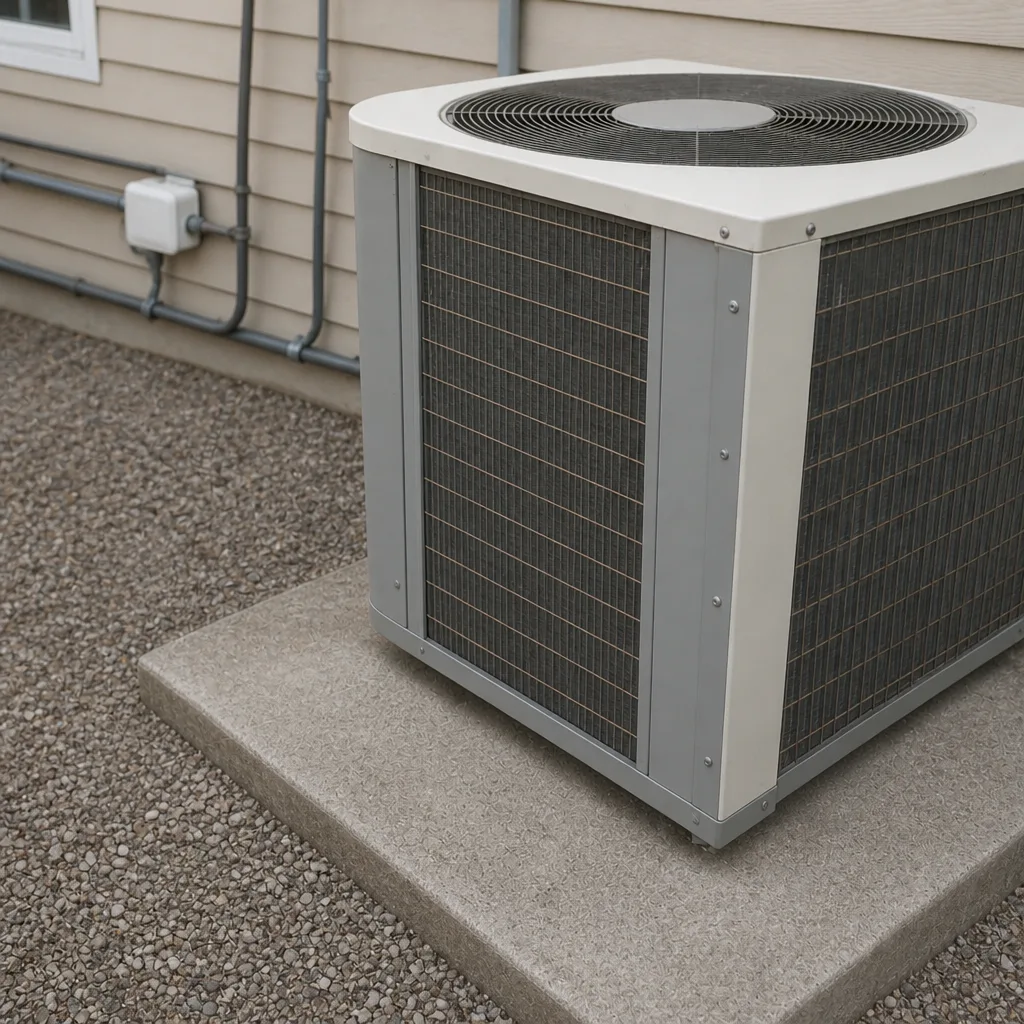
- Visual coil inspection. Look at the outdoor coil without touching it. If it’s visibly caked with lint, dust, or cottonwood fluff, close it back up and call a professional. Coil cleaning requires the right chemicals and water pressure, and a bent fin or a pinhole in the wrong spot turns a $150 cleaning into a repair.
- Thermostat programming. Adjusting schedules and setpoints on a commercial programmable or smart thermostat is safe. What isn’t safe is opening the thermostat body to rewire it or reprogramming a building automation system you don’t have the manual for. If the schedule behaves strangely after a change, note what you changed and when, and mention it to the technician.
- Clearing a condensate drain. If you can reach the drain trap and the outlet end of the line, a wet-dry shop vac at the outlet can pull a soft clog. If water is standing in the pan and won’t clear, or if the drain line is behind a wall or above a ceiling, stop. Standing water in a commercial space invites mold and slip hazard liability.
For a full view of what our service calls cover on the repair side, the AC Repair & Installation in Winchester page walks through the specifics.
Why Commercial Warranties Are Stricter Than Residential
Residential HVAC warranties are usually lenient about maintenance by a third party, as long as the work is done competently. Commercial warranties are different. Most manufacturers, including Rheem, York, and Bryant, write commercial equipment warranties with stricter language. The terms often require service by a licensed contractor, sometimes specifically an authorized or certified technician, and often require documented preventive maintenance at set intervals.
That’s a real exposure. If a compressor fails at year seven on a ten-year commercial warranty and the manufacturer asks for service records, an owner who changed filters but never had documented professional maintenance may find the claim denied. We’ve seen this happen on units we later serviced in older Winchester commercial buildings, and it’s a hard conversation.
Before service, confirm three things with your contractor:
- Their license number and that it’s active with the Nevada State Contractors Board.
- That they hold current EPA Section 608 certification for any refrigerant work.
- That they can furnish a written service record naming the equipment, the work performed, the date, and the technician’s certification.
If the contractor can’t provide those three items in writing, they can’t protect your warranty. It’s that simple.
Emergency Actions: What to Know for Safety Only
There are moments where the right action is to shut something down and then call. These aren’t DIY repairs. They’re life-safety responses, and knowing where the switches are matters. A commercial building in Winchester with a gas smell or an electrically smoking air handler needs a fast, correct reaction.
- Gas shutoff. Locate the manual gas valve upstream of the heating unit. If you smell gas or suspect a leak, turn the valve to the off position (perpendicular to the pipe). Don’t attempt to relight or diagnose. Evacuate, call the gas utility, then call an HVAC professional.
- Electrical disconnect. Commercial rooftop units and larger air handlers have a disconnect switch or breaker within sight of the equipment. If a unit is smoking, buzzing, or smells like burning insulation, switch off the disconnect. Don’t open the electrical panel to pull a breaker if you’re not comfortable. Call the fire department if there is active smoke or fire.
- Refrigerant isolation. If a refrigerant line is freezing or visibly damaged, don’t touch it. Refrigerant under pressure can cause frostbite and immediate injury. Keep people away from the equipment, ventilate the space if refrigerant has leaked, and call for service.
These three actions are the extent of what a non-technician should do. Every one of them ends with a call, not a repair. If a commercial system in Winchester goes down overnight, call (844) 783-5043, and a live person answers, not a voicemail tree.
The Refrigerant Question Every Owner Asks
Refrigerant is the clearest line in the sand. If a commercial unit is low on refrigerant, the only legal and safe response is to have a certified technician find and repair the leak, then recharge to the correct weight. Topping off without the certification is a federal violation, and it also masks the real problem. A system that’s losing refrigerant is leaking somewhere, and that leak will cost more as it worsens.
For older commercial equipment using R-22, the cost math is even more important. R-22 has been phased out under federal rules for years, and remaining supplies are expensive. If your building in Winchester still runs R-22 equipment, the repair-versus-replace conversation gets sharper each season. That’s a conversation worth having in the spring, not on the hottest week of July when a rooftop unit fails mid-afternoon.
Daikin and similar manufacturers now offer drop-in-friendly R-410A and newer refrigerants that work on modern commercial platforms. A professional can tell you whether a retrofit makes financial sense on a specific unit, but only after a proper leak diagnosis and load evaluation. Our Heat Pump & Mini Split in Winchester page covers the options for efficient upgrades.
How to Document Who Did What
In a commercial building, good records protect money. If a warranty claim, insurance claim, or code inspection requires proof of professional service, a simple log answers the question. The basic elements are the date, the equipment ID (model and serial number), the tasks performed, and who did them, by name and license.
Keep a three-ring binder at the equipment or in the office. Write three columns: date, task, and who performed it. Every professional service invoice goes in the binder behind the log. If you change a filter, note it. If a technician inspects a compressor, note it and staple the invoice. If you’re in a managed building, ask the property manager for copies of service records going back at least two years.
We leave a written report on every service call. For commercial accounts in Winchester, that report names the equipment, the diagnosis, the work performed, and the technician’s certification. That’s the paper trail your warranty holder will ask for. For an overview of the full service line, see the Fireside Heating & Air Co. Winchester home page.
Winchester’s Climate and Why It Matters
Winchester’s desert climate puts specific pressures on commercial equipment that don’t exist elsewhere. Summer design temperatures routinely push past 105°F, which means rooftop condensers and air-cooled units run near their upper limits for weeks. Dust from the surrounding desert and from construction off the I-15 corridor collects on coils, and springtime winds carry fine particulate that packs filters faster than most maintenance schedules assume.
We’ve seen a pattern in Winchester commercial buildings along the industrial pockets near Meikle Lane: units that are well-maintained on paper fail on the first 110°F day because the outdoor coil is packed with dust that no one looked at. A two-minute visual check every month would have caught it.
Winter is milder, but overnight lows in the low 20s do happen, and gas-pack units on older commercial rooftops can develop ignition issues after a cold snap. Don’t test-fire a commercial gas unit yourself. The first fire of the season should be checked by a professional. A short seasonal walkthrough from a licensed technician is cheaper than a no-heat emergency call in January.
See the difference
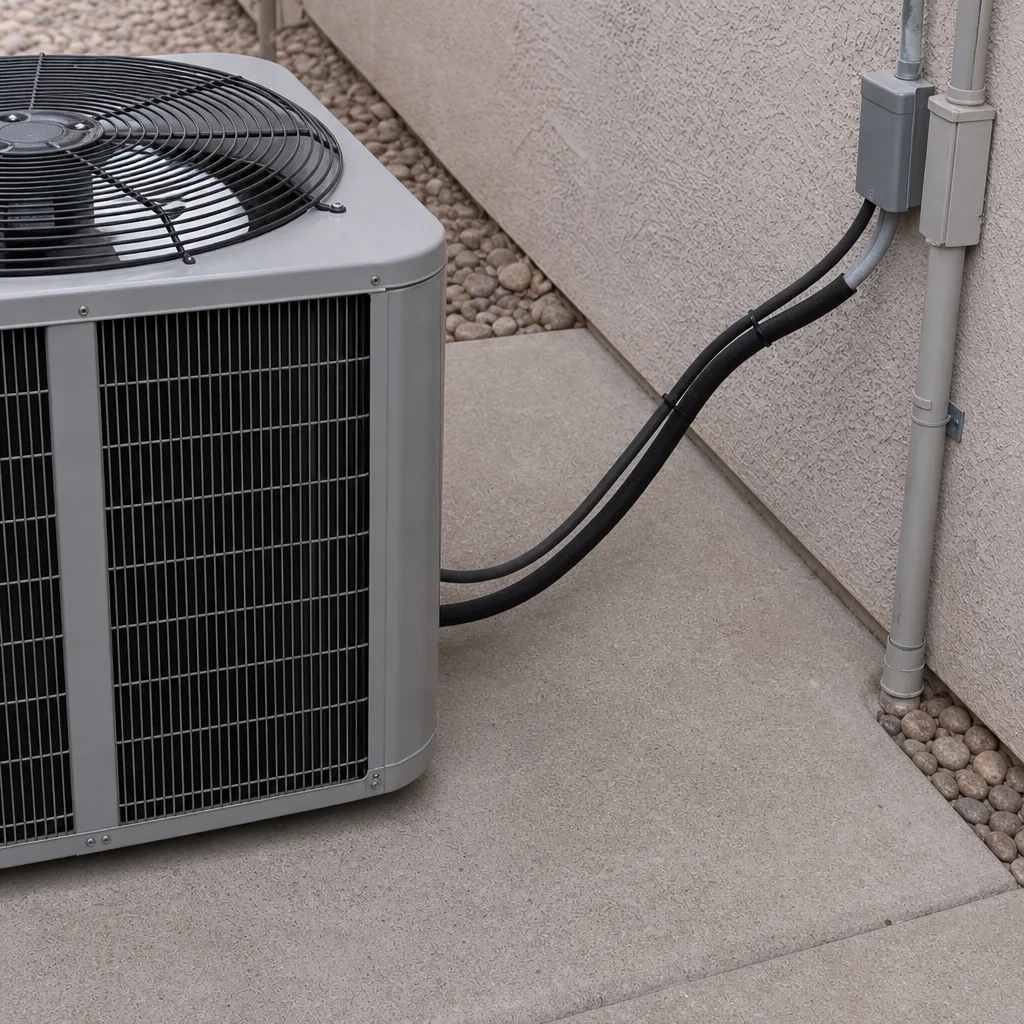
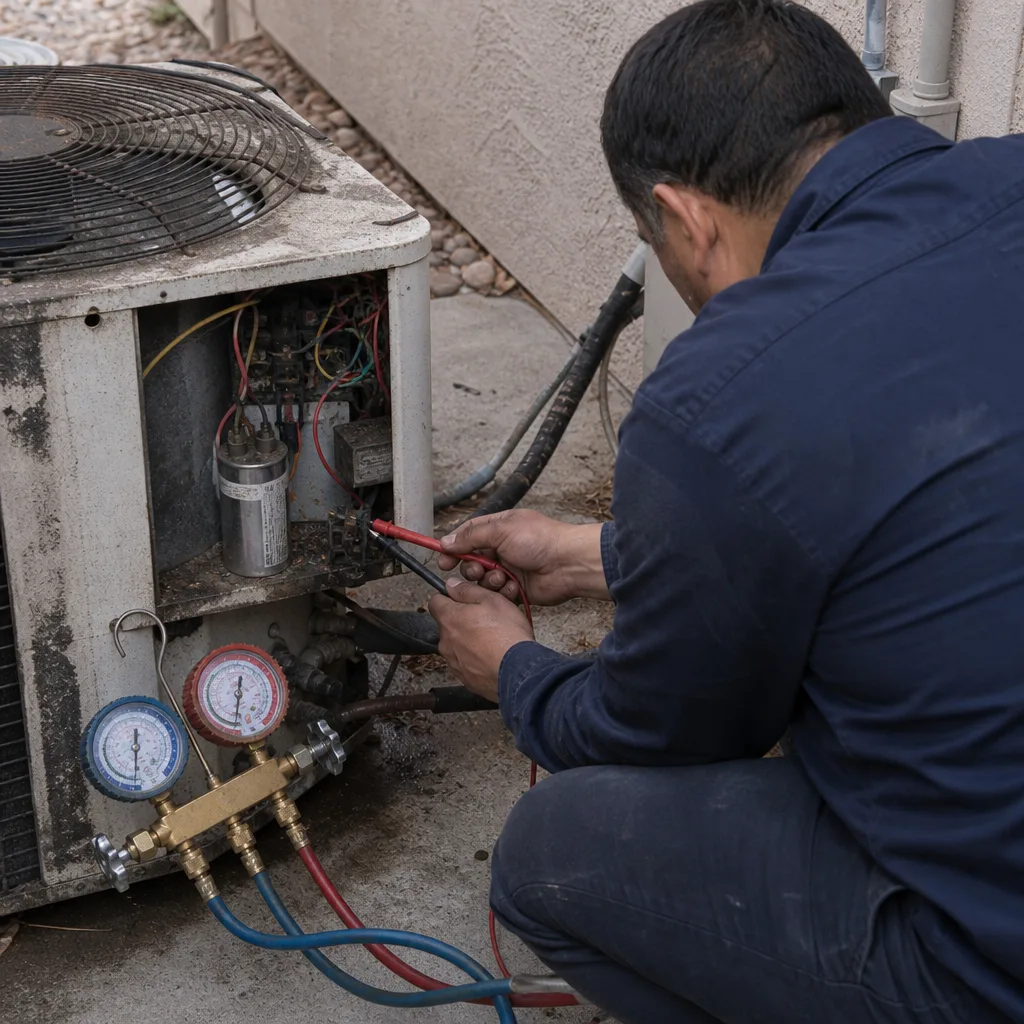 Before
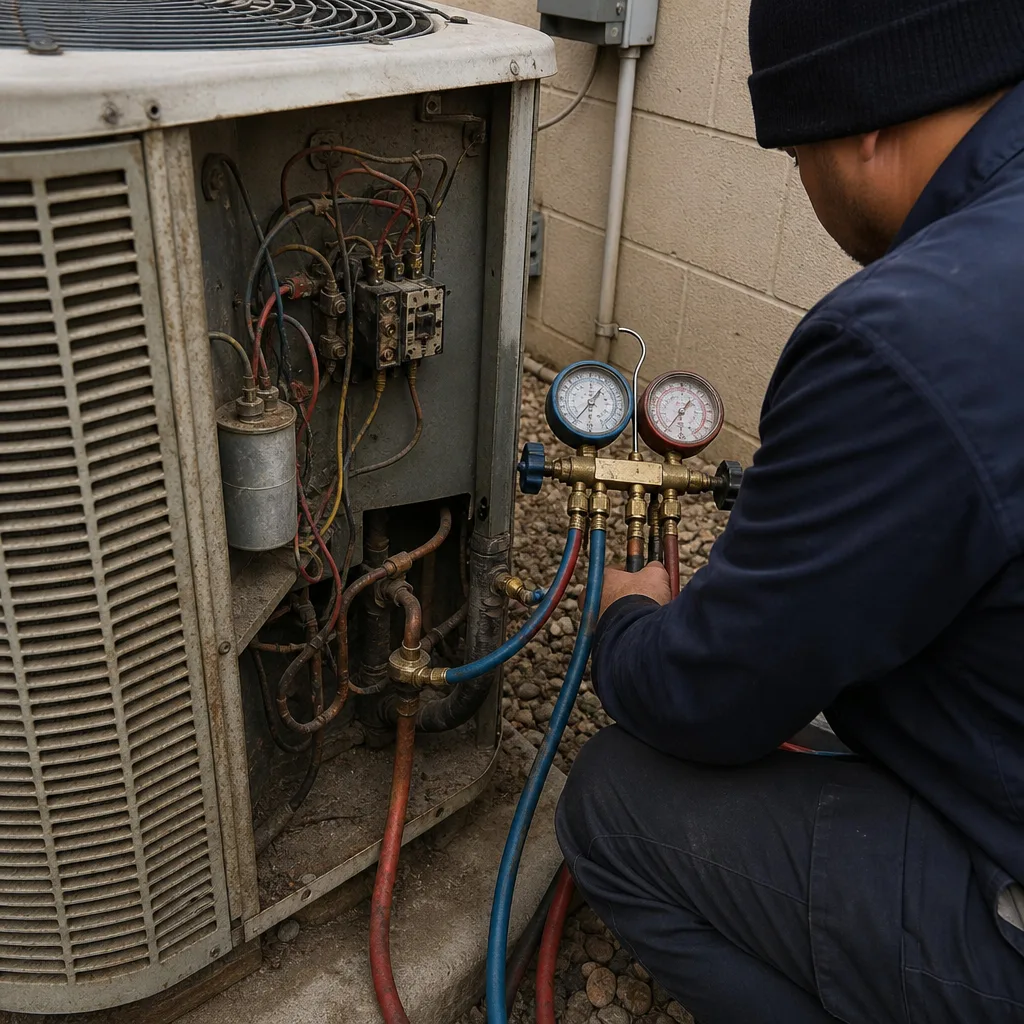
 After
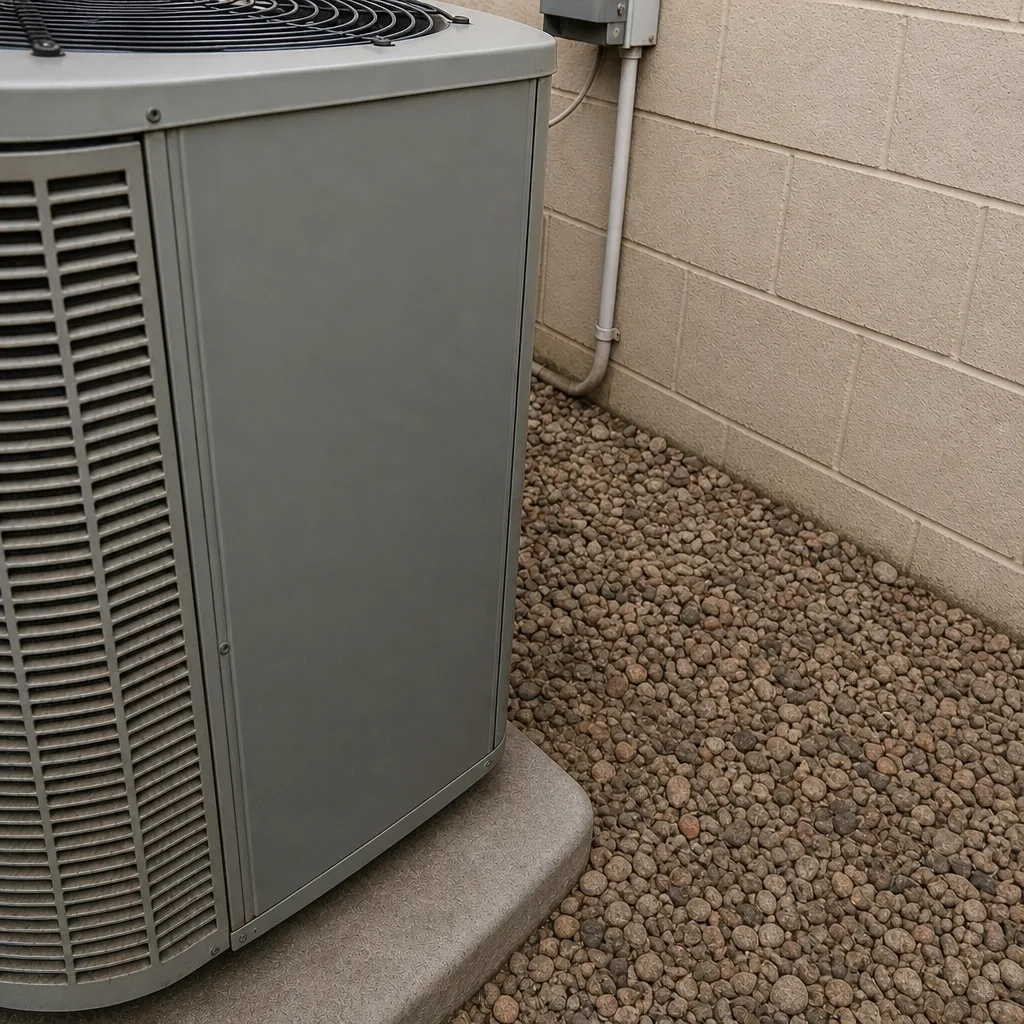
 Before
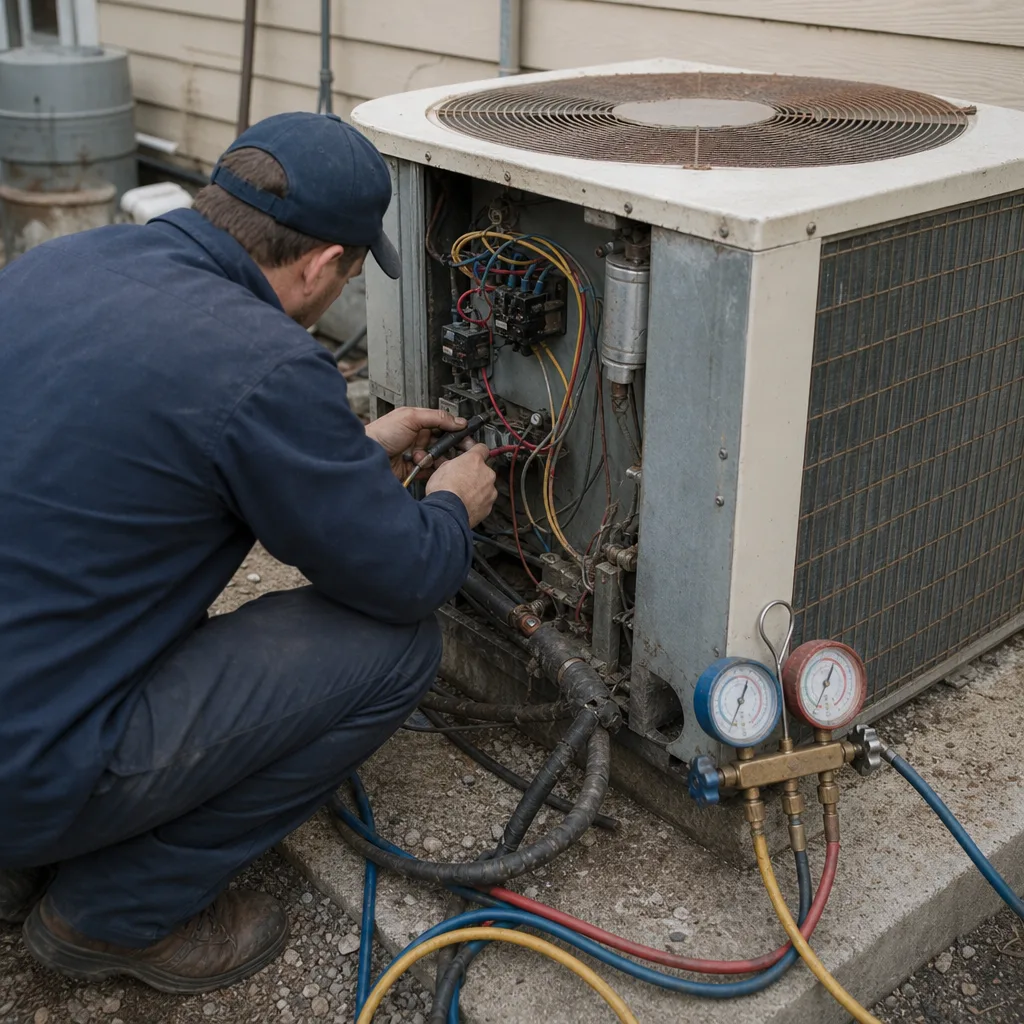
 After
 Before
 After
Common Mistakes to Avoid
- Topping off refrigerant without certification. It’s a federal violation under Section 608, it masks a leak, and it can void a commercial warranty. There is no shortcut here.
- Assuming residential warranty rules apply. Commercial manufacturer warranties routinely require licensed or authorized service and documented maintenance. Read the warranty booklet before the first repair.
- Skipping filter changes during high-occupancy months. In Winchester’s dusty springs, a filter that looked clean in March is packed by mid-May. Check twice as often during construction season.
- Opening the electrical panel to “just reset” a breaker. If a breaker keeps tripping, the panel is telling you something is wrong. Cycling it repeatedly risks fire. Call a professional.
- Ignoring standing water in a condensate pan. A slow drain turns into a ceiling stain, a slip hazard, and a mold problem. If the pan won’t empty, stop and call.
- Never documenting who did what. A denied warranty claim because of missing service records is a preventable loss. Keep the log.
- Choosing the lowest bid on a commercial repair. The lowest bid on a commercial job often skips the leak search or leaves the refrigerant charge short. Ask for a written diagnosis and the certification behind it.
When to Call a Professional
Call for any refrigerant issue, any electrical issue inside the equipment, any gas smell or suspected leak, any compressor or sealed-system work, and any control or building-automation change you don’t have documentation for. Call if your warranty requires authorized service and you’re not sure the contractor qualifies. Call if a maintenance task you thought was safe turned into something more, or if you’re simply not sure where the line sits.
Fireside Heating & Air Co. Winchester handles both residential and commercial service in Winchester, and we answer the phone around the clock. If you’re going to have a professional evaluate a system, a free second opinion on any written estimate is a standing offer. If a system has been out for a while and needs a rebuild rather than a repair, our Heating & Furnace in Winchester team sees the same wear patterns on commercial furnaces in this climate. When you call, a live person picks up. (844) 783-5043.
Frequently Asked Questions
Yes. Changing a filter doesn’t touch refrigerant, electrical components, or the sealed system, so no license or certification is required. Document the date and the filter size so the next technician can see the schedule.
Yes. EPA Section 608 certification is required for anyone handling refrigerant, including on a system you own. There is no owner exemption. Adding refrigerant without certification is a federal violation and typically voids the warranty. Call (844) 783-5043 for a certified technician.
Filter changes and visual inspections generally don’t. What voids a warranty is unqualified work on the sealed system, refrigerant handling without certification, or missing documented professional maintenance where the warranty requires it. Read the warranty booklet and keep a service log.
Turn off the gas valve upstream of the unit if it’s safe to reach, evacuate the area, call the gas utility, and then call an HVAC professional. Don’t try to relight the unit or diagnose the source. This is a life-safety situation, not a repair.
Every 60 to 90 days in most buildings, and more often during the dusty spring months or if the building is near construction. Buildings along the I-15 corridor typically need monthly checks in April and May. Write the change date on the filter frame.
Yes. Fireside Heating & Air Co. Winchester offers a free second opinion on any written estimate. Bring the estimate and the equipment model number, and we’ll walk through what’s covered, what’s not, and whether the proposed repair addresses the actual diagnosis. Call (844) 783-5043.
The Bottom Line
The safe DIY list for commercial HVAC in Nevada is short: filters, visual coil checks, thermostat programming, and a simple condensate drain flush. Everything involving refrigerant, electrical internals, gas, or a sealed system belongs to a licensed, EPA-certified professional. The real risk on a commercial system isn’t just injury. It’s a federal violation, a denied warranty claim, and a repair that balloons because the actual cause was never found. The business that protects itself keeps a written log, reads the warranty, and calls when the line is close. In Winchester, that call gets a live person who will give a straight answer about whether the repair is worth it or the equipment is at the end of its run.
If a commercial system is down, or if you’re weighing a repair against a replacement and want a second set of eyes, give us a call at (844) 783-5043. Estimates are free, the price quoted is the price paid, and every job is backed by our 90-Day Done Right Promise, in writing, no arguing.
Written by the team at Fireside Heating & Air Co. Winchester.