
Last updated November 18, 2026
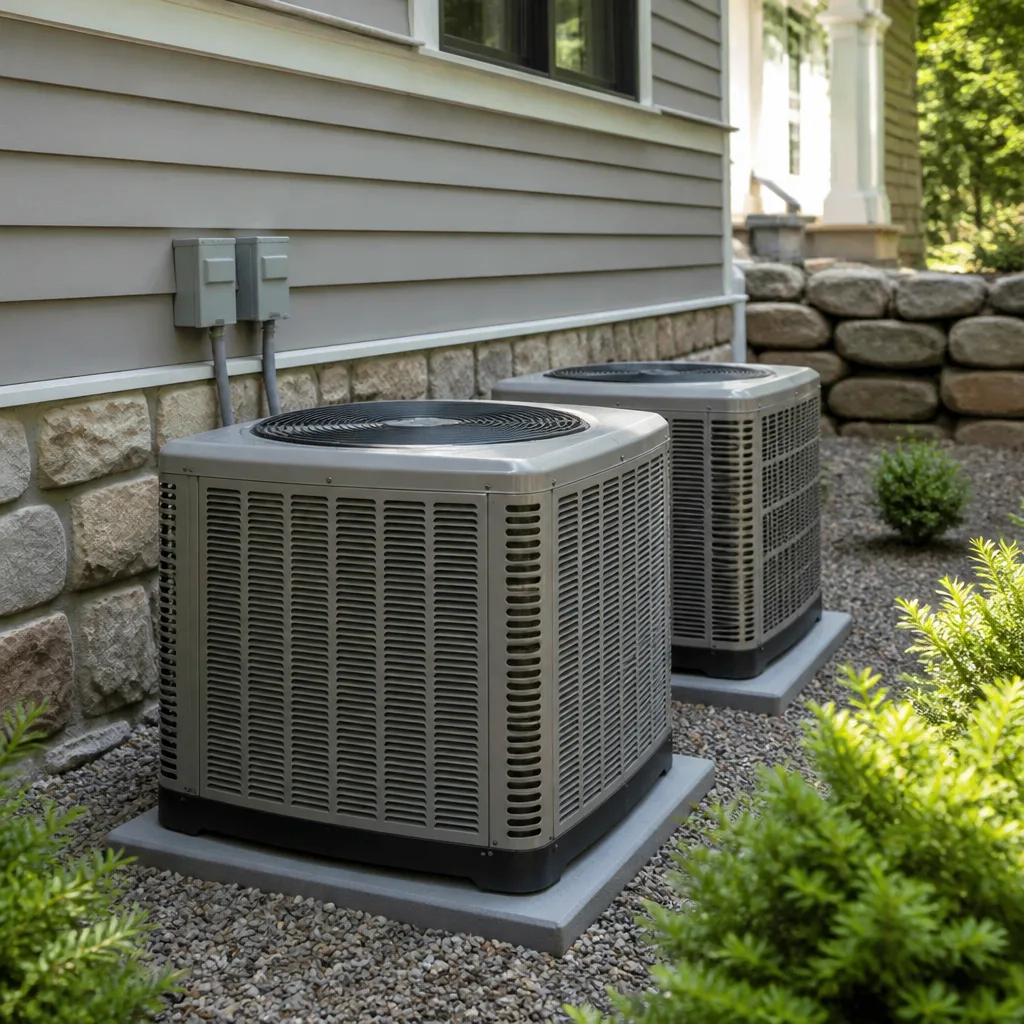 Heat pumps
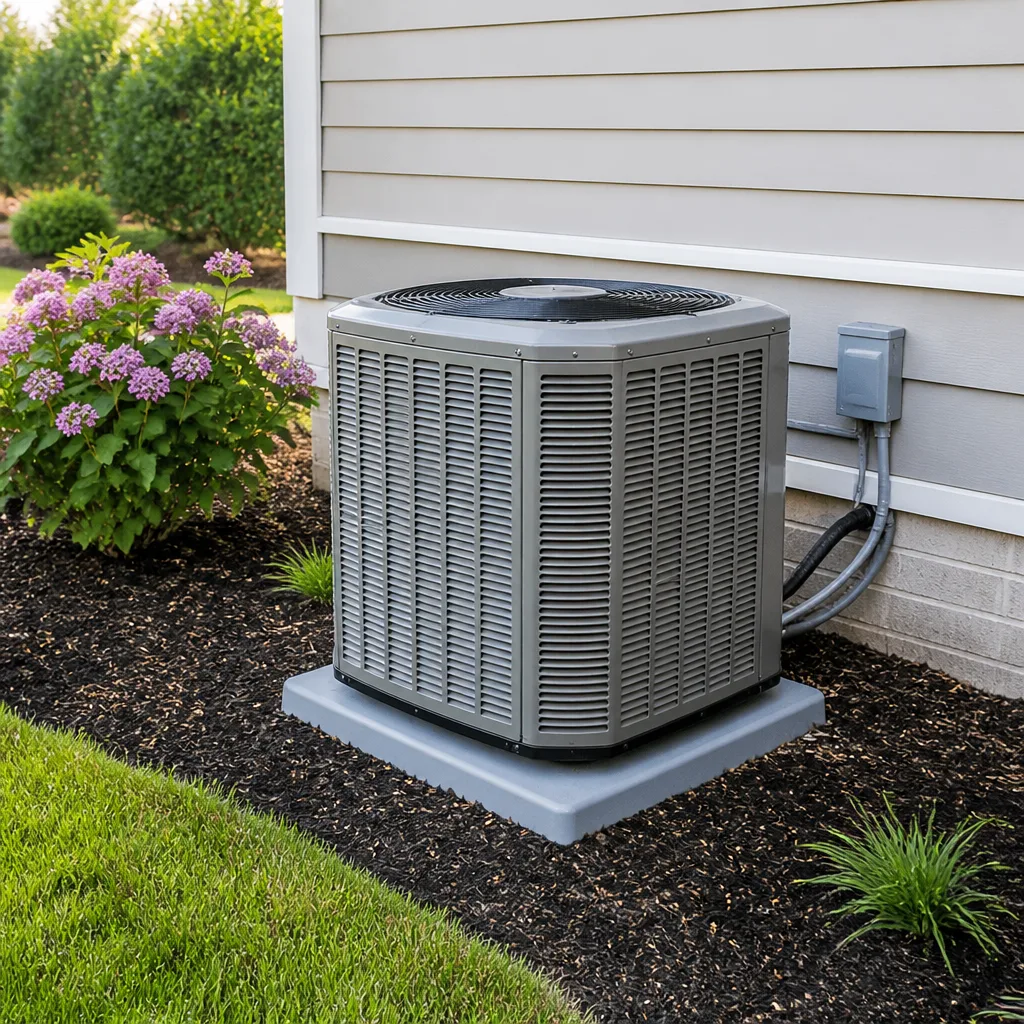 AC repair
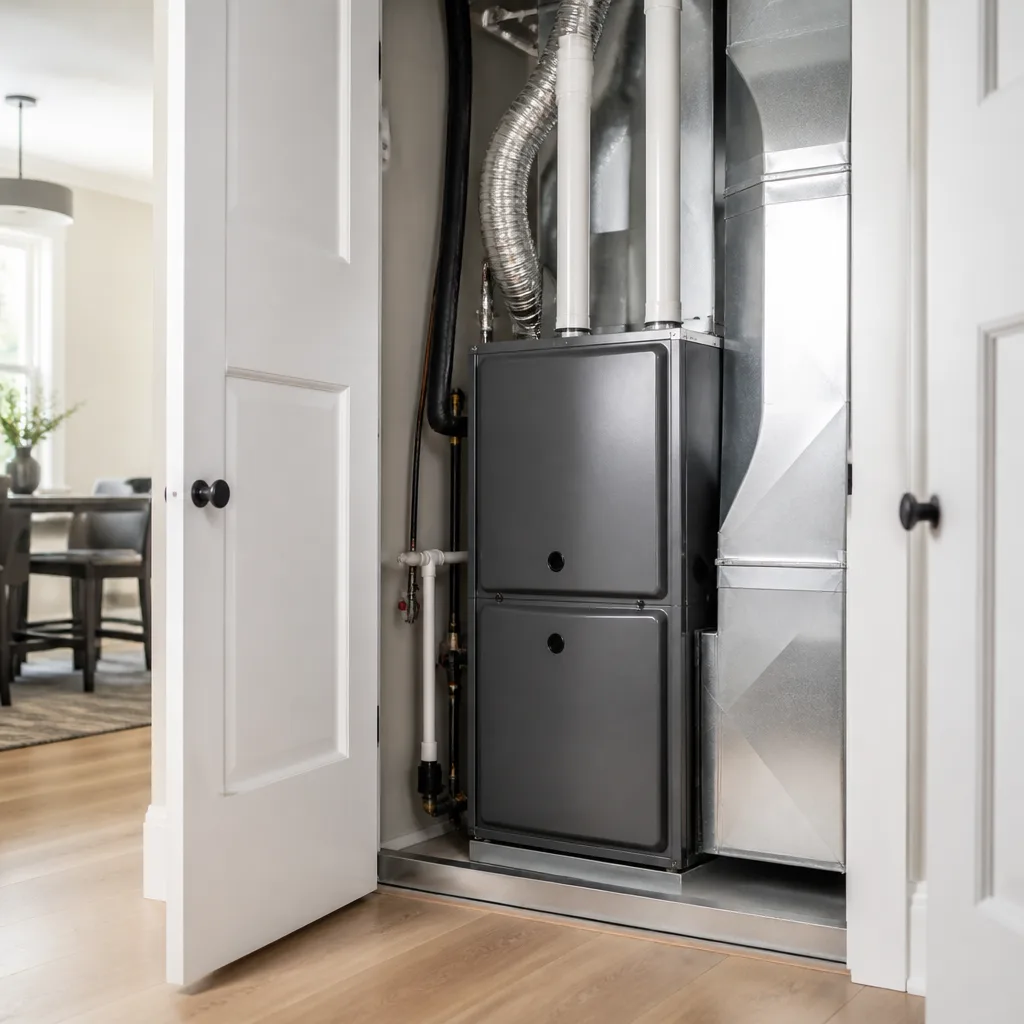 Furnace & heating
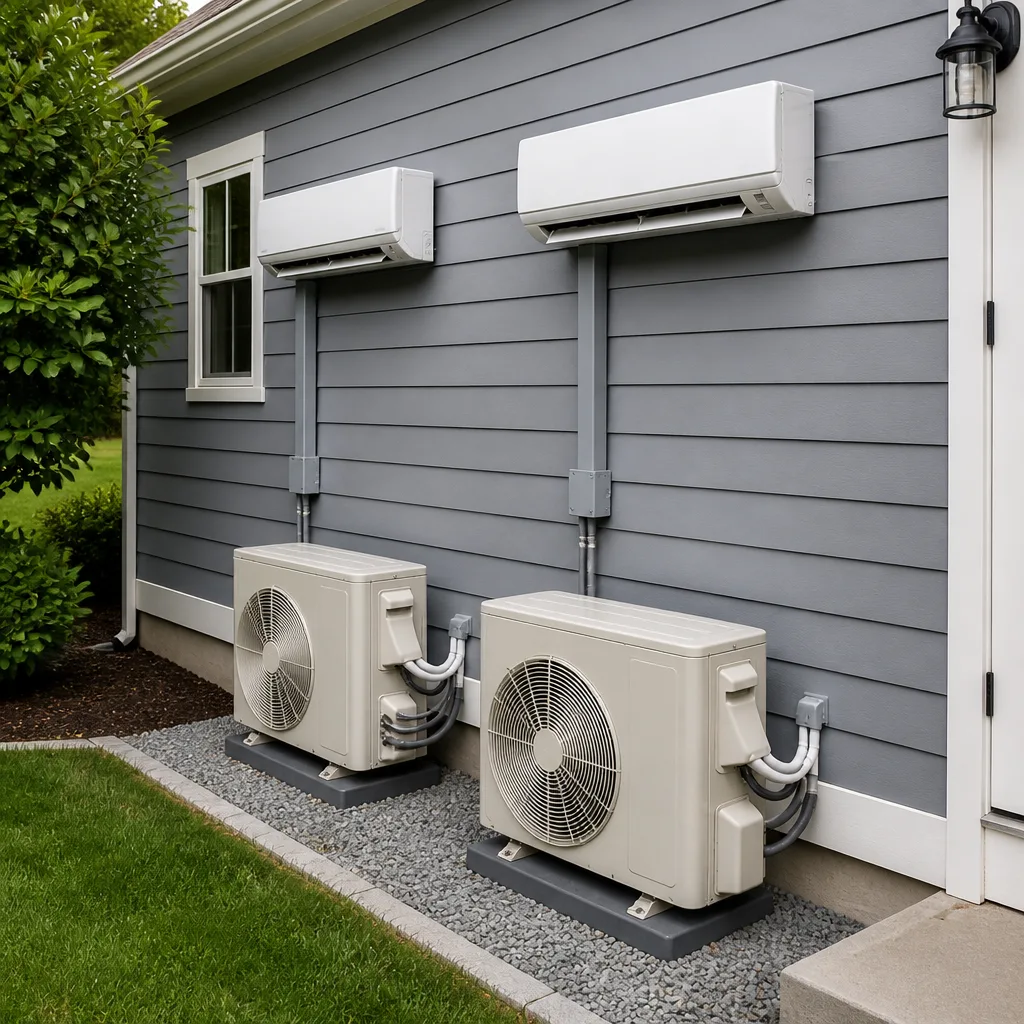 Ductless mini splits
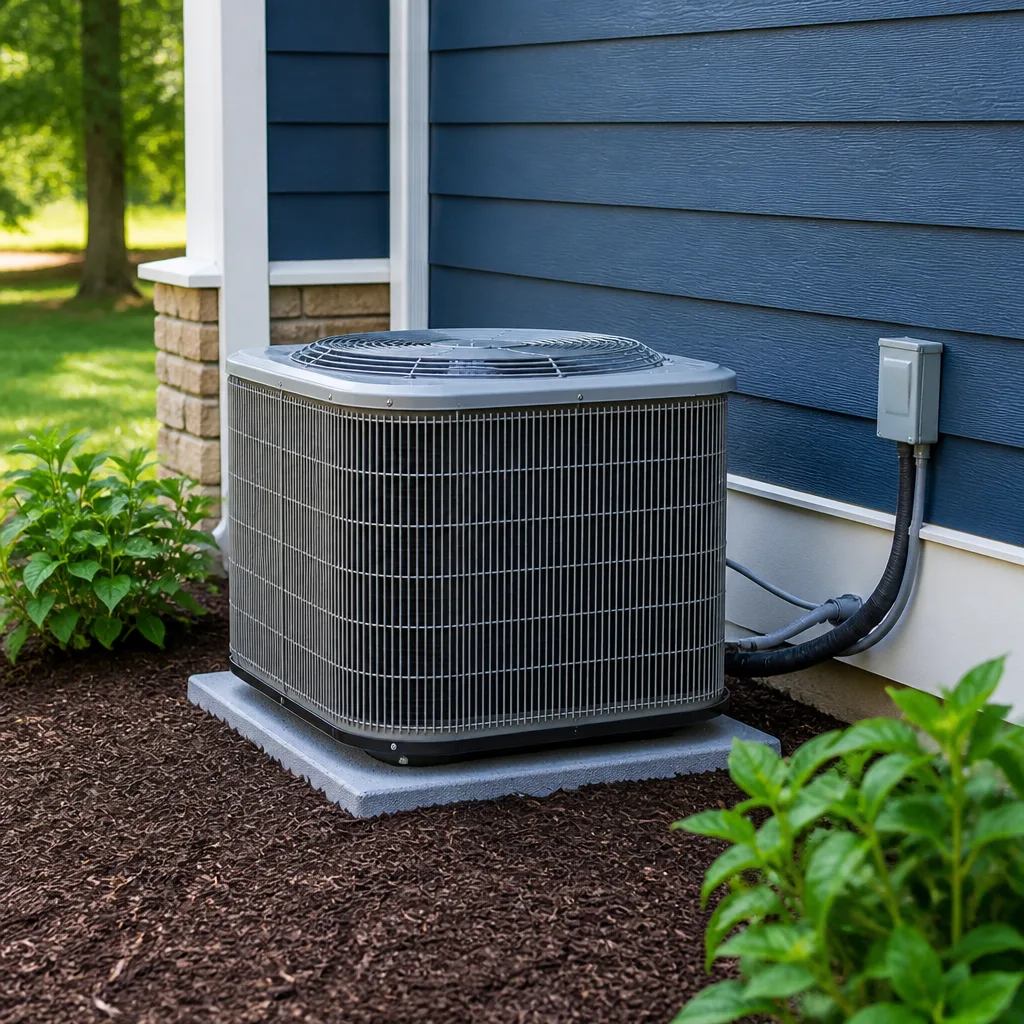 Carrier
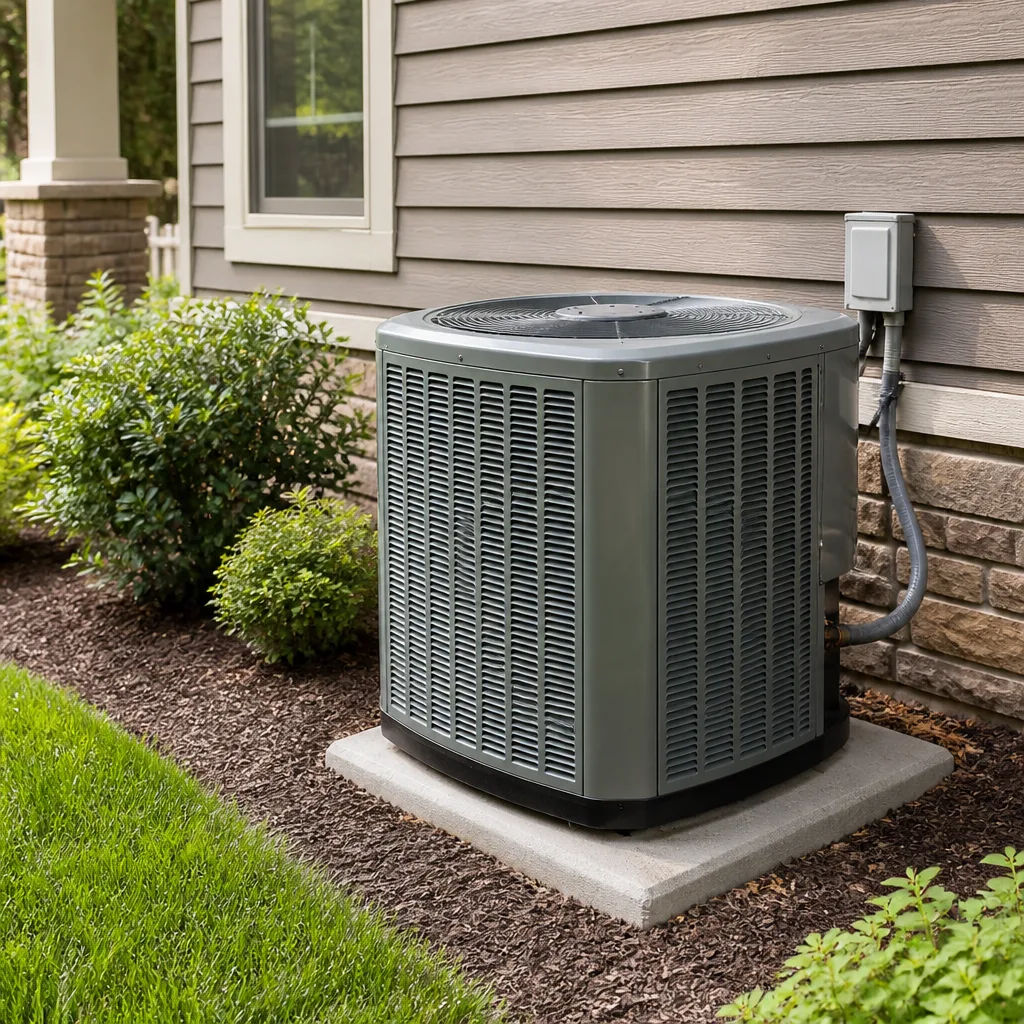 Trane
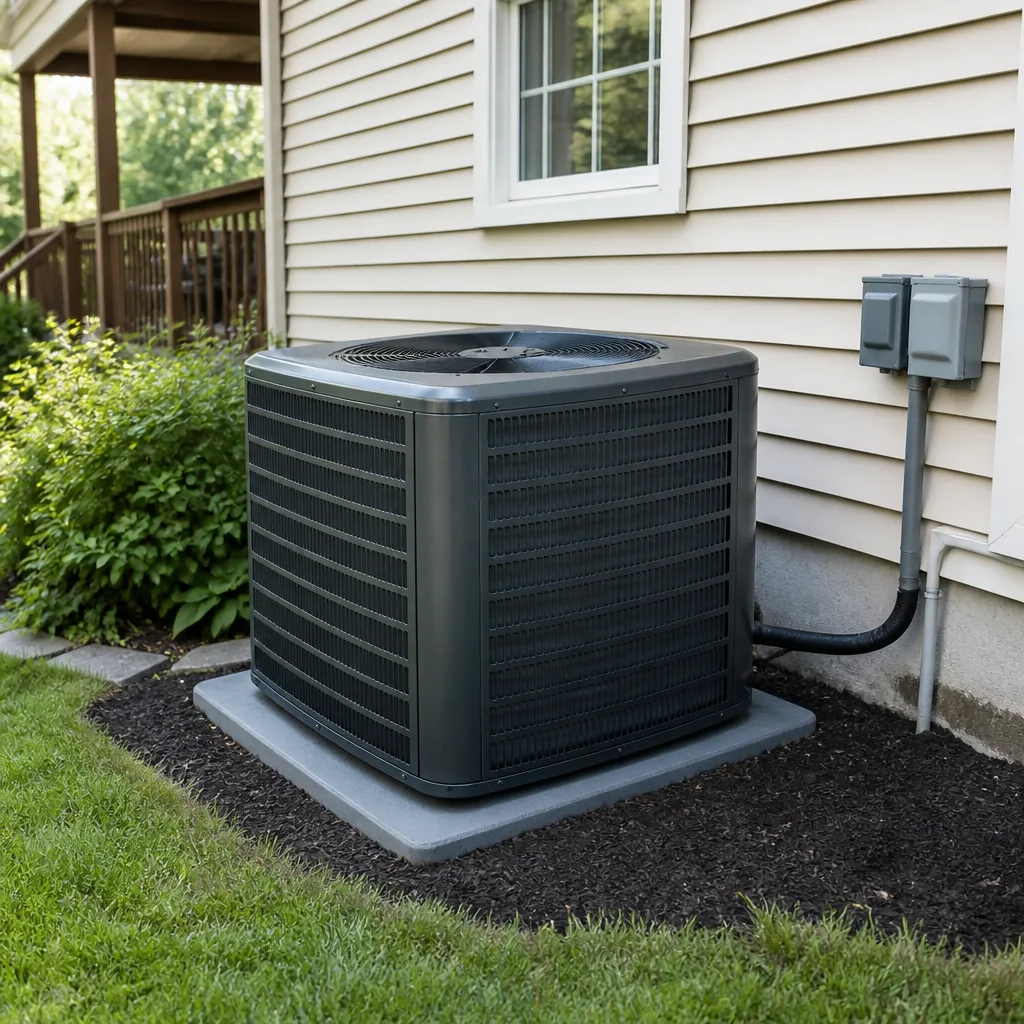 Goodman
Seasonal tune-up and full diagnostic on your Carrier, Trane, or Goodman system - readings shown to you before any repair is proposed
Diagnosis first, numbers second - you approve the repair price before a single part goes in.
Get your free estimateDIY vs Professional Heat Pump & Mini Split: What’s Safe to Do Yourself
Pre-charged “DIY mini split” kits have made the electrical and mounting work genuinely homeowner-accessible, and a careful person with a level and a torque wrench can hang a bracket and route a line set. But the kits haven’t changed the fact that if you mishandle the refrigerant side, you’re looking at a federal fine of up to $44,539 under the Clean Air Act. That’s the gap most videos gloss over. This guide walks through the three phases of a mini split install, marks which one is honestly DIY-friendly and which two are not, and gives you a straight cost comparison so you can see where Winchester homeowners actually save money and where they just move it around.
Quick Answer
Line set routing and wall penetration are genuinely DIY-able for a careful homeowner. Connecting refrigerant lines, wiring the electrical disconnect, and commissioning the system are not – they require EPA Section 608 certification, proper gauges and vacuum equipment, and a licensed electrician. Most manufacturers void the warranty on systems not commissioned by a licensed technician, and Churchill County permit gaps can create a title problem when you sell. The honest verdict: mount the bracket yourself if you want, hire out the rest.
Styles & brands we work with
- AC repair
- Furnace & heating
- Heat pumps
- Ductless mini splits
- Carrier
- Trane
- Goodman
Table of Contents
- The Three Phases of a Mini Split Install
- What EPA Section 608 Actually Requires
- The Truth About Pre-Charged Line Sets
- The Warranty Clause That Bites at Compressor Failure
- Winchester Permits and the Title Problem
- Honest Cost Comparison: DIY vs Professional
- Winchester Climate and Mini Split Sizing
- Common Mistakes to Avoid
- When to Call a Professional
- Frequently Asked Questions
The Three Phases of a Mini Split Install
Most guides treat a mini split install as one job. It’s really three, with very different skill floors. Split them apart and the DIY question answers itself.
- Mounting and line set routing. Hanging the indoor unit’s bracket, drilling the wall penetration, running the line set and condensate drain. This is carpentry and layout work. A homeowner with a stud finder, a level, and patience can do it well. Mistakes here are cosmetic or fixable – a poorly sloped drain line drips, it doesn’t fine you.
- Refrigerant connection. Flaring the copper lines, torquing the connections to spec, pulling a deep vacuum, and releasing the charge. This is where EPA Section 608 kicks in and where most homeowner installs go wrong. A single under-torqued flare leaks refrigerant slowly, and you won’t know for two summers.
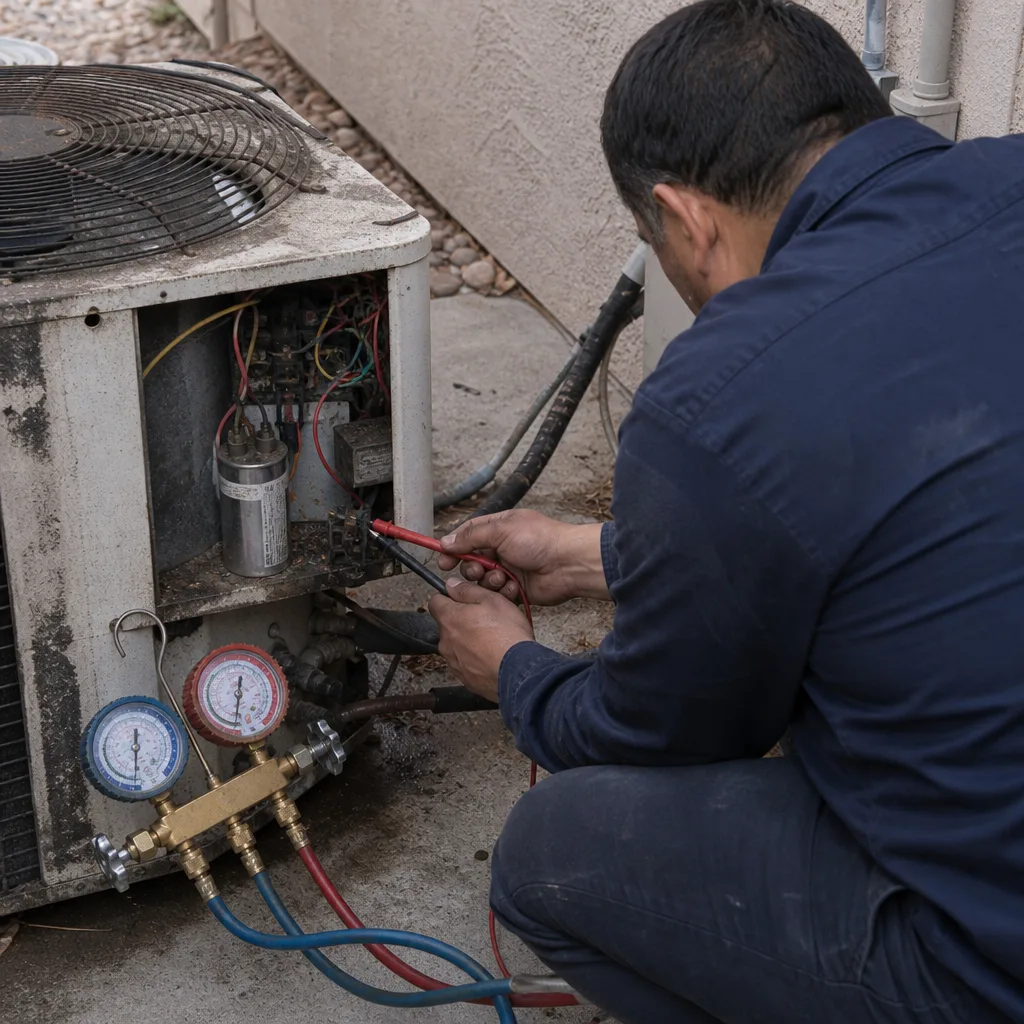
- Electrical and commissioning. Wiring the dedicated circuit and disconnect, then verifying charge, subcooling or superheat, and airflow. An electrician runs the circuit. A licensed technician commissions the system – and commissioning is the step that most DIYers skip entirely because they don’t own the gauges.
Phase one is realistic. Phases two and three are not. In Winchester, we’ve seen homeowners do a clean, professional-looking bracket and line set job and then lose the savings on a re-flare and recharge eighteen months later when the system underperformed through a July heat wave.
What Tools Each Phase Actually Requires
- Phase 1: drill, hole saw, level, stud finder, torque wrench, line set bender, UV-resistant line hide. Roughly $150-$400 in tools if you don’t already own them.
- Phase 2: manifold gauges, vacuum pump, micron gauge, flaring tool, nitrogen regulator. Roughly $600-$1,200 for equipment worth owning, plus the certification to legally handle refrigerant.
- Phase 3: multimeter, clamp meter, manufacturer commissioning software or charts. This is the step you can’t buy your way into without training.
What EPA Section 608 Actually Requires
Section 608 of the Clean Air Act makes it illegal for anyone without EPA 608 certification to buy, handle, or dispose of regulated refrigerants – including the R-410A and R-32 used in modern mini splits. That certification comes from a proctored exam. You can’t get it from a YouTube series. The current maximum penalty for knowingly venting refrigerant or violating the rule sits at $44,539 per day per violation.
What that means in practice for a Winchester homeowner: you legally can’t open the service valves, attach gauges, pull a vacuum, or top off the charge. If you buy a standard mini split and connect it yourself, you’re operating outside the rule the moment you touch the refrigerant side. That’s the line the DIY videos don’t draw clearly.
We’re not regulators. We’re technicians. But we’ve answered enough calls from homeowners who discovered the rule after the fact to know it’s worth stating plainly up front. If the work involves refrigerant, a trained professional with proper certification does it – that’s the job. For more on how heat pump and mini split service works in Winchester, see our Heat Pump & Mini Split in Winchester page.
The Truth About Pre-Charged Line Sets
Pre-charged kits sidestep Section 608 in a clever way. The refrigerant is sealed at the factory inside the line set and condenser. When you connect the two halves with the quick-connect fittings, you’re not technically “handling” refrigerant – you’re assembling a sealed system. That’s why the kits are legal to sell to homeowners and why they’ve grown so popular.
The tradeoff is real, though. Quick-connect fittings are the weakest joint in any refrigerant system. They rely on a small O-ring or Schrader valve to keep the charge in for the life of the unit. A factory flare, torqued correctly and pulled to a 500-micron vacuum, holds far better. Over a Winchester summer, we regularly see quick-connect fittings weeping a slow leak after three or four years – enough to drop charge and force the compressor to work harder and eventually fail.
Where Pre-Charged Kits Make Sense
- Single-zone garage or workshop units under 18,000 BTU where you accept a shorter service life.
- A home office or sunroom where the unit runs a few hundred hours a year, not a full summer.
- A property you intend to sell within five years and don’t need to warranty long-term.
Where They Don’t
- Any zone that serves as the primary heating or cooling for living space.
- Multi-zone systems where one leak takes down the whole system.
- Any install on a brand like Trane or Lennox where the factory warranty matters to you.
Pre-charged kits aren’t a scam. They’re a compromise. Knowing which side of the compromise your install falls on is the whole game.
The Warranty Clause That Bites at Compressor Failure
Almost every major mini split manufacturer – Mitsubishi, Daikin, Fujitsu, and most of the brands we service – requires that the system be commissioned by a licensed technician for the full warranty to apply. Some require proof in the form of an invoice from a licensed contractor. That clause sits quiet until a compressor fails at year four.
That’s the moment it matters. A compressor is the most expensive single component in the system, often $900-$1,600 for the part alone, plus labor and refrigerant. That’s when homeowners discover the warranty was void from day one because the install wasn’t commissioned. The manufacturer asks for the commissioning record, and there isn’t one.
In our experience across Winchester, most homeowners who bought a DIY kit didn’t realize the warranty limitation applied until they needed it. If you’re installing a Goodman or Rheem you bought specifically because of the warranty, a DIY install gains you a cheaper price today and costs you the coverage you paid for. If a system is already in place and running poorly, our AC Repair & Installation in Winchester team can usually diagnose a charge or compressor issue on the first visit.
Winchester Permits and the Title Problem
Churchill County’s permitting rules for mini split installation are not the same as for a full HVAC replacement, but they aren’t a free pass either. The electrical circuit almost always requires a permit and inspection because it’s a new dedicated 240-volt line. Some installations also fall under mechanical permit requirements depending on where the unit is mounted and how the condensate is discharged.
The problem most homeowners don’t see coming happens at sale. When a buyer’s inspector pulls the permit history and finds a 240-volt circuit with no inspection attached, it becomes a negotiable item – and buyers negotiate hard. We’ve seen Winchester sellers pay for a re-inspection or a full reinstall during escrow because a DIY mini split had no paper trail. That’s a real cost, and it lands at the worst possible moment.
What Gets Checked at Sale
- Electrical permits for new 240-volt circuits.
- Mechanical permits if the install altered structural framing or penetrated a load-bearing wall.
- Refrigerant handling records if the buyer requests them and the unit is older than five years.
- Whether the outdoor unit meets Churchill County setback and noise-ordinance rules.
A permitted install through a licensed contractor closes all four of those. A DIY install without permits leaves them all open.
Honest Cost Comparison: DIY vs Professional
The DIY savings look real until you line the cost columns up side by side. Here’s how they actually break down for a single-zone 12,000 BTU system in Winchester.
- DIY kit (unit and line set): $1,100-$1,800
- Tools you’ll buy and maybe never use again: $300-$800 (line set bender, torque wrench, hole saw, gauges if you go that route)
- Electrical circuit by a licensed electrician: $450-$900 (permit and inspection included)
- Permit fees: $150-$350 depending on scope
- Commissioning by a technician: $250-$450 (the step most DIYers skip)
- Professional install, turnkey: $3,200-$4,800 including permit, circuit, commissioning, and 90-Day Done Right coverage
Stack the DIY column honestly – kit, tools, electrician, permit, commissioning – and you’re often at $2,400-$3,800 for a system with no warranty coverage and no permit trail. The gap between that and a professional turnkey is smaller than most people think, and the professional install usually closes the difference on the warranty and resale side.
Where DIY Wins on Cost
- You already own most of the tools (rare).
- You’re installing in a non-permitted structure like a detached shop.
- You’re willing to accept a shorter service life in exchange for a lower upfront cost.
Where It Loses
- The compressor fails at year four with no warranty.
- The inspection gap becomes an escrow credit at sale.
- A slow refrigerant leak that runs six summers before anyone notices.
Winchester Climate and Mini Split Sizing
Mini split sizing is not one-size-fits-all, and Winchester’s climate makes that obvious. Summer highs routinely push past 100°F, and winter overnight lows drop into the low 20s. That’s a system that has to run both directions hard, and a unit sized by square footage alone will underperform in one season or the other.
The rule of thumb most DIY calculators use – 20 BTU per square foot – was developed for mild climates. In Winchester, we typically size closer to 25-30 BTU per square foot for a west-facing room, and we run a Manual J load calculation to confirm. A system that’s undersized runs constantly and never quite cools the room. Oversized, it short-cycles, doesn’t dehumidify, and wears its compressor out early.
We’ve also seen a specific Winchester pattern: homes in older neighborhoods with minimal attic insulation and single-pane windows need sizing based on the building envelope, not the floor plan. A 400-square-foot living room with 1960s windows is not the same load as a 400-square-foot bedroom built in 2010. This is the kind of judgment that comes from years in the climate, and it’s why sizing isn’t a formula you can run from a website. Our Heating & Furnace in Winchester team runs load calculations on every install we quote.
Common Mistakes to Avoid
- Torquing flare fittings by feel. Manufacturers give you an exact foot-pound spec because a quarter-turn off is a leak. We see under-torqued flares constantly, and they don’t show symptoms until the second summer.
- Skipping the vacuum pull. The most common DIY shortcut is to open the service valves without pulling a deep vacuum first. Moisture left in the line turns to acid inside the compressor and kills it from the inside out. This is the mistake that costs you the system.
- Sloping the condensate drain wrong. A drain line that runs uphill at any point traps water and eventually backs up into the wall. This isn’t dangerous, but it’s expensive to fix once the drywall is stained.
- Installing without a permit to “save time.” This is the one that comes back at resale. In Winchester, sellers have paid for reinstalls during escrow because an inspector found an unpermitted circuit.
- Sizing by square footage alone. Winchester’s 100°F summers and 20°F winter nights expose bad sizing fast. Run a real load calculation before you buy the unit.
- Buying a pre-charged kit for a primary living space. The quick-connect fittings on a kit are fine for a garage. Not for the room you sleep in.
- Assuming the warranty covers DIY. Almost every major brand voids the compressor warranty if the system wasn’t commissioned by a licensed tech. Check the fine print before you buy.
When to Call a Professional
Call for anything that touches refrigerant, the electrical panel, or system commissioning. Also call if the install is for a primary living space, if you’re installing a multi-zone system, if the room has unusual load conditions (west-facing with no shade, or aged single-pane windows), or if you want the warranty to actually mean something. We’ve watched enough homeowners try to save $800 on a DIY install and spend $2,000 fixing it in year three to say plainly: this is the kind of work where the professional price is the cheaper one over time.
Fireside Heating & Air Co. Winchester offers free estimates in Winchester – call (844) 783-5043 and we’ll walk through your install together. Every install is backed by our 90-Day Done Right Promise and a price quoted that stays the price paid.
Frequently Asked Questions
You can legally mount the bracket, drill the wall penetration, and route the line set yourself. You cannot legally handle refrigerant or commission the system without EPA Section 608 certification, and the 240-volt circuit needs a permit and licensed electrician. A pre-charged kit sidesteps the refrigerant rule, but it doesn’t sidestep the electrical permit or the manufacturer warranty clause. Call (844) 783-5043 for an exact scope of what’s legal to DIY in your situation – estimates are free.
Yes, on most major brands. Trane, Lennox, Daikin, and most other manufacturers require commissioning by a licensed technician for the full compressor warranty to apply. The clause stays quiet until a compressor fails, and that’s the most expensive single claim you could file. Ask (844) 783-5043 if your specific system’s warranty is at risk.
A turnkey single-zone 12,000 BTU install typically runs $3,200-$4,800 in Winchester including the electrical circuit, permit, commissioning, and warranty coverage. Multi-zone systems run higher, usually $5,500-$9,000 depending on zone count and line set runs. The gap versus a DIY install is often smaller than expected once you accurately account for tools, permit, and electrician. Call (844) 783-5043 for a written fixed price – no surprises at the end.
The buyer’s inspector will flag the unpermitted 240-volt circuit, and it becomes a negotiable item at the worst possible moment. We’ve seen Winchester sellers pay for a re-inspection or a full reinstall during escrow to close the sale. The cost of a permit up front is far lower than the cost of fixing it under pressure. Call (844) 783-5043 if you’re trying to decide whether to permit your install.
For a detached garage, workshop, or occasional-use sunroom, yes – the quick-connect fittings are fine when the unit runs a few hundred hours a year. For primary living space, no. The fittings leak slowly over years and the warranty is usually void on a homeowner install. Choose based on where the unit is going, not just on the box price. Our team can walk through which rooms in your Winchester home make sense – call (844) 783-5043.
Yes, on a properly sized cold-climate model. Winchester’s overnight lows drop into the low 20s, and modern inverter-driven mini splits hold rated capacity down to 5°F. The variable is sizing and commissioning, not the technology. An undersized or poorly commissioned unit will struggle in January regardless of the brand. We’ve worked with every major brand and can match the unit to the climate – call (844) 783-5043 for a load calculation.
The Bottom Line
Mounting and line set routing are genuinely DIY-able for a careful homeowner. Refrigerant connection, electrical, and commissioning are not – between EPA Section 608, the warranty clause that bites at compressor failure, and Winchester’s permit and resale realities, the professional install is the cheaper choice over time, even when the sticker price is higher. If you want to keep the DIY projects you can safely own and hand off the rest, that’s the square deal. We’ll be there when we say, we’ll quote a price and stand behind it in writing, and every job is backed by our 90-Day Done Right Promise. For a full look at what we handle in the area, start at our Fireside Heating & Air Co. Winchester home page. Call (844) 783-5043 for a free estimate on your Winchester mini split install – (844) 783-5043, answered by a live person any hour of the day or night.
Written by the team at Fireside Heating & Air Co. Winchester.
See the difference
 Before
 After
 Before
 After
 Before
 After