
Last updated November 18, 2026
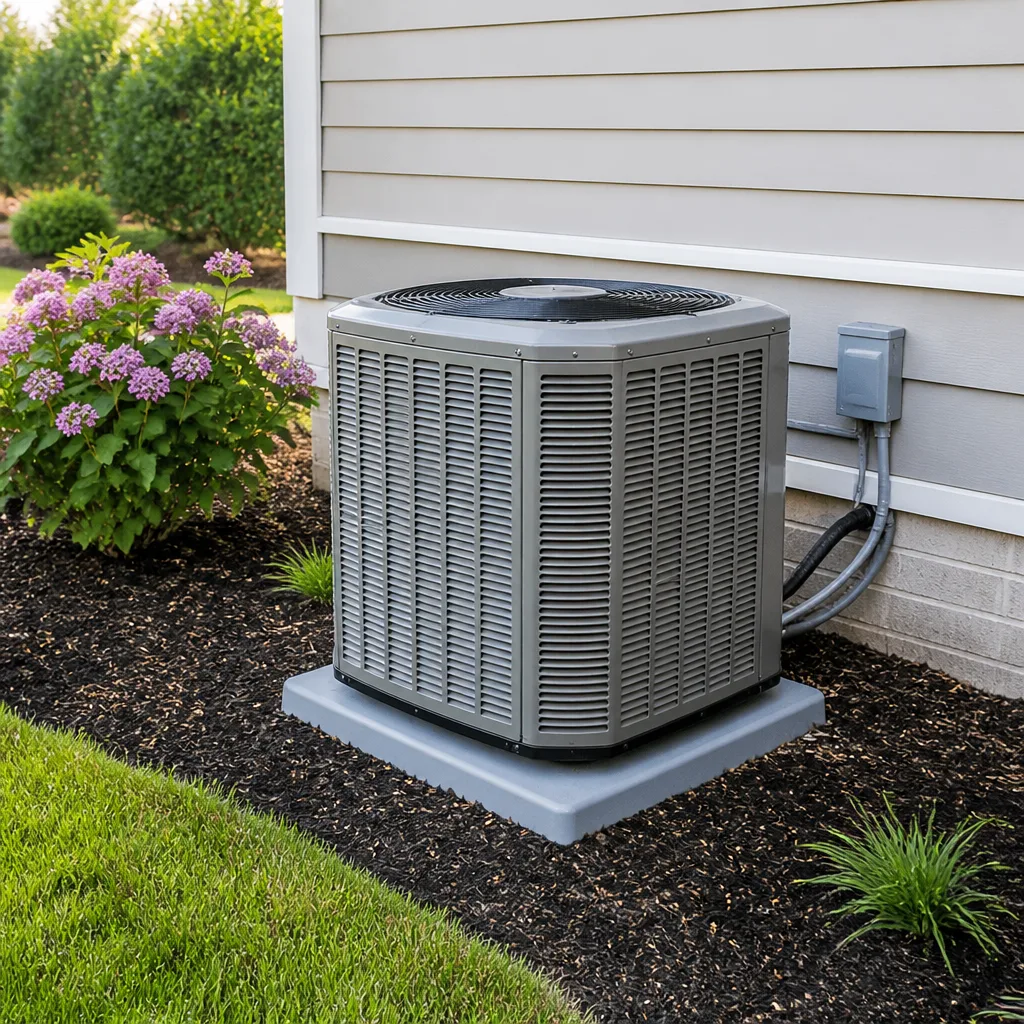 AC repair
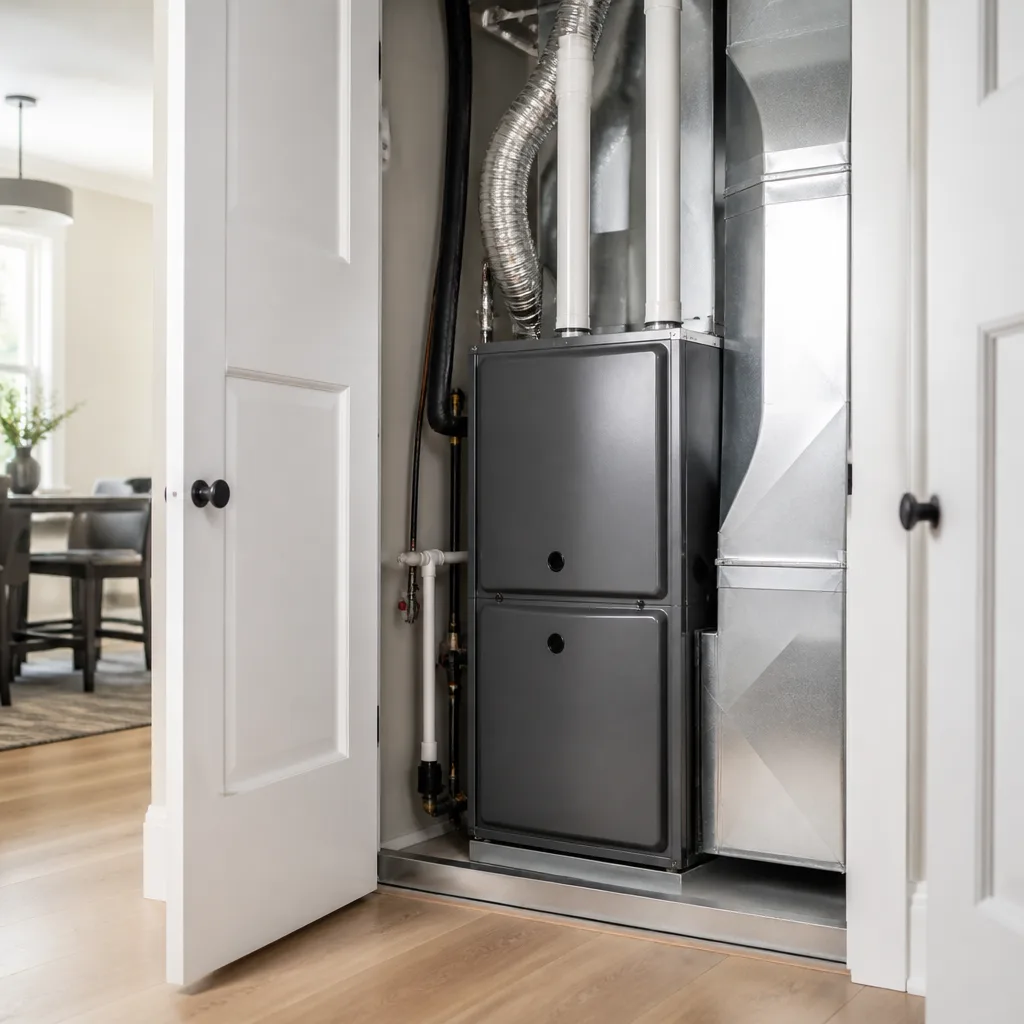 Furnace & heating
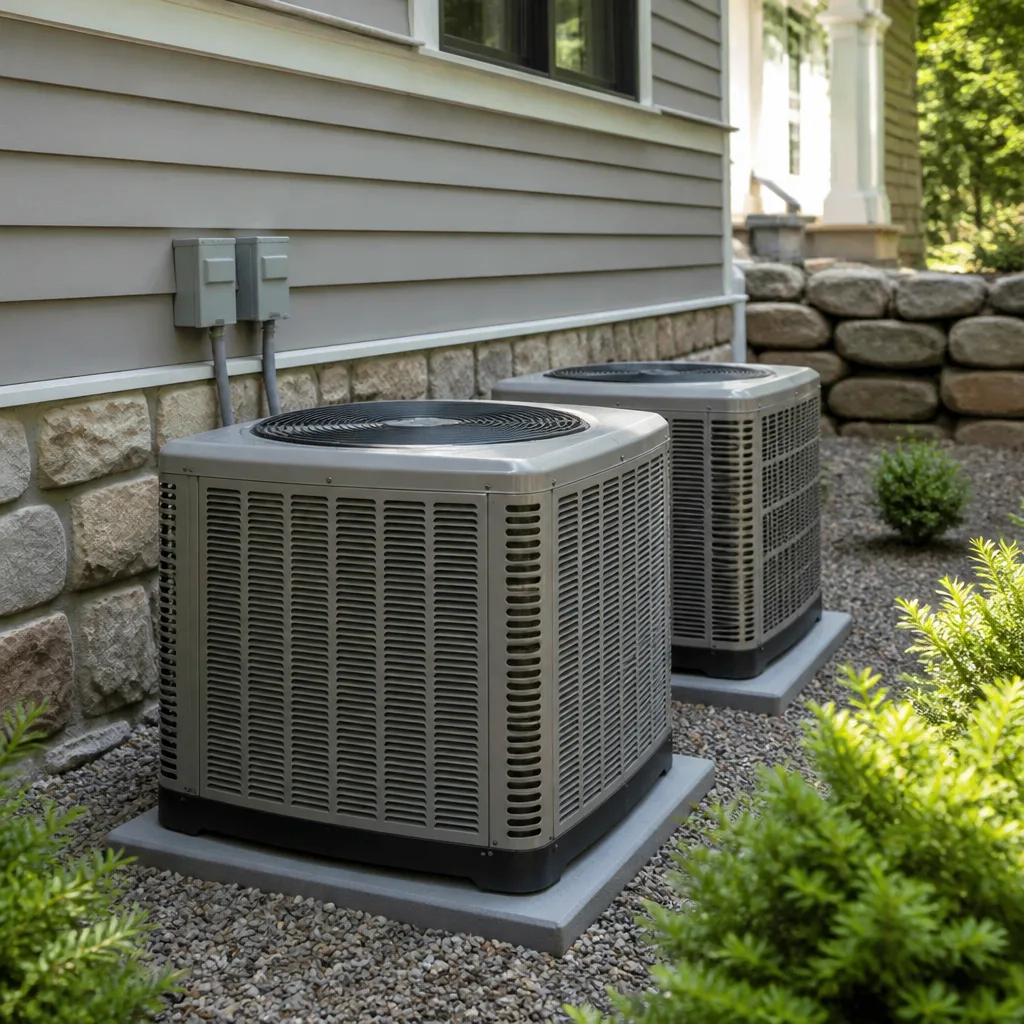 Heat pumps
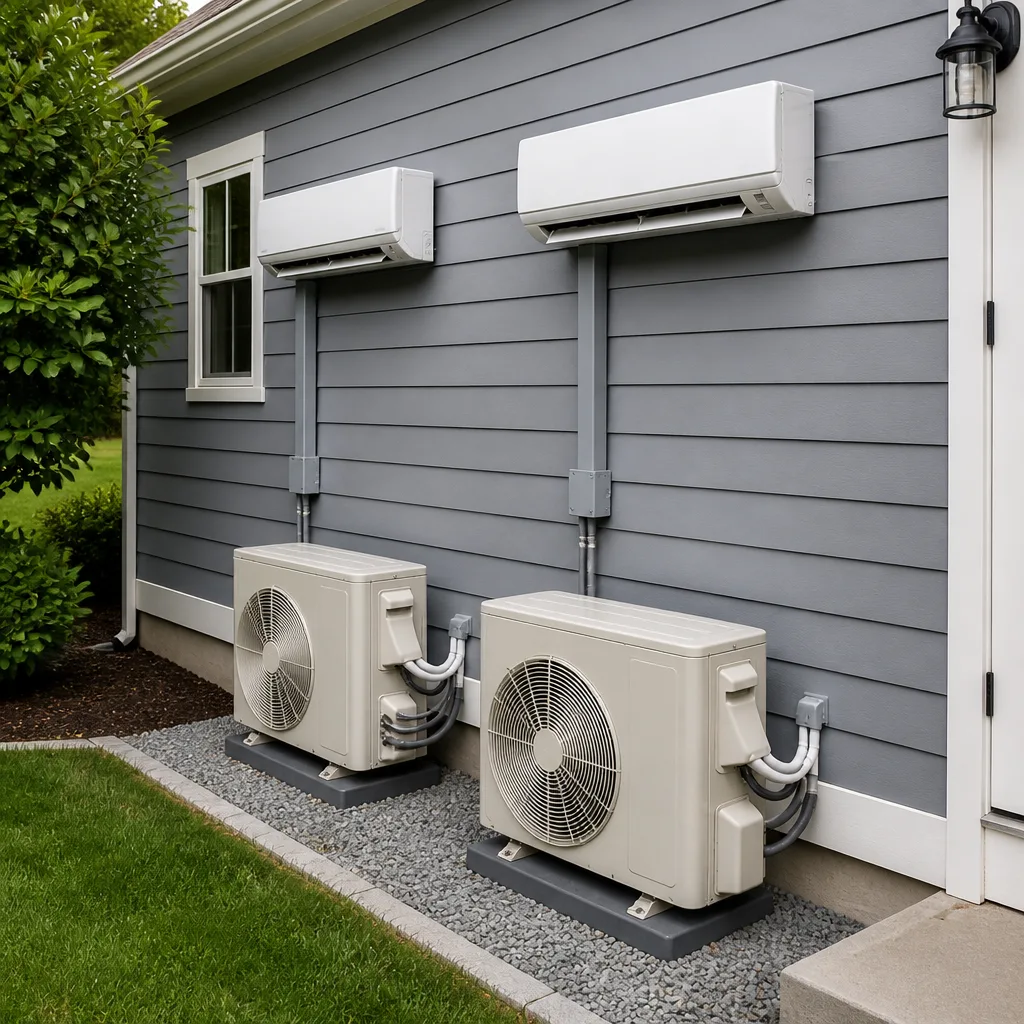 Ductless mini splits
 Carrier
 Trane
 Goodman
Seasonal tune-up and full diagnostic on your Carrier, Trane, or Goodman system - readings shown to you before any repair is proposed
Diagnosis first, numbers second - you approve the repair price before a single part goes in.
Get your free estimateDIY vs Professional Air Quality & Ventilation: What’s Safe to Do Yourself
A homeowner who bolts a whole-house air purifier onto a system with an undersized return plenum doesn’t clean the air. They create a pressure imbalance that can pull combustion gases backward through the furnace flue. That’s not a DIY mistake you fix with a weekend and a YouTube video. That’s a professional diagnostic problem sold as a DIY product, and in a sealed modern home in Winchester, it can turn a $200 project into a carbon monoxide call. The line between safe and reckless air quality work isn’t about your skill with a screwdriver. It’s about which tasks carry hidden downstream consequences. This guide draws that line clearly: the three jobs worth doing yourself, the ones that quietly make your air worse, and how to tell which is which before you spend a dollar.
Quick Answer
Filter swaps, vent cleaning, and washing exhaust fan grilles are safe and cost-effective to do yourself. Duct sealing, whole-house purification installs, and anything touching combustion air or pressure balance should be done by a licensed professional after a blower door test. In Nevada, mechanical ventilation work falls under licensed contractor scope with no gray area, so the risky half of this list isn’t just unwise – it’s regulated.
Styles & brands we work with
- AC repair
- Furnace & heating
- Heat pumps
- Ductless mini splits
- Carrier
- Trane
- Goodman
Table of Contents
- The Three Air Quality Tasks That Are Genuinely Safe DIY
- Why Duct Sealing With Store-Bought Mastic Is a Trap
- Pressure Balance: The Hidden Variable Nobody Tests For
- How to Evaluate an Air Quality Product Before You Buy It
- What Nevada Code Requires a Licensed Contractor For
- Consumer Monitor vs Professional Testing: What Each Measures
- Common Mistakes to Avoid
- When to Call a Professional
The Three Air Quality Tasks That Are Genuinely Safe DIY
Not every air quality job needs a truck in the driveway. Three tasks are safe, cheap, and worth your Saturday. We’ve watched Winchester homeowners save real money by handling these themselves, and we’ll tell you so plainly.
- Filter swaps. This is the single highest-return air quality task in any home. A 1-inch pleated filter at MERV 8 to MERV 11 changed every 60 to 90 days keeps the coil clean and the blower breathing. In Winchester’s dusty spring months, when the desert wind kicks up fine particulate off the valley floor, we tell customers to check the filter every 30 days. The mistake is going too high: a MERV 16 in a standard slot chokes airflow and strains the blower. Match the filter to what your system was designed for, not to the highest number on the shelf.
- Vent cleaning. Dryer vents and bath fan ducts collect lint and dust that reduce airflow and, in the dryer’s case, raise fire risk. Vacuuming the accessible run from the outside flap and clearing the lint trap housing is safe work. If the run is buried behind drywall with multiple elbows, stop there.
- Exhaust fan grille washing. Bath and range hood grilles clog with grease and dust, and a clogged grille cuts the fan’s ability to move moisture out. Pop the grille, wash it in warm soapy water, dry it, and snap it back. That’s a 15-minute job that keeps bathroom humidity from feeding mold on the ceiling above your shower.
What connects these three? None of them change the pressure relationship between your home and the outside. They clean and maintain what’s already there. That distinction is the whole guide.
Why Duct Sealing With Store-Bought Mastic Is a Trap
Duct sealing sounds like the perfect DIY project: cheap tubes of mastic, a brush, and the promise of 20% lower energy bills. Here’s what the product doesn’t tell you. Sealing leaks changes how your system moves air, and in a modern sealed Winchester home, that change can be dangerous.
Leaky return ducts in an attic or crawlspace pull in unconditioned air, dust, and sometimes attic insulation fibers. Sealing them sounds better. But if you seal the wrong leaks – particularly return leaks that were quietly supplying makeup air – you can drive your home negative relative to the outdoors. A negative-pressure house pulls air in through every gap it can find, and the biggest gap is often the furnace flue or the water heater vent. That’s how combustion gases come backward into living space.
This is why professional duct sealing starts with a blower door test. The test pressurizes the house and measures how leaky the envelope is, then a duct blaster measures duct leakage specifically. Only with those numbers can anyone decide which ducts to seal and which to leave alone. A technician sealing ducts without a baseline reading is guessing, and guessing is how you create the exact problem you were trying to solve.
- Store-bought mastic is fine for sealing a visible, accessible joint on the supply side.
- It is not fine for sealing return leaks, flue-adjacent joints, or any duct in a combustion zone.
- Never seal a duct you can’t see the full run of – you may be closing a designed relief path.
- If your home was built after 2000 and is tightly constructed, get a pressure test before any duct work.
Pressure Balance: The Hidden Variable Nobody Tests For
Air quality is a pressure story more than a filter story. Your house constantly trades air with the outdoors, and the direction of that trade determines what you breathe. A balanced house leaks a little in and a little out. An unbalanced house has a favorite leak, and it’s usually the one you’d least want.
We’ve seen this play out in Winchester’s newer subdivisions off the valley edges, where homes are built tight for energy efficiency. Add a high-powered exhaust fan, a clothes dryer, and a range hood running at once, and the house can go negative enough to backdraft a natural-draft furnace. The homeowner notices a faint exhaust smell, maybe headaches, and assumes it’s the new air purifier working. It’s the opposite. The purifier added restriction and the house is now pulling from the flue.
Professional pressure diagnostics look at three things:
- House pressure relative to outdoors (measured with a manometer, in pascals).
- Duct leakage to outside versus leakage to inside.
- Combustion appliance draft – is the flue pulling, or is it stalled or reversed?
None of this needs a full-day visit. It does need instruments and the training to read them. If you’ve added exhaust fans, a new range hood, or a whole-house purifier and noticed smells or stuffiness, that’s a pressure conversation, not a filter conversation. Our AC Repair & Installation in Winchester team runs these diagnostics as part of system health checks.
How to Evaluate an Air Quality Product Before You Buy It
Whole-house air purifiers, UV lights, ERV units, and media cabinets are sold with sleek marketing and one line of installation text. Before you spend money, ask the questions that separate a true DIY item from a product dressed up as one.
- Does it change airflow or add static pressure? Any filter or purifier added to the return path restricts airflow. Ask for the pressure drop at your system’s rated CFM. If the manufacturer won’t give it, don’t buy it.
- Does it require a dedicated circuit or low-voltage tie-in? If it wires into the blower compartment or the control board, it’s an electrician or HVAC job, not a homeowner job.
- Does it need commissioning? ERV and HRV units must be balanced to the home’s pressure profile. A unit installed but not balanced can make indoor air worse.
- What’s the filter replacement cost and interval? A $1,200 purifier with a $180 filter every six months is a $1,560 first-year cost, not $1,200.
- Is installation inside the manufacturer’s warranty terms? Many whole-house units void warranty coverage if not installed by a licensed contractor. Check the fine print before the box arrives.
- Does it address your actual problem? A UV light doesn’t remove particulate. A media filter doesn’t kill mold. Ask what the product measures and what it doesn’t.
We’re trained on Carrier, Trane, Bryant, and American Standard air quality accessories, and the pattern is consistent: the products marketed hardest as DIY are the ones that most need a pro to size and install them correctly. The products that are truly DIY – standalone room units, filter upgrades – are usually the ones sold with the least hype. Our Heat Pump & Mini Split in Winchester page covers how ventilation and filtration interact with modern inverter systems if you’re weighing a larger upgrade.
What Nevada Code Requires a Licensed Contractor For
Nevada doesn’t leave mechanical ventilation to interpretation. Work that alters a home’s ventilation system, gas appliance venting, or combustion air falls under licensed contractor scope, and that’s the law, not a sales pitch. Here’s the short version of where the line sits.
- Gas appliance venting and combustion air: any modification requires a licensed contractor. Full stop. There is no homeowner gray area for flue work in Winchester.
- Whole-house mechanical ventilation (ERVs, HRVs, ducted fresh-air systems): installing or rebalancing these is licensed mechanical work.
- Duct system modifications that change pressure or connect to the air handler: licensed.
- Electrical connection of any hardwired air quality equipment: licensed electrician.
- Filter changes, grille cleaning, visible-duct vacuuming: homeowner-safe, no permit needed.
Permits matter here for a reason. A permitted job gets inspected, and the inspection catches pressure problems and venting errors before they become health problems. Unpermitted ventilation work in a home you plan to sell can also surface during the buyer’s inspection and stall a closing. If a contractor offers to skip the permit on ventilation work, that’s your signal to find another contractor. Our Heating & Furnace in Winchester team handles permitted venting work the right way, inspection and all.
Consumer Monitor vs Professional Testing: What Each Measures
You can buy a $150 air quality monitor that reads PM2.5, VOCs, CO2, and humidity. Those numbers are real. The question is what they actually tell you and when they’re enough.
A consumer monitor measures ambient conditions in the room where it sits. It’ll tell you your kitchen hits 1,200 ppm CO2 while you cook, or that PM2.5 spikes when the wind blows in from the west. That’s useful data. It won’t tell you why, and it can’t measure pressure, duct leakage, or combustion draft. It’s a thermometer, not a diagnosis.
Professional air quality testing measures the system: static pressure across the coil, duct leakage to outside, house pressure at multiple points, combustion appliance draft, and sometimes lab-analyzed particulate samples if there’s a specific concern. A pro test answers “is my system moving air safely” rather than “is the air in this room clean right now.”
When is a consumer monitor enough? When your home is comfortable, nobody has symptoms, and you’re just curious. When is professional testing warranted?
- Anyone in the home notices headaches, stuffiness, or allergy-like symptoms that improve when they leave.
- You smell exhaust or “stale” air that doesn’t clear.
- You’ve added exhaust fans, a purifier, or done duct sealing, and air quality seems worse.
- Your furnace or water heater is natural-draft and the home is tightly built post-2000.
- A consumer monitor shows persistent CO2 above 1,000 ppm or repeated PM2.5 spikes with no obvious source.
In our experience, the homes that most need professional testing are the ones that seem fine. Winchester homeowners with strong senses of smell and well-sealed homes are exactly the profile we worry about most.
Common Mistakes to Avoid
- Buying the highest-MERV filter on the shelf. A MERV 16 in a 1-inch slot can starve airflow and strain the blower. Match filtration to what the system was designed for.
- Sealing duct leaks without a blower door test. You can turn a leaky-but-safe house into a tight-but-negatively-pressured one in an afternoon.
- Installing a whole-house purifier on a system with an undersized return. You’ll restrict airflow, raise static pressure, and pull combustion gases backward through the flue.
- Running a high-CFM range hood in a sealed home without makeup air. A 900 CFM hood in a tight house can backdraft the water heater. Match hood CFM to the home’s ventilation design.
- Trusting a consumer monitor to diagnose a pressure problem. It measures the room, not the system. If it reads fine but you feel bad, get the system tested.
- Hiring a contractor who won’t pull a permit for ventilation work. No gray area in Nevada, and no good reason to skip the inspection.
- Forgetting that filters need changing more often in Winchester’s dusty season. Spring wind off the valley floor loads filters fast. Check monthly from March through June.
When to Call a Professional
Call when the work touches pressure, combustion air, duct modification, or whole-house ventilation equipment. Call if you’ve added an air quality product and the air got worse. Call if anyone in the home has symptoms that improve when they leave it. Call before you seal ducts, install a purifier on a return plenum, add an exhaust fan, or modify anything connected to a gas appliance’s vent. And call if a consumer monitor shows a number you don’t like but can’t explain. Those are all diagnostic problems, and diagnostics are what licensed technicians are for. Fireside Heating & Air Co. Winchester offers free estimates in Winchester for air quality work, so there’s no cost to get a straight answer before you decide. Call (844) 783-5043 and we’ll set a time.
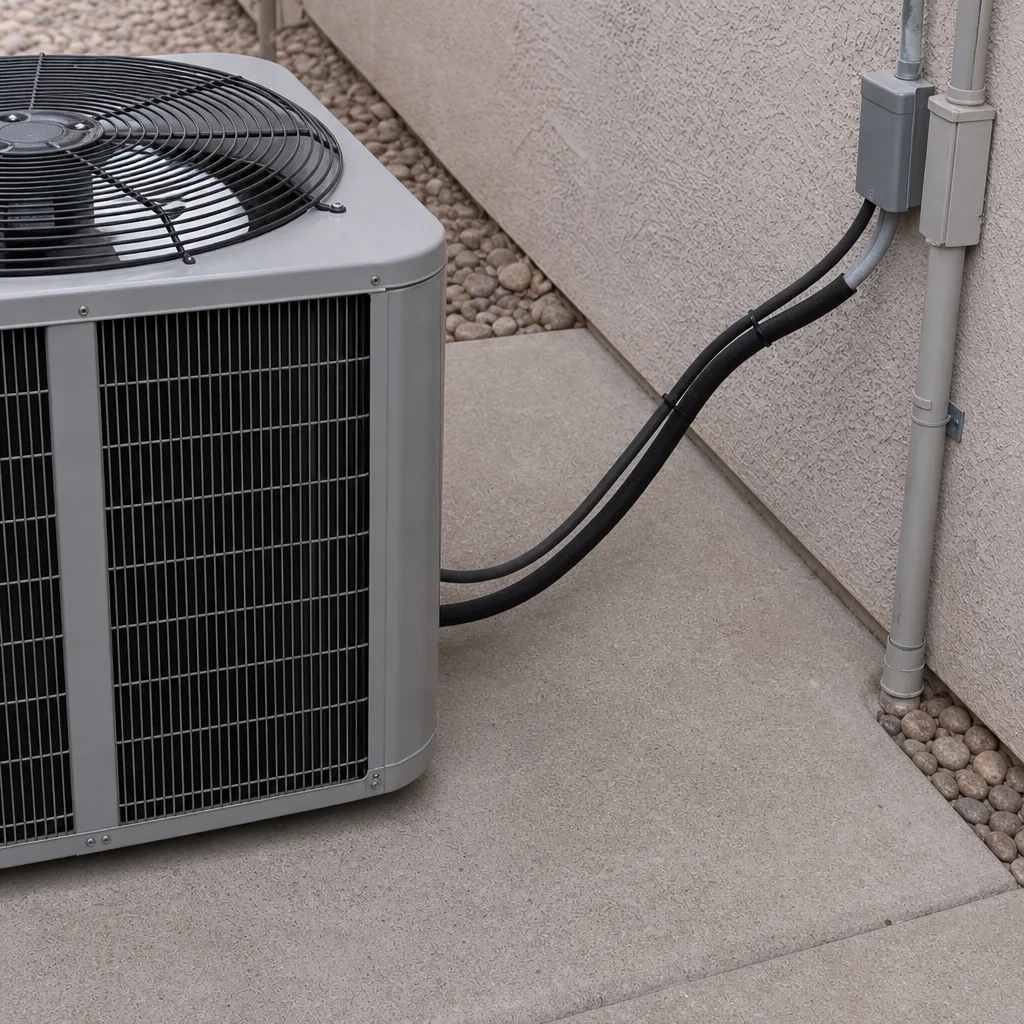
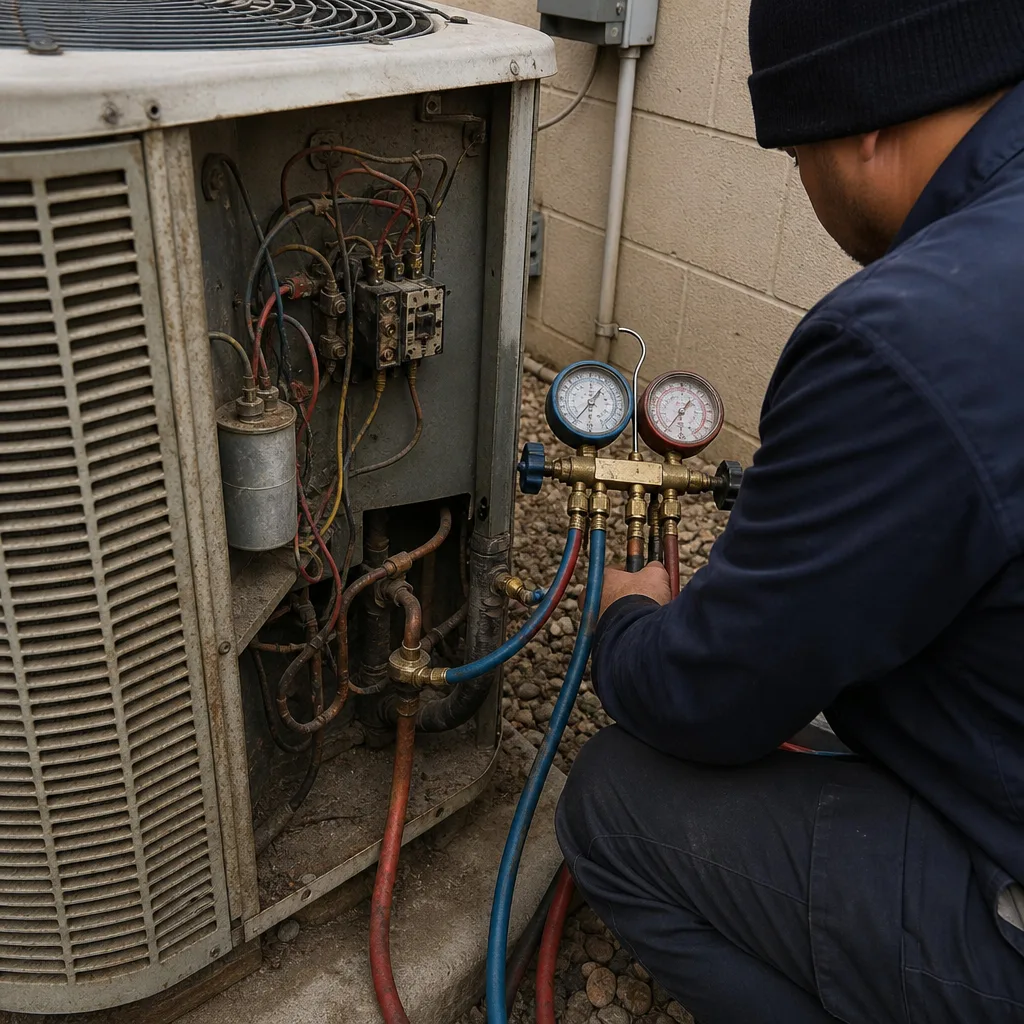
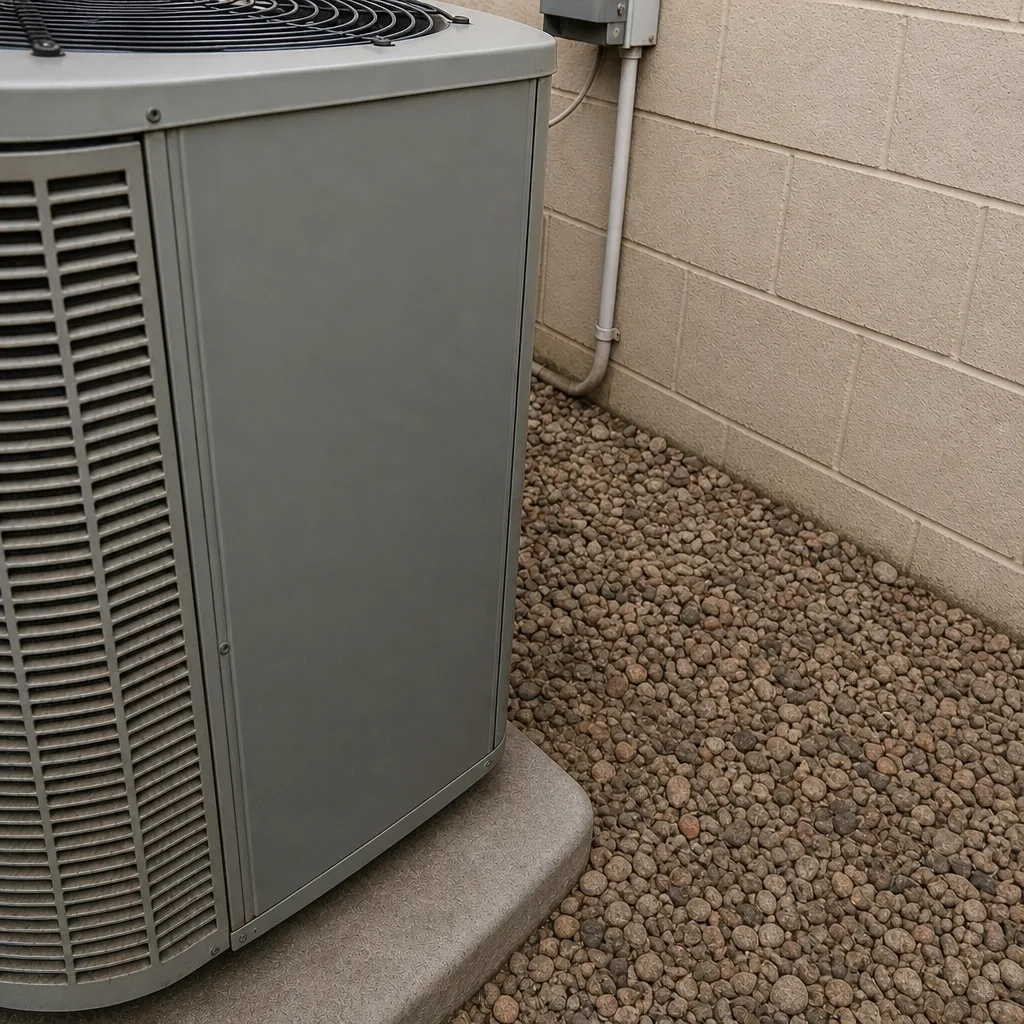
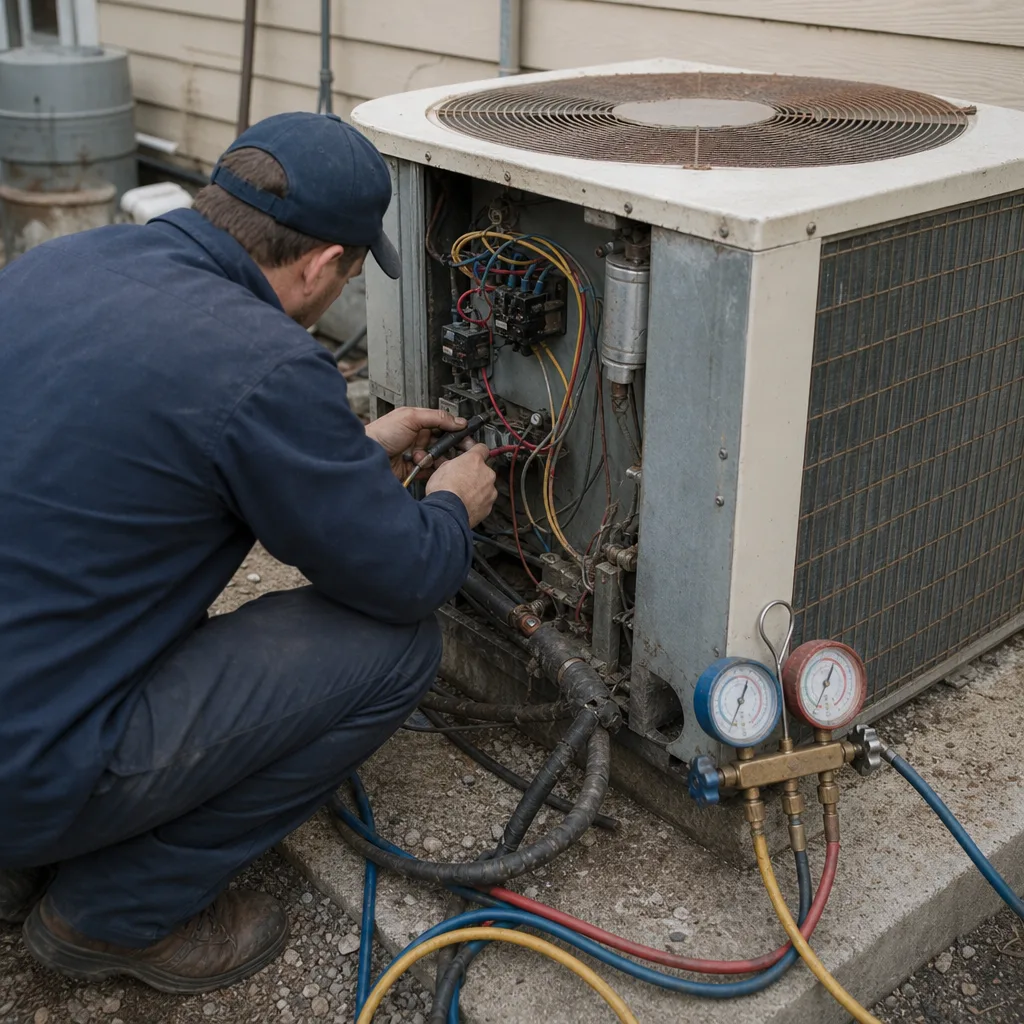
See the difference
 Before
 After
 Before
 After
 Before
 After
Frequently Asked Questions
Not safely in most homes. Whole-house purifiers change airflow and static pressure, and installation typically ties into the blower compartment, which is licensed electrical and mechanical work under Nevada code. A purifier installed without a pressure check can create a negative-pressure situation that backdrafts combustion gases. Call (844) 783-5043 for a free estimate on a proper install.
Only for the most visible, accessible supply-side joints. Proper duct sealing starts with a blower door test and a duct blaster reading to establish a pressure baseline, and sealing the wrong leaks – especially returns – can make indoor air quality worse. For any duct work beyond a visible joint, call us for an estimate first.
Every 60 to 90 days for standard 1-inch filters, and every 30 days during Winchester’s dusty spring months when valley wind loads filters fast. If you have pets or a family member with allergies, check monthly year-round. A filter change is the cheapest, safest air quality upgrade you can make.
Static pressure across the coil, duct leakage to outdoors, house pressure relative to outside, and combustion appliance draft. A consumer monitor measures room conditions, not the system’s health. If your monitor reads fine but the air feels wrong, the system needs testing. Call (844) 783-5043 to schedule one.
Yes. Whole-house mechanical ventilation equipment falls under licensed contractor scope in Nevada, and permitting is required. A contractor who offers to skip the permit on ventilation work is telling you something important. We pull permits and pass inspection on every ventilation job, and estimates are free.
Most likely a pressure imbalance. The purifier added airflow restriction to the return path, and the house is now pulling air from wherever it can – often the furnace flue or water heater vent. Don’t run the system on high until it’s checked. Call us for a diagnostic and a free estimate on correcting it.
The Bottom Line
The DIY-versus-pro line for air quality runs through pressure, not skill. Filter swaps, vent cleaning, and grille washing are safe, cheap, and worth doing yourself. Duct sealing, whole-house purification, and anything touching combustion air or system pressure need a licensed professional and a pressure test first. Nevada code agrees with that line, with no gray area. If you’re weighing a project and unsure which side it’s on, that’s exactly the conversation to have before you buy anything. The right answer is usually a short one, and it costs nothing to get.
Ready to sort out your air quality the right way? Call Fireside Heating & Air Co. Winchester at (844) 783-5043 for a free estimate. A live person answers every call, day or night, and you’ll get a straight answer and a written price before any work begins. Visit our Fireside Heating & Air Co. Winchester home page to see what else we handle. Our technicians have up to 8 years of experience, we’re trained on nine major brands, and every job is backed by our 90-Day Done Right Promise – done right, or we make it right.
Written by the team at Fireside Heating & Air Co. Winchester.