
Last updated November 18, 2026
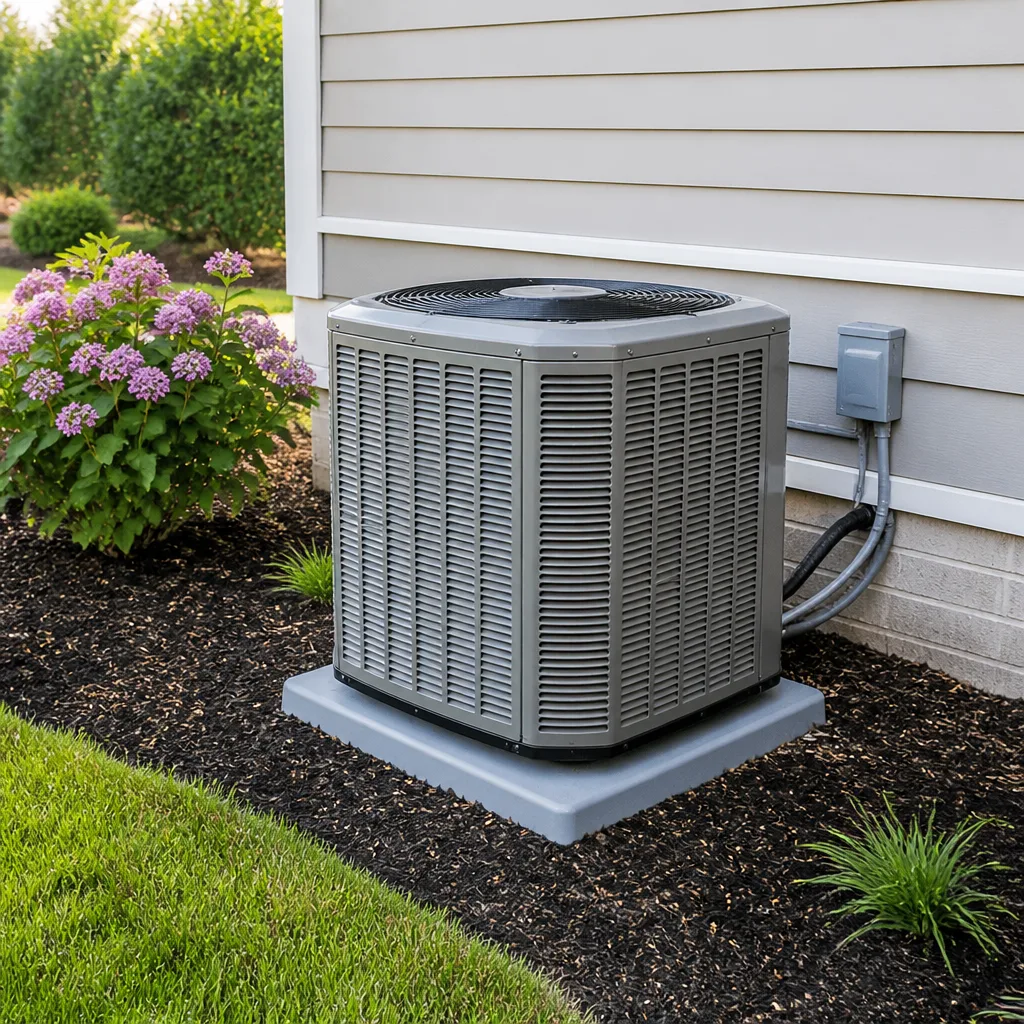 AC repair
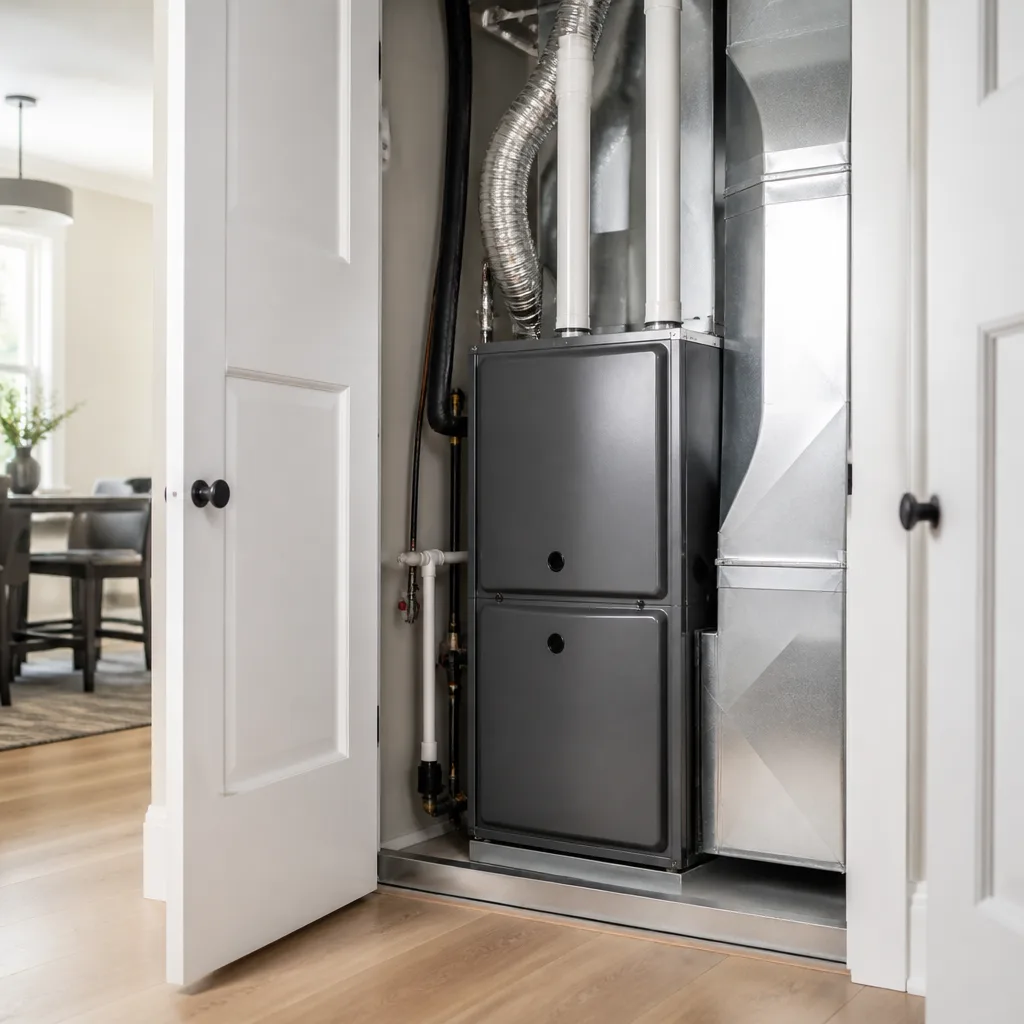 Furnace & heating
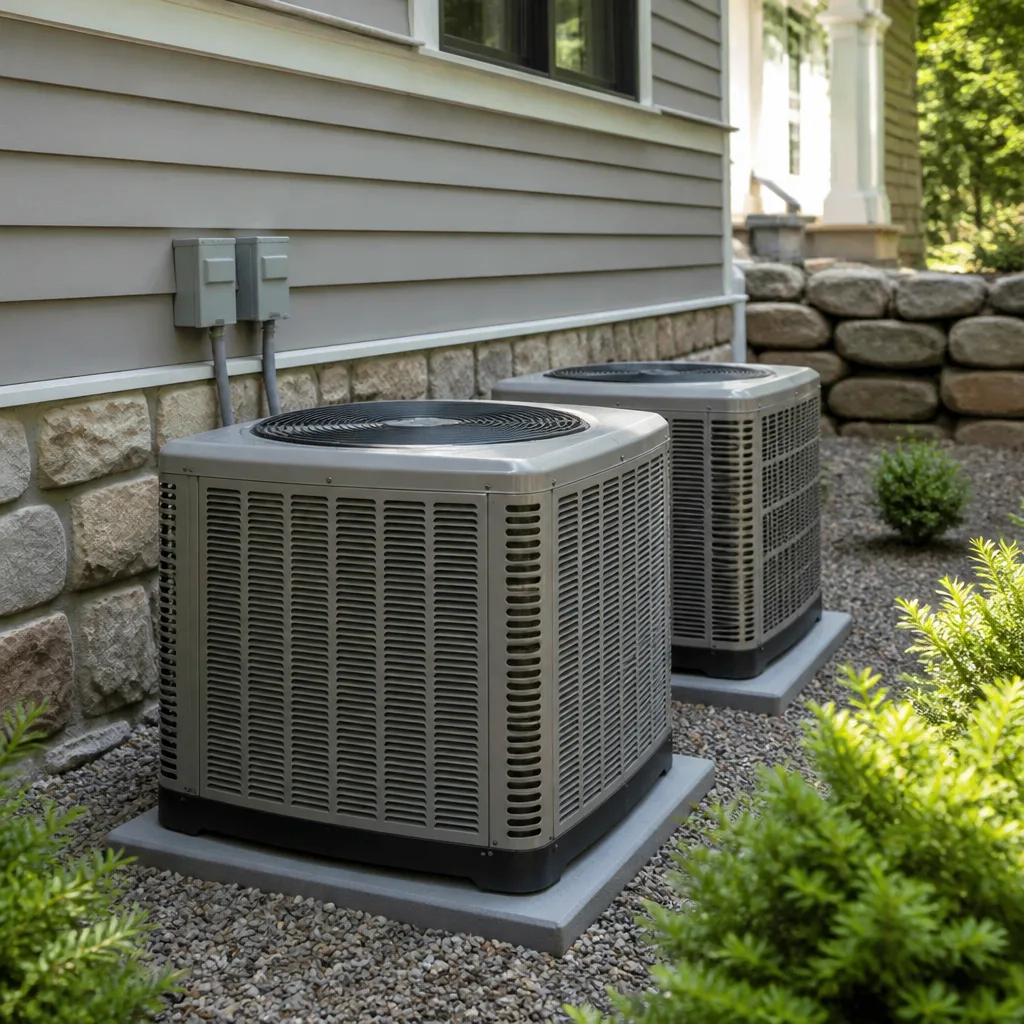 Heat pumps
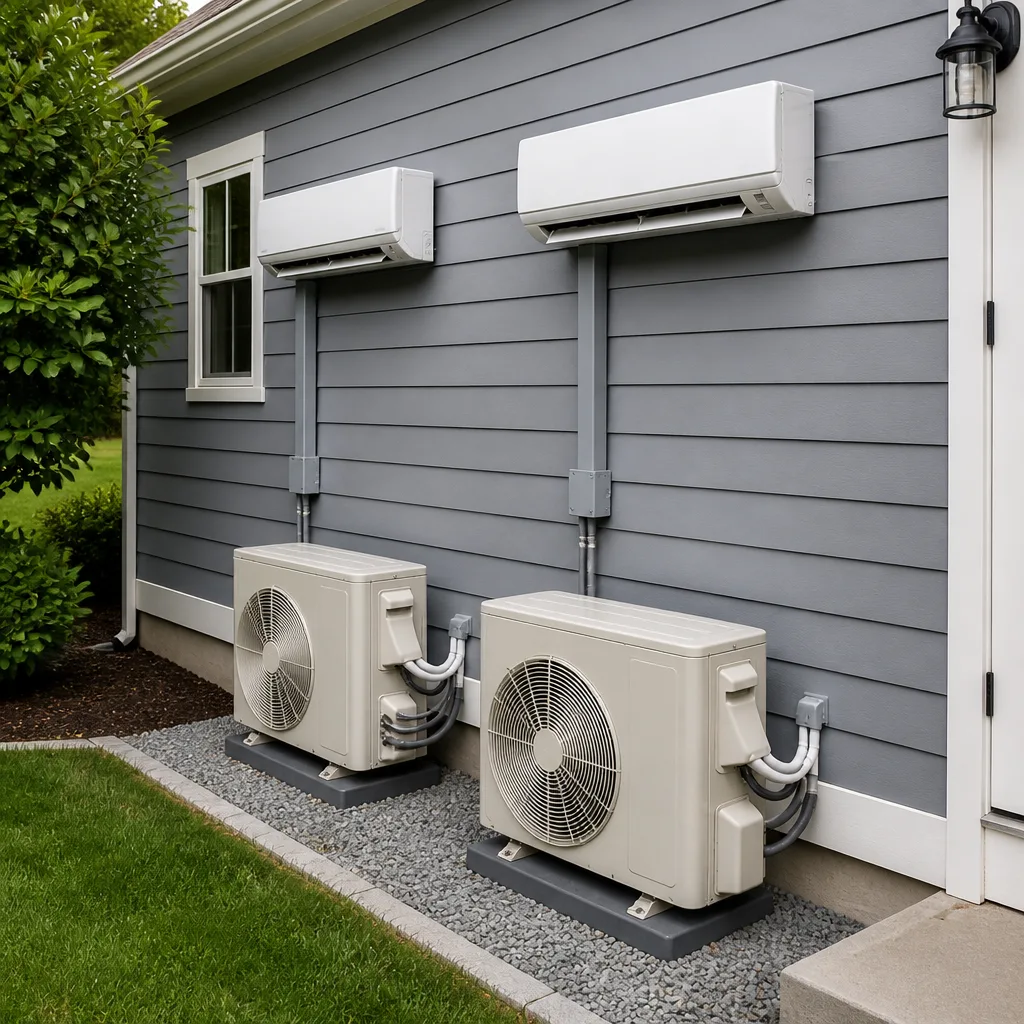 Ductless mini splits
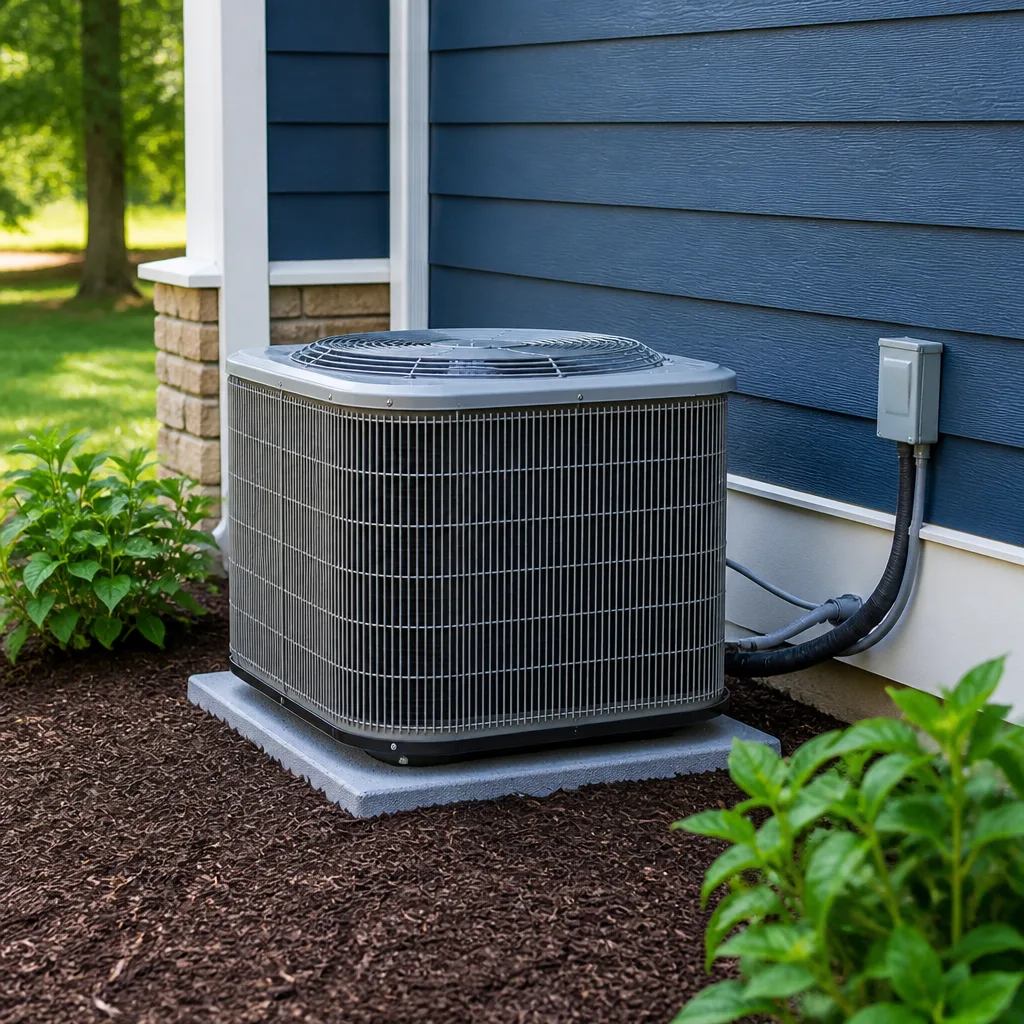 Carrier
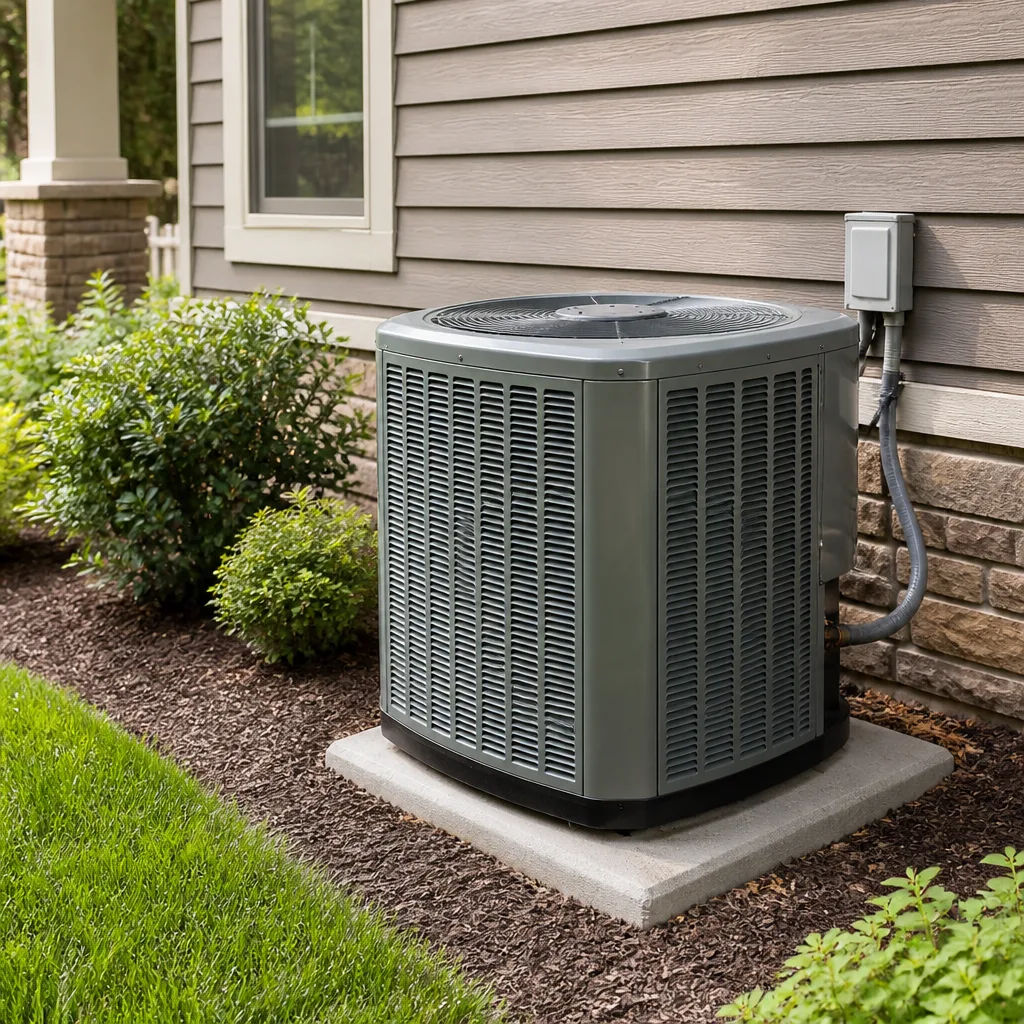 Trane
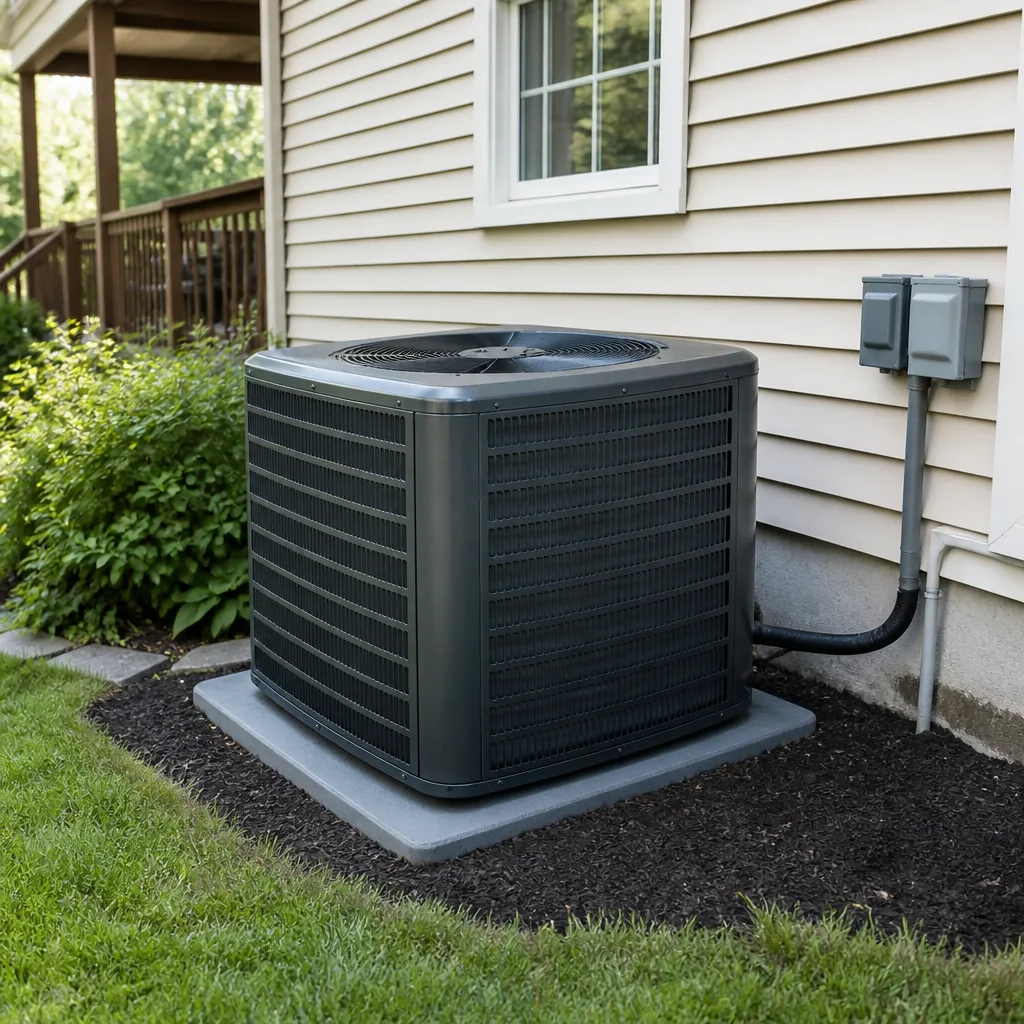 Goodman
Seasonal tune-up and full diagnostic on your Carrier, Trane, or Goodman system - readings shown to you before any repair is proposed
Diagnosis first, numbers second - you approve the repair price before a single part goes in.
Get your free estimateEmergency & Commercial HVAC Troubleshooting: Common Problems and How to Fix Them
Resetting a tripped breaker on a rooftop unit feels like a free fix, right up until it trips again at 2 a.m. on a Saturday. That second trip usually means the compressor is pulling locked-rotor amperage, and the next reset can cook the motor for good. In our experience around Winchester, some troubleshooting steps don’t fix the problem, they finish it off. This guide is for the small business owner or landlord who is the facilities manager by default. We’ll walk through the five failures we see most, which resets are safe to try and which aren’t, how to read fault codes without special tools, what to document during an outage, and when a problem crosses from comfort into a health code issue.
Quick Answer
Most commercial HVAC failures trace back to five causes: dirty condenser coils, refrigerant leaks, failed capacitors or contactors, clogged filters or blower problems, and control board faults. You can safely reset a breaker once, change a filter, and note fault codes. If a breaker trips a second time, the system shows ice, or you smell gas or burning, stop and call a professional. The one check that narrows the cause fastest is comparing the thermostat’s call for cooling against the actual supply-air temperature at the nearest register.
Styles & brands we work with
- AC repair
- Furnace & heating
- Heat pumps
- Ductless mini splits
- Carrier
- Trane
- Goodman
Table of Contents
- The Five Most Common Commercial HVAC Failures
- Which Resets Are Safe to Try Yourself
- How to Read Fault Codes Without Special Tools
- What to Document During an Outage
- The One Diagnostic Check That Narrows the Cause
- When It’s a Health Code Issue, Not a Comfort Issue
- Repair or Replace a Commercial Unit?
- Common Mistakes and When to Call
The Five Most Common Commercial HVAC Failures
Commercial systems fail differently than residential ones. Packaged rooftop units run harder and longer, and in Winchester’s desert heat the equipment never really gets an off season. Here are the five failures we’re called to most often, and what each one looks like from the ground.
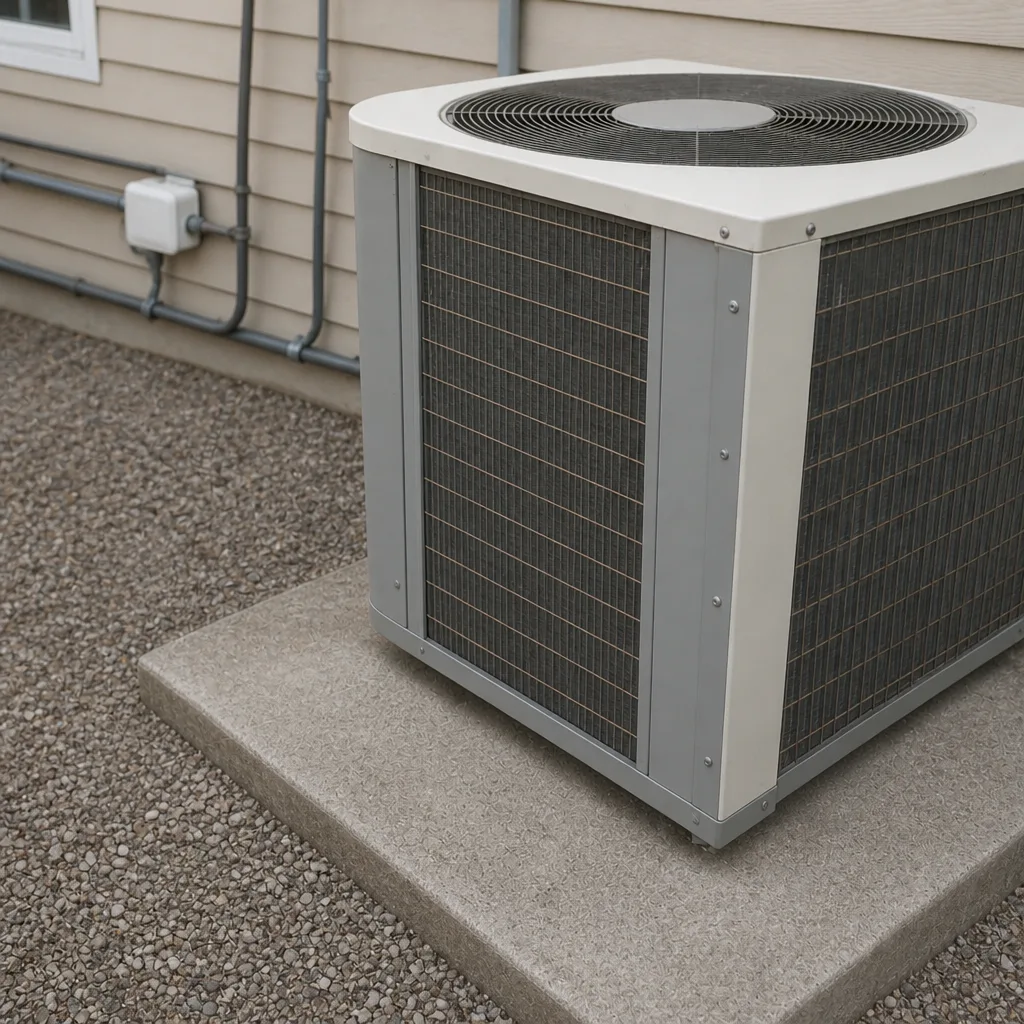
- Dirty condenser coils. In a dusty commercial setting, coils clog faster than most owners expect. You’ll see high head pressure, weak cooling, and a compressor that short-cycles. This is the single most preventable failure.
- Refrigerant leaks. Low charge shows up as ice on the suction line, warm air from the registers, and a system that runs constantly without cooling. A leak won’t cure itself with a top-off.
- Failed capacitors and contactors. These small electrical parts fail often in desert heat. The symptom is a unit that hums but won’t start, or a fan that won’t spin.
- Clogged filters and blower problems. Restricted airflow strains everything downstream. Filters are cheap; a burned-out blower motor isn’t.
- Control board faults. Boards fail from power surges, moisture, and age. On Daikin and Bryant packaged units, the board often tells you what’s wrong through a blinking LED.
Knowing which of these you’re facing changes what you do next. The right paperwork and process for commercial space in Winchester also matters, since a failed unit in a leased tenant space is rarely a simple homeowner call. For the residential side of the same system, our AC Repair & Installation in Winchester page covers the parallels.
Which Resets Are Safe to Try Yourself
Some resets are reasonable for a non-technician to attempt. Others need a professional, and getting the distinction wrong can cost you a compressor or invalidate a warranty. A packaged rooftop unit and a split system behave differently here, so treat them separately.
On a packaged rooftop unit, these are generally safe for an owner to try once:
- Reset a tripped breaker at the disconnect switch, once, and watch what happens. If it trips again, stop.
- Change the filter.
- Turn the system off at the thermostat and back on to clear a lockout.
- Check the condensate drain for a visible clog.
On a split system with an indoor air handler, the same basics apply, but the indoor coil, refrigerant lines, and electrical panel are off-limits. Never open a panel to bypass a safety switch or jumper a contactor. That’s how small problems become dangerous ones. The high-voltage components inside a commercial cabinet can injure you severely, and the refrigerant lines carry pressure that’s every bit as unforgiving. A trained technician with the right meter and training should handle anything past the disconnect. If you’re unsure which category your building falls into, our Heat Pump & Mini Split in Winchester page explains the difference between system types.
How to Read Fault Codes Without Special Tools
Most commercial control boards tell you what’s wrong if you know where to look. You don’t need a diagnostic computer for the basics, just a phone camera and a little patience. Here’s how to read the three most common board types.
- Locate the board. On a packaged rooftop unit it’s behind the service panel, usually on the compressor side. On a split system it’s in the indoor air handler.
- Look for blinking LEDs. Count the flashes. Many boards flash a pattern, pause, then repeat, so record a full cycle of about 15 seconds.
- Check the code sticker. Nearly every board has a small label inside the panel that maps flash counts to faults. Photograph that sticker; it’s the key to the code.
- Match the code to the label. A steady flash often means normal operation. A specific count points to a fault like a pressure switch, flame sensor, or thermistor.
- Write it down. Two codes in sequence tell a technician more than one.
Rheem and York boards use slightly different flash patterns, but the method is the same. If the board shows no LED at all, that’s a power problem, not a code problem, and it points straight back to the disconnect. Keep an eye on this; the code plus a photo of the board saves the technician real time on the service call.
What to Document During an Outage
The single best thing you can do during a commercial HVAC failure is document it well. Good notes shave diagnostic time off the service call, and that often translates to a lower bill. Here’s the checklist we hand business owners in Winchester.
- Photograph the fault code. A clear photo of the blinking LED and the code sticker inside the panel.
- Record the thermostat reading and the setpoint. Note the time and the actual room temperature.
- Note when the problem started. A sudden failure after a power surge reads differently than a slow decline over weeks.
- Capture the model and serial numbers. These are on the unit’s data plate, usually on the cabinet exterior. They tell the technician exactly which parts to bring.
- Write down what you tried. If you reset the breaker once, say so and note whether it held.
- Take a photo of the filter. A clogged filter is visible evidence and can head off a return visit.
This is also the moment to check your warranty paperwork. Many commercial units carry five- or ten-year parts warranties, and a documented failure history helps. If you’ve had a system installed or serviced recently, the Fireside Heating & Air Co. Winchester home page explains how we handle records.
The One Diagnostic Check That Narrows the Cause
Before you call anyone, there’s one check that tells you a great deal: measure the temperature difference between the air going into the return and the air coming out of the supply register. This delta, taken with an inexpensive infrared thermometer, is the fastest way to separate a system that’s running but not cooling from one that isn’t running at all.
On a system calling for cooling, a healthy delta sits around 15 to 20 degrees Fahrenheit. Here’s how a reading points you to the cause:
- Delta under 10 degrees: the system is running but not cooling properly. Look toward refrigerant charge, a dirty evaporator coil, or restricted airflow.
- Delta near zero: the system isn’t actually cooling. Suspect a compressor, contactor, or capacitor failure, or a lockout on the control board.
- Delta over 25 degrees: airflow is too restricted. Check the filter first, then the blower.
In our experience, most owners in the older commercial buildings around Winchester’s Water Street corridor find a filter problem this way before they ever open a panel. It won’t tell you which part failed, but it tells the technician where to start. For the heating side of the same building, our Heating & Furnace in Winchester page covers furnace diagnostics.
When It’s a Health Code Issue, Not a Comfort Issue
A warm office is uncomfortable. A warm restaurant, medical office, or food storage room can be a violation. Some commercial HVAC failures cross the line from comfort into a health and safety code issue, and that changes how fast you need to respond.
If your building handles food, medicine, or hazardous materials, a failed cooling system can break cold-chain rules, and health departments treat that as urgent. In Winchester, restaurant owners along the commercial corridors know that a walk-in cooler tied to a failed condenser needs attention within hours, not days. The same goes for a system pulling combustion exhaust improperly, which is a carbon monoxide risk and a genuine safety hazard.
Here’s how to tell the difference:
- Comfort issue: a break room gets warm by afternoon. Schedule a service call at your convenience.
- Health code issue: food storage, medical refrigeration, or a space with vulnerable occupants loses cooling. Call immediately.
- Safety issue: you smell gas, burning, or exhaust indoors, or the carbon monoxide alarm sounds. Evacuate and call for emergency help first, then call an HVAC professional.
For a true emergency, don’t wait for a convenient appointment. We answer the phone around the clock. Our Fireside Heating & Air Co. Winchester home page is the place to start, and if the problem is a furnace blowing cold, the Heating & Furnace in Winchester page covers the no-heat scenario.
Repair or Replace a Commercial Unit?
This is the question that keeps small business owners up at night, and the honest answer isn’t always the cheapest one. The rule of thumb we use is straightforward: if the unit is past ten years old and the repair costs more than a third of a replacement, replacement usually wins. But age alone never decides it. Repeated failures of the same part, a compressor that’s drawing high amperage, or a refrigerant leak that keeps returning all point toward replacement.
Consider what the unit does. A rooftop unit serving a server room has no tolerance for downtime, so a marginal repair isn’t really a repair. A unit serving overflow storage can be nursed along. The right call depends on what happens if it fails again next summer, not just what it costs today. Fireside offers a free second opinion on any written estimate, so if a vendor is pushing a replacement you’re not sure about, we’ll look at it with you.
The 90-Day Done Right Promise backs every repair we complete, in writing, with no arguing. If it isn’t right, we make it right. That’s the standard we hold ourselves to, and it’s what makes a repair worth doing rather than just deferring the question.
Common Mistakes to Avoid
- Resetting a tripped breaker more than once. A second trip means a fault that a reset won’t cure, and the next reset can damage a compressor you’ll pay thousands to replace. In Winchester’s heat, that failure comes fast.
- Skipping the filter change to save a few dollars. A clogged filter strains the blower and coil every day it stays in. Replace it on schedule, especially through the summer.
- Ignoring the fault code and just turning the stat back up. Clearing a lockout without reading the code erases the one clue that would have shortened the service call.
- Letting a vendor talk you into a replacement without a second estimate. Get a written quote, read it, and compare. A free second opinion can save real money.
- Bypassing a safety switch or jumper. This is never a fix. It disables the protection that keeps the unit from damaging itself or injuring someone, and it can void the warranty.
- Waiting until the unit fails outright to schedule a tune-up. A spring tune-up catches a capacitor or a dirty coil before a 100-degree weekend strands you.
- Forgetting the warranty paperwork. Keep the model, serial, and service history together. If the part fails inside warranty, you want the record ready.
Most of these come down to stopping at the right point. A homeowner in Winchester trying to fix a small issue is fine; opening a commercial electric panel is not. When the topic involves gas, high voltage, or refrigerant, the right move is a trained professional every time.
When to Call a Professional
Call a professional if a breaker trips twice, if the system ices over, if you smell gas or burning, if a fault code won’t clear, or if the compressor or blower is drawing high amperage. Those are all signs a non-technician should not push further. A commercial unit that’s failing under load in Winchester’s summer heat is a candidate for a same-day call, and a unit serving food or medical space should be treated as urgent. Fireside Heating & Air Co. Winchester offers free estimates in Winchester, and our technicians have up to 8 years of experience across nine major brands, including Rheem, Daikin, and Bryant. Call (844) 783-5043 for a free estimate, and remember the 90-Day Done Right Promise stands behind every repair.
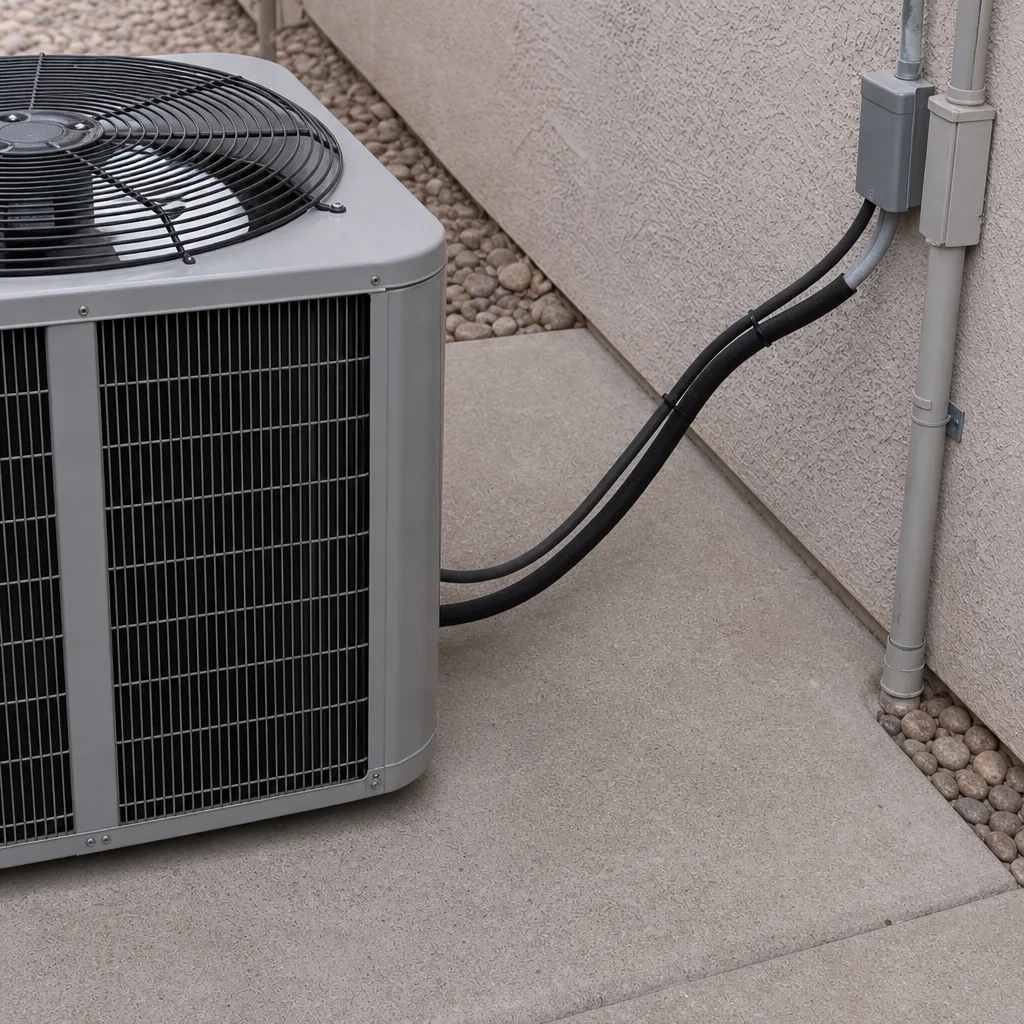
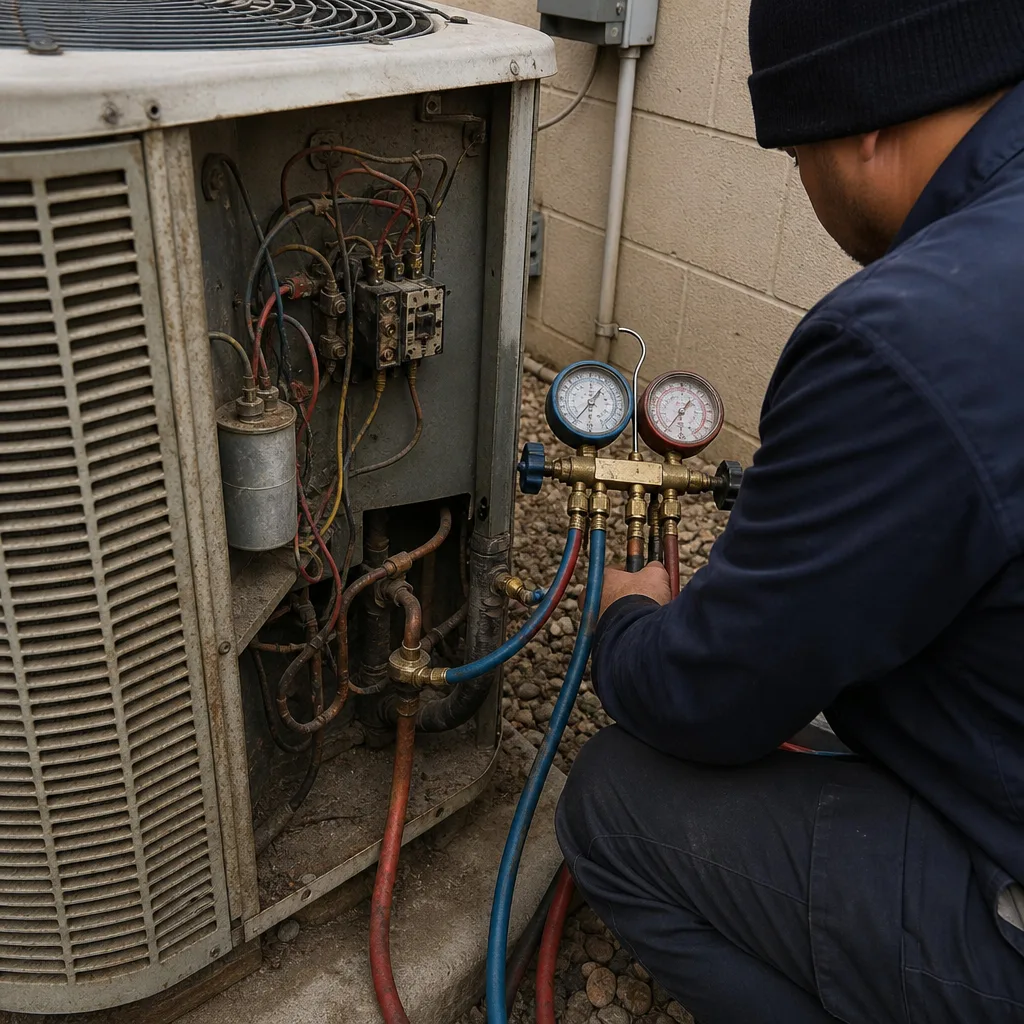
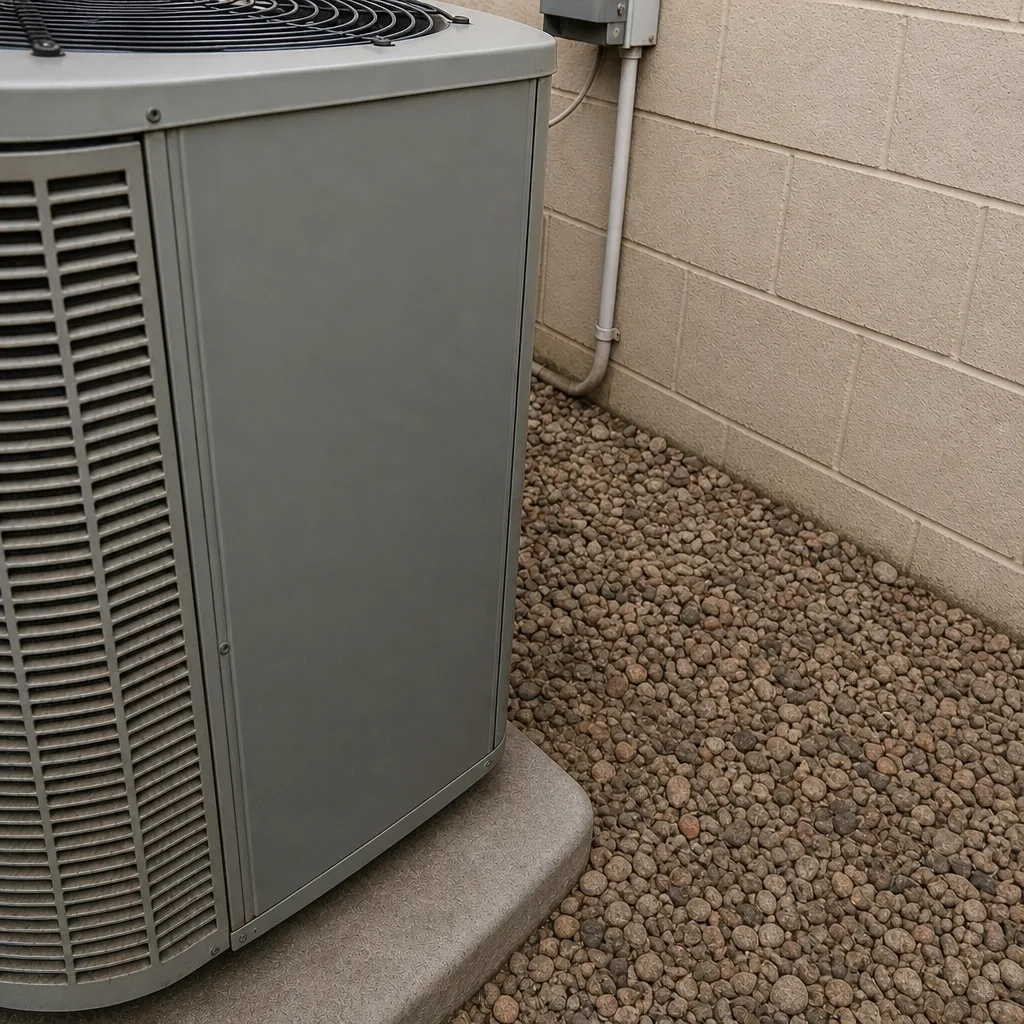
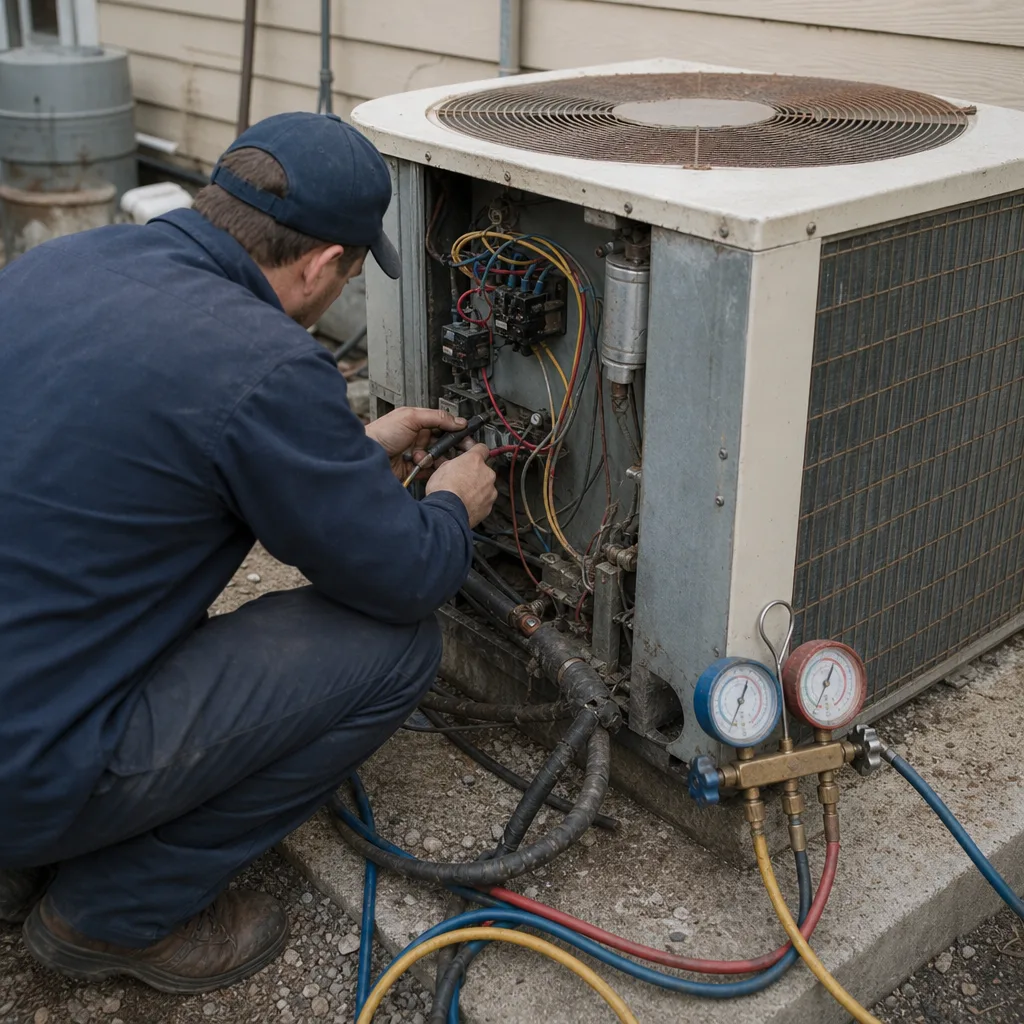
See the difference
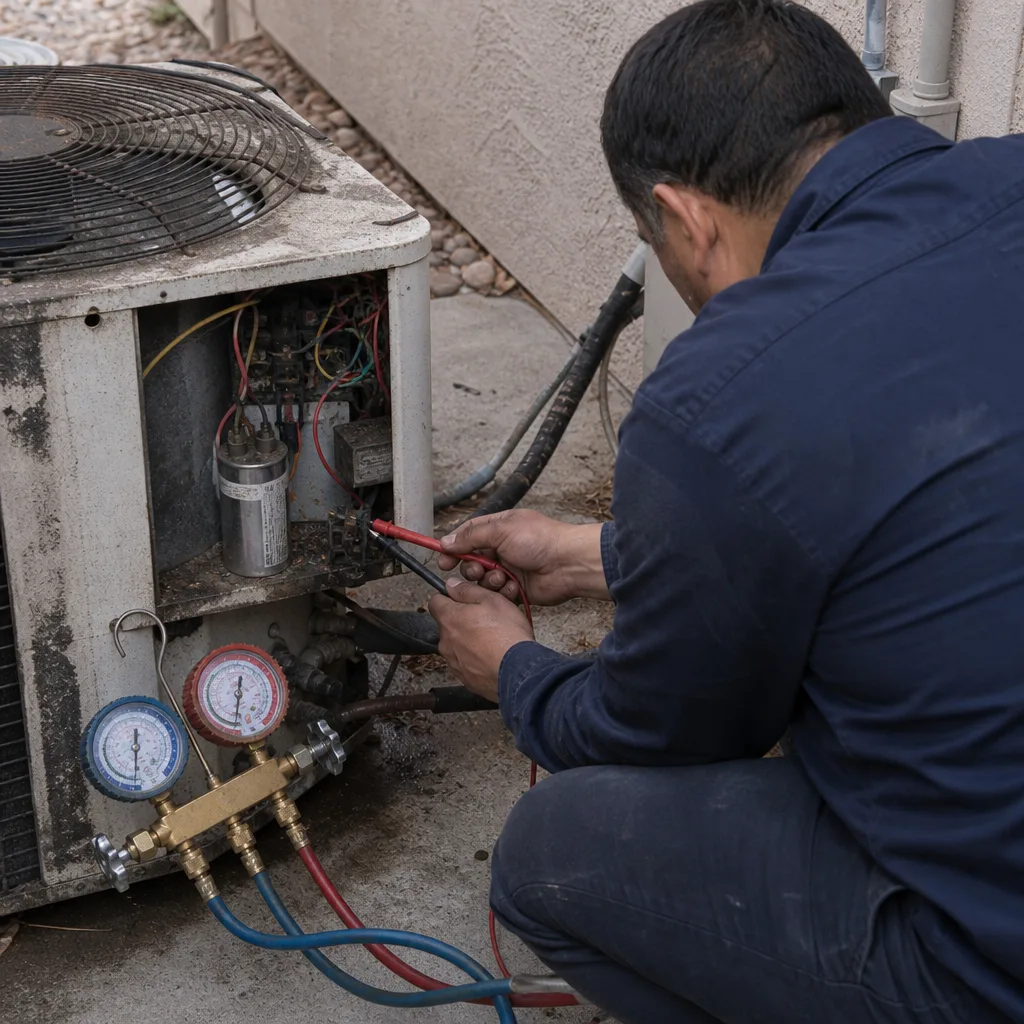 Before
 After
 Before
 After
 Before
 After
Frequently Asked Questions
Yes, once, and then watch what happens. If it trips a second time, stop and call a professional. The second trip usually means a compressor or major component is drawing too much current, and resetting again can cause irreparable damage. Call (844) 783-5043 and we’ll be there.
A dirty condenser coil is the most common, followed by a refrigerant leak or a failed capacitor. Winchester’s dust and heat accelerate both. A quick delta-temperature check will tell you whether the unit is running but not cooling, or not running at all. Call for an exact diagnosis; estimates are free.
Count the LED flashes on the board, pause, and note the pattern. Then check the code sticker inside the panel, which maps flash counts to faults. Photograph both the sticker and the light. If you can’t find the sticker, write down the model number from the data plate and call (844) 783-5043.
It can be, if the unit serves food storage, medical refrigeration, or a space with vulnerable occupants. Those need attention within hours. A failed unit in a normal office space is a comfort issue and can be scheduled. When in doubt, call and describe the space; we answer 24/7.
Often repair is fine if the unit is otherwise sound, but if the repair costs more than a third of replacement, replacement usually wins. Fireside offers a free second opinion on any written estimate, so you can compare before you decide. Call (844) 783-5043.
Yes. Phones are answered by a live person around the clock, every day of the year, and we treat no-cooling emergencies as urgent. Call (844) 783-5043 any hour. If you smell gas or the carbon monoxide alarm sounds, evacuate first and call for emergency help.
The Bottom Line
Commercial HVAC troubleshooting comes down to knowing where to stop. You can change a filter, read a fault code, take a delta-temperature reading, and reset a breaker once. If it trips again, ices over, or smells wrong, stop and call. Good documentation, a photo of the code, and the model and serial numbers cut diagnostic time and often save money on the service call. Sort out which failures are comfort issues and which are health code issues, and you’ll know how fast you need to move. Done right, a small problem stays small. Fireside Heating & Air Co. Winchester answers 24 hours a day, includes a 90-Day Done Right Promise in writing, and stands behind every job. Call (844) 783-5043 for a free estimate.
Contact
Call (844) 783-5043 for a free estimate. A live person answers every call, day or night, and our background-checked technicians are trained on nine major brands. The price quoted is the price paid, and the 90-Day Done Right Promise backs every job in writing.
Written by the team at Fireside Heating & Air Co. Winchester.