
Last updated November 18, 2026
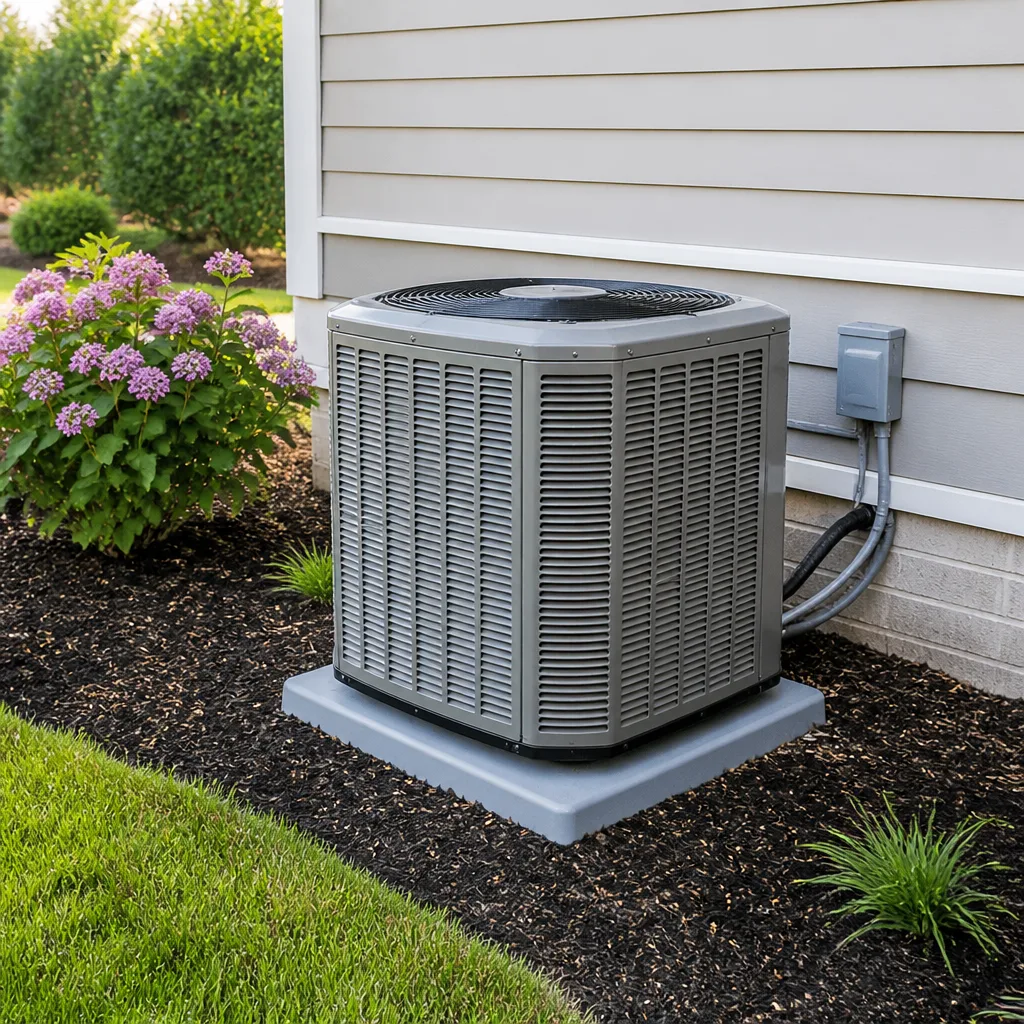 AC repair
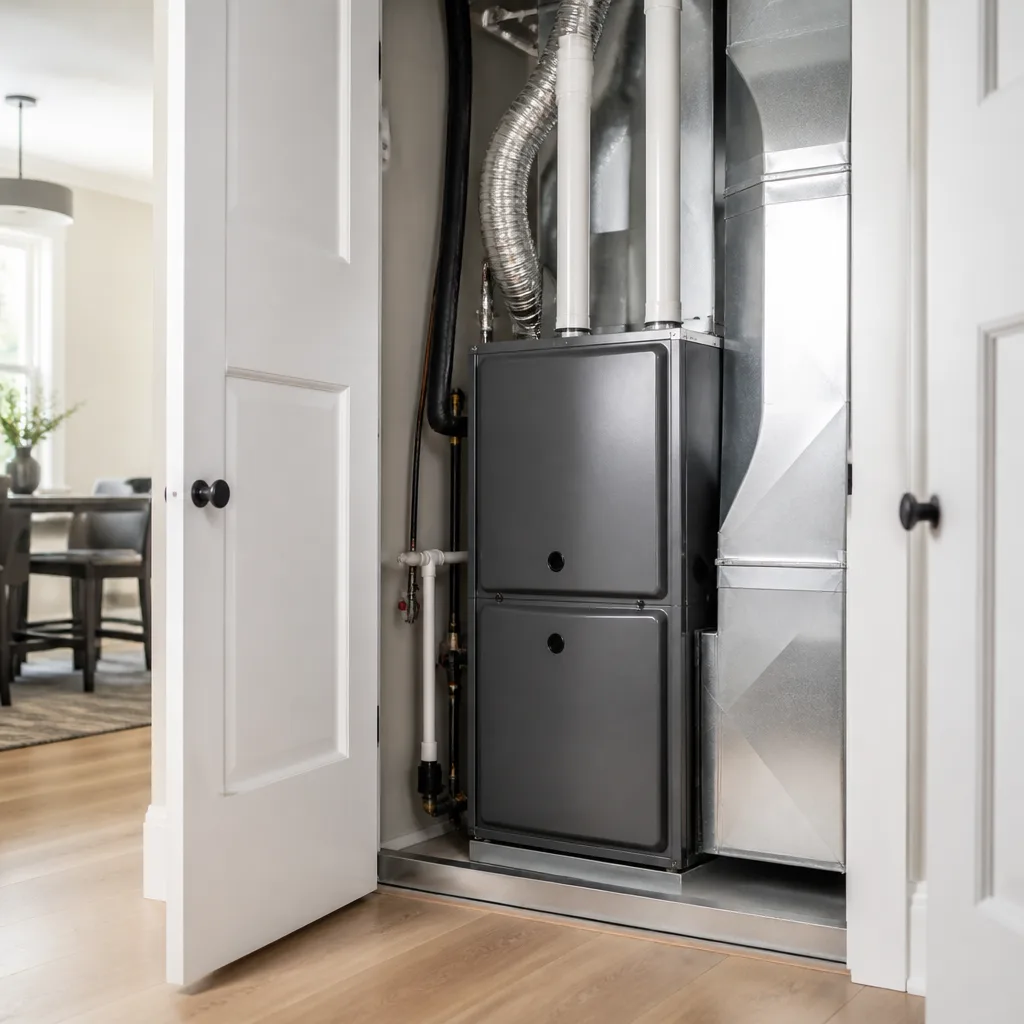 Furnace & heating
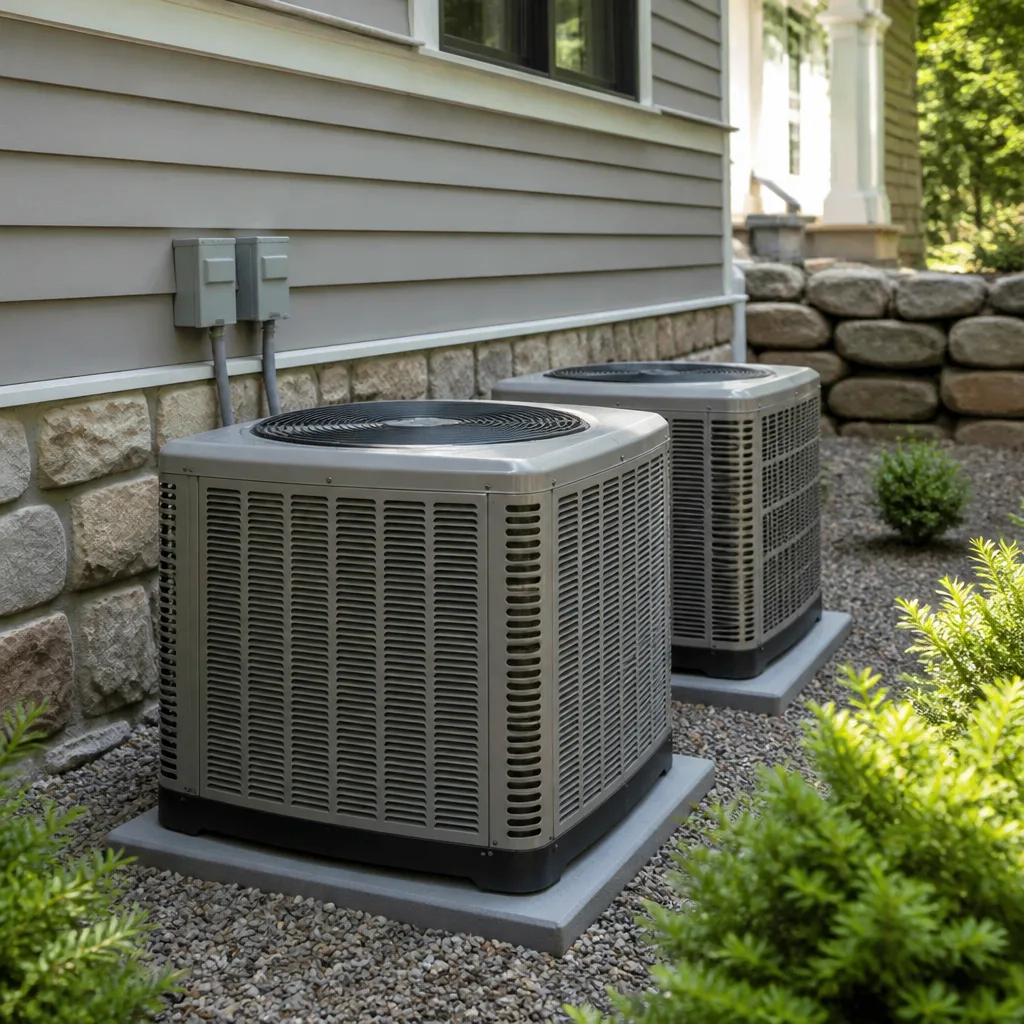 Heat pumps
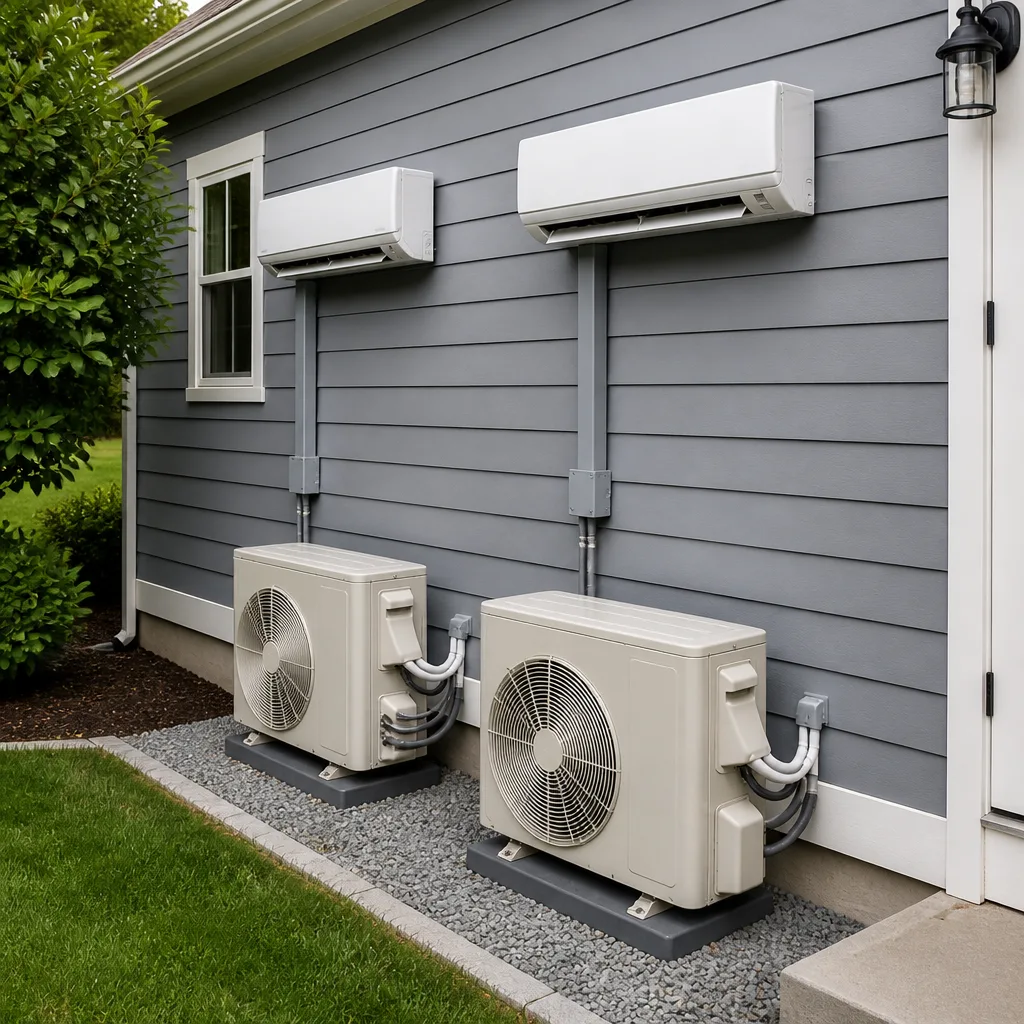 Ductless mini splits
 Carrier
 Trane
 Goodman
Seasonal tune-up and full diagnostic on your Carrier, Trane, or Goodman system - readings shown to you before any repair is proposed
Diagnosis first, numbers second - you approve the repair price before a single part goes in.
Get your free estimateEmergency & Commercial HVAC Warning Signs Every Homeowner Should Know
A commercial system that takes 20 minutes longer to reach setpoint than it did last summer is not just losing efficiency. It is telling you the compressor is working harder to move the same amount of refrigerant, and that is typically a 60-to-90-day warning before a full failure. Most building owners don’t know that clock has already started. In Winchester, where summer highs regularly push past 105 degrees and rooftop units bake in direct sun for months, that warning window is often shorter. This guide covers what to measure, what the sounds mean, and how to tell four overlapping problems apart before one of them becomes a 2 a.m. call.
Quick Answer
Commercial HVAC warning signs appear weeks before failure: rising runtime to setpoint, a narrowing temperature differential across the coil, higher amp draw at startup, new or escalating sounds, and frequent thermal overload trips. Tracking these against a baseline lets you catch compressor, refrigerant, and economizer problems while they’re still repairs – not emergencies.
Styles & brands we work with
- AC repair
- Furnace & heating
- Heat pumps
- Ductless mini splits
- Carrier
- Trane
- Goodman
Table of Contents
- The Performance Benchmarks Worth Tracking
- The Five Sounds a Rooftop Unit Makes Before It Fails
- Four Problems With Overlapping Symptoms – and Different Urgency
- Desert-Heat Warning Signs in Winchester
- Building a Warning Sign Log That Cuts Diagnostic Time
- When Home Systems Show the Same Signals
- Common Mistakes to Avoid
- Frequently Asked Questions
The Performance Benchmarks Worth Tracking
You don’t need a diagnostics console to know a commercial system is drifting toward failure. Three numbers, written down on the same day each month during cooling season, tell most of the story. Each one measures something that changes slowly first and all at once later.
- Runtime to setpoint. Note how many minutes it takes from a morning startup to hit the call for cooling. A unit that took 25 minutes last summer and now takes 45 is losing capacity. Note this in minutes, not “felt warm” – the number is what matters.
- Temperature differential across the coil. Measured at return and supply, a healthy split runs in a fairly narrow band. When that split narrows, either refrigerant is low, the coil is fouled, or the compressor is not pumping. The number tightens the diagnosis before a tech touches a gauge.
- Amp draw at startup. A compressor drawing noticeably more amps on startup than it did eight weeks ago means it’s fighting harder – often the first mechanical sign of a failing winding or seized bearing.
In our experience, the units we diagnose and repair on a scheduled visit almost always had one of these three numbers trending the wrong way for weeks. The homeowner or facility manager just never had a baseline. A brief written log changes that, and it lets a technician walk into a mechanical room already halfway to the answer. When you’ve handled enough Fireside Heating & Air Co. Winchester home calls to know the difference between a system one bad week from failing and a system a full season from failing, that baseline is the whole conversation.
The Five Sounds a Rooftop Unit Makes Before It Fails
Sound is the signal most owners notice but least often describe accurately. Each of these maps to a specific component, and each carries a different timeline.
- Rhythmic clanking or banging on startup. A loose or failing compressor mount, or a broken internal component. Shakes the unit, stresses the refrigerant lines. Do not wait on this one.
- A high-pitched metallic squeal. Bearing wear in the condenser fan motor or blower. It will usually run another few weeks, but bearing noise accelerates fast and the fan motor takes the motor’s capacitor with it.
- Loud hum then silence, repeatedly. Contactor chatter – the electrical relay that starts the compressor. Contacts are pitted. The compressor is being asked to start and stop repeatedly, which is hard on the windings.
- A grinding rattle that changes with outdoor temperature. Fan blade, loose panel, or debris in the scroll. Cheap to fix early, expensive if the blade warps and shatters.
- A soft hiss that only shows up in higher heat. Refrigerant leak somewhere in the lineset or fittings, usually the flare joint on the evaporator. The higher the outdoor temperature, the faster it leaks. That is why Winchester summers turn a slow leak into a dead system within a season.
None of these are sounds to diagnose through a phone. If the unit is on the roof or housed in a mechanical room and you’re not trained for it, the right move is to call. We’ve pulled apart enough AC repair and installation in Winchester jobs where a sound was misidentified as “just old” to know it’s usually worth the trip out. Electrical work inside a rooftop unit is not a homeowner task – capacitor and contactor problems can deliver a dangerous jolt when the disconnect is not properly handled, and refrigerant handling requires licensing.
Four Problems With Overlapping Symptoms – and Different Urgency
Four of the most common commercial HVAC failures share symptoms, and this is where owners get stuck. A warm building could be any of the following. The differences matter because each is on a different urgency clock.
- Refrigerant loss. Symptoms: narrowed temperature split, ice on the evaporator coil, unit runs long but can’t cool. Urgency: moderate if caught early; the compressor is working harder each week. Fix: leak search, repair, recharge.
- Failing compressor. Symptoms: warm air, higher amp draw at startup, unit shuts off and stays off for long stretches. Urgency: urgent – a seized compressor often means replacement of the whole unit. Fix: compressor service or system replacement.
- Failed economizer. Symptoms: warm building on cool mornings, over-cooling in winter, actuators running past their stop. Urgency: low to moderate – comfort cost problem, not a failure risk. Fix: actuator and damper service.
- Dirty condenser coil. Symptoms: high head pressure alerts, running long hours at setpoint, worse in the hottest part of the afternoon. Urgency: moderate to high in Winchester’s desert dust. Fix: coil cleaning and service.
Two symptoms can look identical on a thermometer and mean very different things. A system running warm but with steady amp draw and steady temperature split is usually a coil or economizer problem. A system running warm with climbing amp draw and narrowing split is a compressor or refrigerant problem. The difference is in the trend, not the single reading. That is one reason we handle heating and furnace in Winchester service with the same baseline-first approach – the diagnosis almost always lives in the trend.
Desert-Heat Warning Signs in Winchester
Winchester’s climate adds its own set of signals, and they show up earlier in the summer than owners expect. Between the dry dust, the direct rooftop exposure, and the long peak-demand season from June through September, the system has very little margin for drift.
Thermal overload tripping
When the compressor’s internal thermal protection trips repeatedly on hot afternoons, it is telling you the compressor is running too hot. On a 110-degree day in a Winchester commercial building, a healthy compressor will still cycle normally. One that trips daily at 3 p.m. is drawing too much current, has restricted airflow, or has a refrigerant charge problem. Any of the three will progress to failure without intervention.
Condenser coil temperature and head pressure
High head pressure alerts on a building control system are the clearest sign of a dirty or restricted condenser coil. Because dry desert dust settles in the coil fins faster than in humid climates, we typically see this in Winchester within one season if the coil hasn’t been cleaned. High head pressure accelerates compressor wear. Every week of delay shortens the compressor’s life.
Setpoint drift in the afternoon
A unit that holds setpoint until 1 p.m. and then loses ground until 5 p.m. is losing capacity as the day heats up. That pattern – not a flat-out failure – is the most common pre-failure signature we see on Winchester rooftops. It routinely buys the owner 60 to 90 days before something larger fails if the trend is caught and addressed.
Building a Warning Sign Log That Cuts Diagnostic Time
The single most useful thing a commercial owner can do is write down what the system does. Not what it feels like – what it does. Here is the simplest version that gets results.
- Pick one day a week. Same time, same conditions. Monday morning at open is fine. Write down the outdoor temperature.
- Time the morning startup. From thermostat call to first reach of the setpoint, in minutes.
- Record the supply and return temperature at one diffuser. A cheap digital thermometer at the register. Note both numbers.
- Note any new or louder sounds. One line. “Soft hiss on the west unit” is enough.
- Note any high-pressure or alarm events on the controls. Time of day, what the system was doing.
Twelve weeks of those entries gives a technician a documented trend instead of a remembered impression. In our experience, that cuts diagnostic time roughly in half – we arrive with a story to confirm instead of a story to reconstruct. It also typically saves the owner a return visit, because the diagnosis is narrower from the first hour. If your building is a small commercial space in or around Winchester and you’re not sure which numbers to start with, a tune-up visit is a good place to set the baseline. Our heat pump and mini split in Winchester service does the same for buildings running those systems year-round.
When Home Systems Show the Same Signals
Every signal in this guide applies to home systems too, and every homeowner should know the residential version. A single-family system doesn’t have a building control system broadcasting head pressure, but the same three numbers – runtime, temperature split, and startup behavior – tell the same story.
For an emergency-style home signal, the ones worth a call are these:
- Ice on the outdoor unit or on the indoor coil, with warm air from the registers.
- A system that runs and runs and never reaches setpoint on a mild day.
- Repeated breaker trips when the unit starts.
- Any burning smell or scorched odor near the air handler.
- Loud clanking from the compressor on startup.
A few of these are on a genuine emergency clock, and a failed system in a Winchester summer is a health risk rather than just an inconvenience. The others give you a few weeks. Separating them is most of the diagnosis, and it’s why we answer the phone live at 2 a.m. when a no-cool call really can’t wait. This is also where the Winchester home page is worth a look if you’ve never called us before – the 90-Day Done Right Promise is spelled out there in the same plain terms we quote on the callback.
Common Mistakes to Avoid
- Treating “the building runs warm in summer” as normal. One or two degrees of drift on the hottest days is normal. A system that used to hold setpoint every day and now can’t by 3 p.m. is not normal aging. It’s a signal.
- Resetting the breaker and moving on. A breaker that trips twice in one week is telling you the compressor is drawing too much current. Reset once, call if it repeats. In Winchester, where peak demand on the grid is highest in July and August, breakers trip for a reason worth finding.
- Waiting for the system to actually fail. Commercial failures rarely happen without warning. They happen without attention. The 60 to 90 day window is real, and it disappears into a two-day emergency if you cross it.
- Describing symptoms from memory. “It’s been warm” tells a technician almost nothing. “It held setpoint until 2 p.m. on Tuesday and lost four degrees by 5” tells them which of the four overlapping problems to check first.
- Letting a dirty condenser coil go one more season. In desert dust, this is the single fastest way to shorten a compressor’s life. It is also the cheapest fix on this list. Clean it before the season, not after.
- Bypassing an economizer to “make it cool better.” Locking an economizer open to fix a comfort problem usually means over-cooling on cold mornings and a $400 utility bill you didn’t have last year. Diagnose the actuator, don’t disable the system.
- Trusting a price quoted over the phone without a site visit. Commercial diagnostics depend on the trend and the equipment. A square deal requires a real look at the unit. We quote upfront and we stand behind the quote – that’s the difference between a real estimate and a guess.
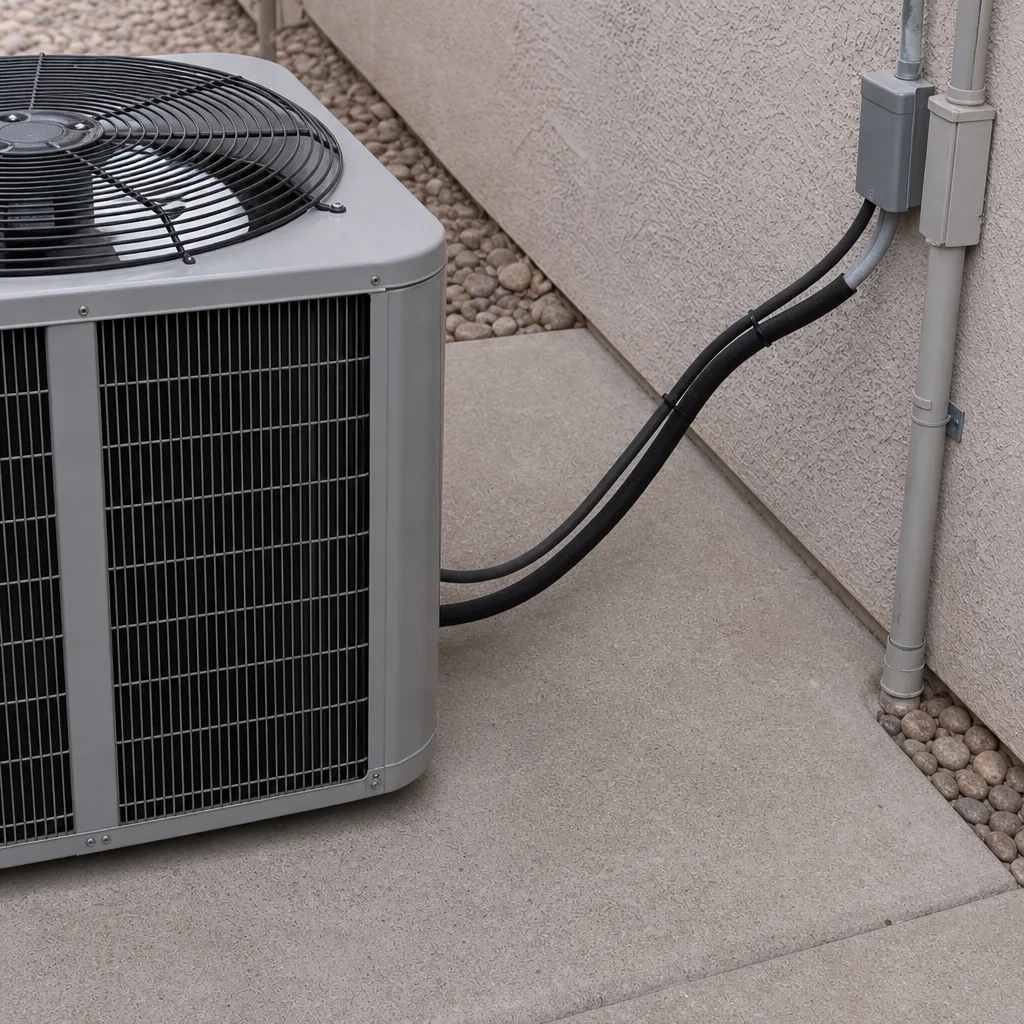
See the difference
 Before
 After
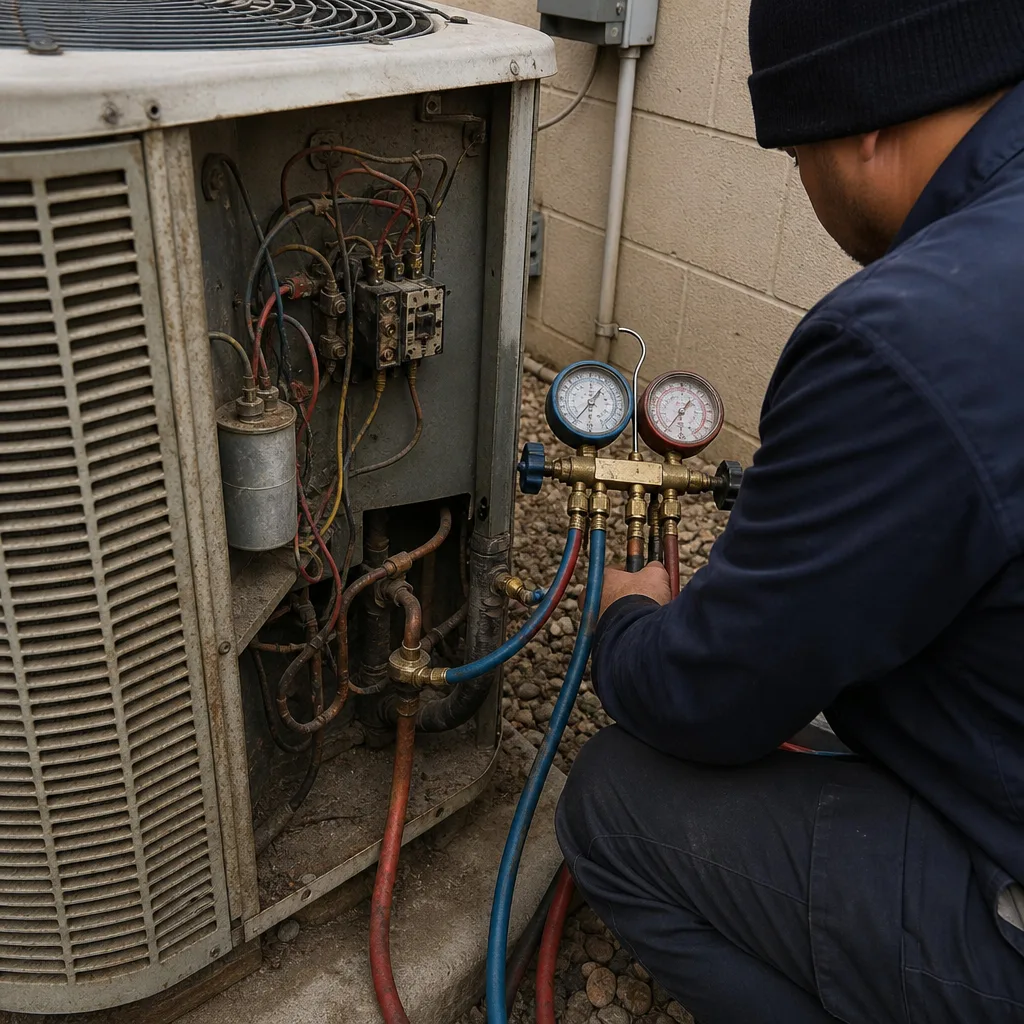 Before
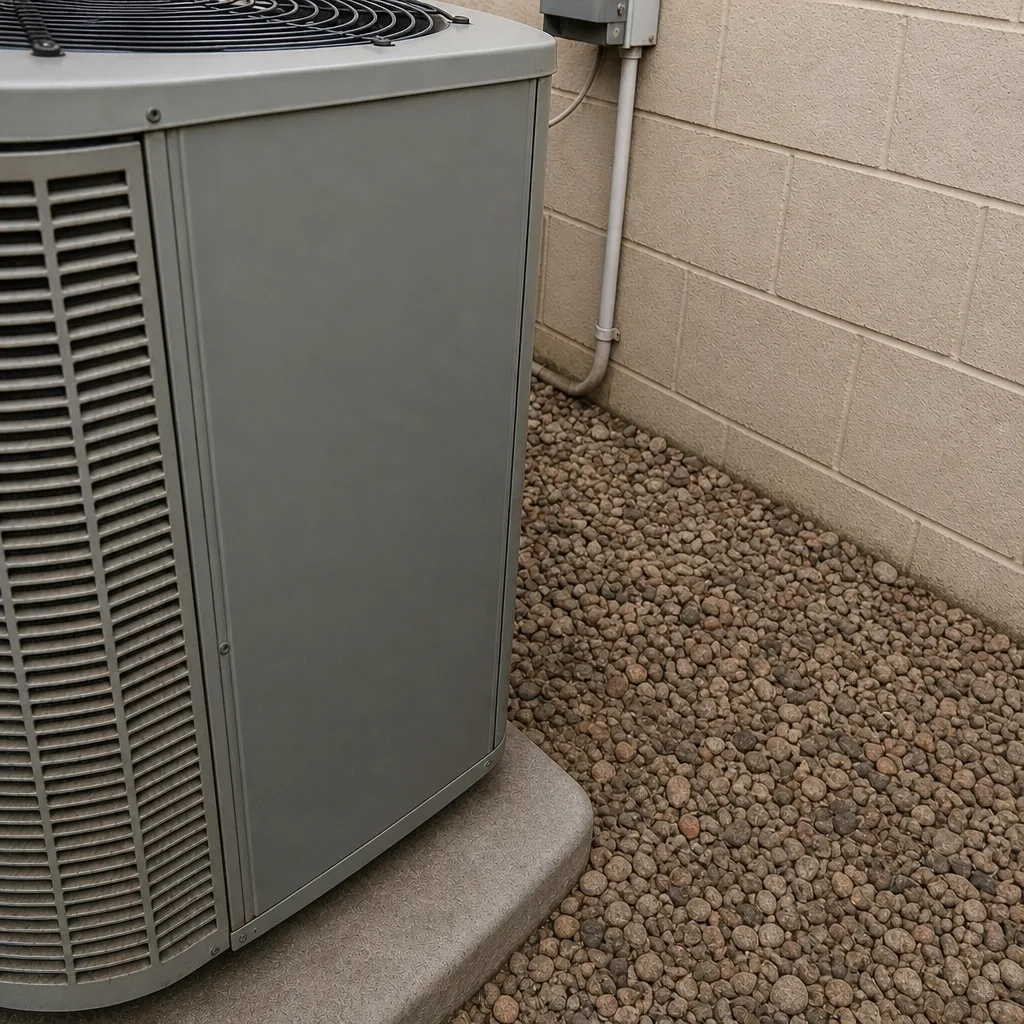 After
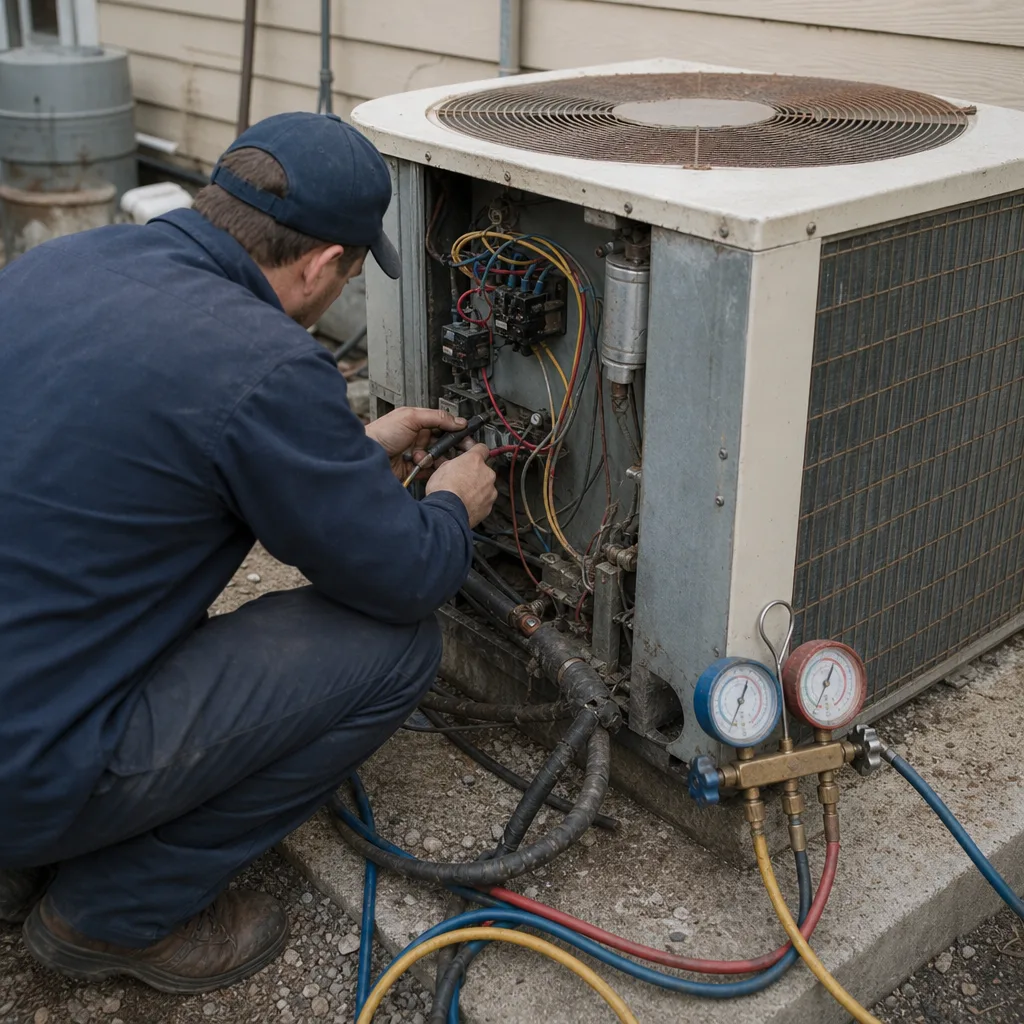 Before
 After
When to Call a Professional
Call a professional the same day for any of these: a compressor that trips the breaker more than once in a week, any burning smell near electrical components, a system that’s failed during peak heat or peak cold, or ice forming on the evaporator coil that returns within days of thawing. These aren’t “watch and see” situations. Call sooner than you think you need to if you’re running a building on a warning sign that’s moved from mild to consistent – the difference between a repair and a replacement is often only a few weeks of lead time. Refrigerant work, compressor service, and any electrical components inside the unit should be handled by a licensed technician; the voltages and pressures involved carry genuine injury risk for anyone untrained. Fireside Heating & Air Co. Winchester offers free estimates in Winchester – call (844) 783-5043. A live person answers every call, 24 hours a day, including nights, weekends, and holidays.
Frequently Asked Questions
The first reliable sign is longer runtime to setpoint – usually 15 to 20 minutes longer than the same time last season. That extra runtime means the compressor is working harder for the same result, and it is typically 60 to 90 days before more serious mechanical failure. Call (844) 783-5043 for a free estimate on a diagnostic visit.
Refrigerant loss narrows the temperature split and often shows ice on the coil while amp draw stays near normal; a failing compressor narrows the split and pushes amp draw higher. The distinction requires gauges and a licensed technician. We offer a free second opinion on any written estimate, so you can confirm the diagnosis before committing to a repair. Call (844) 783-5043.
Yes – tracking runtime, temperature split, and startup behavior on one page typically cuts diagnostic time in half. It also tends to avoid a return visit because the technician arrives with a trend to confirm rather than a story to reconstruct. If you want a baseline set this season, our $89 seasonal tune-up is a good starting point.
Repeated afternoon tripping usually means the compressor is drawing too much current when outdoor temperatures peak – often from restricted condenser airflow or a refrigerant charge problem. Winchester’s desert dust fouls condenser coils faster than humid climates do, so a coil cleaning is often the first step. Call (844) 783-5043 for a diagnostic visit – estimates are free.
At least once a year in Winchester, and twice if the building sits near open dirt or construction. The dry dust settles into the coil fins quickly, and a restricted coil raises head pressure, which shortens the compressor’s life. Call (844) 783-5043 to schedule a coil cleaning or a tune-up.
Yes, and they’re useful because home systems don’t have a control system broadcasting alerts. Rising runtime, narrowing temperature split, new sounds, and repeated breaker trips are all worth a call. We answer the phone 24/7, including the 2 a.m. no-cool call. Call (844) 783-5043 for a free estimate.
The Bottom Line
Commercial HVAC failures announce themselves weeks before they happen, and the announcement is quiet: a longer morning startup, a narrower temperature split, higher amps, a new sound, a head pressure alert showing up at 3 p.m. Owners in Winchester who track those three numbers against a baseline catch the warning window and get a repair; owners who don’t usually cross it during peak heat and get a two-day emergency. The log takes ten minutes a week. The symptoms to act on now are ice on the coil, repeated breaker trips, and any burning smell. The rest gives you time to schedule the call instead of making it. Every job we do is backed by the 90-Day Done Right Promise – done right, or we make it right – and the price we quote is the price you pay.
If your building is showing any of these signs, don’t wait for the failure. Call Fireside Heating & Air Co. Winchester at (844) 783-5043 for a free estimate. A live person answers every call, every day, every hour.
Written by the team at Fireside Heating & Air Co. Winchester.