
Last updated November 18, 2026
 Heat pumps
 AC repair
 Furnace & heating
 Ductless mini splits
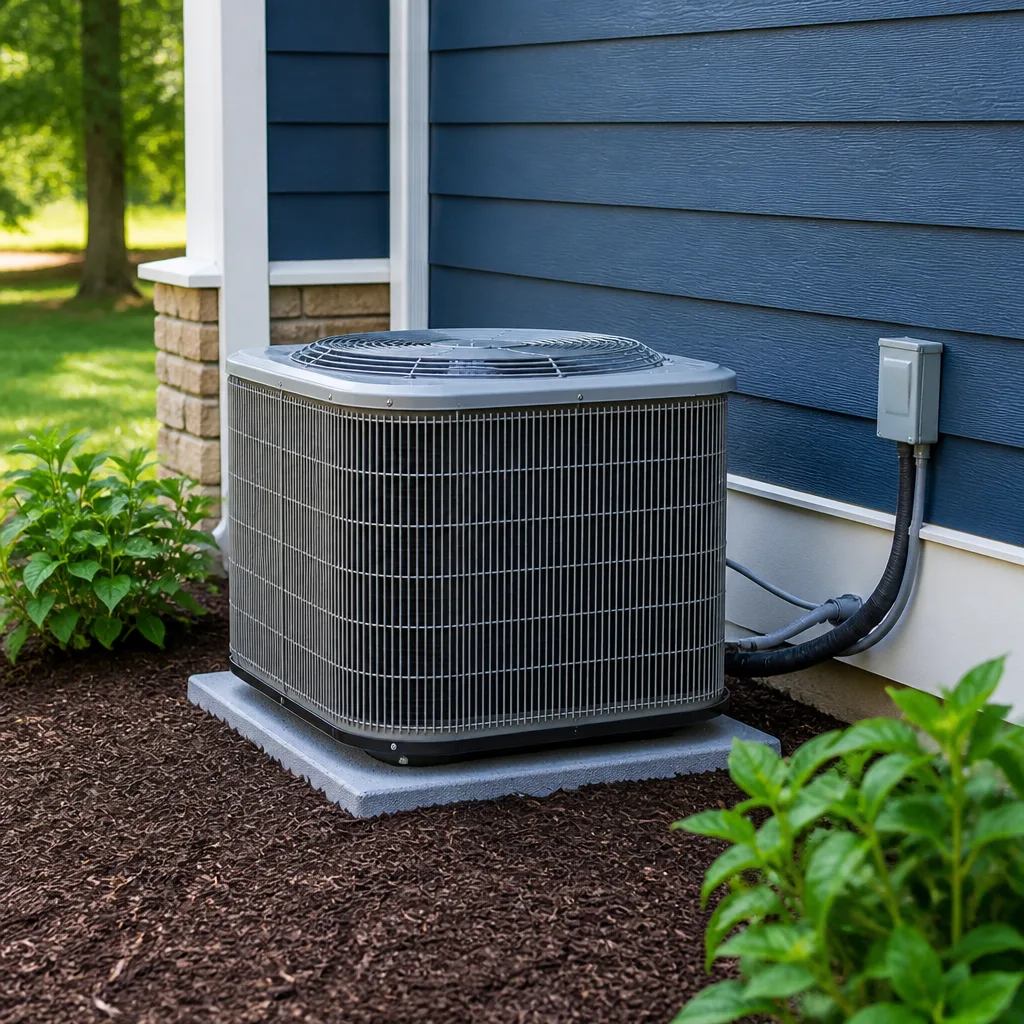 Carrier
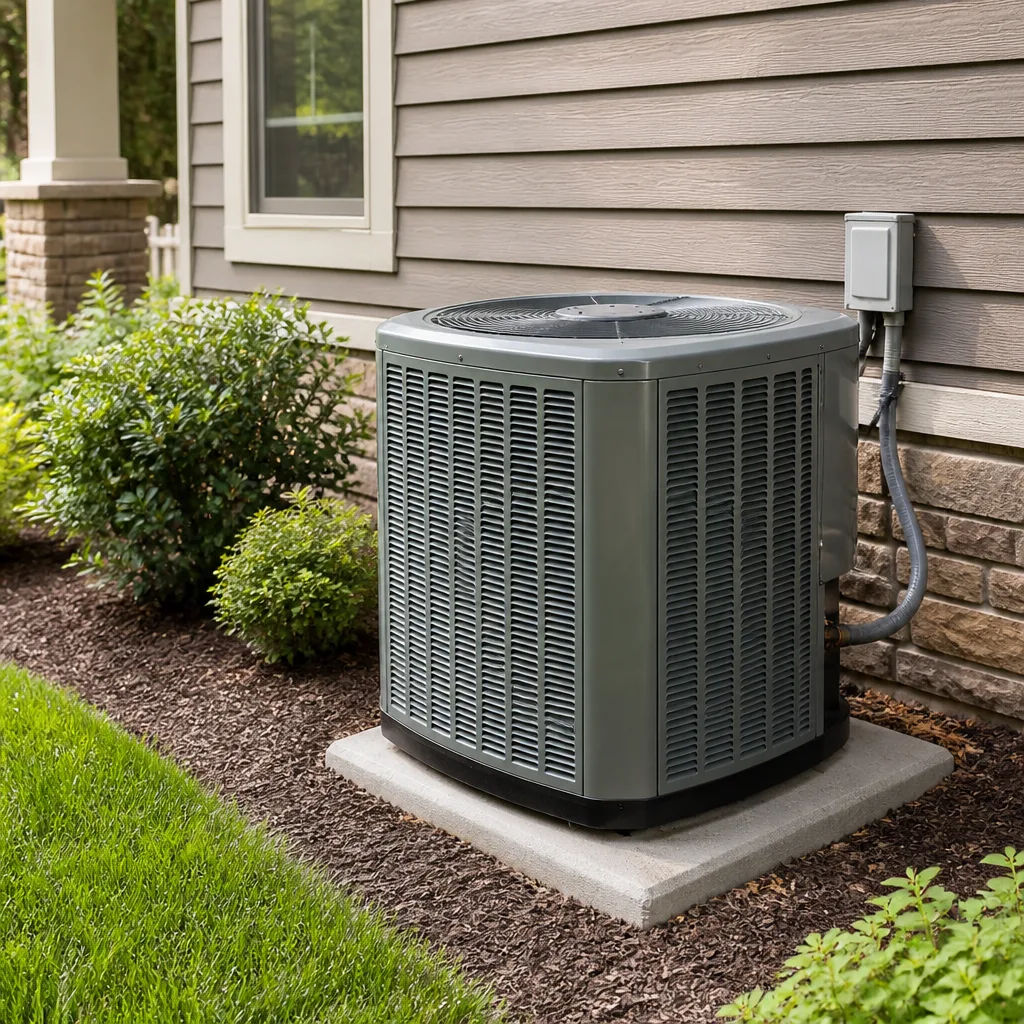 Trane
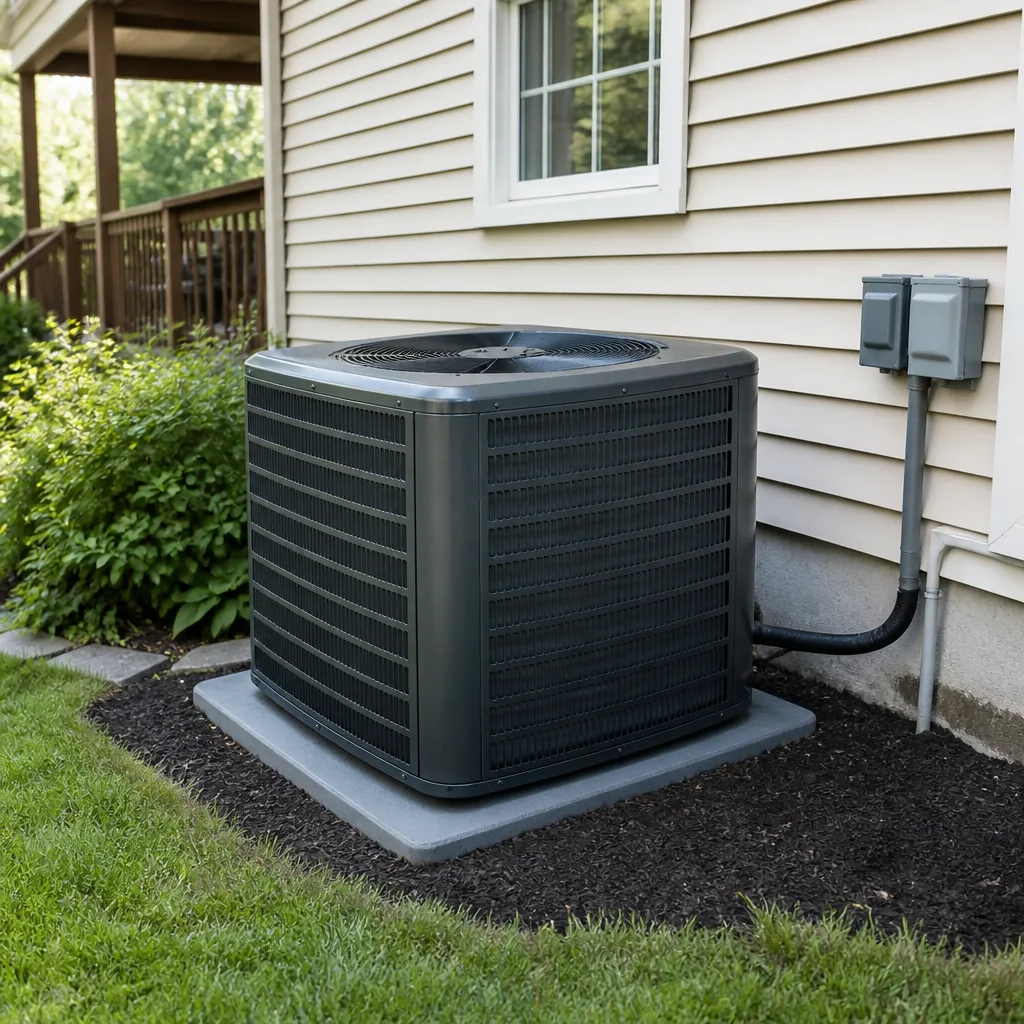 Goodman
Seasonal tune-up and full diagnostic on your Carrier, Trane, or Goodman system - readings shown to you before any repair is proposed
Diagnosis first, numbers second - you approve the repair price before a single part goes in.
Get your free estimateHeat Pump & Mini Split Warning Signs Every Homeowner Should Know
A heat pump that smells faintly of burning on the first run of the season is usually burning off dust – the same smell in February, two months into heating season, is a different conversation entirely. That gap between “normal” and “something changed” is where most expensive repairs hide. Heat pumps and mini splits give off specific, identifiable signals before they fail, but nobody ever tells homeowners what normal operation looks, sounds, and smells like. So when something drifts, it’s easy to miss. This guide sets the baseline first, then explains what the deviations actually mean. If you live in Winchester, where summer afternoons push past 100°F and winter mornings can dip below freezing, that baseline matters more than it does in milder climates.
Quick Answer
The most reliable heat pump and mini split warning signs are a change from your system’s normal pattern: ice on the outdoor unit in heating season, hissing or bubbling near refrigerant lines, oil residue at fittings, one zone failing while others hold, breakers that trip more than once, or a burning smell that shows up mid-season rather than on the first run. Any single one of those is a reason to schedule service before the problem compounds. A burning smell at the electrical disconnect, or a breaker that trips immediately after reset, means shut the system off and call for emergency service now.
Styles & brands we work with
- AC repair
- Furnace & heating
- Heat pumps
- Ductless mini splits
- Carrier
- Trane
- Goodman
Table of Contents
- What Normal Actually Looks, Sounds, and Smells Like
- Seasonal Cycling Patterns That Are Completely Normal
- Refrigerant Loss: The Signs That Point to a Leak, Not a Dirty Filter
- Compressor Struggling vs. Reversing Valve Sticking
- Multi-Zone Warning Signs: When One Room Fails and Others Hold
- Electrical Warning Signs You Can Safely Observe
- Schedule-a-Service vs. Shut-It-Off-Now
- Common Mistakes to Avoid
What Normal Actually Looks, Sounds, and Smells Like
You can’t spot a problem if you don’t know what a healthy system does. Before anything else, spend a week paying attention to your heat pump or mini split in Winchester. Note the sounds at startup, the rhythm of cycling, and any smells that come and go. Here’s what normal looks like, season by season.
Normal in heating season (roughly November through March in Winchester):
- A low, steady hum from the outdoor unit, with a slightly louder compressor note on colder mornings. That’s the system working harder as outdoor temps drop.
- Periodic defrost cycles. The outdoor unit runs in reverse briefly, steam may rise, and a small puddle forms below it. This happens every 30 to 90 minutes in cold, damp weather and is a sign the system is protecting itself.
- A faint dusty smell on the first few runs of the season. That’s dust burning off the heat exchanger. It should fade within a day or two.
- Air from the vents that feels warm but not hot – heat pumps deliver air around 90°F to 100°F at the register, not the 120°F a gas furnace puts out. That’s normal and not a sign of weakness.
Normal in cooling season (June through September):
- A steady indoor fan with a slight hiss of air at the registers, and an outdoor unit that cycles on and off in 10 to 20 minute runs.
- Condensation dripping from the outdoor unit and from the indoor drain line. In Winchester’s dry summer air, the drain line may look less active than you’d expect – that’s also fine.
- A soft click from the indoor unit when the thermostat calls for cooling.
If you can describe your system’s normal, you’ll notice the day it changes. That’s the entire point.
Seasonal Cycling Patterns That Are Completely Normal
Homeowners in Winchester call us most often in the shoulder seasons – April and October – when cycling gets irregular and they worry something’s wrong. Usually it isn’t. Understanding the pattern saves you a service call and, more importantly, helps you tell real trouble from normal behavior.
What “normal cycling” means by season
- Mild spring and fall (60s and 70s outside): Longer, slower cycles and more frequent on-off runs. The system has very little work to do, so it cycles in shorter bursts. Ten to 15 minute runs with 10 minute pauses are normal.
- Peak summer (100°F+ afternoons): Longer runs, often 20 to 30 minutes, with short pauses. The system is working hard. Constant running on the hottest afternoon of the year is normal; constant running on a mild afternoon is not.
- Cold winter mornings near freezing: The longest runs of the year, sometimes 30 to 45 minutes, plus periodic defrost cycles. Expect the outdoor unit to stop and steam.
- Very cold mornings (below 25°F): Some heat pumps switch to auxiliary or emergency heat, which is a different, hotter air from the vents. That’s the system using backup, not failing.
The rule of thumb we give Winchester homeowners: if your system cycles exactly the same way it did last month in the same weather, it’s normal. If the pattern changed with the weather unchanged, that’s when to look closer.
Refrigerant Loss: The Signs That Point to a Leak, Not a Dirty Filter
“It’s not cooling well” is the complaint we hear most, and it’s almost useless on its own. A dirty filter, a failing capacitor, a stuck contactor, and a refrigerant leak all present as weak cooling – but they have very different fixes and very different price tags. Here’s how to tell a leak from the rest.
Signs that specifically point to refrigerant loss:
- Ice on the outdoor unit in heating season. A little frost during defrost is normal; a solid block of ice that doesn’t clear after 15 minutes is not. That’s usually low refrigerant or a defrost board failure.
- Ice on the indoor coil or the small copper line at the air handler. In cooling season, frost on the small line means the system is starved of refrigerant. A dirty filter can cause similar frost – but if you’ve changed the filter recently and the frost is back, suspect a leak.
- Oil residue or dark streaks at the brass fittings and flare nuts on the outdoor unit or at the indoor air handler. Refrigerant oil travels with the charge, so a pinhole leak leaves an oily trace at the joint. This is the single most reliable visual clue.
- Hissing or bubbling at the line set. A hiss at startup can be normal; a steady bubbling or gurgling near the fittings is not. That’s refrigerant escaping as a gas or bubbling through oil.
- Cooling that fades over weeks, not hours. A slow leak shows up as gradual loss of capacity over a season. A sudden failure is usually electrical, not refrigerant.
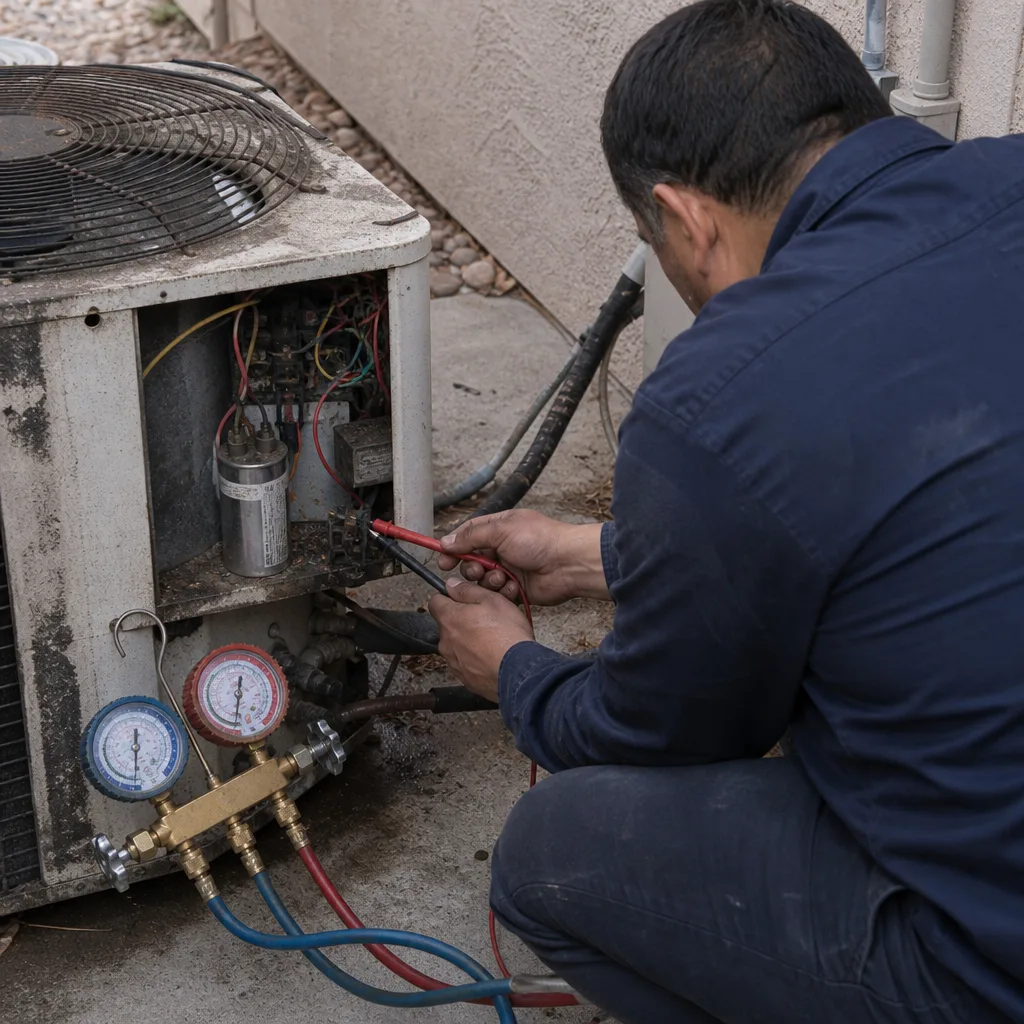
In Winchester, we see more refrigerant loss in mini splits installed in the late 2000s and early 2010s, where the flare joints at the indoor heads have worked loose from years of thermal expansion. Add a technician to the picture: refrigerant work requires EPA certification and a manifold gauge set. This is not a homeowner repair.
Compressor Struggling vs. Reversing Valve Sticking
Both of these present as “the system won’t heat” or “the system won’t cool.” Both are serious. But they’re different failures with different urgency and very different repair costs, and homeowners deserve to know the difference before the technician arrives.
Signs the compressor is struggling
- A loud, grinding, or metallic rattle from the outdoor unit, especially at startup.
- The outdoor unit tries to start, hums for a few seconds, then clicks off. This can repeat every few minutes.
- Warm air from the vents in cooling season (or cool air in heating season) with no other obvious cause.
- A breaker that trips when the compressor tries to start, but stays set otherwise.
A struggling compressor is often failing, and a failing compressor is usually a replacement, not a repair. On a system past 12 to 15 years old, this is the moment to have a straight conversation about repair versus replace – we cover that below.
Signs the reversing valve is sticking
- The system runs, the compressor runs, but the air from the vents is neither warm nor cool – it’s roughly room temperature in both modes.
- Heating works but cooling doesn’t, or cooling works but heating doesn’t, with no other symptom.
- A soft “thunk” or “clack” that used to happen at the start of a heating or cooling cycle now doesn’t.
A sticking reversing valve can often be repaired or the solenoid replaced, and it’s typically less expensive than a compressor replacement. It’s also less urgent – you can usually limp through a few days while a part is ordered. A struggling compressor is more urgent, especially in a Winchester July, because a failed compressor can take the whole system with it.
We work on Carrier, Trane, Lennox, and American Standard systems routinely, and the diagnostic path is the same brand to brand. If you want the full picture on what repair versus replacement looks like in practice, our Heat Pump & Mini Split in Winchester page walks through the decision in detail.
Multi-Zone Warning Signs: When One Room Fails and Others Hold
Multi-zone systems – one outdoor unit feeding several indoor heads – fail in a specific way that whole-house systems don’t. The key skill is noticing which zones are affected, because that tells you almost everything about where the problem lives.
One zone weak, others normal: This points to the indoor head, its line set, or its flare fittings. Common causes are a clogged filter in that head, a blocked condensate drain, a loose flare, or a failed zone valve. A refrigerant leak in one line set also causes one-zone failure. The outdoor unit and compressor are likely fine.
Two or three zones weak, one or two normal: This often points to the branch box, a partially failed reversing valve, or a leak in the main line set that feeds the branch. It’s more serious than one-zone failure and typically needs the technician on site with gauges.
All zones weak: This is a system-level problem – low refrigerant charge, a failing outdoor compressor, or an electrical fault. Treat it as urgent.
In Winchester’s older mini-split installations (the ones we see in Sun City and the established neighborhoods off Buffalo Drive), the most common cause of one-zone failure is a clogged condensate line combined with a dirty head filter. Those get fixed in a single visit. The most common cause of multi-zone failure is refrigerant loss at the branch box – which needs a full leak search and recharge.
Electrical Warning Signs You Can Safely Observe
You should never open an electrical panel or the disconnect box on your own. High voltage there can kill. But you can safely observe several electrical symptoms from outside the equipment, and knowing which ones to watch for helps you describe the problem accurately when you call.
Safe to observe, worth noting
- Breaker trips once every few months: Note it and mention it at your next service. May be a marginal capacitor, a worn breaker, or an unrelated load on the circuit.
- Breaker trips repeatedly (twice or more in a month): Schedule service soon. Something is drawing too much current.
- Lights dim or flicker briefly when the system starts: This can be normal on older wiring with a large compressor startup, but if it’s new or getting worse, mention it.
- A faint buzz or hum from the outdoor unit that you didn’t hear last year: Worth having a technician check the contactor and capacitor.
Safe to observe, act now
- A burning smell from the outdoor unit or the indoor air handler mid-season: Shut the system off at the thermostat and call for emergency service. This is not normal, and it’s not dust burn-off.
- A burning smell, smoke, or visible scorching at the outdoor disconnect box: Turn off the breaker at the panel from a safe distance if you can reach it without touching anything hot or wet. Call for emergency service.
- A breaker that trips immediately every time you reset it: Stop resetting it. Leave it off and call for emergency service.
- A buzzing or vibrating sound coming from the wall near the breaker panel that started after a trip: Same rule – leave the breaker off and call.
If any of those last four are happening, our phones are answered by a live person 24 hours a day, including the 2 a.m. no-heat call. Call (844) 783-5043 and describe exactly what you saw and heard.
Schedule-a-Service vs. Shut-It-Off-Now
The most useful thing this guide can do is draw a clean line between “call us this week” and “turn it off and call us right now.” Here’s the line.
Schedule a service call in the next week:
- Gradual loss of capacity over weeks.
- A one-zone failure on a multi-zone system with other zones normal.
- Ice on the outdoor unit in heating season that clears on defrost.
- A slow breaker trip (once a month or less).
- Hissing at line set fittings with no ice and normal operation otherwise.
- Mild noise changes or new hum from the outdoor unit.
Shut it off and call for emergency service now:
- Burning smell from any part of the system, mid-season.
- A breaker that trips immediately on reset, every time.
- Visible smoke, scorching, or sparks from the outdoor unit or disconnect.
- A loud grinding or metallic noise from the compressor with loss of function.
- Complete loss of heating in freezing weather or cooling in an extreme heat event, especially in a home with elderly residents or anyone with a medical condition.
If it’s the second list, don’t troubleshoot. Don’t reset the breaker a third time. Call. Our technicians have up to 8 years of experience and we’ll walk you through safely shutting the system down while a technician heads your way.
Common Mistakes to Avoid
- Resetting the breaker more than once. A breaker that trips twice in quick succession is telling you something. Resetting it a third time can turn a $180 repair into a $1,200 one – or worse, start a fire inside the outdoor unit.
- Assuming “not cooling” means low refrigerant. In Winchester, we see this most in July. Dirty filters, blocked coils, and failing capacitors cause the same symptom and cost far less to fix. A technician with gauges can tell you in 20 minutes which it is.
- Running the system with ice on the outdoor unit. Ice on the outdoor unit in heating season that doesn’t clear on defrost is not something to wait out. Run it and you risk a compressor. Shut it off and call.
- Cleaning the indoor coil with household chemicals. Coil cleaners are specific products. Using the wrong one on a mini split head in a bedroom or living room can leave a lingering smell and void the panel seals.
- Ignoring one-zone failure on a multi-zone system. A single weak zone is the easiest multi-zone problem to fix and the most expensive to ignore. Caught early, it’s often a filter and a clean. Caught late, it can mean a new branch box.
- Chasing the cheapest service call. We say this plainly: heat pump diagnostics need gauges, a meter, and time. A $49 “special” usually means the technician finds the problem and sells you a replacement. Upfront pricing – the price quoted is the price paid – is the better baseline.
- Waiting for the first cold snap to schedule a tune-up. In Winchester, the first freezing week of the year floods every HVAC phone line in the valley. A tune-up in October costs less and gets scheduled sooner than an emergency call in December.
See the difference
 Before
 After
 Before
 After
 Before
 After
When to Call a Professional
Call a professional for anything that involves refrigerant, electrical components inside the equipment, a compressor, a reversing valve, or a controller board. Those are not homeowner jobs, and trying to handle them typically makes the repair more expensive and less safe. Call us also for anything on the “shut it off now” list above – burning smells, repeated breaker trips, smoke, or a grinding compressor. Those are the situations where waiting a day genuinely matters. For routine seasonal maintenance, a tune-up in the off-season is the cheapest way to catch problems before they become repairs. Fireside Heating & Air Co. Winchester offers free estimates in Winchester – call (844) 783-5043. Our technicians have up to 8 years of experience, we work on nine major brands including Carrier, Trane, Lennox, and American Standard, and every job is backed by our 90-Day Done Right Promise – if it’s not done right, we make it right, in writing, no arguing.
Frequently Asked Questions
A faint burning smell on the first run of the season is almost always dust burning off the heat exchanger and it fades within a day or two. If the same smell shows up in the middle of heating season – January or February – shut the system off and call us. Mid-season burning smells point to a failing component, not dust.
No. A light frost that clears within 10 to 15 minutes during a defrost cycle is normal, especially on a cold Winchester morning. A solid block of ice that doesn’t clear, or ice that appears on the indoor coil, means something is wrong. Shut the system off and call for service – call (844) 783-5043 for a free estimate on the repair.
Most heat pump repairs in Winchester run between $180 and $650, with refrigerant leak searches and compressor work at the higher end. Reversing valve repairs typically land in the $400 to $800 range depending on the part. We quote upfront, and the price quoted is the price paid – call (844) 783-5043 for an exact quote on your system.
Yes, and slowly. A slow leak shows up as a gradual loss of capacity over a season, and often leaves an oily residue at the brass fittings. If you smell a faint hiss at startup or see oil streaks on the line set, that’s a reason to schedule a leak search – not to add refrigerant and hope. Our team is EPA-trained and carries the gauges to find the leak the first time.
Probably not. One weak zone with the others normal usually points to the indoor head, its filter, its condensate drain, or its flare fittings – not the outdoor compressor. That’s a one-visit fix in most cases. Call (844) 783-5043 and describe which zones are affected; we’ll bring the right parts on the first trip.
On a system past 12 years old with a compressor or reversing valve problem, replacement usually pencils out – you’ll spend less over the next five years than you would on two or three major repairs. On a system under 10 years old with a refrigerant leak or a failing capacitor, repair is almost always the right call. We give a straight answer either way, and if you have a written estimate from another company, our second opinion is free. Call (844) 783-5043 and we’ll walk through it honestly.
The Bottom Line
Heat pumps and mini splits tell you what’s coming if you know what normal looks like first. Dusty smell on the first cold run is the system warming up; the same smell in February is the system telling you something failed. Ice that clears on defrost is fine; ice that stays is a leak. One weak zone is a filter or flare; every zone weak is a system problem. Breakers trip once in a while for mundane reasons – twice in a month is a request for service. Those distinctions save Winchester homeowners real money and, in the case of burning smells and repeated breaker trips, real risk. Learn your system’s normal. Pay attention when it changes. Call us when it does.
We’ve been doing this work in Winchester for over 42 years, and we still answer the phone with a live person, 24 hours a day, every day of the year. Fireside Heating & Air Co. Winchester home is where to start if you want to see everything we do, and if your system is telling you something right now, call (844) 783-5043 for a free estimate.
For a closer look at the other side of the equation – routine service that keeps a healthy system healthy – the team at AC Repair & Installation in Winchester and Heating & Furnace in Winchester handles those calls every week. Our standing offers are simple: $50 off any repair over $250, a free second opinion on any written estimate, an $89 seasonal tune-up, and a permanent 5% senior and veteran discount.
Written by the team at Fireside Heating & Air Co. Winchester.