
Last updated November 18, 2026
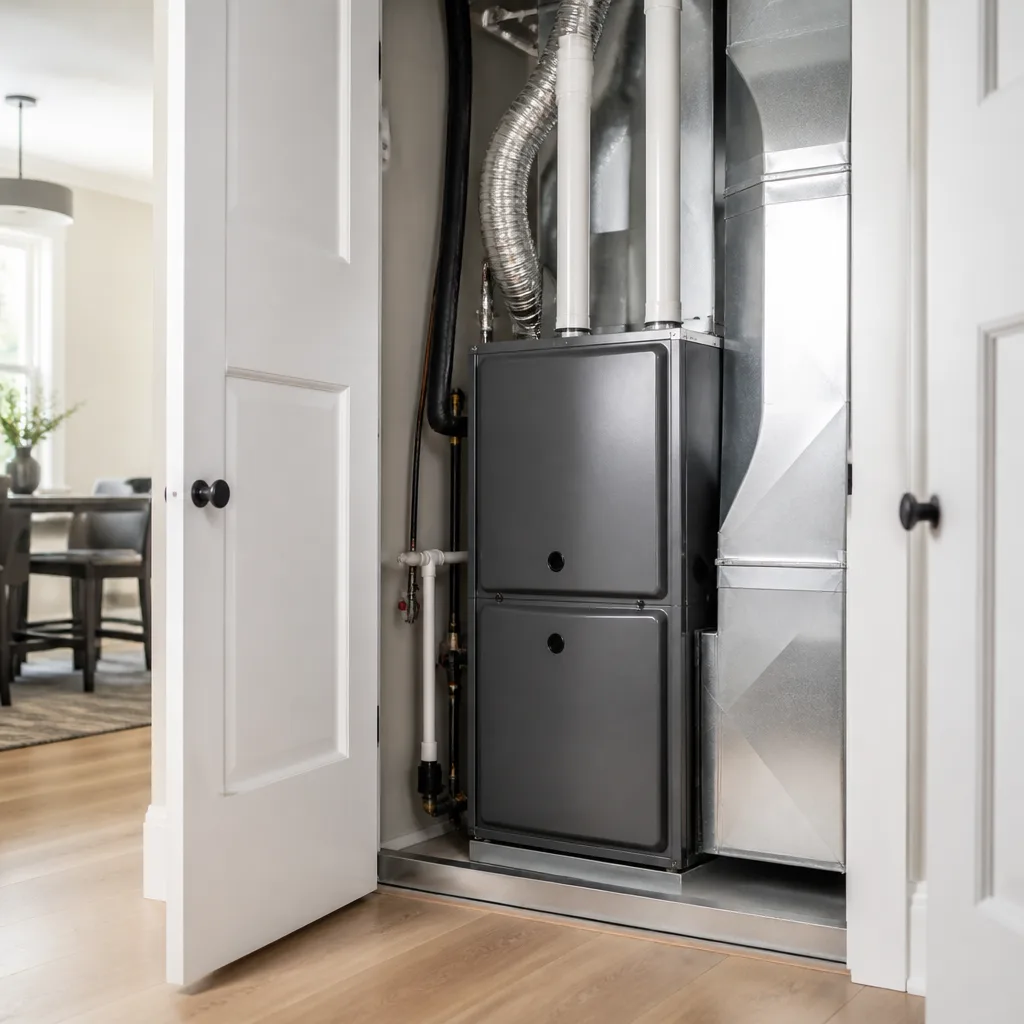 Furnace & heating
 AC repair
 Heat pumps
 Ductless mini splits
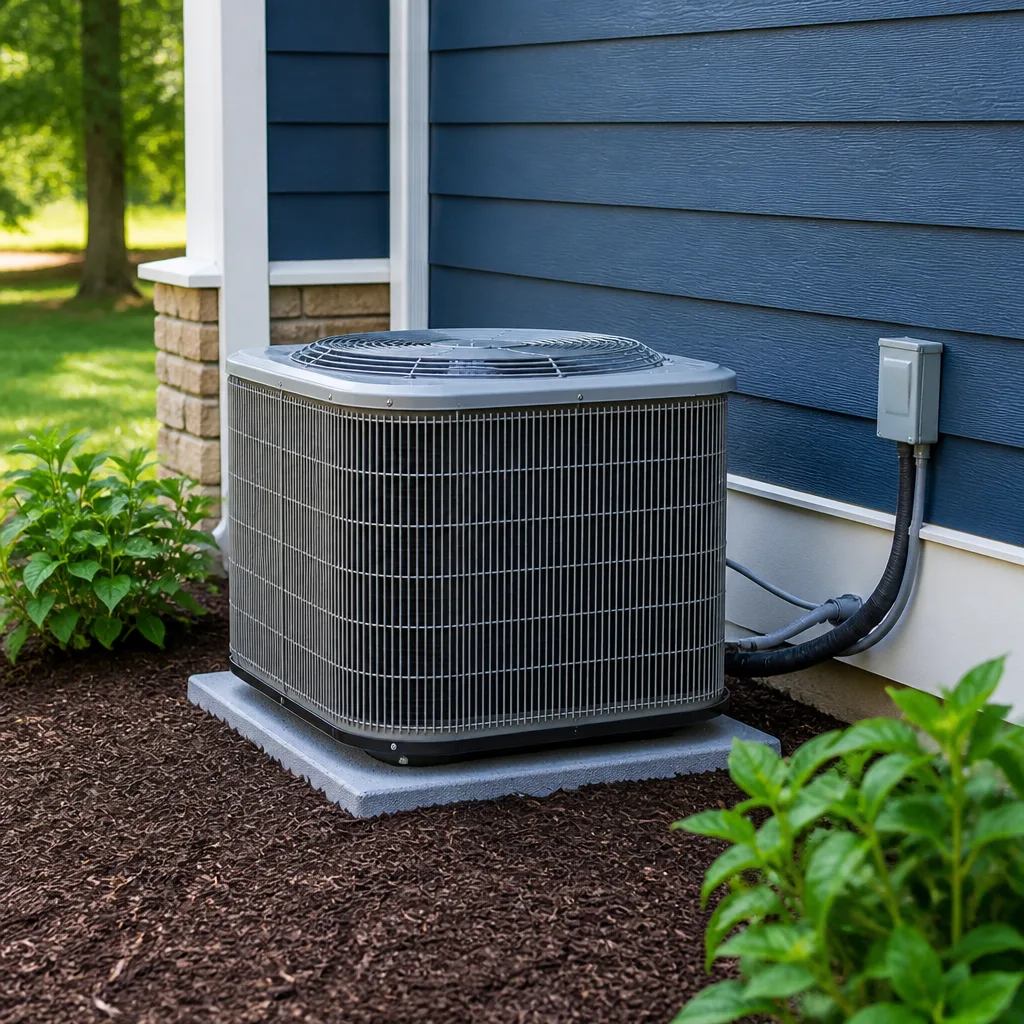 Carrier
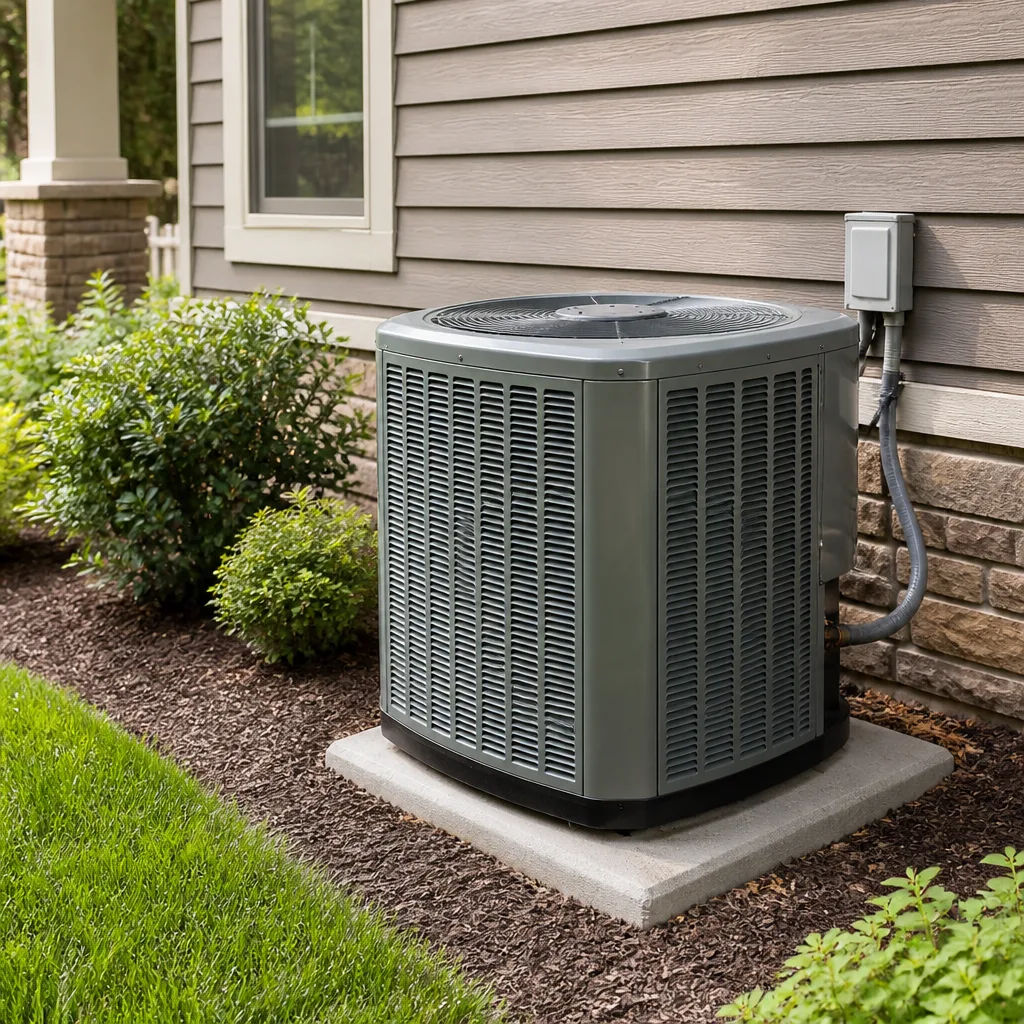 Trane
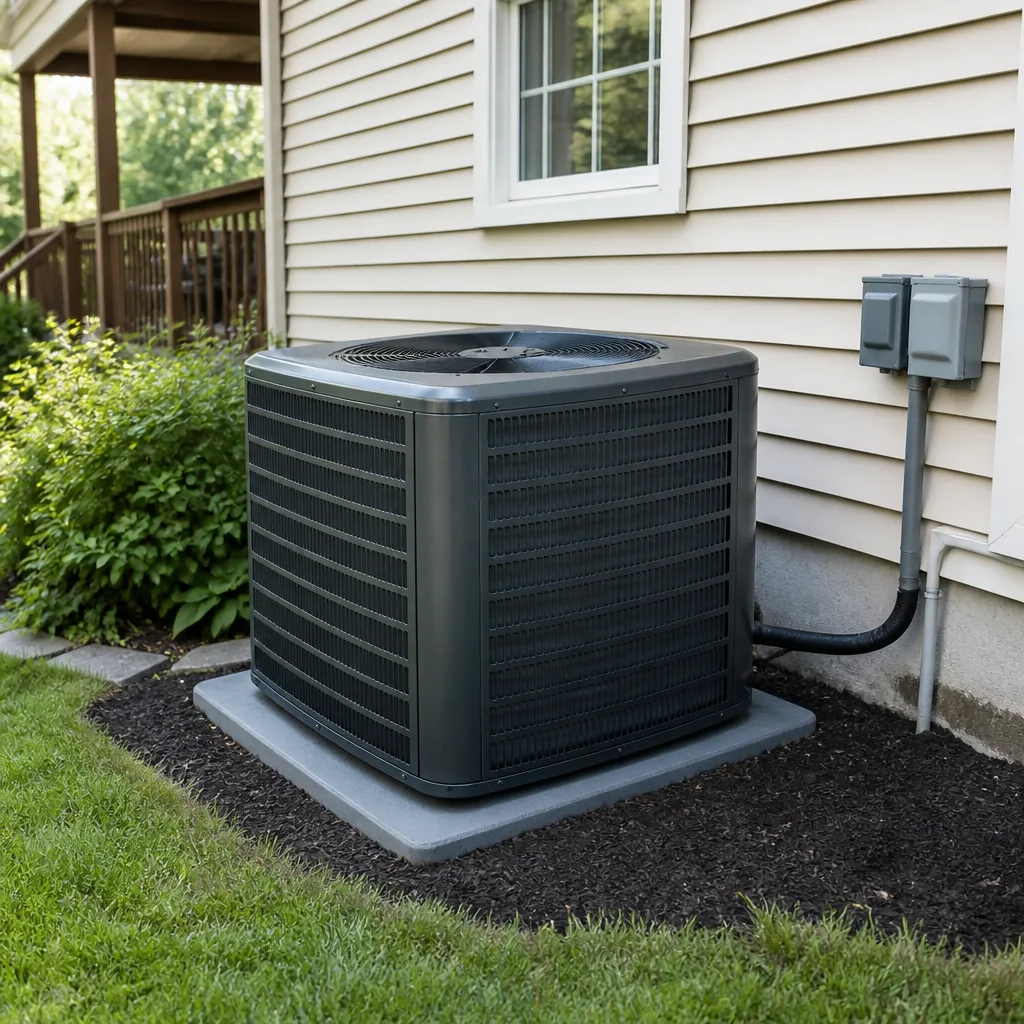 Goodman
Seasonal tune-up and full diagnostic on your Carrier, Trane, or Goodman system - readings shown to you before any repair is proposed
Diagnosis first, numbers second - you approve the repair price before a single part goes in.
Get your free estimateHeating & Furnace Warning Signs Every Homeowner Should Know
By the time a furnace starts banging or cycling off, it has usually been signaling trouble for 30 days or more through signs most homeowners walk past every morning. That is the part of furnace trouble nobody talks about. The dramatic stuff – the rattle, the shutdown, the cold house in January – is the end of the story, not the beginning. The beginning is quieter: one room that never quite catches up, a burner that runs a few minutes longer than it did last November, a flame that isn’t the color it should be. This guide walks you through what to watch for in a Winchester home, how to tell the early signals from the late ones, and when a warning sign means “schedule a tune-up” versus “call today” versus “get everyone outside.”
Quick Answer
Most failing furnaces show warning signs about 30 days before they quit, and the earliest signals are quiet: uneven room temperatures, slightly longer run cycles, a faint smell on startup, or a flame that isn’t a steady blue. The dramatic signs everyone knows – loud banging, repeated shutdowns, a yellow flame, or a carbon monoxide alarm – are late-stage. Catching the quiet signs turns an emergency replacement into a planned repair, and in a Winchester winter that difference matters.
Styles & brands we work with
- AC repair
- Furnace & heating
- Heat pumps
- Ductless mini splits
- Carrier
- Trane
- Goodman
Table of Contents
- Tier One Warning Signs: The Quiet Clues You Walk Past
- Tier Three Warning Signs: When It’s Already an Emergency
- The Cracked Heat Exchanger: What a Homeowner Can Actually See
- A Safe Visual Check at the Furnace Cabinet
- Why Winchester Furnaces Fail in October and November
- Tune-Up, Call Today, or Leave the House: Sorting Out Urgency
- Repair or Replace: Reading the Signs Together
- Common Mistakes to Avoid
- When to Call a Professional
Tier One Warning Signs: The Quiet Clues You Walk Past
Tier one signs are the ones you notice only if you’re paying attention. They don’t announce themselves. They accumulate. And in our experience, they show up weeks before the furnace actually fails, which is exactly why they’re worth learning.
Here is what tier one looks like in a typical Winchester home:
- One room runs cooler than the rest. If the bedroom over the garage or the far end of the hallway never quite gets warm, the furnace may be losing efficiency before it loses function. It’s still heating – just not evenly.
- Run cycles stretch by a few minutes. If your furnace used to heat the house in 12 minutes and now it runs for 18, it’s working harder to do the same job. That’s a classic early sign of a dirty burner, a failing inducer, or a blower that’s slowing down.
- A faint smell at startup. A little dust burn-off on the first cold day is normal. A recurring smell – musty, oily, or slightly acrid – every time the furnace fires up is not.
- Higher gas bills without a colder winter. If your usage climbs 10% to 15% year over year and the weather’s been similar, the furnace is losing efficiency somewhere.
- A heat register that feels weak. Strong airflow at the vent closest to the furnace but weak at the far end can signal a blower issue or duct leakage that’s getting worse.
None of these means the furnace is about to die tomorrow. They mean it’s drifting. A tune-up at $89 from Fireside Heating & Air Co. Winchester often catches tier one problems before they turn into tier two or three. For a deeper look at how heating and furnace service in Winchester works, we’ve got a full breakdown on what a proper service visit involves.
Tier Three Warning Signs: When It’s Already an Emergency
Tier three signs are the ones people actually call about. By the time these show up, the furnace isn’t warning you anymore – it’s failing. Here’s what belongs in that category:
- Loud banging, booming, or metallic rattling during startup or operation. Often a sign of delayed ignition, a loose blower wheel, or worse.
- Repeated shutdowns. The furnace fires, runs a few minutes, shuts off, repeats. That’s a lockout cycle and it usually means a safety switch or flame sensor is tripping.
- A yellow or flickering flame instead of a steady blue one. This is a combustion problem and can be a carbon monoxide concern.
- Soot streaks, black residue, or scorching on or around the furnace cabinet.
- A carbon monoxide alarm going off. Leave the house. Call from outside.
- No heat at all and the thermostat is calling for it.
The trouble with tier three signs is what they cost. A tier-one repair in Winchester often runs a modest, planned amount. A tier-three emergency – especially after hours or on a holiday weekend – is a same-day must-do with fewer options. That’s the whole point of catching the quiet signs. Fireside answers the phone around the clock, even at 2 a.m., so if you’re staring at a cold house tonight, call us. But if you’re reading this in September, keep reading.
The Cracked Heat Exchanger: What a Homeowner Can Actually See
This is the part where straight talk matters. A cracked heat exchanger is a serious safety issue. It’s the metal chamber that separates the combustion gases from the air you breathe. When it cracks, carbon monoxide can enter the airstream, and that’s why we treat it as a “call today” situation, not a “wait and see.”
Here’s the part most guides skip: a cracked heat exchanger does not always set off a CO alarm right away. A small crack can leak a small amount of carbon monoxide that stays below the alarm threshold for weeks or months while you and your family are being exposed. That’s why we don’t rely on the detector alone as our safety check. A professional inspection with a combustion analyzer catches what the alarm misses.
What a homeowner can watch for at the furnace itself, from a safe distance and without touching anything:
- A yellow or orange flame instead of blue. Color is the single best visual indicator.
- Soot on the front of the burners or inside the cabinet. Black smudges around the burner area usually mean incomplete combustion.
- Moisture or rust on the flue or cabinet that keeps coming back, even when the furnace isn’t running.
- Recurring headaches, nausea, or dizziness in the household that seem to clear when people leave the house. This is a red flag and a reason to ventilate and call us now, not tomorrow.
If you suspect anything on that list, stop using the furnace and get everyone out of the house before you make any decisions. We’ll come and diagnose it. There’s no charge for a second opinion on any written estimate, so if another company has already told you the heat exchanger is cracked, we’re glad to confirm it in person.
A Safe Visual Check at the Furnace Cabinet
You don’t need to open panels or touch any mechanical parts to learn something useful about your furnace. There’s a safe inspection a homeowner can do that takes about three minutes and catches real problems. Here’s how we walk Winchester homeowners through it:
- Look at the flame through the sight glass (if your furnace has one). A healthy flame is steady, mostly blue, with a small yellow tip. A mostly yellow, orange, or flickering flame is a call-today sign.
- Check the filter slot seal. Not the filter itself – the slot it slides into. If the door or gasket doesn’t sit flush, the furnace is pulling dusty air from the basement or utility room instead of through the filter. That clogs the blower and evaporator coil faster than almost anything else.
- Look at the condensate drain and pan if your system is a high-efficiency model. Water pooling, a drain line that’s clogged, or a rusty pan means the condensate isn’t escaping properly. Left alone, that can shut the furnace down or damage the cabinet.
- Scan the cabinet for soot, scorch marks, or rust streaks. Any of these means stop and call.
- Note the color of the flue where it leaves the cabinet. White chalky streaks or dark soot on the flue pipe mean the furnace needs professional eyes on it.
That’s the entire safe checklist. Don’t open panels, don’t disconnect the gas, don’t pull anything apart. If something on this list looks wrong, call us at (844) 783-5043 and we’ll have a background-checked technician on it.
Why Winchester Furnaces Fail in October and November
Winchester has a particular pattern we’ve seen play out hundreds of times. Furnaces sit idle through the warm months – some of them six or seven months without a single fire-up – and then October hits, the first cold front rolls in, and the furnace is asked to go from zero to running nearly around the clock in 48 hours. That’s a lot to ask of equipment that hasn’t been exercised.
What happens in that first week of heavy use:
- Dust and debris that settled in the cabinet over the summer get pulled through the system and burn off or clog sensors.
- Blower motors that sat unused sometimes seize or run hot the first few days.
- Ignitors that were fine in April crack on the first cold start.
- Condensate lines that dried out or clogged with summer dust back up when the system starts running again.
In our experience, the first two weeks of furnace season are when we get the most “no heat” calls in Winchester. And the houses where the furnace hasn’t been serviced at all since last winter are the ones that fail. A $89 seasonal tune-up in September or early October is the cheapest version of that problem. The second-cheapest is a repair in the first cold week. The most expensive is an emergency replacement in December.
If you’re not sure your system is ready, our AC repair and installation in Winchester page has the sister guide for cooling season, but for heat, the pattern is the same: catch it before the first cold snap. And if you’re considering a heat pump as a way to smooth out these seasonal stress cycles, heat pump and mini split service in Winchester covers what that switch looks like.
Tune-Up, Call Today, or Leave the House: Sorting Out Urgency
This is the distinction most guides skip. Not every warning sign means the same thing. Here’s how we sort urgency on a service call in Winchester:
Schedule a tune-up (routine, no rush)
- One room runs colder than the rest
- Faint smell at startup that fades in two or three minutes
- Gas bill up moderately with no matching weather change
- Weak airflow at far registers
- Furnace is 8 or more years old and hasn’t been serviced in over a year
Call today (not an emergency, but don’t wait)
- Repeated shutdown cycles
- Yellow or flickering flame
- Any soot or scorch marks
- Rusted condensate pan or water pooling
- A banging or booming sound at startup
- Rattling that’s getting worse over days
Leave the house and call from outside
- Carbon monoxide alarm going off
- Headaches, dizziness, or nausea that clear when you leave the house
- Smelling gas, or a strong burning smell that doesn’t fade
- Visible flame outside the cabinet or smoke coming from the unit
For the first tier, call us and get on the schedule. For the second, call us today and we’ll be there same-day. For the third, get out and dial (844) 783-5043 from the driveway. A live person answers, day or night.
Repair or Replace: Reading the Signs Together
One tier-one warning sign doesn’t mean you need a new furnace. Three or four signs together on a furnace that’s 15 years old starts to tell a different story. Here’s how we think about it:
- Under 10 years old with one or two signs: usually a repair. Catch it now with a tune-up, fix what’s actually broken, and you’ll typically get another five to eight years.
- 10 to 15 years old with three or more signs: the math starts to lean toward replacement, but it’s not automatic. We look at the cost of the repair against the cost of a replacement and the remaining life of the system.
- Over 15 years old with a serious sign (cracked heat exchanger, failed blower, or multiple failed components at once): replacement is usually the honest answer. Not because we want to sell a system, but because throwing money at a 17-year-old furnace rarely pays back.
We’re happy to talk through both options in person and put a written number in front of you either way. Our Fireside Heating & Air Co. Winchester home page has the full list of what we service, and our team is trained on all nine major brands – Carrier, Trane, Lennox, Goodman, Rheem, York, Daikin, Bryant, and American Standard – so we’re not steering you toward a specific make because that’s what we happen to carry.
Common Mistakes to Avoid
- Waiting for the loud noise. By the time the furnace bangs or cycles off, you’re already in tier three. The quiet tier-one signs are the ones worth acting on, and just about every Winchester homeowner we visit has walked past them for weeks.
- Skipping the tune-up because the furnace “ran fine last year.” A furnace that sat through a warm Winchester summer without service is not the same furnace that ran fine in February. The first cold week is when accumulated problems surface.
- Relying on the CO detector alone. A small heat exchanger crack can leak carbon monoxide below alarm thresholds for weeks. The detector is one safety layer, not the only one.
- Opening the furnace cabinet to “take a look.” There’s dangerous voltage, gas, and moving parts in there. Keep to the sight-glass, filter slot, and condensate pan. Everything else is a professional’s job.
- Chasing the cheapest repair bid. A quote that’s half the price of the others is usually half the diagnosis. A second opinion is free on any written estimate you get, so use it.
- Replacing the furnace without checking the ductwork. A brand-new furnace connected to a leaking duct system still won’t heat the room over the garage. Duct leakage is one of the most common reasons a new furnace underperforms.
- Letting the filter go three or four months. In a Winchester home running heat six months a year, a filter change every 30 to 60 days during heating season is the cheapest thing you can do to protect the blower and burner.
See the difference
 Before
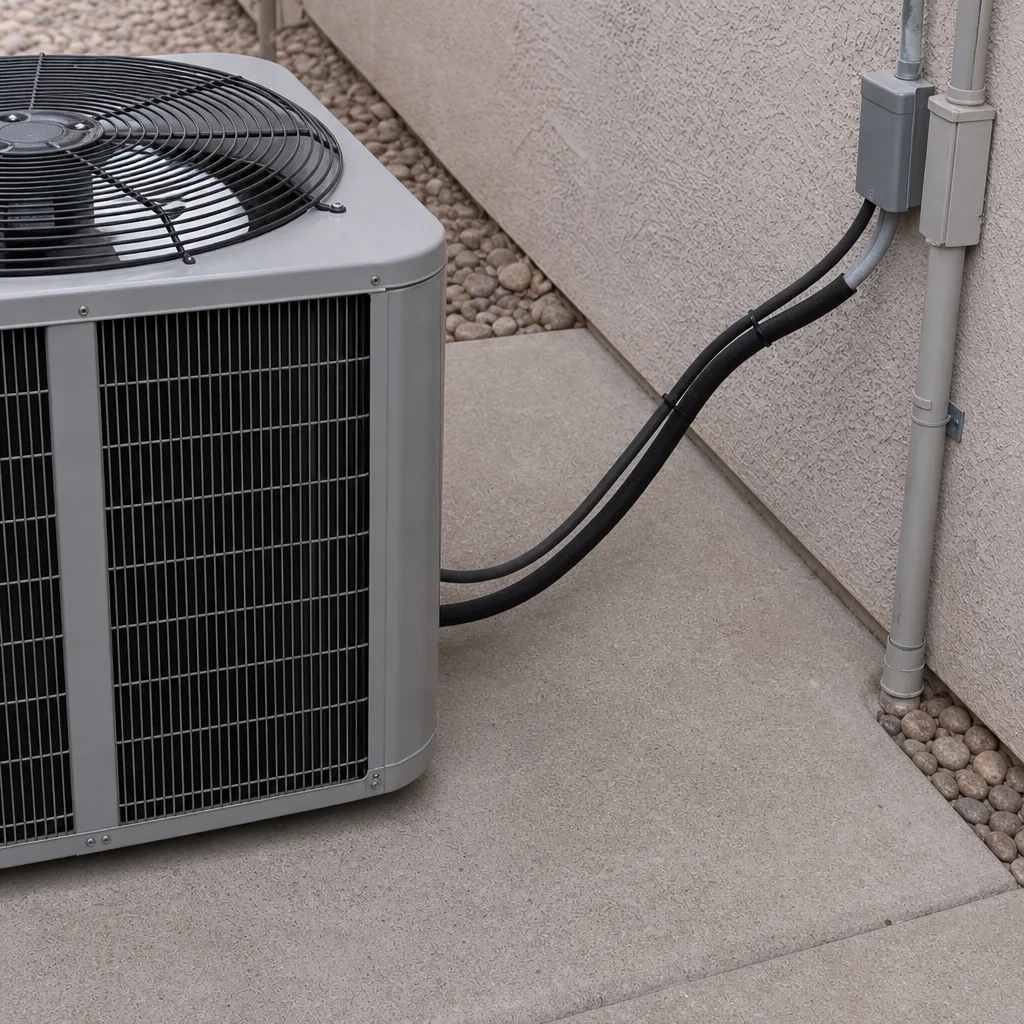 After
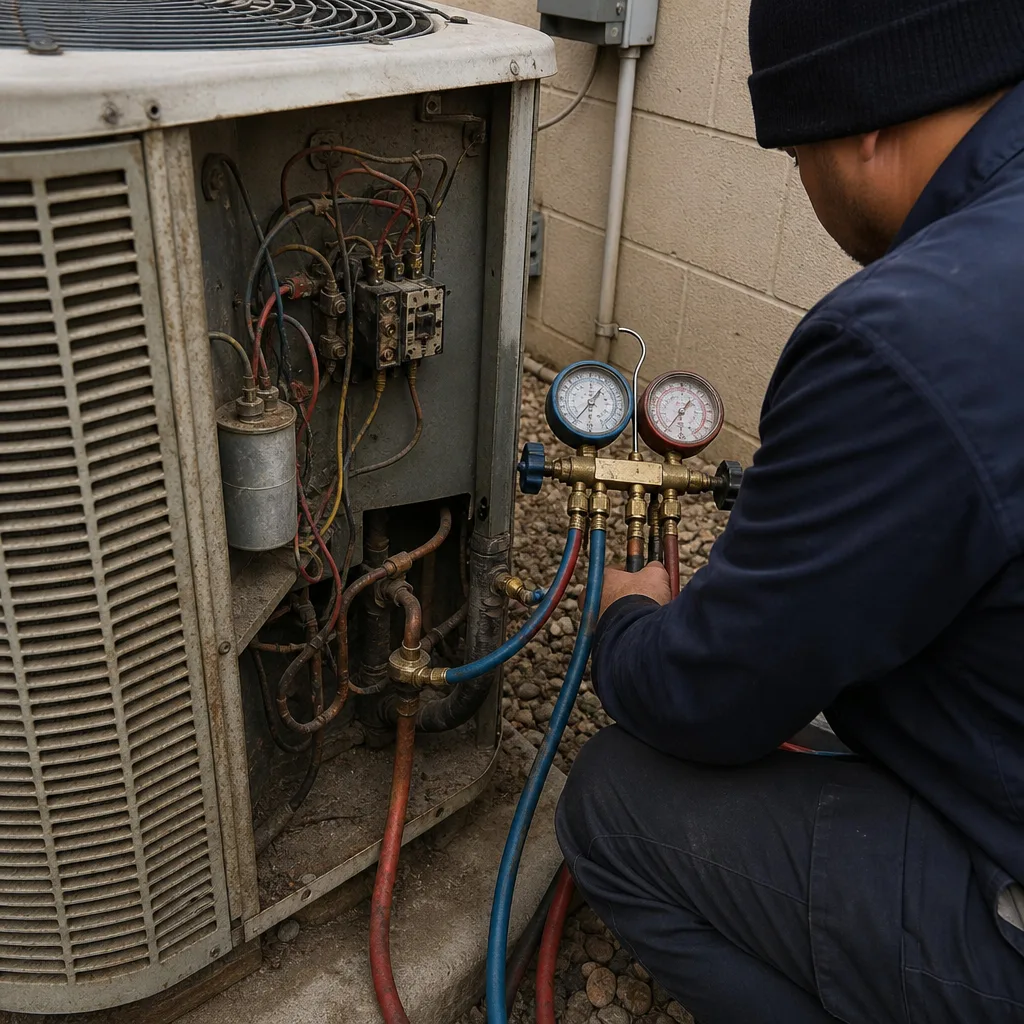 Before
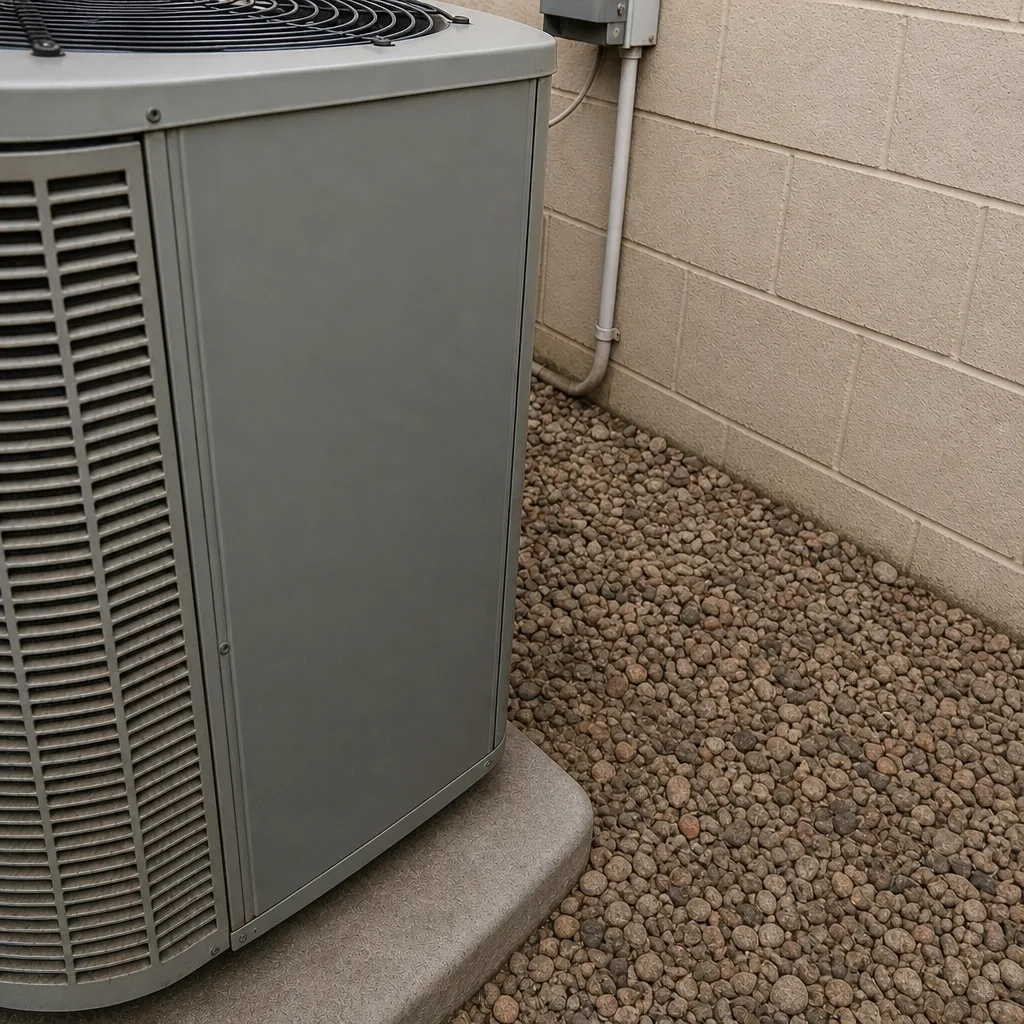 After
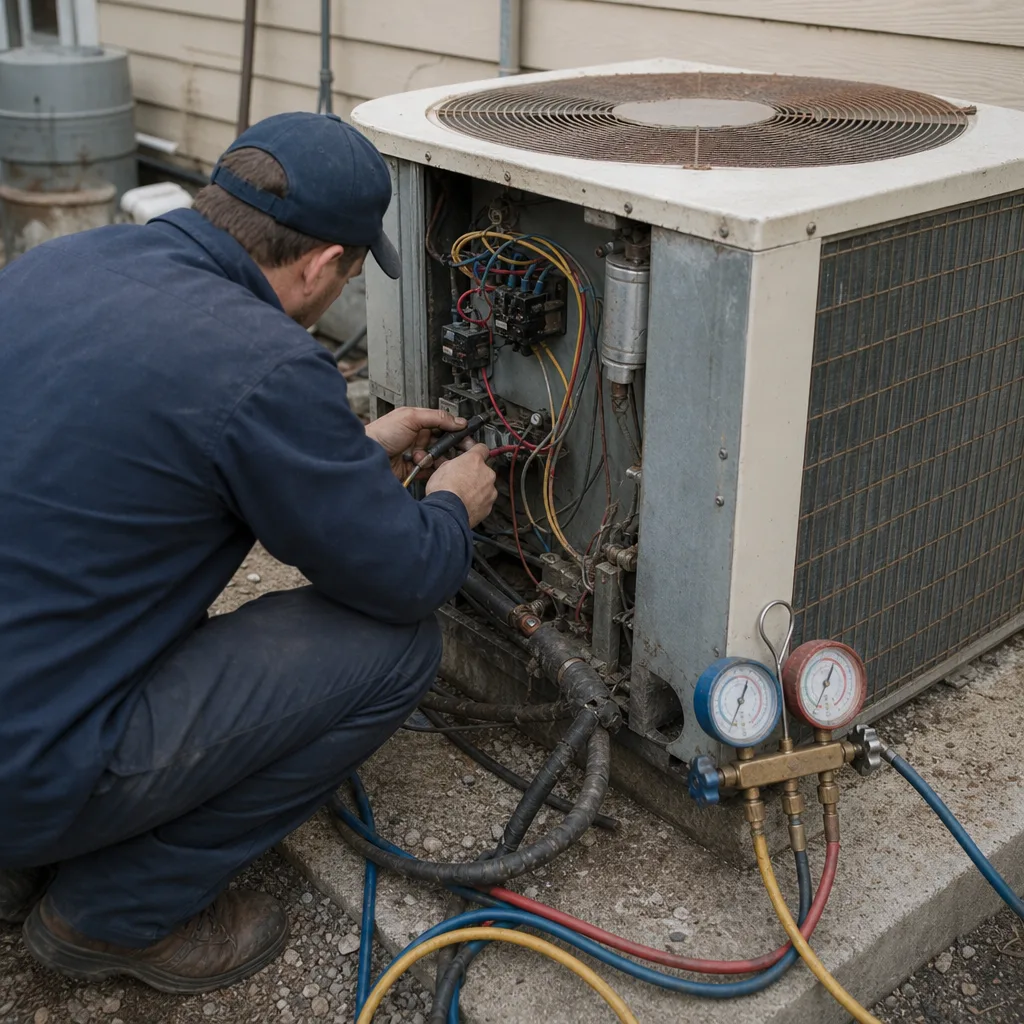 Before
 After
When to Call a Professional
Call Fireside Heating & Air Co. Winchester when you see a yellow flame, smell gas or something burning, get any soot or scorch marks on the cabinet, or hear repeated banging at startup. Call us when the furnace is cycling on and off every ten minutes, when the CO alarm goes off (from outside the house), or when it’s been more than a year since the last tune-up and the first cold front is coming. Our technicians have up to 8 years of experience, are background-checked and uniformed, and are trained as journeymen. Every job comes with the 90-Day Done Right Promise – if it isn’t done right, we make it right, in writing, no arguing. Free estimates in Winchester – call (844) 783-5043.
Frequently Asked Questions
The earliest signs are quiet: one room running colder than the rest, longer run cycles than last winter, a faint smell at startup, or gas usage creeping up with no weather change. These typically show up 30 days or more before a furnace actually fails. Catching them turns an emergency into a planned repair. Call (844) 783-5043 to schedule a tune-up before the first cold snap.
Our seasonal tune-up in Winchester is $89, and it includes a written report of what was actually found. A repair if something turns up is usually quoted before any work starts, so you know the price before we do the job. There’s a $50 discount on any repair over $250, and callers 65 or older or veterans get an additional 5% off. Call (844) 783-5043 for an exact quote.
Yes. A small crack can leak carbon monoxide at levels below what a residential CO alarm is set to trip on, which means the alarm can stay silent while the household is being exposed. That’s why we inspect the heat exchanger with a combustion analyzer during a real service call – it catches what the detector misses. If you suspect a cracked heat exchanger, leave the house and call us from outside.
Once a year, ideally in September or early October before the first hard cold snap. Winchester furnaces often sit idle through six months of warm weather, and the first week of heavy use is when accumulated problems surface. An annual tune-up catches them before they become an emergency. Call (844) 783-5043 to schedule.
At 15 years with a serious sign like a cracked heat exchanger or failed blower, replacement is usually the honest answer. At 15 years with one or two minor signs, a repair can buy you another few years. We’ll give you both options in writing and let you decide – no pressure. Free second opinion on any estimate you’ve already received. Call (844) 783-5043.
Yes. A live person answers the phone around the clock – nights, weekends, and holidays – so a 2 a.m. no-heat call gets through to a real human, not a voicemail tree. Same-day service is available in Winchester for most emergency calls. Call (844) 783-5043 and we’ll get you sorted.
The Bottom Line
The signs that matter most are the ones you can catch weeks before the furnace quits: uneven rooms, longer run cycles, a flame that isn’t blue, a smell at startup, a filter slot that doesn’t seal. Those are tier one. The loud stuff – the banging, the lockouts, the yellow flame, the CO alarm – is tier three, and it’s already an emergency by then. Winchester homes see the pattern most clearly in October and November, but the checklist works year-round. If you’re unsure which tier you’re in, call us. Free estimates, no pressure, and a live person answers around the clock. Fireside Heating & Air Co. Winchester: (844) 783-5043.
Written by the team at Fireside Heating & Air Co. Winchester.