
Last updated November 18, 2026
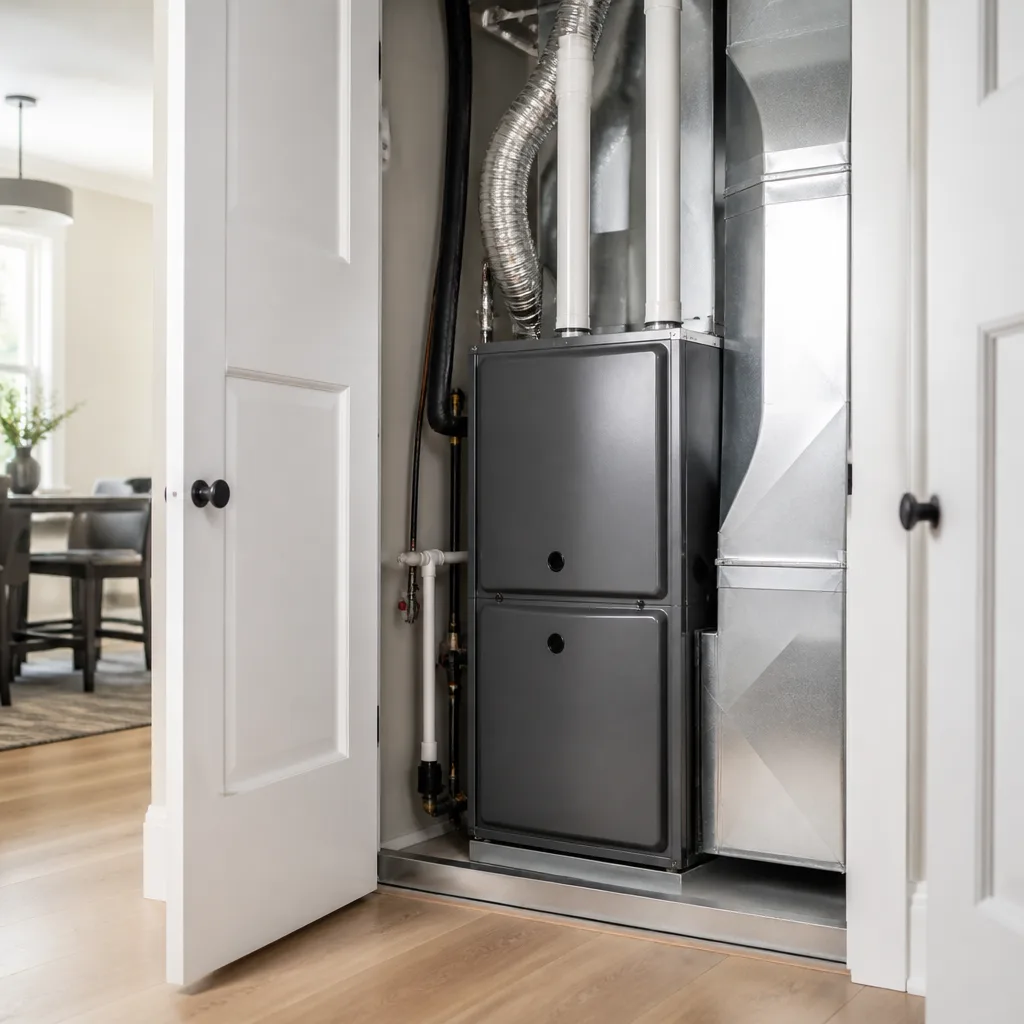 Furnace & heating
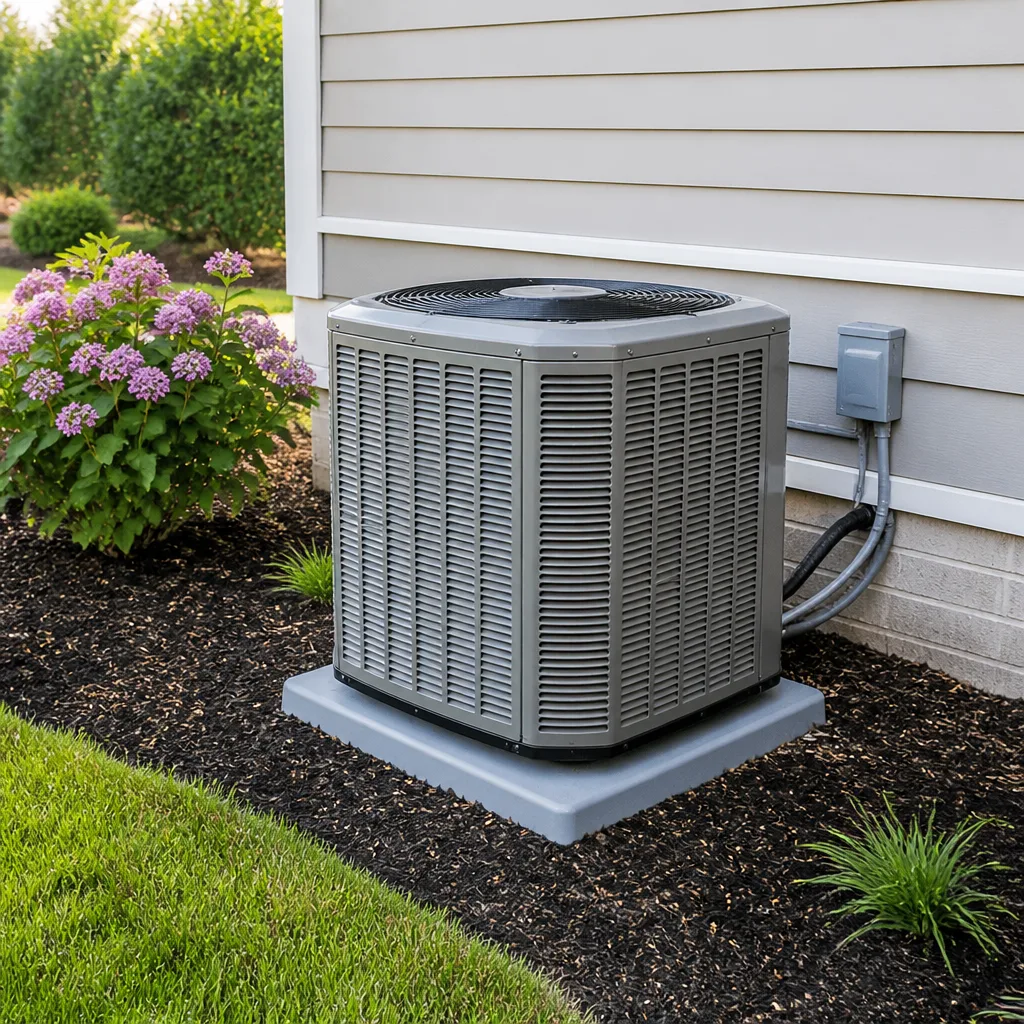 AC repair
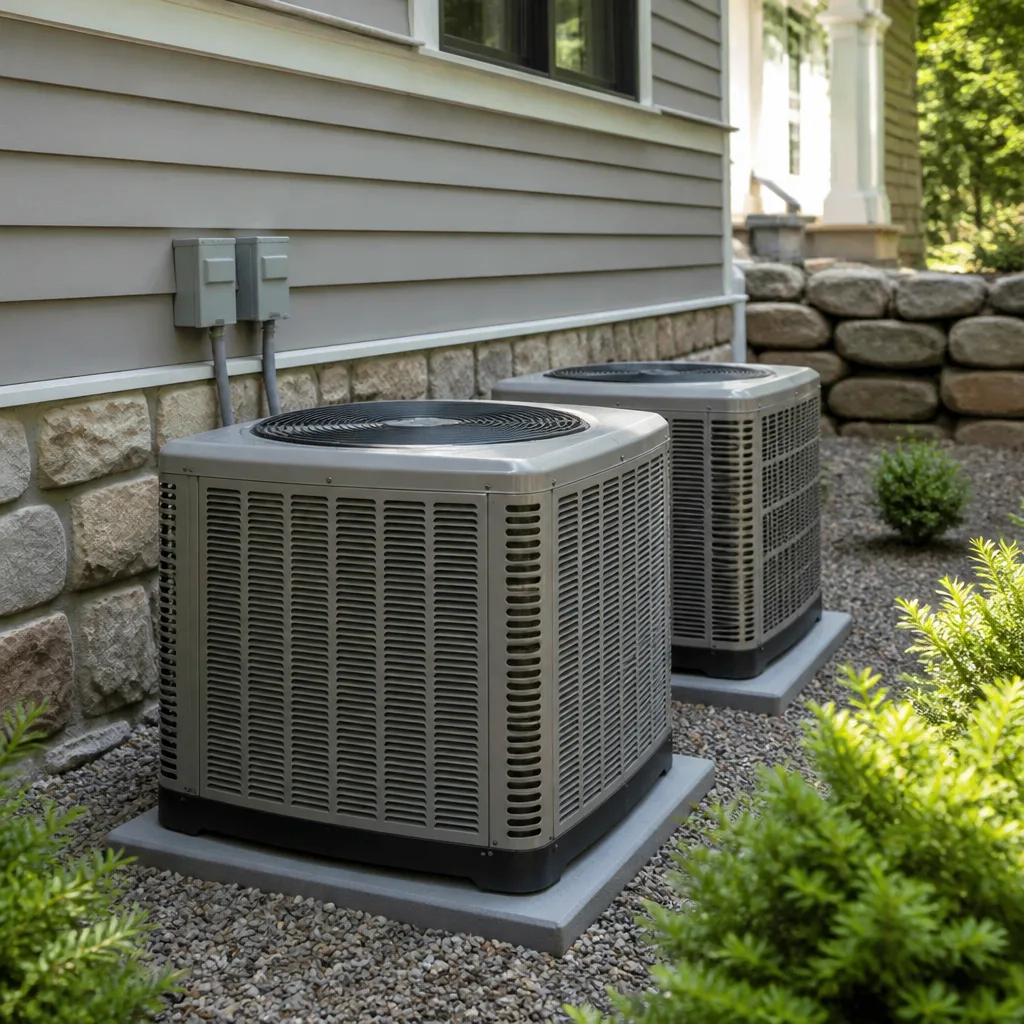 Heat pumps
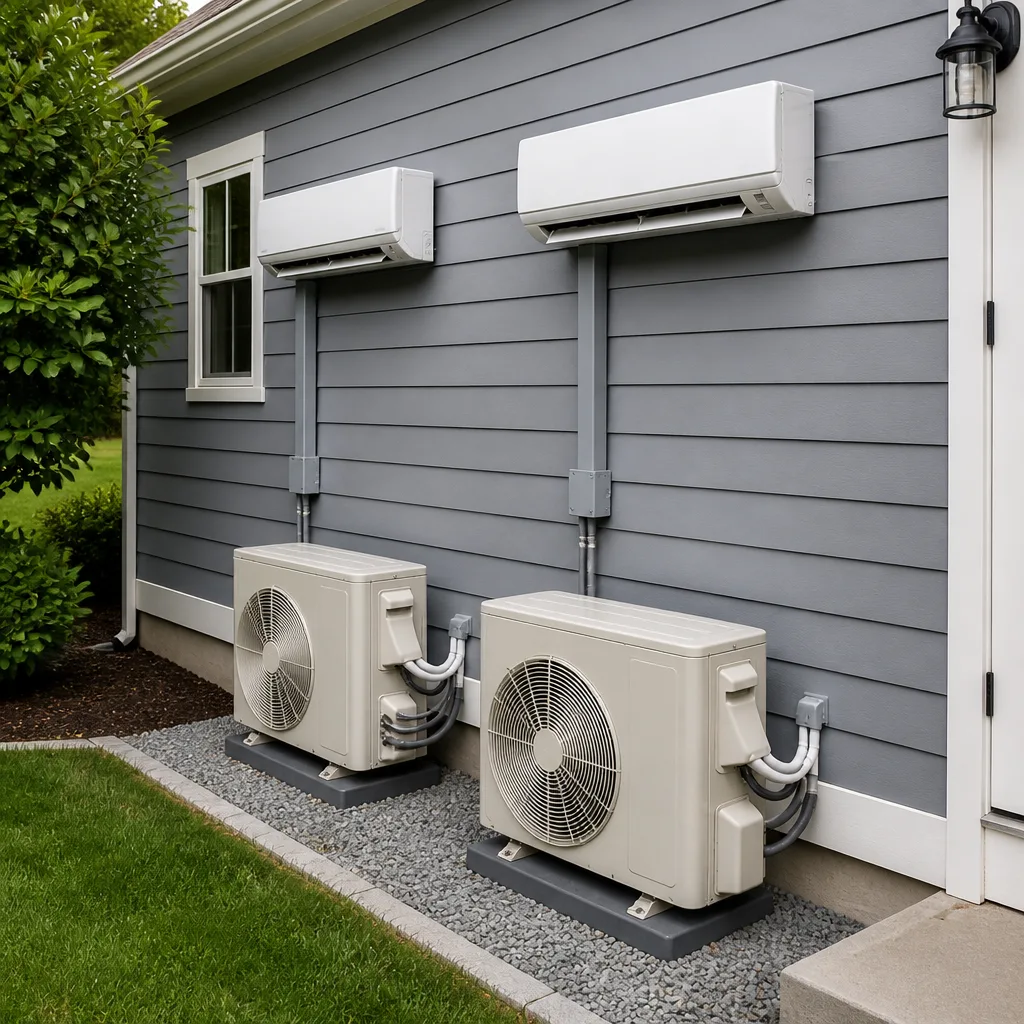 Ductless mini splits
 Carrier
 Trane
 Goodman
Seasonal tune-up and full diagnostic on your Carrier, Trane, or Goodman system - readings shown to you before any repair is proposed
Diagnosis first, numbers second - you approve the repair price before a single part goes in.
Get your free estimateHeating & Furnace Maintenance Schedule: What to Do and When
Every year, the same thing happens. The first cold week of October hits Winchester, and the phones start ringing before sunrise. Furnaces that sat untouched since March won’t fire. Somebody’s heat exchanger is cracked. Somebody else’s ignitor died quietly in the night, and nobody found out until the house was 54 degrees inside. That first hard freeze is not a surprise – Winchester’s average first freeze lands in early November, and the mountains around us can push a cold snap through sooner. The emergency call volume proves it’s predictable. This guide works backward from that date, so every task on your list has a real completion deadline and you’re never the one calling at 2 a.m. We’ll cover the homeowner tasks you can safely do yourself, the work that has to go to a licensed technician, what a real inspection looks like, and how to keep a written record that protects you at warranty time or at sale.
Quick Answer
Start your furnace maintenance in Winchester in September at the latest: replace the filter every 1 – 3 months year-round, calibrate the thermostat in early fall, and book a professional inspection by mid-October so there’s time to repair or order parts before the first freeze. Homeowner tasks are the filter, thermostat, and visual checks around the unit; anything inside the burner compartment, gas valve, or heat exchanger requires a licensed technician. Total professional cost in this market typically runs $89 to $180 for a tune-up, and the whole schedule takes one Saturday of your time plus one service visit.
Styles & brands we work with
- AC repair
- Furnace & heating
- Heat pumps
- Ductless mini splits
- Carrier
- Trane
- Goodman
Table of Contents
- Working Backward From Winchester’s First Freeze
- The 12-Month Furnace Task Calendar
- What You Can Do Yourself Without Opening Anything Risky
- What Only a Licensed Technician Should Do
- What a Real Annual Inspection Includes (and Should Cost)
- Keeping a Maintenance Log That Holds Up
- Common Mistakes to Avoid
- Frequently Asked Questions
Working Backward From Winchester’s First Freeze
Winchester sits at the edge of the desert but climbs into the foothills, and that elevation changes the timing. The valley floor around the airport can stay above freezing into late November. The neighborhoods up toward the hills – the homes off Skyline and the higher streets in the northwest – see their first frost three to four weeks earlier. So the safe planning date for the whole city is the first week of November. Work backward from that.
Here’s the math. A furnace that needs a part most likely needs it ordered, and that’s a two to five day wait for common models. If your technician finds a cracked heat exchanger, you may be looking at a full replacement, and that’s a week to ten days before install day. So the inspection itself needs to be done by the middle of October to leave room for a bad outcome. Before the inspection, you want the filter fresh and the thermostat verified, and that’s a Saturday afternoon in the middle of September.
Move each date up two weeks if you live above the valley floor. The point of a reverse-engineered schedule is that every task has a hard stop, not a vague suggestion. In our experience, the homeowners who get caught are the ones who waited until they felt cold air coming out of the vents. By then you’re calling the busiest week of the year and waiting in line behind everyone else. Every task has a firm deadline, and a schedule that’s finished before the cold actually arrives is a schedule that worked.
The 12-Month Furnace Task Calendar
Here’s the whole year, engine-first. The furnace does most of its work from November through March in Winchester, and the maintenance happens on the shoulders.
- April (after the last heat call): Change the filter one final time before summer, and note anything unusual you heard or saw during the season – a rattle, a hard start, a smell. Write it down. This is your spring record.
- May through August: Furnace is idle. Nothing to do except keep the filter clean and check that no stored items have piled up against the unit or blocked the return air grille. A surprising number of summer repairs we see in Winchester come from boxes stacked against the furnace in a garage closet.
- Early September: Replace the filter (fresh for the season), dust off the exterior of the furnace, verify the thermostat batteries, and check that the exhaust and intake pipes outside the house are clear of debris and nests.
- Mid-September: Test the heat. Turn the thermostat to heat for fifteen minutes on a cool evening. You want to hear it fire, feel warm air, and see a steady flame through the sight glass if your model has one. If it doesn’t fire, you now have six weeks, not six hours.
- September 15 – October 15: Book and complete the professional inspection. This is the busiest window, so schedule by the first week of September. Have the technician confirm the heat exchanger, burner, gas pressure, and blower are all in working order.
- Late October: Any recommended repair gets done. Parts get ordered. If the tech flagged a replacement, you’ve still got weeks to get scheduled and priced without an emergency premium.
- First week of November: First freeze window. Furnace tested, inspected, repaired, and the log is current.
- December through February: Replace the filter monthly if you run continuously (which you will). Watch for short-cycling, strange sounds, or a rise in your gas bill. Any of those is a call, not a wait.
- March: End-of-season filter change, and a note in the log of anything that happened. This becomes your maintenance history for the year.
If you want the full furnace service side of this handled – inspection, repair, or a tune-up – our Heating & Furnace in Winchester page covers what we do and when to book.
What You Can Do Yourself Without Opening Anything Risky
There’s a safe middle ground between ignoring your furnace and taking a screwdriver to it. These tasks don’t require a license, don’t void anything, and they catch most of the problems a homeowner can find on their own.
- Replace the filter. This is the single most important thing you do. A clogged filter in Winchester’s dusty spring air (and the summer wind that carries fine grit off the desert) makes the blower work harder and can overheat a furnace or strain a heat pump. Standard 1-inch filters: every 1 – 3 months. High-MERV filters: change per the manufacturer’s guidance, which is usually longer. Write the date on the frame with a pencil so you remember next time.
- Calibrate your thermostat against a trusted thermometer. Set the thermostat to 70. Wait an hour with the heat running. Put a separate thermometer next to it. If the readings are more than two degrees apart, the thermostat is off, and either it needs replacement or the settings need adjusting. A miscalibrated thermostat makes your furnace work harder than it needs to, and you’ll feel cold all winter.
- Do a visual check through the sight glass. On a standard gas furnace, there’s a small round window into the burner compartment. With the furnace running, you should see a steady blue flame – sharp, even, not lifting or rolling. A yellow or orange flame, or one that flickers wildly, is a call to a technician, not a fix-it-yourself project. Don’t open the door to get a better look.
- Look around the base of the unit. Any rust flakes, soot, or water pooling near the furnace is a signal. In Winchester, we see basement and garage-closet rust more than external leaks – it’s usually condensation from a long summer or a return-duct problem. Either way, it’s worth a call.
- Clear the exterior. Both PVC exhaust and intake pipes need to be free of leaves, bird nests, and yard debris. This is especially important in Winchester where the summer wind piles leaves against the side of the house.
- Check the breaker and the gas shutoff. Make sure the furnace circuit is on (obviously) and the gas valve to the furnace is open. Every fall we get a call where the “furnace won’t fire” and the answer was the shutoff had been left off, or someone flipped a breaker during a summer AC repair.
If you want the full picture on the equipment side, our AC Repair & Installation in Winchester page covers how a technician evaluates the whole system, not just the heating half.
What Only a Licensed Technician Should Do
Gas furnace work is not a homeowner project. The furnace is a gas appliance with a burner, a heat exchanger, and a flue. A mistake there can mean carbon monoxide, fire, or a warranty you’ve just voided. This is the part of the maintenance schedule where real money is spent and real protection is bought.
These tasks require a licensed technician for warranty purposes and for safety:
- Heat exchanger inspection. The heat exchanger is the metal chamber that separates the flame from the air you breathe. Cracks are invisible from the outside and can only be found with a camera, a combustion analyzer, or a visual inspection under natural light. A cracked heat exchanger is a carbon monoxide hazard. Full stop.
- Burner removal and cleaning. This requires pulling the burners, brushing or soaking them, and inspecting the manifold. Not a homeowner job.
- Gas pressure verification. The gas valve setting has to match the manufacturer’s spec for your furnace. If it’s off, you get either incomplete combustion (carbon monoxide) or a short-lived heat exchanger.
- Flue and vent inspection. The vent pipe has to be intact from the furnace to the roof. A pinhole in the flue is a carbon monoxide path to your family room. This has to be checked with the proper tools and the right clearance.
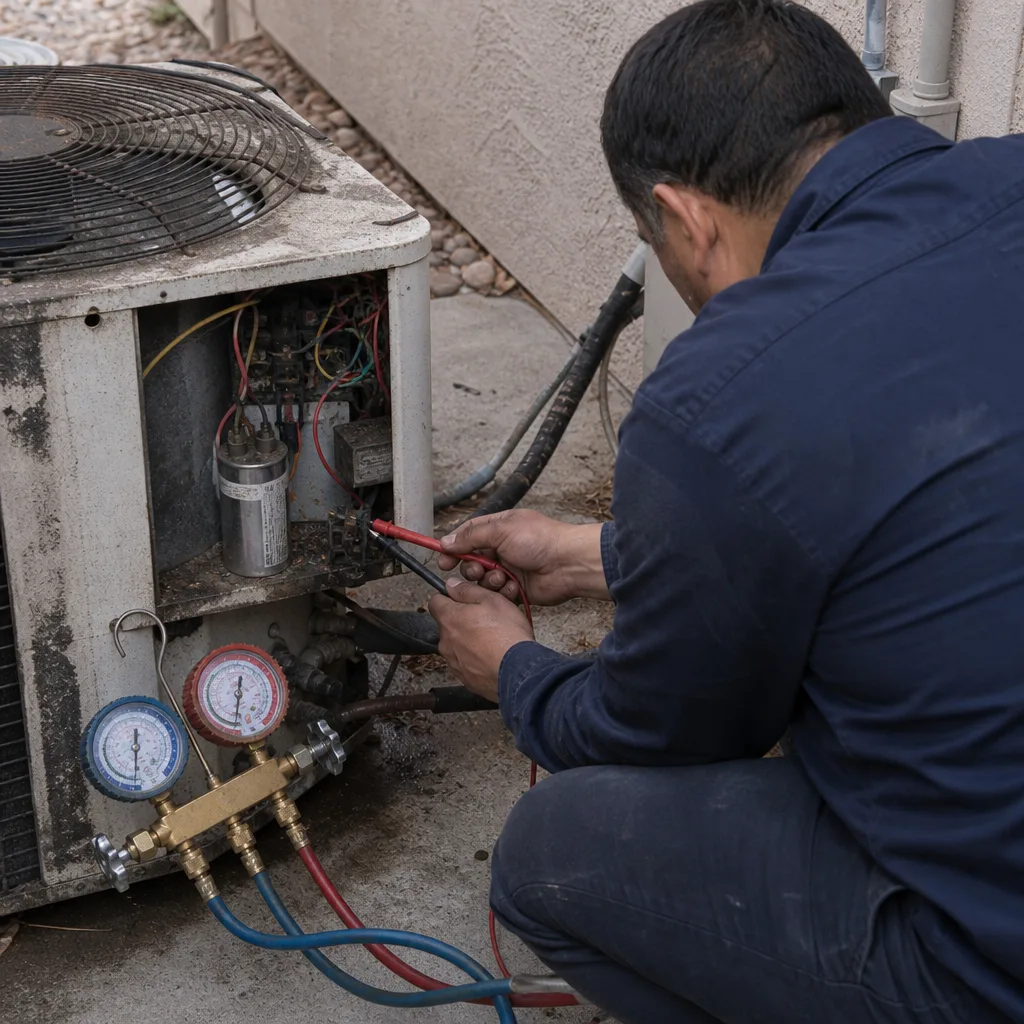
- Blower motor and capacitor testing. A weak capacitor is the number-one “furnace won’t start” issue we see on fall calls, but it’s tested with a meter and a trained eye.
- Combustion analysis. A good technician uses a combustion analyzer to measure CO, oxygen, and flue temperature. This is what separates a real inspection from a filter swap, and it’s what most manufacturer warranties actually require for ongoing coverage.
- Thermostat replacement and system wiring. Replacing a thermostat involves low-voltage wiring, and a wrong wire can fry a control board. Our technicians handle this every day and can also reconfigure a smart thermostat to match your furnace’s staging.
If you’re on a heat pump or a mini-split, the work is different but no less technical – those systems require refrigerant handling and electrical testing. Our Heat Pump & Mini Split in Winchester page has the details on that equipment’s maintenance cycle.
What a Real Annual Inspection Includes (and Should Cost)
Here’s where the market gets murky. We’ve quoted second opinions in Winchester where the “tune-up” was a filter change and a $40 upsell for a UV light. A legitimate annual inspection runs 40 to 60 minutes, sometimes longer on an older furnace, and includes measurable things.
What a proper inspection should include, in plain terms:
- Filter check and replacement – they should replace it or show you the condition.
- Heat exchanger inspection – visual and, whenever possible, with a camera. Ask them how they checked it.
- Burner cleaning and inspection – burners pulled, cleaned, and flame pattern checked.
- Flue and vent inspection – full run, including the roof penetration.
- Gas pressure verification – both manifold and incoming.
- Combustion analysis – you should see a printout or a digital reading of CO, O2, and flue temp. If they can’t show you one, they didn’t do it.
- Blower and capacitor check – measurable.
- Thermostat calibration – and a written report of what they found.
A real inspection in these parts typically runs $89 to $180. The $89 seasonal tune-up we offer covers the full 40-point checklist. A $39 “tune-up” from a company that just vacuums your filter and takes a picture is not a tune-up, and it’s not honoring the terms of a manufacturer warranty.
Long-tenured homeowners around Winchester – the ones in their sixties and seventies who’ve lived here twenty-plus years – tell us the same thing: they’ve had the cheap tune-up, and then they’ve had a real one. They call for the real one now. If you want a free second opinion on a quote you’ve already received, our team at Fireside Heating & Air Co. Winchester home is glad to look at it.
Keeping a Maintenance Log That Holds Up
A furnace maintenance log isn’t just an organizational habit. It’s evidence. When a warranty claim is disputed, when a home sale inspection turns up a heat exchanger question, when an insurance adjuster wants to know if you maintained the equipment – the log is what you produce.
Keep it simple. A spiral notebook in the furnace closet is fine, but a digital document is better because you can’t lose it. Either way, here’s what has to be recorded for each service:
- Date of service.
- Company name and the name of the technician if you have it on the invoice.
- What was checked and what was found – specifically. “Inspected furnace, filter changed” doesn’t help. “Combustion analysis: CO 8 ppm, O2 6.2%, flue temp 118°F. Heat exchanger inspected, no visible cracks. Blower capacitor tested at 6.3 µF vs 7.5 µF rated – replaced.” That helps.
- Parts replaced, with model numbers if the invoice shows them.
- The receipt or invoice, scanned or photographed.
- Any repair recommendations the technician made, whether you accepted them or deferred them. This is the one homeowners forget, and it’s the one that saves you when a deferred repair shows up in a sale disclosure.
Home sale disclosures in Nevada don’t require a maintenance record, but a buyer’s inspector will find deferred issues, and a clean log lets you answer every question with a document instead of a shrug. We’ve seen a $400 repair log change the course of a negotiation on a house in the northwest hills more than once.
Common Mistakes to Avoid
- Waiting for the first cold snap to think about the furnace. Winchester’s first forecast freeze is not a surprise – it’s on the calendar. The mistake is treating it like one. By the time you feel cold air, your service window is one week, not six.
- Treating a cheap tune-up as maintenance. A $39 “tune-up” that skips heat exchanger inspection and combustion analysis isn’t maintenance, and it doesn’t satisfy most manufacturer warranties. It’s a filter swap with a business card.
- Changing the filter on a “when I remember” basis. If you can’t remember the last filter date, it’s overdue. Winchester dust plus a running furnace means a clogged filter in six weeks, not six months.
- Stacking storage against the furnace. This is the most common problem we see in Winchester. Garages, closets, and handyman alcoves fill up with paint cans and Christmas boxes until the furnace has no airflow. Clear two feet around the unit and keep the return grilles unobstructed.
- Running the heat pump or furnace “to test it” only in a panic. Turn it on in September when the failure costs you a scheduled service call, not an emergency overtime one. That 15-minute test is the cheapest insurance you’ll buy all year.
- Trusting the thermostat without verifying it. A thermostat reading two degrees off makes your furnace run longer than it should all winter. It’s a small fix and it pays for itself in a month.
- Skipping the log. The homeowner who has no record is the homeowner who pays for the technician’s time twice, because the last five years of service are unknown. Keep the paperwork. It’s the whole point of a schedule.
See the difference
 Before
 After
 Before
 After
 Before
 After
When to Call a Professional
Some things are a homeowner task. Some things are a call, and they’re non-negotiable. Call us or any licensed HVAC company if you smell gas anywhere near the furnace, if the CO detector goes off, if the flame is yellow or lifting, or if you see soot or rust around the burner compartment. Call if the furnace won’t fire after a September test, if it short-cycles (kicks on and off every few minutes), if your gas bill jumps 20 percent without a temperature reason, or if the blower runs continuously. Call if the thermostat and a real thermometer disagree by more than two degrees after a fresh battery. And call for the annual inspection itself – the work is worth doing right, and the paperwork matters.
Fireside Heating & Air Co. Winchester offers free estimates in Winchester. Our technicians are trained to service nine major brands including Carrier, Trane, Lennox, American Standard, and Daikin, and every job is backed by the 90-Day Done Right Promise – in writing, no paperwork, no arguing. Call (844) 783-5043 for a free estimate, and a live person will answer.
Frequently Asked Questions
Schedule by the first week of September and complete the inspection between September 15 and October 15. That timing leaves room for parts orders or a replacement decision before Winchester’s first freeze window in early November. If you live above the valley floor, move both dates up two weeks. Waiting into late October puts you in the busiest and most expensive week of the year.
A legitimate annual inspection in this market typically runs $89 to $180. The variation comes from furnace age, model complexity, and whether the technician uses a combustion analyzer. A $39 “tune-up” that skips the heat exchanger inspection and combustion analysis is not a real inspection and won’t satisfy most warranty requirements. Our $89 seasonal tune-up covers the full checklist, and we stand behind it. Call (844) 783-5043 for an exact quote – estimates are free.
You can, and should, handle the filter, thermostat calibration, exterior vent clearance, and a visual flame check through the sight glass. You should not open the burner compartment, remove the burners, inspect the heat exchanger, or check gas pressure. Those require a license, the right tools, and a combustion analyzer, and doing them yourself risks carbon monoxide exposure and can void your manufacturer warranty.
Every one to three months with a standard 1-inch filter, and monthly during peak heating season if you run the furnace continuously. Winchester’s spring dust and summer wind make filters dirty faster than in wetter climates. If you can’t remember when you last changed it, change it now and write the date on the frame.
Manufacturer warranties typically require documented annual maintenance, including a heat exchanger inspection and combustion analysis, to stay in force. A log of inspections that include those items is what protects you if a claim comes up. A filter swap with a company that doesn’t provide a written report is not maintenance under the warranty terms, even if it’s called that.
If the September test showed no fire and you haven’t had the repair done, call immediately rather than waiting for a cold night. In Winchester, the first week of October is the busiest emergency week of the year for exactly this reason, and the lead time gets longer as the week goes on. Our phones are answered by a live person around the clock, including nights and weekends. Call (844) 783-5043 and we’ll get to the failure before it’s an emergency.
The Bottom Line
A furnace maintenance schedule that isn’t finished before the cold actually arrives is a schedule that failed. The work here isn’t complicated: filter, thermostat, and a real inspection with combustion analysis, done on time, every year. The schedule is reverse-engineered from Winchester’s first freeze in early November, so every task has a deadline and the schedule has room for a bad outcome – a part to order, a repair to schedule, a replacement to price without paying an emergency premium. Do the homeowner tasks in September. Book the inspection by mid-October. Keep the written log. That’s the whole schedule, and it holds up when you need it to.
If you want a second set of eyes on a quote or a full inspection done right, our line is open around the clock – (844) 783-5043, answered by a live person every time. The price we quote is the price you pay, and if it isn’t done right, we make it right, in writing.
Written by the team at Fireside Heating & Air Co. Winchester.