
Last updated November 18, 2026
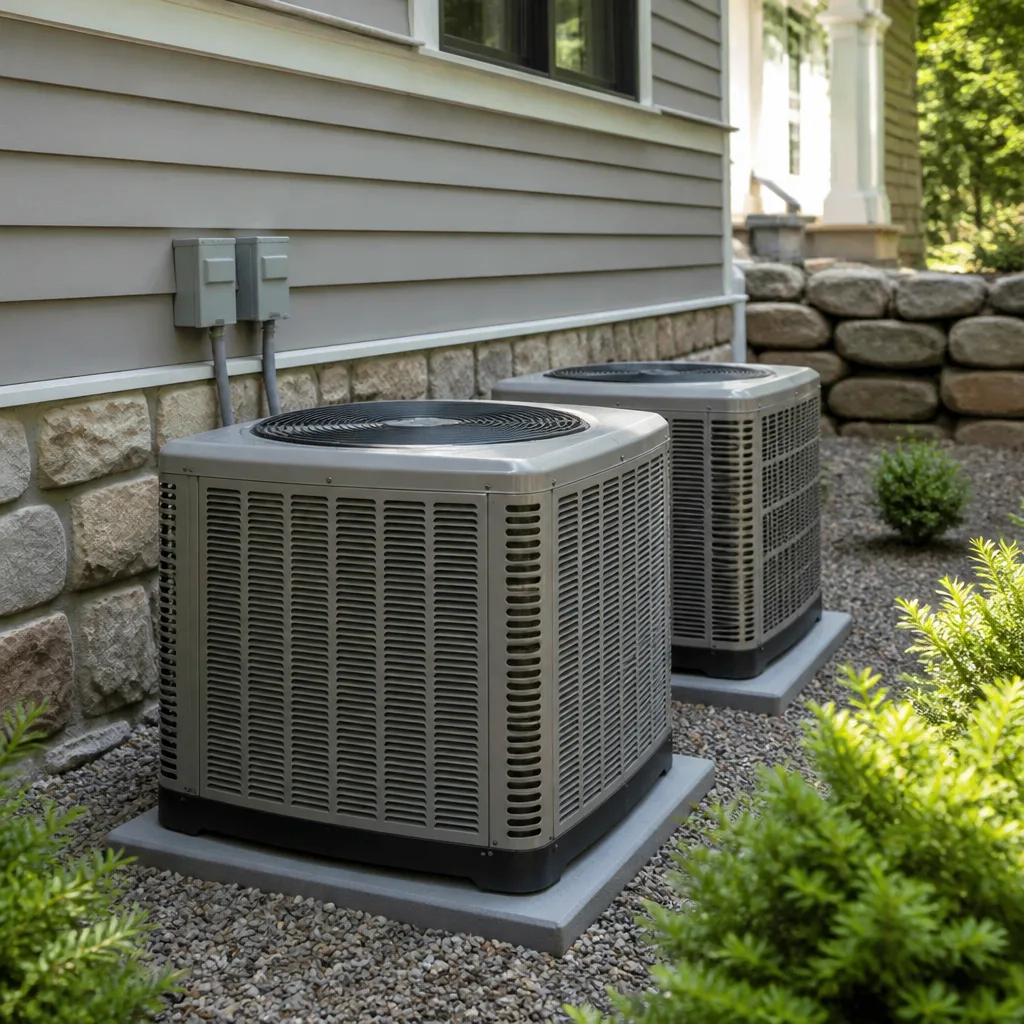 Heat pumps
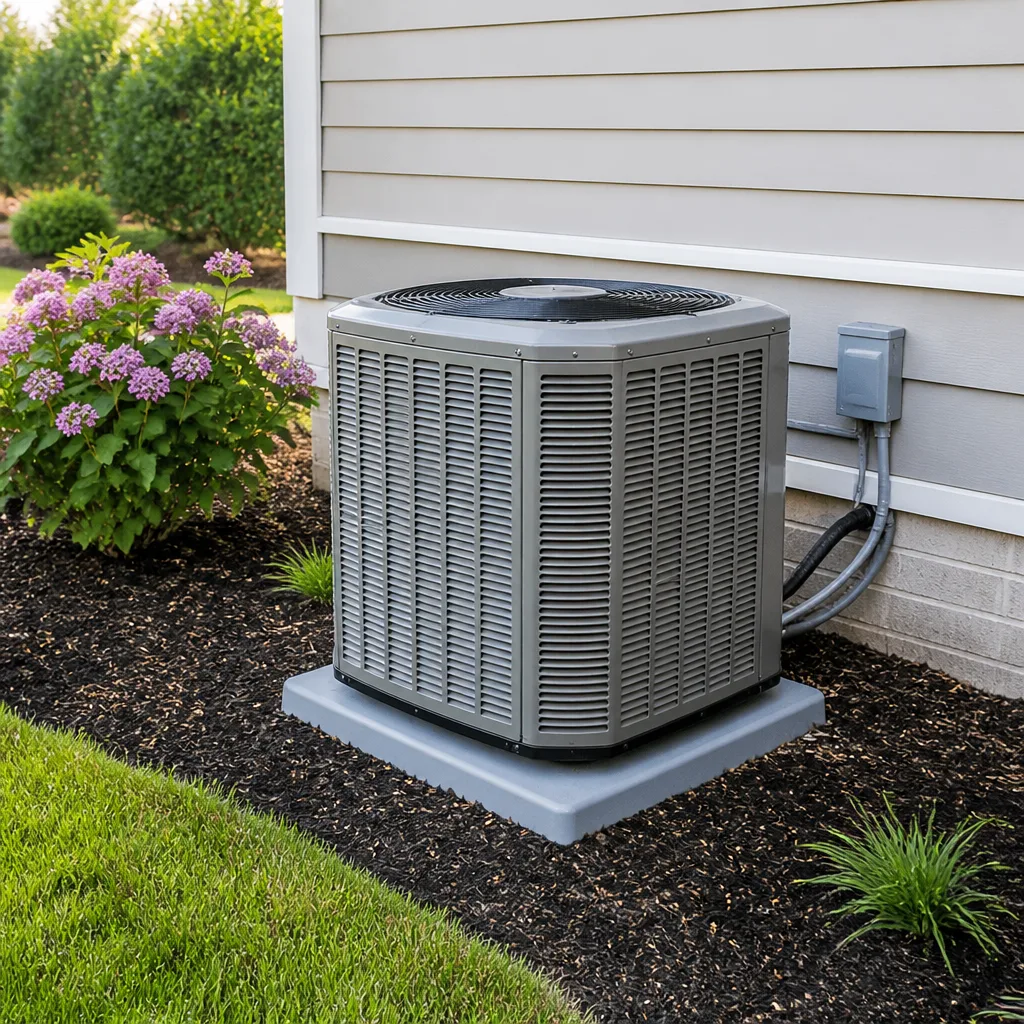 AC repair
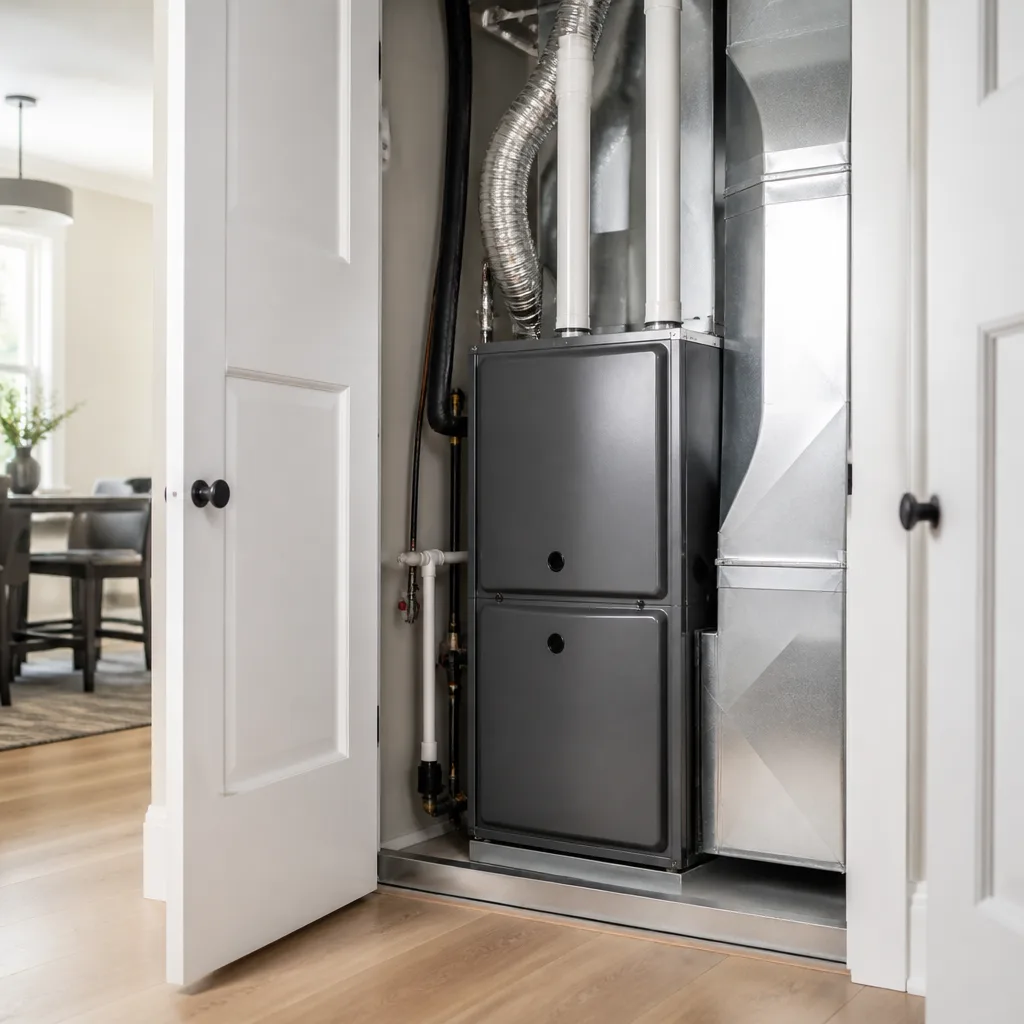 Furnace & heating
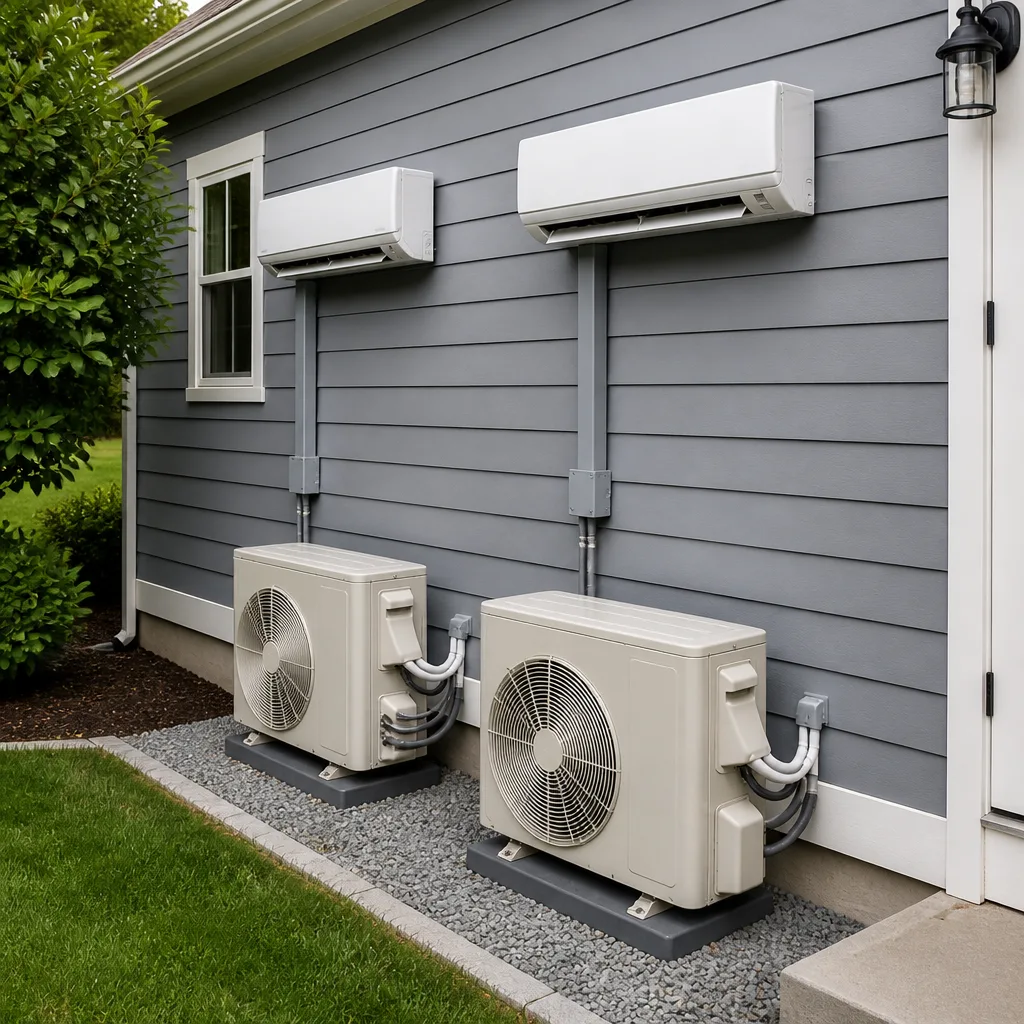 Ductless mini splits
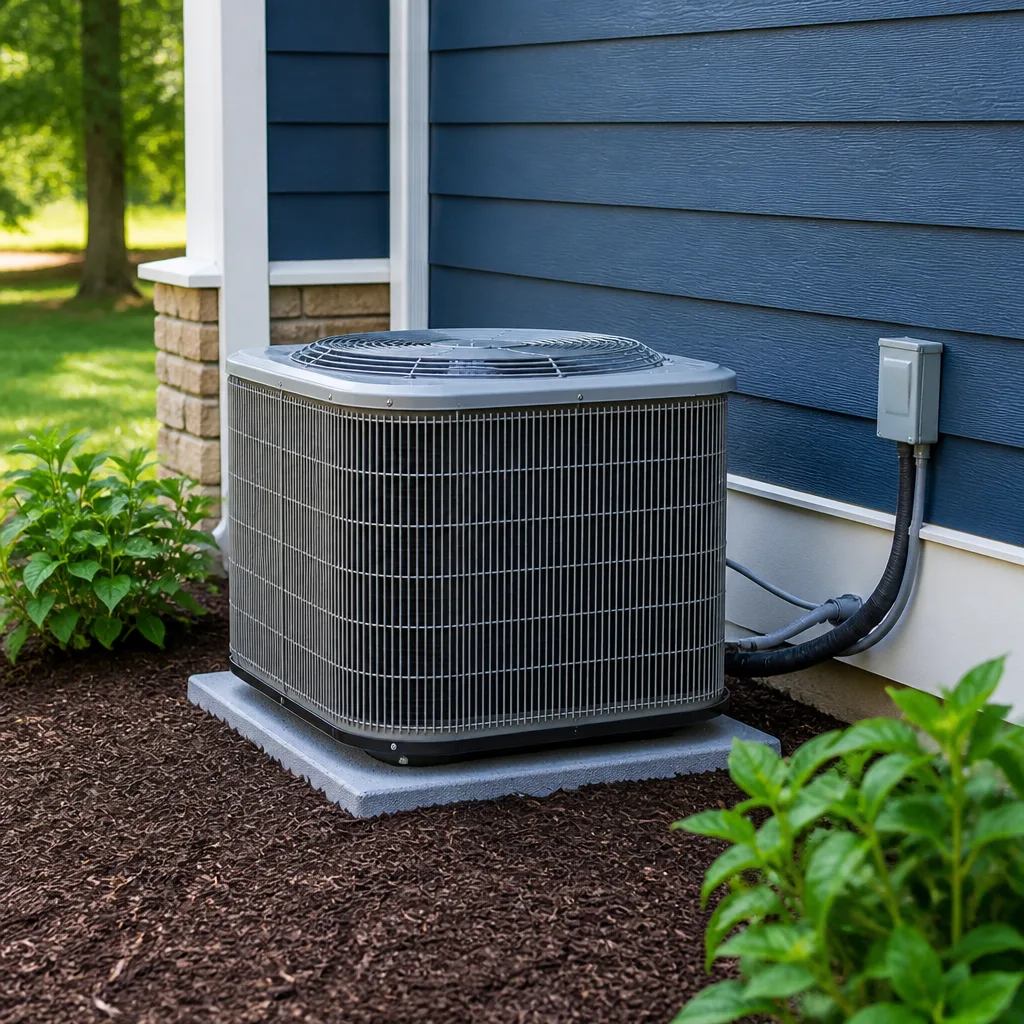 Carrier
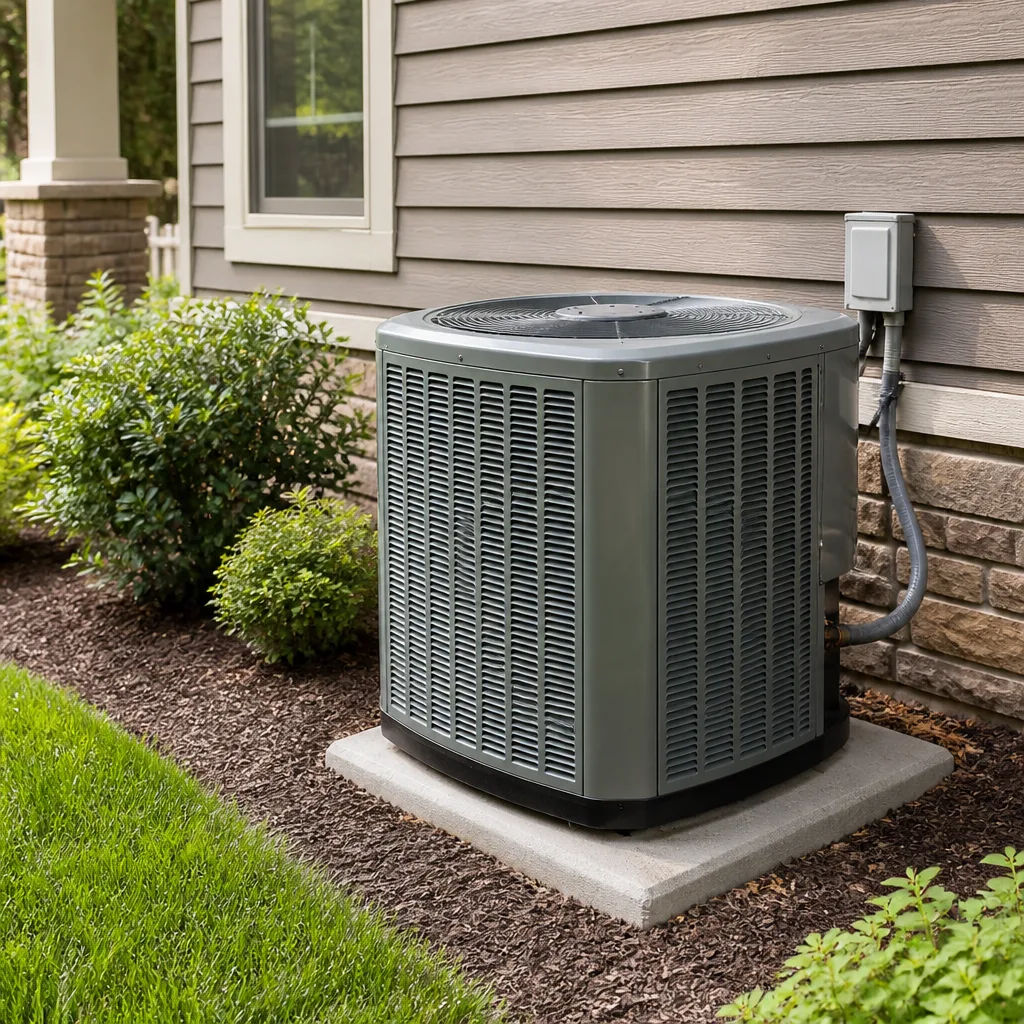 Trane
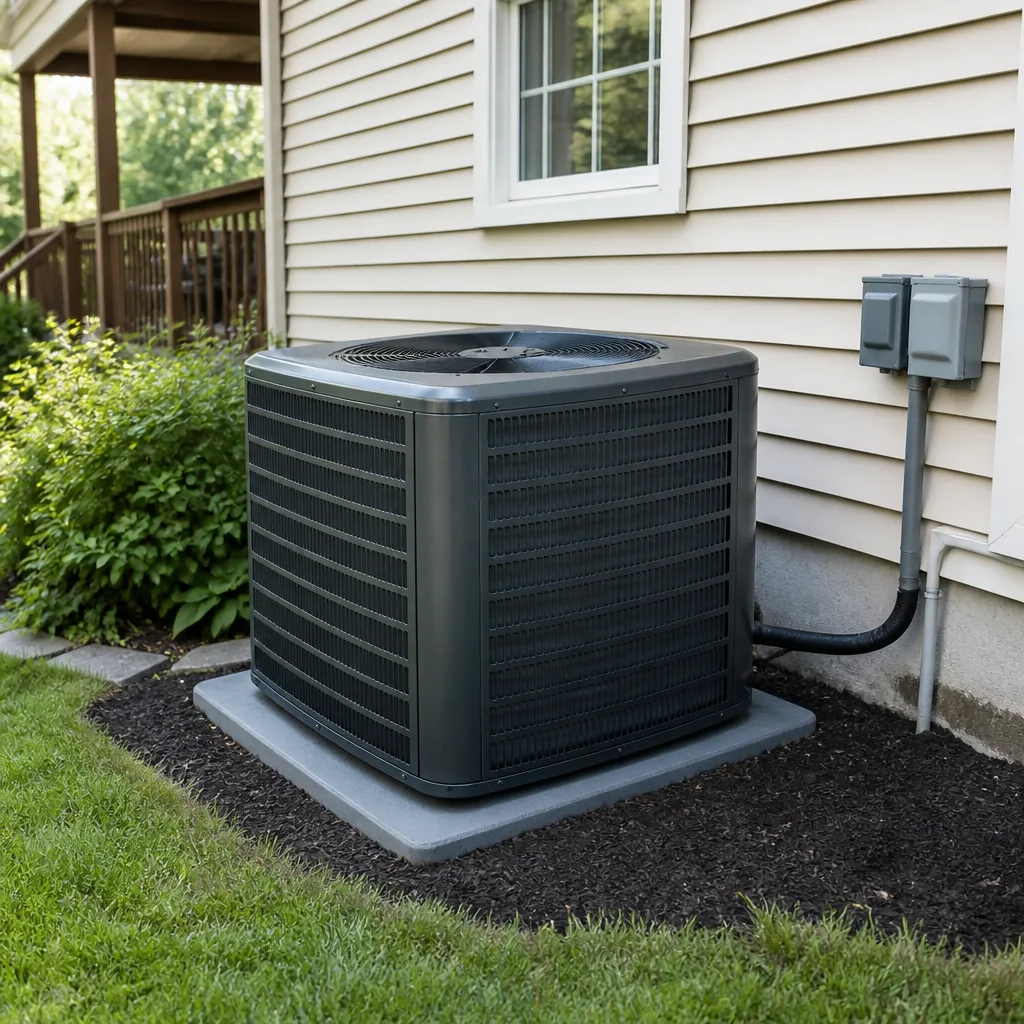 Goodman
Seasonal tune-up and full diagnostic on your Carrier, Trane, or Goodman system - readings shown to you before any repair is proposed
Diagnosis first, numbers second - you approve the repair price before a single part goes in.
Get your free estimateHow Long Does Heat Pump & Mini Split Take? Timelines and What to Expect
The installer who quotes you “four hours” for a mini split is quoting you the hands-on labor – not the two hours before that for electrical prep, or the startup and leak-check time at the end that determines whether the system actually works correctly. That gap between the best-case number and the real job is where most homeowner frustration lives. A single-zone mini split in a garage-conversion bedroom can genuinely wrap up before lunch. A three-zone heat pump retrofit in a 1970s two-story near the Peccole Ranch greenbelt can run two or three days once you count the electrical circuit, the line set fishing, and the commissioning. This guide maps the actual variables so you can plan around the real job instead of the sales pitch.
Quick Answer
A single-zone ductless mini split in Winchester usually takes one day from arrival to verified startup, assuming the electrical circuit already exists or a panel has room. A two-to-three zone system typically runs one to two days, and a whole-home multi-zone heat pump can take two to four days once electrical work, line set routing, and commissioning are included. The heat pump itself is a day of physical work; the surrounding prep and verification are what stretch the calendar.
Styles & brands we work with
- AC repair
- Furnace & heating
- Heat pumps
- Ductless mini splits
- Carrier
- Trane
- Goodman
Table of Contents
- Timelines by Zone Count: Single, Two-to-Three, and Whole-Home
- The Electrical Prep Phase Nobody Quotes You
- Commissioning and Leak Checks: The Phase That Decides Everything
- Line Set Routing: Why Some Jobs Triple
- What to Expect on Installation Day
- Winchester Conditions That Change the Schedule
- Common Mistakes to Avoid
- When to Call a Professional
Timelines by Zone Count: Single, Two-to-Three, and Whole-Home
Zone count is the single biggest driver of how long a project runs, and it’s the number most often glossed over in a phone quote. Each indoor head needs its own line set, its own drain path, its own mounting location, and its own commissioning check. Three heads is not one-and-a-half times the work of two – it’s three separate installations that share one outdoor unit.
Here’s how the timeline actually breaks down in our experience across Winchester homes:
| System Type | Hands-On Labor | Total Calendar Time (with electrical + commissioning) |
|---|---|---|
| Single-zone ductless mini split | 3 to 5 hours | 1 day if circuit exists; 1 to 2 days if a new circuit is needed |
| Two-to-three zone mini split | 6 to 10 hours | 1 to 2 days |
| Whole-home multi-zone heat pump | 1 to 3 days | 2 to 4 days |
A single-zone system is the closest thing to the “half-day job” reputation. The condensing unit lands on a wall bracket or pad, one line set runs to one interior head, and the electrical ties in. Two-to-three zones means multiple wall penetrations, multiple drain routes, and a longer commissioning check on each head. Whole-home heat pump systems change the scope entirely: load calculation, outdoor unit placement for noise and clearance, and often an air handler replacement inside.
If you’re weighing a ductless setup against a full heat pump, our Heat Pump & Mini Split in Winchester page walks through which system fits which kind of home before you get to the scheduling question.
The Electrical Prep Phase Nobody Quotes You
The “four hours” quote starts when the technician walks in the door. It doesn’t count the electrical work that has to happen first, and in older Winchester homes that’s often the longest part of the whole project. A heat pump or multi-zone mini split draws a dedicated circuit, and a 1950s or 1960s ranch with a full panel and no open breaker slots needs a subpanel before any of it can start.
The sequence typically looks like this:
- Panel assessment. We check available amperage, open slots, and whether the existing service can carry the new load.
- Permit and scheduling. Electrical work needs a permit in most Winchester jurisdictions, and that permit review takes days, not hours.
- Utility coordination if a service upgrade is required. Older homes sometimes need a service upgrade, and that means a separate scheduling window with the utility company – often the single biggest calendar delay on the job.
- Circuit run and disconnect install. Once the panel is ready, the dedicated circuit runs to the outdoor unit location, with a disconnect box at the unit.
The electrical phase can add one to five business days to the schedule, depending on whether a subpanel and permit are involved. Anyone quoting you a flat “same week” turnaround on an older Winchester home without looking at the panel first is guessing. We’d rather tell you honestly that the schedule depends on what’s behind the panel cover.
Commissioning and Leak Checks: The Phase That Decides Everything
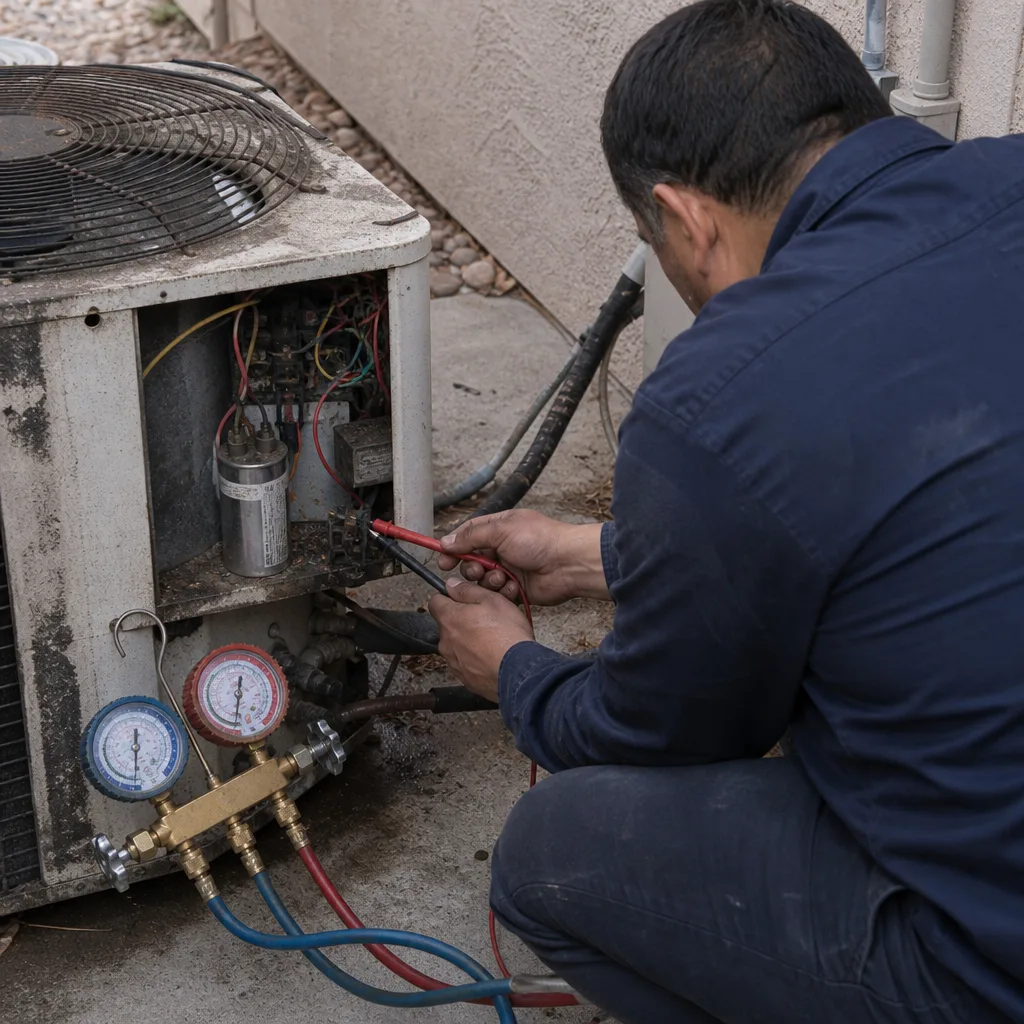
After the equipment is mounted and the lines are run, the real work starts. Commissioning is the phase where the technician evacuates the line set, holds a vacuum to verify there are no leaks, charges the system to the correct weight or subcooling, and verifies airflow and temperature split at every head. This is not optional polish. It’s the difference between a system that runs for fifteen years and one that loses refrigerant in twelve months.
Here’s what proper commissioning includes:
- Vacuum and hold test. The line set is evacuated and held under vacuum to confirm no moisture or leaks remain before charging.
- Refrigerant charge verification. Charge is checked against manufacturer spec for the actual line length, not a rough estimate.
- Temperature split check. Supply and return temperatures at each head confirm the system is actually delivering the capacity you paid for.
- Drain verification. Condensate drains are tested for proper flow and slope, especially important in Winchester’s dry climate where a poorly sloped drain can pool and grow problems.
- Control and communication check. Thermostat, remote, and any zone controls are paired and tested at every head.
A technician who skips commissioning to stay on schedule is leaving you with a system that may fail within a year and a leak that nobody traced at install. We’ve been called to systems where the original installer charged by “feel” instead of weighing in the charge, and the homeowner paid for a repair that should never have been needed. If your install is quoted as a four-hour job and nobody mentions evacuation or leak testing, ask why.
Line Set Routing: Why Some Jobs Triple
Line set routing is the most variable part of any installation, and it’s where a single-zone quote can quietly double. An exterior install on a single-story home with a short run – condensing unit on a slab, head mounted on the outside wall of the room it serves – is fast. Twenty feet of line, a clean penetration, done. A two-story home where the head goes in an upstairs bedroom and the condensing unit sits on the opposite side of the house is a different project.
What makes routing slow:
- Finished interior walls. Fishing a line set through a finished wall means opening and patching drywall, and that adds time and cost.
- Line set length. Long runs require more refrigerant charge and longer evacuation, and they need to be sized correctly.
- Attic and crawl space routing. Running lines through unconditioned attic space adds insulation and support work.
- Historic or older construction. Plaster, lathe, and unexpected framing make every penetration a discovery.
The honest rule: the shorter and more direct the line run, the closer the job gets to that four-hour estimate. The longer and more zigzagged the path, the further into a full-day project it becomes. We’d rather walk the route with you before quoting so there are no surprises on install day.
What to Expect on Installation Day
Knowing what the day actually looks like helps you plan. Installation crews need access to the room where each head goes, the outdoor unit location, the electrical panel, and the attic or crawl space if lines route through there. Clear furniture away from the mounting wall and make sure the panel area is accessible.
Here’s the typical day from arrival to walkthrough:
- Arrival and setup. The crew lays down protective coverings and confirms the plan with you before starting.
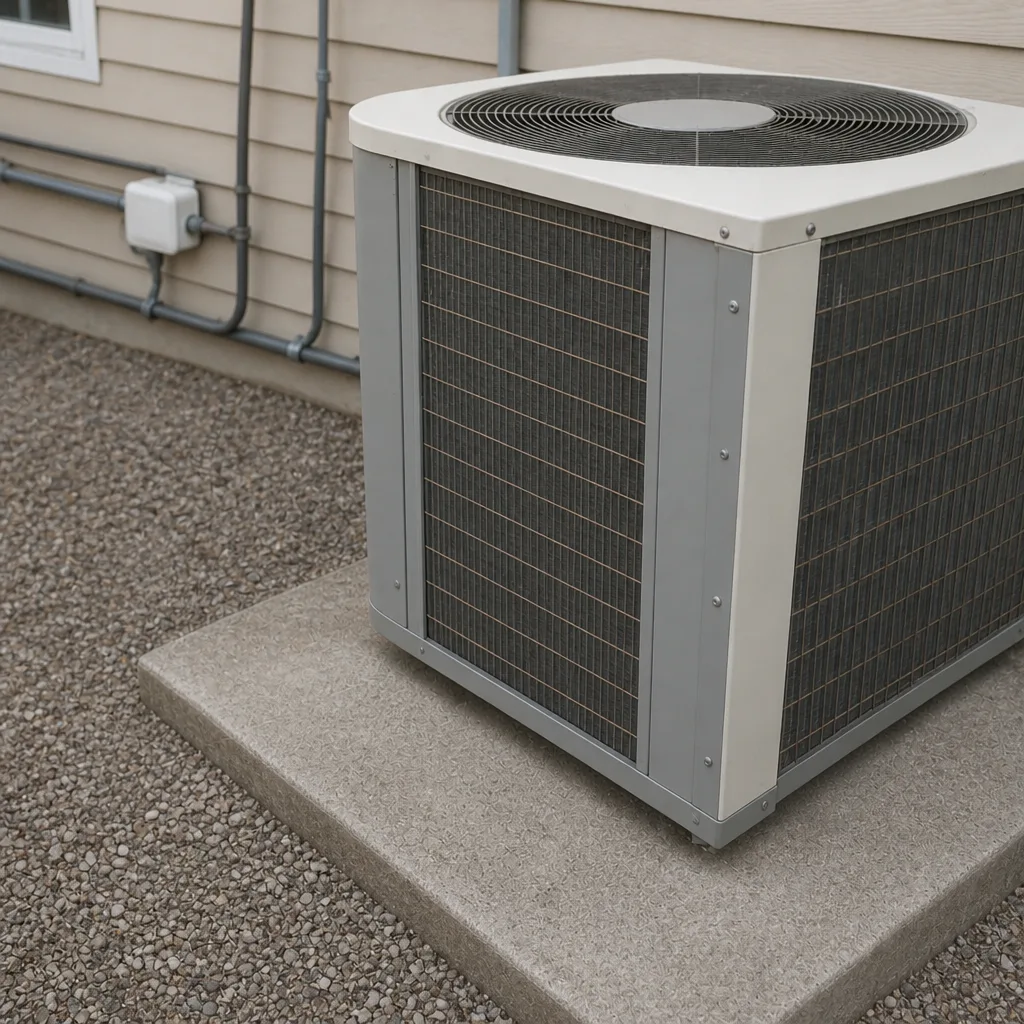
- Outdoor unit placement. The condensing unit goes on its pad or bracket with proper clearance.
- Interior head mounting and line routing. Each head is mounted, the line set runs to the outdoor unit, and penetrations are sealed.
- Electrical connections and drain line. The circuit ties in and the condensate drain is run to a proper discharge point.
- Commissioning and verification. Vacuum, leak check, charge verification, and temperature split at each head.
- Walkthrough. The technician explains the controls, the maintenance schedule, and the guarantee, and cleans up before leaving.
Expect some noise: drilling, the outdoor unit cycling during testing, and the shop vac if drywall patching is involved. Expect some dust from wall penetrations – crews should cover and clean, but fine dust in the air during the day is normal. The walkthrough at the end is the part to pay attention to. That’s where you learn what to do if something isn’t working and who to call.
Winchester Conditions That Change the Schedule
Winchester has its own set of conditions that affect heat pump and mini split timelines. The desert climate means summer installations run on a compressed schedule, and the peak-season window can push scheduling a week or more out even when the physical work is quick. Homes built in the 1970s and 1980s – common in neighborhoods like Peccole Ranch and sections of Summerlin edge – often have original electrical panels that need attention before a new circuit is added.
The dry air helps in one way: condensate drains dry out fast, so a poorly sloped drain becomes obvious quickly rather than after months of slow pooling. The hotter summers mean equipment sizing and clearance matter more, and we size every system against the actual load rather than square footage alone. If you’re deciding between a heat pump and a straight AC installation, our AC Repair & Installation in Winchester page covers the cooling side, and our Heating & Furnace in Winchester page covers what to do if you keep your furnace and add a heat pump as a heating and cooling combo. Need the full picture of our services? Our Fireside Heating & Air Co. Winchester home page is the place to start.
We’re trained to service nine major brands, including Carrier, Trane, and American Standard, so whatever you’re installing, we can handle the commissioning and the warranty registration that goes with it.
Common Mistakes to Avoid
- Accepting a four-hour quote as the total job time. The quote may only cover hands-on labor, not electrical prep or commissioning. Ask what’s included before you sign.
- Ignoring the electrical panel until install day. A full panel with no open slots turns a one-day job into a week-long project once permits and utility scheduling enter the picture.
- Assuming a mini split doesn’t need a load calculation. Even a single-zone system should be sized against the actual room, not a guess. Oversized equipment short-cycles and underperforms.
- Skipping the commissioning walkthrough. If nobody verifies temperature split and drain flow at the end, you have no proof the system is working as designed.
- Quoting a job over the phone without seeing the line set route. A two-story home with interior-wall fishing is not the same job as an exterior single-story install, and the quote should reflect that.
- Assuming peak summer scheduling is a week out. In Winchester, summer demand can push non-emergency installs further than the labor itself would suggest.
When to Call a Professional
Call a professional before you buy the equipment, not after. Sizing, line set routing, electrical capacity, and commissioning all need to be planned together, and a heat pump or multi-zone mini split is not a weekend project for anyone who hasn’t charged a system or held a vacuum. If your existing system is failing and you’re weighing repair against replacement, that’s the right time to get an honest assessment. Fireside Heating & Air Co. Winchester offers free estimates in Winchester – call (844) 783-5043. Every job is backed by our 90-Day Done Right Promise, and a live person answers the phone around the clock if something comes up after the install. We’d rather quote you the real job than the best-case number.
See the difference
 Before
 After
 Before
 After
 Before
 After
Frequently Asked Questions
A single-zone mini split typically takes one day from arrival to verified startup. Two-to-three zone systems run one to two days, and whole-home multi-zone heat pumps take two to four days once electrical prep and commissioning are included. Call (844) 783-5043 for a schedule specific to your home – estimates are free.
Same-day installation is possible only when the electrical circuit already exists and the line set route is straightforward. If your panel needs a subpanel or a new circuit, the electrical phase adds days before the physical install can start. Call (844) 783-5043 and we’ll tell you honestly which situation you’re in.
Yes, usually. A full heat pump involves load calculation, outdoor unit placement, and often an air handler, while a mini split is a ductless set of indoor heads tied to one outdoor unit. Whole-home heat pump projects in Winchester typically run two to four days. Call (844) 783-5043 for an exact timeline.
Because a new heat pump or mini split needs a dedicated circuit, and older Winchester homes often need a subpanel before that circuit can be added. Electrical work requires its own permit and sometimes a utility scheduling window, so it’s quoted and scheduled separately from the physical installation. Call (844) 783-5043 to schedule a panel assessment.
The technician evacuates the line set, holds a vacuum to verify no leaks, charges the system to manufacturer spec, and verifies temperature split at every head. This phase is what confirms the system actually works as designed, and a crew that skips it leaves you with a system at risk of premature failure. Call (844) 783-5043 if you want a second opinion on a completed install – it’s free on any written estimate.
Crews should cover floors, seal penetrations, and clean up before leaving, and any reputable installer will. Expect some dust from wall penetrations and some noise during drilling and testing – that’s normal. Our technicians are background-checked, uniformed, and trained as journeymen who put on shoe covers without being asked. Call (844) 783-5043 with any questions before install day.
The Bottom Line
The four-hour mini split quote is real, but it describes the hands-on labor of a straightforward single-zone install, not the full project. Electrical prep, line set routing, commissioning, and Winchester-specific scheduling all stretch the calendar, and a multi-zone system can triple a single-zone timeline without anyone doing anything wrong. Plan for the honest number: one day for a simple single zone, one to two days for two or three zones, and two to four days for a whole-home heat pump. Get the electrical assessed before you commit, insist on proper commissioning, and choose a company that answers the phone after the install. That’s the difference between a system that works and one you have to revisit.
Written by the team at Fireside Heating & Air Co. Winchester.
Ready to schedule a free estimate? Call Fireside Heating & Air Co. at (844) 783-5043. A live person answers every call, day or night, and the price quoted is the price paid – backed in writing by our 90-Day Done Right Promise.