
Last updated November 18, 2026
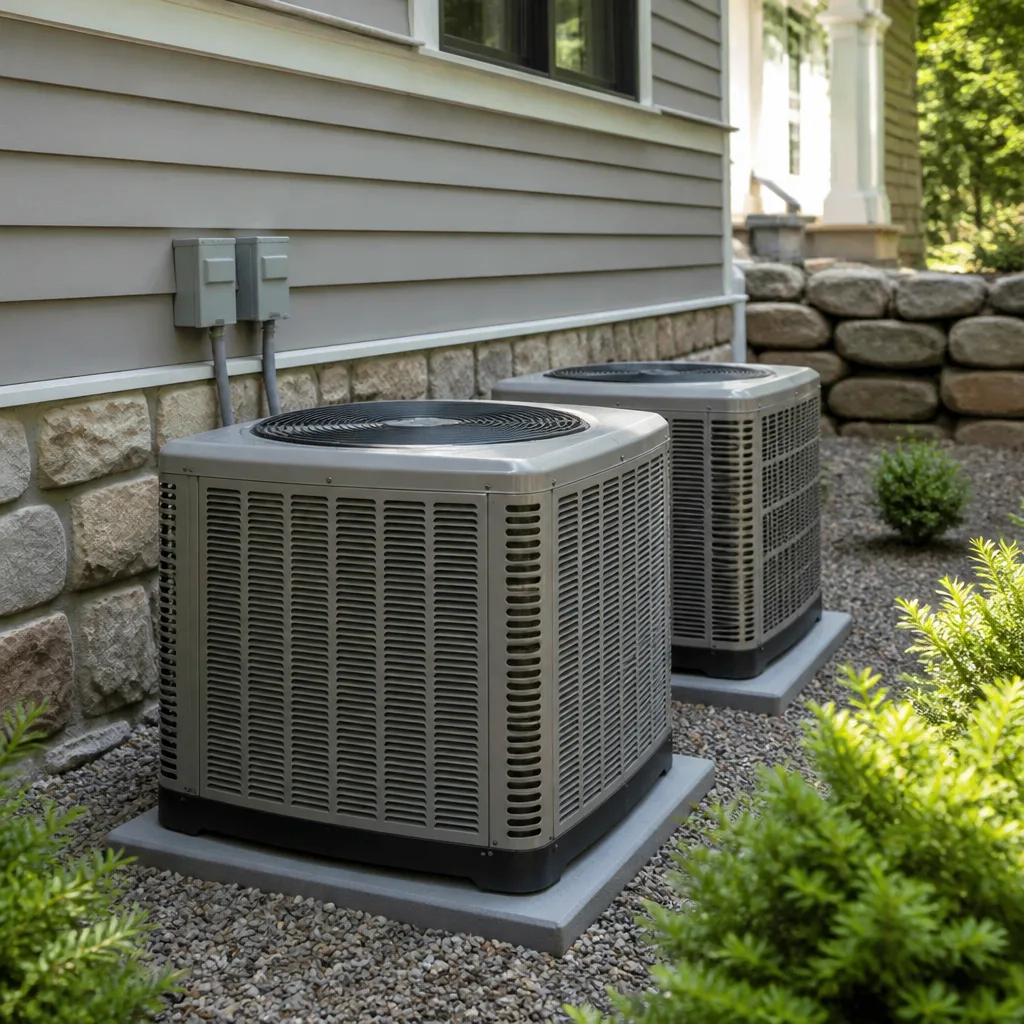 Heat pumps
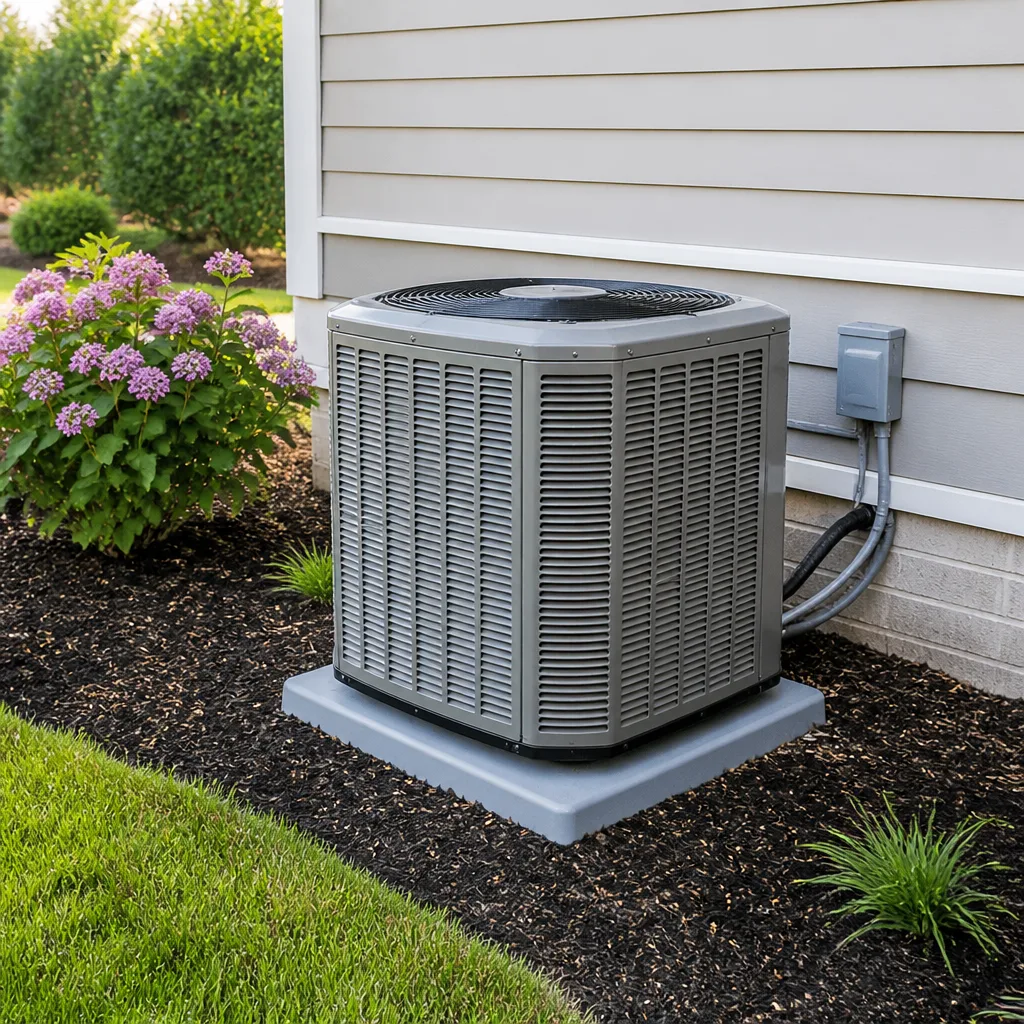 AC repair
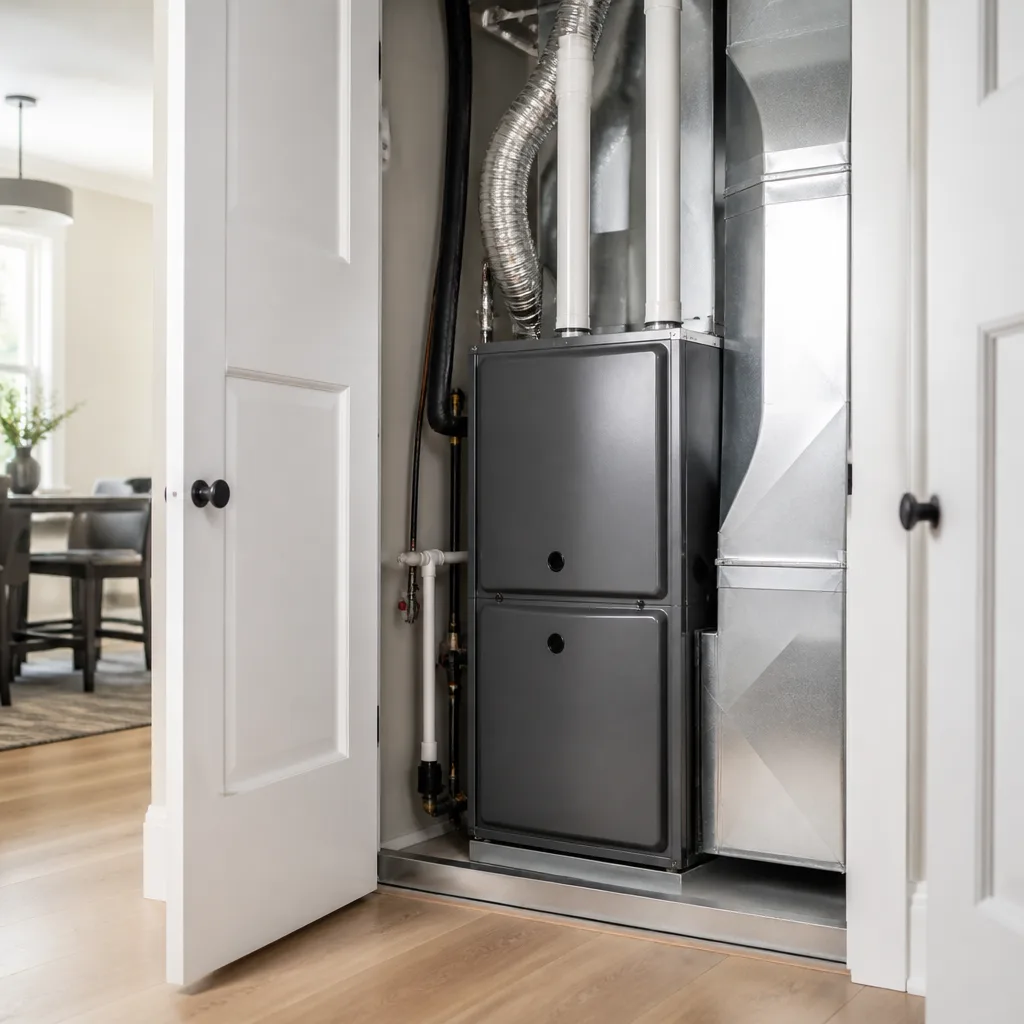 Furnace & heating
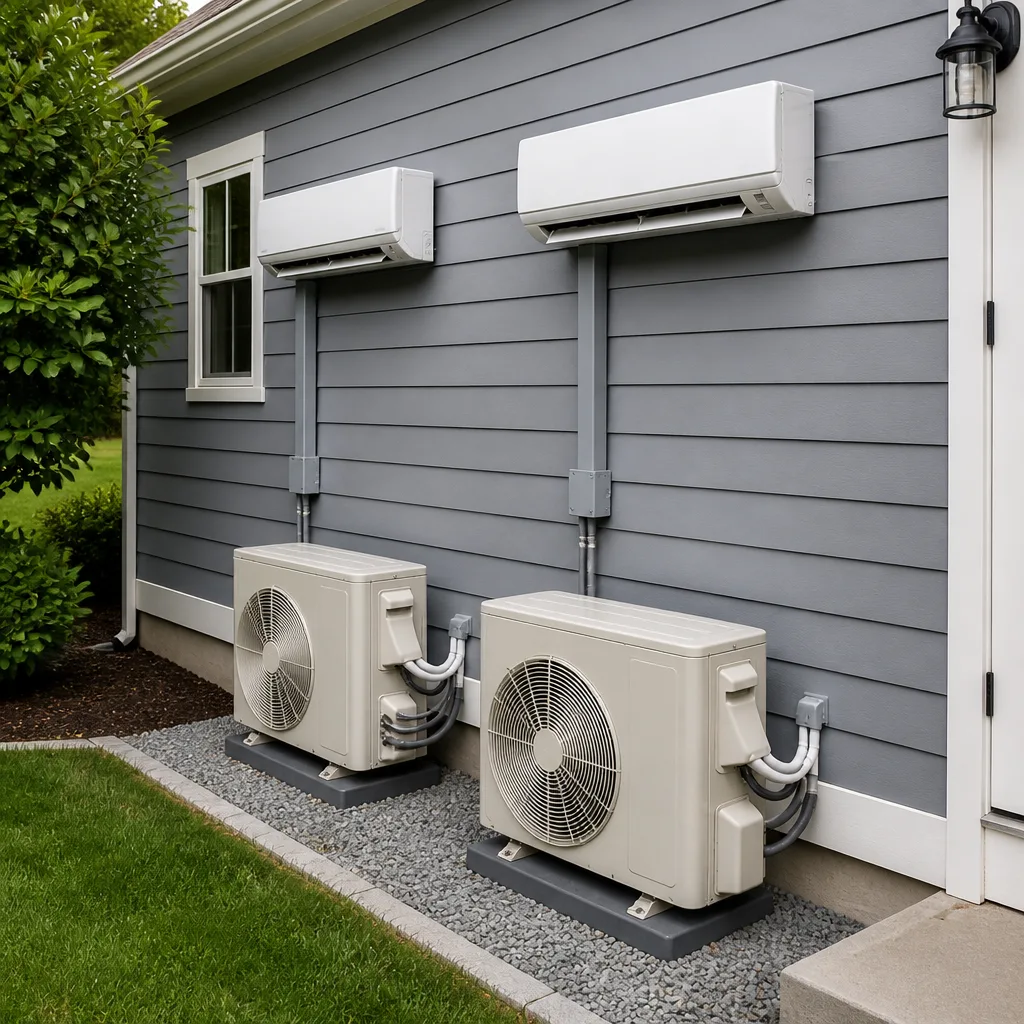 Ductless mini splits
 Carrier
 Trane
 Goodman
Seasonal tune-up and full diagnostic on your Carrier, Trane, or Goodman system - readings shown to you before any repair is proposed
Diagnosis first, numbers second - you approve the repair price before a single part goes in.
Get your free estimateHeat Pump & Mini Split Maintenance Schedule: What to Do and When
Mini splits fail quietly. Not with a dramatic breakdown on the coldest night of the year, but with a slow efficiency loss that adds $15 to $30 a month to your power bill for two years before anyone notices the evaporator coil is packed with dust. By the time the system starts short-cycling or blowing lukewarm air, the damage has already been compounding. The good news is that two simple tasks – done on a schedule – prevent roughly 80% of the premature failures we see in Winchester. This guide gives you a month-by-month maintenance calendar built for our climate, separates what you can safely do yourself from what needs a technician, and explains what actually goes wrong when each task gets skipped.
Quick Answer
A mini split heat pump needs filter cleaning every 2 to 4 weeks during heavy use, a coil wipe-down monthly, a condensate line flush every 3 months, and one professional service call a year. In Winchester, schedule the pre-summer check in April and the pre-winter heating check in September. Owner tasks handle the air side; a technician handles refrigerant, electrical, and the deep coil clean.
Styles & brands we work with
- AC repair
- Furnace & heating
- Heat pumps
- Ductless mini splits
- Carrier
- Trane
- Goodman
Table of Contents
- Quick Answer
- The Winchester Month-by-Month Calendar
- Owner Tasks vs. Technician Tasks: Know the Line
- What a Dirty Coil Really Costs You
- The Outdoor Unit in Winchester’s Environment
- Multi-Zone Systems: Why the Least-Used Head Fails First
- Why Spring Is When Mini Splits Fail in Winchester
- Common Mistakes to Avoid
- When to Call a Professional
The Winchester Month-by-Month Calendar
Winchester sits in a high desert basin, and that shapes the maintenance calendar in ways a generic guide won’t tell you. Spring brings wind-driven dust and cottonwood fluff. Summer pushes 100°F-plus highs for weeks. Winter delivers hard freezes after warm days, which is tough on any condensate path. The schedule below is built around those three pressures.
January – February: Off-Season Coil Inspection
Heating season is in full swing, but use a mild afternoon to look at the indoor head. Shine a light into the blower area and the coil face. A gray film means you’re behind on cleaning. Check that the outdoor unit’s defrost cycle is clearing frost within a few minutes; heavy ice buildup that lingers is a technician call.
March – April: Pre-Summer Startup
This is your most important service window. Before the first 95°F day, book the professional pre-summer check. Combine it with a full filter wash and a condensate line flush. April is when we catch low refrigerant charge and loose electrical connections before they strand you in July.
May – September: Peak Cooling Cadence
During heavy cooling, clean filters every 2 to 3 weeks. Wipe the coil face monthly. Watch for cottonwood fluff collecting on the outdoor coil – knock it off with a garden hose on low pressure. If airflow drops or the unit runs noticeably longer, stop and check the filter before anything else.
September: Pre-Winter Heating Check
Before the first freeze, have the technician verify the reversing valve, defrost cycle, and heating charge. A heat pump that cools well can still heat poorly, and you don’t want to find that out in December. Flush the condensate line again as part of the visit.
October – December: Freeze-Thaw Watch
Winchester’s winter swing from mild afternoons to hard nights is hard on condensate drainage. Confirm the outdoor drain path isn’t pooling and freezing. Keep the outdoor unit clear of leaves and debris; a buried coil in winter costs you defrost performance.
Owner Tasks vs. Technician Tasks: Know the Line
Most maintenance guides blur this line, which is how homeowners end up either paying for things they could do in five minutes or, worse, attempting things that void a warranty or risk injury. Here’s the clean split.
What You Can Safely Do Yourself
- Wash the filters – every 2 to 4 weeks in heavy use, with warm water and mild soap, fully dried before reinstalling.
- Wipe the coil face and blower grille – a soft cloth and gentle brush, power off at the breaker first.
- Flush the condensate line – a cup of distilled water or a mild vinegar solution through the drain, quarterly.
- Clear the outdoor unit’s surroundings – keep 2 feet of clearance, sweep leaves and fluff off the coil with low-pressure water.
- Watch and note – write down unusual noises, ice buildup, or longer runtimes to report at your next service.
What Belongs to a Technician
- Refrigerant pressure and charge check – requires gauges, training, and handling rules; never a DIY task.
- Electrical connection torque and contactor inspection – a loose connection at the terminal block is a fire risk and a top cause of compressor failure.
- Deep evaporator and condenser coil cleaning – pulling and washing the coil properly protects the fins and the drain pan.
- Reversing valve and defrost cycle testing – the heart of heating performance in a heat pump.
- Capacitor and board diagnostics – capacitors are the most common wear part in the system and require a meter and safe discharge procedure.
High-voltage components inside a mini split, including the capacitor and the terminal block, hold a lethal charge even after the breaker is off. That’s the hard line. Our technicians have up to 8 years of experience with these systems across the nine major brands, including Lennox, Goodman, and Rheem, and every one of them is background-checked and uniformed. It’s a service we’re glad to handle so you don’t have to.
What a Dirty Coil Really Costs You
This is where the math gets real. A coated evaporator coil can lose 20% to 30% of its heat-transfer capability. That doesn’t show up as a dramatic failure; it shows up as runtime. The system runs longer to hit the same temperature, and every extra minute of compressor runtime is electricity. In our experience, a neglected mini split in Winchester can add $15 to $30 a month to a power bill, and it can take two full cooling seasons before the homeowner connects the dots.
A clean coil, by contrast, lets the refrigerant do its job at design efficiency. That means shorter runtimes, steadier temperatures, and less wear on the compressor – the single most expensive component in the system. The other quiet cost is moisture. A coil that stays damp because airflow is restricted becomes a place for biological growth, and that shows up as musty smell and, eventually, air quality concerns in the rooms you’re cooling.
Here’s the practical takeaway: if you clean the filters on schedule and wipe the coil monthly, you’ll go into every Winchester summer with a coil that’s already doing its best work. If you skip those tasks “because it’s a mini split and they’re low maintenance,” you’ll spend two summers paying for it before you realize it. The convenience is real; it just isn’t free.
The Outdoor Unit in Winchester’s Environment
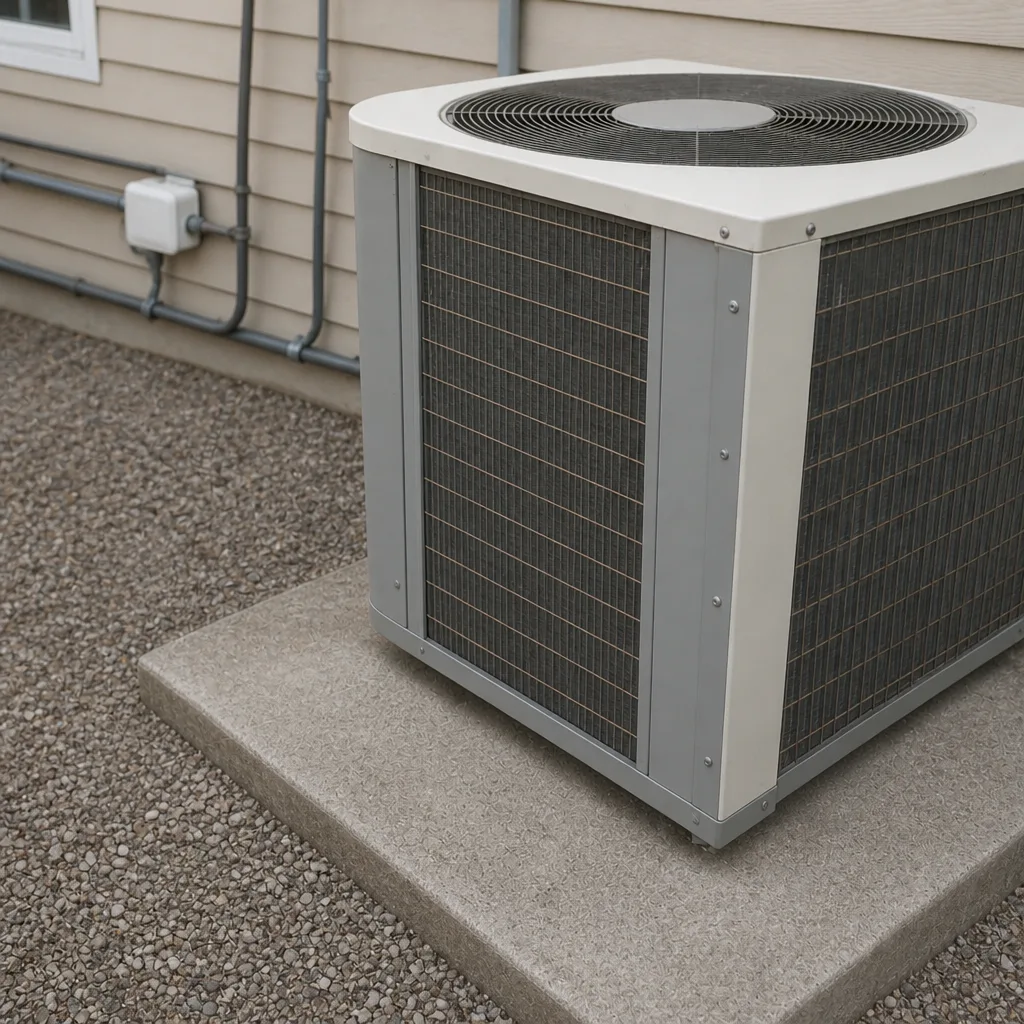
The outdoor unit lives a harder life in Winchester than most homeowners realize. Three local conditions dominate:
- Wind-driven dust. Spring gusts in the valley carry fine dust that packs into the outdoor coil fins. It’s not visible from a distance, so check the coil face from the side with a flashlight every few weeks during windy months.
- Cottonwood season. Late spring to early summer, cottonwood fluff clings to outdoor coils like fabric. This can cut airflow dramatically in a matter of days. A quick low-pressure hose rinse, done carefully from the inside out, clears it.
- Freeze-thaw condensate. Winter drainage from the outdoor unit can pool and refreeze at the base. Keep the drain path clear, and watch for ice forming under the unit; that’s a technician call if it persists.
The other piece is clearance. Keep at least two feet of open space around the outdoor unit, and don’t let bushes grow into the coil. A unit that can’t breathe in July is a unit that works harder than it should, and that’s the path to a failed capacitor or a stressed compressor – the two repairs we see most in Winchester before the first heat wave breaks.
Multi-Zone Systems: Why the Least-Used Head Fails First
If you have a multi-zone mini split, the head in the guest room or the rarely-used bonus room is almost always the first one to fail. The reason is simple: it sits idle, and idle is not kind to these systems. Damp coils, dry seals, and dust that settles on a coil that never gets cleared by airflow – all of it accumulates silently. Then one summer day, the homeowner turns it on and gets nothing but lukewarm air.
The fix is counterintuitive but simple. Run every zone, even briefly, on a regular cadence. A weekly or biweekly run for 15 to 20 minutes in cooling or heating keeps the compressor lubricated, keeps the reversing valve exercised, and keeps the drain line flowing. Many of our Winchester customers with multi-zone systems make this a simple calendar reminder and it pays off for years.
Also clean the filters in unused zones on the same schedule as the rest. A filter that stays installed while the unit is off just traps dust and feeds it back into the indoor coil when the system finally runs. That’s a filter you’re paying to clean later.
Why Spring Is When Mini Splits Fail in Winchester
Calendar-wise, the most common time for a mini split to fail in Winchester isn’t peak summer; it’s the first hot week of late spring or early summer. The reason is the seasonal gap. The system sat through winter, ran on heating into March or April, then sat idle through a mild stretch. During that idle period, dust settles on the coil, the condensate line can dry out or clog, and a marginal capacitor quietly drifts out of spec. The first 90°F day loads it up, and the weak link gives.
A pre-summer check in April catches exactly those failure points: the capacitor, the electrical connections, the charge, and the coil. It’s the difference between getting ahead of the season and reacting to it. This is the single most valuable service window on the calendar, and it’s why we recommend it even for systems that “seem to be running fine.” Most of the systems we repair in June looked fine in April.
Common Mistakes to Avoid
- Skipping filter cleaning because the system “still works.” A dirty filter doesn’t announce itself; it just makes the unit run longer. By the time you notice, the coil is already fouled.
- Spraying the indoor coil with household cleaners. Many cleaners attack the aluminum fins and the drain pan. Use only products designed for HVAC coils, or leave the deep clean to a technician.
- Power-washing the outdoor coil. High pressure bends fins flat, which permanently reduces airflow and heat transfer. Low pressure only.
- Ignoring the condensate line. A clogged drain line is one of the most common causes of indoor water damage we see in Winchester. Flush it quarterly.
- Assuming “low maintenance” means “no maintenance.” The two tasks most owners skip – filter cleaning and coil wipe-down – cause roughly 80% of the premature failures we diagnose.
- Letting a multi-zone head sit idle for months. Run every zone on a regular cadence; the least-used head always breaks first.
- Wait until something breaks to book a service. A $89 seasonal tune-up is far cheaper than a midsummer repair, and it’s the difference between a one-visit job and a wrecked compressor.
When to Call a Professional
Some failures should never be a DIY project. Call us if you see ice on the indoor coil or outdoor unit for more than a defrost cycle, if the unit short-cycles repeatedly, if airflow drops even with clean filters, if the outside unit is warm to the touch and not running, or if you smell burning or see scorched wires. Those signal electrical or refrigerant problems that require tools and training – and that carry real safety risk. Stop using the system and call for help.
For routine maintenance, our Heat Pump & Mini Split in Winchester team offers a $89 seasonal tune-up with the same 90-Day Done Right Promise we back every job with. If you’re considering a system replacement or a second opinion on a quote, we’ll give you a straight answer, a written price, and no pressure – that’s a square deal. For AC and heating service on any of the nine major brands, start with our Fireside Heating & Air Co. Winchester home page.
Frequently Asked Questions
Professionally, once a year – ideally a pre-summer check in April and a pre-winter check in September if you run it year-round for heating and cooling. Owner tasks (filter cleaning and coil wipe-down) should happen every 2 to 4 weeks during heavy use.
Yes, they do. Winchester’s dust, cottonwood, and hard freeze-thaw cycles are harder on coils and condensate lines than the mild climate most mini split guides are written for. A yearly deep clean plus a spring and fall check is the realistic schedule here.
Airflow drops, the indoor coil fouls, and the system runs longer to hit the same temperature. That’s the $15 to $30 a month efficiency loss that compounds over two seasons. It also shortens compressor life, the most expensive part to replace. Call (844) 783-5043 for a service visit if you’re not sure where you stand.
You can clear debris and cottonwood fluff with low-pressure water. Don’t use a pressure washer – it bends the fins and permanently reduces airflow. If the coil is packed with dust or you’re unsure, a technician’s deep clean is worth it. Call us for a free estimate on a tune-up if it’s been a while.
Most systems last 15 to 20 years with consistent maintenance. The biggest factor is clean coils and clean filters, because those keep the compressor from overworking. Electrical connection torque and a healthy capacitor are the second biggest, and those are technician tasks.
Our scheduled seasonal tune-up is $89, and repairs over $250 get $50 off. Emergency and diagnostic visits are quoted upfront before we start, so you always know the price. Call (844) 783-5043 and we’ll give you an exact quote – estimates are free.
The Bottom Line
You don’t need a complicated maintenance plan. You need the right tasks, in the right order, on a schedule built for Winchester. Clean the filters every 2 to 4 weeks during heavy use. Wipe the coil monthly. Flush the condensate line quarterly. Run every zone on a regular cadence. Book the pre-summer check in April and the pre-winter check in September. That’s it. The rest is a technician’s job, and it’s why we’re here: background-checked, trained on nine major brands, backed by the 90-Day Done Right Promise, and always a live person on the phone. If you want a system you never have to think about, we’ll help you get there.
Ready to put your system on a schedule? Call Fireside Heating & Air Co. Winchester at (844) 783-5043 for a free estimate on seasonal maintenance or any repair. Whether you need a tune-up, a second opinion on a written quote, or help deciding between AC repair and installation in Winchester or a system upgrade, we’ll give you a straight answer and a written price. And for the coldest night of the year, remember our heating and furnace team in Winchester is a phone call away, 24 hours a day.
Written by the team at Fireside Heating & Air Co. Winchester.
See the difference
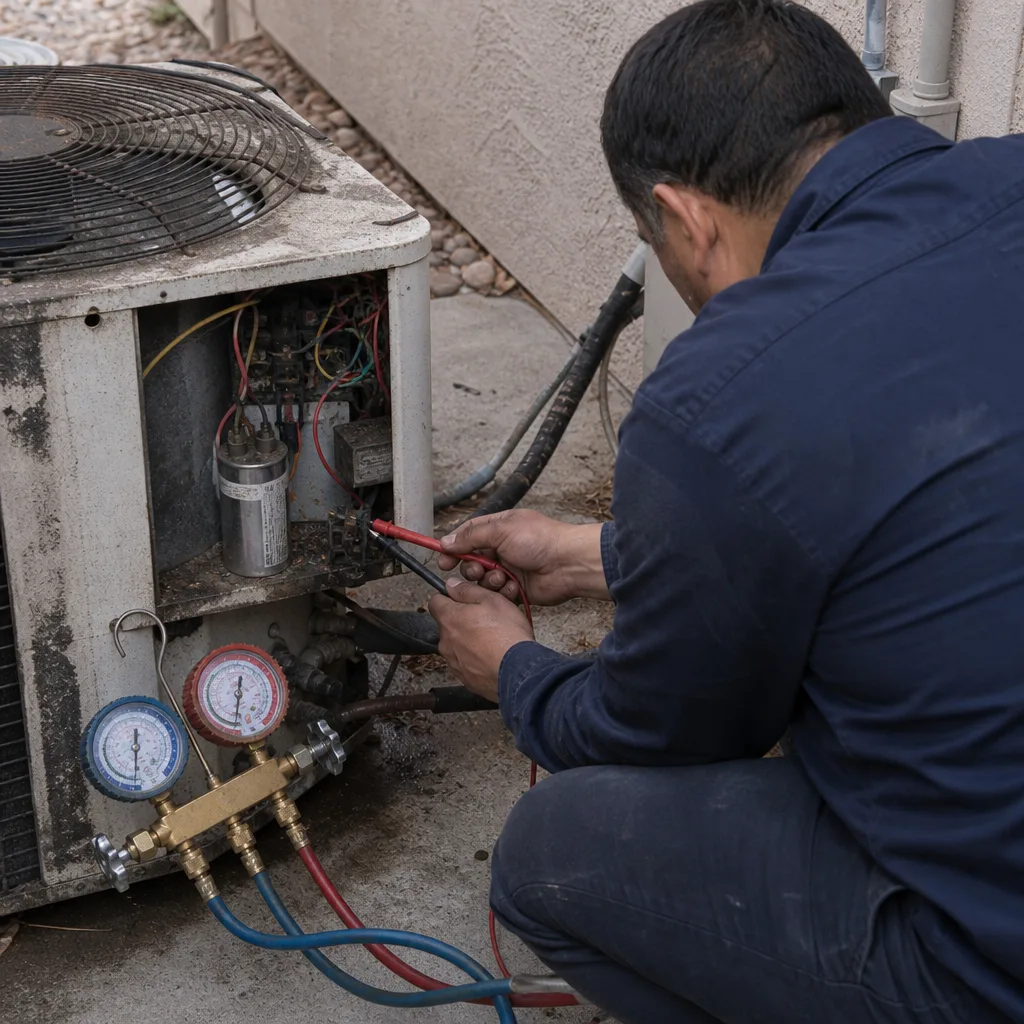 Before
 After
 Before
 After
 Before
 After