
Last updated November 18, 2026
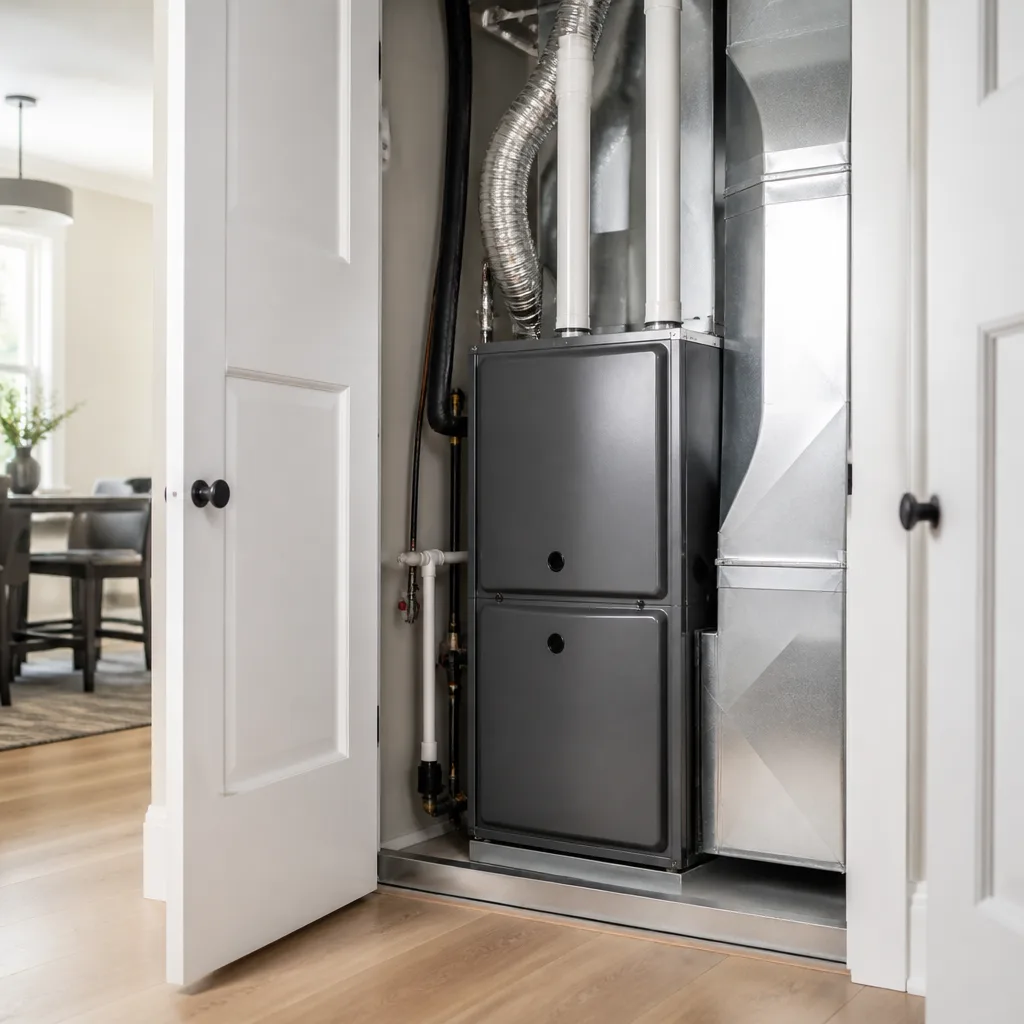 Furnace & heating
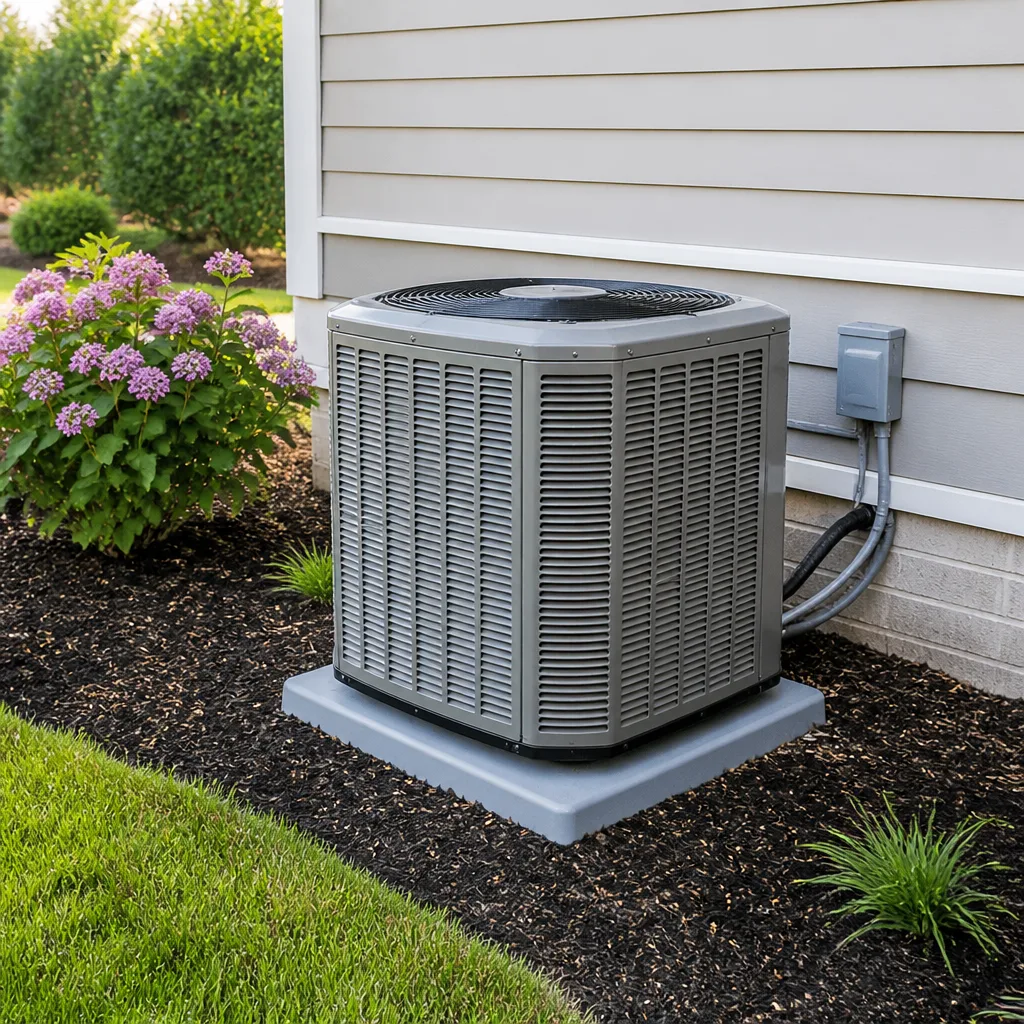 AC repair
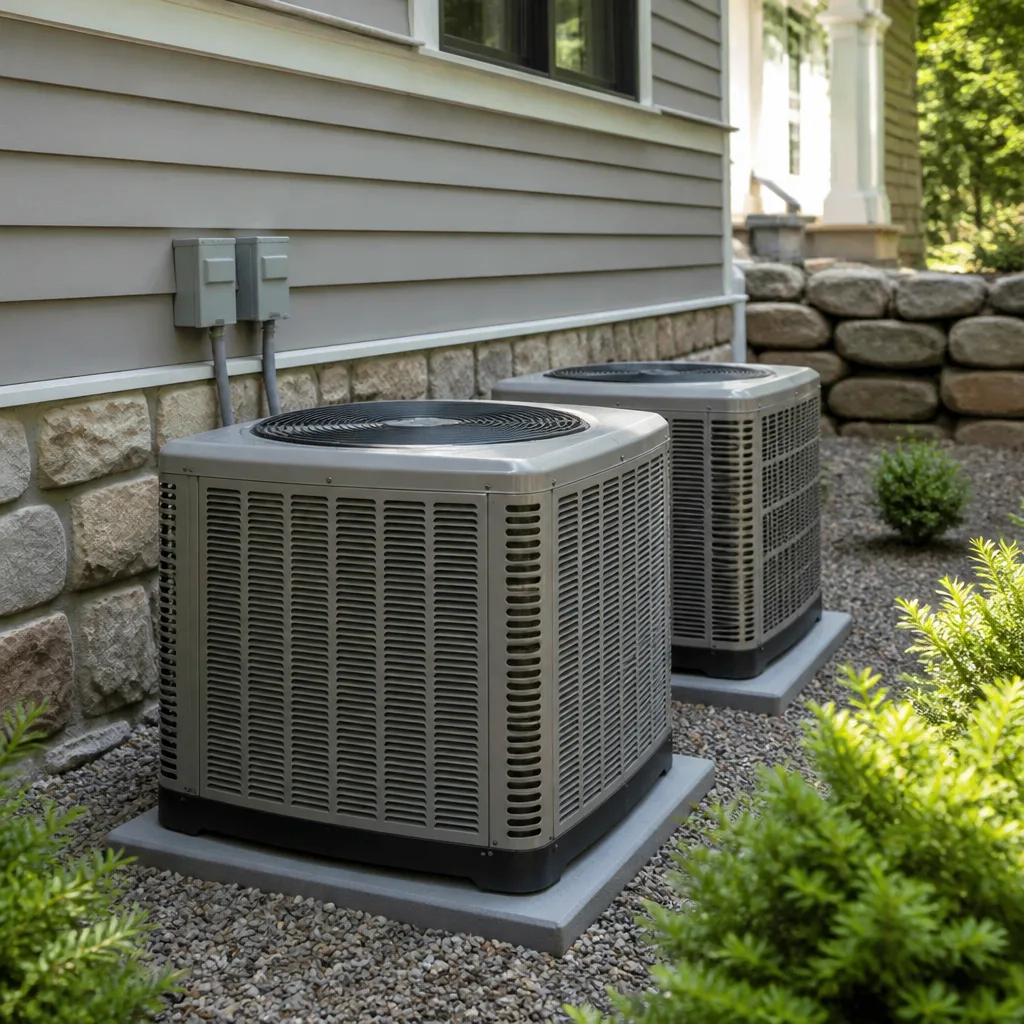 Heat pumps
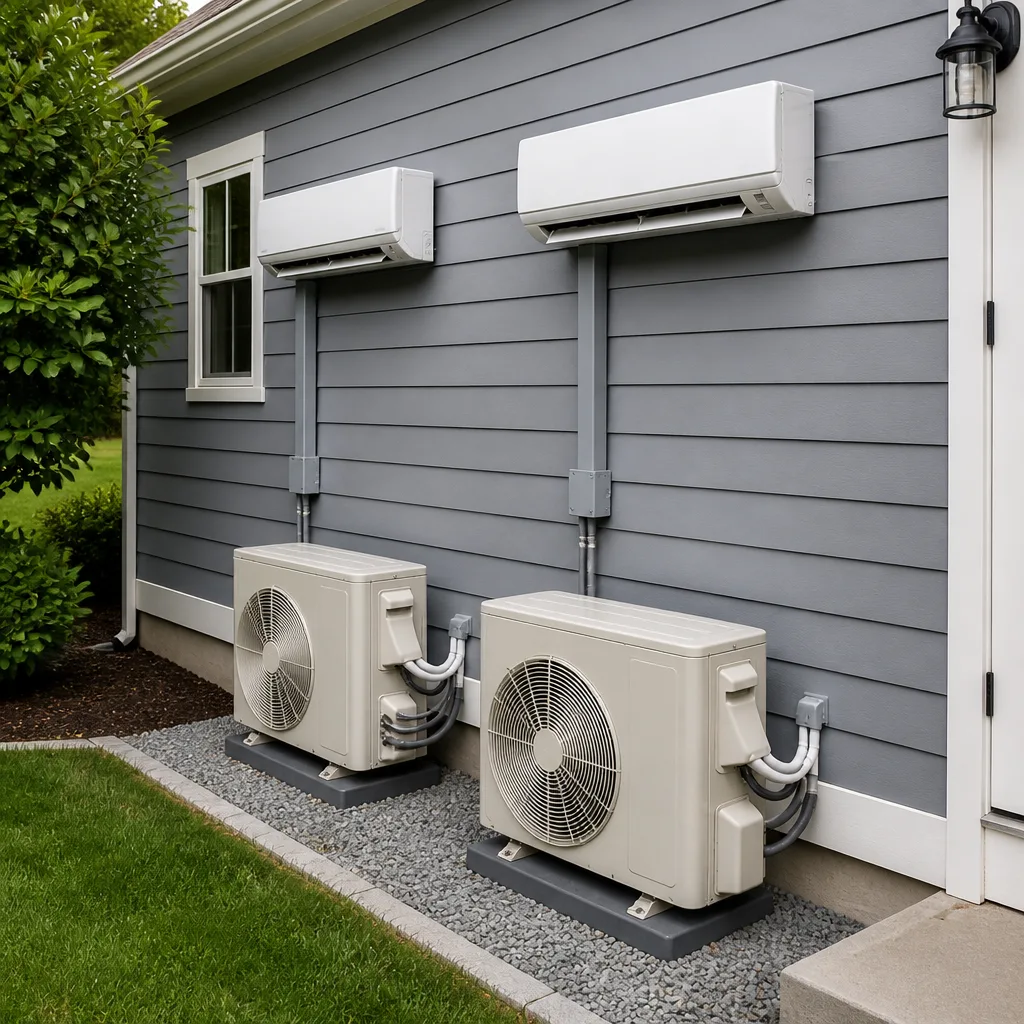 Ductless mini splits
 Carrier
 Trane
 Goodman
Seasonal tune-up and full diagnostic on your Carrier, Trane, or Goodman system - readings shown to you before any repair is proposed
Diagnosis first, numbers second - you approve the repair price before a single part goes in.
Get your free estimateThe Complete Heating & Furnace Guide for Winchester Homeowners
Winchester recorded 19 nights below 10°F in a single recent winter. That number matters more than any climate-zone label on a spec sheet, because a stretch of nights that cold exposes every undersized furnace, every hairline heat exchanger crack, and every skipped annual inspection in ways a typical Nevada winter never does. If your furnace was sized, installed, or maintained for a milder region, it will tell you so at the worst possible moment: 2 a.m. on the coldest night of the year. This guide covers what Winchester homeowners actually need to know about furnace sizing, staging, gas supply at our elevation, heat exchanger safety, and how to read a replacement quote line by line.
Quick Answer
Most Winchester furnaces are correctly sized using a Manual J load calculation built around the local 99% design heating temperature (the cold threshold your system must handle), not a county climate-zone average. If your home’s furnace was sized by rules of thumb, runs constantly below 20°F, or has never had a combustion safety check, the priority is a professional evaluation before next winter, and a cracked heat exchanger is the one defect that cannot wait. Our technicians have up to 8 years of experience reading exactly these conditions in Winchester homes.
Styles & brands we work with
- AC repair
- Furnace & heating
- Heat pumps
- Ductless mini splits
- Carrier
- Trane
- Goodman
Table of Contents
- Furnace Sizing for Winchester’s Design Temperatures
- Single-Stage, Two-Stage, or Variable-Capacity: What Fits Winchester
- Gas Pressure and Elevation: Why Commissioning Matters Here
- Heat Exchanger Cracks: The One Defect You Can’t Defer
- How to Read a Furnace Replacement Quote in Winchester
- What an Annual Furnace Inspection Should Actually Cover
- Repair or Replace? Straight Talk for Older Systems
Furnace Sizing for Winchester’s Design Temperatures
Furnace sizing is not a guess and it is not a function of square footage alone. A proper Manual J load calculation considers your home’s insulation, window area and orientation, air leakage, duct condition, and the local 99% design heating temperature, which is the cold point your system is engineered to handle. That figure for Winchester sits well below the numbers contractors use for Clark County’s warmer pockets. A furnace sized to a county average will be undersized for a cold-weather Winchester home.
What goes wrong when a furnace is undersized: it runs flat-out on the coldest nights, never quite reaches setpoint, and wears its components faster than it should. An oversized furnace has its own failure mode: short cycling, uneven heat, and a heat exchanger that gets stressed by rapid temperature swings.
How to tell if your furnace was correctly sized:
- Look at the data plate for the input and output BTU ratings.
- Ask for the Manual J report from your last install, if you have one. A legitimate installer keeps it on file.
- Note runtime on the coldest nights. A correctly sized furnace runs long and steady; one that cycles every ten minutes may be oversized, and one that never shuts off may be undersized.
- Compare rooms. Cold rooms far from the furnace often indicate duct issues, not sizing, but a cold whole house below 20°F points back to capacity.
If your furnace has never been load-calculated and you’re planning to stay in the house, that evaluation is worth having done. For a deeper look at our heating service, see Heating & Furnace in Winchester.
Single-Stage, Two-Stage, or Variable-Capacity: What Fits Winchester
Winchester’s daily temperature swings are wide. A morning that starts in the teens can soften to the forties by afternoon, and back below freezing after dark. That swing is exactly where furnace staging matters, and it’s why a builder-grade single-stage unit often feels “loud and short” in a Winchester home.
- Single-stage: one fire rate, on or off. Cheapest to buy, simplest to repair, and hardest on comfort during mild weather when it delivers full heat in short bursts.
- Two-stage: runs on low fire most of the time and ramps up when demand climbs. Better temperature stability through swing days and quieter operation. A solid middle ground.
- Variable-capacity: modulates fire rate in small increments to match demand more closely. The most even comfort and typically the quietest, with the highest upfront cost and more complex components.
We install and service all three styles across the major brands, including Lennox and Goodman, and the honest answer is that staging is a comfort decision more than a reliability one. A well-maintained single-stage furnace in a tight, well-insulated Winchester home will last just as long as a variable-capacity unit. The staging question is really about how much you value even temperatures and quiet operation.
Gas Pressure and Elevation: Why Commissioning Matters Here
Furnaces ship from the factory set for a specific manifold gas pressure, and that setting is calibrated for sea-level or near-sea-level air density. Winchester’s elevation changes combustion air density, which affects how the burner burns. A furnace installed without checking and adjusting manifold pressure against local gas supply specs runs rich or lean, and both cause problems over time.
Signs a furnace may not have been commissioned for local conditions:
- Yellow, lazy burner flames instead of crisp blue
- A persistent smell near the furnace or in the utility room
- Rumbling or popping on startup
- Soot on the burners or the heat exchanger face
- Short burner cycles even in cold weather
If you notice any of these, call before you use the furnace again. This is one of the checks our technicians perform on every furnace service call. Proper commissioning is not an upsell; it’s the difference between a furnace that lasts its full service life and one that carbon-fouls its heat exchanger years early.
The E-E-A-T reality here: no homeowner should adjust gas pressure themselves. Combustion work belongs to a trained, insured technician. We’re happy to walk you through what we check when we arrive. You can reach us any hour at (844) 783-5043.
Heat Exchanger Cracks: The One Defect You Can’t Defer
The heat exchanger is the metal wall between the burning gas and the air your house breathes. When it cracks, combustion gases, including carbon monoxide, can enter the supply air. This is the single furnace defect that must not be rolled into “we’ll look at it next spring.”
How a heat exchanger crack is found:
- Visual inspection of the exchanger surfaces through the inspection ports.
- Combustion analysis at the flue to check for dilution or CO irregularities.
- Pressure and leak testing in some cases.
- Flame observation during heating cycles.
A cracked heat exchanger on a furnace under 10 years old may be a warranty matter. On older units, replacement is almost always the right call. Carbon monoxide detectors are a baseline safety item for any home with gas heat, but they are not a substitute for a professional inspection; they alert you when CO is already present, they don’t catch an early crack.
If you smell combustion gas, hear an unusual rumble, or your CO detector has ever alarmed, stop using the furnace and call a professional today. That’s not a sales tactic, it’s a safety boundary. For a service visit or a second opinion, call (844) 783-5043.
How to Read a Furnace Replacement Quote in Winchester
Furnace replacement quotes vary widely in Winchester, and the line items are where the differences hide. A fair quote is itemized, includes a load calculation, and discloses what’s included versus what’s extra.
Legitimate line items on a furnace replacement quote:
- Furnace model, input/output BTUs, AFUE rating, and warranty terms
- Manual J load calculation results
- Sheet metal and duct modification work, if needed
- Venting (new flue, liner, or PVC depending on the unit)
- Gas line sizing and manifold pressure adjustment
- Combustion testing at commissioning
- Permit fees and inspection
- Haul-away of the old unit
- Thermostat and any wiring changes
- Labor, listed separately from equipment if possible
Items that are often negotiable or should be questioned:
- “Diagnostic fee” charged on top of a quoted replacement when no diagnosis was needed
- Extended warranties that duplicate manufacturer coverage
- “Duct sealing” or “air balancing” quoted without a measurement
- Upsells to variable-capacity when your comfort issue was air distribution
- Any markup on equipment not visible in the quote
Every quote we give is upfront and no-hassle: the price quoted is the price paid. If a competitor’s written estimate leaves you uneasy, we offer a free second opinion on any written quote, and that offer is honest, not a negotiating tactic.
What an Annual Furnace Inspection Should Actually Cover
An annual inspection is only as good as what’s included. If a technician arrives, vacuums the burners, charges you, and leaves in 20 minutes, you haven’t had a real inspection. Here’s what a real one covers, and what our $89 seasonal tune-up includes.
- Combustion analysis (flue gas temperature and CO readings)
- Gas manifold pressure check against Winchester’s elevation
- Heat exchanger inspection with a flashlight and mirror
- Burner and ignitor cleaning and inspection
- Flame sensor and ignitor condition
- Blower motor and capacitor check
- Filter replacement or inspection
- Vent and flue condition, including any PVC piping
- Condensate drain check on high-efficiency units
- Thermostat calibration and operation test
- Written report of what was actually found
That last item matters. A written report tells you the actual condition of your furnace, not just that someone “checked” it. Our technicians are not paid on what they sell, so the report reflects the system, not a quota.
Repair or Replace? Straight Talk for Older Systems
Three factors decide most repair-versus-replace questions: the age of the furnace, the cost of the repair relative to a new unit, and whether the system has had a history of failures. A furnace past 15 years old with a repair bill approaching a third of a replacement cost is generally a replace. A younger furnace with a failed ignitor or blower motor is generally a repair.
Considerations specific to Winchester:
- A furnace that has run through multiple sub-10°F winters without a heat exchanger inspection is at elevated risk.
- Repairs on a unit that was never commissioned for local gas specs may chase symptoms that a replacement would fix.
- If the system is over 20 years old and using a mid-efficiency model, a high-efficiency upgrade often pays back in a handful of Winchester heating seasons.
- For homes that also have cooling or are considering heat pump conversion, the calculation changes. See Heat Pump & Mini Split in Winchester for how electrification rebates can offset a replacement.
We’re happy to give a straight answer on whether to repair or replace. That’s the whole point of an honest evaluation. If the repair is the right answer, we say so.
Common Mistakes to Avoid
Here are the mistakes we see most often when we’re called into Winchester homes that have already been worked on by someone else.
- Sizing by square footage alone. A 2,000-square-foot Winchester home with single-pane windows and an uninsulated crawl space needs a larger furnace than the same square footage in a tight, modern build. Only a Manual J calculation catches that difference.
- Letting a heat exchanger inspection slide “for now.” A crack is not a wear item you schedule; it’s a safety defect. It cannot be deferred to spring.
- Installing a furnace without checking gas manifold pressure. Elevation-specific commissioning is standard practice, but it’s routinely skipped by contractors working from a template. Ask.
- Accepting an oral price. A price quoted verbally, with no written line items and no written warranty, is not the price you’ll pay. It’s the opening bid.
- Skipping combustion testing at install. A furnace that passes a visual check but never gets a flue gas analysis may be running rich or lean from day one.
- Choosing the lowest bid as a shortcut. The lowest bid often means no load calculation, no permit, and no commission. It’s cheaper because something was left out.
- Not asking what’s in the warranty. Manufacturer warranty and installer warranty are separate. Know both before signing.
See the difference
 Before
 After
 Before
 After
 Before
 After
When to Call a Professional
Call a professional when you smell gas, hear a rumble on startup, see yellow flames, or your CO detector has alarmed. Call when the furnace runs flat-out below 20°F and never reaches setpoint. Call when a room or rooms stay cold regardless of thermostat setting. Call before you buy a new furnace, so a load calculation is part of the decision. Call if you’ve had a contractor tell you a heat exchanger crack “isn’t urgent.” Call if you just bought the house and don’t have a service history. Our technicians have up to 8 years of experience on exactly these calls in Winchester, and we answer the phone every hour of every day. Fireside Heating & Air Co. Winchester offers free estimates in Winchester, call (844) 783-5043. Visit Fireside Heating & Air Co. Winchester home for more about us.
Frequently Asked Questions
Furnace replacement in Winchester typically runs $3,200 to $6,800 installed, with high-efficiency variable-capacity units at the upper end and two-stage units in the middle. Exact pricing depends on load, venting, duct work, and model. Call (844) 783-5043 for a written estimate built around your home, free of charge.
A correctly sized furnace is backed by a Manual J load calculation using Winchester’s 99% design temperature, not a square-footage rule or a county average. Ask your installer for the load calculation. If none exists, and your furnace struggles below 20°F, it’s worth having done. Call us for an evaluation.
If your furnace is under 12 years old and the repair costs less than a third of a replacement, repair is usually right. Past 15 years old with a heat exchanger concern or a repair cost near half a replacement, replace. Call (844) 783-5043 for a straight answer, and we will not push a replacement you don’t need.
Every year, and preferably before the first cold snap in October or November. The combination of wide temperature swings and sub-zero nights in Winchester means an annual inspection catches heat exchanger, gas pressure, and combustion issues before they get expensive. Our $89 seasonal tune-up covers the full inspection checklist and includes a written report.
No. A cracked heat exchanger on a furnace has to be replaced, not repaired; on units over 15 years old, that usually means replacing the furnace. Never defer this for a season. Call us immediately if a technician has flagged a crack or you suspect one.
Yes. Our phones are answered by a live person 24 hours a day, 7 days a week, including the 2 a.m. no-heat call. There is no voicemail tree. Call (844) 783-5043 and a person will answer, night or day.
The Bottom Line
Winchester’s winters are unforgiving, and a furnace that was sized for a milder climate or installed without local commissioning will fail when you need it most. Get a Manual J load calculation before any furnace replacement. Ask whether your gas manifold pressure was adjusted for our elevation. Never defer a heat exchanger inspection. Read replacement quotes line by line, and don’t accept an oral price. Our technicians have up to 8 years of experience reading exactly these systems in Winchester homes. If you want straight answers and a written guarantee, see AC Repair & Installation in Winchester and our heating team, or call (844) 783-5043 for a free estimate today.
Written by the team at Fireside Heating & Air Co. Winchester.