
Last updated November 18, 2026
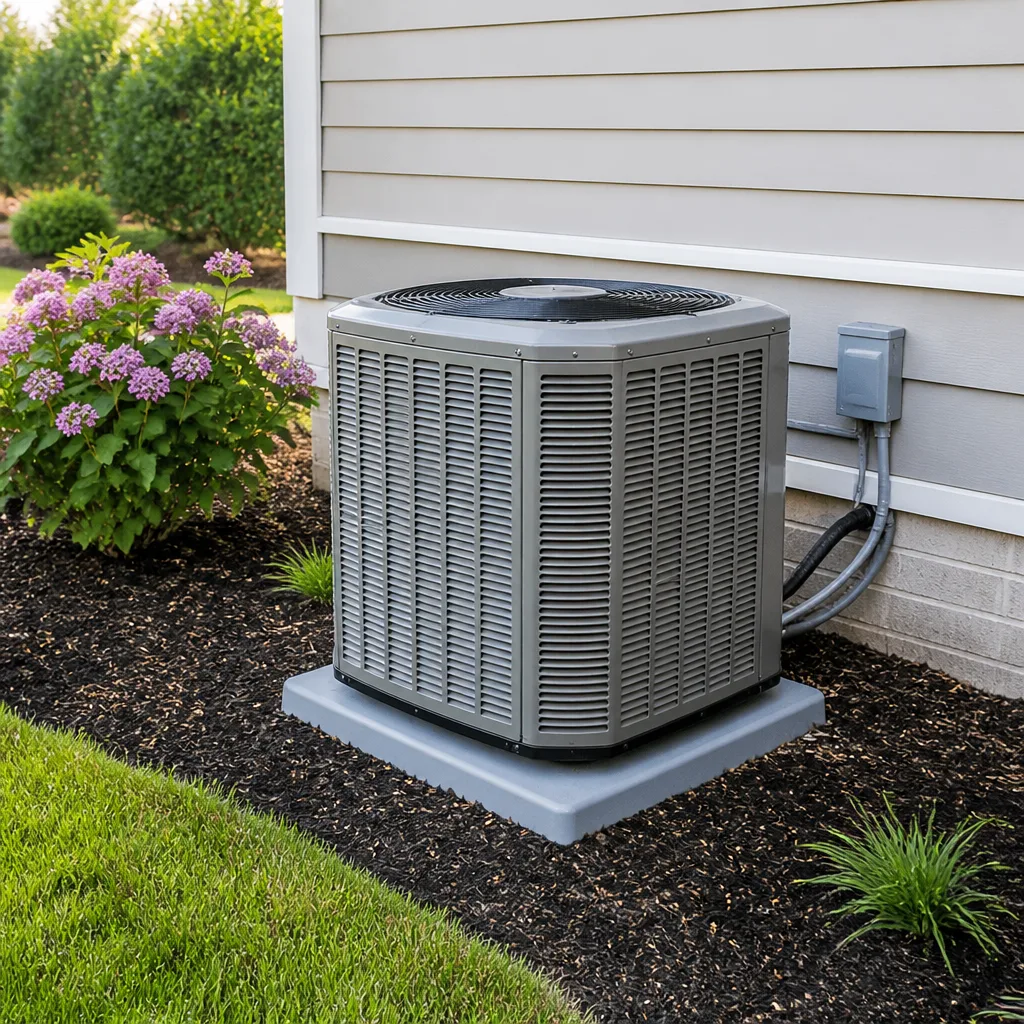 AC repair
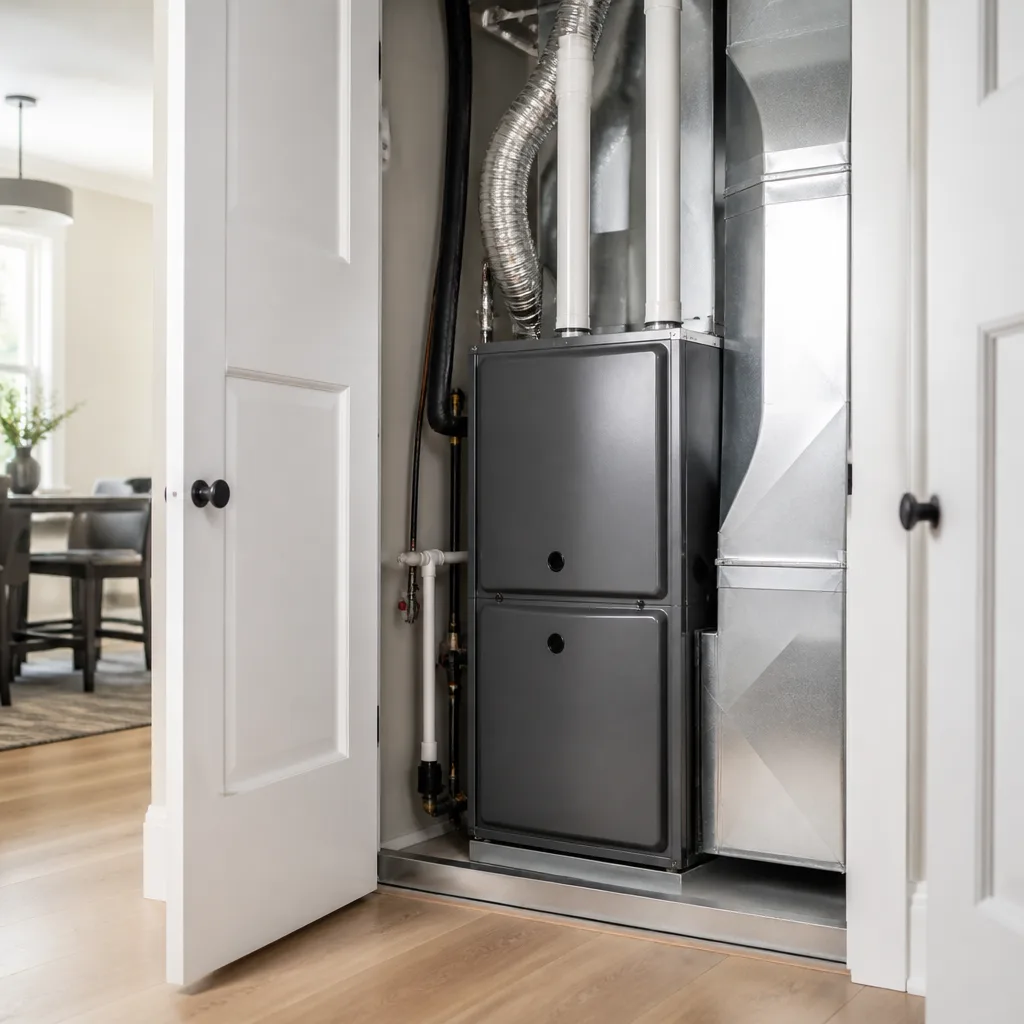 Furnace & heating
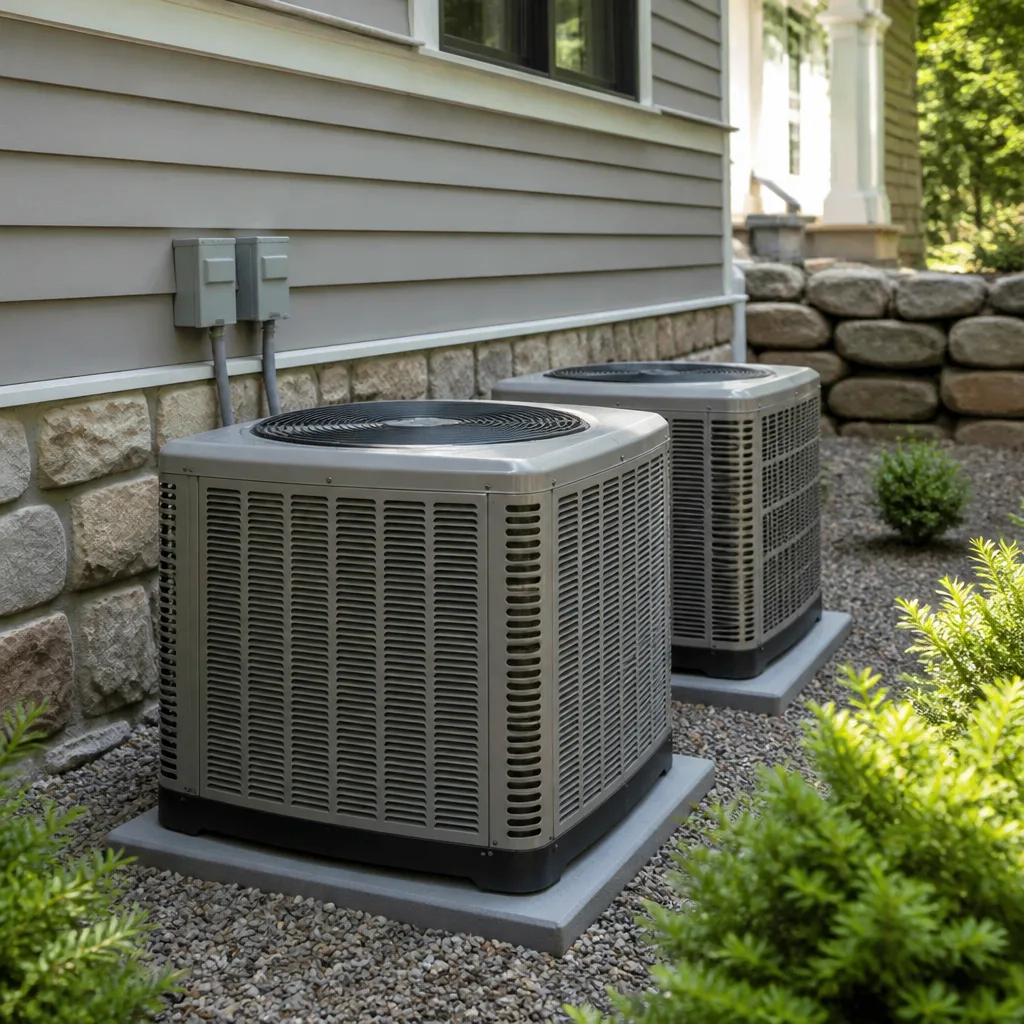 Heat pumps
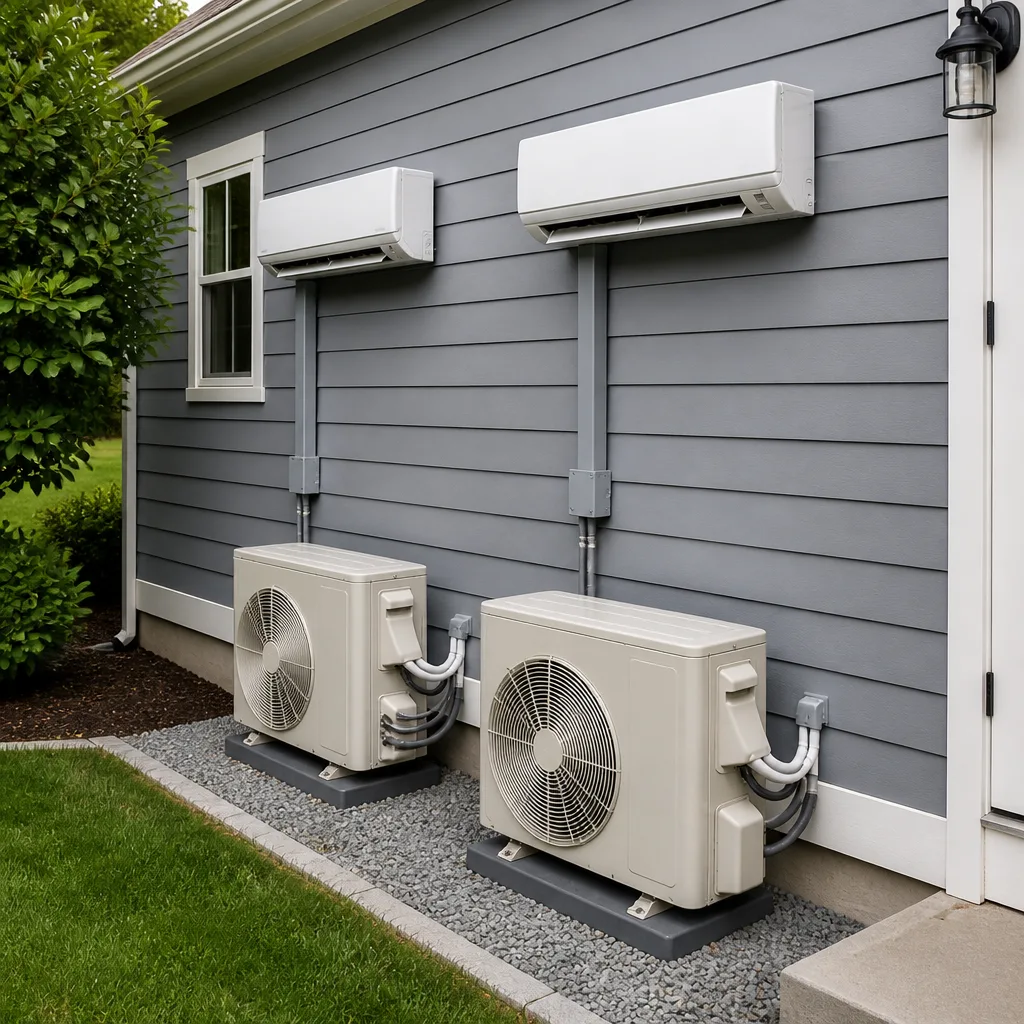 Ductless mini splits
 Carrier
 Trane
 Goodman
Seasonal tune-up and full diagnostic on your Carrier, Trane, or Goodman system - readings shown to you before any repair is proposed
Diagnosis first, numbers second - you approve the repair price before a single part goes in.
Get your free estimateSeasonal HVAC Care for Winchester: Year-Round Homeowner’s Guide
More Winchester AC units fail on the first genuinely hot day of the year than at any other point in summer. That day usually lands in late May or early June, when the temperature jumps past 95 and a system that sat idle all winter meets full load for the first time. Nobody prepared it. The phone lines light up across the valley, and every contractor in town is booked for a week. The hard truth is that most of those failures were preventable, and the work that prevents them doesn’t happen in spring and fall like the generic checklists say. It happens in the shoulder months, right when Winchester’s weather turns. This guide replaces the standard tune-up advice with a task calendar built around how this valley actually moves through the year.
Quick Answer
In Winchester, the highest-risk months for HVAC failure are the transitions, not the peaks: late May and early June when cooling starts under full load, and October and November when the first hard freeze arrives before most homeowners have had the furnace inspected. A year-round care plan timed to those transitions, plus monsoon-season air quality tasks in July through September and winterization of outdoor and attic equipment, prevents most emergency calls. A spring tune-up and a fall tune-up on the generic schedule miss the Winchester-specific windows where systems actually break.
Styles & brands we work with
- AC repair
- Furnace & heating
- Heat pumps
- Ductless mini splits
- Carrier
- Trane
- Goodman
Table of Contents
- Why Winchester’s Climate Breaks the Standard Schedule
- The Winchester Month-by-Month Task Calendar
- The May First-Run Protocol: Before the First 95-Degree Day
- Fall Heating Prep: Why October Is Already Late
- Monsoon Season: Cooling Load and Air Quality (July – September)
- Winterization for Unconditioned Spaces at Winchester’s Elevation
- Common Mistakes to Avoid
- When to Call a Professional
Why Winchester’s Climate Breaks the Standard Schedule
Most seasonal HVAC advice is written for a place with four clean seasons and a gentle ramp between them. Winchester doesn’t work that way. Spring doesn’t ease in here; it snaps. You can go from furnace weather to air conditioning weather inside a single week, and the system that was running heat in early April is suddenly being asked to cool a house that’s been closed up all winter. Fall is the same story in reverse. The first freeze can arrive earlier than longtime residents expect, and a furnace that hasn’t run since March is the last thing anyone thought to check.
That pattern is why the shoulder months matter more than the peaks. April, May, October, and November are when systems get caught off guard. A unit in July is running every day and has proven it can carry the load. A unit on the first hot day of June hasn’t proven anything yet. In our experience, the calls that come in during a heat wave are almost always about something that was quietly building through the spring.
There’s a second factor specific to this area: elevation and dry air. Winchester sits high enough that nights cool off fast even after a hot day, and the air holds very little moisture most of the year. That’s easy on humans and hard on equipment in ways most guides never mention. Ductwork in a crawlspace or attic swings through big temperature changes every single day, and that daily expansion and contraction loosens joints and seals over time. Sealed combustion and refrigerant charge behave differently in thin, dry air too. Care that’s timed to those swings does more for reliability than any single tune-up.
If you want the broad picture of how we approach service in this valley, start with Fireside Heating & Air Co. Winchester home, and the specific sections below will point you to the right detail.
The Winchester Month-by-Month Task Calendar
This is the core of the guide: a task calendar mapped to Winchester’s real weather transitions instead of generic seasonal labels. Print it, tape it inside a closet door, and work through it. None of it requires special tools, and most of it you can do yourself. The mechanical work still belongs to a technician, and we’ll flag where.
- March: Walk the outside unit and clear winter debris from the top and sides. Change the filter. Note whether the furnace ran clean all winter or short-cycled. This is the last comfortable month to schedule a cooling inspection before the rush.
- April: The transition month. Have the AC checked now, before it’s under load. Confirm the condensate drain is clear and the outdoor disconnect is sound. If you haven’t changed the filter since fall, do it.
- May: First-run protocol (full steps below). This is the month that decides whether you spend June waiting on a service call.
- June: Filter change, outdoor coil rinse if it’s dusty, and a quick listen for new noises. Watch for the first signs of weak cooling on the hottest afternoons.
- July – August: Monsoon season. Filter changes come more often, and air quality tasks matter more. Clear dust and pollen from around the outdoor unit after wind events.
- September: Cooling season winds down. This is the ideal month to book furnace inspection, while schedules are open and before the first freeze.
- October: Fire up the heat for a test run on a mild day. Change the filter. Have the furnace looked at if you haven’t yet. Waiting past this point is already late in this climate zone.
- November: Winterization checks (below). Draft and seal any gaps in unconditioned spaces holding equipment or ductwork.
- December – February: Keep filters fresh, listen for short-cycling, and clear snow or ice from the outdoor unit if it accumulates. Don’t cover the whole unit; airflow matters even in winter.
Twice a year, at minimum, you want a trained eye on the mechanicals. A cooling tune-up in April and a heating inspection in September gives you the best chance of catching something before it becomes an emergency. Our AC Repair & Installation in Winchester and Heating & Furnace in Winchester pages go into what a proper inspection covers.
The May First-Run Protocol: Before the First 95-Degree Day
Here’s the scenario we see every year. The first genuinely hot afternoon arrives, everyone switches on the AC at once, and a handful of units that were fine in September don’t start. Meanwhile every contractor in the valley is booked. The May first-run protocol exists to catch those problems on a mild day, weeks before you need the system.
Run this sequence on a warm afternoon in May, before the load gets heavy:
- Replace the filter first. A clogged filter alone can mimic a failing system. Start clean so you’re testing the equipment, not a dirty filter.
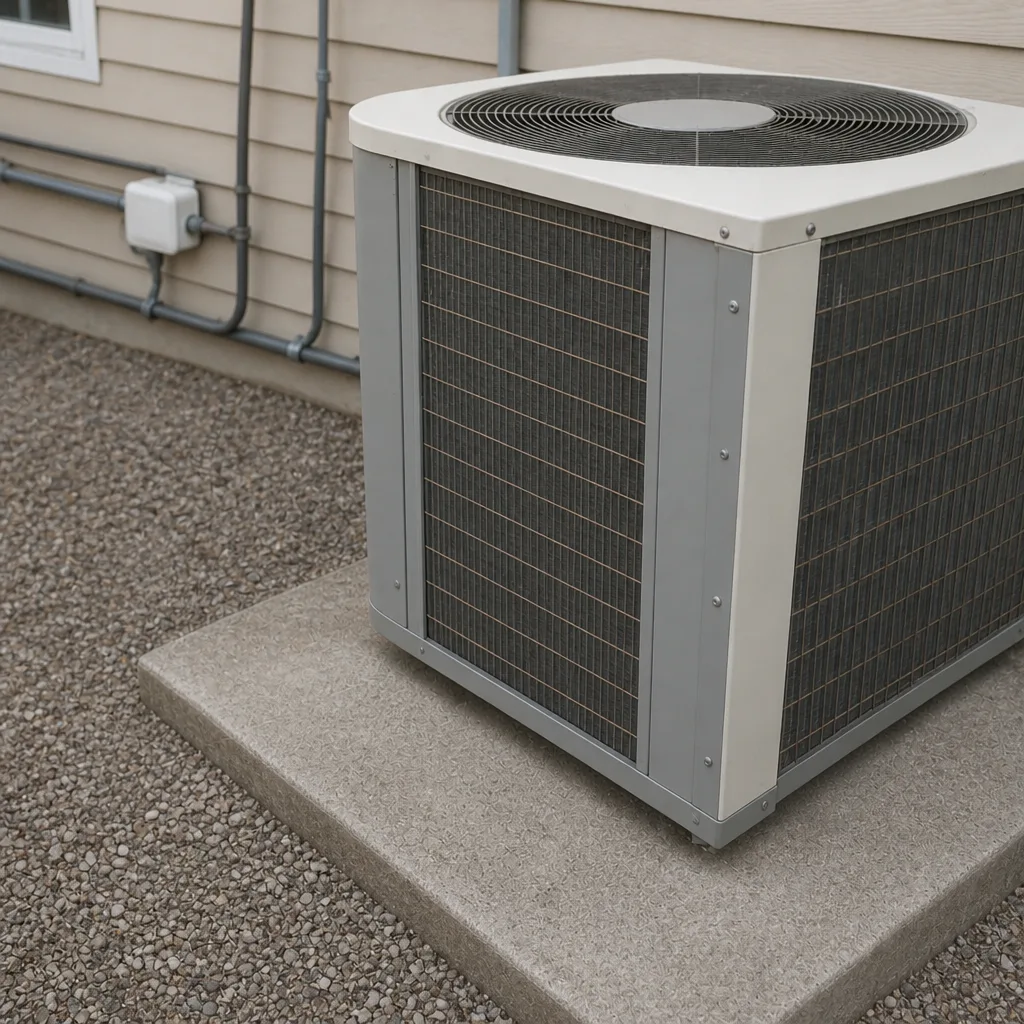
- Check the outdoor unit. Clear leaves, cottonwood fluff, and dirt from the top and sides. Make sure nothing is stacked against it. Confirm it’s sitting level and the pad hasn’t settled.
- Confirm the breaker and disconnect. The outdoor disconnect should be closed and undamaged. If a breaker trips when you start the unit, stop and call a professional.
- Turn it on and let it run 15 – 20 minutes. Then feel the air at a supply register. It should be noticeably cooler than room temperature. Note how long it takes to get there.
- Listen for anything new. Grinding, ticking, or a hard start that trips and retries is a yellow flag. So is a system that never seems to reach the thermostat setting.
- Watch the condensate drain. Water where it shouldn’t be, or a drain line that’s gurgling or clogged, is one of the most common causes of summer trouble in dry climates.
- Check refrigerant lines. Frost or ice on the insulated line is a sign of low charge. That’s a professional call, not a DIY fix.
If any of those steps turn up a problem in May, you have time to get it fixed on a normal schedule and a normal price. If you wait until late June, you’re calling during the busiest week of the year. This is exactly the kind of prevention that keeps a job to a single visit instead of an emergency.
Fall Heating Prep: Why October Is Already Late
Most advice says schedule a furnace tune-up in early fall. Here, that advice is a month and a half behind. At Winchester’s elevation, the first hard freeze can arrive earlier than longtime homeowners expect, and a furnace that hasn’t run since spring hasn’t been tested against a cold house. Waiting until the leaves are down means you’re inspecting a furnace the same week you’re relying on it. If something’s wrong, you find out the night it freezes and you’re without heat.
The better window is September, while afternoons are still warm and technicians are still working through the tail of cooling season. Book the inspection then, and do a heat test-run in October on a mild day so you find out about problems while it’s still comfortable to wait for a repair.
Before you rely on the heat, there are safe checks a homeowner can do and unsafe ones that need a technician. Here’s the line:
- You can do: change the filter, keep two feet of clearance around the furnace, confirm the thermostat switches to heat and the unit responds, and note any new smell or noise.
- You can do: test carbon monoxide alarms on each level and near sleeping areas. Replace batteries at the same time you do the October test-run.
- Leave to a professional: anything involving the burners, the flame sensor, the gas line, the heat exchanger, or the electrical controls. A cracked heat exchanger or a gas leak is a genuine safety issue, and this is not the place to experiment. A trained technician with the right instruments is the only correct answer there.
Straight talk about repair versus replace: a furnace that’s short-cycling or making odd noises in fall often gets a straightforward fix, done right, and runs clean for years. The failure mode to avoid is running it broken through the first cold snap and then paying for emergency work. Our Heat Pump & Mini Split in Winchester page is worth a look if you’re weighing a switch away from a gas furnace, since heat pumps handle both heating and cooling and change the whole maintenance rhythm.
Monsoon Season: Cooling Load and Air Quality (July – September)
July through September doesn’t just mean heat in Winchester. The monsoon pattern brings dust, wind, and occasional rain, and it changes what your system is dealing with. The most obvious one is dust. After a serious wind event, the outdoor coil packs with grit and pollen, the filter loads faster, and the whole system has to work harder to move the same air. That’s a cooling-load problem and an air-quality problem at the same time.
During monsoon season, we adjust the routine in a few practical ways:
- Check the filter every 3 – 4 weeks instead of every couple of months. High dust months eat filters fast, and a loaded filter is the most common cause of a system that seems to be struggling.
- Rinse the outdoor coil after wind events (with the power off) to keep airflow clean. If it’s packed with fluff or stubborn dust, a technician’s coil cleaning does more than a garden hose can.
- Watch the air you breathe indoors. Monsoon dust and pollen push a lot of people to think about filtration in July rather than spring. A higher-MERV filter helps, and a whole-home air quality solution helps more, but both need a system that isn’t gasping for airflow to begin with.
- Look for moisture where it shouldn’t be. Rain after a dry stretch can find its way into crawlspaces and around ductwork. Check for dampness near the air handler and in the crawlspace after a big storm.
- Keep the condensate line flowing. The indoor coil is pulling moisture out of the air during the rainy season, and a blocked drain is a common summer headache.
Most seasonal guides skip this entirely. In Winchester, ignoring the monsoon window is how a small dust and airflow problem turns into a mid-summer service call. If air quality is on your mind this time of year, the right filtration and the right service plan work together.
Winterization for Unconditioned Spaces at Winchester’s Elevation
Equipment that lives in unconditioned spaces is the most vulnerable gear in the house, and Winchester’s elevation makes the cold sharper than the valley floor. That means the outdoor condenser, the attic air handler, and crawlspace ductwork all need attention before the hard freezes arrive. A mild daytime swing that hits sub-freezing at night is exactly the pattern that does the most damage, because it freezes and thaws repeatedly.
- Protect the outdoor unit. Clear leaves and debris from the top and around the base so it drains and breathes. Don’t wrap the whole unit tightly – airflow matters all year. If snow or ice accumulates, clear it gently without bending fan blades or fins.
- Insulate and seal attic air handlers. Check the insulation wrap and the cabinet seams. Any gap is a path for cold air in and heat loss out, and that’s where frozen condensate or a cold draft starts.
- Inspect crawlspace ductwork. Look for sagging ducts, torn insulation, and disconnected joints. Cold air pouring through a crawlspace leak is both a comfort problem and a freeze risk.
- Shut off and drain exterior water sources and confirm nothing that feeds the HVAC system holds standing water going into winter.
- Seal gaps around penetrations where lines and ducts pass through walls or floors, so cold air doesn’t find the same shortcut every night.
None of this is dramatic, and most of it takes an afternoon. But equipment left exposed in an unconditioned space at this elevation is the single most common cause of the winter problems we see. The point of winterization is to make sure the coldest week of the year doesn’t find a gap you could have closed in October.
Common Mistakes to Avoid
- Waiting for the first hot day to test the AC. That’s when the whole valley tests its AC at once. Run the system on a mild May day and you find problems while there’s still time to fix them on a normal schedule.
- Following the generic “spring and fall” schedule. Here, the windows that matter are April – May and September – October. A tune-up in March or a furnace check in late November is working against Winchester’s calendar, not with it.
- Skipping the furnace check until the first freeze. October test-runs find problems while it’s comfortable to wait. A furnace that’s cold-soaked and untested through September is the one that fails in the first freeze.
- Forgetting monsoon dust. A filter checked every two months is checked too rarely in July and August. High-wind events load a filter fast, and airflow problems follow.
- Leaving outdoor and attic equipment exposed. Crawlspace ducts and attic air handlers at this elevation swing between warm and freezing daily. Sealing and insulating them before winter prevents most of the cold-weather failures we see.
- Trying to handle gas, refrigerant, or electrical work yourself. Those are the areas where a small problem becomes dangerous. A trained technician handles the burners, refrigerant charge, and electrical controls, and that’s where the money is well spent.
- Ignoring a cheap filter change. It sounds trivial, but a clogged filter causes more system trouble than almost anything else, and it’s the one thing every homeowner can get right.
When to Call a Professional
Some jobs are yours to handle and some belong to a technician. Call us when you see frost on a refrigerant line, a breaker that trips when the unit starts, water pooling near the air handler, or a gas smell of any kind. Call when the furnace short-cycles, the blower runs but the air never gets cold, or you hear grinding or repeated hard starts. In Winchester, with our early freeze risk and dusty monsoon months, anything involving the burners, heat exchanger, electrical controls, or refrigerant charge should go to a trained professional, so treat those as a hard stop. Fireside Heating & Air Co. Winchester offers free estimates in Winchester, and you’ll reach a live person any hour – call (844) 783-5043. A seasonal tune-up is $89, and if a repair over $250 is in order, take $50 off. We stand behind it in writing for 90 days, no arguing.
See the difference
 Before
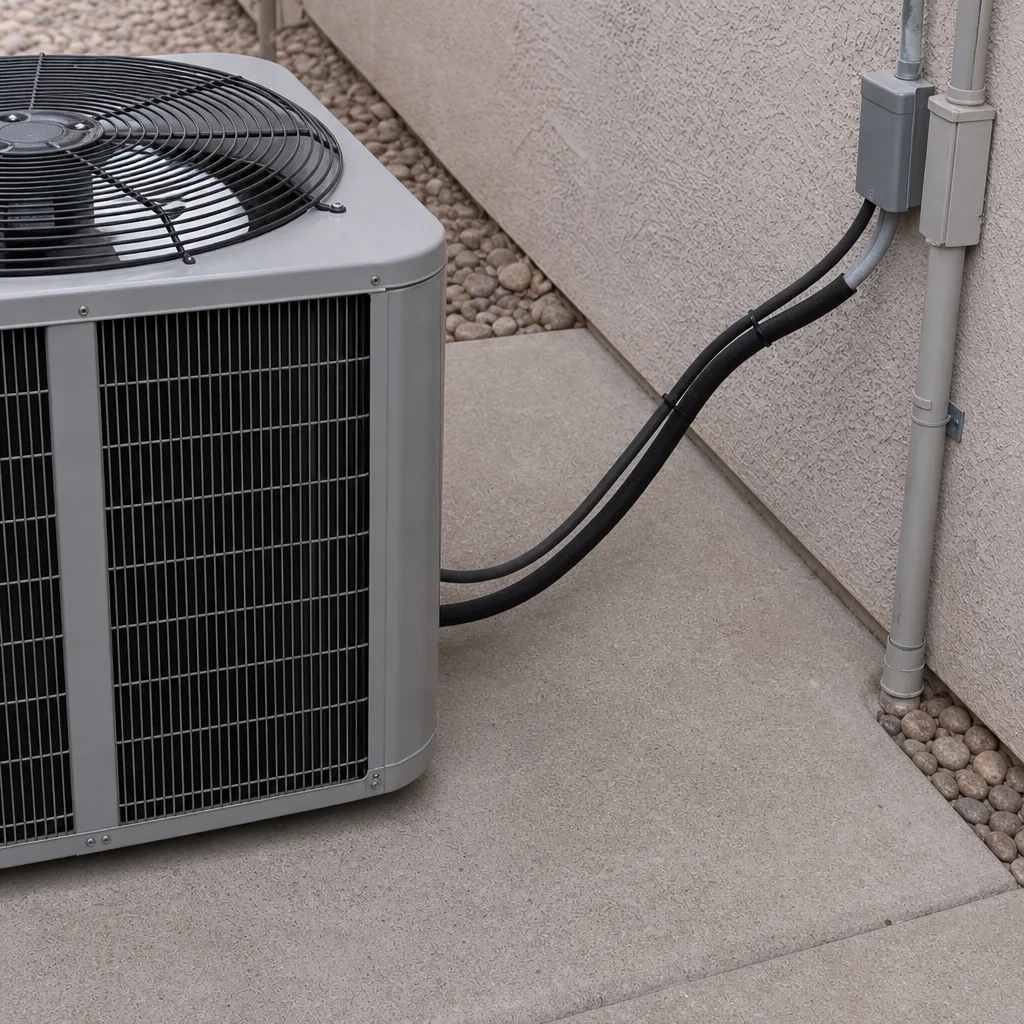 After
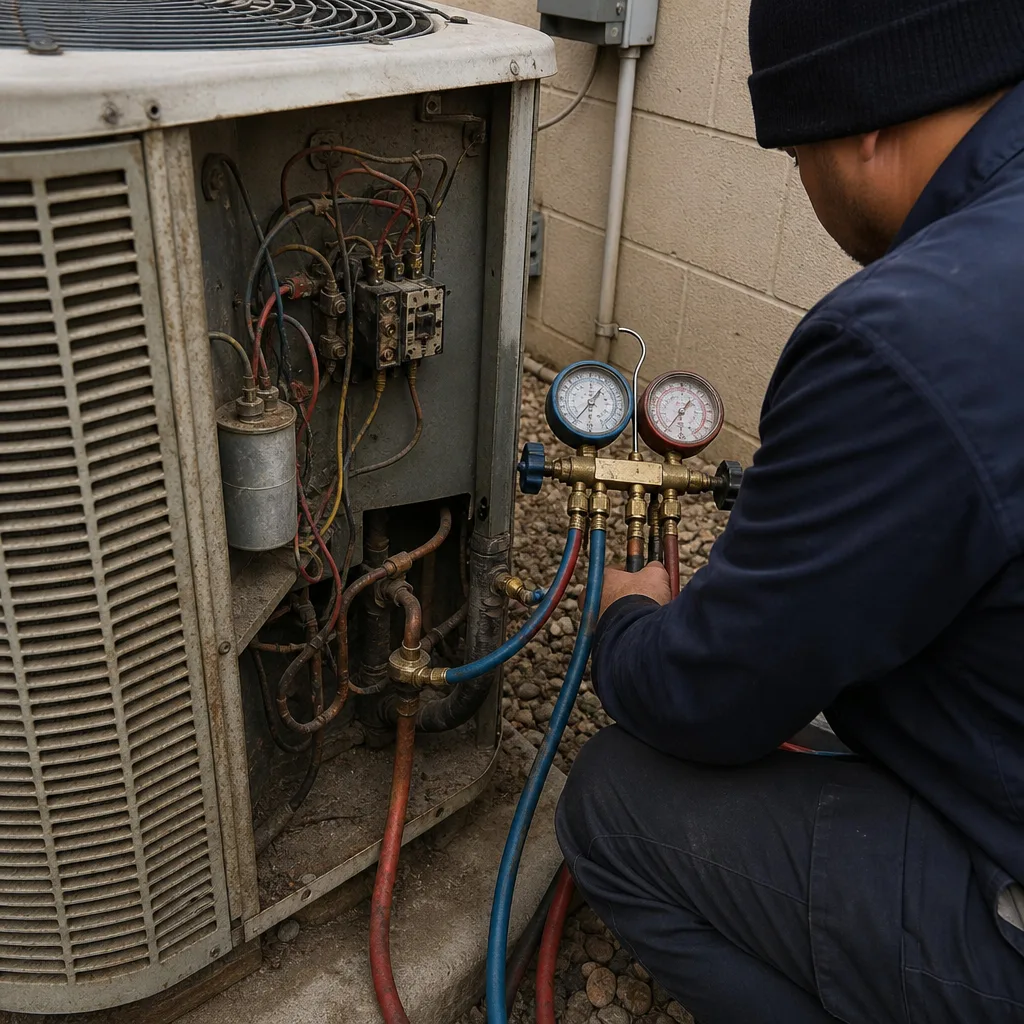 Before
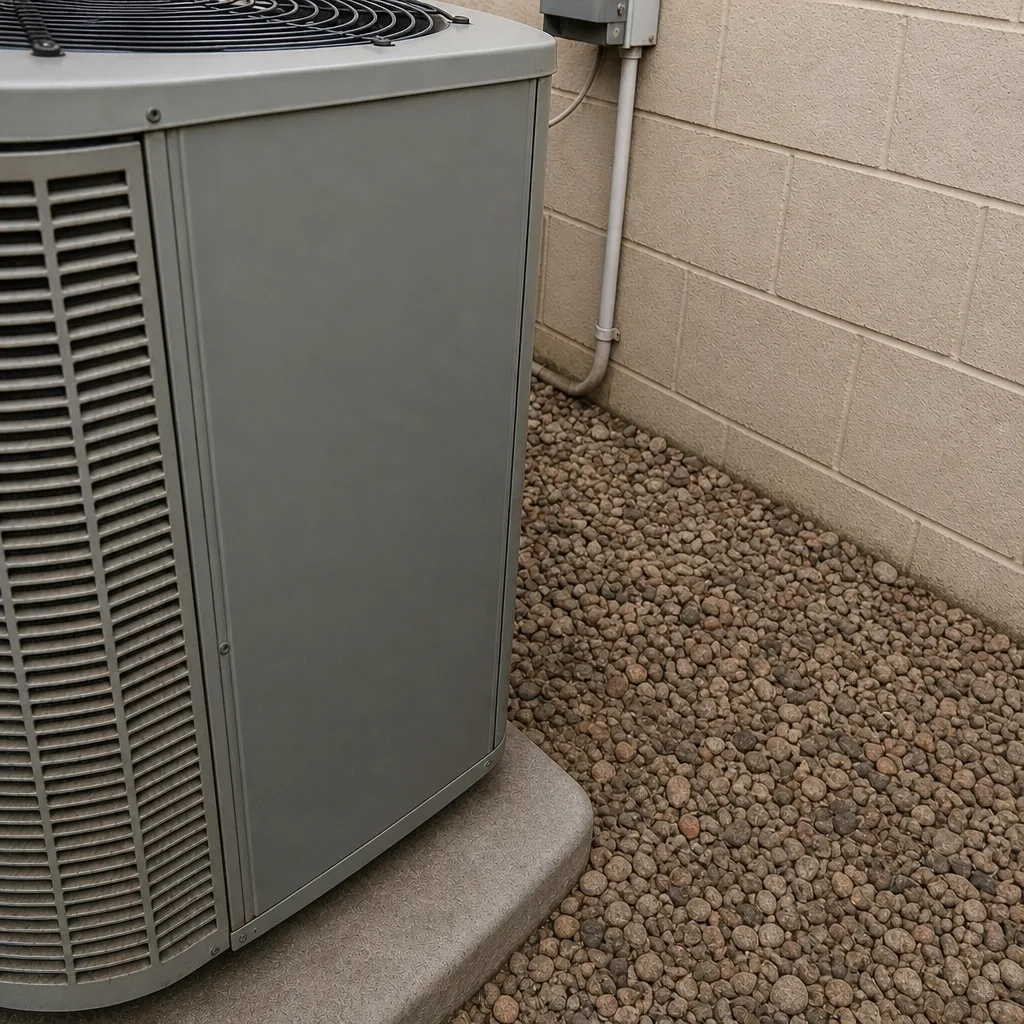 After
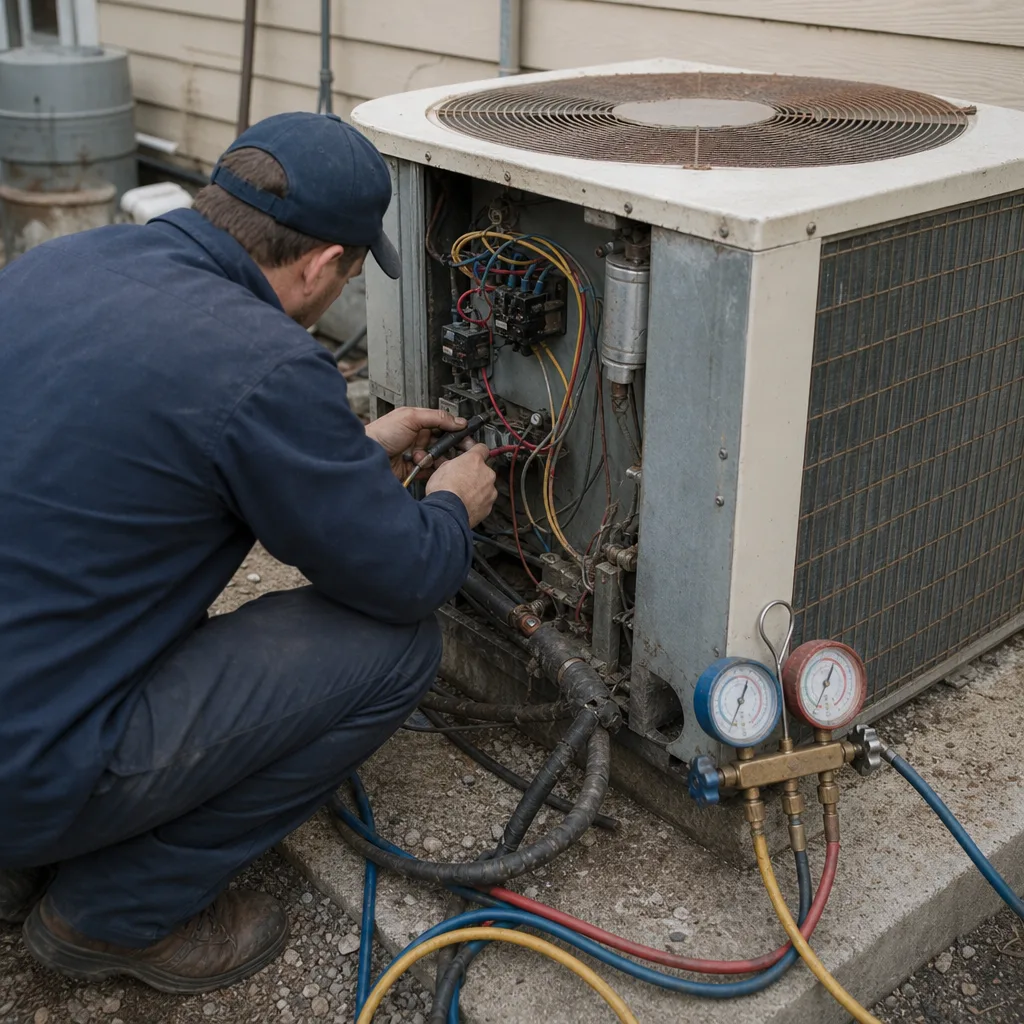 Before
 After
Frequently Asked Questions
April is the best month for a cooling tune-up in Winchester, before the system goes under full load in late May and June. Booking in April catches problems while schedules are open and the weather is mild, so you’re not calling during the first heat wave of the year with every contractor booked. A tune-up then, followed by a May first-run test you do yourself, is the single best hedge against a summer emergency.
Every 3 to 4 weeks from July through September is right for most Winchester homes during monsoon season, compared with every 2 to 3 months the rest of the year. The dust and wind events common in those months load a filter quickly, and a clogged filter is the most common reason a system seems to be struggling. If you’re near open desert or a lot of foot traffic, check it even more often.
No – September is the right time for a furnace inspection in Winchester, not too early. The first hard freeze can arrive before most homeowners expect, so a furnace checked in September has plenty of runway before the cold. Waiting until late November, when the generic schedule says to schedule it, is already behind in this climate zone. Booking in September means you find issues while it’s comfortable to wait for a normal repair.
Our $89 seasonal tune-up is a flat-price inspection and service on the system for that season, with a written report of what was actually found. That’s the whole point: you get straight answers about the condition of the equipment, not a sales pitch. If a repair over $250 is needed, take $50 off, and our 90-Day Done Right Promise backs every job in writing. The price quoted is the price paid.
Yes, even in a mild climate like Winchester’s, the outdoor condenser benefits from a little winter attention. Clear debris, keep airflow open, and don’t wrap the whole unit tightly, since it still needs to breathe. The bigger risk here is equipment in unconditioned spaces – the attic air handler and crawlspace ductwork – because daily freezes and thaws at this elevation stress those areas more than the outdoor unit itself.
A Winchester AC that fails on the first hot day of summer has almost always been quietly declining for months, and the first full-load run in late May or June is simply what tips it over. The system sat idle all winter, then went straight from zero to a 95-degree afternoon under full load with no preparation. That’s why the April tune-up and the May first-run protocol catch so many of these failures before they happen. If your system didn’t get that prep, call us and we’ll take a look.
The Bottom Line
Winchester doesn’t run on a four-season schedule, so your HVAC care shouldn’t either. The months that matter here are the transitions: April and May, when cooling gets tested for the first time, and September and October, when the furnace needs to run clean before the first freeze arrives. Add the monsoon dust routine in July through September and a careful winterization of outdoor, attic, and crawlspace equipment, and most of the emergencies we see never happen. The point isn’t to spend more; it’s to spend it at the right time. A $89 seasonal tune-up and a filter you actually change will outperform any emergency repair, and that’s straight talk. Our technicians have up to 8 years of experience servicing the nine major brands – Carrier, Trane, Lennox, Goodman, Rheem, York, Daikin, Bryant, and American Standard – and every job is done right or we make it right, in writing, for 90 days.
Call (844) 783-5043 for a free estimate in Winchester. A live person answers any hour, any day, and the price we quote is the price you pay.
Written by the team at Fireside Heating & Air Co. Winchester.