
Last updated November 18, 2026
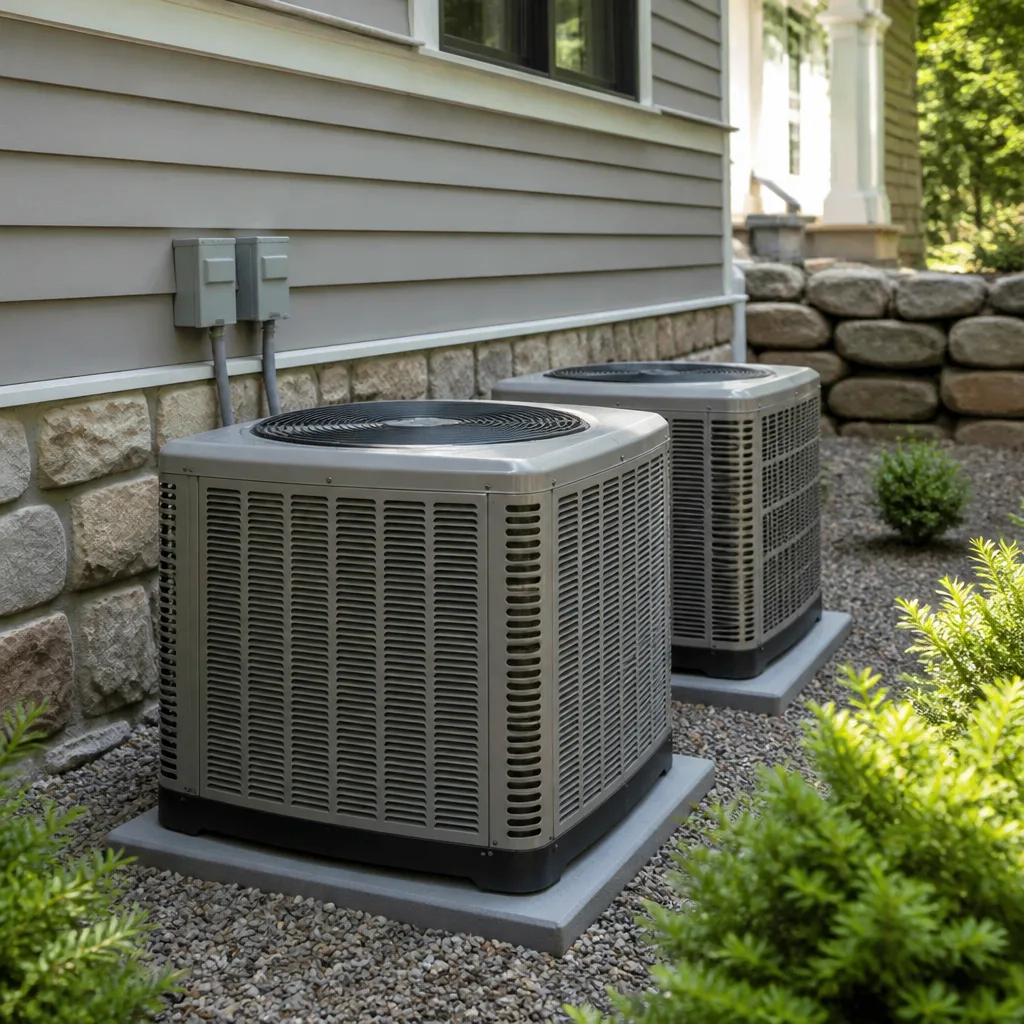 Heat pumps
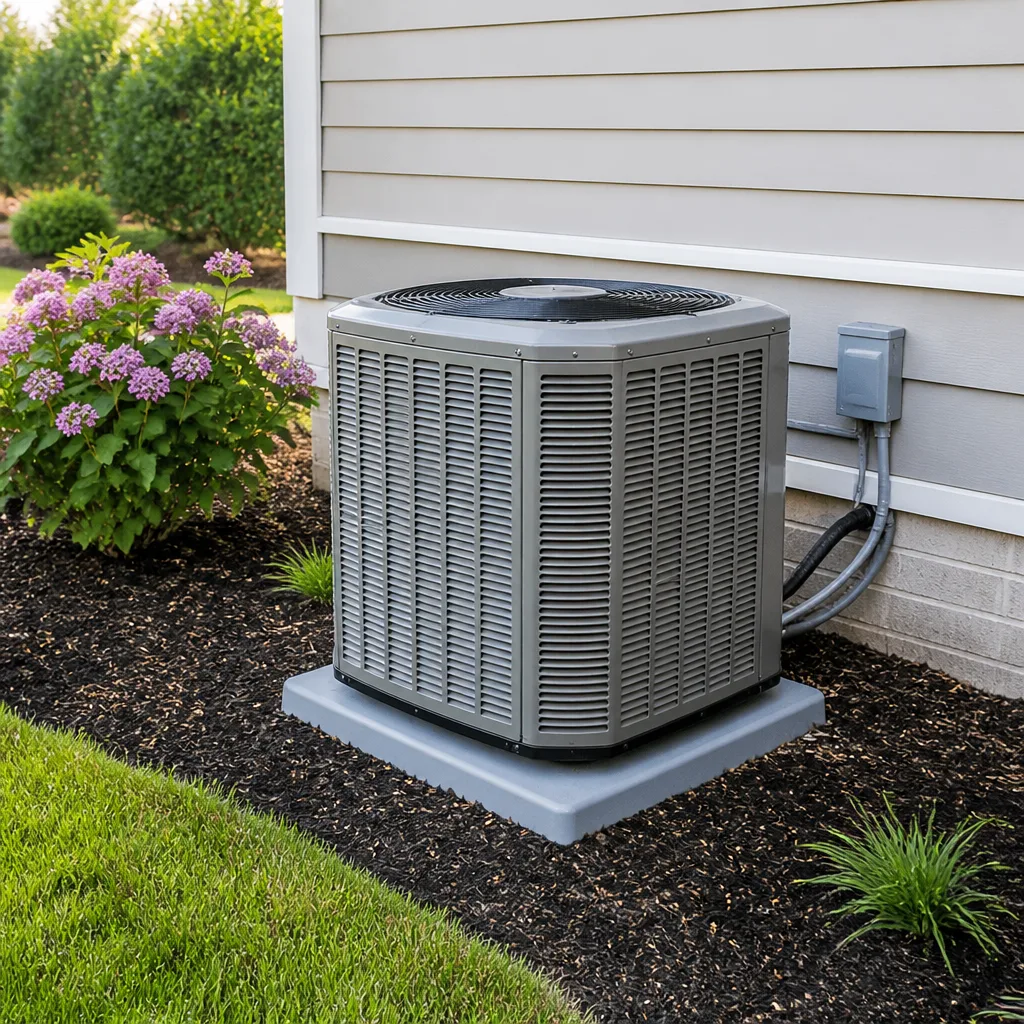 AC repair
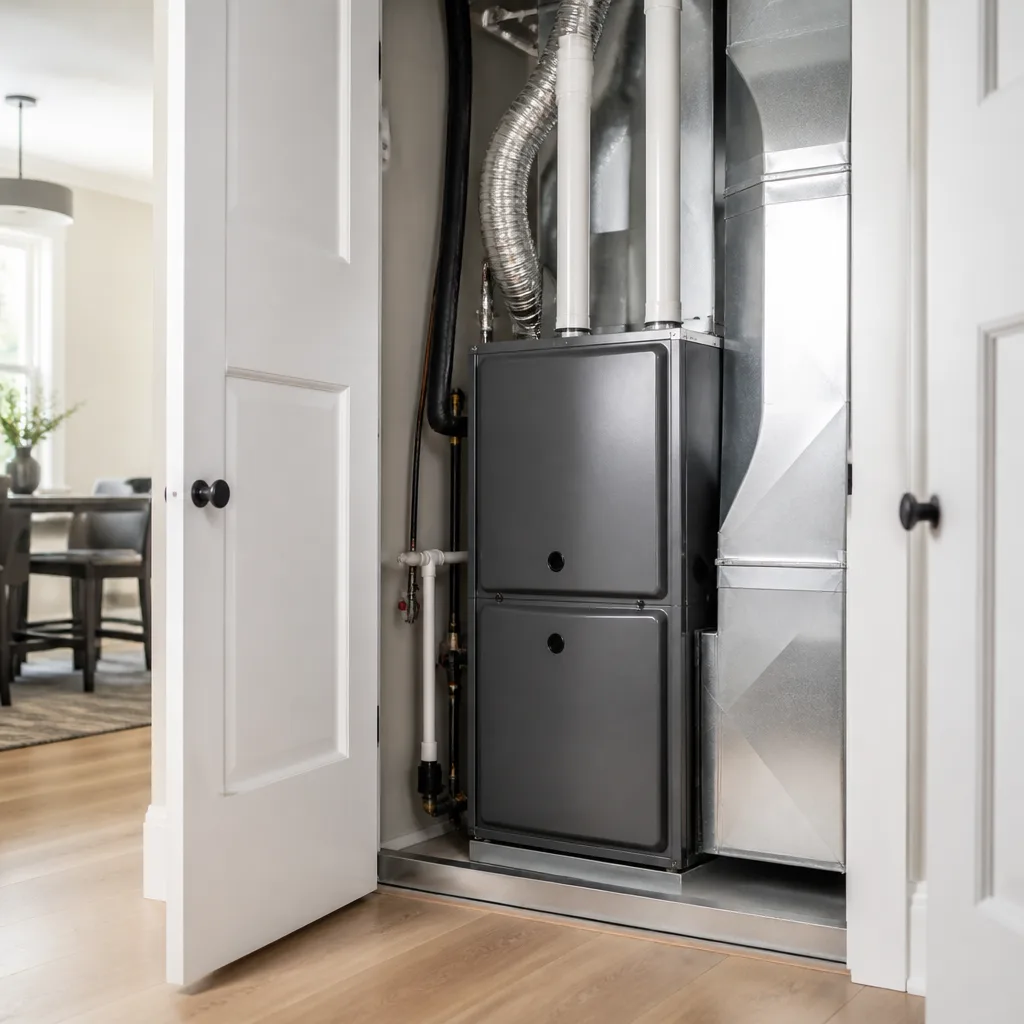 Furnace & heating
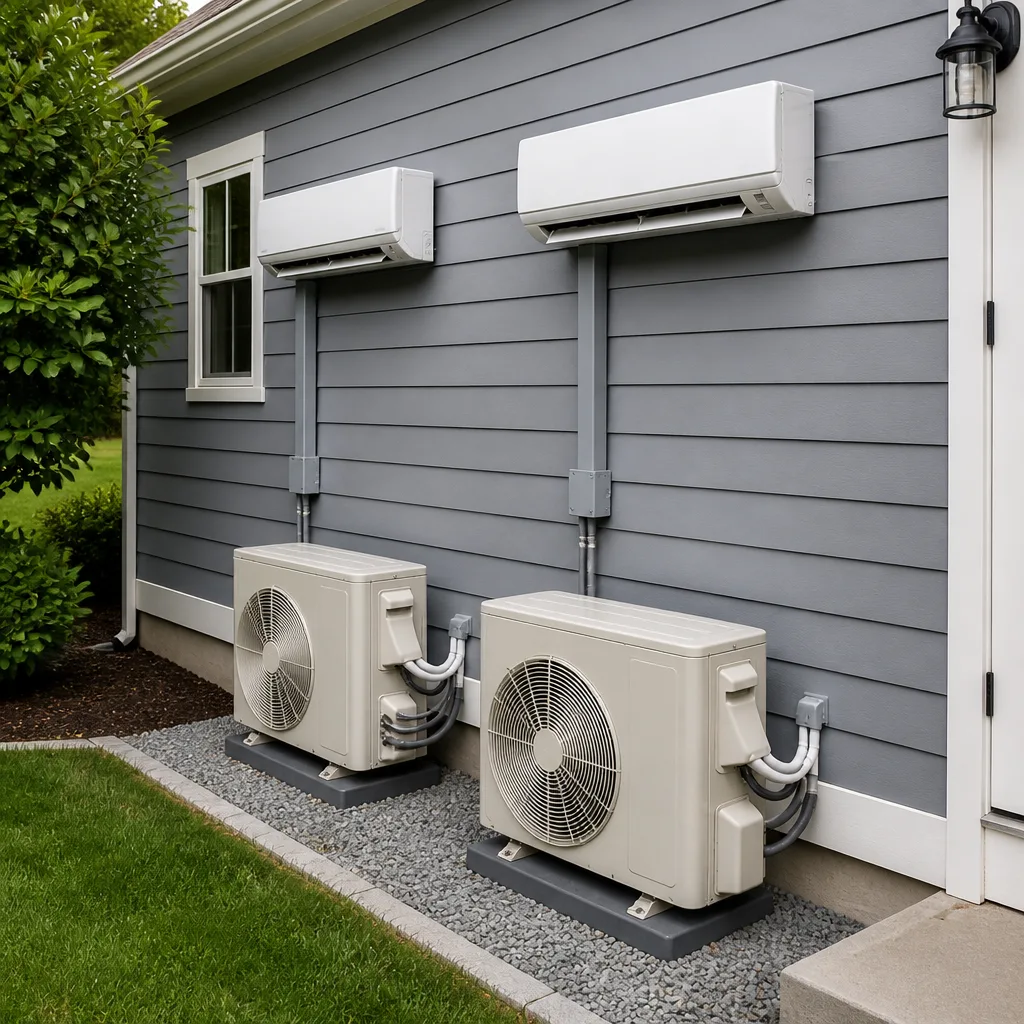 Ductless mini splits
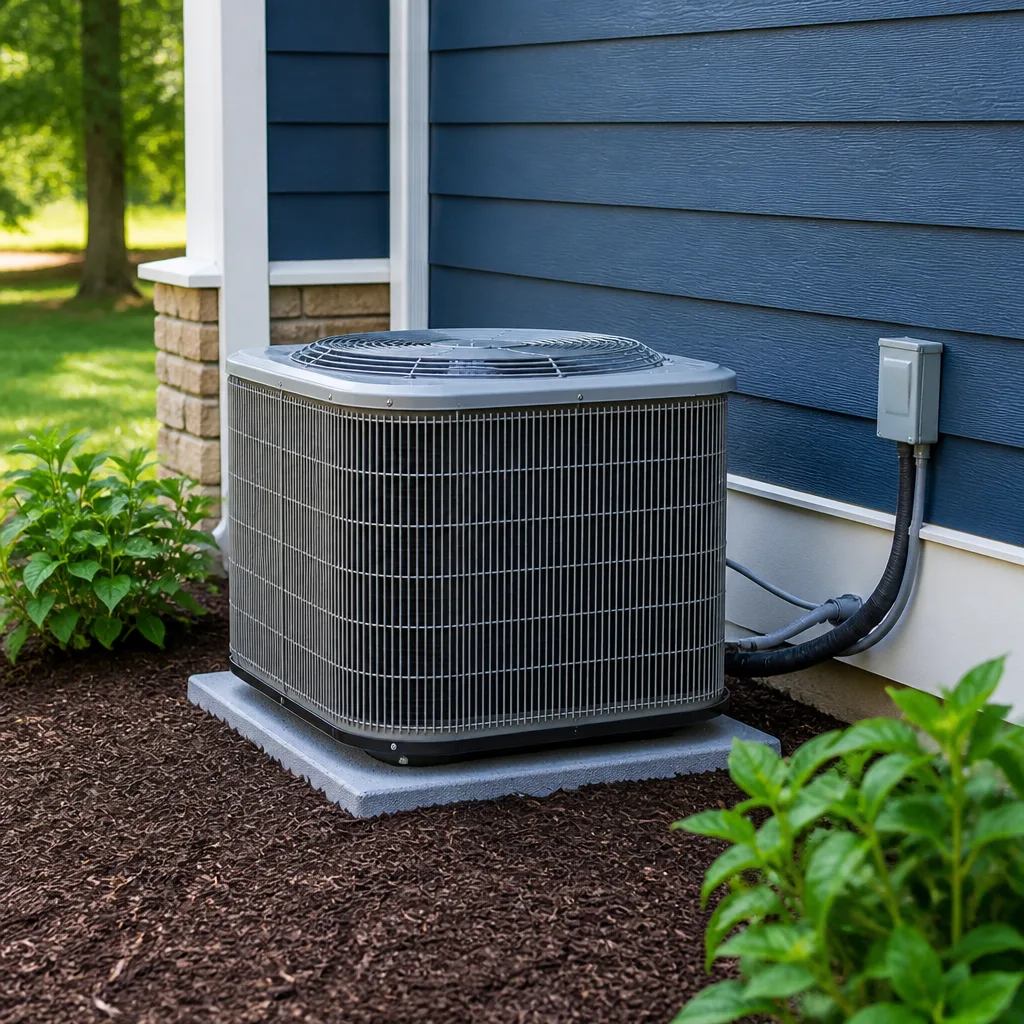 Carrier
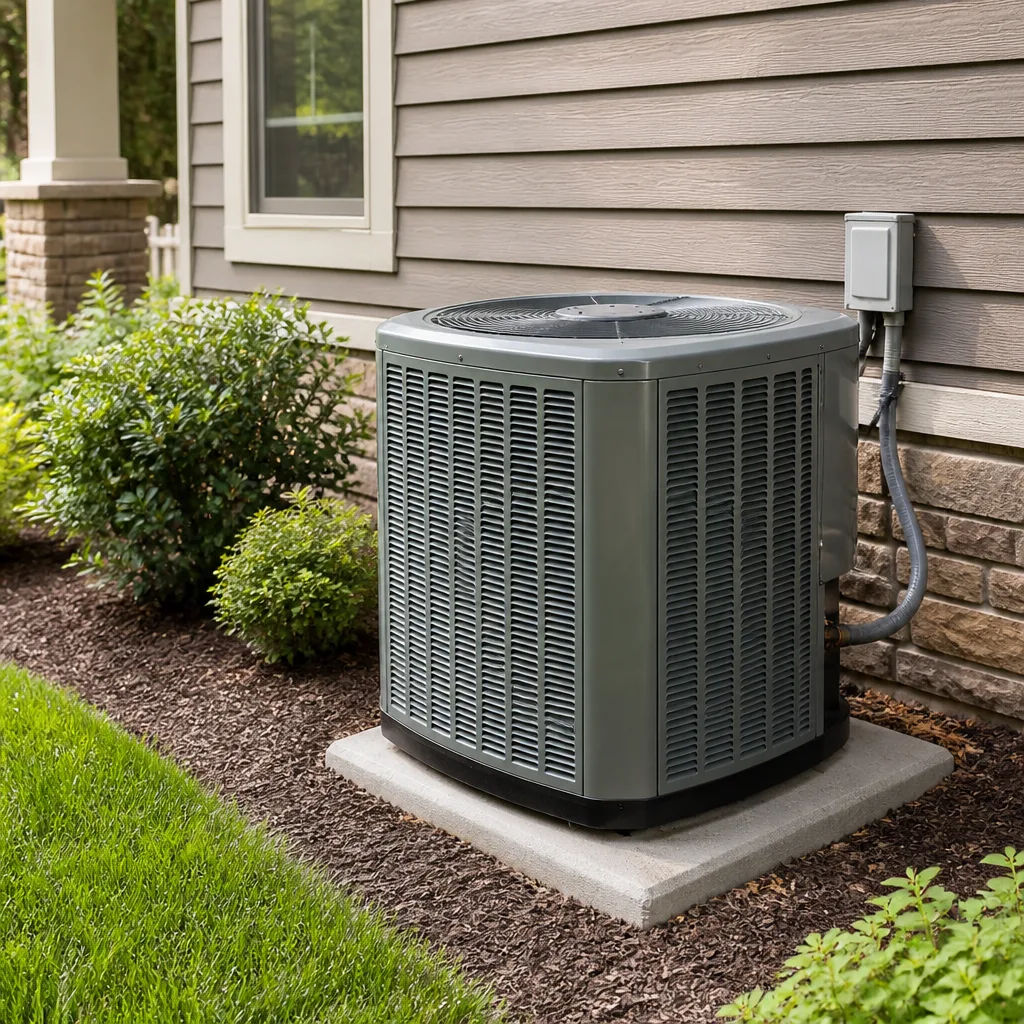 Trane
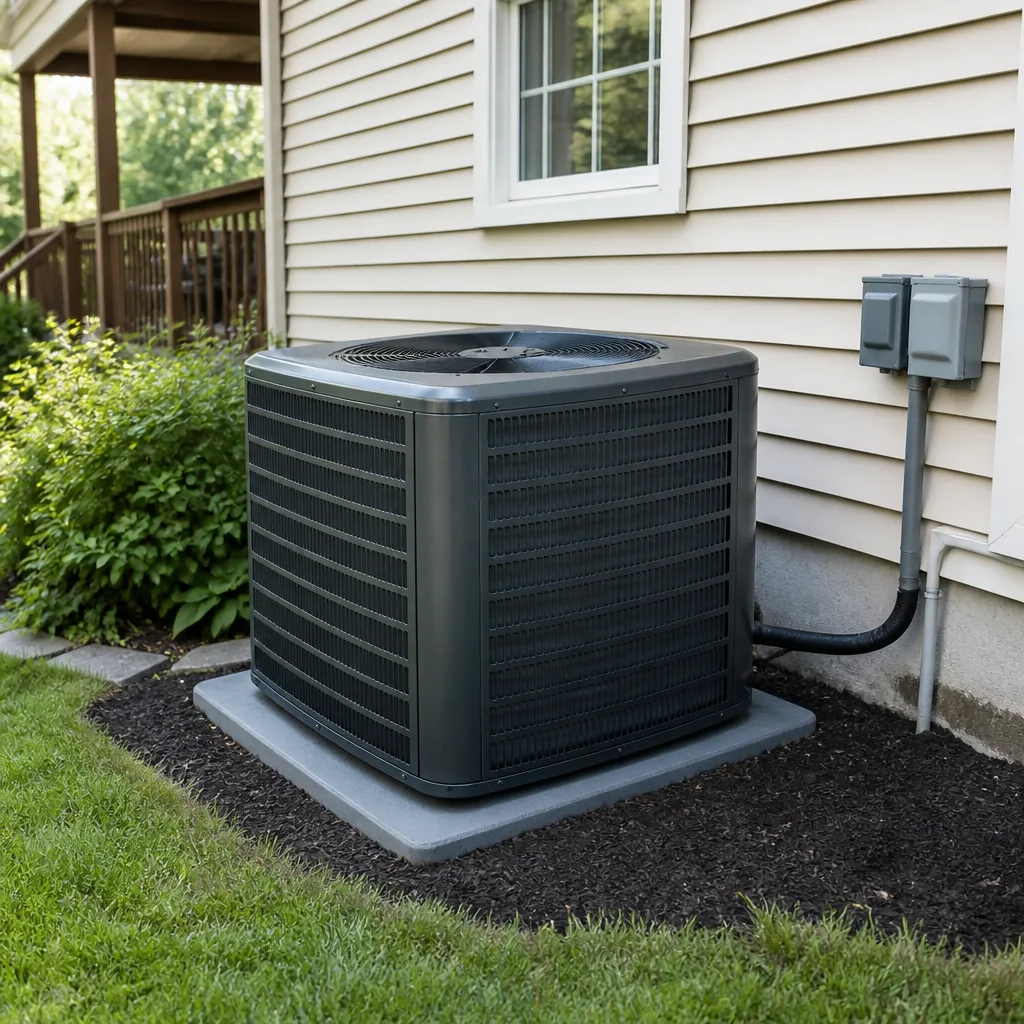 Goodman
Seasonal tune-up and full diagnostic on your Carrier, Trane, or Goodman system - readings shown to you before any repair is proposed
Diagnosis first, numbers second - you approve the repair price before a single part goes in.
Get your free estimateThe Complete Heat Pump & Mini Split Guide for Winchester Homeowners
A ductless mini split that earns five stars in coastal California can underperform badly on a Winchester January night. Not because the equipment is bad, but because almost nobody reads the low-ambient heating rating before signing the estimate. A unit rated to keep full capacity down to 47°F will fall on its face at 15°F, and northern Nevada winters don’t ask permission.
Winchester sits in high desert: cold nights, dry air, and summer heat that punishes undersized equipment. That combination narrows the field of what actually works here. Installer knowledge matters more in this valley than in a milder climate, because the margins are thinner. This guide covers how to read the ratings that matter, which system fits which Winchester home, what NV Energy rebates require, and the honest answer on backup heat.
Quick Answer
For most Winchester homes, a cold-climate-rated heat pump or mini split with a heating capacity rating that holds up at 5°F is the right choice, backed by a secondary heat source for the handful of nights that drop below zero. The equipment matters less than the installer’s willingness to run a proper load calculation and select a unit rated for this valley’s actual winter temperatures. Cheap equipment selected for mild-climate performance is the single most common mistake we see in Winchester.
Styles & brands we work with
- AC repair
- Furnace & heating
- Heat pumps
- Ductless mini splits
- Carrier
- Trane
- Goodman
Table of Contents
- Why Winchester’s Climate Changes Everything
- HSPF, COP, and Low-Ambient Ratings in Plain English
- The Five Winchester Home Configurations and What Fits Each
- Ducted Heat Pump vs. Ductless Mini Split: An Honest Comparison
- At What Temperature Does a Heat Pump Need Backup Heat?
- NV Energy Rebates and What Documentation You’ll Need
- How to Vet an Installer in Winchester
- Keeping a Heat Pump Alive Through a Desert Year
Why Winchester’s Climate Changes Everything
Winchester and the surrounding Las Vegas Valley sit in a high desert that behaves nothing like the coastal or mild-winter markets most heat pump literature is written for. Three climate facts drive every equipment decision here.
Winter nights get genuinely cold. The valley floor routinely drops into the twenties overnight from December through February, and the outlying edges of Winchester see mid-teens. A heat pump loses heating capacity as outdoor temperature falls. That’s physics, not a defect. The question is how much capacity a specific unit retains at the temperatures Winchester actually reaches.
Summer heat is unforgiving. Design temperatures for cooling in this region push past 105°F. Air-source heat pumps and mini splits must be sized for cooling first in most Winchester homes, then checked to make sure the heating side still delivers. Undersized equipment runs continuously in July, drives up the electric bill, and wears out faster.
Humidity is low, and that’s good news. Dry air means no defrost headaches and no oversized dehumidification load. A heat pump doesn’t have to fight moisture here the way it would in the Southeast. It also means a ductless head won’t drip condensation on your drywall the way it can in humid climates. The low humidity is one of the reasons heat pumps perform well in this valley when they’re selected correctly.
Winchester’s housing stock layers on a second variable. Older ranch homes built before the 1990s often carry leaky ducts and single-pane windows, while newer construction on the valley’s edges may have tighter envelopes and different loads. The same equipment that fits one will not fit the other. A load calculation on your specific house is not optional paperwork; it’s the whole ballgame.
HSPF, COP, and Low-Ambient Ratings in Plain English
Manufacturer brochures throw around acronyms, and most of them get skimmed. Here’s what actually matters when you’re comparing heat pumps for a Winchester home.
- HSPF2 (Heating Seasonal Performance Factor, second generation): How efficiently a heat pump heats over a full season. Higher is better. Minimum federal levels exist, but for cold nights you want equipment that exceeds them comfortably.
- SEER2: Cooling efficiency, measured seasonally. In Winchester’s hot summers, a higher SEER2 pays back faster than in a mild climate.
- COP (Coefficient of Performance): Instantaneous efficiency at a specific outdoor temperature. A rated COP at 5°F tells you what the unit does on a genuinely cold night, not on a mild fall afternoon.
- Rated capacity at 47°F vs. at 5°F vs. at -13°F: The single most important number set in this valley. A unit that delivers 100% capacity at 47°F and 60% at 5°F is a different animal from a cold-climate model that retains close to full output into the single digits.
- Balance point: The outdoor temperature at which the heat pump’s capacity equals your home’s heating load. Below it, something else has to pick up the slack. We’ll get to that below.
Here’s the practical filter for Winchester: ask for the heating capacity ratings at 47°F, 17°F, and 5°F. Compare those to the load calculation for your house. If the unit’s rated capacity at 3 a.m. in January is below your home’s heat loss, you’re buying a system that needs backup heat more often than the sales pitch admitted.
Cold-climate inverter models from manufacturers like Lennox and Daikin hold capacity far deeper into the single digits than a standard heat pump. Rheem and Goodman both offer heat pump lines that work well here when they’re matched to the right size. The brand is less important than whether the specific model’s cold-weather ratings fit your house. That’s a conversation about numbers, not logos.
The Five Winchester Home Configurations and What Fits Each
We’ve seen most Winchester installs fall into one of five patterns. Matching the system to the house is where the real work happens.
- Single-zone older ranch (one central air handler). A ducted cold-climate heat pump replacing the existing gas or electric furnace is usually the cleanest fit. The ducts, if they’re sealed and sized right, can carry the load. In this configuration, upgrade your duct sealing first; leaky ducts in a 1970s Winchester ranch can lose a third of the conditioned air before it reaches the bedroom.
- Multi-zone newer build with an open plan. A ducted heat pump with a properly zoned damper system or a multi-zone ductless setup both work. The house’s existing duct design usually decides. Newer construction on the edges of Winchester tends to have tighter envelopes, so the outdoor unit can be smaller than the square footage suggests.
- Shop or garage addition. A single-zone mini split, sized for the shop’s insulation level. Detached shops in Winchester swing from 40°F mornings to 100°F afternoons, so a unit that handles both extremes matters. Don’t oversize it; a lightweight, well-insulated shop needs far less capacity than the square footage implies.
- Mobile home retrofit. Ductless mini splits are often the best fit because mobile home ducts are frequently undersized and difficult to improve. One or two heads, mounted high on an exterior wall, deliver cold and hot air where the existing duct system couldn’t manage. It’s also a less invasive install in a home with limited attic access.
- Evaporative cooler replacement. A common Winchester scenario: a homeowner with a 25-year-old swamp cooler who wants a modern heat pump. The good news is the electrical service usually needs only an upgrade, not a full panel replacement, and the mini split or ducted heat pump becomes the year-round system. Evaporative coolers need open windows to work, which undermines an otherwise sealed envelope. This replacement is often the biggest comfort upgrade we see in Winchester homes.
If your situation isn’t on this list, we can walk you through a custom setup. Our Heat Pump & Mini Split service in Winchester page covers the equipment options in more depth.
Ducted Heat Pump vs. Ductless Mini Split: An Honest Comparison
Installers chasing higher ticket prices tend to push ducted systems with new ductwork. Ductless mini splits get sold in the other direction, sometimes where a whole-house ducted system would actually be the better call. Here’s the straight version.
A ducted heat pump is the right answer when your existing ducts are in decent shape. It uses the infrastructure you already have, delivers conditioned air to every room through vents, and gives you a whole-house solution. When the ducts are leaky, undersized, or routed badly, then you’re either paying to fix them or paying to sidestep them.
A ductless mini split is a better fit when the home has no usable ducts, when one specific room runs hot or cold, or when you’re retrofitting a mobile home or an addition. It’s remarkably efficient because no air is lost in transit, and each head can be controlled separately. The trade-offs: more visible wall units, a filter cleaning routine you’ll notice, and the capacity is confined to the rooms with heads.
We install both. In our experience in Winchester, the answer turns on the ducts and the layout more often than on the latest brochure. If a contractor quotes a full ducted system for a house with 35-year-old flex duct running through a furnace-choked attic, ask whether replacing the ducts alone would close the gap. Sometimes it does. Sometimes it’s better to move to ductless. Both answers are honest ones when the installer has no stake in which system you pick.
For a look at the full range we service, the AC repair and installation services in Winchester page walks through cooling-side options, and the heating and furnace page covers traditional heating comparisons.
At What Temperature Does a Heat Pump Need Backup Heat?
This is the question almost nobody answers directly, because the honest answer depends on your specific house. But we can give you working numbers.
Most modern cold-climate heat pumps in Winchester homes hold capacity down to roughly 5°F to 10°F outdoor temperature. Below that, the compressor can’t keep up with the house’s heat loss, and something has to fill the gap. The point where the two meet is your balance point, and it’s different for every house. A tight, well-insulated Winchester home might have a balance point at 15°F; an older, draftier ranch may hit it at 25°F.
What fills the gap matters. There are two common approaches:
- Electric resistance strips built into the air handler. Cheap to install, expensive to run. Resistance heat is the least efficient way to make heat, and in a cold stretch it can double your monthly electric bill. Use it as an emergency backup, not a primary heat source.
- A dual-fuel setup with a gas furnace as the secondary. The heat pump handles the milder weeks, the furnace takes over on the coldest nights. Higher upfront cost, lower operating cost in a house with a low balance point. In Winchester, where the deep cold is real, this is often the more honest recommendation.
What does it cost to run? Ballpark, resistance heat can cost three to four times as much per delivered BTU as a heat pump. So a system with undersized capacity and a large resistance strip will eat itself alive on your electric bill. If your installer hasn’t calculated the balance point, they haven’t finished the job. Ask the question directly. If you don’t get a specific temperature and a specific backup-heat plan, keep shopping.
NV Energy Rebates and What Documentation You’ll Need
NV Energy has historically paid rebates on qualifying high-efficiency heat pumps and mini splits, but the amounts and program terms shift, so check the current program sheet before you sign an estimate. What doesn’t change is the paperwork. A rebate claim is only as good as the documentation behind it, and that’s where a careful installer saves you money.
Here’s the predictable documentation list for a residential rebate claim:
- AHRI reference number and efficiency certificate for the exact indoor and outdoor unit pairing. Not a sales sheet; the certificate that proves the match.
- Manual J load calculation and equipment sizing documentation. Many utility programs require evidence the system was sized correctly, not just installed.
- Permit records. Reputable installers pull a permit in Winchester and will provide the number. Some rebate programs require it.
- Invoice with model and serial numbers matching the installed equipment.
- Proof of the old system’s removal or replacement, when the program requires it.
- Program-specific verification form, often signed by the installer and the homeowner.
We provide the full documentation packet at completion, not in a separate follow-up email that never arrives. Our team can walk you through what your specific home will qualify for and what the current program offers. On our Winchester home HVAC services page, you’ll see the full scope of what we do and how our process works.
How to Vet an Installer in Winchester
The equipment is roughly half the outcome. Installer quality is the other half, and there’s no way around that gap. A great heat pump installed by someone who skipped the load calculation will underperform. A mid-grade model installed correctly will run for fifteen years.
Here’s what to ask a Winchester installer before you sign anything:
- Will you run a Manual J load calculation before recommending equipment? The answer needs to be yes, and you should see the report.
- What is the rated heating capacity of this specific model at 5°F, and how does that compare to my load?
- What’s the balance point on my house, and what backup heat source are you proposing?
- Are you pulling a permit? The answer should be yes.
- Will you provide the AHRI certificate and the rebate documentation at completion?
- Who answers the phone if I have a problem at 2 a.m.? If the answer is voicemail, keep looking.
A written guarantee matters too. Our 90-Day Done Right Promise is built around that idea: if the install isn’t right, we make it right, in writing. No fine print, no argument. On every job, we follow up with a call and stand behind the work. That’s how a company lasts over four decades in a valley that remembers names.
Keeping a Heat Pump Alive Through a Desert Year
Heat pump maintenance in Winchester is different from maintenance in a mild climate. The equipment works harder here across the entire year, and both sides need care.
- Filters, more often than the manual says. Desert dust clogs filters faster. Check monthly and change when needed, especially in spring when soil dust kicks up on the valley edges.
- Outdoor coil cleaning. Cottonwood fluff and dust film coat the outdoor coil by mid-June. A dirty coil on a 110°F day drives head pressure up and efficiency down. Clean it once per season, or have it done on a tune-up.
- Refrigerant charge check. Low charge hurts both heating and cooling. If the equipment’s been running for a few years with no charge verification, get it checked.
- Defrost cycle inspection. Even in a dry climate, cold, humid mornings place a small frosting load on the outdoor coil. The defrost cycle needs to work correctly or the unit loses efficiency on cold nights.
- Drain line check. Cooling-season condensate needs a clear path out of the house. A clogged drain pan can lead to water damage.
- Duct inspection. If you’re running a ducted system, duct leaks waste every dollar of the efficient heating and cooling the equipment produces. Get the ducts pressure-tested if it’s never been done.
A seasonal tune-up catches most of these in one visit. Small problems get fixed before they become dead equipment in July or a 40°F bedroom in January.
Common Mistakes to Avoid
- Buying on brand alone without checking cold-weather ratings. A well-known name on the outdoor unit doesn’t guarantee performance at 5°F. Ask for the specific model’s capacity curve. Two heat pumps from the same manufacturer can perform very differently in northern Nevada cold.
- Skipping the load calculation. “We’ll size it by square footage” is a red flag. Two houses of the same footprint in Winchester can have wildly different loads if the insulation, windows, and duct leakage differ.
- Oversizing equipment to “be safe.” An oversized heat pump short-cycles, wears out faster, and doesn’t dehumidify in the summer as well. The right size is smaller than you think.
- Ignoring the balance point conversation. If your installer doesn’t mention a balance point or backup heat, ask. If they can’t answer, you’re talking to the wrong company.
- Trusting the estimate without the AHRI certificate. The certificate is the proof that the indoor and outdoor units are a matched, rated pair. Without it, you’re buying hope.
- Skipping the permit. Winchester permit records protect you if you ever sell the house, and they’re a requirement for many rebate claims.
- Not planning the filter routine. Monthly filter checks in high desert conditions are non-negotiable. A clogged filter on a heat pump is the number one cause of frozen coils and short cycling we see.
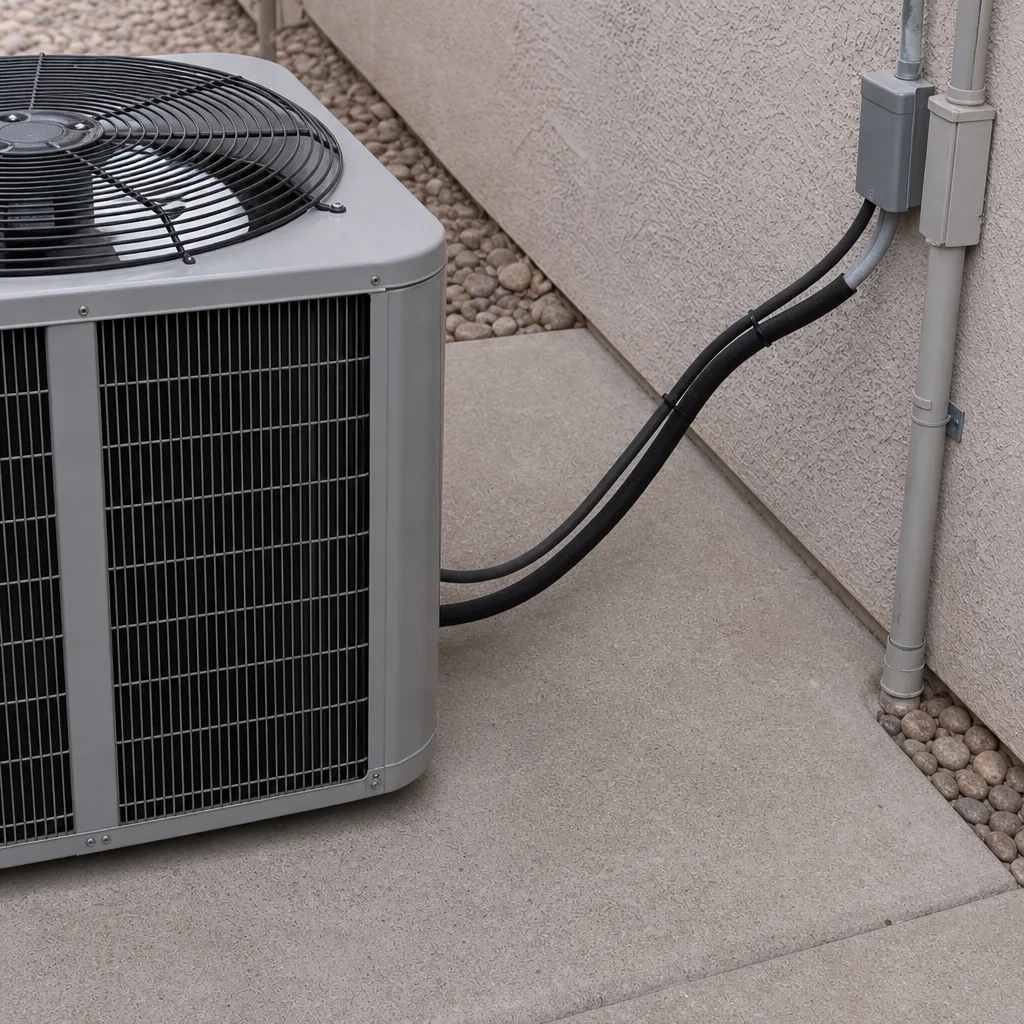
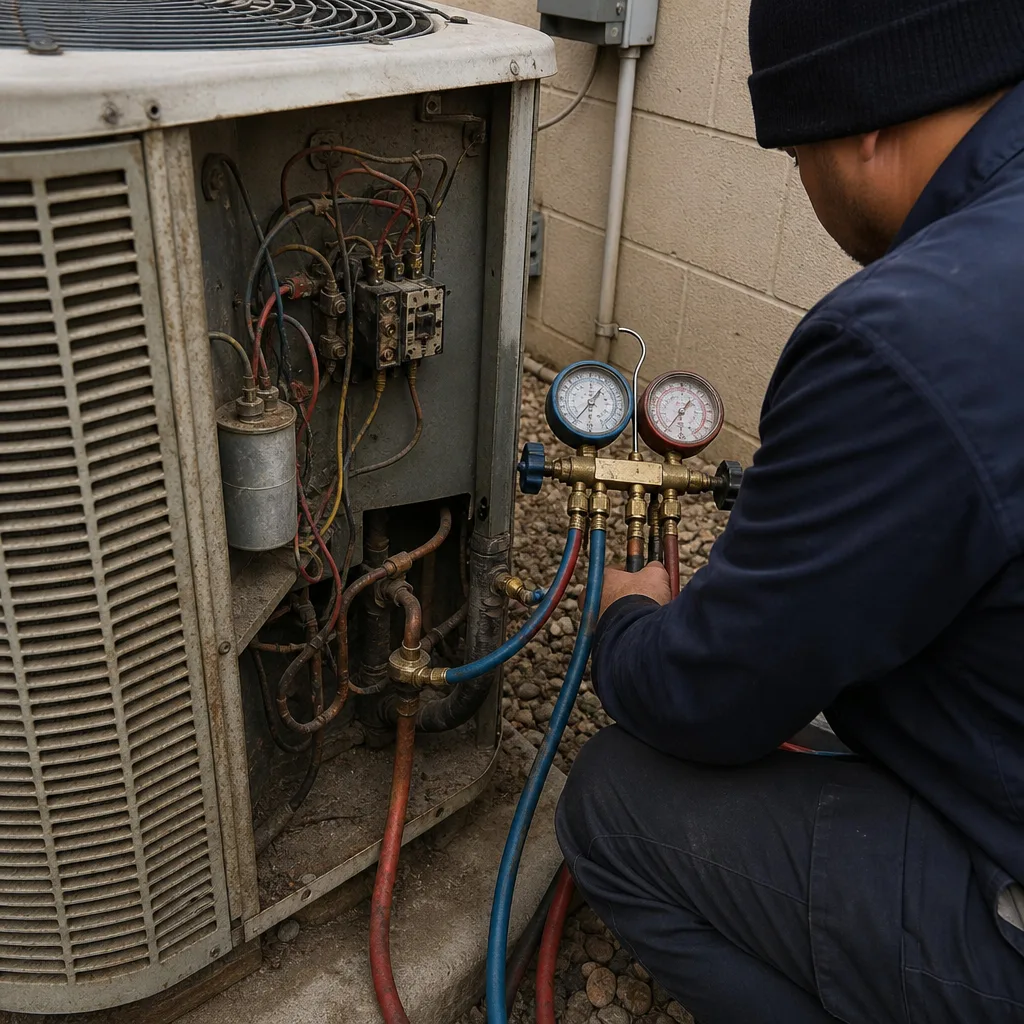
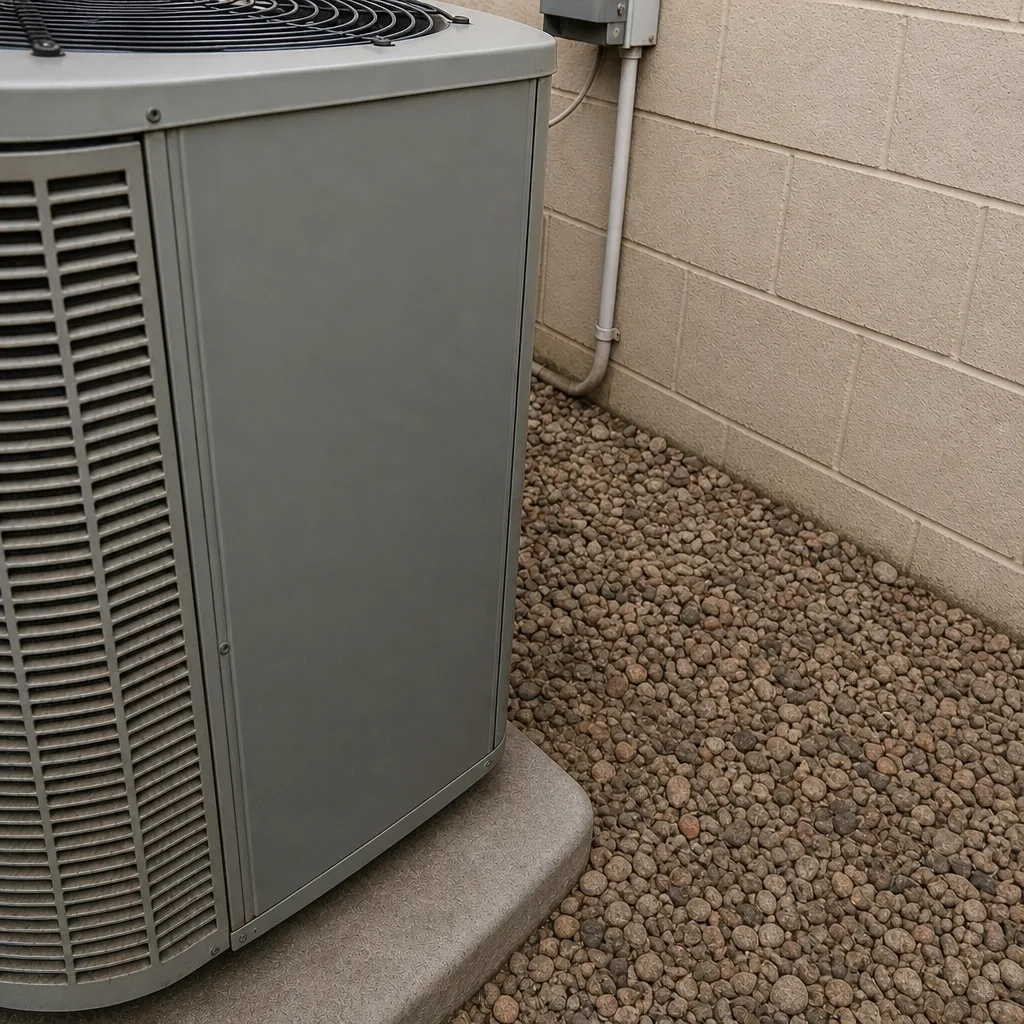
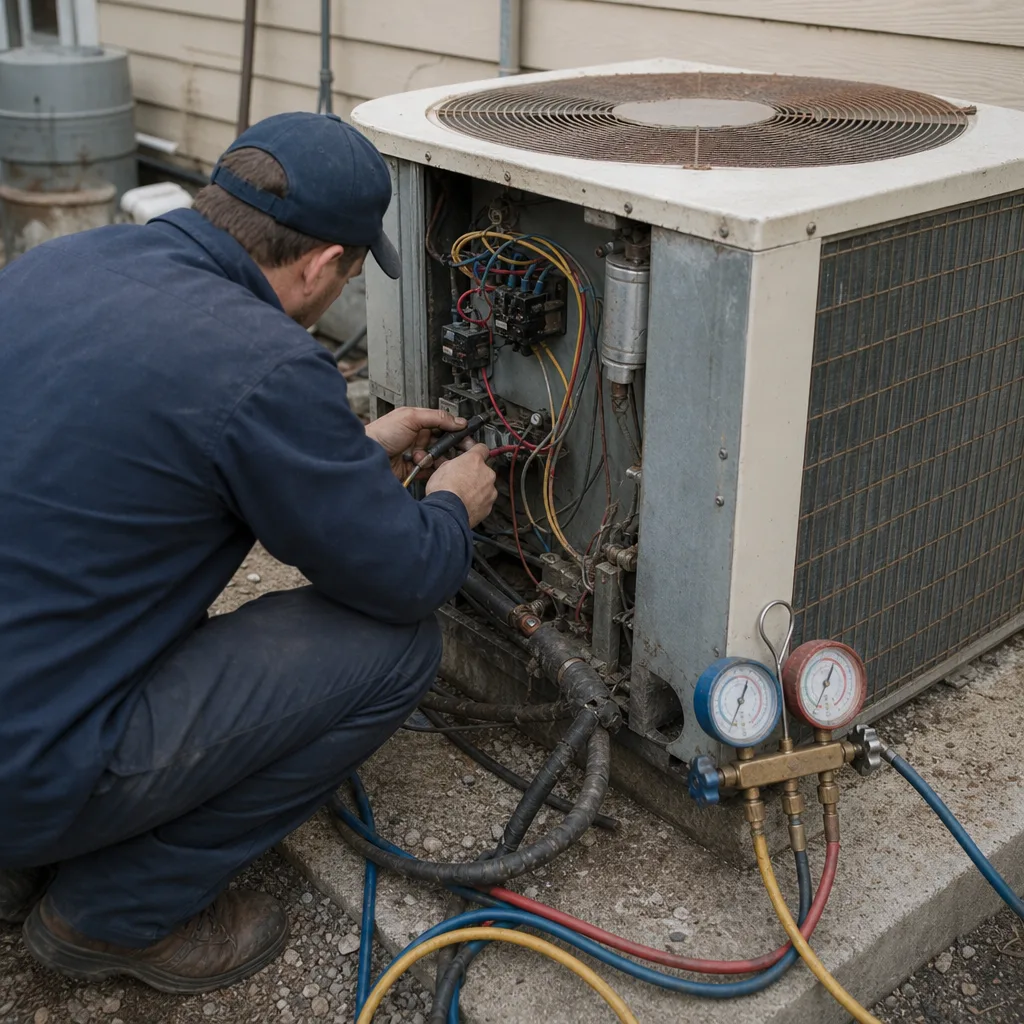
See the difference
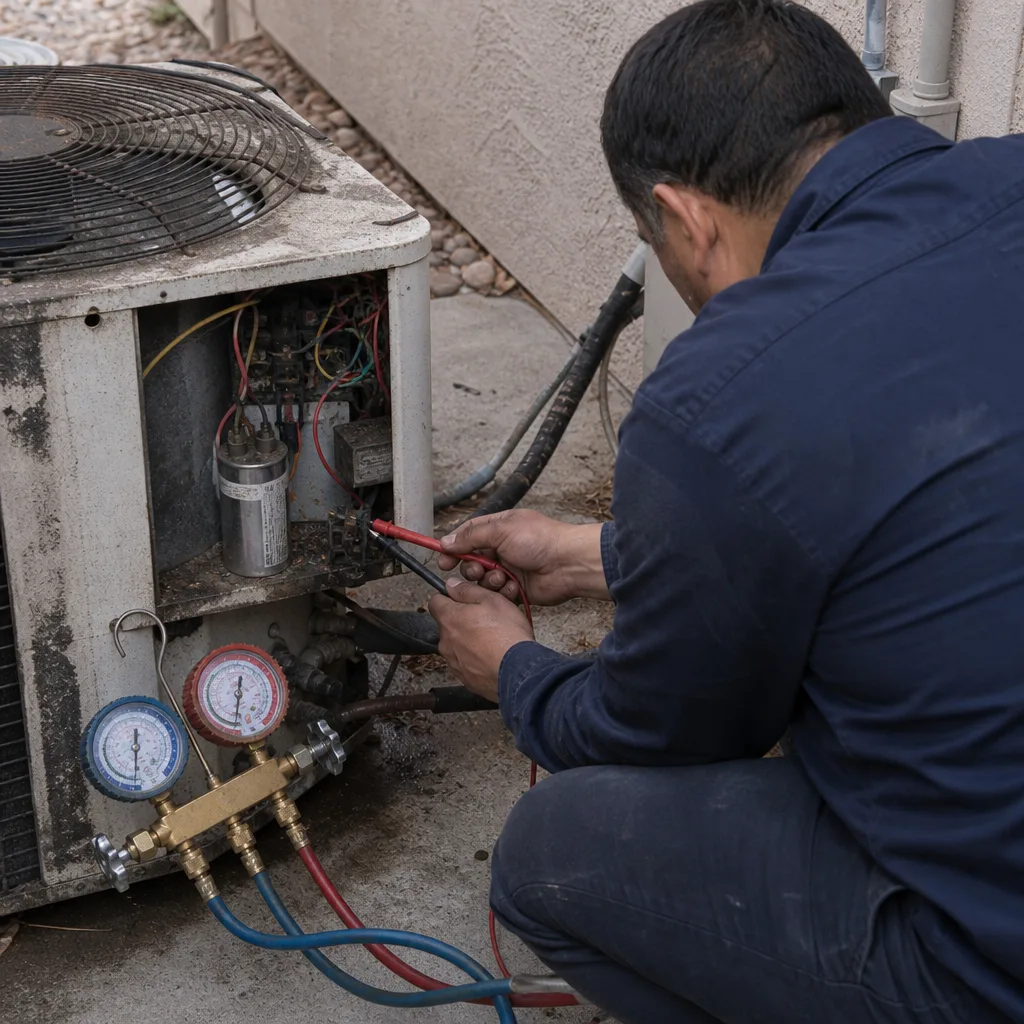 Before
 After
 Before
 After
 Before
 After
When to Call a Professional
Some things a homeowner can diagnose. Most things a heat pump needs should go to a trained technician. Heat pump systems run refrigerant at high pressure, electrical components at line voltage, and in many cases natural gas for the backup heat. Each of those is genuinely dangerous if handled by someone untrained, and the equipment damage from a bad DIY repair can void the manufacturer’s warranty.
Call a professional when you see: ice building on the outdoor coil and not clearing, a heat pump that runs continuously in cold weather without keeping the house warm, a breaker tripping on the outdoor unit, refrigerant line frost, a burning smell near the air handler, or a compressor making a noise it didn’t make last week. The same goes for a system that’s simply not keeping up in a Winchester July or a January cold snap.
Fireside Heating & Air Co. Winchester offers free estimates in Winchester. Call (844) 783-5043 for a free estimate. Our technicians are experienced and background-checked, trained to service major brands including Lennox, Goodman, Rheem, and York. Someone answers the phone at any hour, including the 2 a.m. no-heat call.
Frequently Asked Questions
The right size comes from a Manual J load calculation for your specific house, not a square-footage rule. A 2,000 sq ft Winchester home could easily need anywhere from a 2.5-ton to a 4-ton system depending on insulation, window quality, and duct leakage. Ask any installer to show you the load calculation before recommending equipment.
Yes, when they’re selected correctly. Cold-climate inverter heat pumps hold capacity well into the single digits, and Winchester’s winter nights rarely push past zero. The key is checking the specific model’s rated heating capacity at 5°F and comparing it to your home’s load. A heat pump chosen for mild-climate performance will struggle here. One rated for cold-climate service will handle the valley fine.
NV Energy has offered rebates on qualifying high-efficiency heat pumps and mini splits, but the specific amounts and terms change, so check the current program sheet with a qualified installer. Documentation typically requires the AHRI certificate, sizing calculation, and invoice with matching model and serial numbers. We provide the full packet at completion to make the claim straightforward.
A straightforward ducted heat pump replacement is usually a one-day job. A new mini split install with two or three heads takes one to two days. More complex setups, like a full ductless retrofit or a dual-fuel conversion, may take two to three days. Once the load calculation is done and the equipment is ordered, we’ll give you a firm install date and hold it.
For most Winchester homes, a ducted heat pump or a multi-zone mini split is the better year-round choice. Evaporative coolers work well in dry heat but struggle on the hottest days, and they don’t heat. A heat pump handles both seasons, seals the envelope better, and often qualifies for rebates. A mini split makes the most sense when ductwork is impractical.
You call. Fireside answers the phone at 2 a.m. with a live person, not a voicemail tree. We dispatch trained technicians with background checks to diagnose the problem, and most repairs are completed in a single visit. For any repair over $250, you can take $50 off with our current offer.
The Bottom Line
Heat pumps and mini splits work beautifully in Winchester, but only when they’re selected for this valley’s actual climate, not for a brochure written in a milder market. The equipment that earns five stars in coastal California can underperform on a January night here because nobody checked the low-ambient capacity rating at 5°F. Check the ratings, demand a load calculation, understand your balance point, and get the rebate documentation at completion. Do those things, and the system will heat and cool your home faithfully for years. Skip them, and you’ll be back on the phone next winter. We’re here when you need us.
For a full picture of what we do across heating, cooling, and indoor air quality, visit our Heating & Furnace in Winchester page or the Fireside Heating & Air Co. Winchester home page. Call (844) 783-5043 for a free estimate.
Written by the team at Fireside Heating & Air Co. Winchester.