
Last updated November 18, 2026
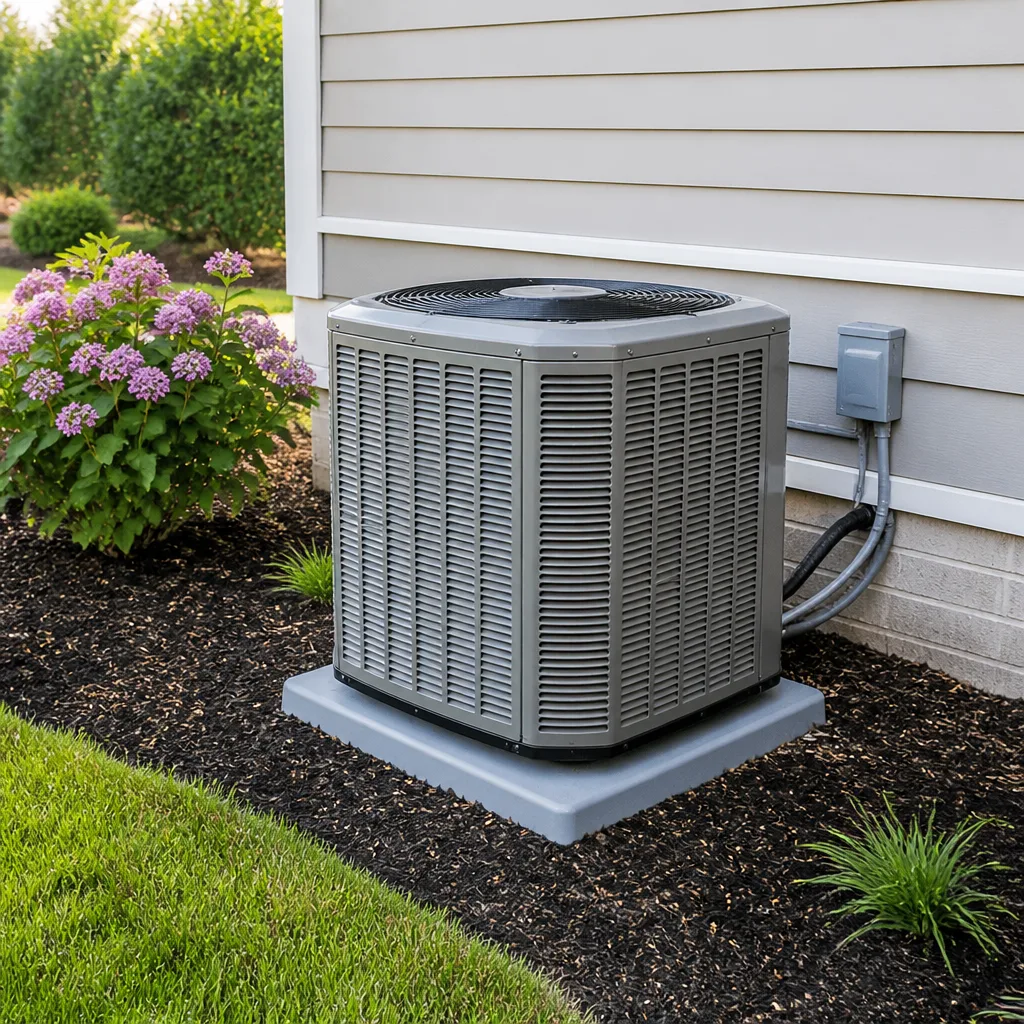 AC repair
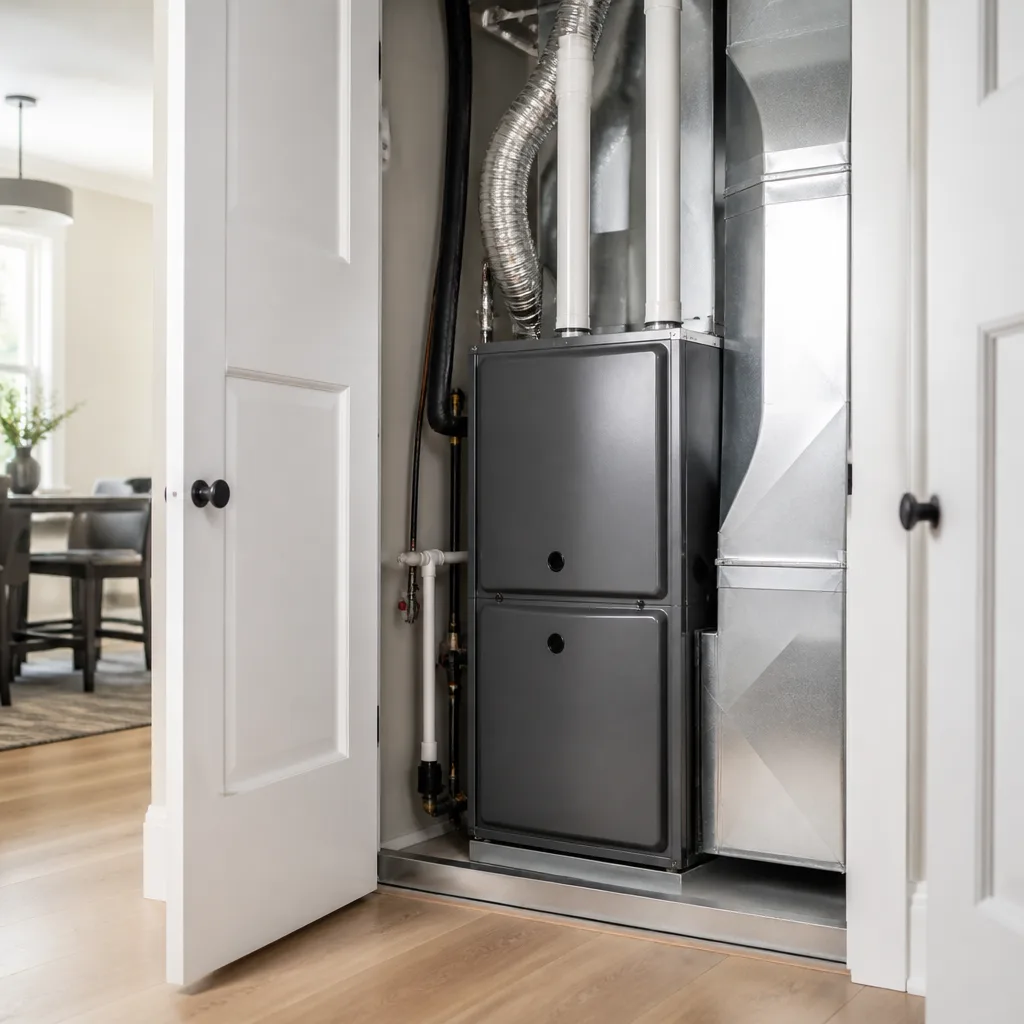 Furnace & heating
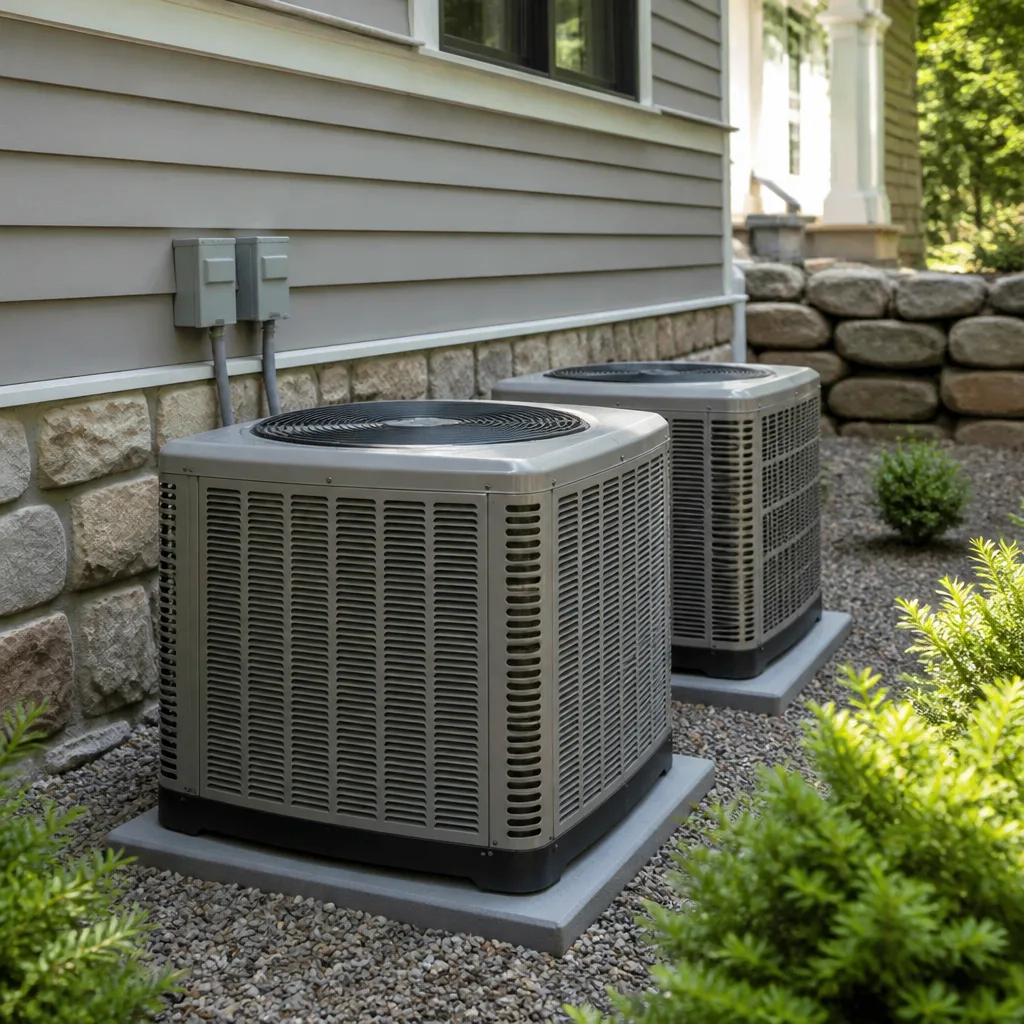 Heat pumps
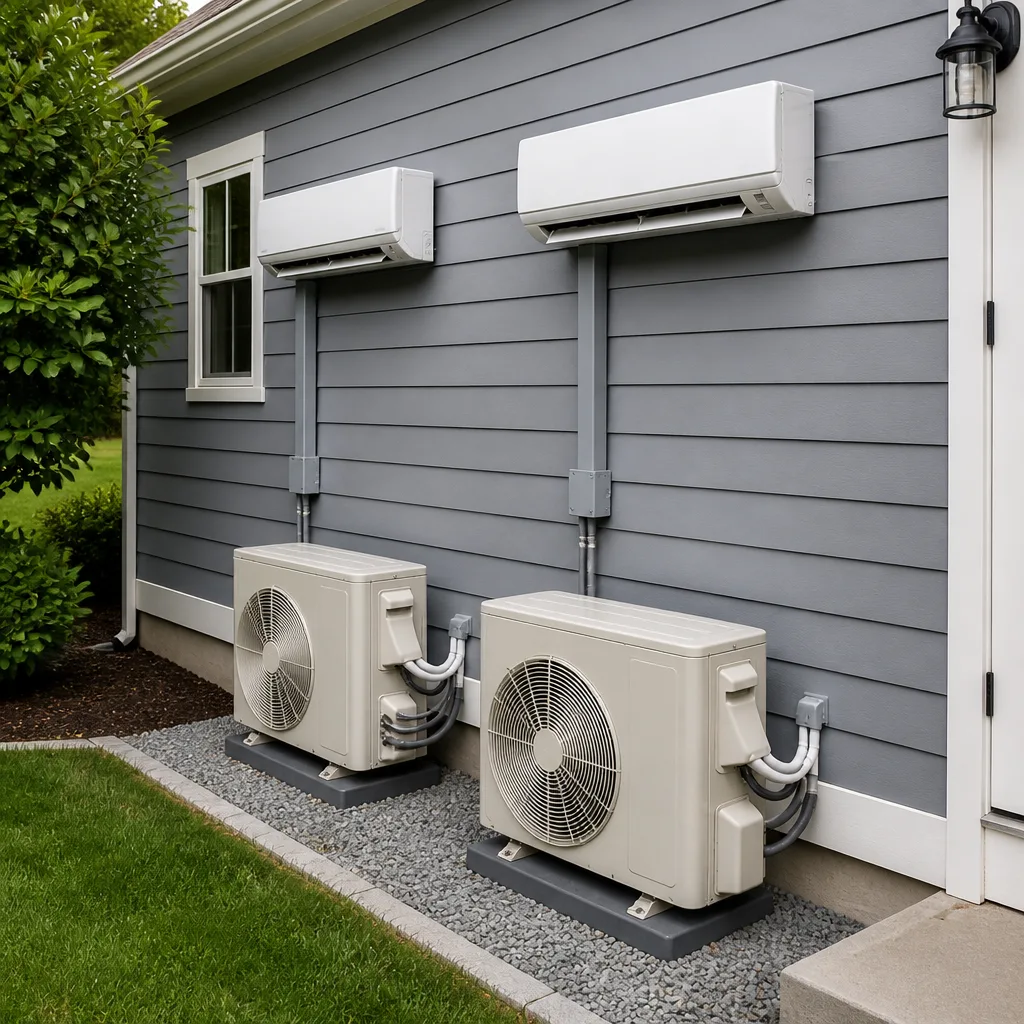 Ductless mini splits
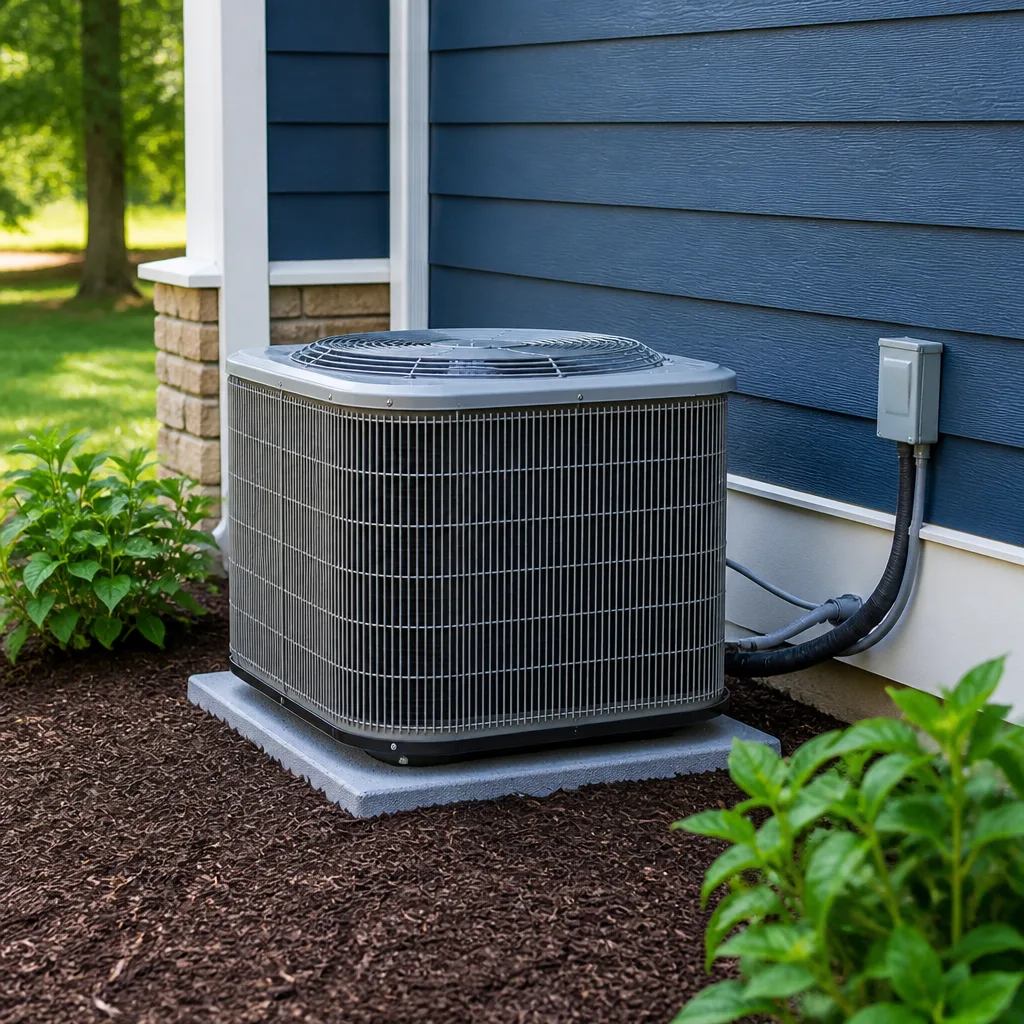 Carrier
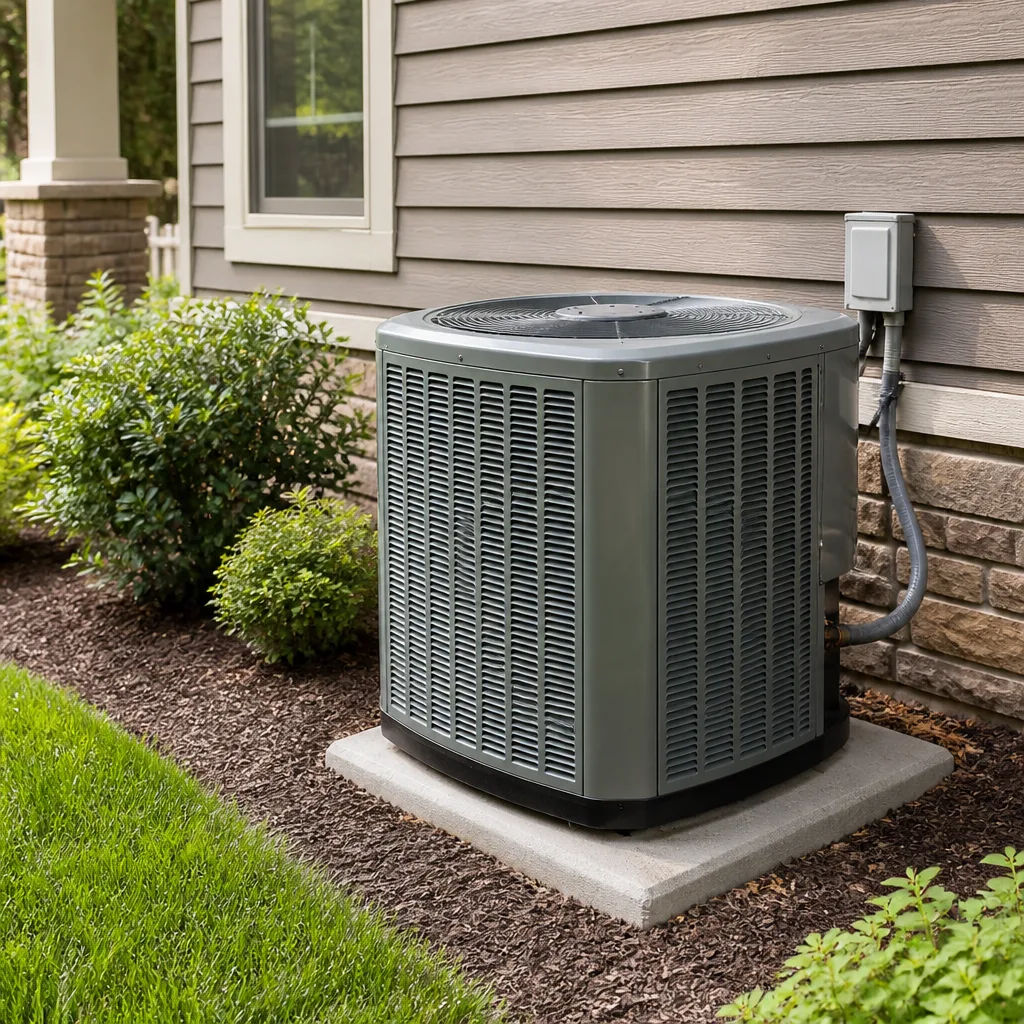 Trane
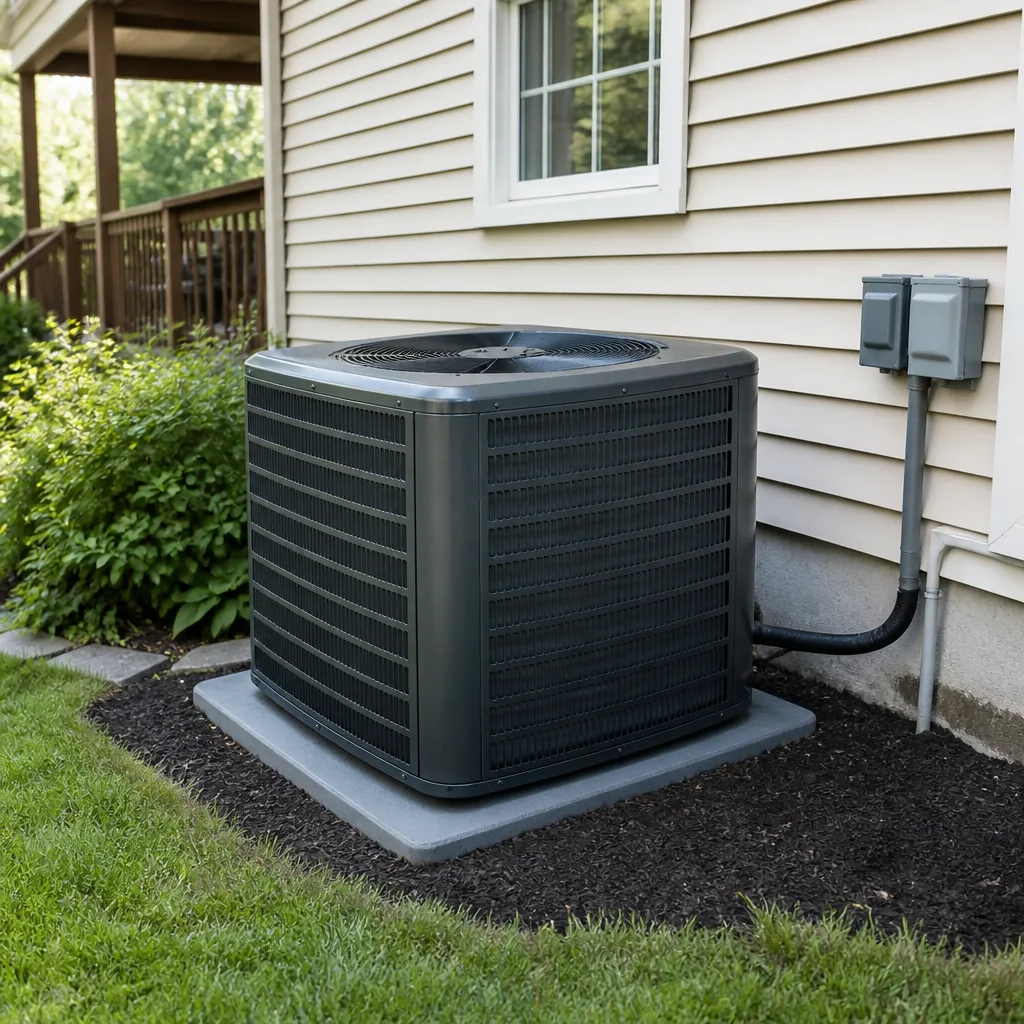 Goodman
Seasonal tune-up and full diagnostic on your Carrier, Trane, or Goodman system - readings shown to you before any repair is proposed
Diagnosis first, numbers second - you approve the repair price before a single part goes in.
Get your free estimateAir Quality & Ventilation Maintenance Schedule: What to Do and When
The EPA estimates indoor air can be two to five times more polluted than outdoor air. In Winchester’s dry, dusty climate, that number skews worse if your ventilation maintenance is running on a generic national schedule written for somewhere with actual rainfall. Most schedules treat air quality tasks as afterthoughts tacked onto filter changes. Here, dust infiltration and low humidity are year-round events that deserve their own calendar. This guide builds that calendar from the ground up, organized around the conditions that stress your air inside a Nevada home, not the four seasons printed on a manufacturer’s brochure.
Quick Answer
In Winchester, plan on inspecting your filter every 30 days and changing it every 60 to 90 days, scheduling duct inspection annually in spring, cleaning exhaust fan backdraft dampers every six months, and coordinating HRV or ERV cleaning with your fall HVAC tune-up so one visit covers both. Your local dust load, not the manufacturer’s default interval, sets the schedule.
Styles & brands we work with
- AC repair
- Furnace & heating
- Heat pumps
- Ductless mini splits
- Carrier
- Trane
- Goodman
Table of Contents
- Why Winchester’s Dust Load Rewrites the Standard Schedule
- The Filter Calendar: 30, 60, 90
- The Months That Stress Your Air System Most
- The Component Everyone Skips: Backdraft Dampers
- Coordinating HRV and ERV Cleaning with Tune-Ups
- Building a Written Log That Protects You
- The Month-by-Month Winchester Plan
- Annual Duct Inspection: What We Look For
Why Winchester’s Dust Load Rewrites the Standard Schedule
Filter packaging lists a change interval based on average national conditions. Winchester isn’t average. The valley sits in a high-desert dust corridor, and the wind events between March and June carry fine particulate that a standard 90-day filter interval doesn’t account for. In our experience servicing forced-air systems across Winchester, filters pulled at the 60-day mark during spring show the loading most manufacturers expect at 90.
That gap matters because a loaded filter doesn’t just restrict airflow. It changes the pressure balance across your blower and can push dust past the filter frame into the return plenum, where it settles and recirculates. Once that happens, the filter is no longer doing its primary job.
The fix is shorter inspection intervals, not a different filter. Here’s what we recommend for Winchester homes:
- Inspect every 30 days during spring wind season, regardless of filter rating
- Change every 60 days from March through June, every 90 days the rest of the year
- Check the return grille frame for dust bypass each time you change the filter; a visible dust line around the edges means the filter isn’t seated
- Note the filter’s MERV rating in your log. A MERV 8 catches most Winchester particulate without overloading the blower; higher ratings restrict airflow in older duct systems
Homes near open desert edges or new construction on the valley’s outskirts see heavier loading. If you’re in one of those spots, cut the spring interval to 30 days flat. The cost of an extra filter is trivial next to a blower motor repair.
The Filter Calendar: 30, 60, 90
A calendar beats a reminder. Write the change dates down and tape them to the air handler door. Here’s the schedule we hand Winchester homeowners:
- January, February: Inspect at 30 days. Change at 90 if clean, sooner if gray.
- March, April, May, June: Inspect and change at 60 days. These are the dust months.
- July, August: Inspect at 30 days. Cooling season runs the fan constantly, so the filter loads faster than the calendar suggests.
- September, October: Change before heating season starts. A fresh filter going into winter keeps the heat exchanger cleaner.
- November, December: Inspect at 30 days, change at 90.
If you run a high-MERV filter, the schedule tightens. A MERV 13 in a Winchester home needs a 30-day check year-round. We’ve seen those filters load to the point of measurable pressure drop in under 45 days during spring. If you’re not sure what rating your system can handle, that’s a question worth asking during a tune-up visit.
The Months That Stress Your Air System Most
Evaporative pressure and low humidity drive two separate problems in a Winchester home, and they peak at different times.
Spring (March through June) is the dust-and-static window. Relative humidity in Winchester regularly drops below 20 percent during these months, and dry air is a poor conductor of static charge. That means the fine particulate moving through your ducts sticks to surfaces rather than settling, and it recirculates longer. Static buildup on duct walls and blower housings also pulls dust toward the return grilles. This is the period when duct inspection pays off most, and it’s why we schedule annual duct checks in spring rather than fall.
Summer (July and August) is the pressure window. With the system running nearly nonstop, any leak in the return duct draws attic or garage air into the living space. In a dry climate that air carries dust and, near the valley’s newer construction, insulation fibers. A return-side leak that goes unnoticed in a milder climate becomes a real air quality problem here.
Winter (November through February) is the dry-air window. Forced-air heating drops indoor humidity further. Static shocks, cracked wood furniture, and dry sinuses are the visible signs. Whole-home humidification is worth discussing if you’ve noticed all three.
The common thread: Winchester’s air quality problems don’t follow a single seasonal schedule. They follow the pressure and humidity curve, which is why the calendar below is built month by month.
The Component Everyone Skips: Backdraft Dampers
Ask a homeowner what’s in their bathroom exhaust fan and they’ll describe the fan. Nobody mentions the backdraft damper, the flap behind the fan that closes when it’s off to keep outside air, dust, and insects from flowing back in.
In Winchester, that flap is where the dust load accumulates. A damper caked with fine particulate won’t seat fully. When it doesn’t seat, hot attic air and dust flow back into the bathroom and kitchen year-round, and the exhaust fan has to fight that leak every time it runs. We’ve seen kitchen exhausts in Winchester homes where the damper had been stuck open for years. The symptoms are easy to miss: a faint grit on the countertops near the range, or a bathroom that never quite feels clean.
Inspect both bathroom and kitchen exhaust dampers every six months. A flashlight and a look up the duct is usually enough to spot a stuck or dust-caked flap. Cleaning a damper isn’t a hard job, but getting to it often means working above a ceiling or behind a cabinet, and re-seating a damper that won’t close usually calls for a technician. Worth doing: it’s one of the cheapest air quality fixes in the house.
Coordinating HRV and ERV Cleaning with Tune-Ups
If your Winchester home has a heat recovery ventilator or an energy recovery ventilator, the maintenance on that unit doesn’t need a separate service call. Bundle the HRV or ERV core cleaning into the fall heating tune-up and you’ll save a trip.
What the combined visit covers:
- HRV or ERV core pulled and washed
- Filter screens cleaned or replaced
- Condensate line checked
- Duct connections verified at the unit
- Heating tune-up: burner or heat pump check, filter change, blower inspection
- Fresh filter in the main air handler
Two service visits in one is the practical win, but there’s a second reason to bundle. When the same technician checks both systems on the same day, pressure interactions between the HRV and the HVAC blower get caught. A push-pull imbalance between the two systems is a common and quiet cause of dust infiltration, and it only shows up when both are inspected together.
Our Heat Pump & Mini Split in Winchester page covers how we handle HRV and ERV work alongside heat pump systems if you’d like the technical detail.
Building a Written Log That Protects You
A written maintenance log does three jobs. It satisfies manufacturer warranty requirements, it gives you documented proof for any follow-up on our 90-Day Done Right Promise, and it lets a technician see what’s actually been done instead of guessing. Most homeowners don’t keep one. The ones who do have a real advantage when something fails.
Here’s what belongs in the log:
- Date and time of each task
- Task performed (filter change, duct inspection, damper check, HRV clean)
- Part numbers for filters and any hardware replaced
- Technician name and company, plus a copy of the invoice
- What was found, in plain language: “return duct leak at joint near garage wall, sealed” is better than “duct work serviced”
A three-ring binder kept near the air handler works fine. A note in your phone works too. The format doesn’t matter; the habit does. When a warranty question comes up, or when you want a second opinion on a repair recommendation, the log is the difference between a fast answer and a slow argument. If you’d like a free second opinion on any written estimate, that log gives us exactly what we need to give you an honest read.
The Month-by-Month Winchester Plan
Here’s the schedule to hang on the wall:
Every 30 days: Inspect the air filter. Note the condition in your log. This is the single highest-value habit on the list.
Every 60 days (March through June): Change the filter. Check return grille seating.
Every 90 days (July through February): Change the filter. Check damper flaps if you can reach them safely.
March: Spring duct inspection. Check return-side joints, verify no new gaps at plenum connections, look for dust lines at supply registers.
April: Bathroom and kitchen exhaust damper inspection.
September or October: Fall HVAC tune-up combined with HRV or ERV cleaning. Fresh filter going into heating season.
November: Humidifier check if you have one. Dry Nevada winters demand it.
If you want the tune-up handled by someone who’s been in Winchester homes long enough to know the local pattern, our Heating & Furnace in Winchester and AC Repair & Installation in Winchester pages describe what’s covered. For the broader picture of how air quality fits with the rest of your system, our Fireside Heating & Air Co. Winchester home page lays it out.
Annual Duct Inspection: What We Look For
An annual duct inspection in spring is where most Winchester air quality problems get caught before they cost real money. Here’s the checklist a technician works through:
- Return plenum connections: the most common leak point. A gap at the air handler’s return side pulls attic air into the system.
- Duct joint tape condition: old mastic and tape fail in the dry climate faster than in humid regions. We look for cracking and lifting.
- Register boots: gaps at the wall or ceiling opening where supply ducts meet the room.
- Dust accumulation patterns: a heavy dust line at one register tells us which way the leak is pulling.
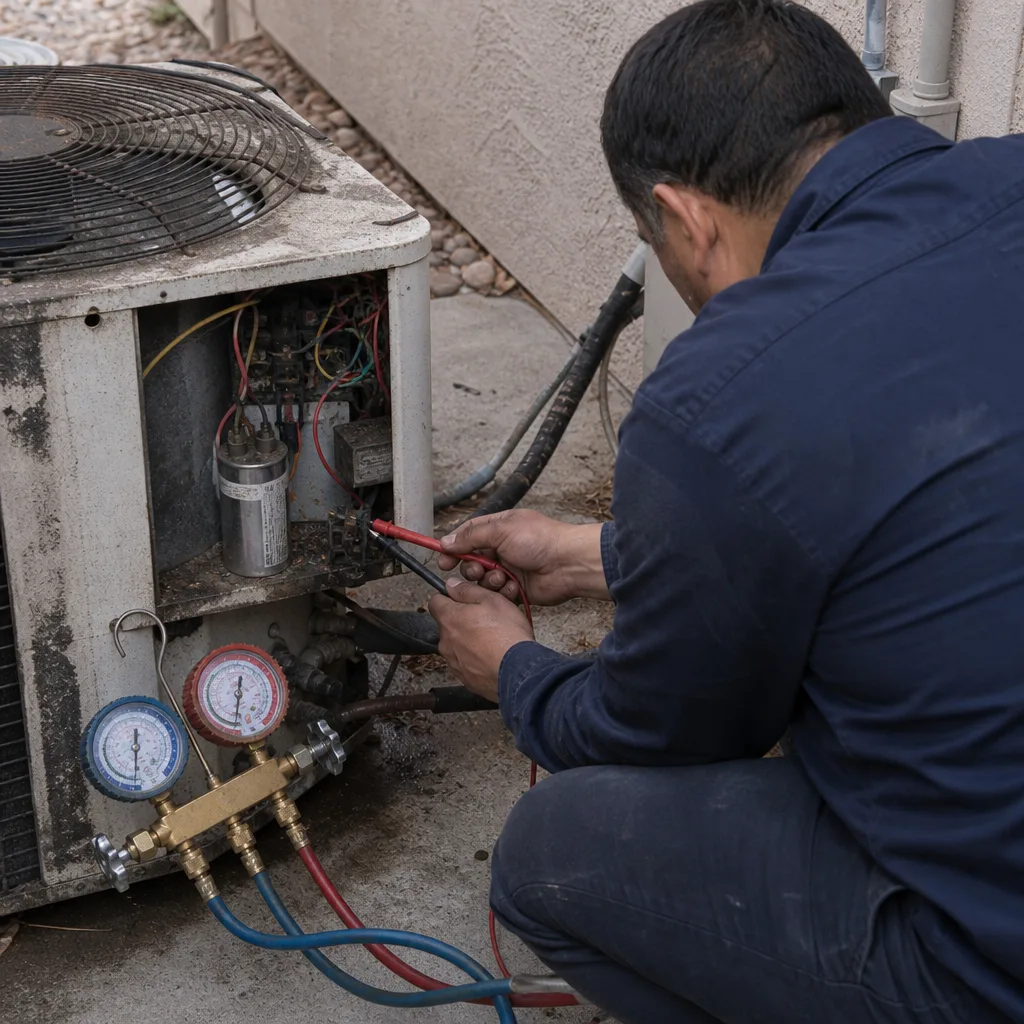
- Static pressure readings: a system running above the design pressure is fighting a restriction, usually a loaded filter or a partially collapsed flex duct.
- Flex duct sag: in attic runs, sag traps dust at the low point.
Most duct issues we find in Winchester homes are small and fixable in a single visit. A sealed return leak or a re-taped joint costs far less than letting the problem pull attic dust into your living space for another year. If you’re not sure when your ducts were last checked, that’s a good reason to call. A written estimate tells you exactly what a fix would cost, and the heat pump and mini split systems we service across Winchester have their own duct considerations that a technician should walk through with you.
Common Mistakes to Avoid
- Following the filter box instead of the local schedule. A 90-day rating doesn’t account for Winchester’s dust load. Spring changes should land at 60 days, and sometimes 30 in windy months.
- Skipping the backdraft damper. It’s the quietest failure in the house. A stuck damper lets outside dust in all day, every day, and the fan still sounds like it’s working.
- Installing a MERV 13 filter “for better air.” In older Winchester duct systems, the airflow restriction can cost more comfort than the extra filtration gains. Match the filter to the system.
- Cleaning the HRV core at the same time as the duct inspection. The two belong on different visits. Bundle the HRV with the fall tune-up, when the technician is already on the heating side.
- Letting the log lapse for a season. Warranty claims and second opinions both depend on the record. A log with gaps looks like a homeowner who guessed.
- Ignoring return-side leaks because the rooms still feel comfortable. Comfort isn’t the only measure. Attic air carrying dust and insulation fibers doesn’t show up as a temperature problem until it does.
- Calling a duct cleaning service before confirming the leaks are sealed. Cleaning ducts that leak just re-contaminates them. Seal first, then clean, and only if the ducts warrant it.
See the difference
 Before
 After
 Before
 After
 Before
 After
When to Call a Professional
Some of this is homeowner work: filter changes, visual damper checks, keeping the log. The rest isn’t. Call a professional when you find a return-side duct leak, when a damper won’t seat and requires getting behind a ceiling or cabinet, when static pressure readings matter, when an HRV or ERV core needs cleaning, or when the air in your Winchester home tastes or smells different after a filter change. Also call if you’re unsure when your ducts were last inspected, or if a second opinion on a repair estimate would help before you spend. Fireside Heating & Air Co. Winchester offers free estimates in Winchester, call (844) 783-5043. Phones are answered by a live person around the clock, and the price quoted is the price paid.
Frequently Asked Questions
Every 60 days from March through June, and every 90 days the rest of the year, with a 30-day inspection every month. Winchester’s high-desert dust load runs higher than the national average the filter packages assume, so the standard 90-day interval is too slow during spring wind season. Call (844) 783-5043 if you’d like us to walk through what your specific system can handle.
The backdraft damper behind bathroom and kitchen exhaust fans. It’s the flap that closes when the fan is off, and it’s where dust accumulates first. When it sticks open, outside air and particulate flow back into the house. Inspect every six months, and have a technician clean it if reaching it means going above a ceiling.
It depends on how tight the house is. Newer Winchester construction and any home with upgraded insulation often benefits from an HRV or ERV to bring in filtered fresh air. Older, leakier homes often get enough air exchange without one. If you have an HRV or ERV, clean the core annually and bundle that cleaning with your fall tune-up.
Record the date, the task, the part numbers, the technician and company, and a plain-language note of what was found. Keep the invoice with each entry. That record covers most manufacturer warranty requirements and gives you documentation if you ever call for a 90-Day Done Right Promise follow-up.
Yes. Change the filter, check return duct joints for gaps (especially at the air handler), confirm exhaust dampers are seated, and have a technician read static pressure. Summer runs the system nearly nonstop in Winchester, so any return-side leak pulls attic air into the home for months. A spring duct inspection catches most issues before they cost real money.
Yes, and we offer one free on any written estimate. Duct cleaning and HRV service are the two items most often sold without need. Seal leaks first, then decide about cleaning. A second opinion on a written quote takes a short call and often saves a homeowner money. Call (844) 783-5043 for a free estimate.
The Bottom Line
Air quality maintenance in Winchester isn’t a tweak to the standard filter schedule. It’s a separate calendar built around dust load, low humidity, and the pressure months when a leak pulls attic air into the house. Inspect the filter every 30 days, change at 60 through spring and 90 the rest of the year, clean the exhaust dampers twice a year, and bundle HRV or ERV work with the fall tune-up. Keep a written log; it protects your warranty and your follow-up options. Most of this is homeowner work. The parts that aren’t, call a technician. Get the job done right, in writing.
Have a question we didn’t cover, or want the schedule tailored to your home? Call Fireside Heating & Air Co. Winchester at (844) 783-5043 for a free estimate. A live person answers every call, 24 hours a day, 7 days a week. Every job is backed by the 90-Day Done Right Promise. Current offers: $50 Off Any Repair Over $250, a free second opinion on any written estimate, $89 Seasonal Tune-Up, and a permanent Senior and Veteran 5% discount.
Written by the team at Fireside Heating & Air Co. Winchester.