
Last updated November 18, 2026
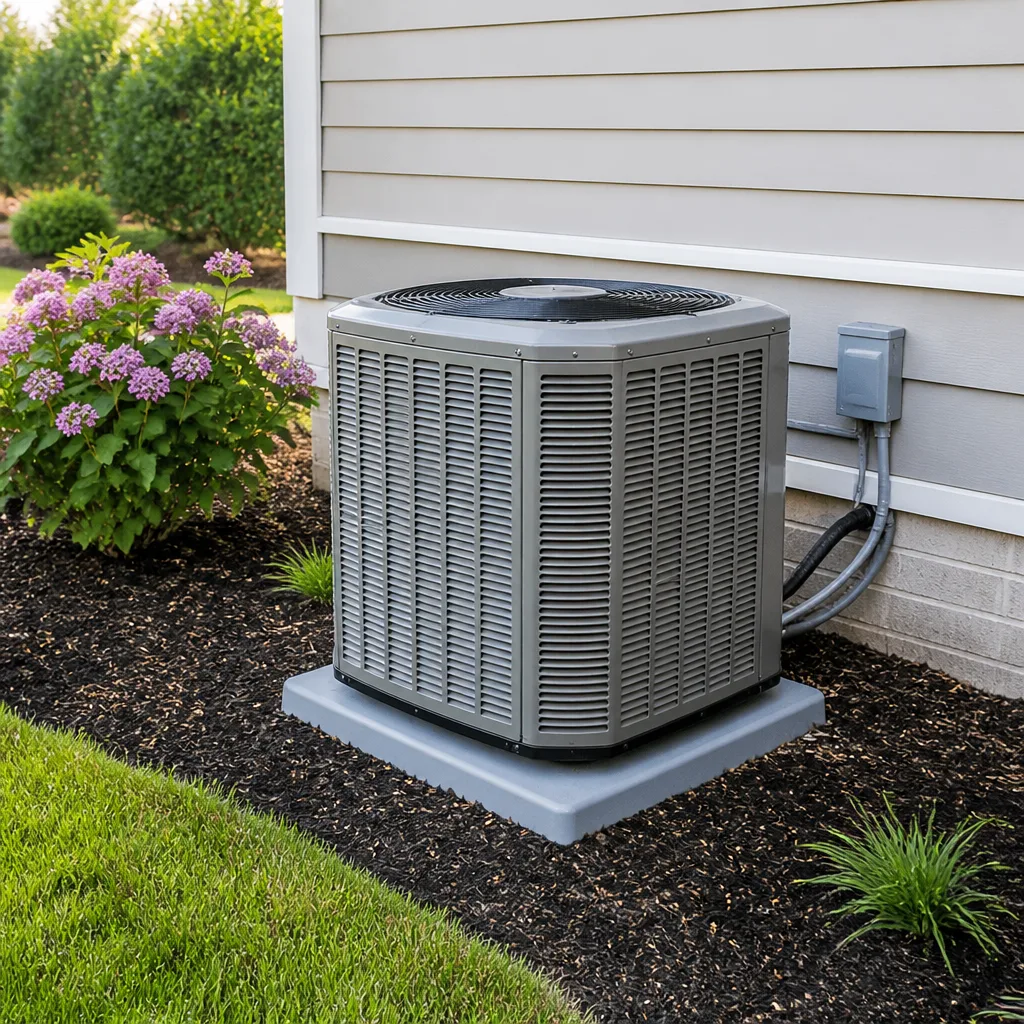 AC repair
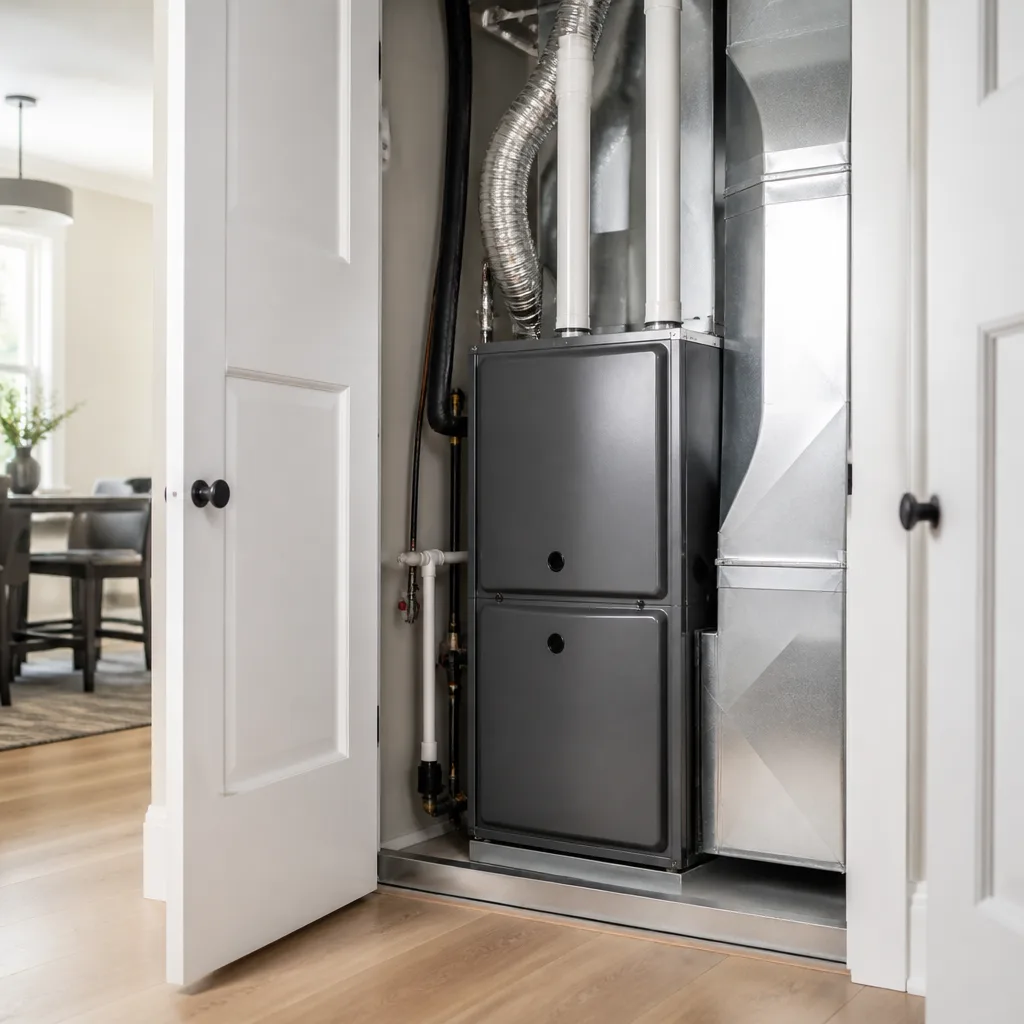 Furnace & heating
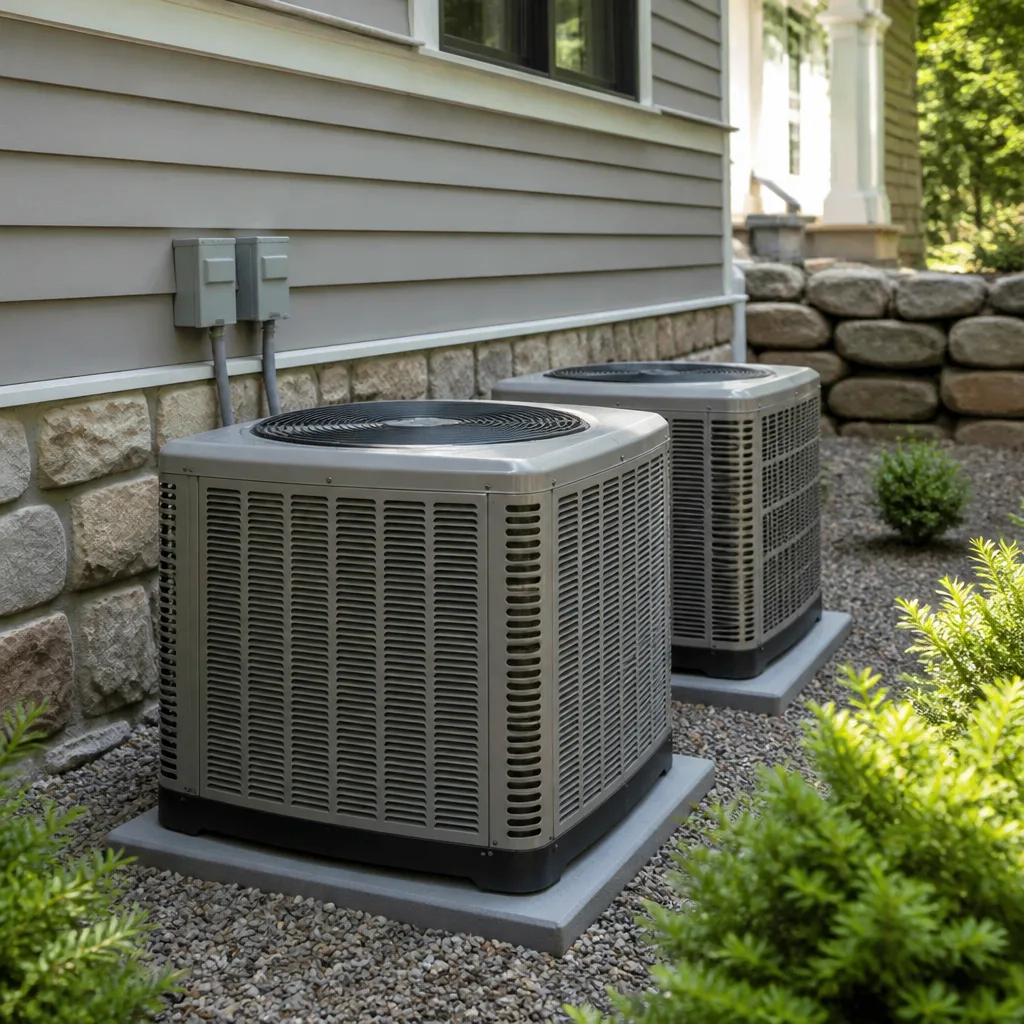 Heat pumps
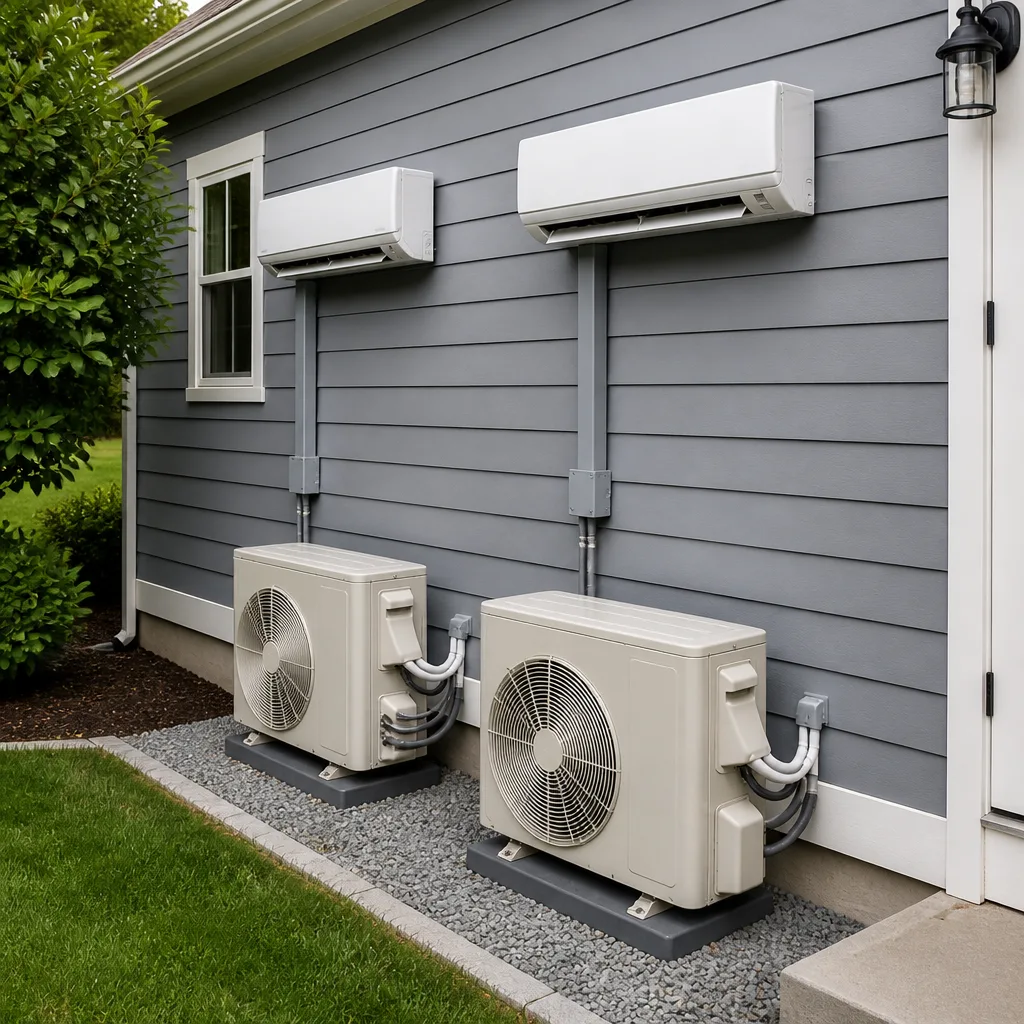 Ductless mini splits
 Carrier
 Trane
 Goodman
Seasonal tune-up and full diagnostic on your Carrier, Trane, or Goodman system - readings shown to you before any repair is proposed
Diagnosis first, numbers second - you approve the repair price before a single part goes in.
Get your free estimateAir Quality & Ventilation Warning Signs Every Homeowner Should Know
If you’ve changed your filter three times this year and your surfaces are still dusty within days, your filter isn’t the problem. Something upstream – a duct breach, a cracked air handler cabinet, or a failed return seal – is feeding unfiltered air directly into your living space, and no filter grade will fix it. That’s the pattern we see most often in Winchester: homeowners buying higher-MERV filters to solve a problem that lives in the ductwork behind the wall. This guide works backward from the symptom you notice to the mechanical failure actually causing it, so you stop chasing the wrong fix and spend money in the right place.
Quick Answer
The most reliable air quality and ventilation warning signs are persistent dust within days of cleaning, rooms that feel stuffy while others feel drafty, allergy symptoms that worsen indoors rather than outdoors, condensation or frost on windows and registers, and any smell of gas, hot insulation, or damp mustiness. Each points to a different failure: filtration, duct integrity, balanced ventilation, combustion air, or humidification. Fix the source, not the symptom.
Styles & brands we work with
- AC repair
- Furnace & heating
- Heat pumps
- Ductless mini splits
- Carrier
- Trane
- Goodman
Table of Contents
- How to Tell a Ventilation Failure From a Filtration Failure
- Duct Breach or Failed Return Seal: The Dust-On-Surfaces Signature
- Failing HRV/ERV: The Stuffy-Room Signature
- Combustion Air Problems: The One You Never Ignore
- Why Indoor Allergies Worsen in a Well-Maintained Home
- Smells That Are HVAC Emergencies, Not Nuisances
- Winchester’s Dry Winters and the Humidification Sign You’re Misreading
- The Order to Check Things In
How to Tell a Ventilation Failure From a Filtration Failure
You can separate these two with a flashlight and one hand, no tools, no gauges. Filtration failure means particles are getting through your filter. Ventilation failure means the air itself isn’t moving in and out of the house correctly. They feel similar – both leave you feeling stale and sneezy – but they’re different problems with different fixes, and confusing them wastes money.
Here’s the test, and it takes about five minutes:
- Turn the system to fan-only and let it run for ten minutes.
- Hold a piece of tissue paper against a supply register and a return grille. Note how firmly it pulls or blows.
- Shine the flashlight into the return grille. Look for a filter that’s seated flat and fully covering the opening – a filter that’s slipped, sagging, or a half-inch too small is a filtration failure.
- Shine the light along the register seams and around the air handler cabinet. Dust streaks radiating outward mean unfiltered air is being drawn in past the filter, not through it.
Strong airflow at every register with a properly seated filter points you toward a ventilation problem – the air is moving but the house isn’t exchanging it with fresh air. Weak airflow at registers closest to the air handler, combined with heavy dust on nearby surfaces, points toward a return seal or duct problem. In Winchester’s older neighborhoods, where homes were built before return-air design was taken seriously, we find undersized or leaking returns more often than any other single cause.
If you’re not certain which failure you’re looking at, that’s the point where a professional diagnostic beats another filter purchase. Our Fireside Heating & Air Co. Winchester home page explains how we approach a whole-home assessment.
Duct Breach or Failed Return Seal: The Dust-On-Surfaces Signature
A duct breach has one of the most recognizable signatures in HVAC: dust returns to horizontal surfaces – shelves, baseboards, the tops of picture frames – within two to four days of cleaning, no matter what filter you use. That’s because a breach on the return side pulls attic or crawlspace air into the system and delivers it straight to your living room. The filter never sees it.
Dust on the supply side looks different. A supply-side leak pushes conditioned air out into the attic or wall cavity, so you get rooms that never quite cool or heat evenly, higher energy bills, and dust concentrated near registers rather than everywhere. Both are duct integrity failures, but they show up in different places.
What we look for in Winchester homes:
- Dust streaks at duct joints and at the plenum where the duct meets the air handler.
- Disconnected or sagging flex duct in the attic, common in homes where attic temperatures swing hard between summer and winter.
- A return seal that’s come loose at the air handler cabinet, which draws unconditioned attic air directly into the blower.
- Visible gaps at register boots where the drywall opening is larger than the boot.
A cracked air handler cabinet belongs on this list too. Hairline cracks in the cabinet panels let unfiltered air bypass the filter and enter the airstream after filtration – a problem no filter upgrade can touch. Sealing the cabinet is a job for a technician, because the panels enclose live electrical components and moving parts. Don’t open the cabinet yourself. Call us and we’ll take a look.
Duct sealing and return repair are among the highest-return fixes we do, and most of them are completed in a single visit. Our AC Repair & Installation in Winchester team handles the duct-side diagnostics when you’re not sure what’s leaking.
Failing HRV/ERV: The Stuffy-Room Signature
If your home has an HRV or ERV – a heat or energy recovery ventilator – a failing unit leaves a very specific signature: some rooms are stuffy and stale while others feel fine, and opening a window for ten minutes “fixes” it briefly. That’s a ventilation imbalance, not a filtration problem. The fresh-air exchange has dropped below what the house needs.
HRVs and ERVs have filters and cores that need cleaning or replacement on a schedule that homeowners rarely know about. When the core clogs, the unit still runs, still makes noise, and still appears to work – but the air exchange rate quietly falls off a cliff. Two years of a neglected core in a tight Winchester home can leave you living in air that’s recycled far more than it should be.
The signatures to watch for:
- Rooms without a window or with a closed door feel stale while the rest of the house is fine.
- Bathroom mirrors fog and stay fogged longer than they used to.
- Cooking odors linger for hours instead of clearing in one.
- The unit’s indicator light is on, or the unit runs but airflow at the exhaust is weak.
Cleaning a core is often a maintenance task. Diagnosing whether the unit is actually exchanging air at the rated rate is a technician’s job. If your home was built tight in the last twenty years and has an HRV or ERV you’ve never touched, that’s worth a look. Our Heat Pump & Mini Split in Winchester team services the ventilation equipment that often comes with these systems.
Combustion Air Problems: The One You Never Ignore
Any gas appliance – furnace, water heater, oven, fireplace – needs air to burn. In a tight, well-sealed home, a powerful exhaust fan can pull combustion air backward down a flue, a condition called backdrafting. It’s rare, but it’s serious, and it has a signature you can learn to recognize. This is not a problem to solve yourself. Shut the appliance off and call.
The warning signs of a combustion air problem:
- A smell of gas or exhaust indoors – even faint, even intermittent.
- Soot or scorching around the furnace flue or water heater vent.
- A yellow, lazy flame instead of a crisp blue one (you can look, but don’t reach in).
- Headaches, nausea, or dizziness that improve when you leave the house.
If you ever smell gas, leave the house and call your gas utility first, then call us. A combustion air problem is one of the few HVAC issues that belongs in the emergency category, and our phones are answered by a live person around the clock. That’s not a marketing line – it’s how the business is set up, so the 2 a.m. call gets a real answer and a real technician. Don’t wait for morning on this one.
Why Indoor Allergies Worsen in a Well-Maintained Home
When a house is clean, the filters are fresh, and the HVAC has been serviced, but the people living in it are sneezing more indoors than out, the cause is almost always a ventilation imbalance rather than pollen. Pollen comes in through doors, windows, and clothes – but a house that isn’t exchanging air properly concentrates indoor irritants: dust mites, pet dander, cooking particulates, and whatever off-gasses from furniture and finishes. The house holds it all in.
Two common patterns we see in Winchester:
- The tight-house trap. A home sealed and insulated well for energy efficiency, with no ventilation upgrade to match. The house is efficient and the air is stale.
- The return-path trap. A return grille that’s too small or blocked, so the system pulls hard from one path and starves another. The rooms closest to the return get plenty of circulation; the far bedrooms get almost none.
Both patterns produce the same complaint: “It’s clean, we change the filters, but we still feel bad in here.” The fix isn’t a stronger filter or an air purifier bolted onto the furnace – it’s correcting the exchange rate and the return path. Air purifiers help; they don’t replace proper ventilation.
We start with a room-by-room walkthrough and a look at the return layout, then recommend the smallest change that solves the problem. That’s the same logic we apply to everything we do, which is why we publish a written guarantee on every job: done right, or we make it right. A square deal is a square deal.
Smells That Are HVAC Emergencies, Not Nuisances
Some smells are a nuisance. Some are an emergency. Knowing which is which can be the difference between a service call and a hospital visit. Here’s the breakdown:
- Gas. Rotten-egg smell near the furnace, water heater, or any gas line. Leave the house and call your gas utility first. This is an emergency, every time, no exceptions.
- Burning insulation or hot plastic. A sharp, acrid smell, often near the air handler or a register. Turn the system off at the thermostat and call. It usually means a failing blower motor, a seized bearing, or a component running hot – a fire risk, not an air quality issue.
- Damp, musty, or “wet basement” smell. Often mold or mildew growing in a duct, a drain pan, or the air handler insulation. It’s a health concern and needs professional cleaning and the moisture source corrected. Not typically an emergency, but not a nuisance either.
- Electrical or metallic burning smell from a specific room. Could be a receptacle, not the HVAC. Shut off the breaker to that room and call an electrician.
The distinction that matters: gas and burning smells are emergencies; musty and “stale” smells are urgent but scheduled problems. When in doubt, shut the system off and call. Our technicians are trained to identify these quickly, and we don’t run you through a phone tree to get to one.
Winchester’s Dry Winters and the Humidification Sign You’re Misreading
Winchester winters run dry, and homes here are typically heated with forced air. That combination produces a warning sign most homeowners blame on something else entirely: a persistent drafty feeling near windows and doors in winter, often accompanied by static shocks and dry skin. The instinct is to look for a draft. The actual cause is usually low indoor humidity, not a gap in the window frame.
Why it feels like a draft: at low relative humidity, the air doesn’t hold heat the way humid air does, so it feels colder against the skin and the body interprets the sensation as moving cool air. Seal the window and the feeling returns. That’s the tell. A whole-house humidifier that’s not working, or a home with no humidification at all, will produce this pattern every winter.
The warnings to check:
- Condensation or frost on windows that appears worse in winter, not better. Frost on the inside of a double-pane window means high humidity, not low, and could point to a humidifier running too high or a ventilation problem.
- Static shocks every time you touch a doorknob, combined with dry skin and dry nasal passages.
- Wood floors and door frames that gap in winter and close in summer – the classic humidity swing.
- A whole-house humidifier that’s set but not producing water, or a water panel that’s crusted with mineral scale.
An HVAC technician can check whether your humidifier is actually delivering the humidity you’ve set, or whether you’re living with low humidity and compensating by reading it as draft. This is one of the most common misdiagnoses we correct in Winchester, and it’s usually a single-visit fix.
The Order to Check Things In
When you notice a symptom and aren’t sure where to start, work in this order. It saves time and it keeps you safe.
- Check for smells first. Gas, burning, or electrical odors: stop, shut the system off, and call. Don’t troubleshoot.
- Check the filter. Is it seated, the right size, and recently changed? This catches the simplest filtration failures.
- Do the flashlight and tissue test. Identify whether the problem is airflow (ventilation) or particle escape (filtration).
- Walk the house room by room. Note which rooms are stuffy, which are dusty, and which have condensation. Patterns point to the cause.
- Look for a humidification signature in winter. Static, dry air, and the “drafty window” feeling point to humidity.
- Call a professional for a diagnostic if the first five steps don’t resolve it. A trained eye catches duct breaches and combustion problems the flashlight test can’t.
That order is the same sequence we teach our technicians to follow on a first visit. Our technicians have up to 8 years of experience, and every one of them is background-checked and uniformed. We show up when we say we will, and most jobs are completed in a single visit.
Common Mistakes to Avoid
- Buying a higher-MERV filter to fix dust. A denser filter can actually restrict airflow and worsen the problem. Fix the source first, then discuss filter grade.
- Assuming a drafty window is a window problem. In Winchester’s dry winters, it’s usually low humidity. Seal the window and the “draft” will come back.
- Ignoring a musty smell because it’s faint. A damp smell is a moisture source, and moisture sources don’t fix themselves. They grow.
- Opening the air handler cabinet to look inside. Electrical components and moving parts live in there. Sealed cabinets are a specific air quality fix, not a homeowner project.
- Treating a combustion smell as a nuisance. Gas and burning smells are emergencies. Leave the house and call.
- Assuming an HRV or ERV is working because it’s running. These units quietly lose efficiency when the core or filter clogs. “Running” and “working” aren’t the same thing.
- Adding an air purifier without fixing ventilation. A purifier helps, but it doesn’t replace the air exchange a tight house needs.
See the difference
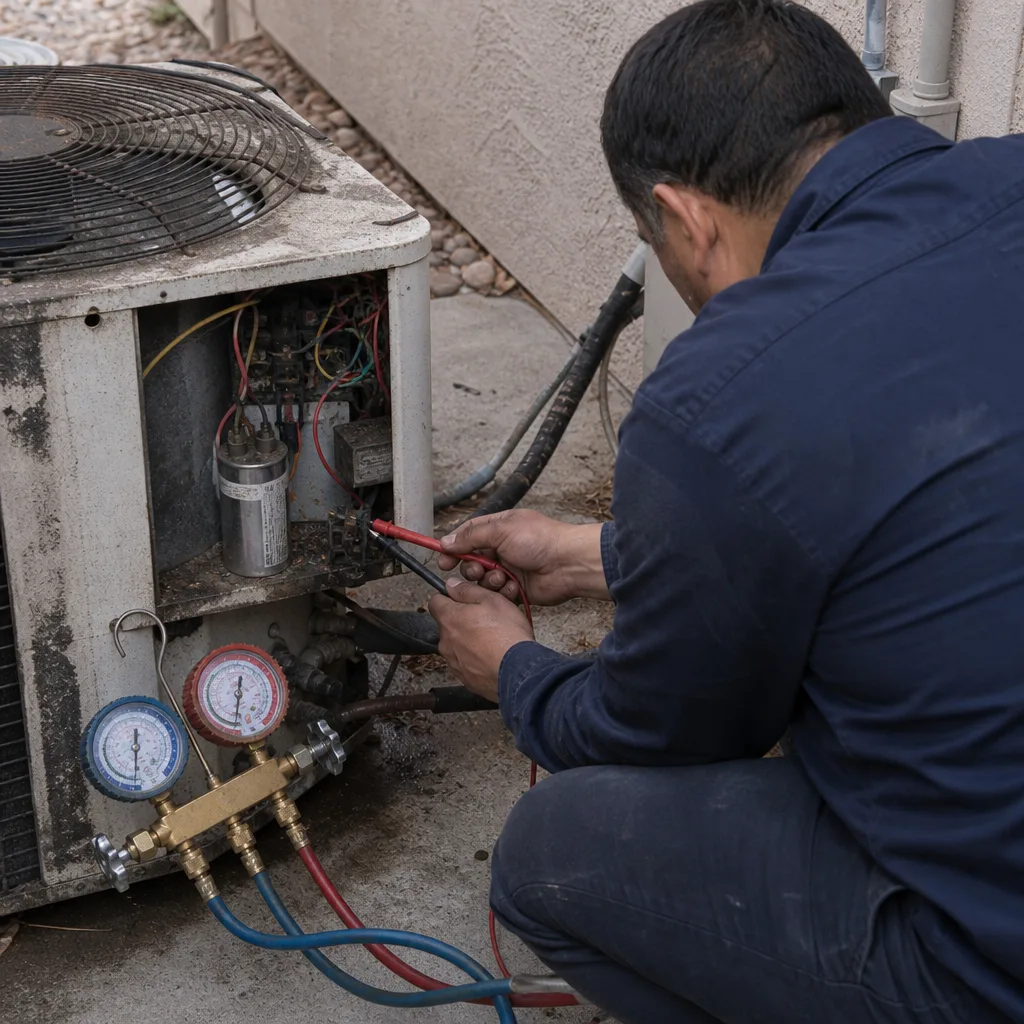 Before
 After
 Before
 After
 Before
 After
When to Call a Professional
Call us when you smell gas, burning insulation, or a persistent musty odor; when dust returns within days of cleaning despite a fresh filter; when some rooms feel stuffy and others drafty; when indoor allergy symptoms worsen despite a clean, well-maintained home; when your windows frost on the inside in winter; or when your HRV/ERV has run for more than a year without a core or filter service. Any of these is a sign that something upstream needs a trained eye. Fireside Heating & Air Co. Winchester offers free estimates in Winchester – call (844) 783-5043. Our Heating & Furnace in Winchester team can assess combustion air and humidification at the same visit.
Frequently Asked Questions
Do the flashlight and tissue test: hold tissue at a supply register and a return grille, then shine a light into the return to check the filter is fully seated. Strong airflow plus dust on surfaces points to filtration (something bypassing the filter); stuffy rooms plus weak airflow points to ventilation. Either way, call (844) 783-5043 for a free second opinion on any written estimate if a contractor has already told you something different.
Because the dust isn’t getting through the filter – it’s getting past it. A return seal that’s failed, a duct breach on the return side, or a cracked air handler cabinet lets unfiltered air into the house after the filter. In Winchester’s older homes this is the single most common cause of fast-returning dust. Call (844) 783-5043 for a diagnostic; estimates are free.
It’s a health concern and a sign of moisture where it shouldn’t be – often a drain pan, duct insulation, or the air handler. It’s urgent, not an emergency, and it needs professional cleaning plus the moisture source corrected. Call us to schedule a visit.
Likely a clogged core or filter, which drops the actual air exchange rate without stopping the unit. “Running” isn’t the same as “working.” A technician can check the exchange rate in one visit and tell you whether it’s a cleaning or a part. Call (844) 783-5043.
In Winchester’s dry winters, that feeling is usually low indoor humidity, not a gap. Humid air holds heat better, so dry air reads as cold and drafty against the skin. A whole-house humidifier that’s not delivering, or a home with none, is the usual cause. We can test the actual humidity and tell you straight.
Repair usually wins when the problem is a duct leak, a cabinet crack, or a failing humidifier – fixes in the hundreds, not the thousands. Replacement makes sense when the equipment itself is failing and the ductwork needs a full reassessment at the same time. We’ll give you straight talk on repair versus replace, with a written price for either, and our 90-Day Done Right Promise stands behind the work.
The Bottom Line
Most air quality problems in Winchester homes aren’t solved with a better filter. They’re solved by finding the mechanical failure upstream – a duct breach, a failed return seal, a clogged ventilation core, a humidifier that quit, or a combustion air problem that needs a professional immediately. The symptoms you notice first are rarely the root cause. Learn the signatures, work through them in order, and call us when the flashlight test doesn’t answer the question. We’ll give you a square deal, a written price, and a guarantee that means something. Call (844) 783-5043 for a free estimate.
Written by the team at Fireside Heating & Air Co. Winchester.