
Last updated November 18, 2026
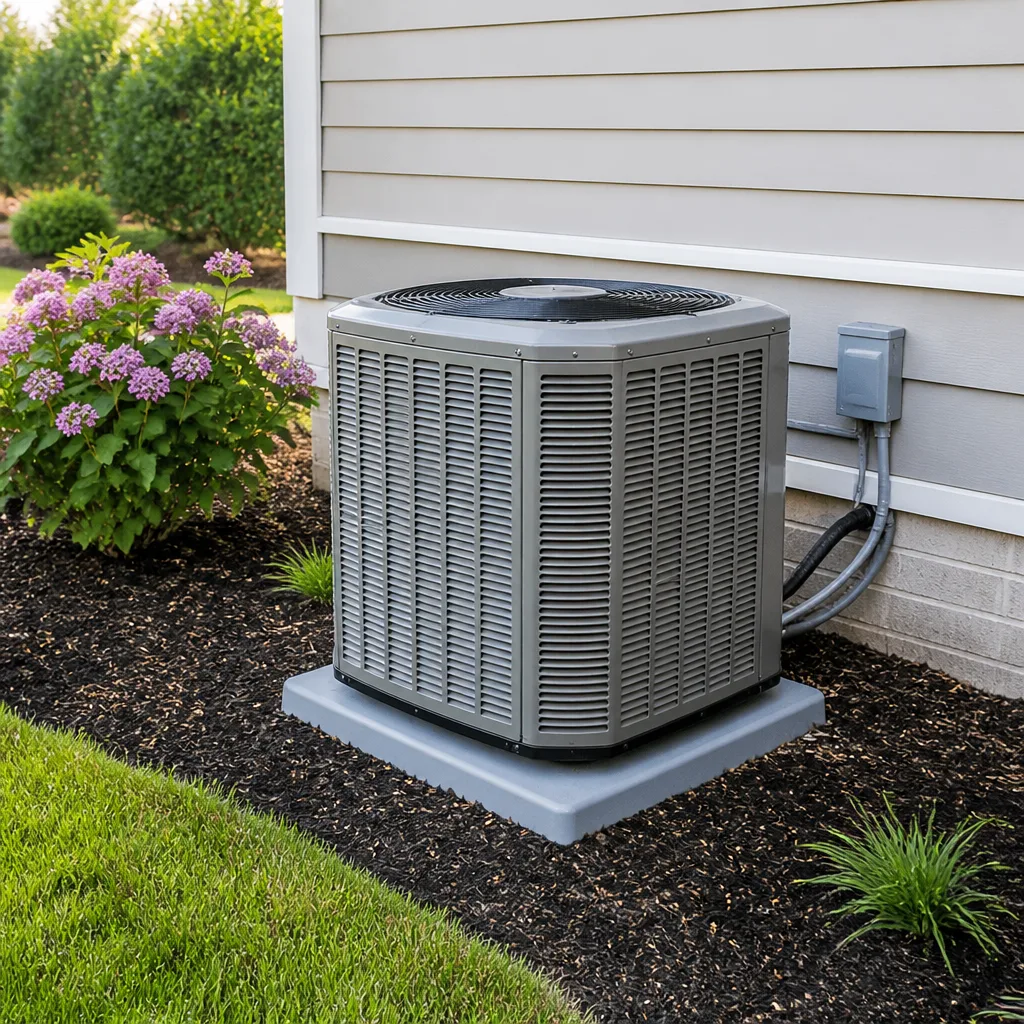 AC repair
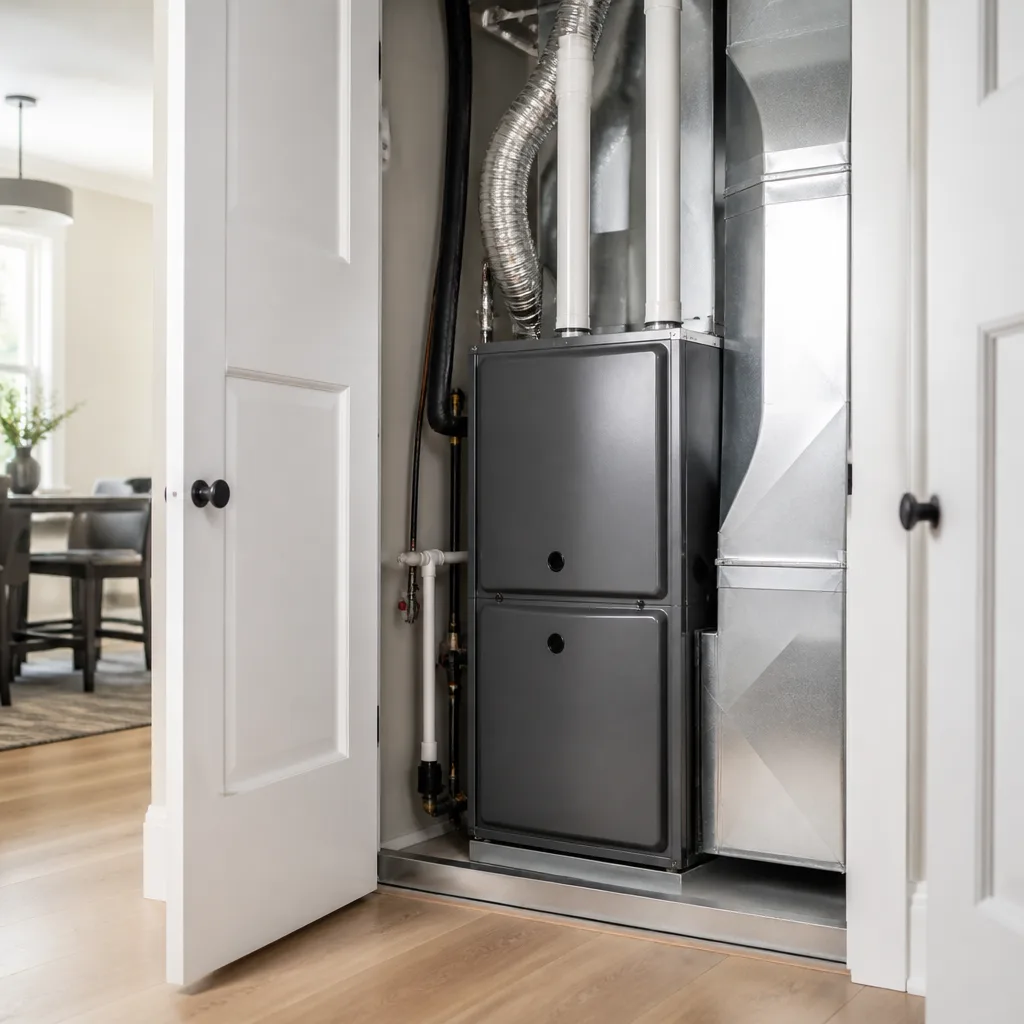 Furnace & heating
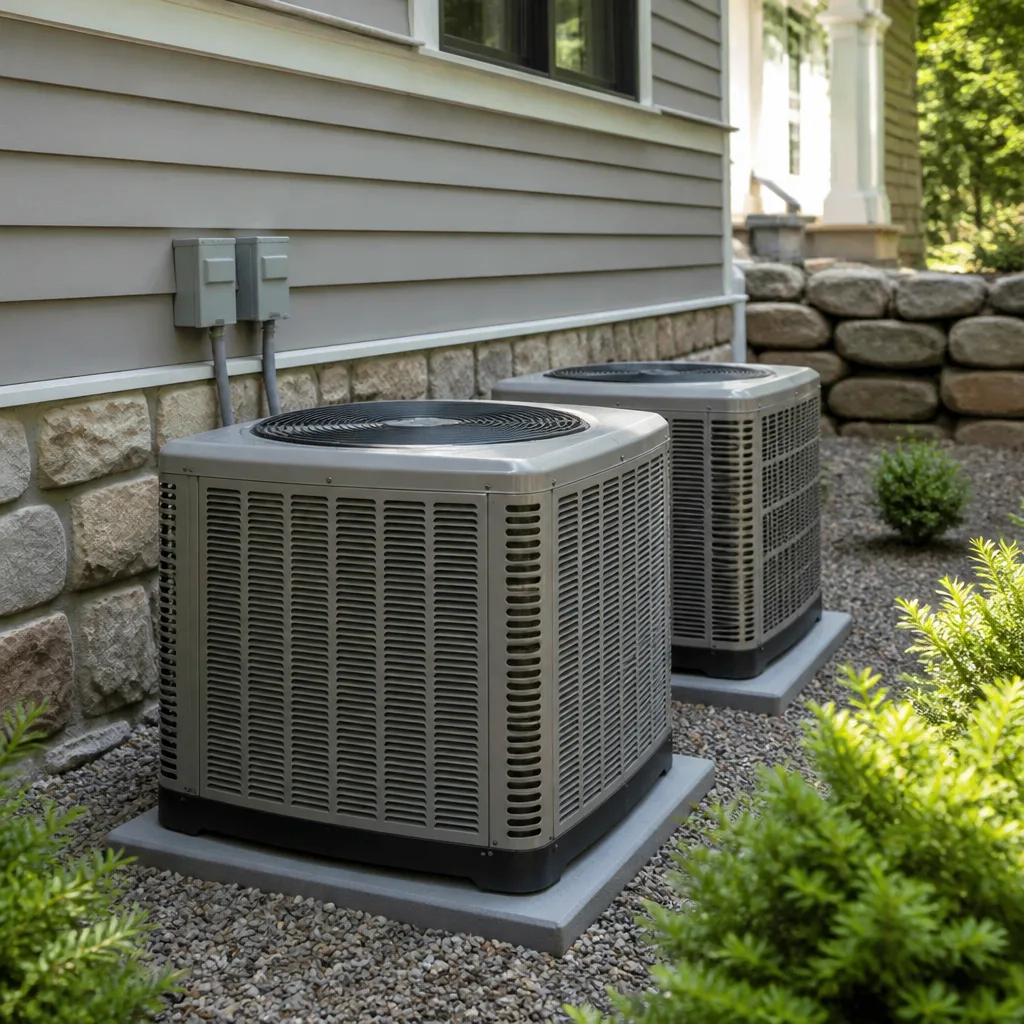 Heat pumps
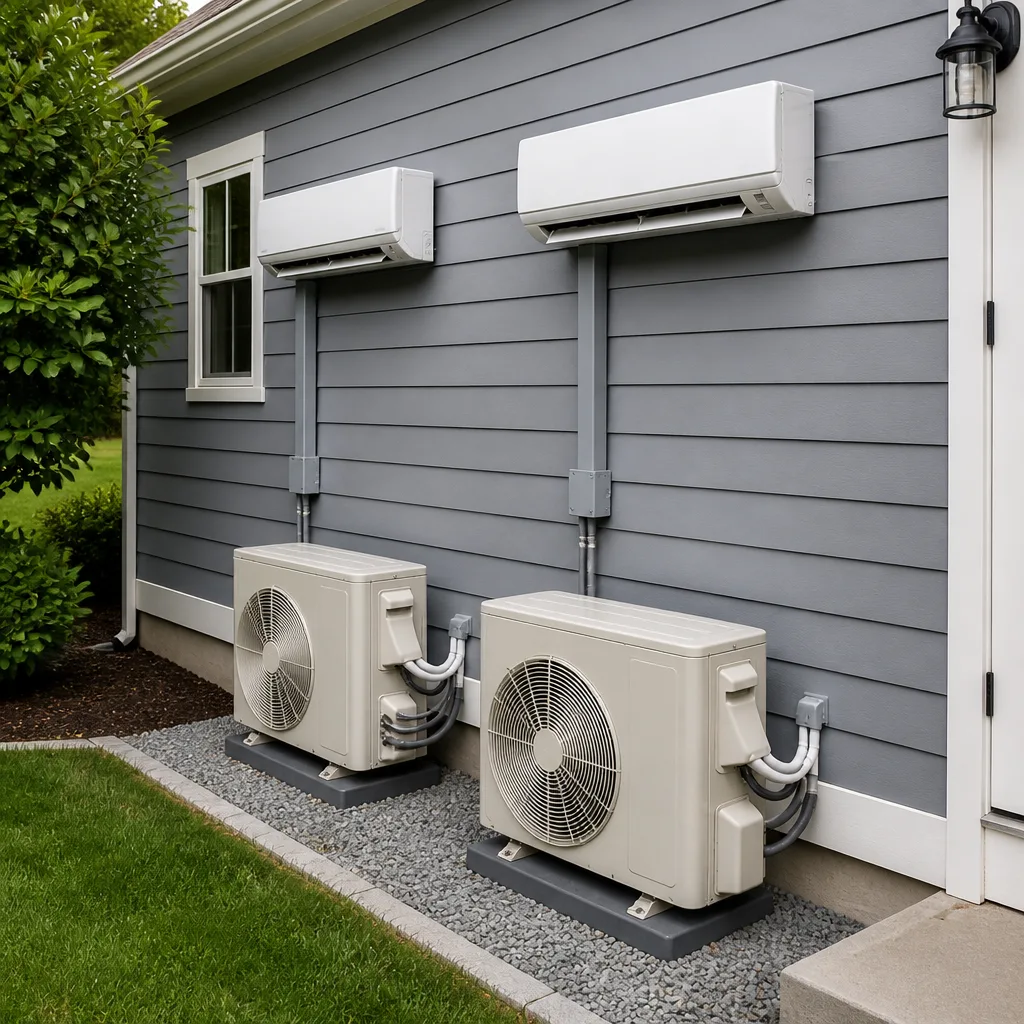 Ductless mini splits
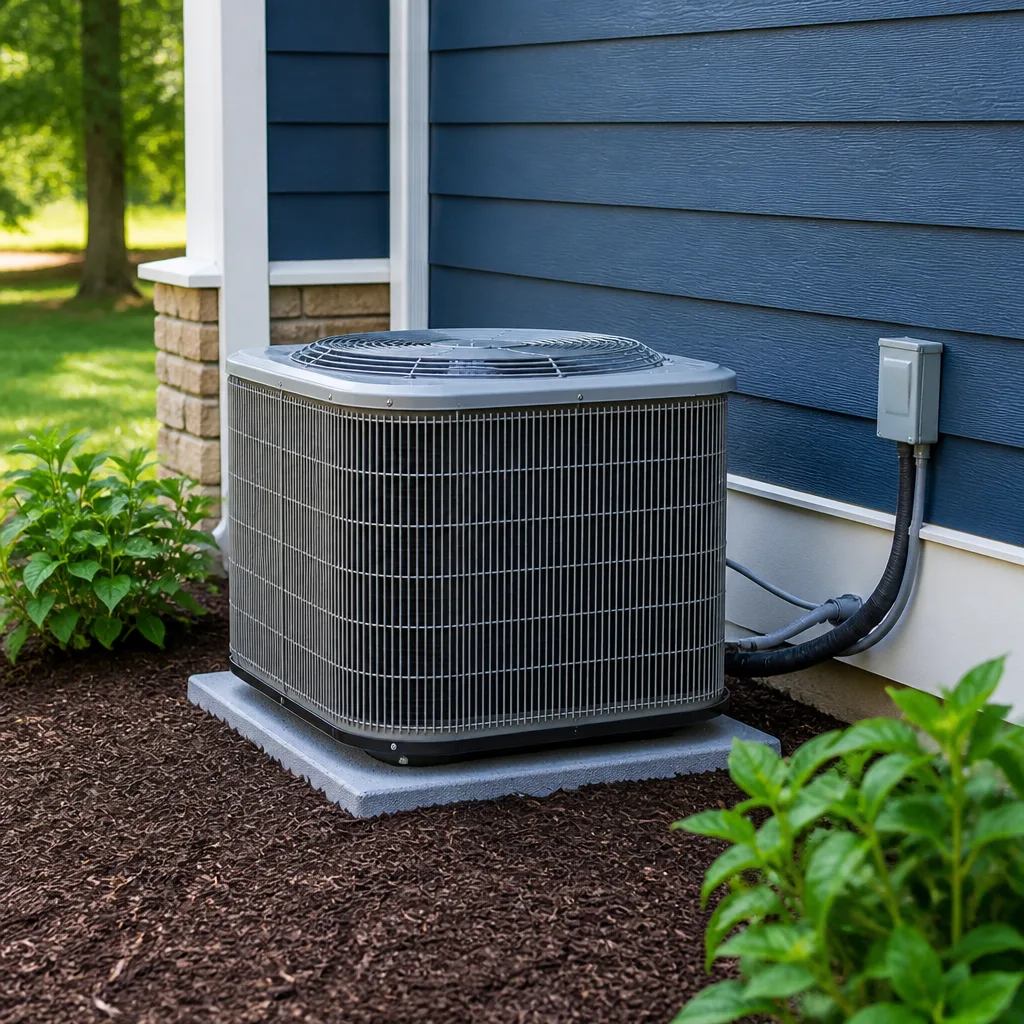 Carrier
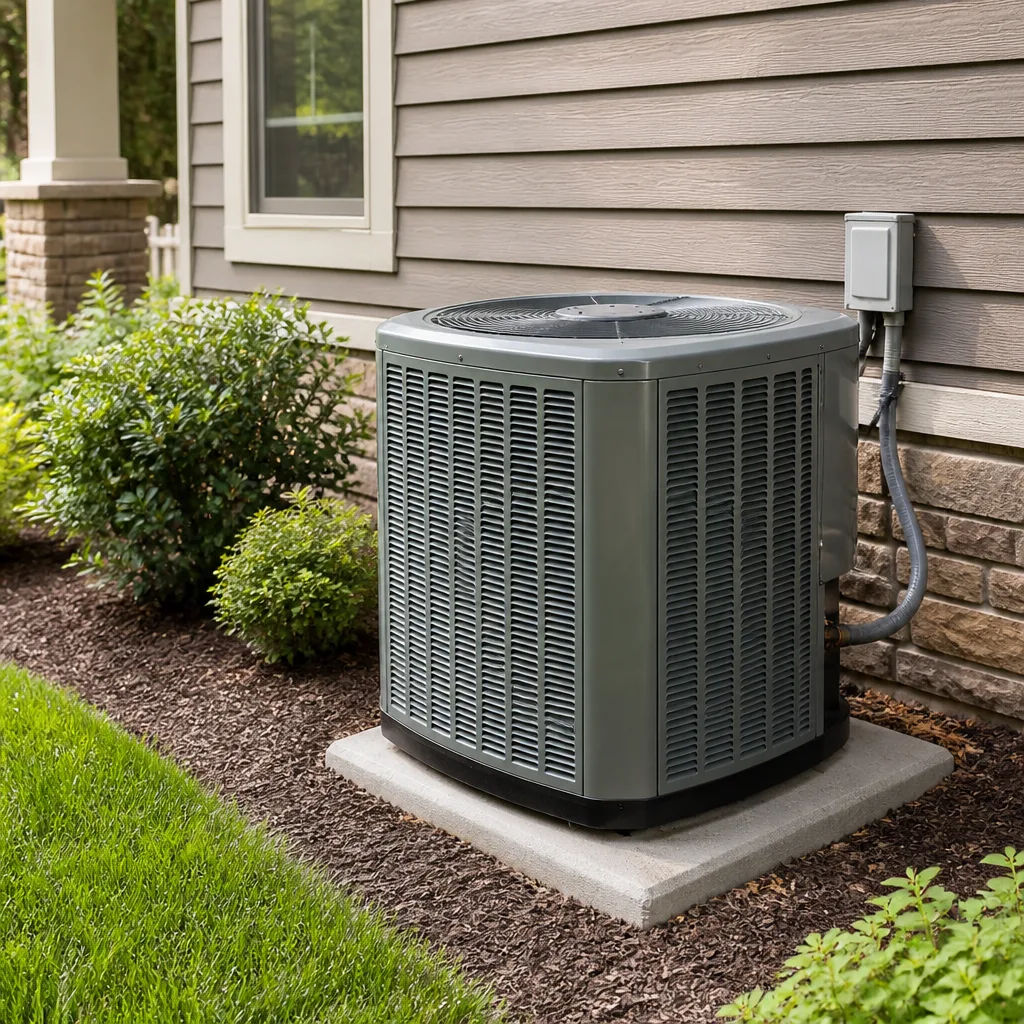 Trane
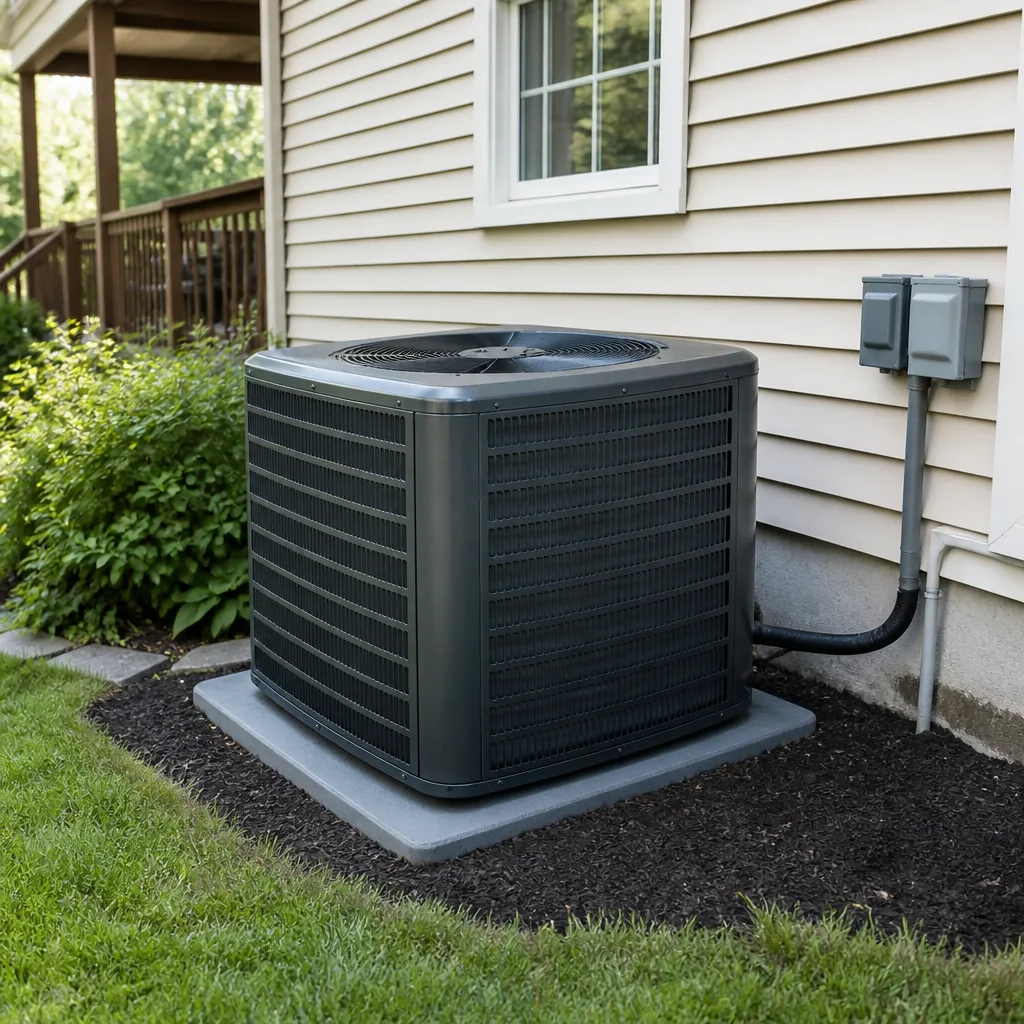 Goodman
Seasonal tune-up and full diagnostic on your Carrier, Trane, or Goodman system - readings shown to you before any repair is proposed
Diagnosis first, numbers second - you approve the repair price before a single part goes in.
Get your free estimateThe Complete Emergency & Commercial HVAC Guide for Winchester Homeowners
In a small market like Winchester, the nearest commercial HVAC parts distributor can be two hours away. That gap between failure and repair isn’t mentioned in any warranty document, but it determines whether a commercial emergency costs you one day of business or four. Homeowners who run a business from a converted garage, a home office, or a small rental property in Winchester face a problem most HVAC guides never address: the moment a system failure is both an emergency and a liability. This guide covers what’s actually different about commercial HVAC emergencies in a smaller Nevada market, how parts availability really works, and how to choose a contractor whose supply chain won’t leave you waiting. You’ll learn how to triage a failure before help arrives and what your maintenance contract should say in writing.
Quick Answer
A commercial HVAC emergency in Winchester differs from a residential one in three ways: your insurance and liability exposure is bigger, replacement parts often have to travel from Las Vegas or beyond, and a documented response-time guarantee in your maintenance contract matters more than any manufacturer’s published promise. Before you call anyone, shut off the equipment, check your lease and insurance terms, and call a contractor who answers live and can quote a firm price. Fireside Heating & Air Co. Winchester answers every call with a live person, day or night.
Styles & brands we work with
- AC repair
- Furnace & heating
- Heat pumps
- Ductless mini splits
- Carrier
- Trane
- Goodman
Table of Contents
- Residential vs. Commercial HVAC Emergencies: The Legal and Insurance Difference
- Parts Availability in the Winchester and Rural Nevada Market
- What a Commercial Maintenance Contract Should Include
- How to Triage a Commercial System Failure Before the Technician Arrives
- Winchester Desert Heat and Rooftop Unit Load
- Code Jurisdiction and Permit Timelines for Emergency Replacements
- How to Pressure-Test a Contractor’s Supply Chain
- Common Mistakes to Avoid
Residential vs. Commercial HVAC Emergencies: The Legal and Insurance Difference
A failed air conditioner in your living room is an inconvenience. A failed air conditioner in a home office with client files, a temperature-sensitive inventory, or a rental unit under a lease with a habitability clause is a different category of problem. The first distinction is contractual. If you rent out a property in Winchester, Nevada law generally requires you to maintain a habitable unit, and a non-working cooling system during summer can trigger those obligations. The second distinction is insurance. A standard homeowner’s policy often treats a business operating from the home differently than a purely residential loss, and a separate commercial or business-owner’s policy may be the one that responds if equipment failure damages inventory or records.
That changes who you call first. In a residential emergency, you call an HVAC company. In a commercial one, we tell Winchester property owners to make three calls in this order:
- Your insurance agent or the property manager, to confirm which policy responds and whether you need documentation of the failure before anything is moved or repaired.
- Your tenant or client, if the space is leased or serves customers, so expectations and a timeline are set early.
- A licensed HVAC contractor who can put the diagnosis and the price in writing.
Document everything before the technician arrives: photograph the failed unit, note the date and time, and save any error codes the thermostat or control board displays. Insurers and landlords ask for this, and a contractor who works in commercial settings will ask for it too. If you’re unsure whether your situation counts as residential or commercial, that’s a fair question to ask on the phone. A live person at Fireside can help you sort out which category you’re in before a truck is ever scheduled.
Parts Availability in the Winchester and Rural Nevada Market
Manufacturers promise parts within a set number of business days. In practice, that promise assumes a distributor within easy driving distance. In a smaller Nevada market, the nearest well-stocked commercial parts house may be in the Las Vegas valley, and a specialty compressor, economizer board, or rooftop unit motor can take two hours each way to reach Winchester. That travel time is the single biggest variable in how long a commercial outage lasts, and no warranty document mentions it.
The parts that cause the longest delays tend to be the ones nobody stocks locally:
- Variable-frequency drives and control boards for packaged rooftop units.
- Specialty compressors matched to a specific tonnage and refrigerant.
- Economizer controllers and outside-air sensors on commercial packages.
- Motors and blower assemblies for older Lennox, Goodman, Rheem, or York equipment where the exact model has been superseded.
Common wear items are a different story. Capacitors, contactors, thermostats, and standard filters are usually available quickly. The trick is knowing which category your failure falls into before you commit to a repair timeline. A contractor who carries a diagnostic kit and a stock of common parts on the first visit can often complete a repair in one trip; one who has to order and return turns a one-day job into three. We’ve seen Winchester businesses lose most of a week to a single control board that had to be sourced from out of the area. The fix isn’t exotic: ask your contractor, before an emergency, how they handle out-of-stock parts.
What a Commercial Maintenance Contract Should Include
A residential tune-up agreement and a commercial maintenance contract are not the same document. A residential agreement covers a seasonal check on one system. A commercial agreement should carry commitments that protect a business when equipment goes down at the worst possible time. In our experience, the contracts that actually protect Winchester property owners include four things a residential plan never does:
- A documented response-time guarantee. Not “priority service,” but a stated window, in writing, for how quickly a technician arrives after a no-cool or no-heat call. Get the number in the contract.
- A loaner equipment clause. If a rooftop unit or split system can’t be repaired the same day, the contract should say whether the contractor provides temporary cooling or heating while parts are sourced. This clause is often the difference between staying open and closing for a week.
- Scheduled preventive visits with a written report. You should receive a record of what was checked, what was found, and what’s likely to fail next, not just an invoice.
- Clear language on who pays for what. Parts, labor, refrigerant, and after-hours rates should be spelled out so a 2 a.m. call doesn’t produce a surprise bill.
One more thing worth confirming: whether the technicians who service your building are background-checked and trained as journeymen. For a home-based business with client files or inventory on site, that’s not a small detail. Every Fireside technician is background-checked, uniformed, and trained to service nine major brands, from Carrier and Trane to Daikin and American Standard. And when a job is done, it’s backed in writing for 90 days. If it isn’t done right, we make it right, with no arguing and no paperwork chase.
How to Triage a Commercial System Failure Before the Technician Arrives
The minutes between a failure and a technician’s arrival are when you can either protect your equipment or make the problem worse. This sequence is about buying time safely, not about repairing anything yourself. Commercial equipment, especially rooftop units, involves high-voltage electrical components and refrigerant under pressure, so the goal here is to isolate and document, never to open a panel.
- Turn the system off at the thermostat and, if it’s safe and accessible, at the disconnect. Continuing to run a failing compressor or blower can turn a minor fault into a replacement.
- Note the symptoms in order. Does the fan run but the air is warm? Does the unit short-cycle? Is there water on the floor, ice on the line set, or a burning smell? Write it down; the technician will diagnose faster with a clear description.
- Check the breaker once. A tripped breaker is the one fault you can safely reset. If it trips again immediately, leave it off and tell the technician.
- Check the filter and the return air path. A clogged filter or blocked return can mimic a much bigger failure, and it’s easy to rule out without touching anything dangerous.
- Protect the space. Move inventory, files, or temperature-sensitive stock to a cooler room, close blinds against the desert sun, and open windows only if outside air is actually cooler and the building is secure.
If you smell gas or burning, or see smoke, shut the system down and leave the area, then call for service. That’s not a “wait and see” situation. When you call Fireside, a live person answers, day or night, and can walk you through what’s safe to check while help is on the way.
Winchester Desert Heat and Rooftop Unit Load
Desert heat is hard on commercial equipment in ways that northern climates never expose. Rooftop units in Winchester sit in full sun and run through long cooling seasons where the outside air stays punishing well into the evening. That sustained load cooks capacitors, stresses compressors, and accelerates wear on condenser fan motors. A system rated for a certain tonnage can lose real capacity when the condenser coil is coated in dust and the unit has no shade, which is why maintenance in a desert market has to include coil cleaning, not just filter changes.
We regularly see rooftop units in Winchester struggle or fail in the first sustained heat of the season, when a system that limped through spring suddenly runs full-tilt for days. The counterintuitive part: the failure usually starts weeks earlier, in a dirty coil or a weak capacitor nobody noticed. That’s why a pre-season inspection pays for itself here more than in milder climates. It’s also why we tell home-based business owners not to wait for a mid-July failure to find out whether their equipment can handle the load.
Air quality matters too. A well-sealed building in a dusty climate benefits from regular filter changes and clean coils, and if your workspace relies on it, ask about ventilation and air quality when your contractor visits. See our Fireside Heating & Air Co. Winchester home page for the full range of what we handle.
Code Jurisdiction and Permit Timelines for Emergency Replacements
A repair rarely needs a permit. A commercial system replacement or a change to the equipment’s electrical or gas connections usually does, and in a smaller Nevada jurisdiction the permit timeline can become part of your emergency. Local code officials review mechanical and electrical permits, and a replacement that needs a permit and inspection can’t legally be signed off until that’s complete. If you call a contractor who pulls the permit correctly, the process is orderly; if you call one who suggests skipping it, you’re accepting liability that follows you, not them.
Two practical points for Winchester property owners:
- Ask who pulls the permit and when. A legitimate contractor pulls it before the work, not after, and knows the local inspection schedule.
- Plan for the timeline on a full replacement. A like-for-like swap is faster than a change in equipment size or type, which may need load calculations and a longer inspection cycle.
If your business can’t be without cooling while a permit is processed, ask about temporary equipment. And if you’re comparing repair against replacement, this is the moment to get a written second opinion. Fireside offers a free second opinion on any written estimate, so you can see the numbers side by side before you decide.
How to Pressure-Test a Contractor’s Supply Chain
The best time to find out whether your HVAC contractor can get parts fast is before you need them. Ask these questions now, while the system is running, not during an outage. The answers tell you more than any brochure.
- “Where do you source commercial parts, and how long does a specialty part usually take?” A straight answer with a number beats a vague promise.
- “What do you stock on the truck for the first visit?” Common parts on hand mean more single-visit repairs.
- “Do you have a written response-time guarantee for maintenance customers?” If it isn’t written down, it isn’t a guarantee.
- “Can you provide temporary cooling while parts are ordered?” Loaner and rental options matter for a business that can’t close.
- “Will you put the diagnosis and price in writing?” The price quoted should be the price paid, full stop.
A contractor who answers these without flinching is one you can rely on when the heat is real. Our technicians have up to 8 years of experience, are trained across nine major brands including Lennox, Goodman, and Rheem, and work in your home or building the way they’d work in their own mother’s. Fireside has served local communities for more than four decades, and the reason longtime homeowners keep calling is simple: we stand behind it in writing, for 90 days, no arguing.
Common Mistakes to Avoid
- Calling the cheapest bid first during an emergency. The lowest number usually means the shortest checklist, and a half-diagnosed commercial failure comes back. In Winchester’s market, the cheapest quote is often the one that leaves you waiting longest for parts.
- Skipping the permit to save a day. A rushed, unpermitted replacement shifts the liability to you as the property owner. It can also complicate your insurance claim if something fails later.
- Assuming a homeowner’s policy covers your business loss. A home office with inventory or client records may fall under a separate commercial policy. Confirm with your agent before you assume.
- Resetting a breaker repeatedly instead of diagnosing the cause. A breaker that trips again immediately is telling you something. Repeated resets can damage the compressor.
- Waiting for the first heat wave to test a rooftop unit. Desert units fail under load, and the failure usually started weeks earlier. A pre-season check in Winchester is cheaper than a July emergency.
- Signing a “priority service” contract with no written response time. Priority without a number is a marketing phrase, not a guarantee.
- Not documenting the failure for insurance. Photos, timestamps, and error codes matter. If you skip this, a legitimate claim gets harder to prove.
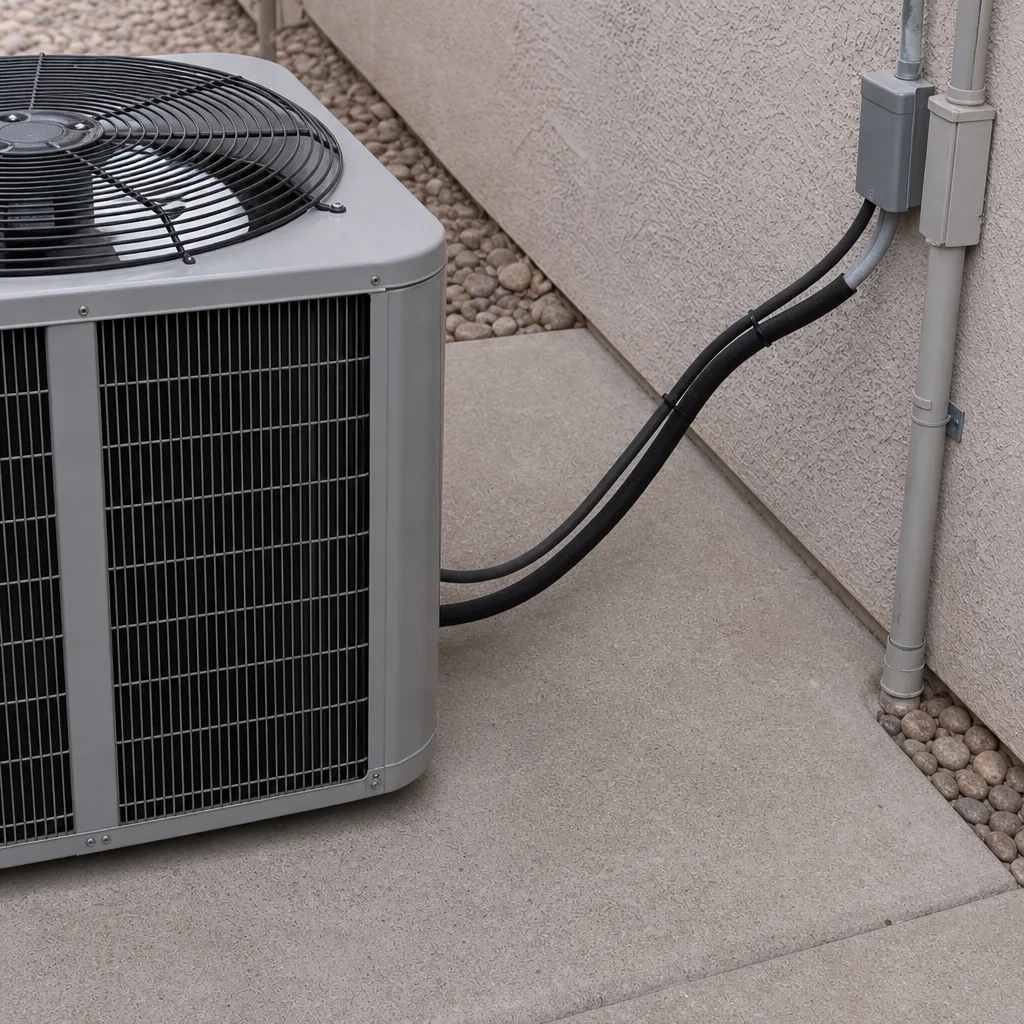
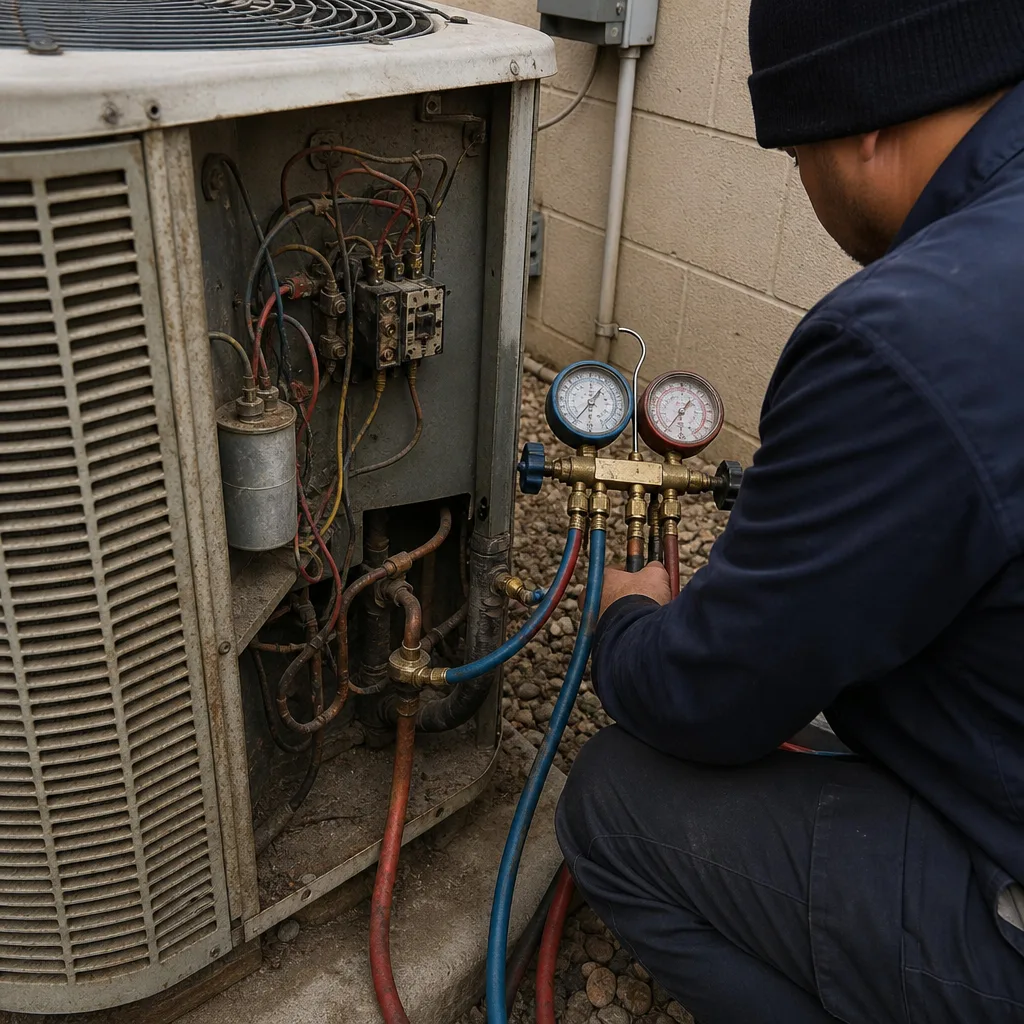
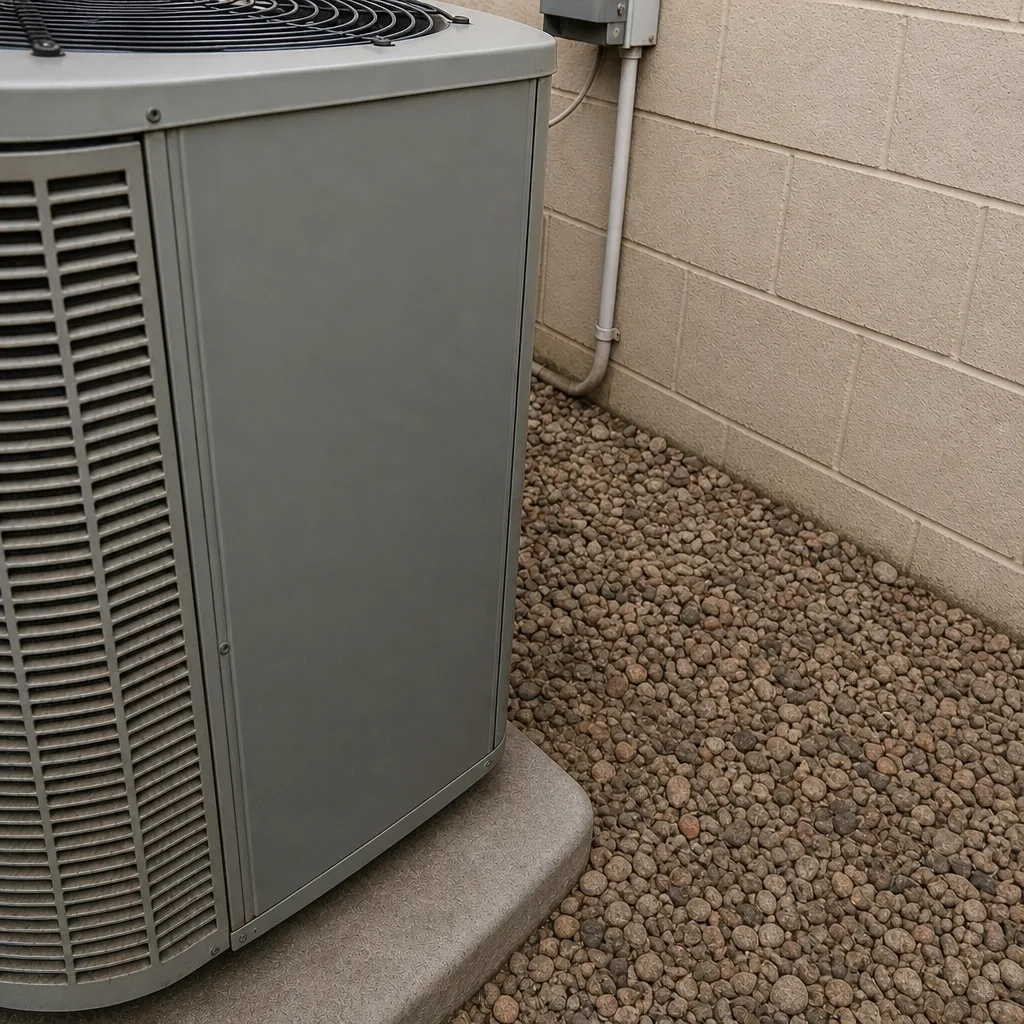
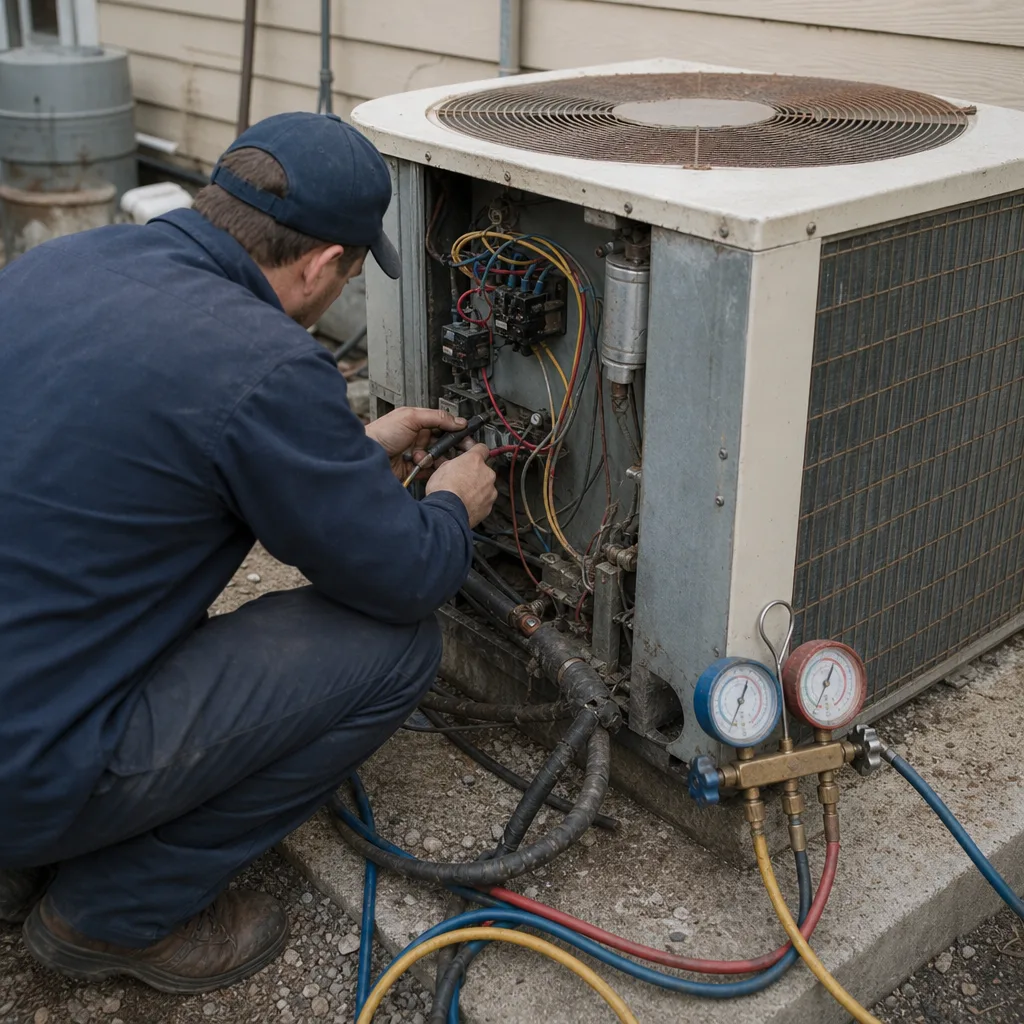
See the difference
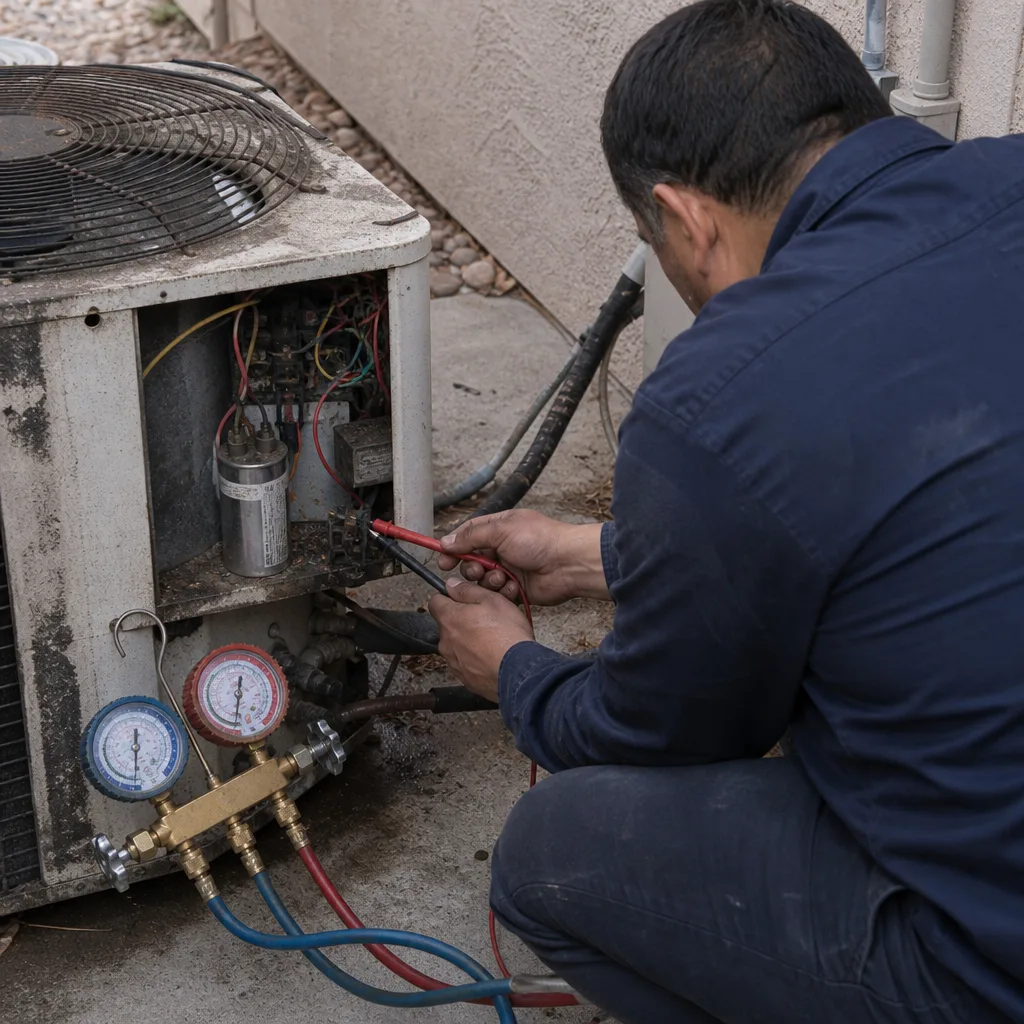 Before
 After
 Before
 After
 Before
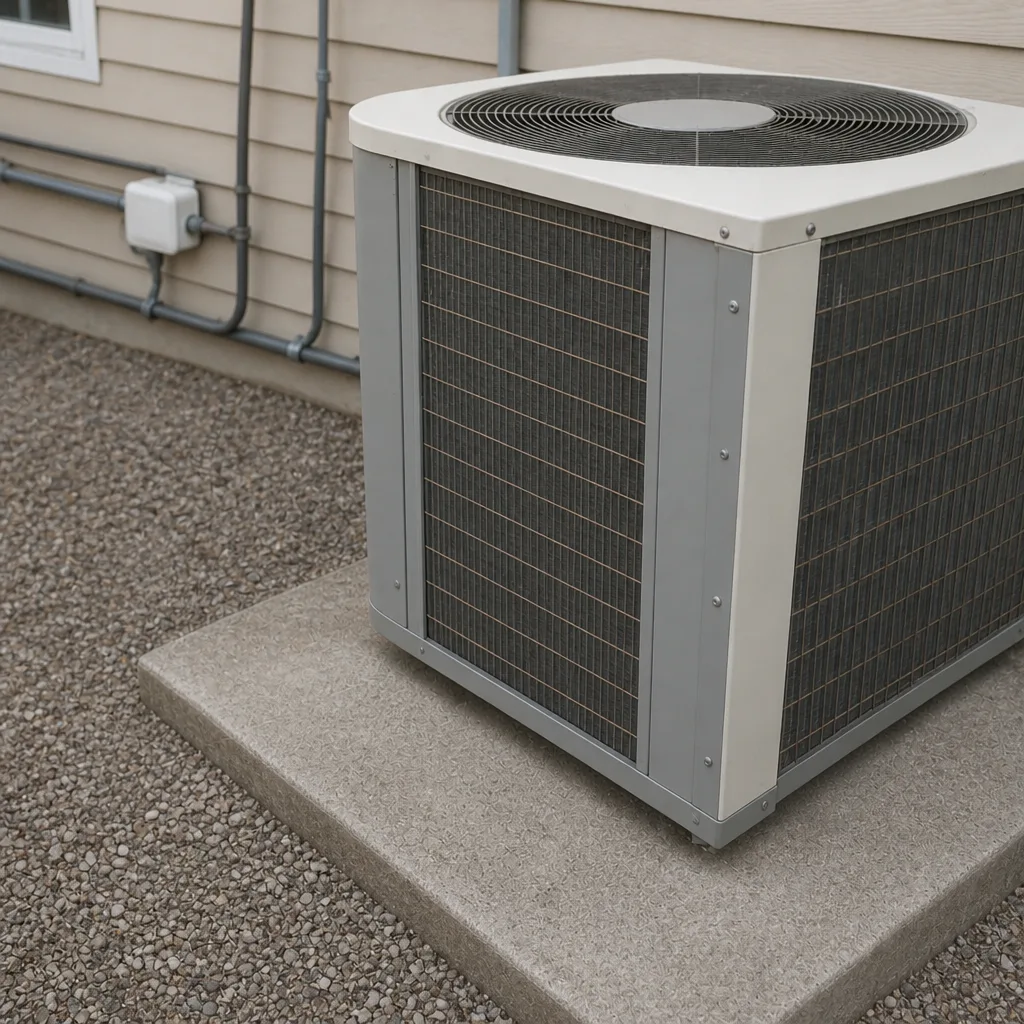 After
When to Call a Professional
Call a professional when the system trips a breaker twice, blows warm air with the fan running, leaks water, ices over on the lines, or smells of burning. Call immediately if you smell gas. Call when your building can’t hold temperature during a heat wave and inventory or client comfort is at risk. And call before a full replacement, to get a written second opinion and a firm price. For routine cooling work, our AC Repair & Installation in Winchester page covers what to expect, and for heating failures the Heating & Furnace in Winchester page lays out the same straight talk. If you’re weighing a ductless or high-efficiency option, our Heat Pump & Mini Split in Winchester guide walks through the trade-offs. Fireside Heating & Air Co. Winchester offers free estimates in Winchester. Call (844) 783-5043 and a live person will answer, day or night.
Frequently Asked Questions
Usually yes, because the equipment is larger, the parts are less common, and after-hours demand is real. A residential repair might be a capacitor or a thermostat; a commercial one often involves a rooftop control board or a compressor that has to be sourced. The way to control cost is to get the diagnosis and price in writing before work begins, so the price quoted is the price paid. Call (844) 783-5043 for an exact quote, and estimates are free.
Common parts like capacitors, contactors, and filters are usually same-day or next-day. Specialty parts, including certain compressors and control boards, can take several days because they often come from the Las Vegas valley or beyond. Ask your contractor before an emergency how they source parts and whether they can provide loaner or temporary cooling. That question before the failure saves days after it.
Not necessarily. Homeowner’s policies often treat business property and business interruption differently from residential losses, and some exclude it entirely. Commercial or business-owner’s policies are built for this. Call your agent before a failure and confirm which policy responds, and document the failure with photos and error codes if one happens. Then call us for the repair and a written price.
Yes. Our phones are answered by a live person 24 hours a day, 7 days a week, including the 2 a.m. no-cool call. You won’t reach a voicemail tree. Call (844) 783-5043 and tell us what the system is doing; we’ll walk you through what’s safe to check and get a technician scheduled.
A documented response-time guarantee, a loaner or temporary equipment clause, scheduled preventive visits with a written report of findings, and clear language on who pays for parts, labor, and after-hours rates. A residential tune-up agreement covers none of these. If your contract says only “priority service” with no number attached, it’s not protecting your business. Ask for the specifics in writing before you sign.
Repair makes sense when the part is common, the unit is within its service life, and the repair is a fraction of replacement cost. Replace when the unit is aging, the repair depends on an out-of-stock specialty part, or repeated failures are eating your operating days. Get both numbers in writing before deciding, and take advantage of a free second opinion on any written estimate. Call (844) 783-5043 for a firm price on either path.
The Bottom Line
Commercial HVAC emergencies in Winchester run on different rules than residential ones. Your insurance and liability exposure is bigger, the parts may travel hours to reach you, and a maintenance contract without a written response time is little more than a promise. The way through is preparation: document failures, confirm your coverage, ask your contractor how they source parts before you need them, and get every diagnosis and price in writing. Fireside Heating & Air Co. Winchester has served local homeowners for more than four decades, and the way we work hasn’t changed. Done right, or we make it right. The price quoted is the price paid. And a live person answers every call. Call (844) 783-5043 for a free estimate, and we’ll be there when we say.
Written by the team at Fireside Heating & Air Co. Winchester.