
Last updated November 18, 2026
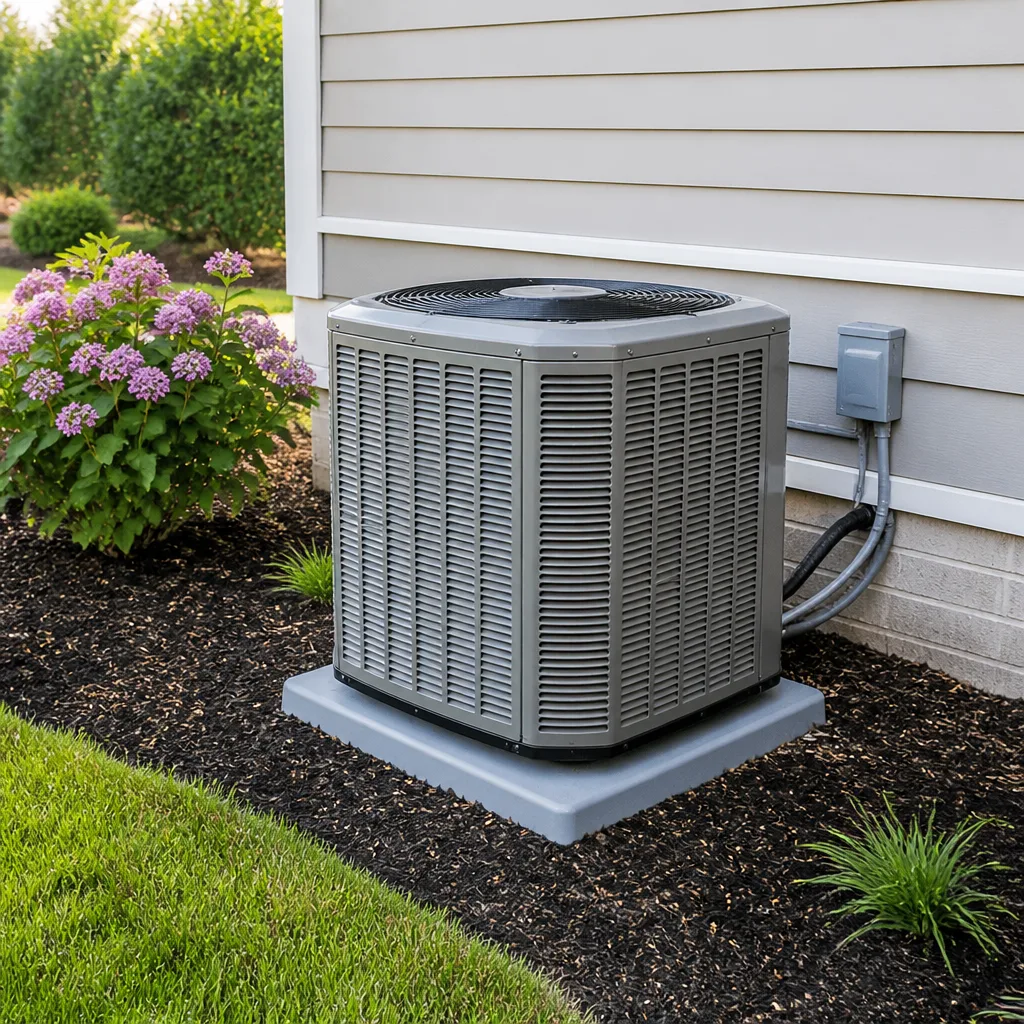 AC repair
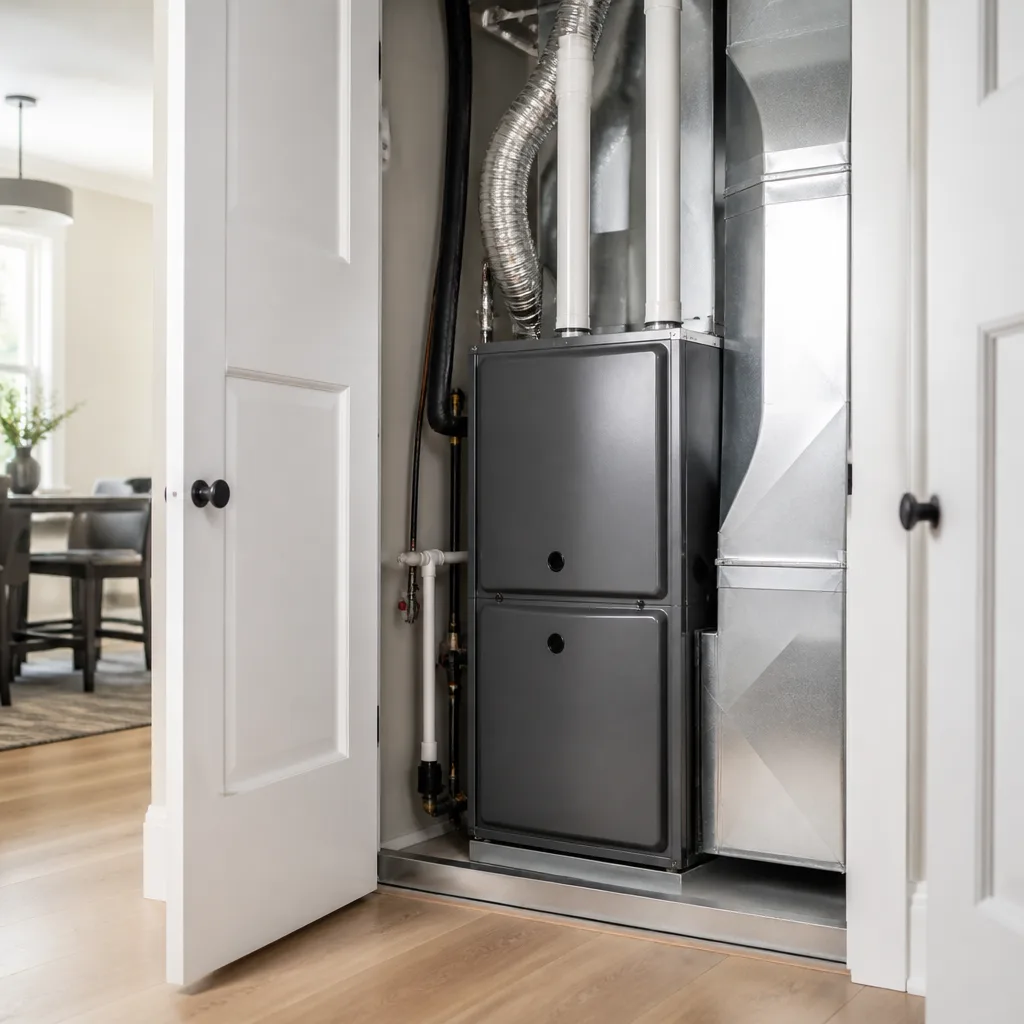 Furnace & heating
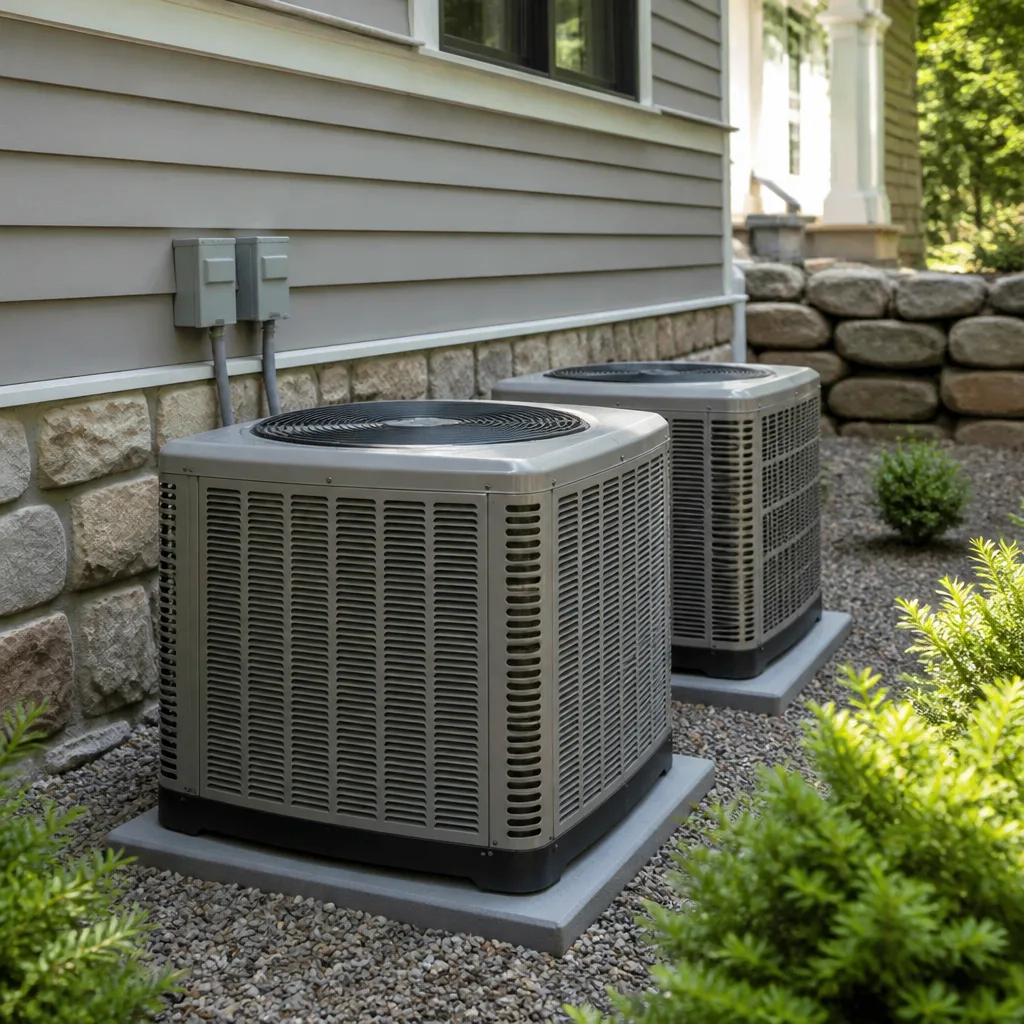 Heat pumps
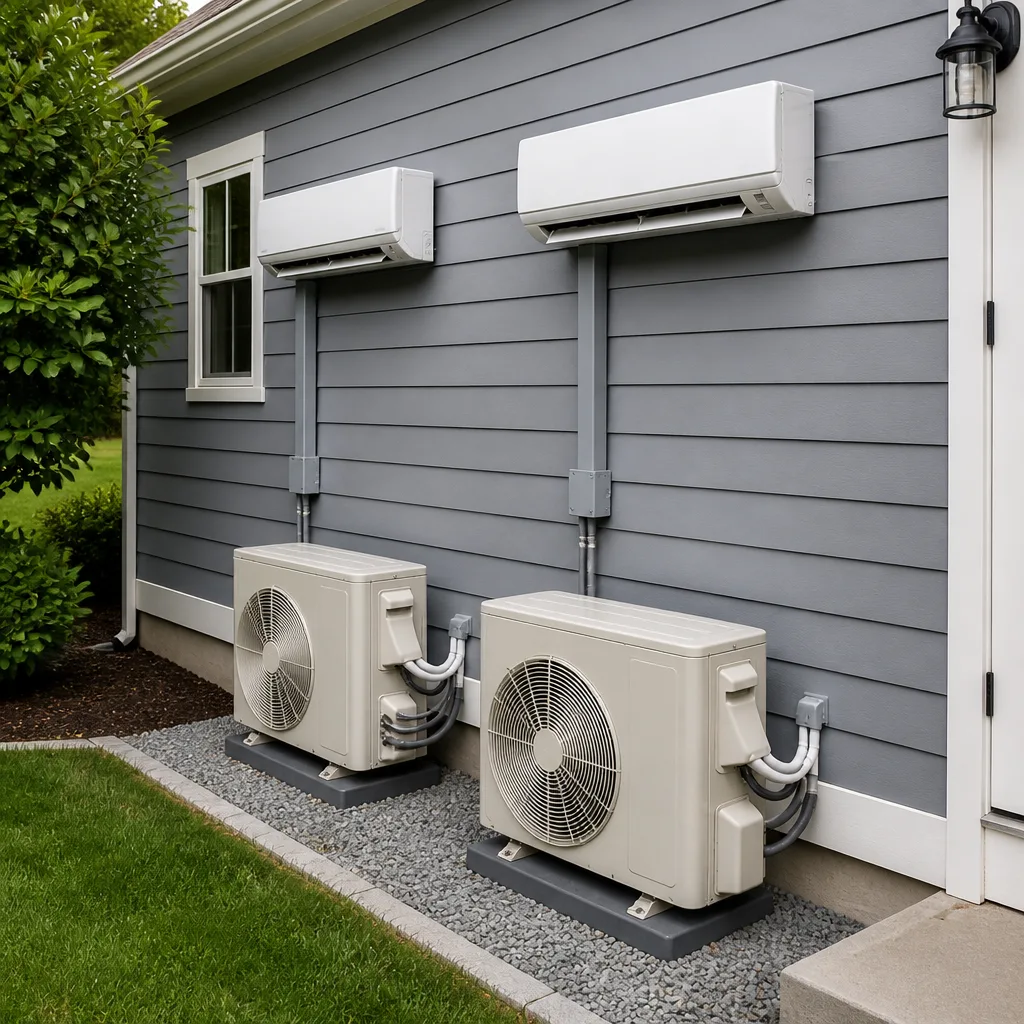 Ductless mini splits
 Carrier
 Trane
 Goodman
Seasonal tune-up and full diagnostic on your Carrier, Trane, or Goodman system - readings shown to you before any repair is proposed
Diagnosis first, numbers second - you approve the repair price before a single part goes in.
Get your free estimateAir Quality & Ventilation Troubleshooting: Common Problems and How to Fix Them
If your house smells stale and your filters look dirty after two weeks, you don’t necessarily have an air quality problem. You likely have a pressurization problem, and buying a better filter won’t solve it. In our experience across Winchester, the filter gets blamed, replaced, and blamed again while the actual cause sits in a bathroom exhaust fan or a leaky return duct in the attic. This guide walks through the real diagnostic sequence: matching each symptom to its root cause, understanding negative pressure and duct leakage, and knowing when a homeowner can fix it versus when it’s time to call. You’ll finish with a clear map from symptom to solution.
Quick Answer
Most home air quality complaints trace back to ventilation, not filtration. Stale smells, fast-clogging filters, dusty surfaces, and window condensation usually mean your house is under negative pressure, your return ducts are pulling attic or crawl space air, or an exhaust path is blocked. The fix is diagnosing the airflow first and treating the filter as the last step, not the first.
Styles & brands we work with
- AC repair
- Furnace & heating
- Heat pumps
- Ductless mini splits
- Carrier
- Trane
- Goodman
Table of Contents
- Build a Symptom-to-Cause Diagnostic Tree
- Negative Pressure: The Cause Nobody Checks First
- Duct Leakage as an Air Quality Driver
- Homeowner-Safe Investigation Steps
- Why Winchester Homes See Specific Patterns
- Matching the Fix to the Problem
- When to Call a Professional
- Frequently Asked Questions
Build a Symptom-to-Cause Diagnostic Tree
Accurate diagnosis is the whole game. Two homes with identical complaints can need opposite fixes. The first move is to stop treating “bad air” as one problem and start matching the symptom to its most likely cause.
- Musty smell that worsens in humid weather or after rain: usually a moisture source, not a filtration issue. Check the condensate drain pan and line, look for biological growth near the air handler, and inspect the crawl space vapor barrier.
- Dusty surfaces returning within 48 hours of cleaning: commonly a return duct leak pulling attic or wall cavity air into the airstream. Filtration can’t catch what enters downstream of the filter.
- Dry skin, static shocks, and chapped lips in winter: a humidity problem. In Winchester’s dry desert winters, indoor relative humidity can drop under 20 percent. A whole-home humidifier or a humidifier integrated with the system resolves far more than a filter swap.
- Condensation on windows or cold interior walls: excess moisture or poor ventilation. A bathroom exhaust fan left off, a blocked dryer vent, or a humidifier running too high all contribute.
- Persistent cooking, pet, or chemical odors that linger hours: makeup air starvation. The exhaust is removing air but nothing is replacing it, so the house pulls from wherever it can.
Each of those five symptoms points to a different fix. Which brings us to the pressure problem underneath all of them.
Negative Pressure: The Cause Nobody Checks First
Your home is a leaky box. Every exhaust fan, dryer vent, and combustion appliance pulls air out. Every leak in the envelope lets air in. When the exhaust exceeds what the house can replace, the home goes into negative pressure, and it starts drawing unfiltered air from the least desirable places: crawl spaces, attics, garage ceilings, and wall cavities.
Common culprits in Winchester homes:
- A high-CFM kitchen range hood venting more air than the house can supply makeup air for
- A bathroom exhaust fan running long after the shower
- A dryer vent with a clogged or long, winding run
- Two or more exhaust fans running at once in a tightly sealed home
- A furnace or water heater drawing combustion air from the same space a fan is exhausting from
When a house is under negative pressure, filters matter less because unfiltered air is entering through gaps in the envelope rather than through the filter slot. That’s why the filter clogs so fast and why replacing it brings only temporary relief. If your filters darken in two weeks, get the pressure tested. In our experience, this single check explains a large share of “mystery” dust complaints in Winchester homes.
If your system relies on a heat pump or mini split system, the pressure picture can look different because ductless heads move air independently. A room-by-room balance check often reveals one room pulling pressure while another starves.
Duct Leakage as an Air Quality Driver
Duct leakage is the most commonly overlooked source of dust and biological contamination in a home, and return leaks are worse than supply leaks. A supply leak pushes conditioned air into a wall cavity, which wastes energy but doesn’t necessarily dirty your air. A return leak pulls air from the cavity into your system and delivers it straight to every room.
Where we find return leaks most often:
- Return plenums in attics or garages with disconnected joints or crushed flex duct
- Return duct runs embedded in soffits where they touch wall studs
- Filter grilles that don’t seal tight against the drywall
- Panned joist returns in older homes, where the joist cavity itself becomes the duct
One homeowner in Winchester described cleaning a black dust film off every surface weekly. Replacing the filter helped for a few days. The actual cause was a crushed return in the attic pulling insulation fibers into the airstream. Sealing the return and reconnecting the run ended the problem. That’s the pattern we see again and again: the filter is blamed, the duct is at fault.
If your home has a heat pump tied to ductwork, see our heat pump and mini split service page for how we inspect the air side during service calls.
Homeowner-Safe Investigation Steps
You can do a surprising amount of diagnosis without tools, and it’s worth doing before you pay for a service call. Here are the checks we walk homeowners through on the phone. None of them involve opening a panel or touching a combustion appliance.
- Smoke pencil or incense test. Light a stick of incense near a bathroom exhaust grille and watch the smoke. If it gets pulled cleanly into the grille, the fan is working. If it drifts sideways or wafts back into the room, the fan is weak or the path is blocked.
- Filter grille check. Hold a sheet of tissue against the return grille with the system running. If it doesn’t stick, the return is starved or the duct is disconnected.
- Dryer vent flow check. With the dryer running, hold a hand near the exterior vent hood. You should feel steady, strong airflow. If it’s weak or the hood flap barely opens, the run is clogged.
- CO detector placement check. Every level of a home should have a working CO alarm, and it belongs near bedrooms, not just near the furnace. Test each unit monthly and check the battery.
- Condensate drain inspection. Look at the pan under the air handler and the drain line. Standing water, slime, or dark growth means the drain is slow or blocked, which is a moisture and biological contamination risk.
- Window condensation check. On a cold morning, note which windows sweat. Consistent wetness on one or two windows points to a localized moisture or airflow issue, not a whole-home problem.
Do these six checks before calling anyone and you can often identify the culprit yourself. If they point to a pressure or duct issue, that’s where a professional with a manometer and a duct leakage tester comes in.
Why Winchester Homes See Specific Patterns
Winchester sits in a desert valley with three things that shape air quality complaints: very dry winters, a windy spring dust season, and homes built for tight cooling loads. Each one produces its own pattern.
- Winter dryness. Indoor relative humidity in a Winchester home can drop into the teens during the coldest weeks. Dry skin, static, and shrinking wood trim are common complaints, and a whole-home humidifier or a system-integrated humidifier is often the real fix.
- Spring dust. When the wind kicks up valley dust, the filter catches more and clogs faster. Filter changing frequencies that worked in March fail in April, and no filter upgrade compensates for open return leaks.
- Sealed-tight construction. Newer Winchester homes are tighter than the homes built two or three decades ago. Tighter homes hold heat better but also depressurize more easily, so the same exhaust fans that were fine in an older leaky build now pull cavity air.
- Garage-mounted air handlers. Many local homes have the air handler in the garage, which means a return leak there pulls garage air into the living space. That’s a genuine safety and air quality concern, not a minor nuisance.
Recognizing these local patterns makes the diagnostic guesswork go away. If you’re in the middle of a repair versus replace decision on the equipment side, our guide on AC repair and installation in Winchester covers the trade-offs.
Matching the Fix to the Problem
Once the cause is clear, the fix follows. Here’s how we map the common diagnoses to the right corrective action. Some are DIY, some need a service visit.
- Filter clogging fast, dust returning: seal and reconnect return ducts. If the leak is in an attic or garage plenum, that’s a professional job with duct mastic and aerosol sealing.
- Musty smell and damp pan: clear the condensate drain, treat the pan with a pan treatment tablet, verify proper drain slope. Homeowner can often clear a simple p-trap block.
- Dry air in winter: add a whole-home humidifier or a system-integrated humidifier set to 30 to 40 percent. Static and dry skin resolve within a season.
- Condensation on windows: reduce humidity at the source first (venting bathrooms, cleaning dryer vent, checking the humidifier setting), then inspect airflow. Persistent condensation after those fixes needs a moisture assessment.
- Lingering odors, negative pressure: add makeup air, balance exhaust fans, and check that the combustion appliances have adequate air. This is a professional-level assessment because it involves combustion safety.
- Weak exhaust fan: clean or replace the fan. A quiet 110-CFM bath fan moves enough air for most bathrooms and clears humidity in minutes.
Notice the pattern: very few of these are solved at the filter. Filter replacement is the last step, not the first. For furnace and combustion-side checks underlying pressure issues, our heating and furnace service in Winchester page covers the safety inspection side.
A quick note on safety
Anything involving combustion appliances, gas lines, or pulling air from a space with a furnace or water heater requires a trained professional. We can’t overstate this: messing with makeup air around a combustion appliance is a CO risk, and CO kills quietly. Leave that to a trained technician.
Common Mistakes to Avoid
- Buying a higher-MERV filter as the first fix. A denser filter doesn’t stop attic or crawspace air from entering downstream. It just adds pressure drop and starves the system.
- Assuming the filter was dirty because the filter is bad. Fast-clogging filters are a symptom of duct leakage or negative pressure, not a filter problem. Changing the filter over and over without finding the source is the single most common Winchester mistake.
- Running the bathroom exhaust fan year-round for hours. This depresses the whole house and pulls more cavity air in. Vent the room until moisture clears, not all day.
- Never checking the condensate drain pan. Slow drains grow slimy biological films. In a hot Winchester summer, this is the fastest path to an algae smell coming out of the vents.
- Placing the CO detector next to the furnace and nowhere else. CO drifts to bedrooms, not just the utility closet. Every level should have one.
- Sealing a crawl space without addressing return duct leakage at the same time. Both need solving together. Sealing the crawl space alone can trap moisture and worsen the smell.
- Assuming the house is the problem when a recent behavior change is driving it. A new high-CFM range hood, a new pet, a new humidifier setting, or a newly finished basement can all change the pressure balance. Look for what changed.
See the difference
 Before
 After
 Before
 After
 Before
 After
When to Call a Professional
Some of these fixes are homeowners’ territory: filter replacement, exhaust fan cleaning, clearing a condensate drain. Others need a technician with real equipment. Call a professional when you smell musty air near a duct, when dust returns in a matter of days, when anyone in the home gets headaches or persistent respiratory irritation, when the CO detector has ever alarmed, when you feel negative pressure at exterior doors, or when a combustion appliance is involved at all. These are the calls worth making before the problem becomes a repair bill. Fireside Heating & Air Co. Winchester offers free estimates in Winchester. Call (844) 783-5043 and a live person answers around the clock, every day of the year.
Frequently Asked Questions
Every 30 to 60 days on a standard filter. In the windy spring dust season, every two to three weeks is not unusual. If your filter darkens within two weeks of a change, that’s a sign the filter is doing cleanup that duct sealing should be doing, and it’s worth having the ducts checked.
The musty smell comes from moisture, not from the air itself. The most common source is a slow condensate drain in the pan under the air handler, letting a slimy biological film grow where the air passes over it. A close second is return duct leakage pulling crawl space or attic air into the airstream. Clearing the drain or sealing the return solves the smell. Call (844) 783-5043 if the source isn’t obvious.
Yes, when a combustion appliance is involved. Negative pressure can pull flue gases from a furnace or water heater back into the living space, which is a CO hazard. Even without combustion, negative pressure pulls crawl space and attic air into your breathing zone. Get it tested if you feel a draft at closed exterior doors.
A clogged filter reduces airflow and adds strain to the system, but it’s rarely the root cause of poor air quality. The filter is the last line of defense, not the first. If your filter clogs fast, look upstream at duct leakage and pressure balance.
Fast-clogging filters, dust returning within days of cleaning, uneven room temperatures, and higher energy bills in the same season are the usual signs. A professional duct leakage test measures the actual leak rate. Without that test, the guesswork is expensive.
For many Winchester homes, yes. Our winters are dry enough that indoor relative humidity routinely drops below 20 percent, causing dry skin, static, and wood shrinkage. A whole-home humidifier integrated with the system keeps humidity at 30 to 40 percent, which is comfortable and protects the home. It’s not a fix for musty air; that’s a separate moisture problem. Call (844) 783-5043 for a free estimate on a system-integrated humidifier.
The Bottom Line
Most “air quality” complaints in Winchester homes are ventilation complaints. Stale smells, fast filter clogs, and dusty surfaces usually trace to negative pressure or return duct leakage, and neither one is solved by a better filter. Walk through the diagnostic tree symptom by symptom. Do the six homeowner-safe checks before calling anyone. If you find pressure, duct leakage, or a combustion appliance in the mix, that’s the moment to bring in a technician with the right equipment. The right fix depends on the right diagnosis, and the right diagnosis depends on looking at airflow before you look at filters.
Contact Us
If the troubleshooting points to pressure, duct leakage, or a system that needs a professional eye, get it looked at properly the first time. Fireside Heating & Air Co. is a Fireside Heating & Air Co. Winchester home visit away, with trained technicians who walk through what they find before recommending anything. Call (844) 783-5043 for a free estimate – the price quoted is the price paid, and every job is backed in writing for 90 days.
Written by the team at Fireside Heating & Air Co. Winchester.