
Last updated November 18, 2026
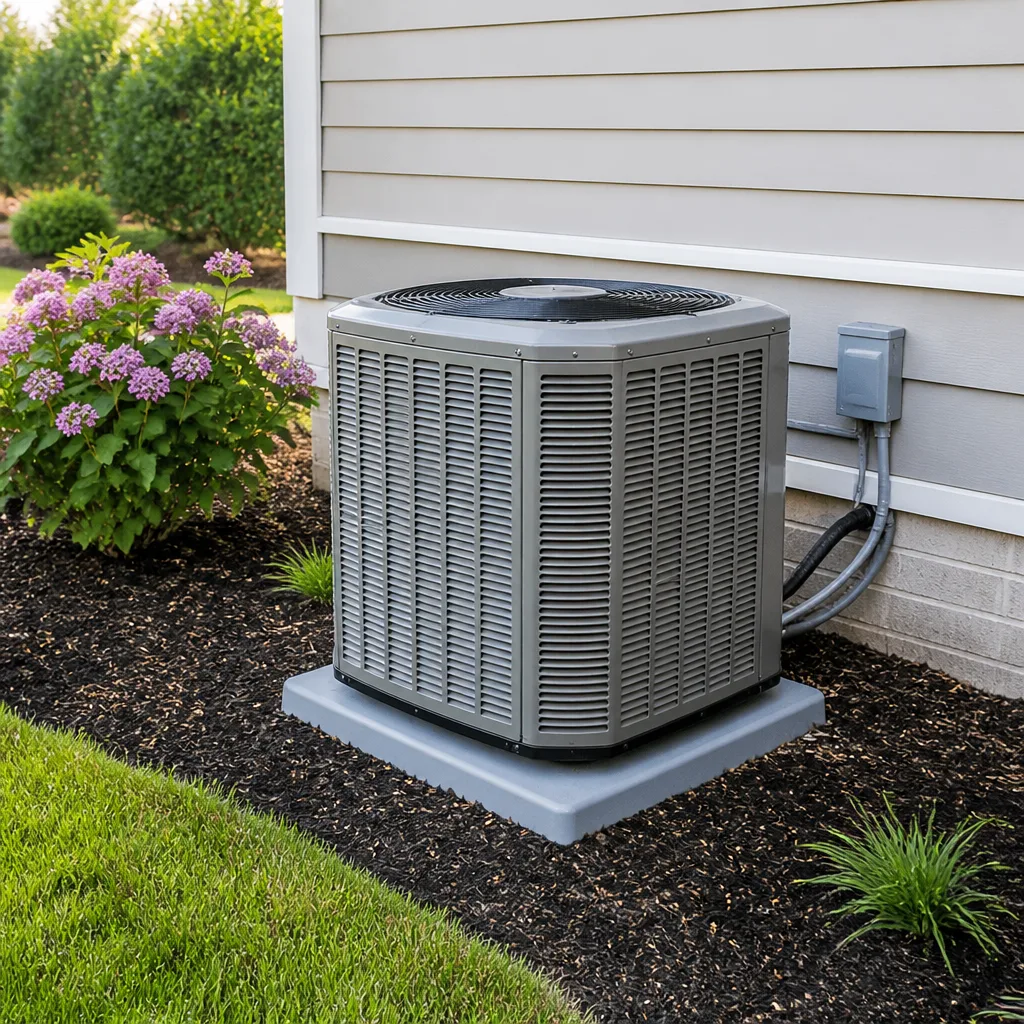 AC repair
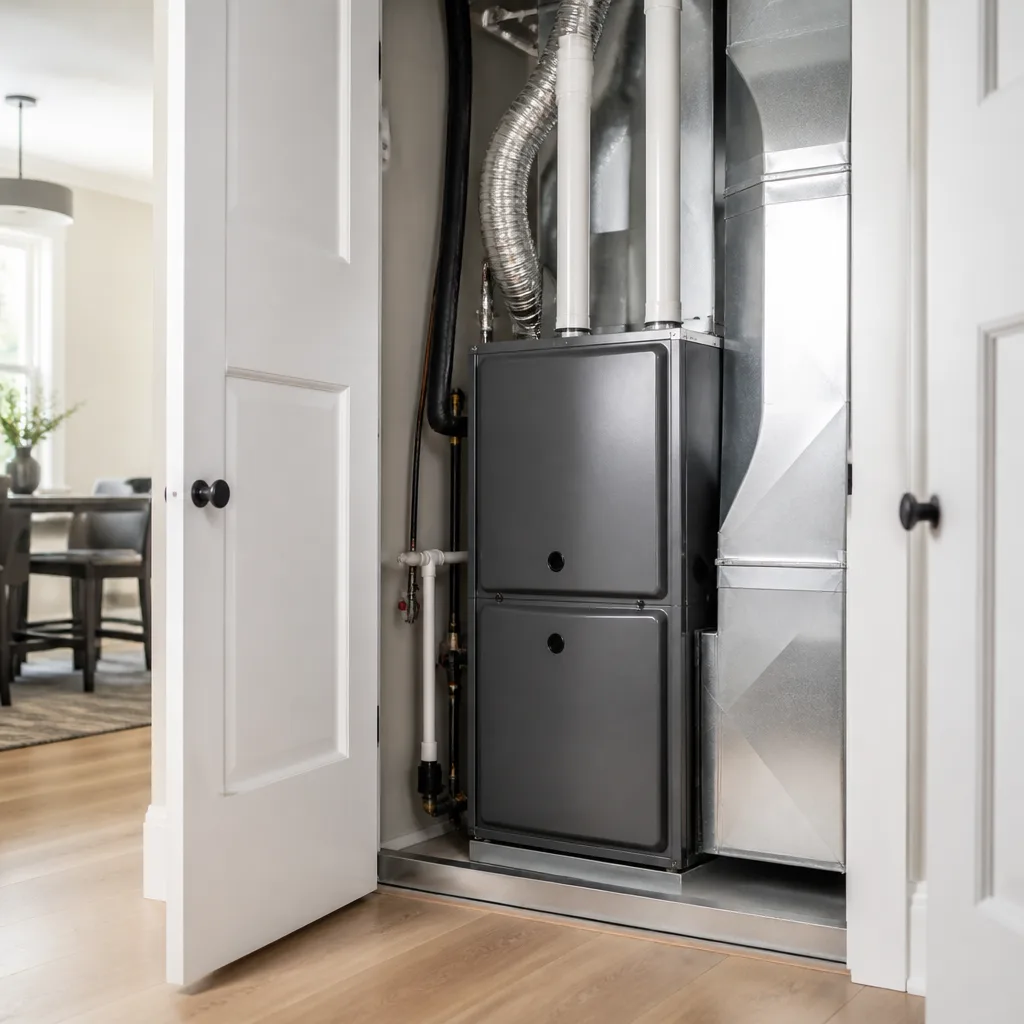 Furnace & heating
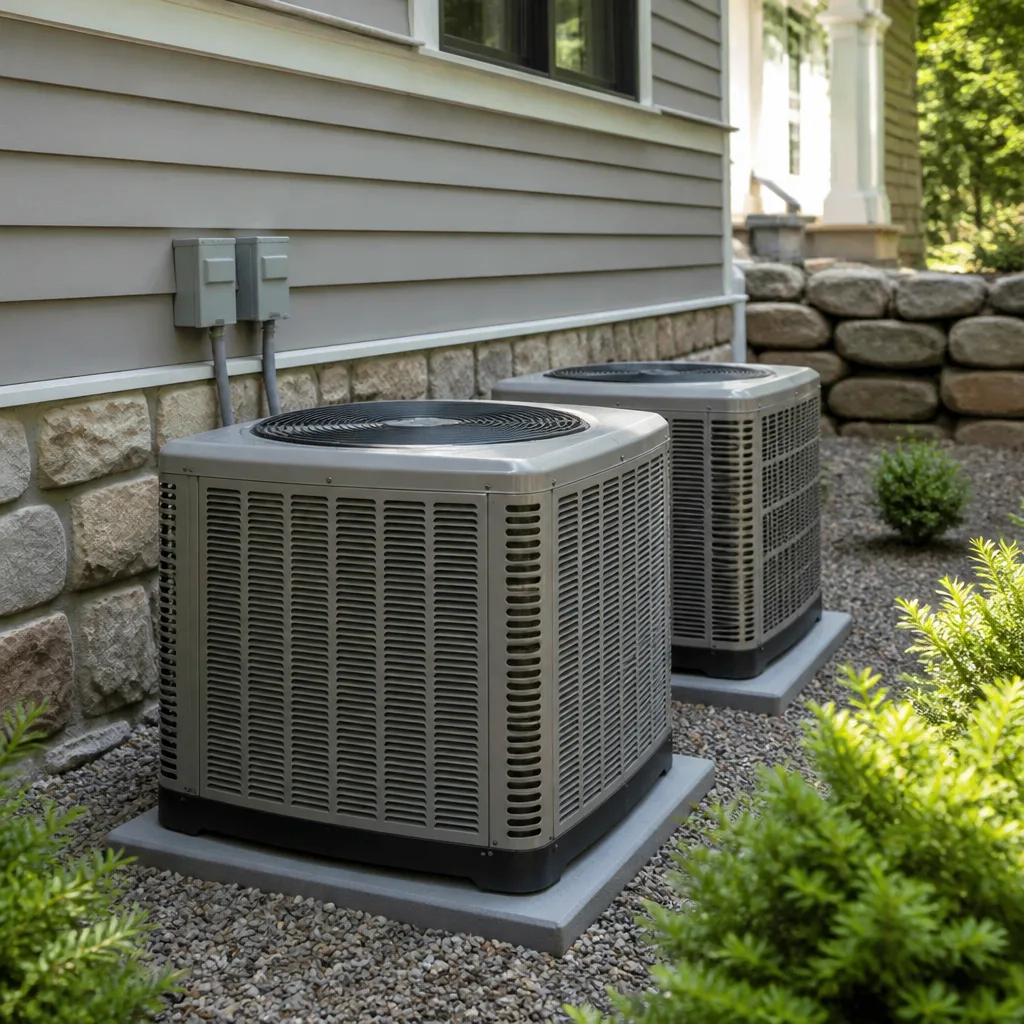 Heat pumps
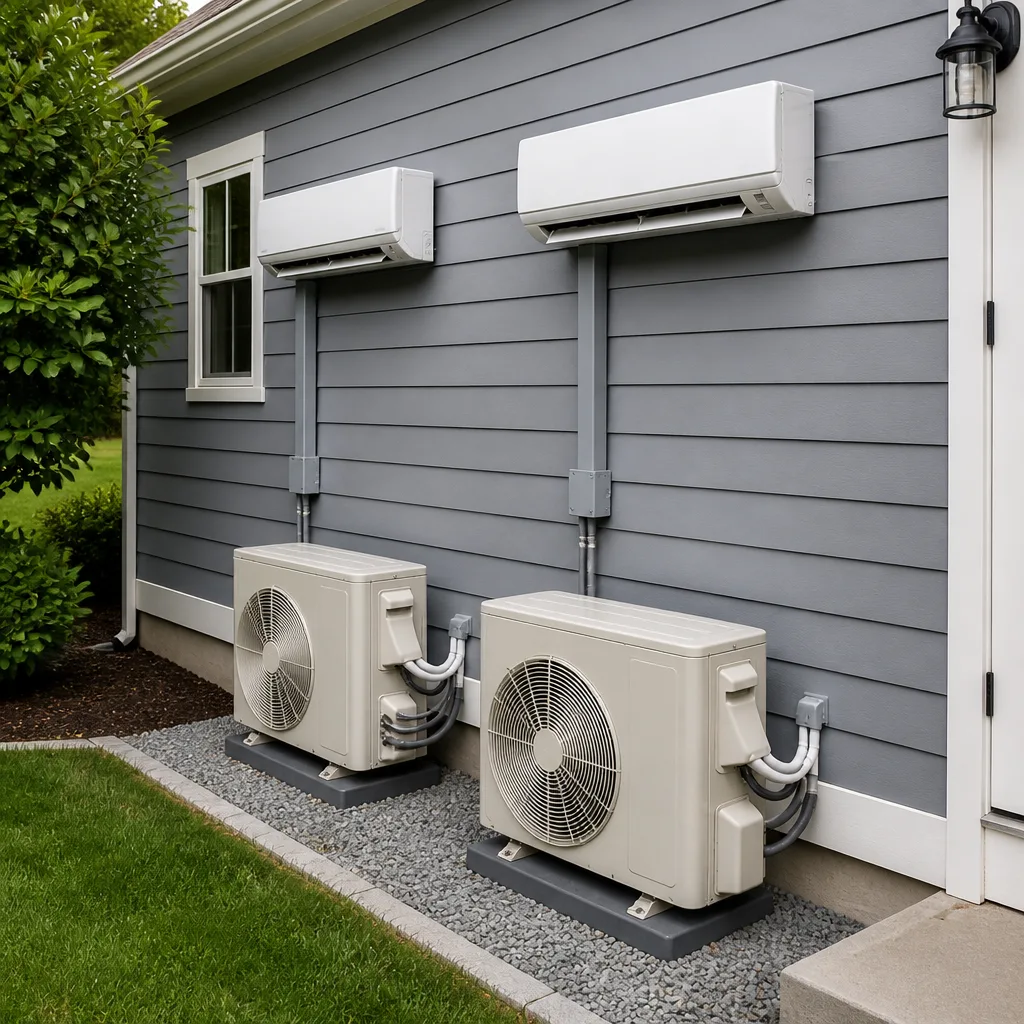 Ductless mini splits
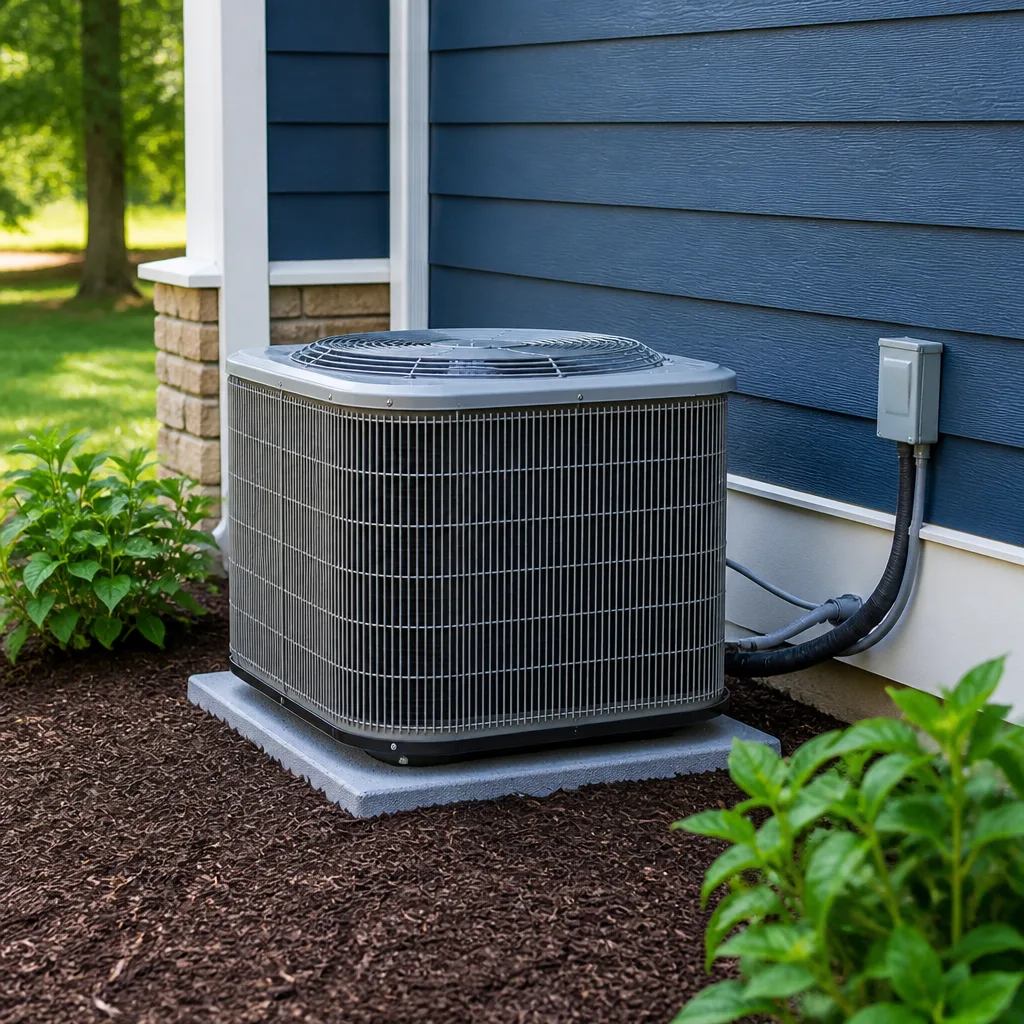 Carrier
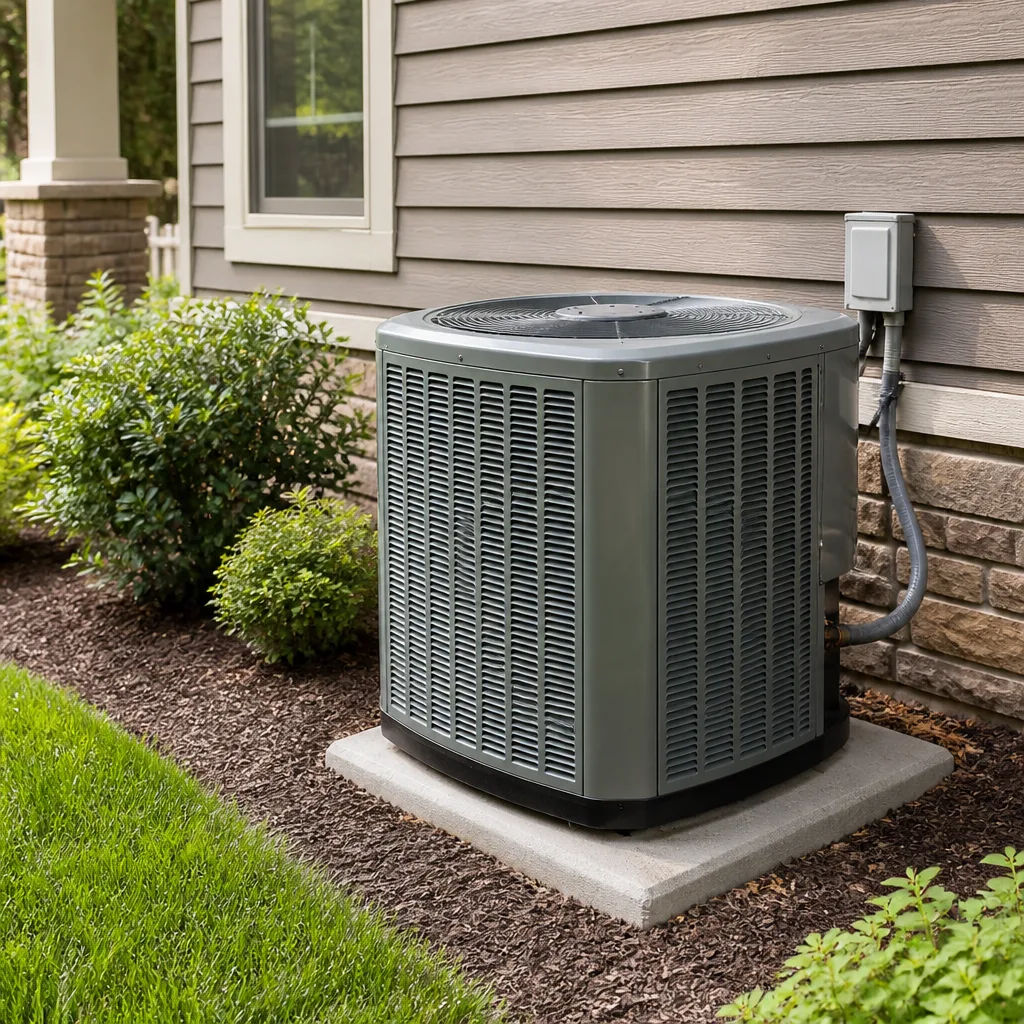 Trane
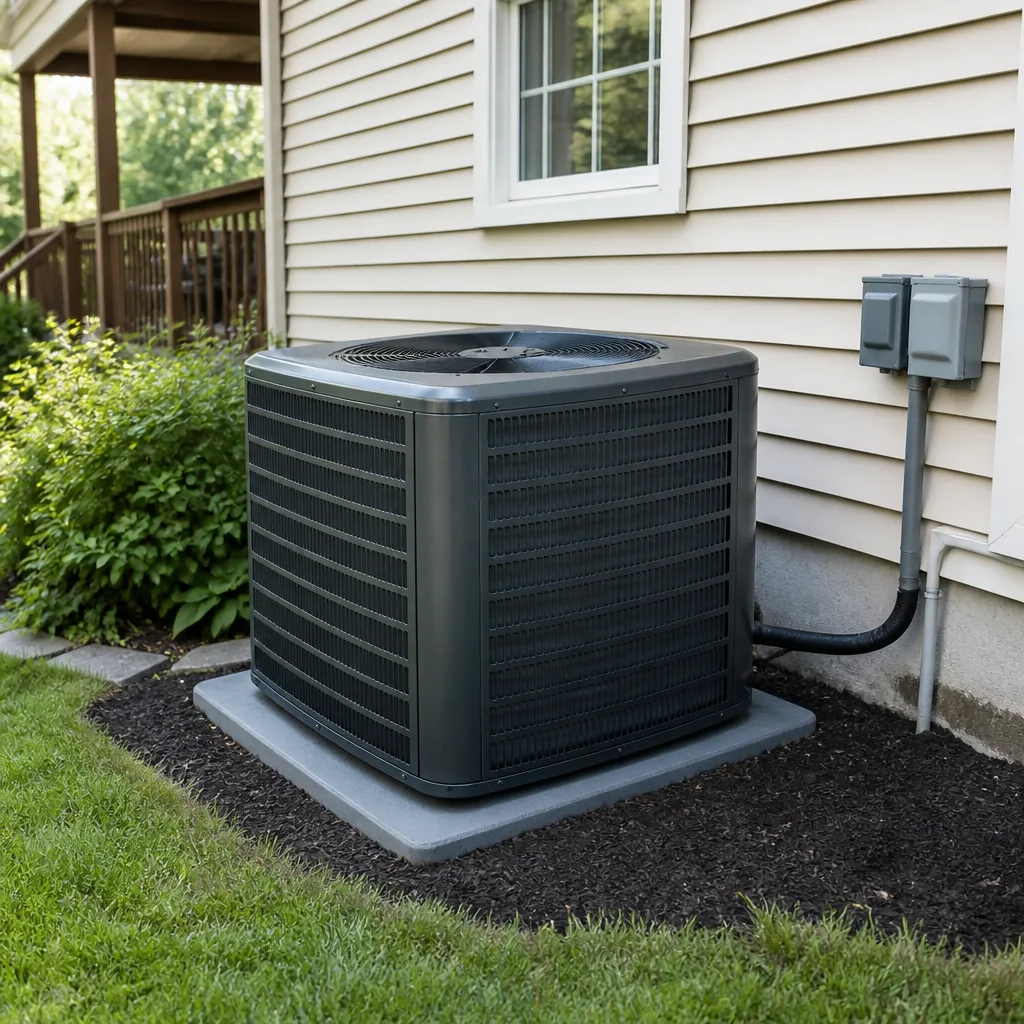 Goodman
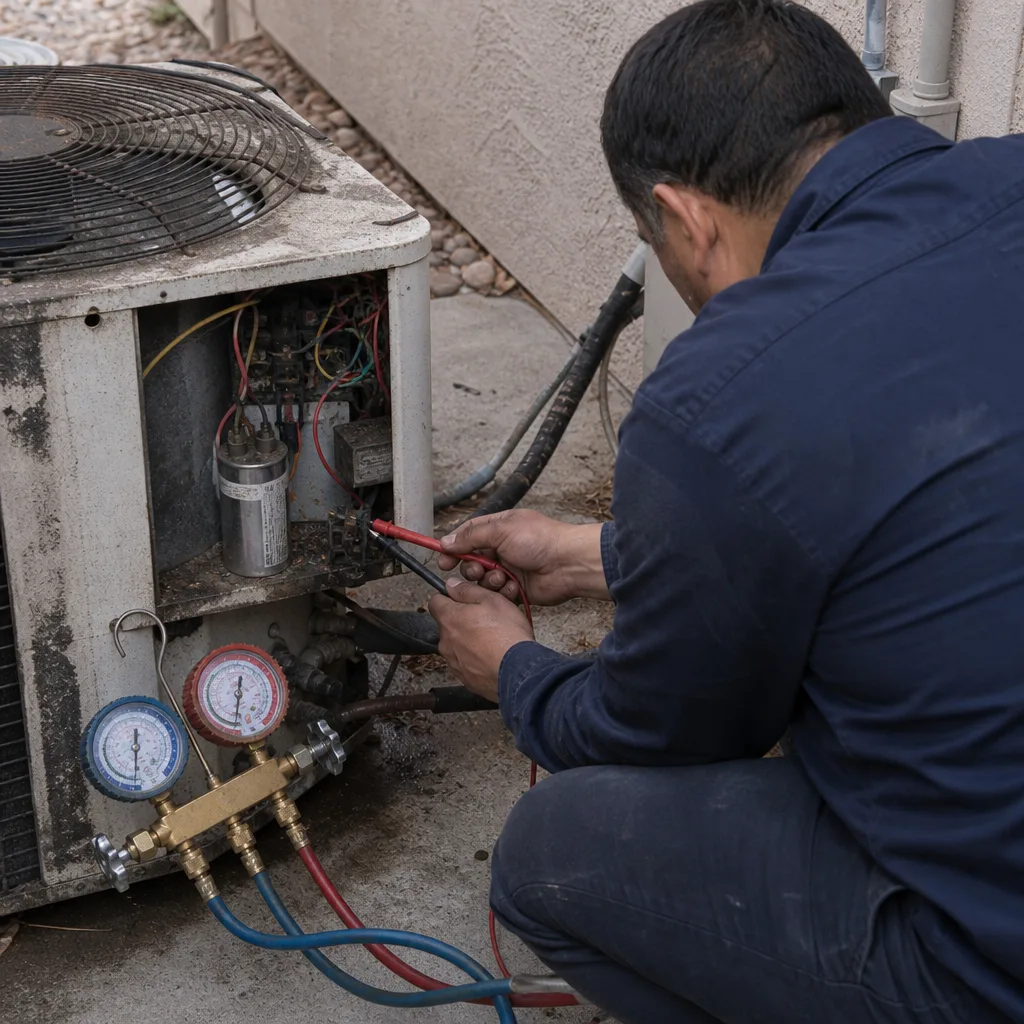
Seasonal tune-up and full diagnostic on your Carrier, Trane, or Goodman system - readings shown to you before any repair is proposed
Diagnosis first, numbers second - you approve the repair price before a single part goes in.
Get your free estimateThe Complete Air Quality & Ventilation Guide for Winchester Homeowners
Most Winchester homes running a standard 1-inch filter are capturing less than 10% of the fine particulates that actually reach deep into the lungs. That’s not a knock on the filter. It’s a knowledge gap. The fiberglass panel sitting in your return-air grille was never designed for a high-desert valley where spring winds lift agricultural dust off the fields, summer wildfire smoke drifts in from three states away, and winter cold traps particulate in the valley inversion. This guide explains what’s actually in the air here, how your tight, well-insulated Winchester house interacts with it, and which ventilation and filtration choices make sense for the home you plan to stay in. We’ll cover filters, fresh air, humidity, and the mistakes that quietly make indoor air worse.
Quick Answer
For most Winchester homes, better indoor air comes down to three changes: upgrading from a 1-inch fiberglass filter to a properly sized MERV 11-13 media filter that respects your system’s airflow, adding mechanical ventilation (spot exhaust at minimum, an ERV for tightly built homes) to control CO2 and stale air, and managing winter humidity with a whole-home humidifier sized to the house. Air sealing and insulation keep the desert out; ventilation and filtration keep the inside healthy. You need both to get it right.
Styles & brands we work with
- AC repair
- Furnace & heating
- Heat pumps
- Ductless mini splits
- Carrier
- Trane
- Goodman
Table of Contents
- What’s Actually in Winchester’s Outdoor Air, Season by Season
- Why Tight, Efficient Winchester Homes Trap Stale Air
- MERV Ratings Explained for a Dust-Heavy Desert Climate
- The Three Ventilation Strategies and Which One Fits Your Home
- Dry Desert Winter Air and Whole-Home Humidity Control
- Building a Whole-Home Filtration Setup That Works
- Keeping Your Air Systems Clean Year After Year
What’s Actually in Winchester’s Outdoor Air, Season by Season
Winchester sits in a high-desert valley, and the air outside your windows changes character with the calendar. Generic air quality advice written for a coastal city or a humid southern town misses most of what happens here. Here’s the seasonal profile we see when we’re servicing systems across Winchester.
Spring: wind and agricultural dust
March through May brings sustained winds across the valley floor and the surrounding agricultural ground. Fine soil particulate, pollen from desert shrubs, and dust kicked up from unpaved roads and open lots all load into the air. Homes that run their HVAC fan continuously during this window pull that dust into the return and load the filter fast. If you only check your filter every six months, spring is where most of the loading happens.
Summer and fall: wildfire smoke migration
Smoke from fires in California and the Pacific Northwest routinely drifts into the valley on prevailing winds. The particles in smoke are extremely fine, in the PM2.5 range, and they don’t settle out quickly. On heavy smoke days, opening windows for “fresh air” is the worst thing you can do. This is when a higher-MERV filter and a sealed return system earn their keep.
Winter: cold-air inversion events
During cold snaps, a layer of warmer air forms above the valley and traps cooler air, along with its particulate, near the ground. Inversion days are when outdoor air quality is at its worst even though the sky is clear. These are the days when you want your house closed up and your filtration and ventilation running properly.
Why Tight, Efficient Winchester Homes Trap Stale Air
Here’s the irony a lot of Winchester homeowners run into. You insulate and air-seal your house to keep the desert heat out and your cooling bills down. That’s the right call. But the same tight envelope that keeps conditioned air in also keeps fresh air out. In older, leakier homes, natural infiltration did some of the ventilation work by accident. In a well-sealed house, that accidental ventilation is gone.
What that means in practice is a buildup of carbon dioxide, volatile organic compounds off-gassing from furniture and finishes, cooking odors, and moisture from showers and laundry. Carbon dioxide is the one people rarely connect to how they feel. A house that drifts above roughly 1,000 parts per million CO2, which happens easily in a closed bedroom with the door shut overnight, tends to present first as afternoon fatigue, dull headaches, and a heavy, stuffy feeling. Homeowners often blame poor sleep or the dry air. Sometimes they’re right. Sometimes it’s ventilation.
If you’ve sealed and insulated your Winchester home in the last several years and it now feels stuffier than the drafty house you grew up in, that’s not your imagination and it’s not a reason to undo the weatherization. It’s a signal that the house needs deliberate ventilation rather than accidental leakage.
MERV Ratings Explained for a Dust-Heavy Desert Climate
MERV stands for Minimum Efficiency Reporting Value, a scale from 1 to 20 that describes how well a filter captures particles by size. The higher the number, the smaller the particles it catches. The catch, and it’s a real one, is that a denser filter restricts airflow. Starve your system of air and you get a list of problems: a frozen evaporator coil in summer, higher energy use, a shortened blower life, and a house that never quite cools.
Here’s the practical breakdown for this climate:
- MERV 1-4 (standard fiberglass or cheap pleated): Captures dust and lint and almost nothing fine. Fine for protecting the equipment, not useful for protecting your lungs.
- MERV 8: A reasonable baseline for a dust-prone house. Captures most pollen and larger dust, minimal airflow penalty. Works in any 1-inch slot.
- MERV 11-13: The sweet spot for Winchester homes dealing with smoke and fine dust. Captures the PM2.5 range that matters most. Requires a media filter cabinet or a pleated filter with enough surface area so the pressure drop stays reasonable.
- MERV 14 and up: Hospital-grade territory. On a typical residential system this needs a purpose-built filter cabinet with generous face area. Dropping a MERV 16 filter into a 1-inch slot will choke the blower.
The trick in a high-desert home isn’t choosing the highest number. It’s matching the filter’s pressure drop to what your blower can handle. A properly sized 4- to 5-inch media cabinet running MERV 11-13 will outperform a 1-inch MERV 16 every time because it holds its airflow as it loads. In our experience across thousands of Winchester service calls, the filter cabinet upgrade is the single most-felt improvement homeowners notice.
The Three Ventilation Strategies and Which One Fits Your Home
There are three general ways to get fresh air into a tight house. Each one solves a different problem, and most Winchester homes end up using more than one.
1. Spot ventilation
Bath fans and range hoods exhaust moisture and odors at the source. This is the minimum every home needs, and it’s the cheapest fix. The mistake we see most often is a bath fan that’s undersized, badly ducted, or vented into the attic instead of outdoors. A properly sized bath fan moving around 50-80 cubic feet per minute, vented through the roof or wall, does a lot of good for very little money.
2. Dilution ventilation
This is the strategy of running a controlled amount of outdoor air into the house on a continuous or scheduled basis to push indoor CO2 and pollutants down. It’s what a fresh-air intake on your HVAC system, sometimes called a ventilation damper, does. It works best in moderately tight homes that don’t warrant a full energy recovery ventilator, and it’s often the right first step for a Winchester home that’s a little stuffy but not extreme.
3. Energy Recovery Ventilator (ERV)
An ERV is a small, ducted unit that exhausts stale air while bringing in fresh outdoor air, passing the two streams through a core that transfers heat and moisture between them. In our climate the heat transfer is the key piece: an ERV recovers most of the temperature difference so you’re not dumping cool summer air outside and pulling in 105°F air unmanaged. For tightly built Winchester homes dealing with both smoke-season filtration needs and winter dryness, an ERV is often the most complete answer. It’s a real installation with real cost, so it’s worth sizing correctly rather than guessing.
Which one is right for you?
- Older, leakier home: Start with spot ventilation. Fix the bath fans and range hood, then test.
- Mid-tight home, occasional stuffiness: Add dilution ventilation with a fresh-air intake and a real MERV 11-13 filter.
- Tight, newer, or heavily weatherized home: Look seriously at an ERV. The energy recovery keeps it affordable to run.
If you’re already working on your cooling system at the same time, it’s worth reading our AC Repair & Installation in Winchester page, since ventilation and filtration decisions are far easier to make when you’re already opening up the air handler.
Dry Desert Winter Air and Whole-Home Humidity Control
Winter humidity in Winchester routinely drops into the teens and low twenties. That’s low enough to crack wood floors, shrink trim, generate static shocks, dry out skin and sinuses, and make every winter cough feel a little worse. Most homeowners who notice this buy a bedroom humidifier, run it at night, and refill it a few times a day. It helps a little. It doesn’t solve the problem.
A whole-home humidifier installs on the supply plenum of your furnace or air handler and adds moisture to the air that gets delivered to every room in the house. It’s tied into the water line, controlled by a humidistat, and runs automatically when the heat runs. There’s no refill, no tank, no per-room limit. If your house is dry enough that you’re setting out multiple room units, a whole-home unit is almost always the better answer for the whole house at once.
One caution: too much humidity is its own problem. In summer, high indoor humidity encourages mold and makes the house feel warmer than it is. Sizing the humidifier to your square footage and setting a reasonable target, generally 30-40% in winter, keeps you in the good range. This is where a proper inspection beats a guess.
Building a Whole-Home Filtration Setup That Works
Filter alone doesn’t make a filtration system. For real indoor air gains in a Winchester home, you want the pieces working together. Any brand-specific system we install will typically be one we’re trained to service, and that covers Trane, Lennox, Goodman and Rheem equipment, so parts and service stay straightforward for years.
The pieces that actually move the needle:
- A properly sized media filter cabinet (4- to 5-inch pleat) running MERV 11-13, sized so its airflow matches your blower.
- A sealed return and supply system so unfiltered attic or crawlspace air isn’t sucked in somewhere downstream of the filter.
- Spot exhaust that actually exhausts to the outdoors, not into the attic.
- A CO2 monitor for the main living area. It’s an inexpensive way to know whether your ventilation is keeping up. If readings climb above roughly 1,000-1,200 ppm on a normal day, you have a real signal.
- Fresh-air or ERV ventilation matched to how tight the house is.
One more: keep it clean. A clogged filter cabinet doesn’t filter, it just starves the system. On a high-desert Winchester home during spring wind season, check the filter monthly and expect more frequent changes than the box says.
Keeping Your Air Systems Clean Year After Year
Air quality equipment doesn’t stay good on autopilot. It needs the same maintenance attention your heating and cooling does, and in a dusty valley it needs it a little more often. Here’s the routine we recommend for Winchester homes:
- Check or replace the filter monthly during spring and fall. Those are the wind and smoke windows when it loads fastest.
- Schedule a seasonal tune-up fall and spring. A clean blower wheel and coil make a real difference to airflow, and poor airflow means poor filtration.
- Inspect ducts and returns once a year. A leak in a return duct can pull attic or garage air into the house, which defeats every filter you install.
- Clean bath fans and range hoods with a damp cloth. Grease and dust on the grille cut the airflow these are supposed to deliver.
- Replace humidifier pads or canisters per the manufacturer’s schedule. A mineral-loaded pad stops humidifying.
- Watch for a change in feel. A stuffy house, a recurring afternoon headache, or a winter cough that hangs on are all signals worth investigating.
Most of this is stuff a careful homeowner can manage between visits. The bigger elements, filter cabinet sizing, ERV installation, whole-home humidifier work, duct sealing, all want a trained technician so the system stays balanced. If you’re also noticing a furnace or heat pump issue, our Heating & Furnace in Winchester page covers what a proper tune-up looks like for those systems.
Common Mistakes to Avoid
- Dropping a high-MERV filter into a 1-inch slot. The filter will capture more, but the restricted airflow can starve the blower, freeze the coil in summer, and shorten motor life. The cabinet upgrade is worth the investment.
- Opening windows for “fresh air” on wildfire smoke days. Smoke particulates are fine enough to bypass most screen and window coverage and settle deep in the house. On a smoke day, keep the house closed and let the system do the work.
- Venting bath fans into the attic. This is common in older Winchester homes and it does two bad things: it doesn’t remove moisture from the house, and it dumps warm moist air into an unconditioned space where it can feed mold and rot. Vent to the outdoors.
- Running a room humidifier as the whole-house solution. A single room unit solves a single room. If the whole house is dry, sizing a whole-home humidifier is the better long-term fix.
- Forgetting airflow is the point of filtration. A filter that chokes the system does more harm than good every time. Pressure drop matters more than the MERV number.
- Never checking CO2 or air quality after weatherization. If you tighten a house and don’t add ventilation, you’ll feel it before you understand it. A cheap CO2 monitor gives you a real number.
- Skipping the tune-up because “it’s just air.” Air quality depends on the whole system running well. A dirty blower wheel or a leaking return quietly defeats every filter you buy.
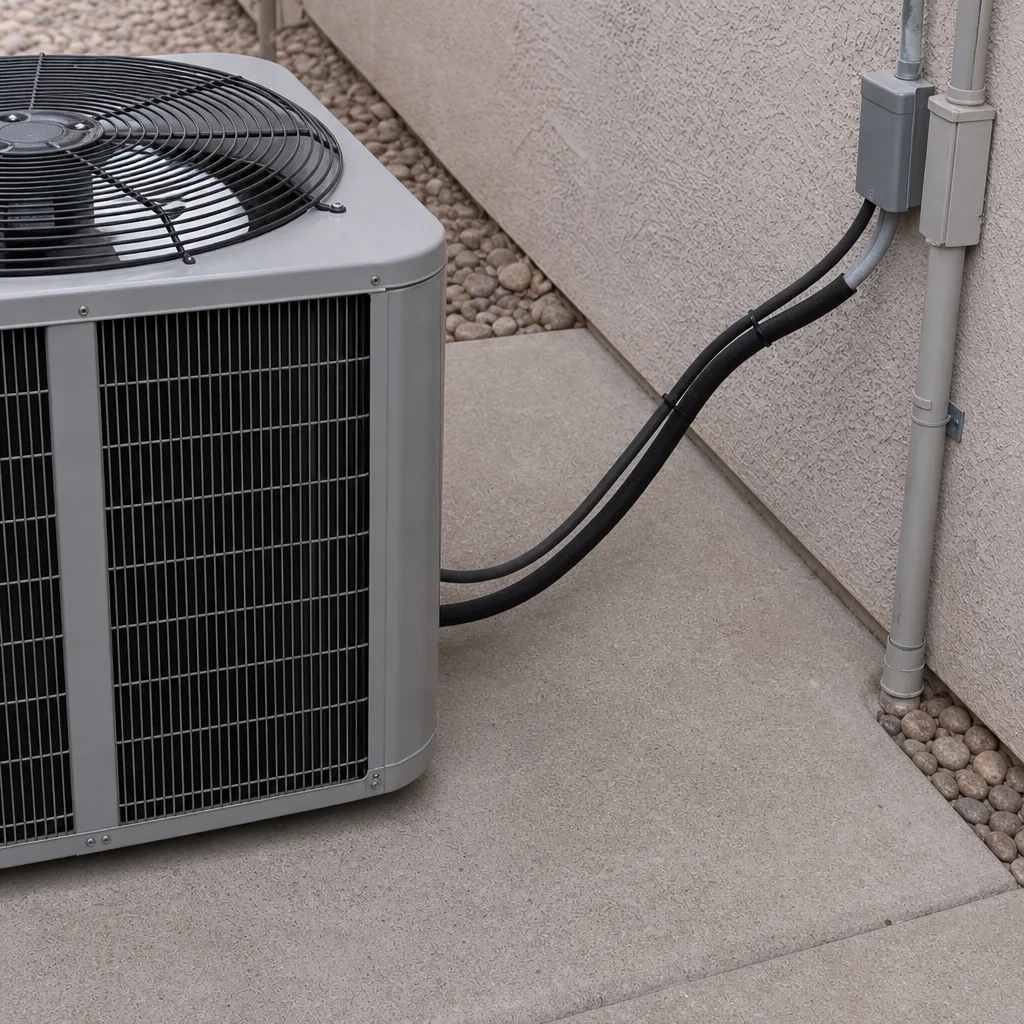
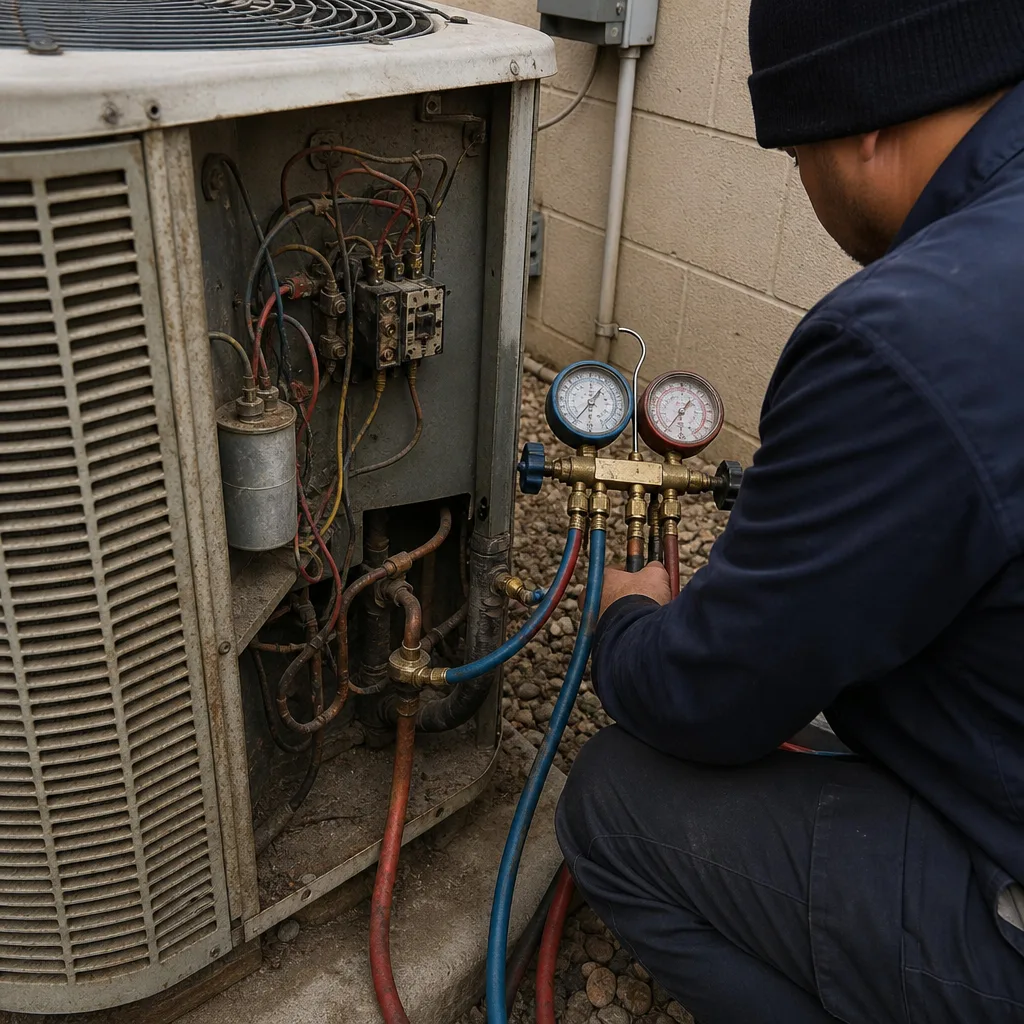
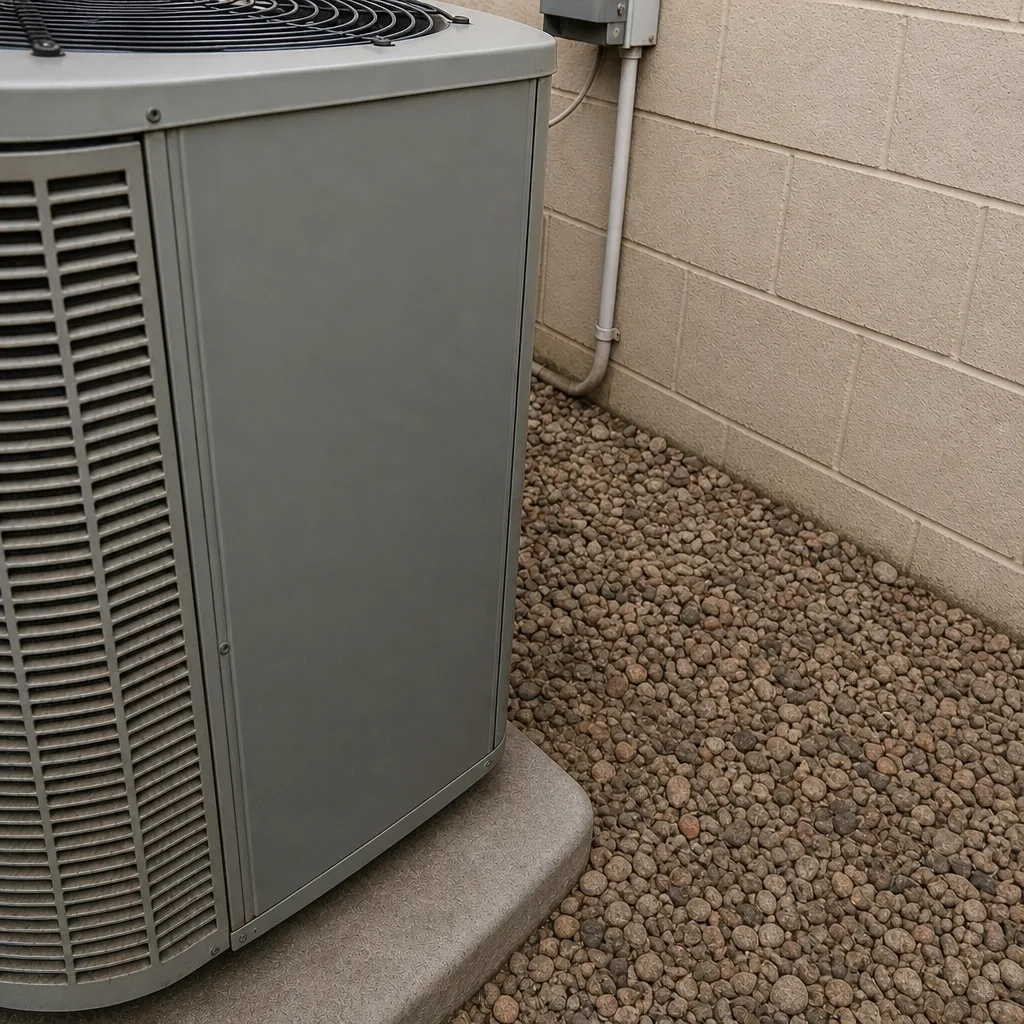
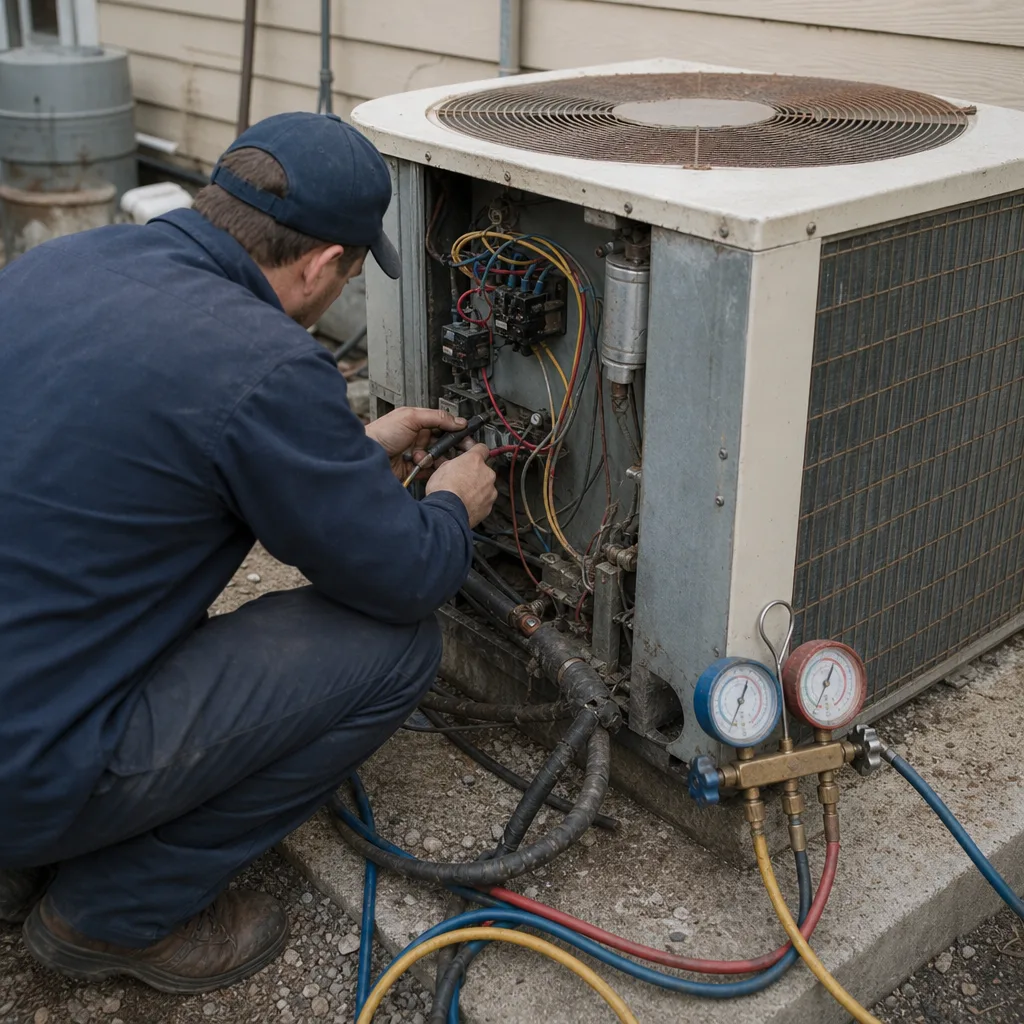
See the difference
 Before
 After
 Before
 After
 Before
 After
When to Call a Professional
Some air quality work is safe to handle yourself: filter changes, wiping down grilles, running the range hood. Other work is not. If you’re sizing a filter cabinet or an ERV, if you’re installing a whole-home humidifier, if you’re sealing return ducts, or if you’re dealing with an ongoing stuffiness or dryness problem you can’t pin down, that’s a job for a trained technician. Electrical components, gas-fired furnace connections, and anything inside a ducted system in a tight house should be done by someone who has done it many times and who stands behind the work.
We recommend professional help, too, when you’re not sure which strategy is right for your house. The best first step is often a walk-through that measures airflow, checks the return system, and reads CO2 levels on a normal day, so the recommendation fits your Winchester home instead of a generic rule. Fireside Heating & Air Co. Winchester offers free estimates in Winchester. Call (844) 783-5043 and we’ll set a time that works, with the price quoted upfront.
Frequently Asked Questions
For most Winchester homes, a properly sized 4- to 5-inch media filter running MERV 11-13 is the sweet spot. It captures the fine desert dust and wildfire smoke particulates that matter most, without starving the system of airflow. If you have a 1-inch slot only, MERV 8 is the safest bet until the cabinet can be upgraded.
Because tight construction cuts down on accidental fresh air. A well-sealed Winchester home traps carbon dioxide, odors, and off-gassing from furniture and finishes. That’s the trade-off for the low bills, and the fix is deliberate ventilation, not undoing the insulation. A CO2 monitor will confirm whether this is what you’re feeling.
On a clean, low-wind day, yes, short bursts of open windows are genuinely helpful. On spring wind days, wildfire smoke days, or during a winter inversion, no. The outdoor air on those days is worse than what’s inside. Keep the house closed and let the filtration and ventilation handle it.
Not automatically. An ERV earns its keep in tightly built or heavily weatherized homes that show persistent CO2 buildup or stuffiness, especially with wildfire smoke concerns. A fresh-air dilution intake might be enough for a moderately tight home. The right answer depends on a walk-through, not a rule of thumb.
If winter indoor humidity is running below 30%, you’ll feel it: cracked wood, static shocks, dry skin and sinuses, and a house that never quite feels comfortable even with the heat on. A hygrometer is an inexpensive read. If multiple rooms are dry, a whole-home humidifier sized to the house is the better fix than room units. Our Heat Pump & Mini Split in Winchester page covers how those systems interact with humidity, since they behave differently than a furnace.
Both. We work on filters, ventilation, humidifiers, and duct work as part of the same systems that heat and cool your house, and we carry the guarantees for the whole job. Our technicians have up to 8 years of experience and are trained on the major brands, so if the fix involves your equipment as well, it’s all handled by the same company. Estimates are free. Call (844) 783-5043 and we’ll take a look.
The Bottom Line
Winchester’s air is a real thing to plan around. Spring winds load the filter, summer smoke loads it more, and winter inversions make outdoor air worse than it looks. Meanwhile, tight construction traps stale, dry indoor air. The fix is not one silver bullet but a coordinated approach: a properly sized media filter that respects airflow, deliberate ventilation that fits your home’s tightness, a whole-home humidifier if winter dryness is your issue, and regular maintenance to keep it all working. The good news is these decisions are straightforward once you know what’s actually in the air. If you’d like help figuring out where your Winchester home stands, the team at Fireside Heating & Air Co. Winchester home is ready to walk through it with you. Our technicians have up to 8 years of experience, and every job is backed by our 90-Day Done Right Promise in writing.
Call (844) 783-5043 for a free estimate. A live person answers every call, 24 hours a day, every day of the year, and the price quoted upfront is the price you’ll pay. Ready to talk air quality in your Winchester home? We’d be glad to help.
Written by the team at Fireside Heating & Air Co. Winchester.