
Last updated November 18, 2026
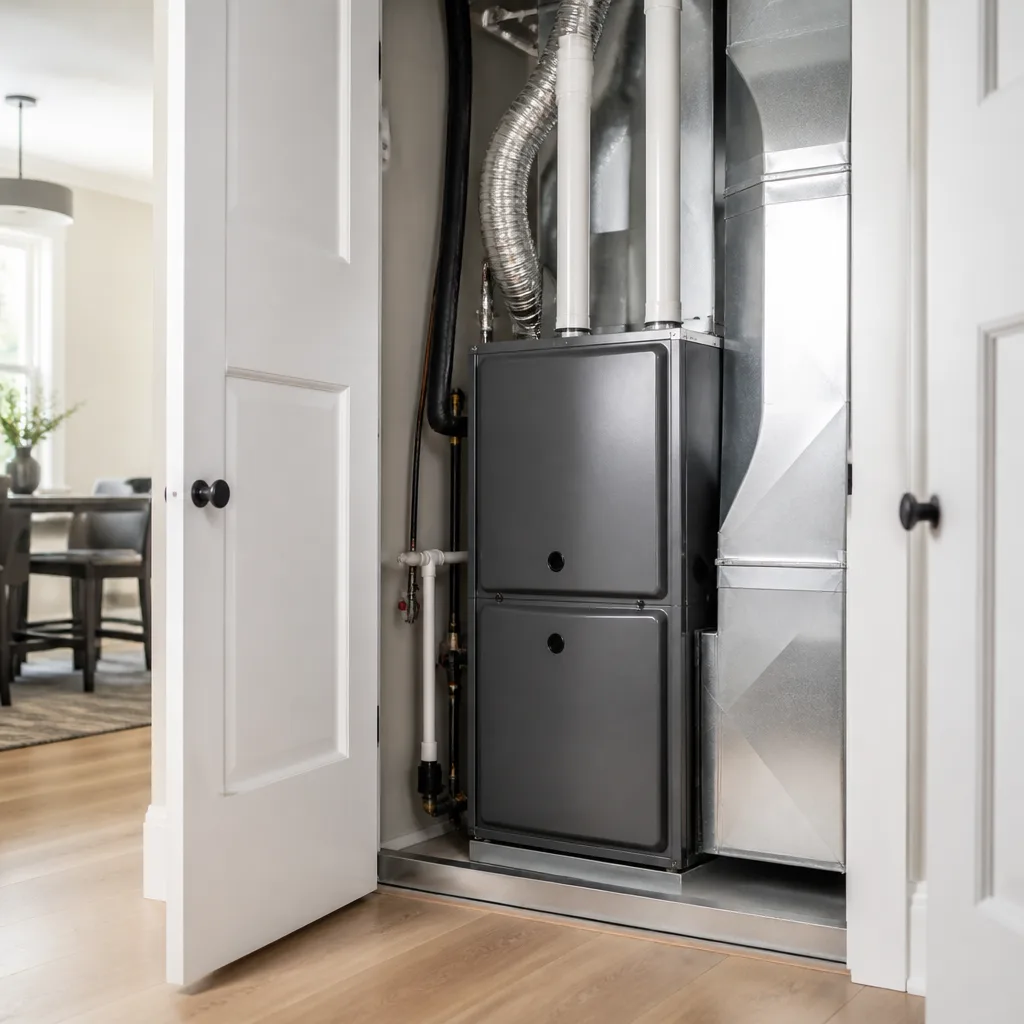 Furnace & heating
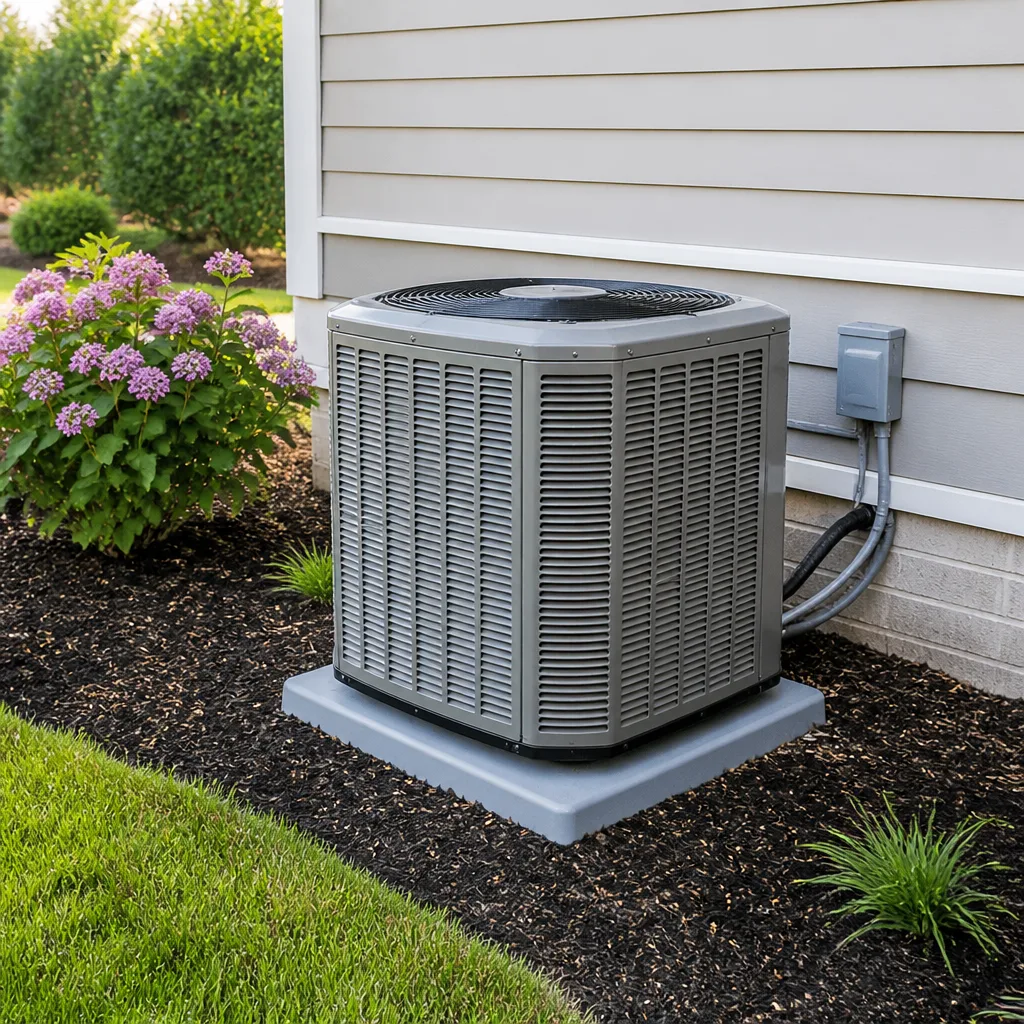 AC repair
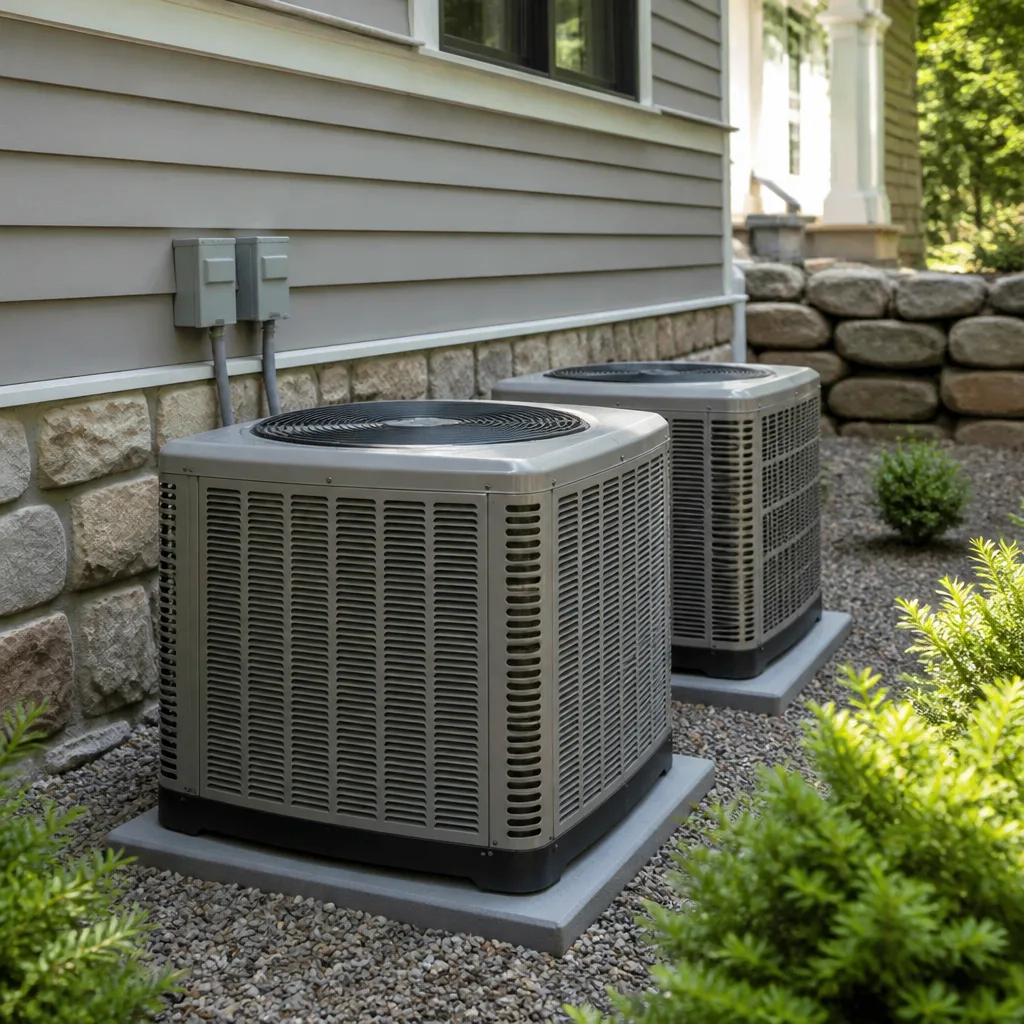 Heat pumps
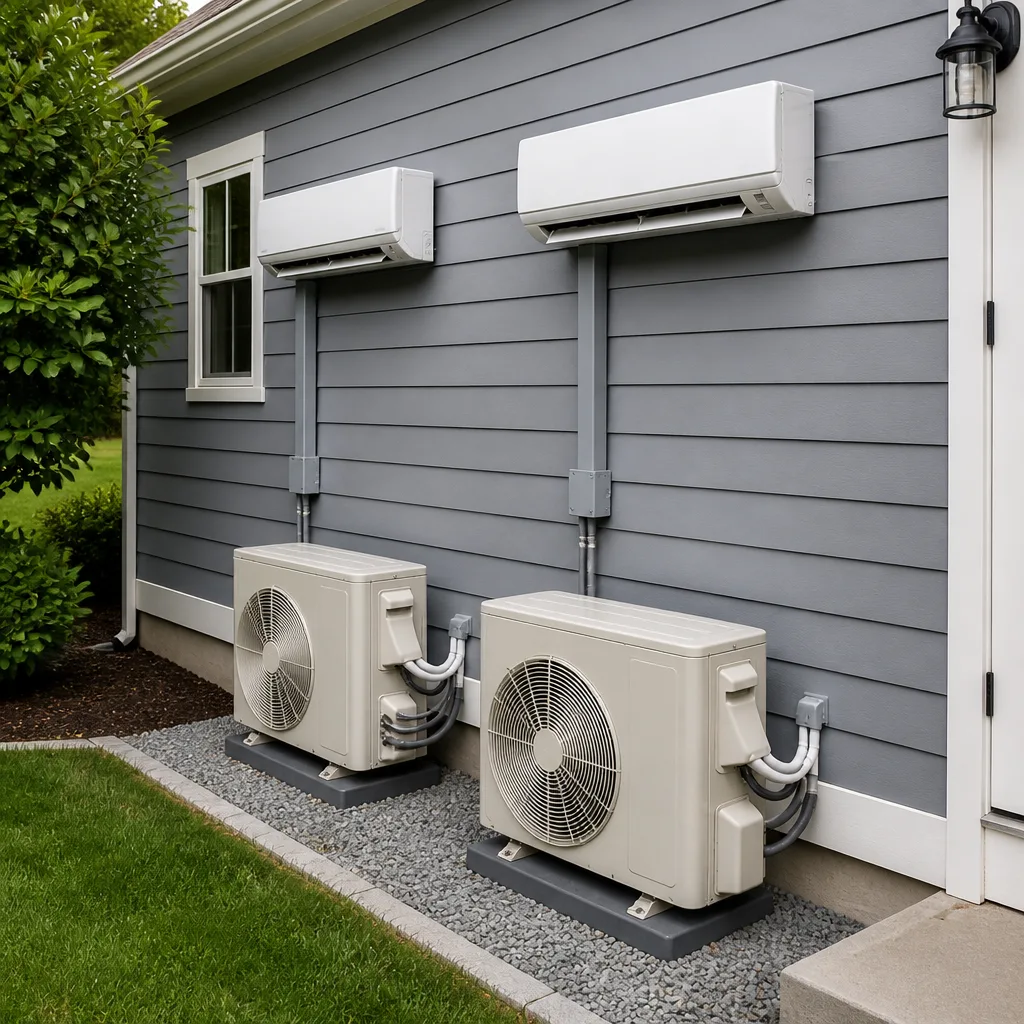 Ductless mini splits
 Carrier
 Trane
 Goodman
Seasonal tune-up and full diagnostic on your Carrier, Trane, or Goodman system - readings shown to you before any repair is proposed
Diagnosis first, numbers second - you approve the repair price before a single part goes in.
Get your free estimateHeating & Furnace Troubleshooting: Common Problems and How to Fix Them
Every furnace built after 1990 has a control board that flashes a specific error code when it shuts itself down on a safety fault. That blinking light is a two-digit diagnosis. A technician reads it in about ten seconds. Most homeowners have never been told it exists, so they book a service call to hear information the furnace has been trying to give them for hours. We’ve seen it hundreds of times in Winchester, NV – a homeowner waiting three days for an appointment when the board was already saying “flame sensor.” This guide teaches you to pull that information yourself, understand the five failure modes we see most in this climate, and show up to the service conversation already informed. Not to turn you into a repairman. To make you a harder person to confuse.
Quick Answer
Furnace troubleshooting starts with reading the control board’s flash codes, then matching them to the symptom pattern. A furnace that never starts usually has a power, thermostat, or ignition problem; a furnace that starts and shuts off within 30 seconds usually has a flame sensor or pressure switch fault. If you smell gas or suspect a cracked heat exchanger, stop troubleshooting and call a licensed technician. Fireside Heating & Air Co. Winchester answers the phone live, around the clock, at (844) 783-5043.
Styles & brands we work with
- AC repair
- Furnace & heating
- Heat pumps
- Ductless mini splits
- Carrier
- Trane
- Goodman
Table of Contents
- How to read your furnace’s flash codes
- The five failure modes common to Winchester furnaces
- Never starts vs. starts and stops: telling them apart
- How to safely check the flame sensor
- When to stop and shut the system off: heat exchanger signs
- The homeowner’s fall checklist for Winchester winters
- Common mistakes to avoid
- When to call a professional
How to read your furnace’s flash codes
Open the front door of the furnace and find the control board. It’s a circuit board roughly the size of a paperback, usually on the blower deck or behind the burner cover. Look for a small LED, often labeled STATUS or DIAG. Some boards have two LEDs. Some have a window you can watch through the outer door without removing a panel, which is the one you want.
When power is on and the furnace is at rest, most boards flash a heartbeat signal – one blink, pause, one blink, and so on. That means “normal, no fault.” When the furnace shuts down on a safety lockout, the light changes to a numbered pattern. A sequence of two blinks, pause, three blinks means code 23. A single long blink means code 1. The count resets after the pause. Count carefully.
Then find the sticker. It’s usually glued to the inside of the blower door, printed in small type, and it tells you what each code means for that specific model. This is where homeowners get most of the value from the exercise, and it costs nothing. Typical codes vary by brand. On a Carrier or Bryant board, a code 13 or 14 is usually a limit switch trip; a code 31 or 32 is a pressure switch fault. On a Trane, the pattern formatting differs slightly but the logic holds.
- Turn off the furnace at the thermostat.
- Remove the blower door (usually two screws or a latch).
- Restore power at the furnace switch only – not the thermostat.
- Watch the LED for a full cycle. Write down the pattern.
- Match it to the sticker. If a code isn’t on the sticker, call.
That code is not an answer. It’s a direction. It narrows the conversation from “something’s wrong” to “the pressure switch is faulting on start,” and that difference matters when you call for service.
The five failure modes common to Winchester furnaces
The desert cold is not like a Midwest cold. Winchester winters swing from the low 60s in the afternoon to the low 30s by morning, and a furnace here cycles on and off far more frequently than one in a snowy climate. That cycling produces different wear. Here’s what we see most on calls across the valley.
- Dirty flame sensor. The single most common failure. The sensor is a thin steel rod in the burner flame path that carries a tiny current. It oxidizes about every two or three seasons in dry desert air and stops proving flame. Furnace fires for five seconds, shuts off, tries again.
- Failed ignitor. Modern furnaces use a silicon nitride hot-surface ignitor that glows orange to light the gas. They crack from vibration and thermal cycling. Symptom: nothing glows, no flame, no heat.
- Pressure switch fault. The pressure switch verifies the draft inducer is pulling exhaust out the flue. In homes with dust-heavy air returns or a blocked flue screen, it never closes.
- Tripped high-limit switch. A safety switch that opens when the heat exchanger gets too hot – usually a restricted airflow problem, a dirty filter, or a blower on its last legs.
- Thermostat or control board failure. Rarer but less predictable. Sometimes the board itself fails on one call for heat but not another.
A house in the north end of the valley with a 20-year-old American Standard may throw a pressure switch code on the same day a newer Carrier in the foothills throws a flame sensor code. Same symptom – “no heat” – completely different repair.
Never starts vs. starts and stops: telling them apart
This distinction is the most useful diagnostic step you can take, and it takes about two minutes. Stand near the furnace, turn the thermostat to heat, and watch for a full ignition cycle.
A furnace that never starts – no inducer motor sound, no glow from the ignitor, no flame – is usually an electrical or control problem. Check in this order:
- Thermostat set to HEAT and the setpoint above room temperature.
- Air filter clean and correctly seated.
- Furnace power switch on (looks like a light switch near the unit).
- Circuit breaker at the panel (often labeled FURNACE or AIR HANDLER).
- Door switch depressed when the blower door is seated.
A furnace that starts then shuts off within 30 seconds – inducer runs, ignitor glows, flame lights, then dies – is a flame-proving or pressure fault. The furnace lit, so gas and ignition are working. It shut off because the board lost the signal that says “yes, there’s a flame” or “yes, exhaust is flowing.” That points to the flame sensor or pressure switch, and it usually narrows to one of two parts.
The difference changes everything about the repair. Never-starts problems often resolve at the thermostat or breaker. Starts-and-stops problems almost always need a part. Knowing which one you have before you call means the technician arrives closer to the fix, and you don’t pay for a diagnostic visit to hear “your thermostat was off.”
How to safely check the flame sensor
The flame sensor is the single most replaced part in residential furnaces, and it’s also the one where homeowners do the most accidental damage. Here’s what “safely” actually means.
First, safety means killing power to the furnace at the dedicated switch and, if you’re unsure which switch it is, at the breaker. The flame sensor sits in the burner compartment next to the ignitor, and the ignitor is fragile and hot. A hand near it while the unit is live is a burn waiting to happen. Second, safety means never touching the burner assembly or gas piping. Third, safety means you don’t disassemble anything you can’t put back together in under two minutes.
What you can safely do: shut off power, remove the burner access cover, and look at the flame sensor. It’s a short metal rod on a ceramic insulator, mounted with one screw and one wire. If it’s coated white or gray, it needs cleaning. Cleaning means a light pass with fine steel wool or a dollar bill – not sandpaper, which can scratch the rod and shorten its life. Never touch the rod with bare fingers; oils from skin shorten its lifespan.
Reassemble, restore power, and run a heat cycle. If the furnace lights and stays lit, you fixed it. If it lights and dies again, the problem is elsewhere, or the rod has failed and needs replacement. That’s a job for us – the part is cheap, but diagnosing the difference between a dirty sensor and a failing board takes a meter and experience. On a Winchester call, replacing a flame sensor is typically a same-day, single-visit repair, and the part is stocked across nine major brands including Carrier, Trane, and Bryant.
When to stop and shut the system off: heat exchanger signs
A compromised heat exchanger is the one furnace problem that is genuinely dangerous. It’s the metal chamber that separates combustion exhaust from the air you breathe, and a crack or hole in it can let carbon monoxide into the living space. If you suspect it, stop troubleshooting and shut the system off at the thermostat and the furnace switch.
Signs that warrant shutting it down:
- Yellow or orange flame instead of a sharp blue one (a soft blue-orange tip is normal; a lazy yellow flame is not)
- Visible cracks or soot streaks on the heat exchanger surfaces if you can see them
- A smell like formaldehyde or burnt dust that returns after the filter is clean
- Headaches, nausea, or dizziness that improve when you leave the house
- A carbon monoxide alarm triggering, ever, for any reason
Do not run the furnace to “see if it happens again.” A CO alarm is not a nuisance alert. Call a licensed technician, and if the alarm is active, leave the house and call from outside. Cracked heat exchangers do not fail loudly. They fail quietly, and the consequence is serious. On a Winchester service call, our first step on any suspected heat exchanger is a visual inspection with a camera, and we’ll tell you plainly whether it’s safe to operate.
For more on the equipment side of this, our Heating & Furnace in Winchester page covers repair, replacement, and what we look for on a full inspection.
The homeowner’s fall checklist for Winchester winters
Most no-heat calls we get in January are preventable in October. The transition from 90s to overnight 30s in Winchester happens fast, and a furnace that sat idle since March will show its weakest link on the first cold morning. Here’s the checklist we recommend every fall.
- Replace the air filter. Desert dust loads a filter faster here than most homeowners expect. Every 90 days, not every six months.
- Run a full heat cycle in early October on a warm afternoon. If it’s going to fail, better it fails when you can schedule the fix.
- Check the flue termination outside for bird nests, leaves, or insect screens that block the exhaust. Common in homes with a sidewall vent near a hedge.
- Clear the return air grilles of furniture, rugs, or dust.
- Test carbon monoxide detectors. Replace batteries if older than a year.
- Read your control board once – power off, blower door open, watch the heartbeat pattern. Learn what “normal” looks like before you need to.
- Book a seasonal tune-up. Our Fireside Heating & Air Co. Winchester home page lists the standing $89 tune-up offer and what the visit covers.
A tune-up is not a sales call. On our visits, the technician writes down what they actually found – inducer amp draw, flame sensor microamps, temperature rise across the heat exchanger – and gives you the sheet. If nothing is failing, we say so.
Common Mistakes to Avoid
- Replacing the thermostat first. A dead thermostat feels like the obvious culprit, but on a call we’ve seen homeowners buy two thermostats before discovering the pressure switch was the fault. Read the board first.
- Sandpapering the flame sensor. Coarse grit scratches the steel rod and shortens its life. Steel wool or a dollar bill, light pass, done.
- Running the furnace after a CO alarm. A carbon monoxide alarm is a shut-it-down signal, not a nuisance. Leave the house and call from outside. No exceptions.
- Ignoring a yellow flame. A sharp blue flame is correct. A lazy yellow one on a natural gas furnace means incomplete combustion, and that’s a heat exchanger or gas pressure conversation.
- Resetting the furnace repeatedly. A furnace that locks out on a safety fault is trying to protect you. Power-cycling it three times in an hour bypasses that protection.
- Covering the return air grille with a rug or furniture. Common in Winchester homes with a hallway return – and the direct cause of most high-limit trips we see.
- Choosing the lowest bid on a replacement. A furnace replacement is a 15- to 20-year decision. What matters is the load calculation, the commissioning, and whether the company stands behind the install in writing.
When to Call a Professional
Call a licensed technician when the control board shows a code you can’t match to the sticker, when a furnace lights then dies after you’ve cleaned the flame sensor, when you smell gas, when a CO alarm sounds, or when the furnace trips the high-limit switch repeatedly. Call when you’ve replaced the filter and thermostat and the furnace still won’t run. Call if the furnace is over 15 years old and failing for the second time in one season – that’s a repair-versus-replace conversation worth having now. And call before you’re standing in a 40-degree house at 11 p.m. with a spouse asking whether you’ve fixed it yet.
A live person answers our phone around the clock, every night, every weekend, every holiday. Fireside Heating & Air Co. Winchester offers free estimates in Winchester – call (844) 783-5043. Every repair is backed by the 90-Day Done Right Promise: if it isn’t done right, we make it right, in writing, no arguing.
Frequently Asked Questions
Most furnace repairs in Winchester run between $180 and $450 depending on the part. A flame sensor replacement, the most common repair, typically lands at the low end. A pressure switch, inducer motor, or control board replacement runs higher. Call (844) 783-5043 for an exact quote – estimates are free, and the price quoted is the price paid.
Yes, most furnace repairs are completed in a single visit. Our technicians carry parts for nine major brands – Carrier, Trane, Lennox, Goodman, Rheem, York, Daikin, Bryant, and American Standard – and most no-heat calls are resolved the day we arrive. If a part isn’t on hand, we’ll tell you the exact lead time before you commit.
A furnace that lights and then dies within 30 seconds is almost always a flame-proving problem. The board lit the burner successfully, then lost the signal that said flame was present. Nine times in ten that’s a dirty or failed flame sensor, sometimes a pressure switch. Cleaning the sensor sometimes resolves it; replacing it usually does.
The rule of thumb is: if the repair costs more than a third of a new system’s price and the furnace is over 12 years old, replace. If it’s under 12 and the repair is a single part, repair. We’ll run the math with you either way, and we’ll give you a free second opinion on any written estimate you’ve received from another company.
Once a year, in early fall. Desert dust loads filters and flame sensors faster than most climates, and the Winchester temperature swing from 100s in summer to overnight lows in the 30s makes the first cold snap the hardest test. A spring-only tune-up misses the dust the furnace will pull through in the fall.
Yes. A cracked heat exchanger can allow combustion byproducts, including carbon monoxide, into the indoor air. If you suspect one – yellow flame, soot, repeated CO alarms, headaches that improve when you leave the house – shut the furnace off and call a technician. Do not run it to “check.”
For cooling and year-round maintenance on the same equipment, our AC Repair & Installation in Winchester page covers the cooling side. If you’re considering a heat pump or mini-split replacement rather than a gas furnace, our Heat Pump & Mini Split in Winchester page explains how those systems fail differently.
The Bottom Line
Your furnace is already telling you what’s wrong. The control board flashes a code, the flame color tells you whether combustion is clean, and the ignition pattern – never starts versus starts and stops – narrows the fault before a technician walks in. Read the board, match the code to the sticker, and know the difference between an electrical problem and a flame-proving problem. Then call someone who answers the phone live and stands behind the work in writing. Fireside Heating & Air Co. Winchester has been serving homeowners in this valley for over 42 years, and our technicians have up to 8 years of experience on the nine brands we service. When the furnace gives you a code, we’ll translate it, fix it, and hand you a written 90-Day Done Right Promise. The honest answer, the square deal, and the job that doesn’t come back. Call (844) 783-5043 for a free estimate – we’ll be there when we say.
Written by the team at Fireside Heating & Air Co. Winchester.
See the difference
 Before
 After
 Before
 After
 Before
 After