
Last updated November 18, 2026
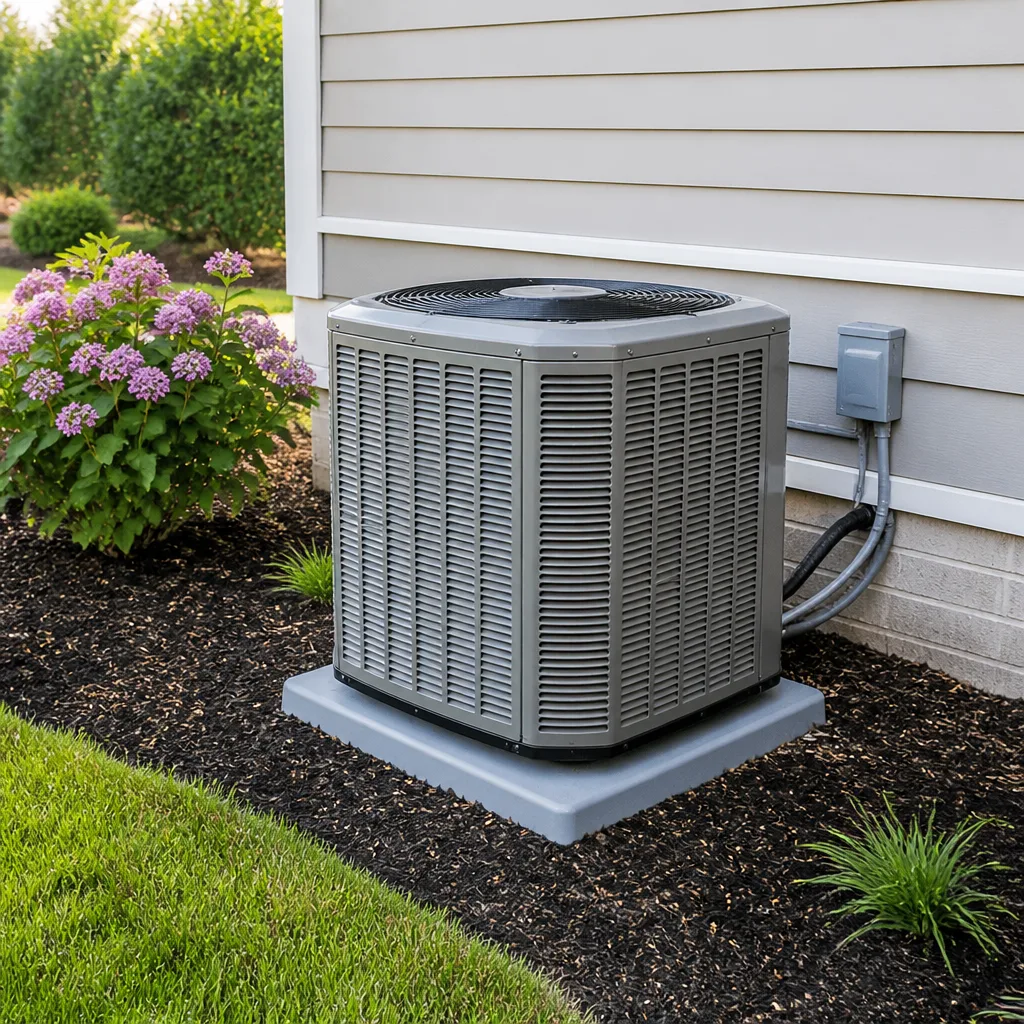 AC repair
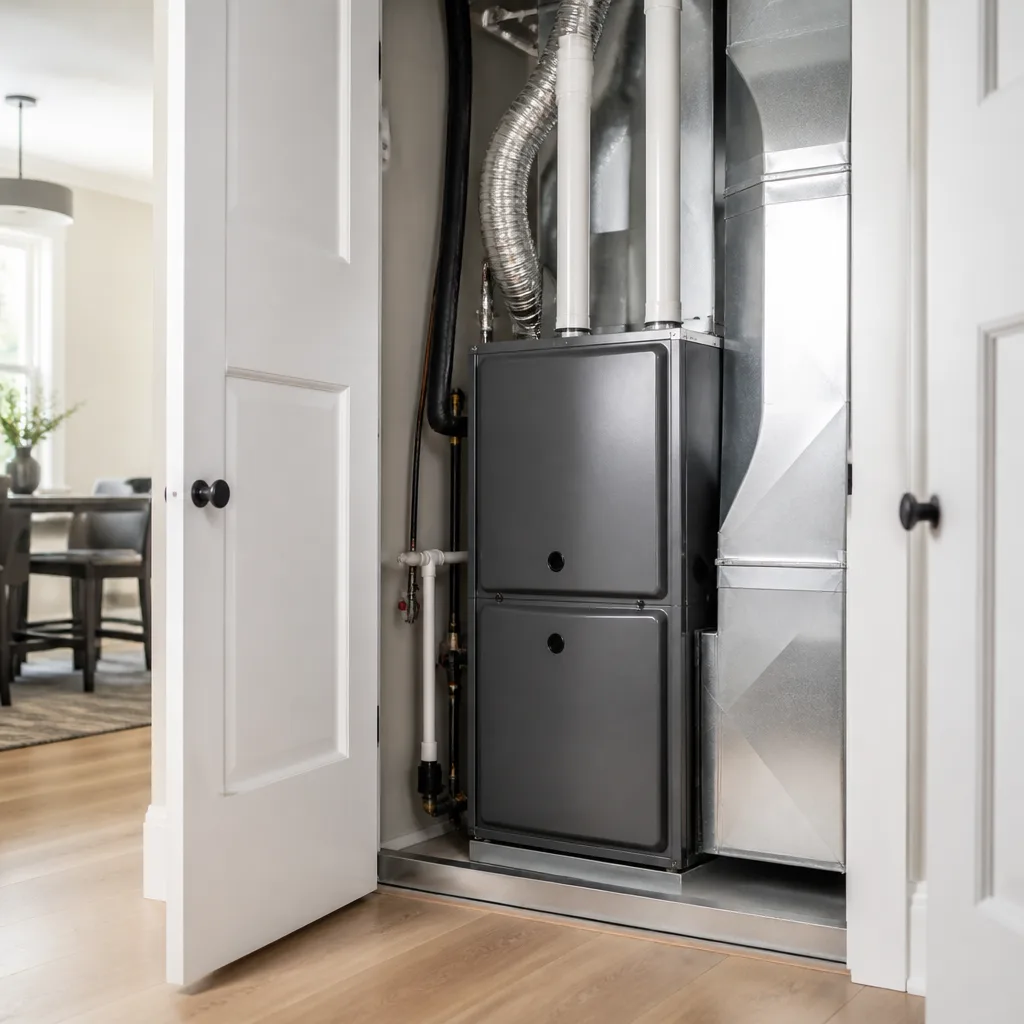 Furnace & heating
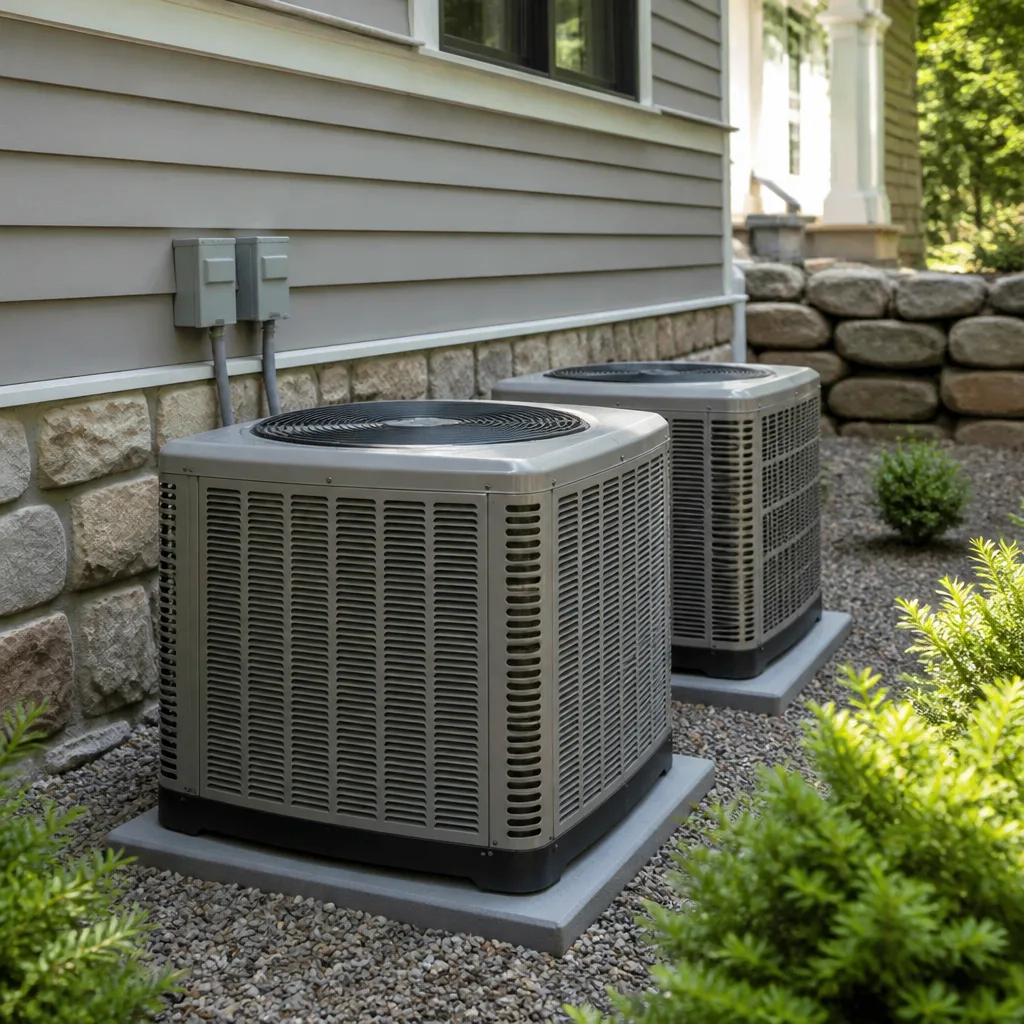 Heat pumps
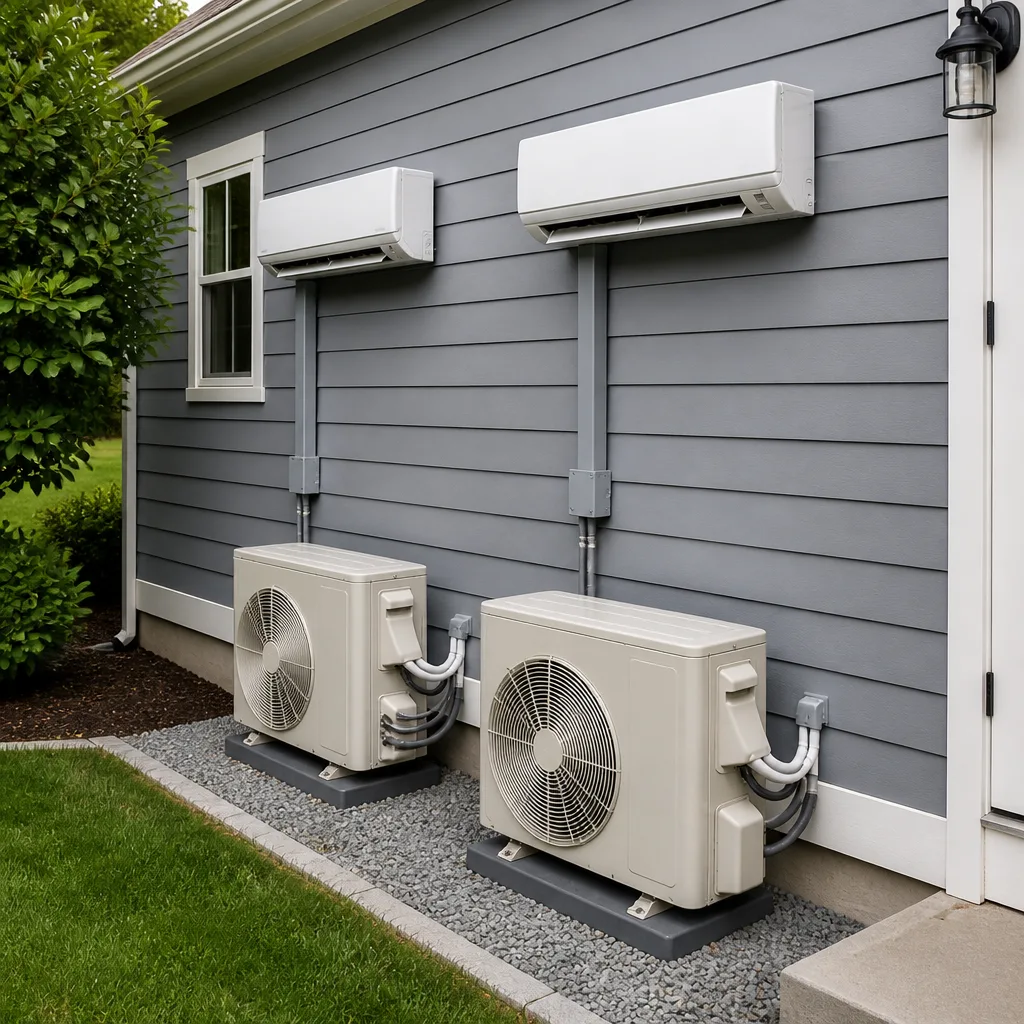 Ductless mini splits
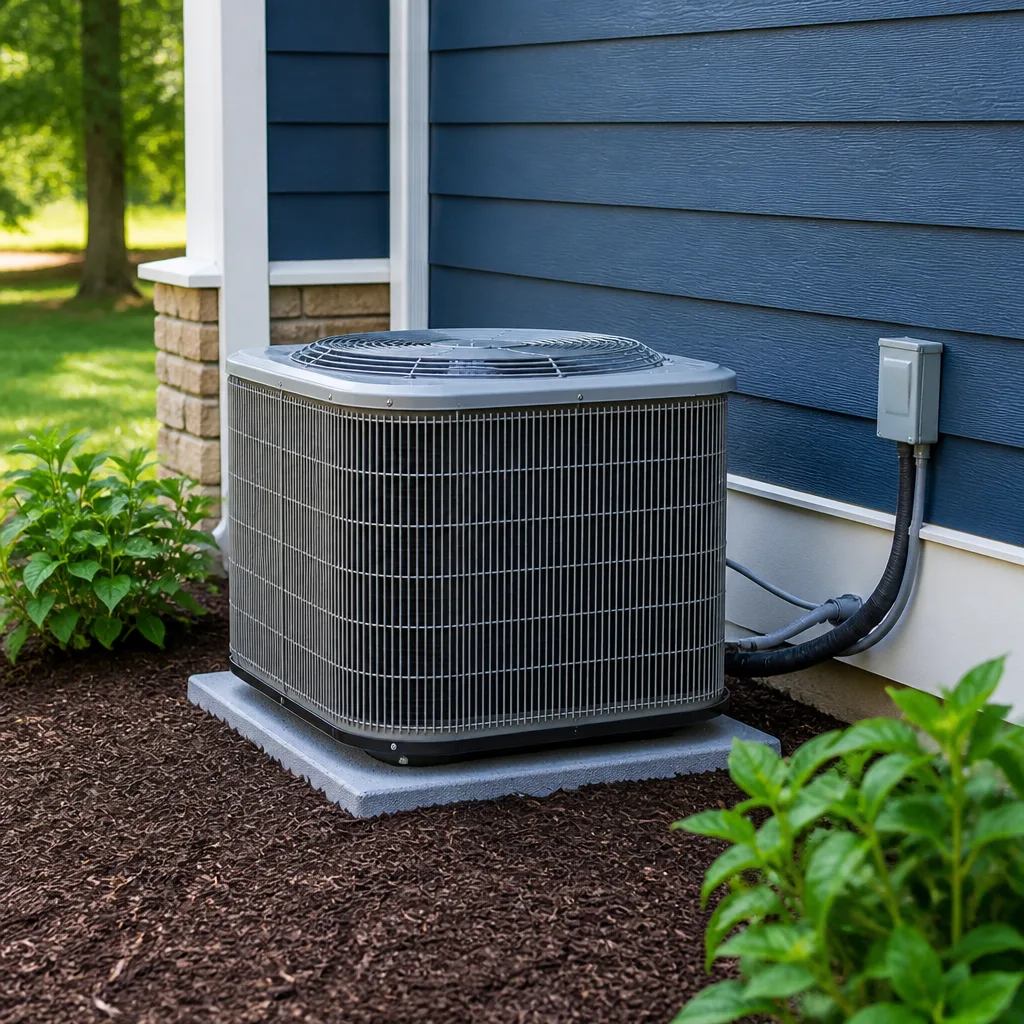 Carrier
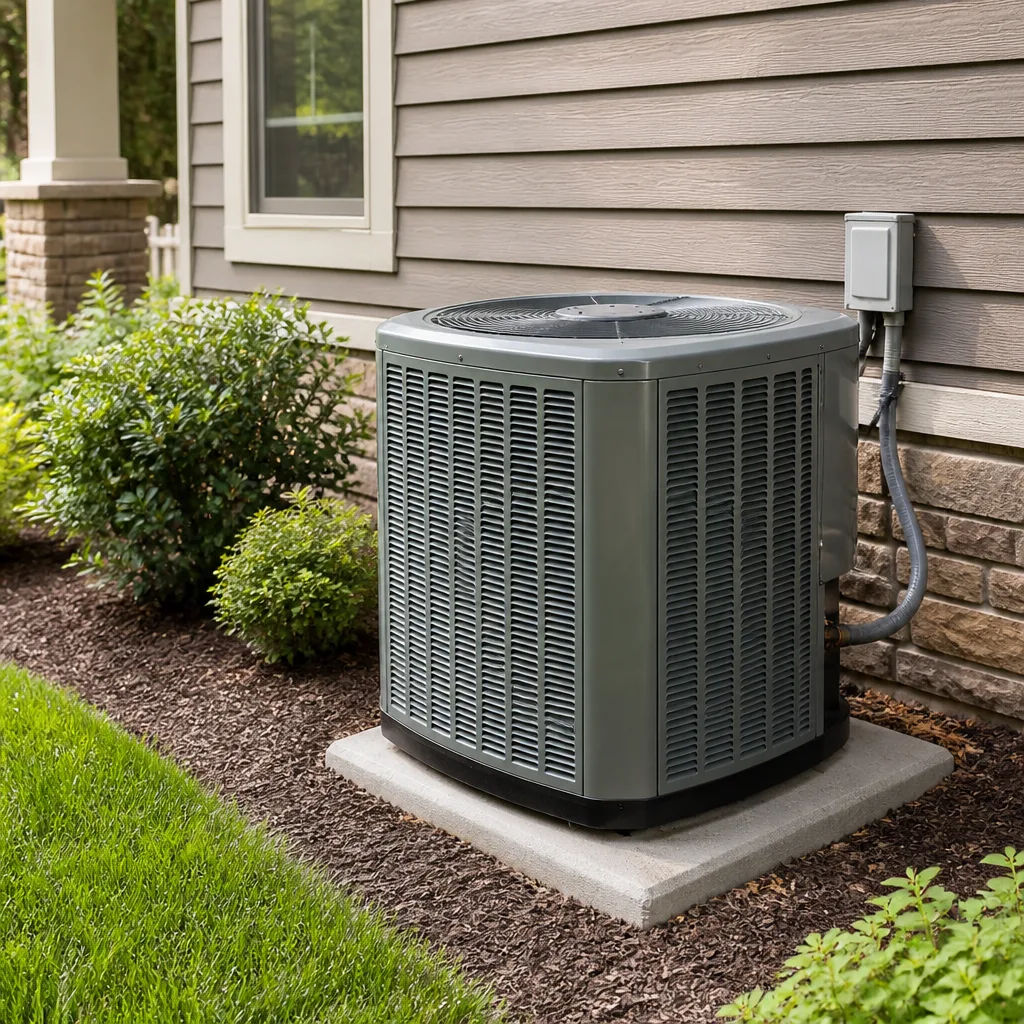 Trane
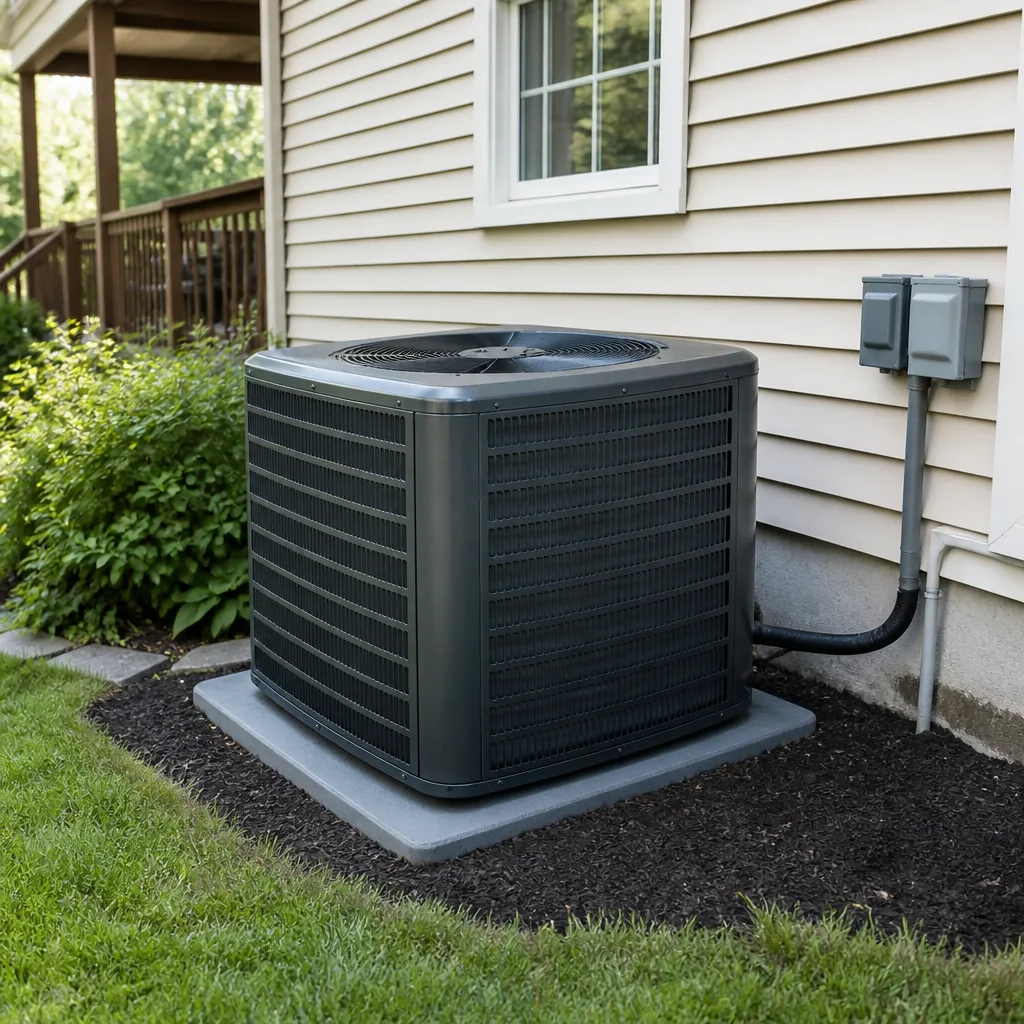 Goodman
Seasonal tune-up and full diagnostic on your Carrier, Trane, or Goodman system - readings shown to you before any repair is proposed
Diagnosis first, numbers second - you approve the repair price before a single part goes in.
Get your free estimateHVAC Permits, Codes & Inspections in NV: What You Need to Know
Every month, a homeowner near us hears a number that changes their plans: a buyer’s inspector flagged the furnace and the AC condenser as unpermitted equipment. The seller thought they’d saved a couple hundred dollars years earlier by letting a handyman swap the system without paperwork. At closing, the demand came in at several thousand dollars to correct, permit, and re-inspect – far more than the original work ever cost. That’s the trap no one warns you about. In this guide we’ll walk through which Nevada HVAC jobs need a permit and which don’t, exactly what a Nevada inspection checks, how unpermitted work collides with insurance claims, who is legally accountable when it fails, and what to do if you discover a past owner skipped the permit. If you own a home in Winchester, this is the paperwork that protects you.
Quick Answer
In Nevada, virtually any HVAC replacement – a new furnace, a new AC condenser, a new heat pump, a full system swap, or a new air handler/coil – requires a local building permit and inspection before it’s considered legal. Straight repairs, like replacing a capacitor, a thermostat, a blower motor, or refrigerant recharges, generally don’t. The permit matters because it’s the only third-party verification that the work was installed to code.
Styles & brands we work with
- AC repair
- Furnace & heating
- Heat pumps
- Ductless mini splits
- Carrier
- Trane
- Goodman
Table of Contents
- Which HVAC Jobs Require a Permit in Nevada?
- The Real Line Between Repair and Replacement
- What a Nevada HVAC Inspection Actually Covers
- How Unpermitted Work Affects Homeowner’s Insurance Claims
- Who Pulls the Permit, and Who Is Liable If They Don’t
- What to Do If You Discover Unpermitted HVAC Work
- Nevada’s Climate and Winchester Reality
- Common Mistakes to Avoid
Which HVAC Jobs Require a Permit in Nevada?
Nevada’s building codes are adopted at the state level but enforced by the individual city or county building department. That means a homeowner in Winchester operates under the jurisdiction of their local building authority, and the specifics can vary slightly from Reno or Las Vegas. The general rule, though, is consistent: any work that changes the equipment or its capacity or location requires a permit.
What reasonably requires a permit in Nevada:
- Replacing a furnace – gas or electric, straight swap or upgrade
- Replacing an AC condenser or air handler – even a like-for-like model change
- Installing a new heat pump or a mini-split system
- Adding a new circuit or running new electrical to HVAC equipment
- Modifying ductwork in a way that changes system capacity or location of registers
- Adding a new gas line or relocating an existing one for HVAC equipment
- Converting a system from one fuel type to another (e.g., electric furnace to gas)
- Any commercial HVAC installation or major replacement
What generally does not require a permit:
- Simple repairs – capacitors, contactors, thermostats, ignitors, flame sensors
- Refrigerant recharge or leak repair (though EPA certification is still required)
- Filter changes and routine maintenance
- Cleaning or minor duct sealing at accessible joints
- Blower motor replacement in an existing air handler
The gray zone is where most problems start. Swapping a failed 3-ton condenser for another 3-ton condenser sometimes gets waved through. In Winchester, a straightforward replacement still requires a permit – and that’s a good thing for you, because it’s the inspection that confirms the install was done to code. See our AC Repair & Installation in Winchester guide for what a proper install should include.
The Real Line Between Repair and Replacement
Builders and inspectors draw a sharper line than most homeowners expect. The question isn’t “did you take out the old box and put a new one in,” it’s “did the scope of the work change the equipment, its capacity, or its connection to the home.” That’s the line that decides permit obligation.
Here’s how we sort it in our heads, and how we explain it to homeowners in Winchester:
- Component-level repair – a failed blower motor, a bad control board, a burnt ignitor. No permit. The equipment stays in place, everything else stays the same.
- Refrigerant-side work – evacuation, recharge, adding a Schrader valve or a service port. No permit, but the technician must hold EPA Section 608 certification. If they can’t show it, stop the work.
- Like-for-like replacement of the same model class – out with the old condenser, in with the new one. Permit required. The inspection verifies the electrical disconnect, refrigerant lines, and clearances.
- Capacity or equipment change – upsizing from 2.5 to 3 tons, going from a gas furnace to a heat pump, or adding a second zone. Permit and inspection required. Load calculation and duct design often come into play, which is why these jobs are quoted in advance rather than rushed.
- Duct and gas line changes – anything that alters the delivery of air or fuel to the equipment. Permit required. Gas line work in particular is not a homeowner or handyman job.
The temptation in a 100-plus-degree Winchester summer is to get the coolest air flowing as fast as possible. A quick unpermitted swap can feel like the shortcut. It’s the wrong shortcut. The permit is your paper trail.
What a Nevada HVAC Inspection Actually Covers
The inspection isn’t a rubber stamp. An inspector is looking for specific, code-driven items, and a fail means the system can’t legally be energized until the corrections are made. Here’s what they check:
- Refrigerant line sizing and routing – line length, diameter, and insulation match the manufacturer’s specifications. Undersized lines are a common find on rush jobs.
- Electrical disconnect requirements – a properly located, properly rated disconnect within sight of the outdoor unit, with correct wire gauge and breaker sizing.
- Thermostat wiring and low-voltage connections – correct terminal mapping, no stray wires, no sketchy splices behind the wall.
- Equipment clearances – required distance to walls, fences, and other obstructions for service access and airflow. In tight Winchester side yards, this trips more installs than anything else.
- Condensate management – primary and secondary drain lines, float switches, and proper termination. A missed secondary line on an attic air handler is a slow-motion water damage claim.
- Gas piping and flue venting (for gas furnaces) – leak test, proper flue material, correct rise and termination.
- Combustion air and venting – critical for any gas-fired equipment, and one of the reasons we never recommend DIY around gas lines.
- Load and duct documentation – the inspector may ask for a Manual J load calculation and duct sizing to confirm the new system is appropriate for the home.
If any of that sounds like house inspection minutiae, remember what it’s really confirming: that the equipment in your home was installed to a standard someone other than the installer was willing to sign off on.
How Unpermitted Work Affects Homeowner’s Insurance Claims
Here’s the part almost no one thinks about until it’s too late. Your homeowner’s policy covers the structure of your home and the systems in it, but it assumes the systems were installed legally and to code. When an adjuster investigates a claim and finds unpermitted HVAC work, they have two questions: did the unpermitted work cause the loss, and was the work done to code?
If the answer to either is “we’re not sure,” the payout can stall, shrink, or disappear. The scenarios we’ve seen play out:
- A fire at the air handler – if the electrical work to the unit was never inspected, the insurer can argue the fire stemmed from a non-code install and deny or reduce the claim.
- Water damage from a condensate line – if the secondary drain wasn’t installed to code, the adjuster can treat the resulting damage as preventable.
- CO exposure from a furnace – if the flue was improperly vented, and no inspection was ever done, you’re carrying the risk both physically and financially.
- Remediation demands at resale – a buyer’s inspector flags unpermitted equipment, and the deal requires it be fixed. We’ve seen remediation demands land in the thousands of dollars.
If your home insurance carrier ever sends a letter asking for proof of permitted work, that letter is not the moment to start looking for a handyman who “has a guy.” Your Heating & Furnace in Winchester installation should come with a permit and an inspection record, no exceptions.
Who Pulls the Permit, and Who Is Liable If They Don’t
In Nevada, the licensed contractor installing the equipment is responsible for pulling the permit. That’s the tradeoff of holding a license: the contractor owns the paperwork. The homeowner’s obligation is to hire a licensed contractor, get the permit pulled, and keep the paperwork.
What happens when nobody pulls the permit:
- The contractor is subject to disciplinary action. The Nevada State Contractors Board can fine, suspend, or revoke a license for working without permits. If they weren’t licensed at all, they’re operating illegally, and your recourse is limited.
- The homeowner holds the correction liability. If the work fails or the home sells, the current owner is on the hook to correct it, permit it, and pass inspection – even if someone else did the install.
- Insurance exposure shifts to the homeowner. An unpermitted system becomes your problem because the installer is either unreachable, uninsured, or has disappeared.
- Warranty coverage gets murky. Equipment manufacturers (Trane, Lennox, Goodman, Rheem, and the rest) can deny warranty claims when an installation violated code. A manufacturer doesn’t have to replace a compressor that was never legally installed.
We mention this because we’ve walked into attics in Winchester where the previous install was clearly done without a permit, and the homeowner is the one writing the check to correct it. That’s the opposite of a square deal.
What to Do If You Discover Unpermitted HVAC Work
Let’s say you just bought a house, or you’ve owned one for years, and you’ve confirmed the HVAC work was done without a permit. The good news: Nevada’s building departments do have a retroactive permit process. It takes some effort, but it’s fixable, and getting it fixed protects you far more than hoping it doesn’t come up.
Here’s the sequence we walk homeowners through:
- Pull the permit history. Contact your city or county building department and request any permits on record for your address. This tells you exactly what was and wasn’t permitted. It’s usually free or cheap.
- Get the system inspected. A licensed HVAC contractor – us or another qualified company – evaluates the system against current code, documents deficiencies, and provides a written report.
- Apply for a retroactive permit. Your building department will typically allow an existing system to be permitted retroactively, but they will likely require inspection and any corrections to be made first.
- Make the corrections. This is usually the electrical disconnect, refrigerant line sizing, secondary condensate line, or gas venting. In our experience, corrections run most commonly in the hundreds to low thousands of dollars.
- Pass the inspection and keep the paperwork. The inspection record is your legal documentation for insurance, resale, and any future claims.
Start the retrofit early. The worst version of this process is starting it two weeks before closing on a sale. Our Heat Pump & Mini Split in Winchester team handles the evaluation piece of that sequence often, and we’re happy to help.
Nevada’s Climate and Winchester Reality
Nevada’s climate puts HVAC equipment through more than most states. Winchester summers push past 110°F on regular afternoons; the same system has to survive a hard winter swing when overnight temps hit the 30s. A properly permitted install handles both. A rushed, unpermitted install often doesn’t – the most common shortcut we see is an undersized disconnect or a condenser pushed too close to a wall, and both become failures in the first July or the first January.
The Winchester housing stock adds a wrinkle. A lot of the homes were built in the 1980s and 1990s, which means equipment is often on its second or third replacement. Duct systems are original, gas lines run through tight chases, and electrical panels may not have adequate capacity for a modern heat pump. In our experience, those older installs are where the permit history is most likely to be incomplete – and where an inspection finds the most to correct. Reno’s colder winters get more attention for furnace code, but Winchester’s heat is what punishes a shortcut install. The 2023 code cycle’s updates to outdoor unit clearance and secondary drain requirements are also more relevant than ever in tight, hot yards.
That’s why we treat permitting as part of the job, not an upsell. The permit isn’t paperwork for the building department’s benefit. It’s the third-party verification that the work was done right. For a broader picture of what a code-compliant install looks like on our side, see Fireside Heating & Air Co. Winchester home.
Common Mistakes to Avoid
- Letting the contractor “handle it later.” The permit is pulled before work starts, not after. If a contractor tells you the permit will come through “next week,” the work is already behind schedule.
- Confusing “no permit needed” with “no inspection needed.” They’re the same thing in Nevada. If the job needs an inspection, it needs a permit.
- Hiring a license-less handyman for a full replacement. If the person can’t produce a Nevada contractor’s license, they can’t legally pull the permit either, and your insurance exposure grows.
- Not checking permit history before you buy. A $30 or free records request before closing is the cheapest insurance you’ll ever buy on a Winchester home.
- Skipping the load calculation to save a few hundred dollars. Undersized equipment works harder and fails faster. An inspector who sees no Manual J on file will often require one.
- Assuming the seller disclosed unpermitted work. Nevada requires disclosure of known defects, but not necessarily permit gaps. Assume nothing and verify.
- Letting the homeowner pull the permit “to save money.” It doesn’t. It moves the liability from the contractor to you, and the contractor is still the one doing the work.
See the difference
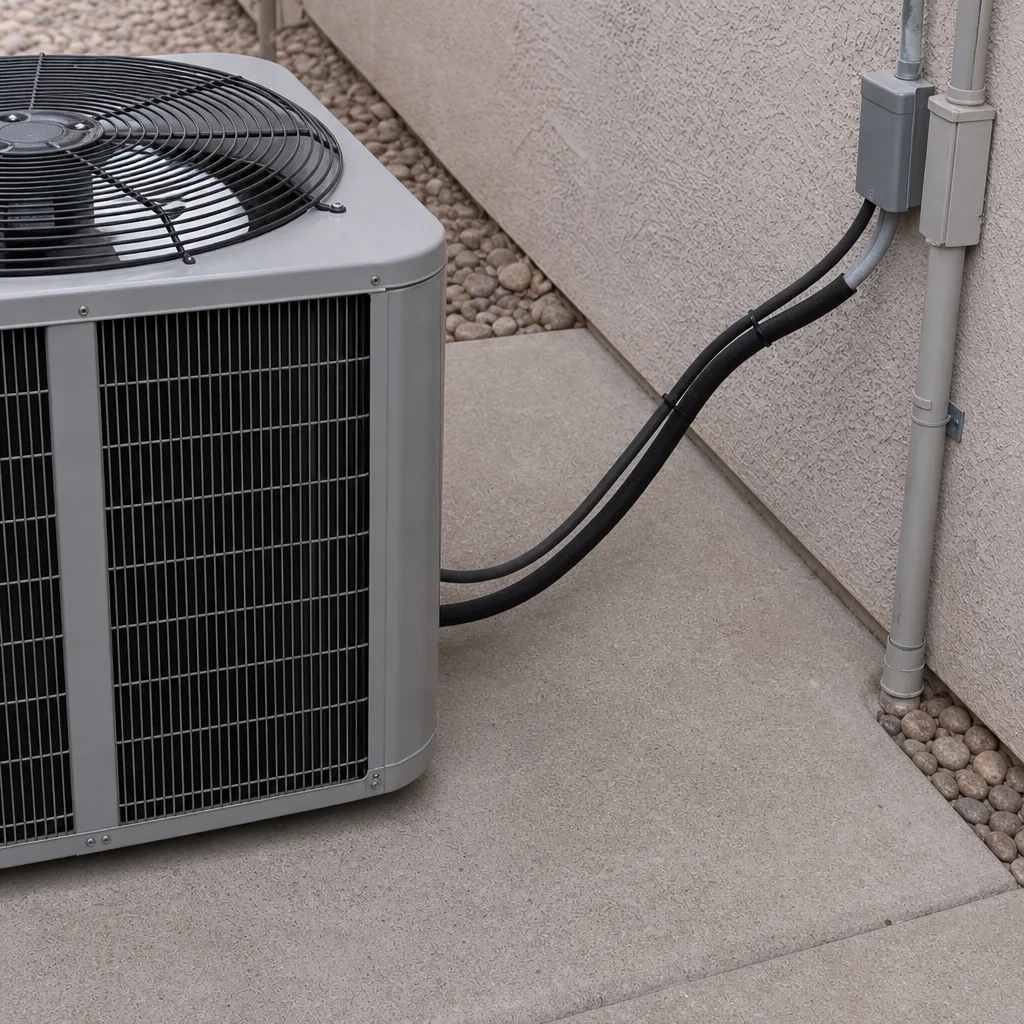
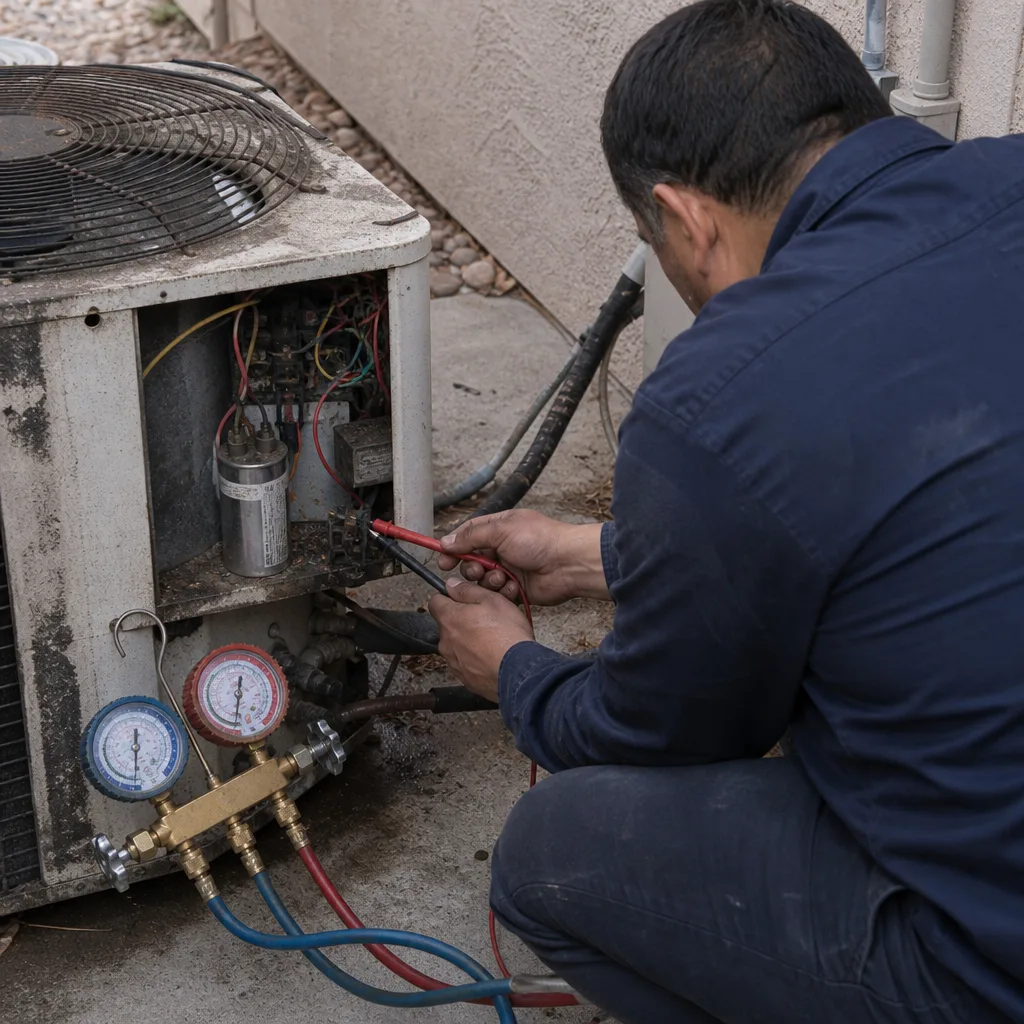 Before
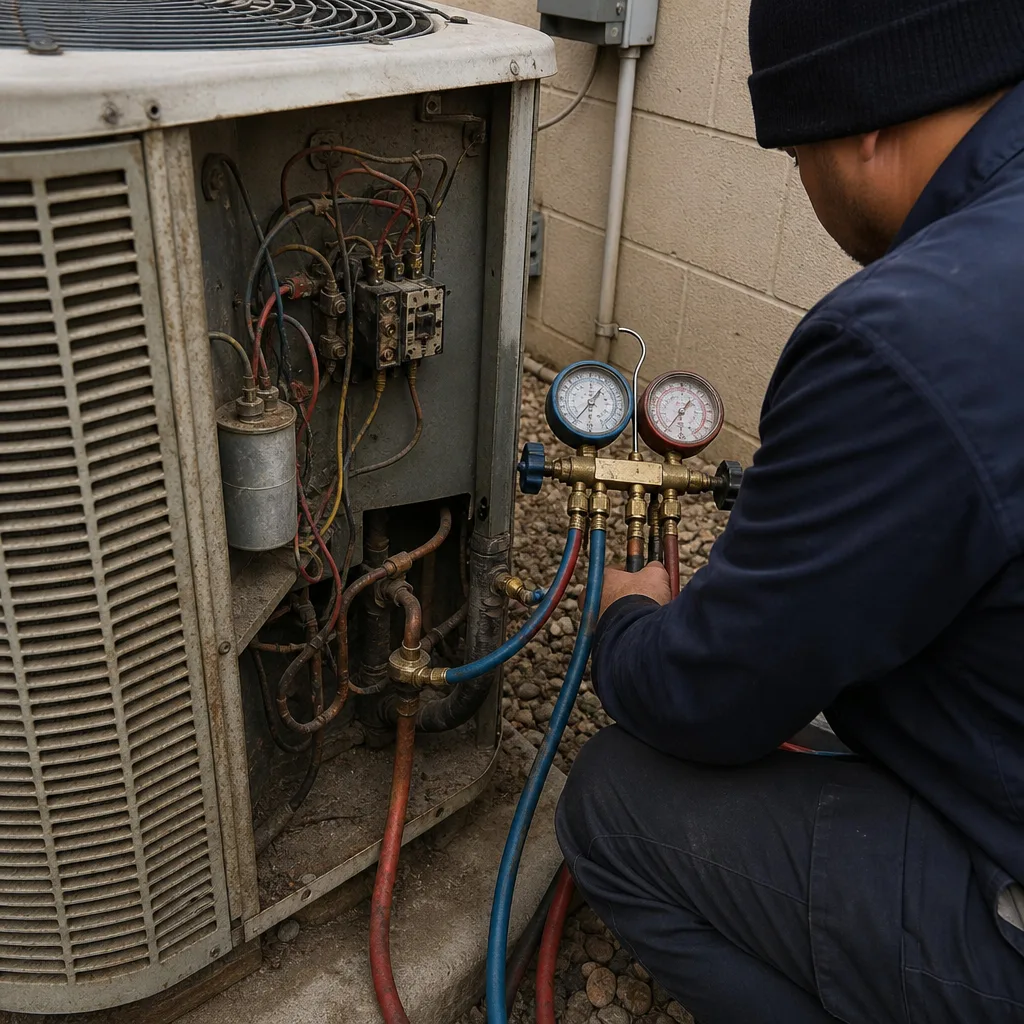
 After
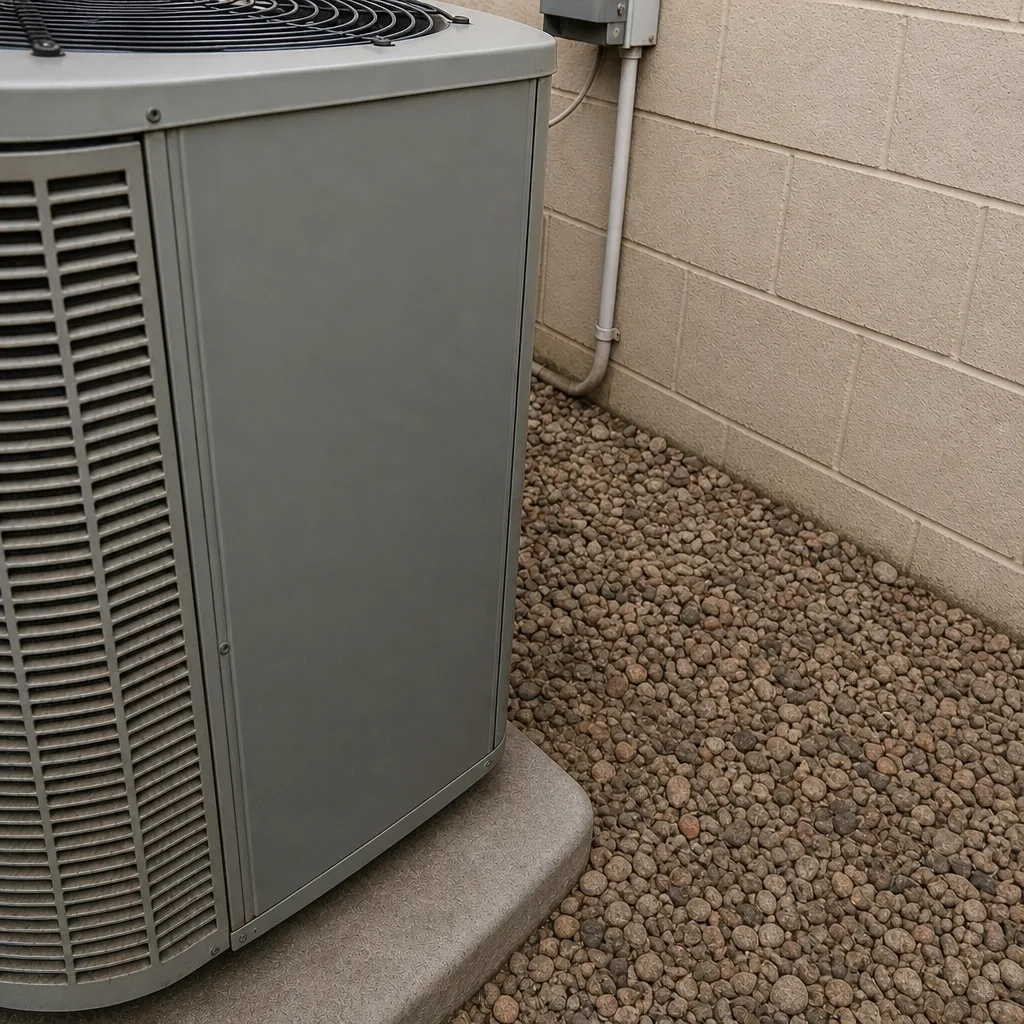
 Before
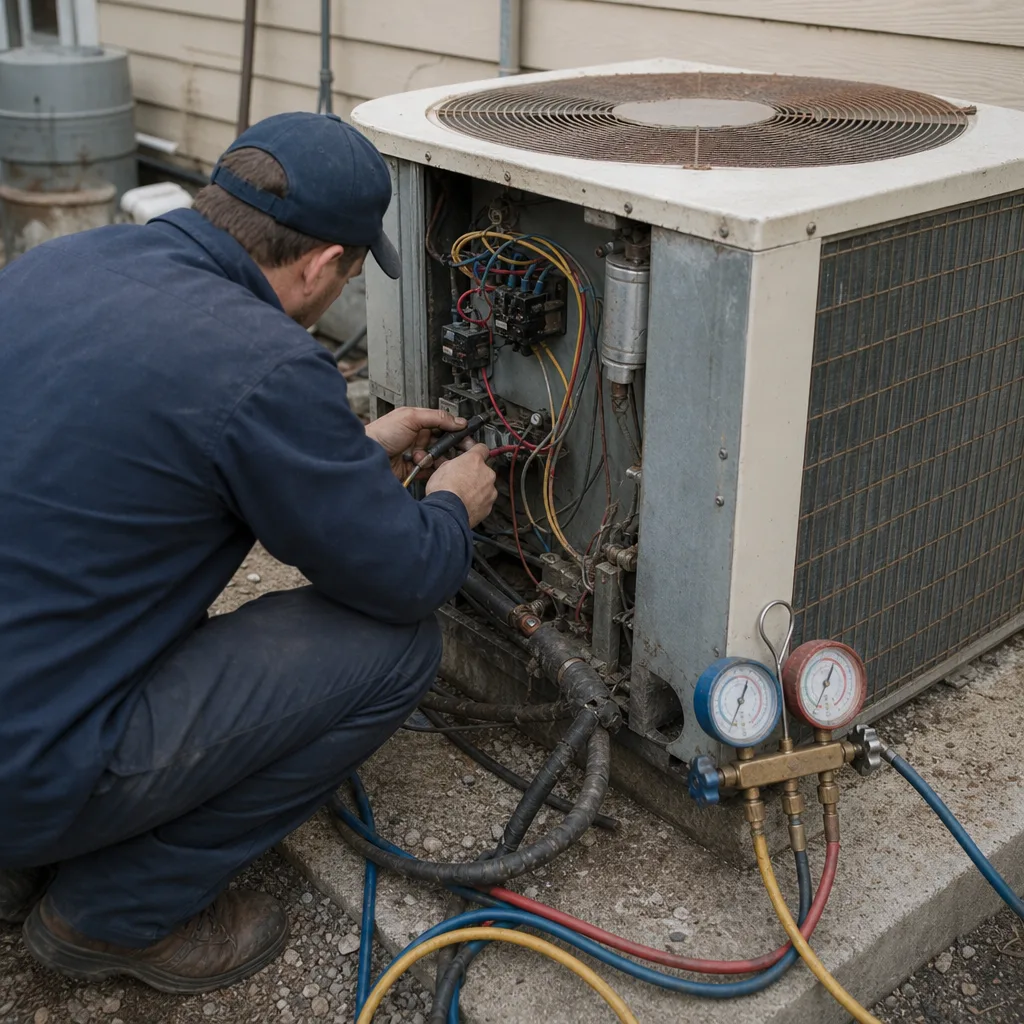
 After
 Before
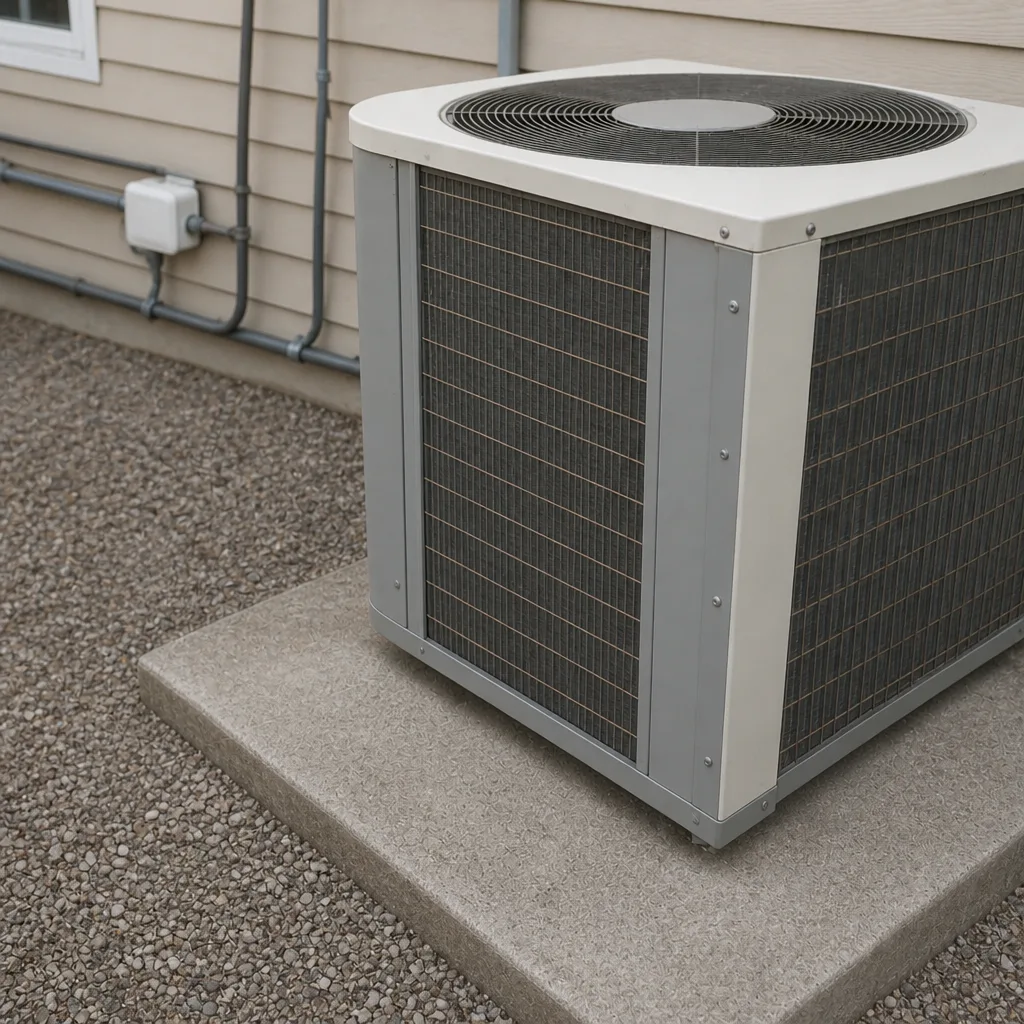 After
When to Call a Professional
Call us if any of these sound familiar: you’ve found unpermitted HVAC work and need a code evaluation, you’re preparing to sell and want to confirm the permit history is clean, your insurer has asked for documentation, or the equipment you’re running today was installed by someone whose license you can’t verify. Those are all jobs to hand to a licensed contractor, not a handyman. Gas lines and high-voltage HVAC connections are dangerous, and the permit is the only paper trail that catches a mistake before it becomes a fire, a CO problem, or a claim denial. Fireside Heating & Air Co. Winchester offers free estimates in Winchester – call (844) 783-5043. Our technicians have up to 8 years of experience, we’re licensed and insured, and every job is backed by our 90-Day Done Right Promise.
Frequently Asked Questions
Yes. In Nevada, replacing an AC condenser, air handler, or coil requires a permit and an inspection in virtually every jurisdiction. The permit is what triggers the electrical, refrigerant line, and clearance checks that confirm a code-compliant install. Call (844) 783-5043 if you need one evaluated before or after the fact – estimates are free.
The licensed contractor is legally responsible for pulling the permit. The homeowner’s obligation is to verify the permit was pulled, keep the paperwork, and confirm the inspection passed. If the contractor skips it, the homeowner ends up carrying the correction liability at resale or claim time. Call (844) 783-5043 for a permit check on your Winchester home.
You can retroactively permit the work through your local building department, which requires an inspection, a code evaluation, and corrections to any deficiencies before the permit is issued. It’s a fixable problem, but start early – especially if you’re preparing to sell. Call (844) 783-5043 and we’ll walk you through the evaluation step.
It can. If a fire or water damage claim traces back to non-code HVAC work – like a missing secondary condensate line or an improper electrical disconnect – the insurer may reduce or deny the payout. The safest position is a permitted install with an inspection record on file. Call (844) 783-5043 to review your options.
An inspector verifies refrigerant line sizing, electrical disconnect, thermostat wiring, equipment clearances, condensate management, gas piping and venting (for gas units), and often the load calculation documentation. Failures on clearance and secondary drain lines are common. Call (844) 783-5043 to get ahead of it – estimates are free.
Permit fees themselves are usually in the low hundreds of dollars, and the inspection is scheduled by the building department, not billed separately to you. The bigger cost is correcting an unpermitted install after the fact, which runs many times the initial permit fee. Call (844) 783-5043 for a free quote on the full scope – permit work included.
The Bottom Line
A permit is not bureaucratic overhead. It’s the third-party verification that the HVAC work in your home was done correctly, and it’s the single piece of paperwork that protects you at resale, at claim time, and when the equipment fails young. Nevada requires permits for replacements, equipment changes, and duct or gas line modifications; straight repairs usually don’t need one. If you’ve inherited unpermitted work, the retroactive permit process is real and fixable – start early. And the next install in your Winchester home should come with a permit, an inspection, and a written guarantee. That’s the standard we hold ourselves to. Call Fireside Heating & Air Co. Winchester at (844) 783-5043 for a free estimate on any HVAC work – we’ll quote the permit into the job, stand behind it in writing for 90 days, and answer the phone with a live person when you call.
Related Reading
- AC Repair & Installation in Winchester
- Heating & Furnace in Winchester
- Heat Pump & Mini Split in Winchester
- Fireside Heating & Air Co. Winchester home
Written by the team at Fireside Heating & Air Co. Winchester.