
Last updated November 18, 2026
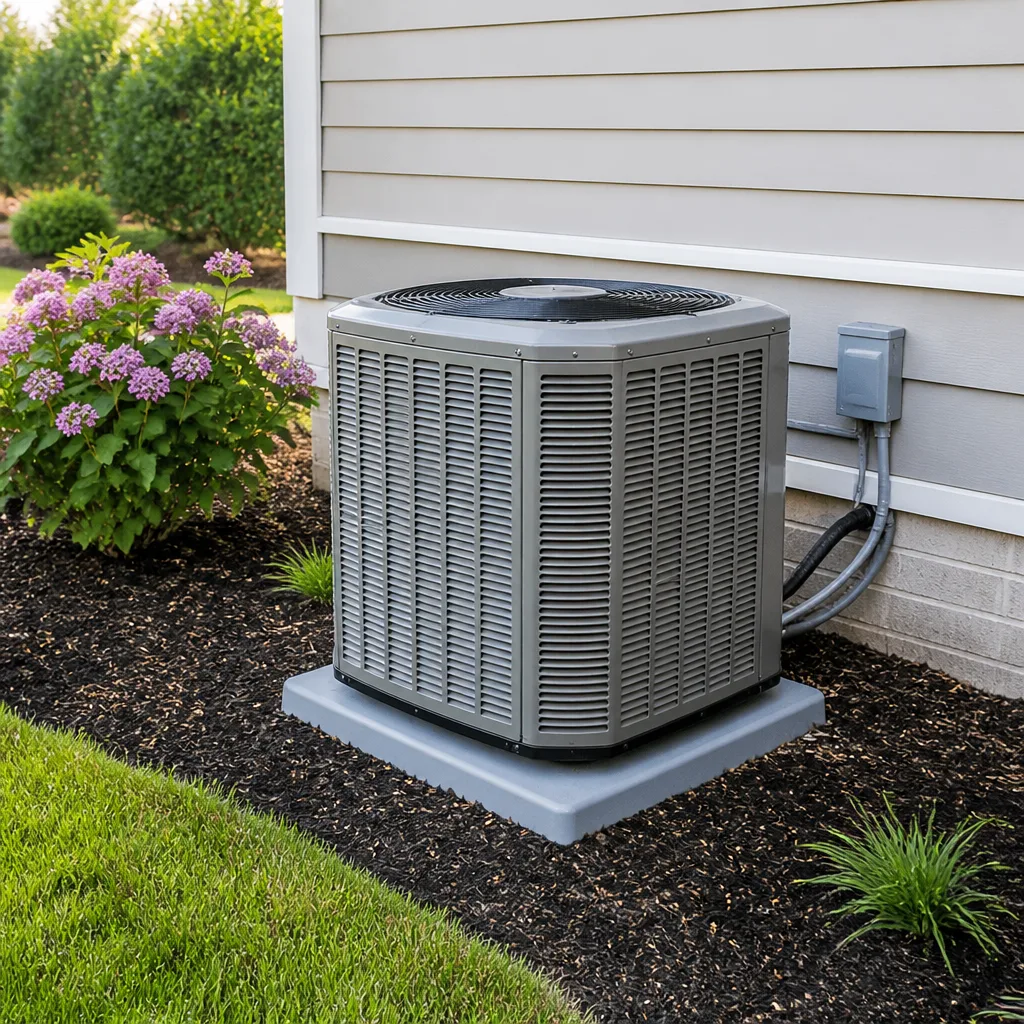 AC repair
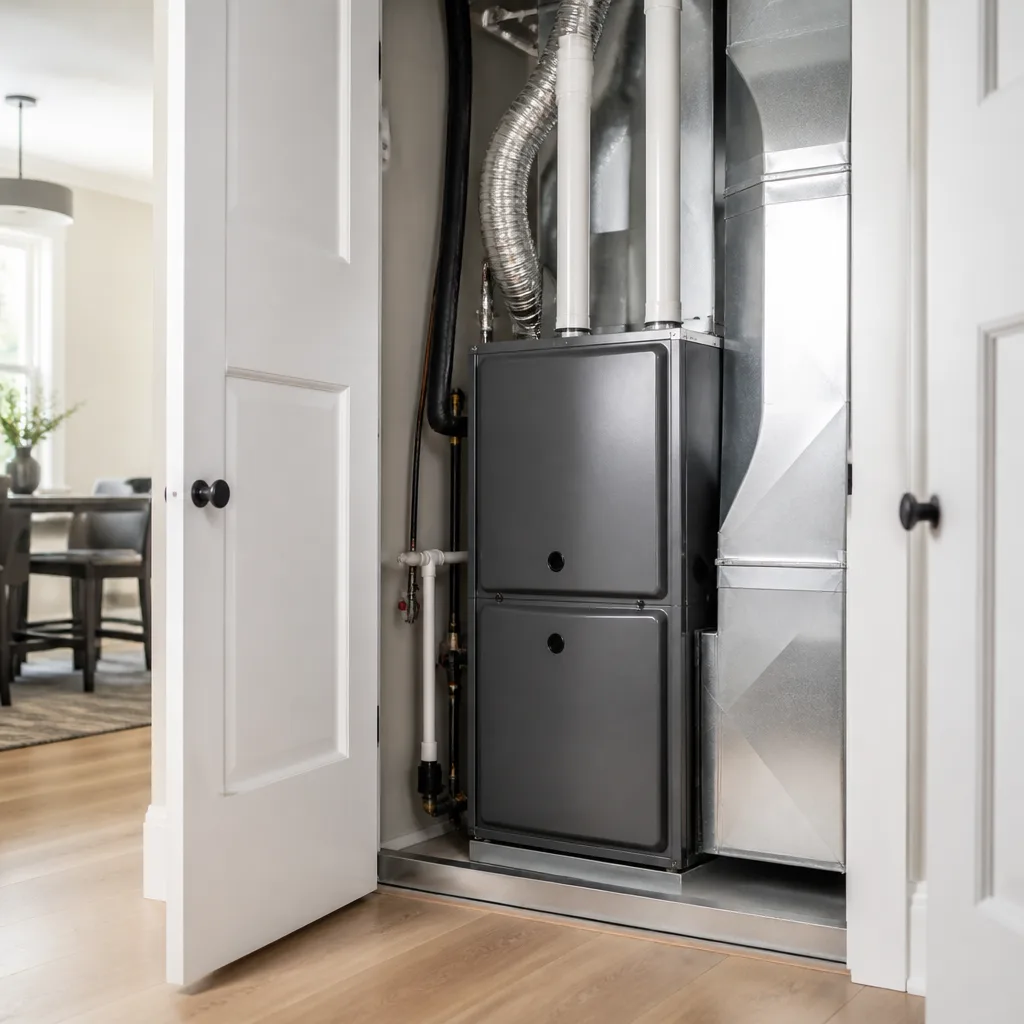 Furnace & heating
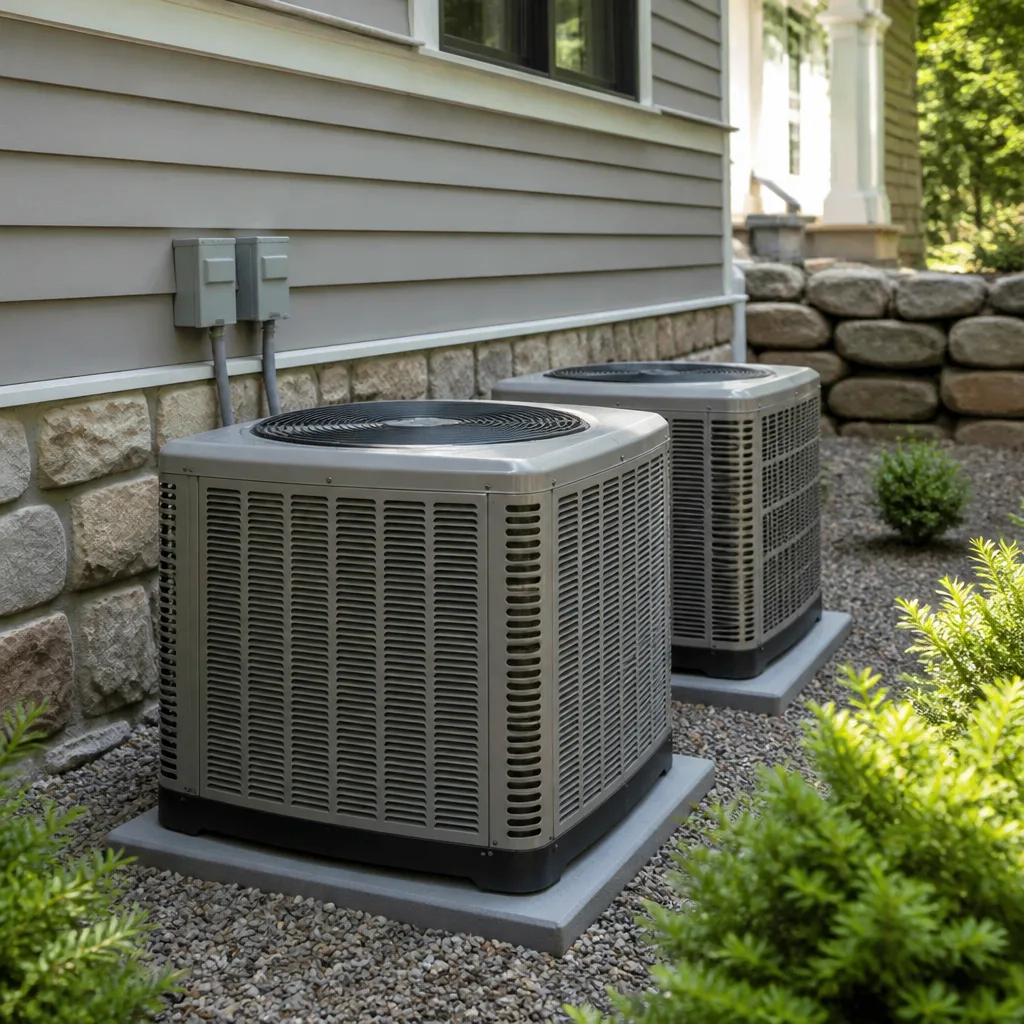 Heat pumps
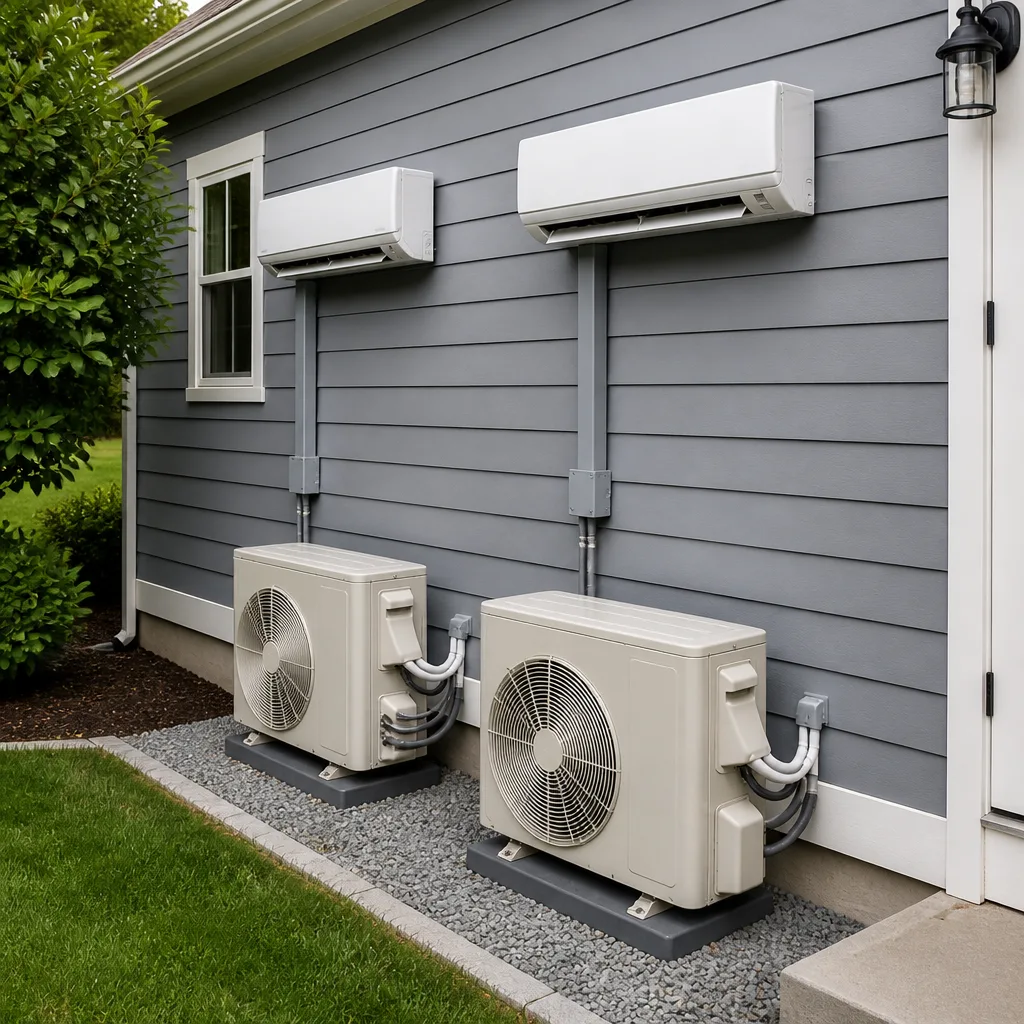 Ductless mini splits
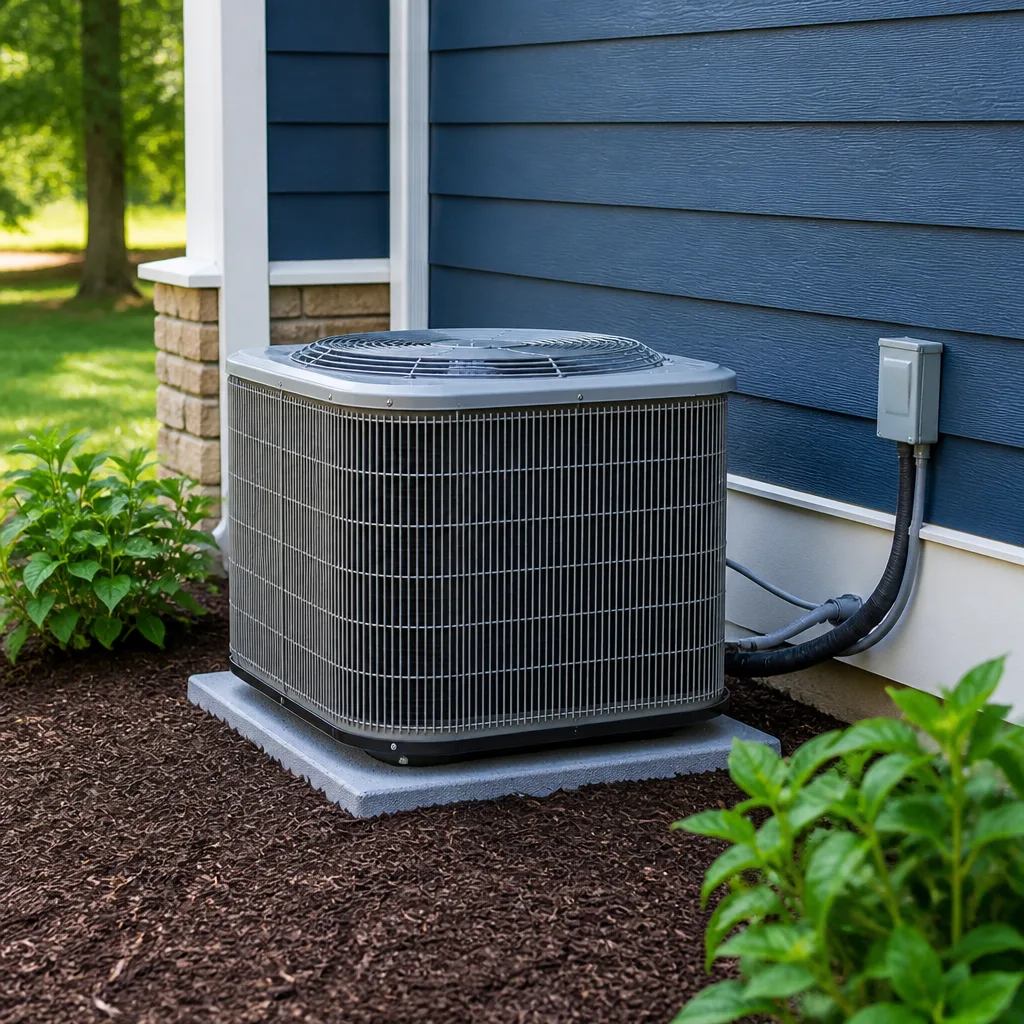 Carrier
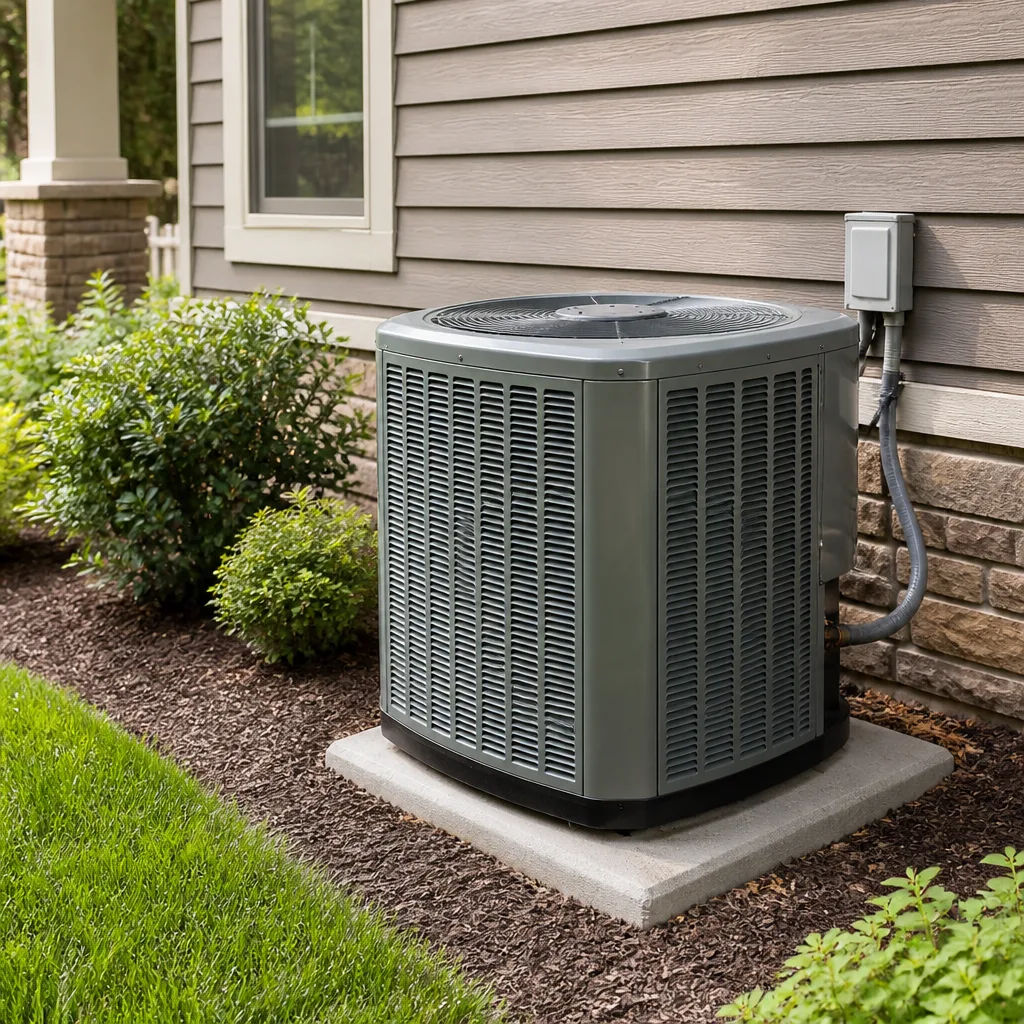 Trane
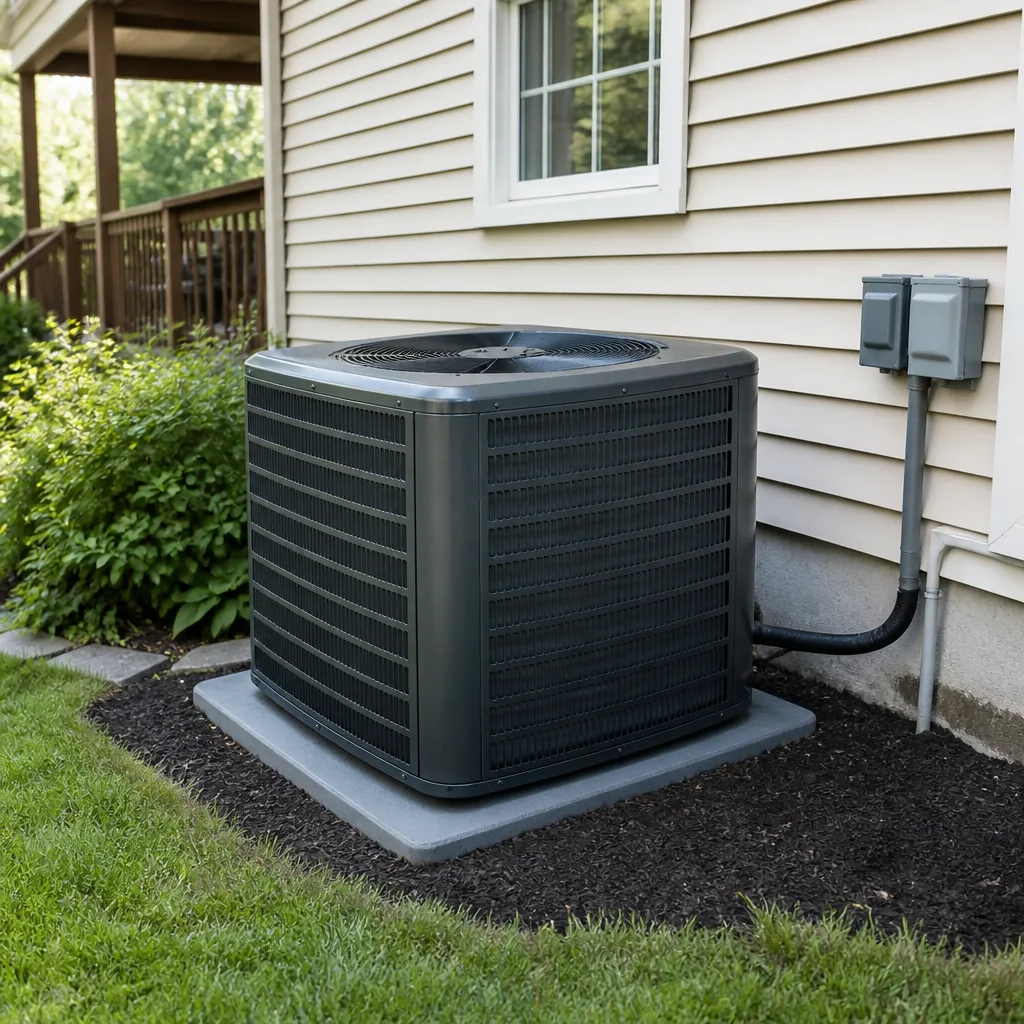 Goodman
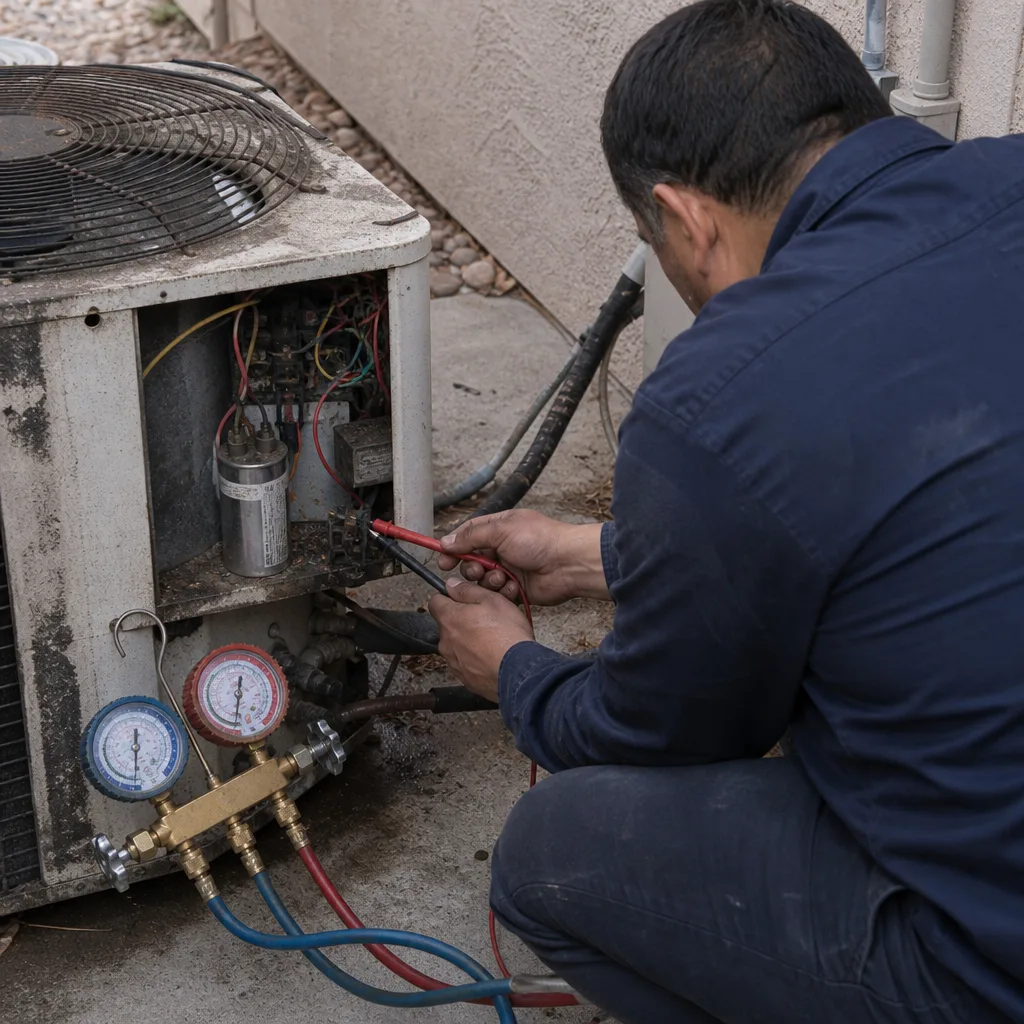
Seasonal tune-up and full diagnostic on your Carrier, Trane, or Goodman system - readings shown to you before any repair is proposed
Diagnosis first, numbers second - you approve the repair price before a single part goes in.
Get your free estimateThe Complete Guide to HVAC in Winchester
Winchester sits at roughly 6,000 feet elevation, which means your air conditioner is already working against thinner air before the first 100-degree day even arrives – a fact most installers never mention at the quote. Add a climate that swings from late-spring cold snaps to monsoon humidity spikes to early-fall freezes, and you have one of the toughest HVAC environments in Nevada. Equipment sized for Las Vegas or Reno will underperform here. This guide explains exactly why, and what to do about it: how elevation changes capacity ratings, why load calculations matter more in Winchester than almost anywhere, what the housing stock means for ductwork, and how to tell a real quote from a guess.
Quick Answer
HVAC in Winchester is defined by altitude and temperature swing: at about 6,000 feet, air conditioners lose a measurable share of their rated capacity, furnaces gain a little heating output, and efficiency numbers tested at sea level no longer tell the whole story. A system that performs well in Winchester needs a room-by-room Manual J load calculation done for this elevation and climate – not a square-footage rule of thumb – plus ductwork matched to homes largely built between the 1970s and 1990s.
Styles & brands we work with
- AC repair
- Furnace & heating
- Heat pumps
- Ductless mini splits
- Carrier
- Trane
- Goodman
Table of Contents
- How Winchester’s elevation changes HVAC performance
- The Winchester seasonal pattern and what it means for your system
- Why SEER ratings are tested at sea level (and what that means here)
- Manual J versus square-footage sizing: the difference that matters
- How Winchester’s housing stock shapes ductwork and equipment choices
- What HVAC work costs in Winchester
- A maintenance calendar that fits Winchester’s climate
- Common mistakes to avoid
How Winchester’s elevation changes HVAC performance
Every air conditioner carries a rated cooling capacity, usually expressed in tons or BTUs per hour, and that rating assumes sea-level air density. As you climb, air thins. There’s less mass moving across the evaporator coil per cubic foot, so the coil absorbs less heat per minute. In practice, a system rated at 3 tons at sea level delivers meaningfully less real cooling at 6,000 feet. We’ve measured the gap often enough to plan for it: in Winchester, cooling capacity needs a correction upward, and the typical 400 square feet per ton rule starts producing undersized systems above about 4,000 feet.
Heating works the other way. Combustion equipment draws less oxygen per cubic foot at altitude, so gas furnaces are derated for elevation – the nameplate input gets adjusted downward, typically around 4 percent per 1,000 feet, and burner orifices often need changing to keep the flame clean. A furnace installed at sea-level spec in Winchester can run rich, soot up, and lose efficiency.
What this means for you:
- Cooling: plan on capacity margin above the sea-level calculation. An honest quote explains the correction instead of quietly rounding up.
- Heating: confirm the furnace is derated for 6,000 feet, and that the installing contractor checked the manifold pressure and temperature rise after installation.
- Heat pumps: they deliver less heat at altitude too, which is why a proper balance-point calculation matters. Our heat pump and mini split services in Winchester account for this directly.
Most homeowners never hear any of this at the kitchen table. When a contractor sizes by square footage alone, altitude never enters the conversation.
The Winchester seasonal pattern and what it means for your system
Winchester doesn’t get a smooth ramp from spring to summer. It gets a fight. Late-spring cold snaps push overnight temperatures down near freezing after daytime highs have already climbed into the seventies, so a system may cycle between heating and cooling within the same week. Monsoon season brings sudden humidity, which changes how an air conditioner has to run: a unit sized tightly for dry heat will short-cycle on dehumidification and leave the house feeling clammy at 78 degrees even though the thermostat says it’s satisfied. Then early-fall freezes arrive, sometimes before the furnace has had a proper checkup.
That pattern argues for staging and preparedness:
- Late spring: have the AC checked before the first sustained heat, not after it fails. A spring tune-up catches low refrigerant, dirty coils, and failing capacitors before they strand you.
- June through September: expect monsoon humidity spikes. If your home feels damp, ask about airflow and run-time rather than just setting the thermostat lower.
- Early fall: schedule the furnace inspection on the calendar, not the night the first freeze hits. Gas furnaces that sat idle all summer are where surprise no-heat calls come from.
- Winter: keep filters changed and know where your emergency shutoff is. Extreme cold is when a failed ignitor turns into a very long night.
We answer the phone at 2 a.m. for exactly this reason. Heating failures in Winchester tend to happen on the coldest nights, not during business hours. Speedy response is part of our heating and furnace service in Winchester, and it’s the reason the line is answered by a live person around the clock.
Why SEER ratings are tested at sea level (and what that means here)
SEER and its successor SEER2 are efficiency ratings measured under standardized laboratory conditions, and those conditions assume sea-level air density. At 6,000 feet, your equipment operates outside the test envelope. That doesn’t make the rating meaningless, but it does mean you shouldn’t treat a SEER number as a promise of a specific utility bill in Winchester. Two systems with different ratings can perform closer together here than their labels suggest, because the thinner air and longer run-times shift the whole picture.
What to look at instead:
- Correct sizing first. An oversized high-SEER unit short-cycles and wastes the efficiency you paid for. Sizing beats the sticker.
- Duct condition. Leaky ducts in a home built in 1985 can throw away more efficiency than a one-point SEER difference provides.
- Refrigerant and coil match. A mismatched indoor coil quietly erases the rated efficiency. Ask for the AHRI match numbers.
- Altitude derating. For gas equipment, ask for the derate documentation and the post-install combustion check.
When we quote Carrier or Daikin equipment in Winchester, we explain how the published rating is measured and roughly how the local altitude affects real output, so you’re comparing systems on the terms that actually matter here.
Manual J versus square-footage sizing: the difference that matters
A Manual J load calculation measures the actual heat gain and loss of each room: window orientation, insulation, air infiltration, ceiling height, and – in Winchester – the altitude correction and the local design temperatures. The square-footage rule is a shortcut that ignores all of it. In a mild, sea-level climate the shortcut often lands close enough. At 6,000 feet, with a huge daily temperature swing, it fails in both directions: undersizing cooling and misjudging heating.
A proper load calculation follows a defined sequence:
- Measure the house, room by room: square footage, window areas and orientation, insulation values, and duct layout.
- Set local design conditions: winter low and summer high for Winchester’s altitude, not a national default.
- Apply altitude corrections to cooling capacity and heating output.
- Calculate room-by-room loads and select equipment that meets them with correct margin.
- Verify static pressure and airflow after installation so the system delivers what the paper said it would.
If a contractor quotes you a system without measuring a single window, you’ve just been given a guess with a price tag. We run the calculation before we talk equipment, and our AC repair and installation in Winchester starts from a load calculation rather than a rule of thumb.
How Winchester’s housing stock shapes ductwork and equipment choices
A lot of Winchester homes went up between the 1970s and 1990s, and those construction eras bring their own HVAC realities. Homes from the 1970s often have undersized or undersized-by-today’s-standards ductwork, sometimes original rigid metal runs with minimal insulation in an attic that reaches 140 degrees in summer. Homes from the 1980s and early 1990s may have flexible duct that has sagged, crushed at fittings, or leaked into the attic for years. The equipment itself may have been replaced once already, but the ducts rarely were.
- 1970s construction: often original metal duct or early flex, with poor sealing. A duct pressure test is worth the money before you replace equipment.
- 1980s – 1990s construction: flex duct that has compressed or separated at joints. Leaks here can cost real efficiency.
- Attic and crawlspace routes: the extreme temperature swing in Winchester makes duct insulation and sealing matter more than in a mild climate.
- Room additions: a bumped-out family room often has a duct sized for a closet. The load calculation should account for it.
In our experience, the most common cause of “the new AC still doesn’t keep up” in Winchester is ductwork that was never addressed. We check it before recommending equipment, because replacing a system without looking at the ducts is like buying new tires for a bent wheel.
What HVAC work costs in Winchester
Prices vary by system size and home, but here are realistic ranges Winchester homeowners see. Every job we do is quoted upfront, and the price quoted is the price paid, with no overtime charge.
- Seasonal tune-up: $89 (our standing seasonal tune-up offer), which includes a written report of what was actually found.
- Common repairs (capacitor, ignitor, blower motor, thermostat): roughly $150 to $650 depending on the part.
- Refrigerant leak diagnosis and repair: typically $250 to $900 depending on location and parts.
- Full system replacement (furnace and AC): wide range depending on size and brand, quoted after the load calculation.
- Duct sealing and repair: varies by run count and access, quoted after inspection.
We offer $50 off any repair over $250, a free second opinion on any written estimate, and a permanent 5% discount for seniors and veterans. If another company quotes you a full replacement, that free second opinion is often the cheapest hour you’ll spend all year. Repair versus replace is a straight-talk conversation for us, not a sales pitch. Our Fireside Heating & Air Co. Winchester home page lays out the full range of services.
A maintenance calendar that fits Winchester’s climate
Generic maintenance advice says “change the filter monthly and get a tune-up in spring.” In Winchester, altitude and swing make a slightly different calendar worth following:
- March – April: AC tune-up before the first heat, cleaning condenser coils and checking refrigerant charge and capacitors.
- May: inspect and seal ductwork before summer, when attic temperatures climb.
- June – August: change filters every 60 to 90 days. During monsoon humidity, keep the fan setting on auto so run-times help dehumidify.
- September: furnace inspection and ignition check before the first freeze. Confirm the altitude derate is still correct and the flame is clean.
- November – February: watch for short cycling on very cold nights and know your emergency shutoff location.
Our $89 seasonal tune-up comes with a written report of what was actually found. Our technicians aren’t paid on what they sell, so the report is what it is. Keep it and compare year over year – a losing capacitor or a sagging duct shows up in the notes long before it fails.
Common Mistakes to Avoid
- Sizing by square footage. The 400-square-foot-per-ton rule was written for sea level. In Winchester it undersizes cooling and misreads heating. Ask for the Manual J.
- Ignoring altitude derating on gas equipment. A sea-level furnace installed at 6,000 feet runs rich and fouls. Ask for the derate documentation.
- Replacing equipment without checking the ducts. New equipment on leaking 1985 ductwork performs like old equipment. Test the ducts first.
- Chasing the highest SEER number. In thinner air, correct sizing and tight ducts matter more than a label difference.
- Skipping the fall furnace checkup. Winchester’s early freezes arrive before most people think about heating. A cheap inspection beats an emergency call.
- Falling for a “free” estimate that turns into a hard sell. A free second opinion on a written estimate is useful; a pressure sale at 9 p.m. is not. Take the written quote and compare.
- Setting the thermostat low during monsoon humidity. Colder air doesn’t fix a damp house; run-time and airflow do. Ask about dehumidification, not just temperature.
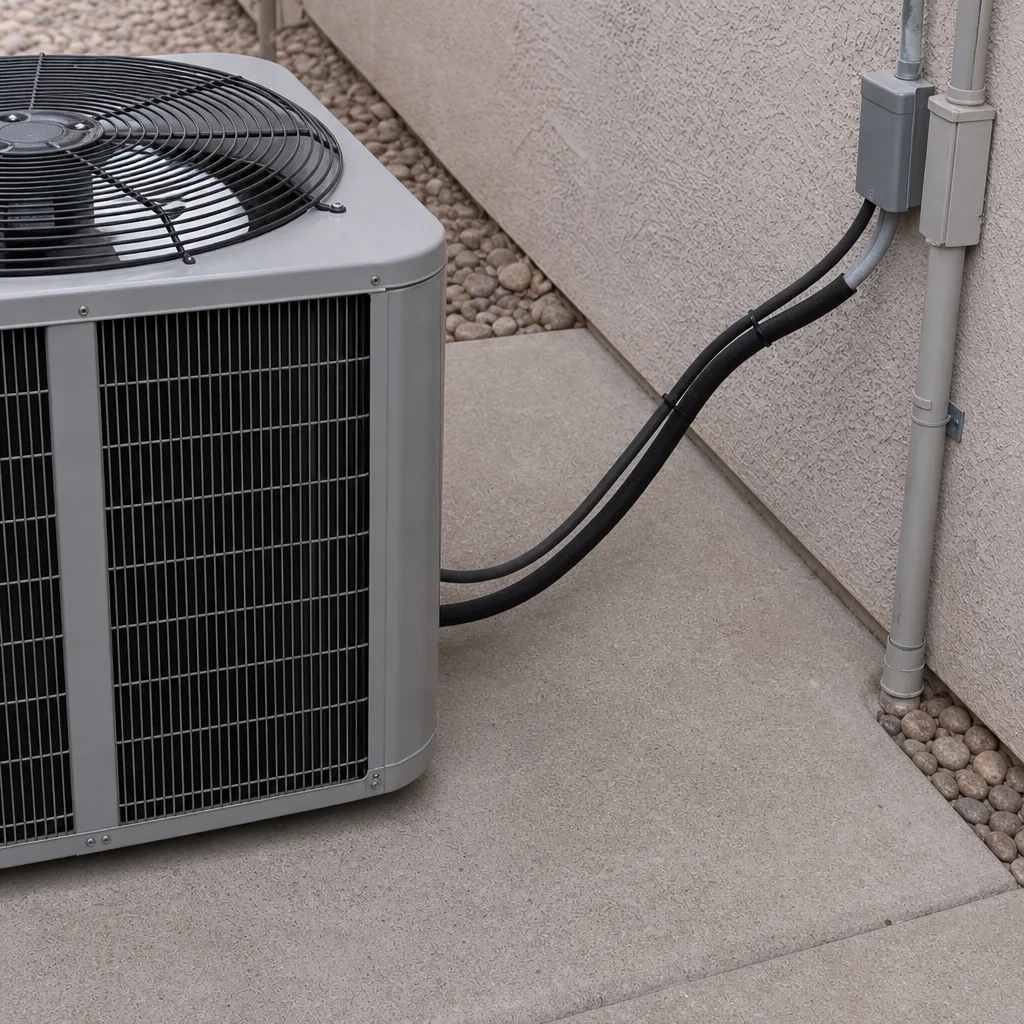
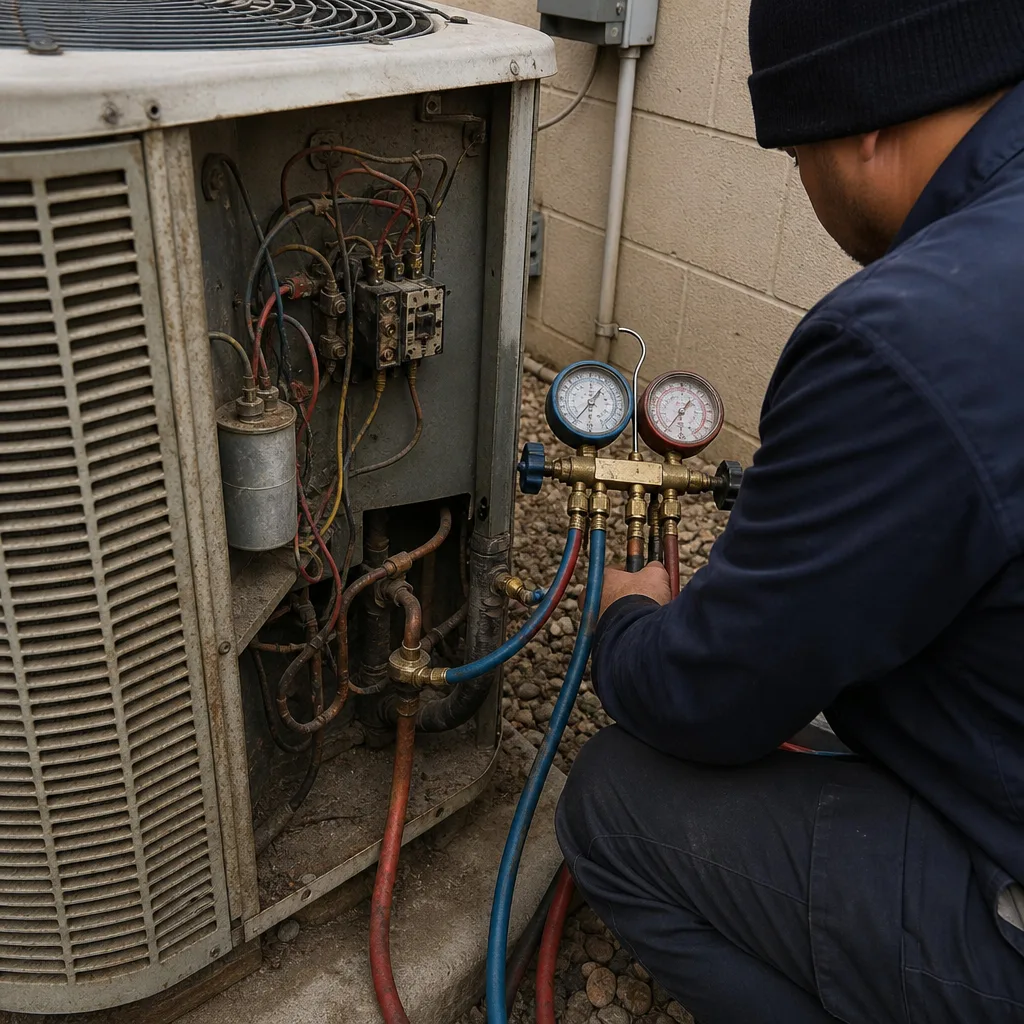
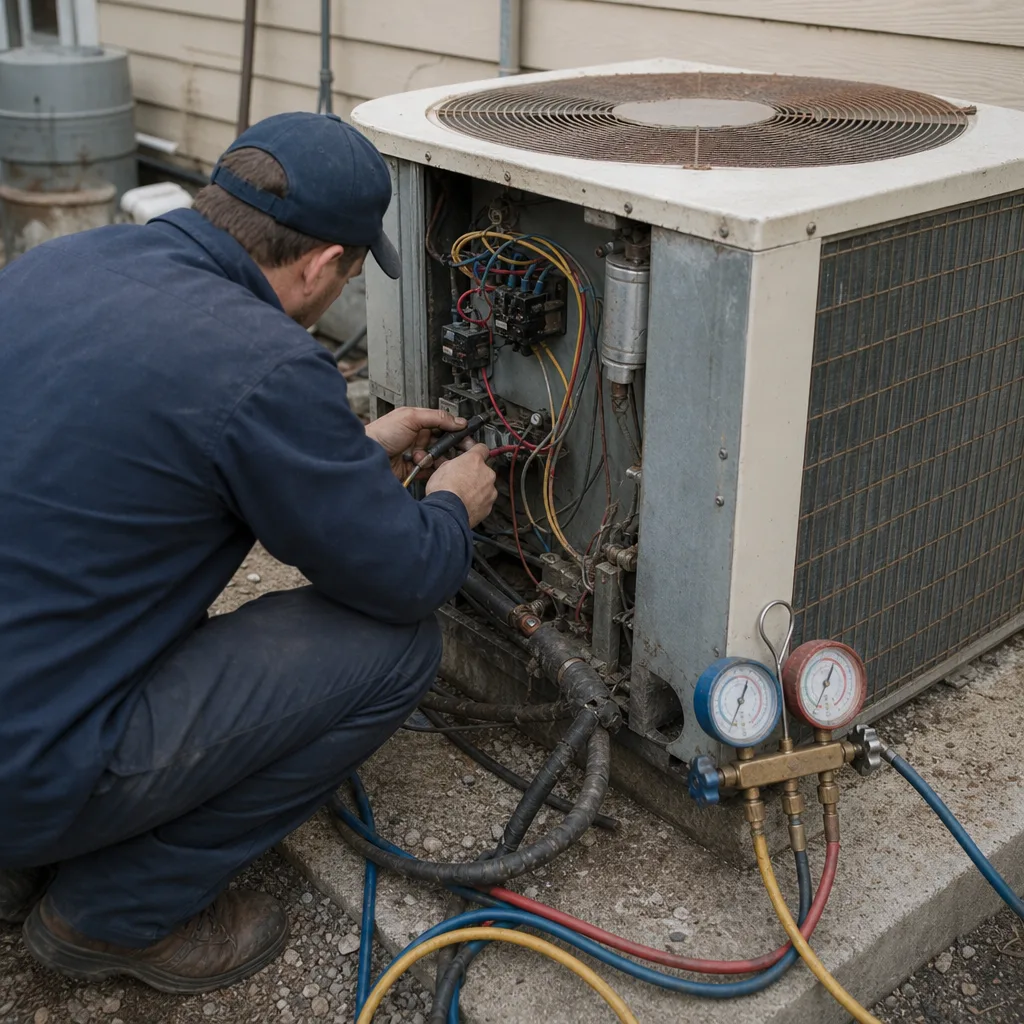
See the difference
 Before
 After
 Before
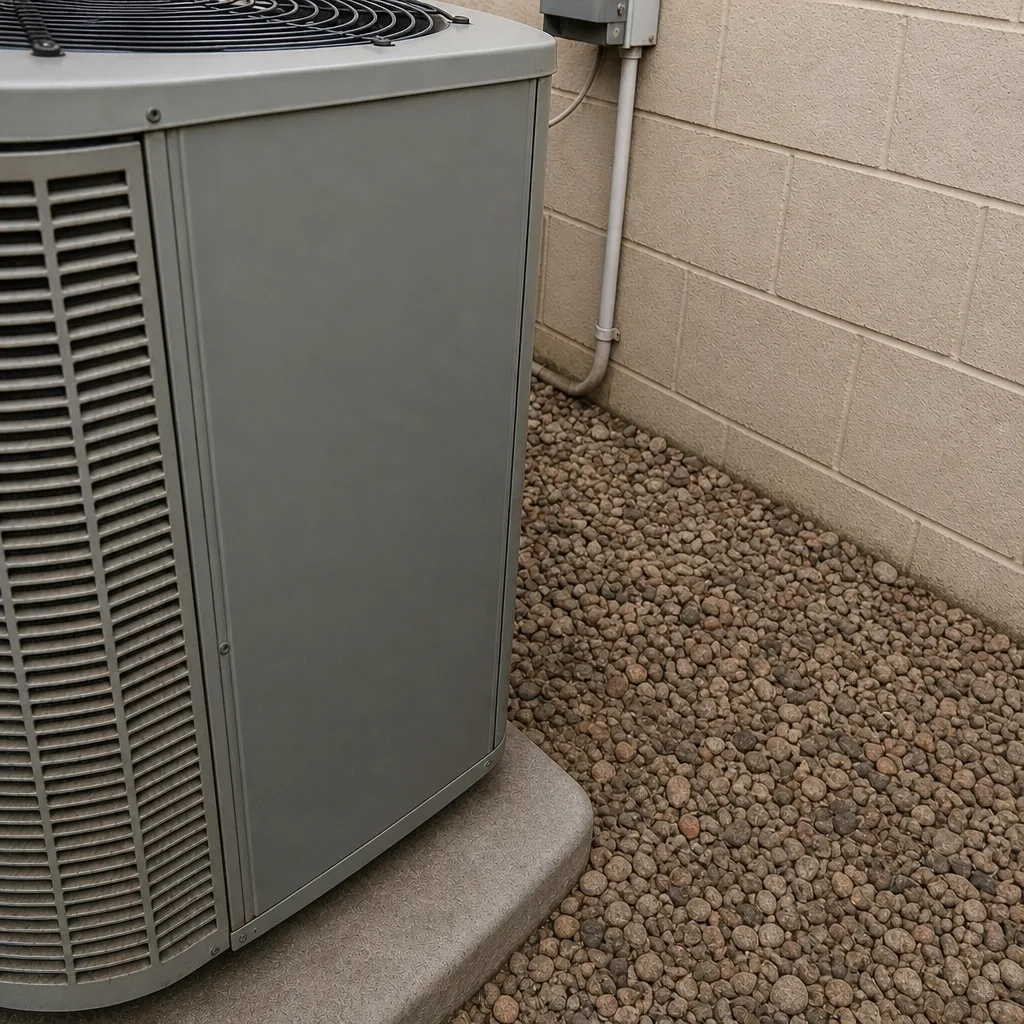 After
 Before
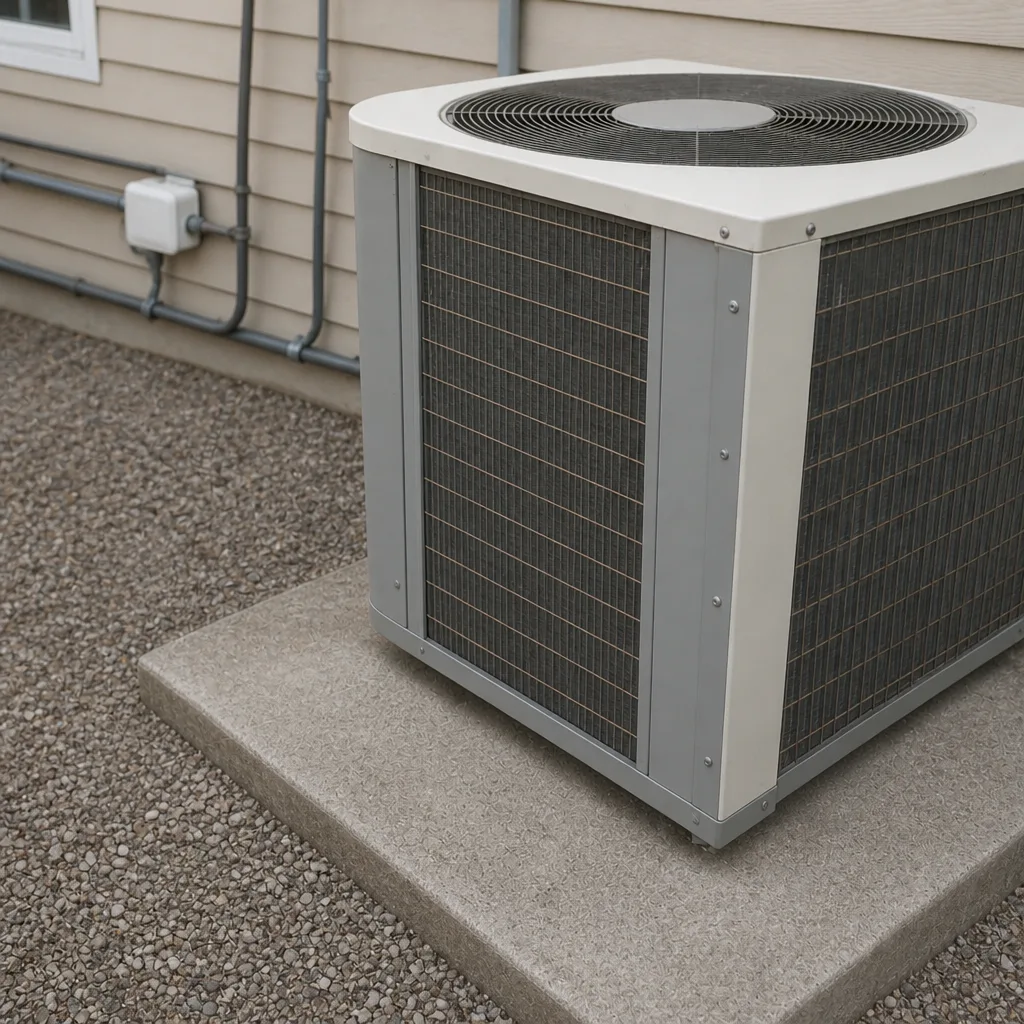 After
When to Call a Professional
Some things you can check yourself: a tripped breaker, a filter clogged to the point of no airflow, a thermostat in the wrong mode. For anything beyond that, call. Refrigerant work requires a license and a gauge set. Gas furnaces and burners are genuinely dangerous to open up – a cracked heat exchanger or a sooting flame can put carbon monoxide into your home, and that’s not a do-it-yourself job. High-voltage components inside the air handler can hurt you even with the power “off.” We’ve seen a homeowner burn a control board on a capacitor swap and a furnace run sooting after a bad orifice change. An honest repair is cheaper than a hospital visit. Fireside Heating & Air Co. Winchester offers free estimates in Winchester – call (844) 783-5043. Every job is backed by our 90-Day Done Right Promise, and we’ll be there when we say.
Frequently Asked Questions
Typical Winchester costs run about $89 for a seasonal tune-up, roughly $150 to $650 for common repairs, and a wide range for full replacement depending on size and brand. Every Fireside quote is upfront with no overtime charge – call (844) 783-5043 for an exact quote, and estimates are free.
Yes. At about 6,000 feet, thinner air means less heat transfer across the coil, so a system rated at sea level delivers less real cooling. That’s why proper sizing in Winchester needs an altitude correction – ask your contractor whether they applied one.
The rule of thumb is fast and works in mild climates, but it ignores altitude, window orientation, insulation, and the extreme temperature swing in Winchester. A Manual J load calculation measures the actual house, and it’s the only reliable sizing method at this elevation.
If the system is over about 12 to 15 years old, needs a major repair, and has a history of failures, replacement usually wins. If it’s younger and the repair is modest, repair is the square deal. We’ll give you a written second opinion so you can compare – call (844) 783-5043 for a free estimate.
Possibly, depending on current utility programs and equipment type. We’ll review what applies and handle the paperwork with you. Rebate eligibility changes, so the only reliable answer is a current check – call (844) 783-5043 and we’ll walk through it.
Yes. We answer the phone around the clock, including weekends and holidays, and our technicians are trained to diagnose the common failures in a single visit. Call (844) 783-5043 and we’ll be there when we say.
The Bottom Line
Winchester is not a generic HVAC market. The elevation cuts cooling capacity, changes heating output, and makes sea-level efficiency ratings less meaningful. The seasonal swing – cold snaps, monsoon humidity, early freezes – argues for preparation rather than reaction. The housing stock means ductwork often matters more than the equipment. Get a Manual J load calculation, not a square-footage guess. Confirm the altitude derate on gas equipment. Check your ducts before you replace anything. And when the time comes, get a written quote with a real guarantee behind it. That’s the whole guide in a paragraph.
Fireside Heating & Air Co. Winchester has worked in this community for over 42 years, and our technicians have up to 8 years of experience with Carrier, Daikin, and American Standard equipment. We stand behind every job with our 90-Day Done Right Promise – done right, or we make it right, in writing. Phones are answered by a live person, day or night. Call (844) 783-5043 for a free estimate.
Written by the team at Fireside Heating & Air Co. Winchester.