
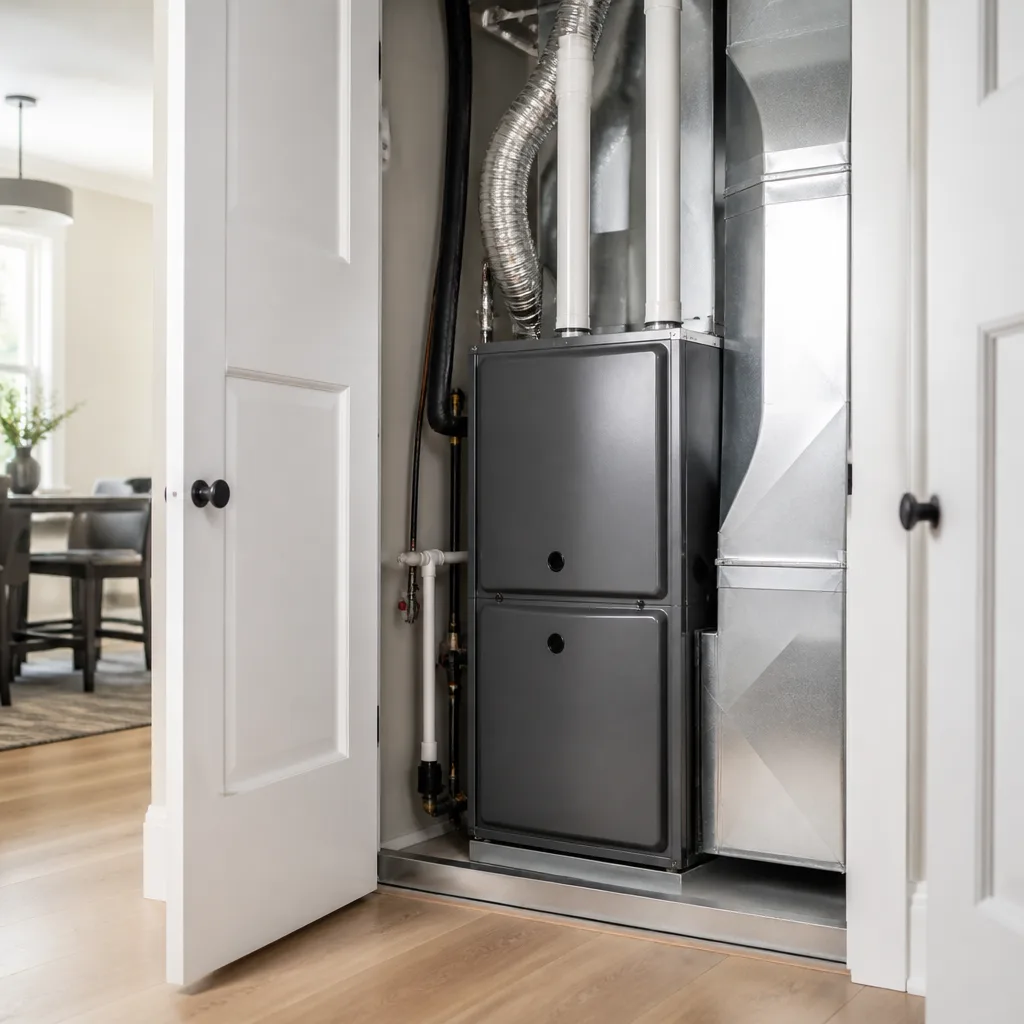
 Furnace & heating
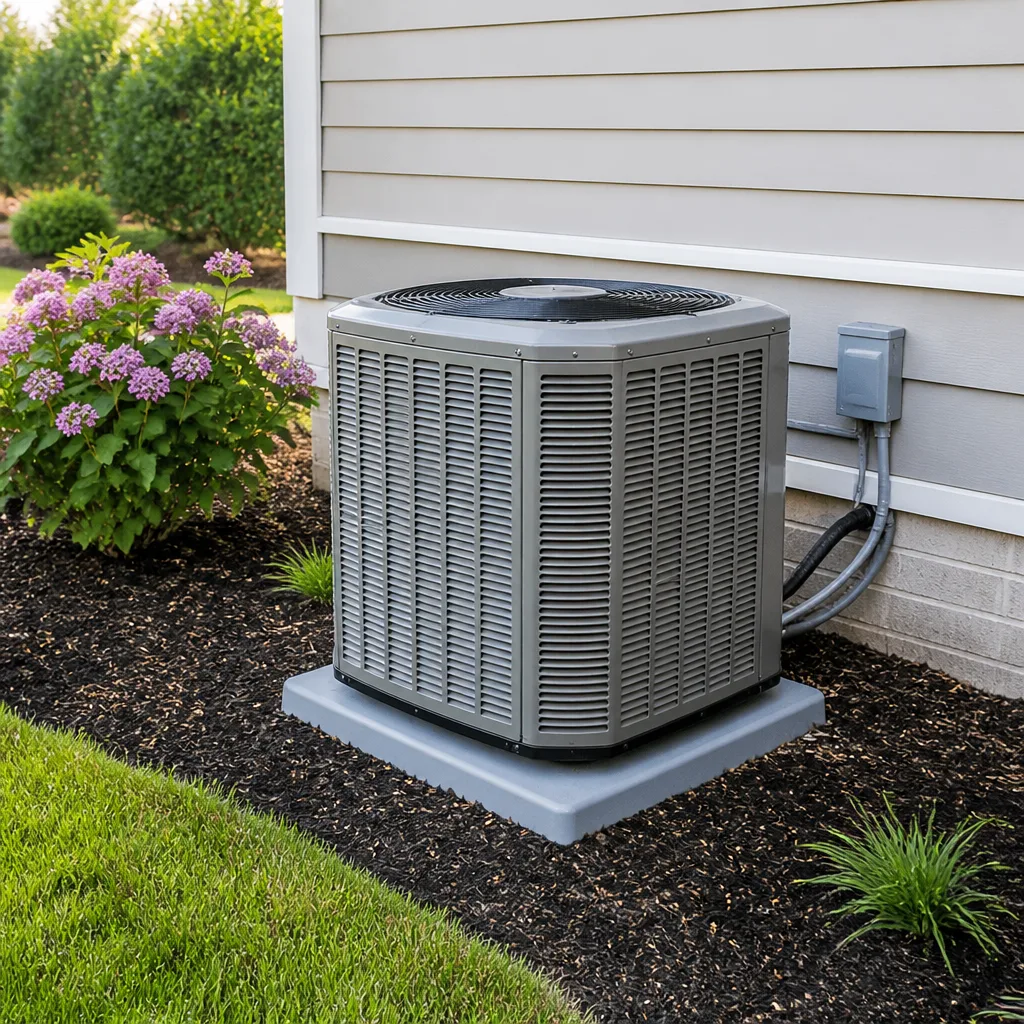 AC repair
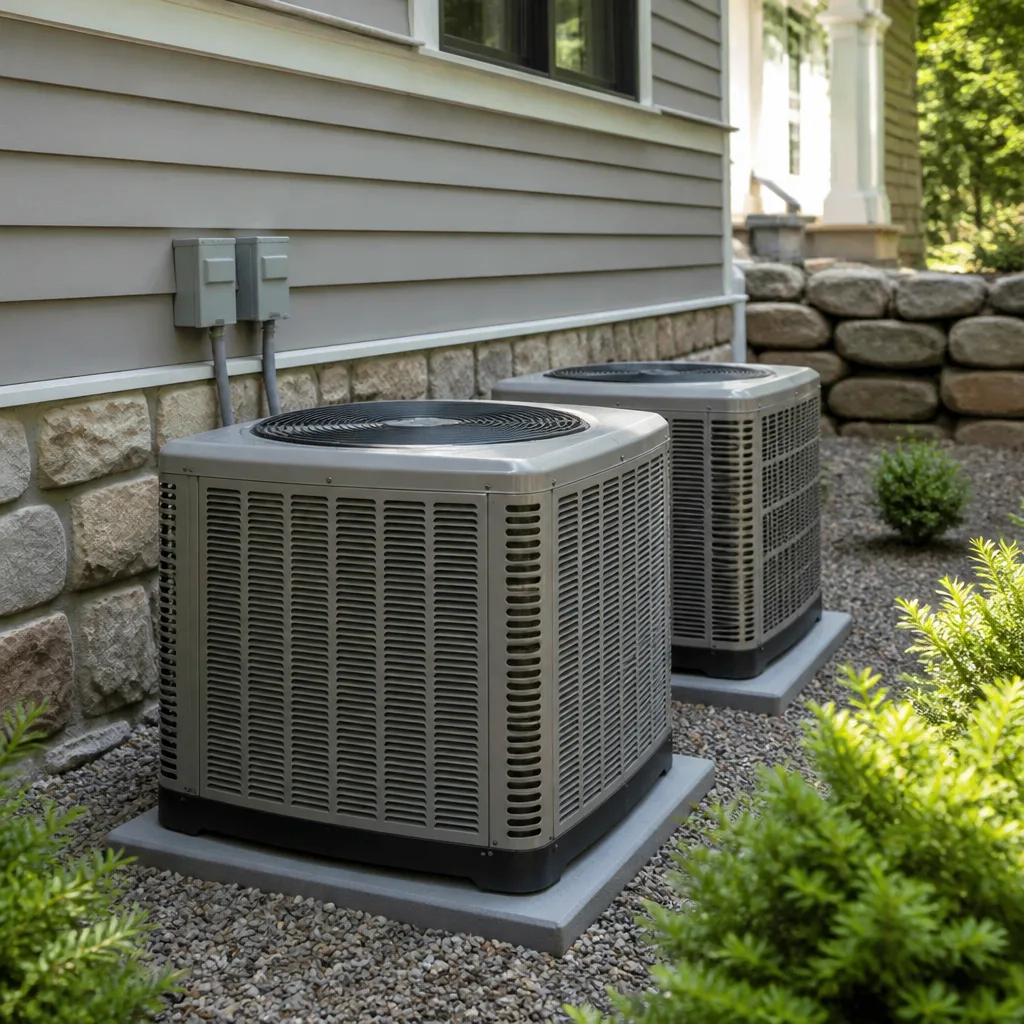 Heat pumps
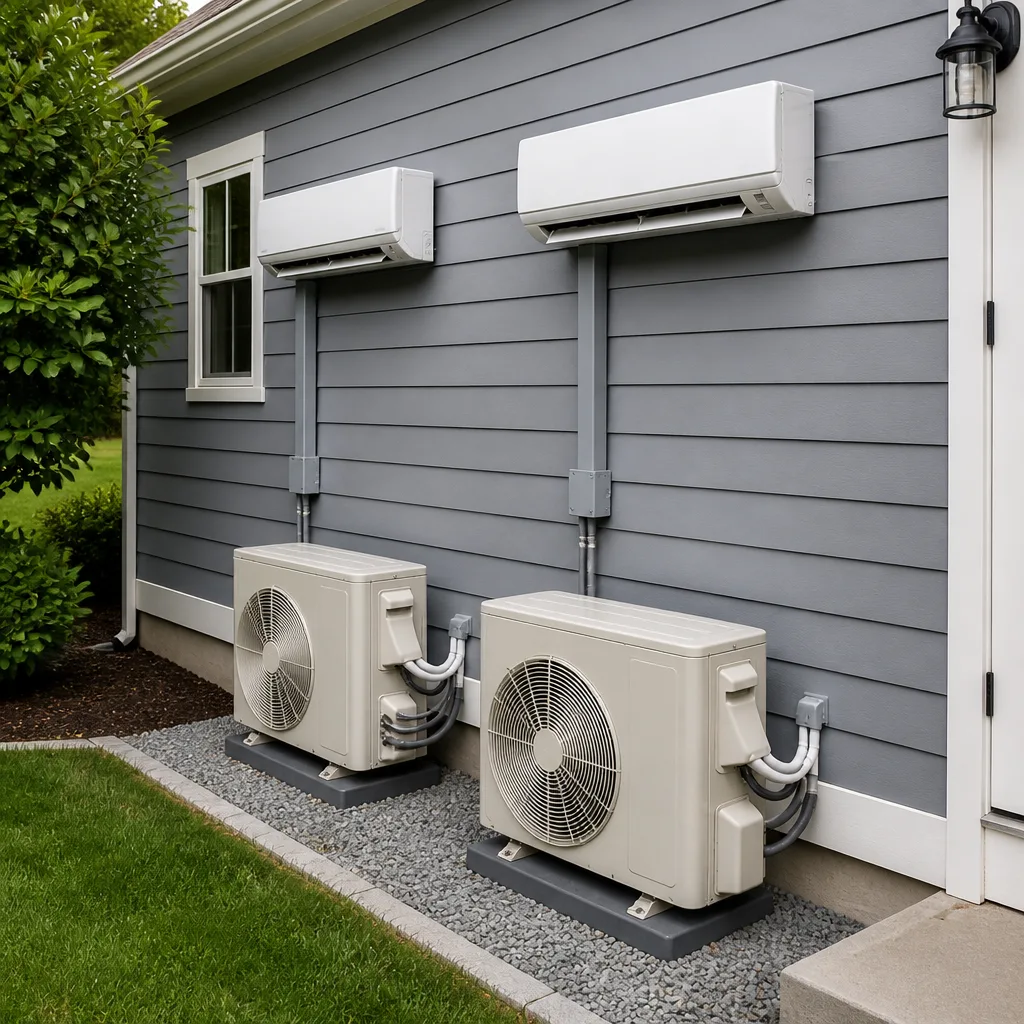 Ductless mini splits
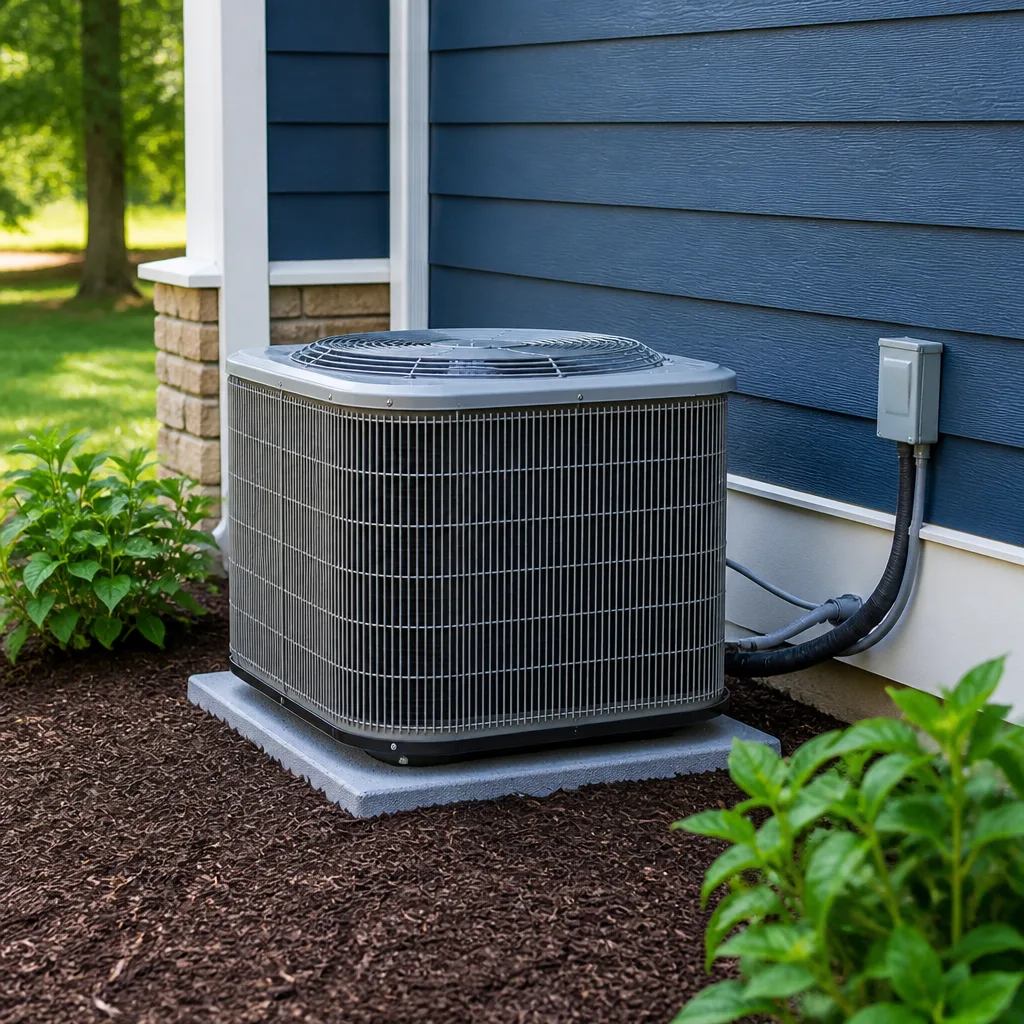 Carrier
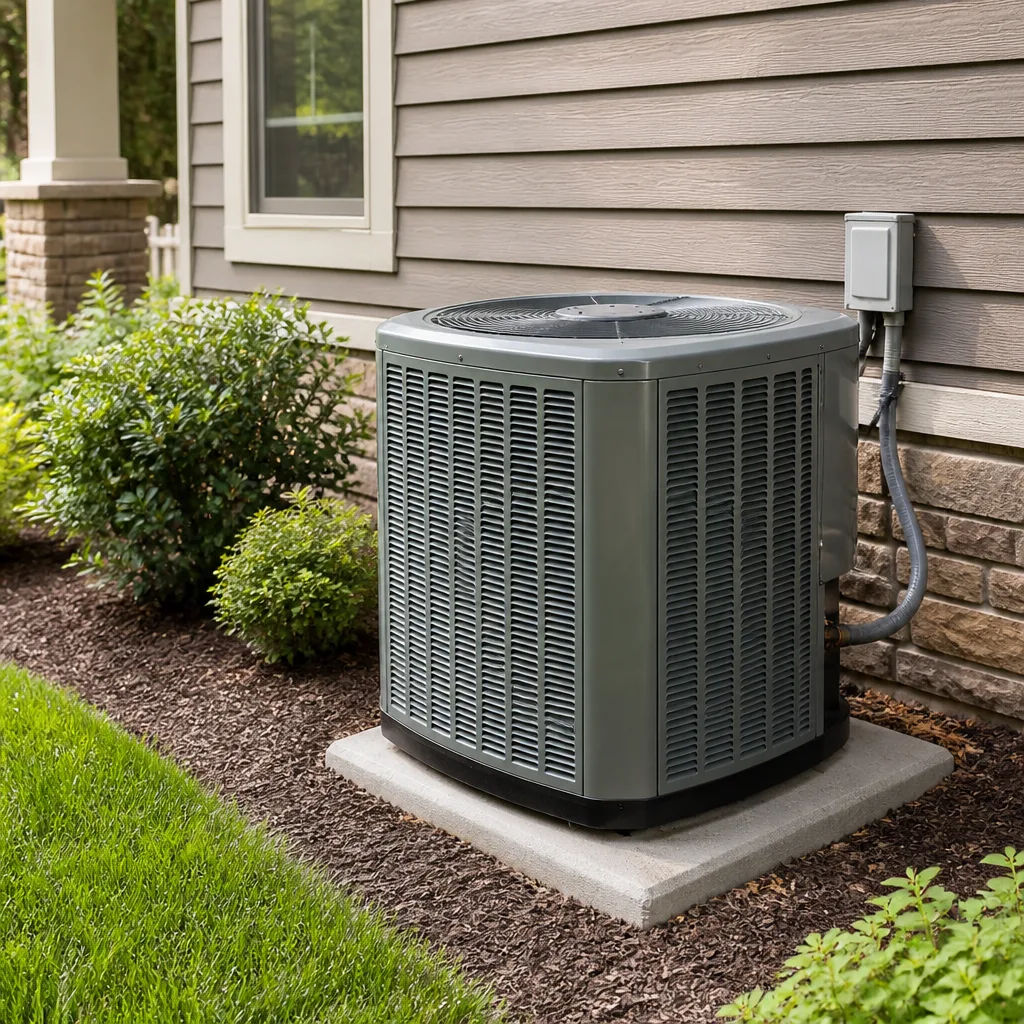 Trane
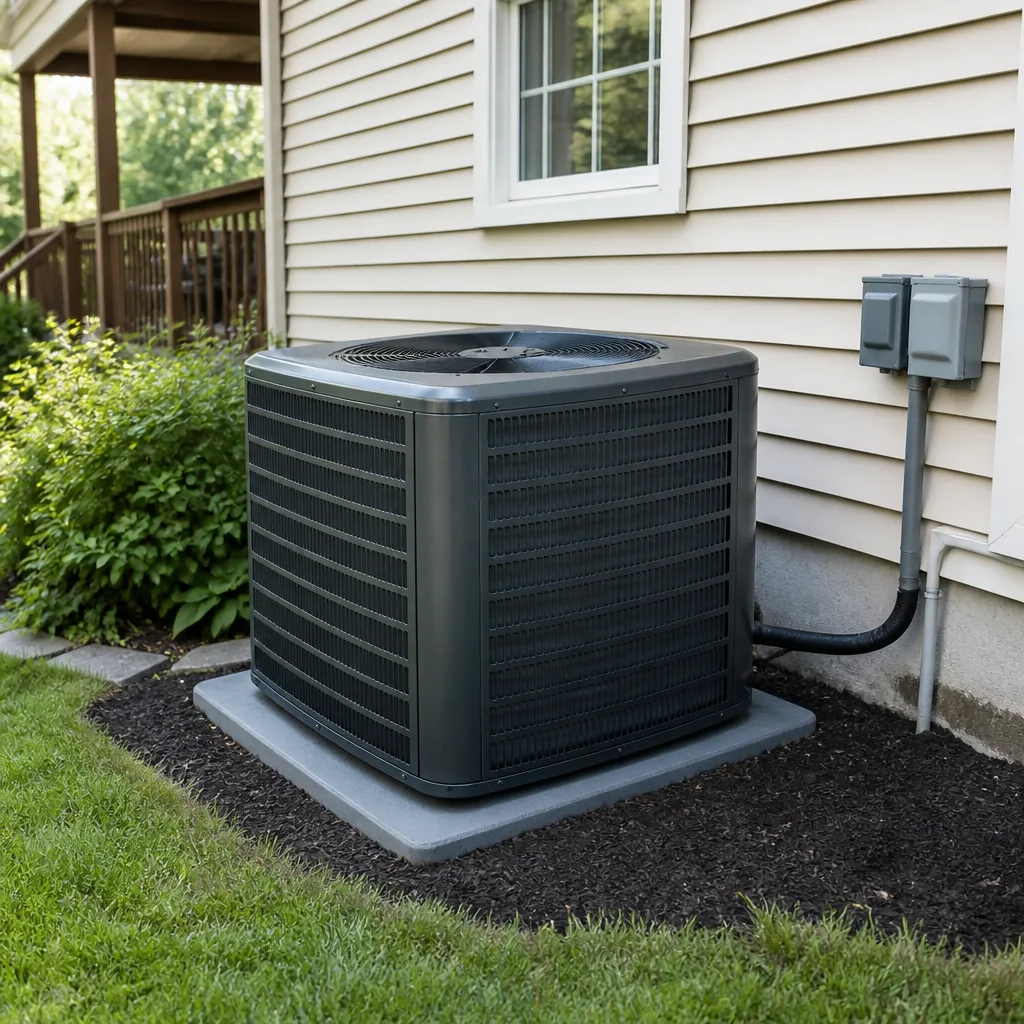 Goodman
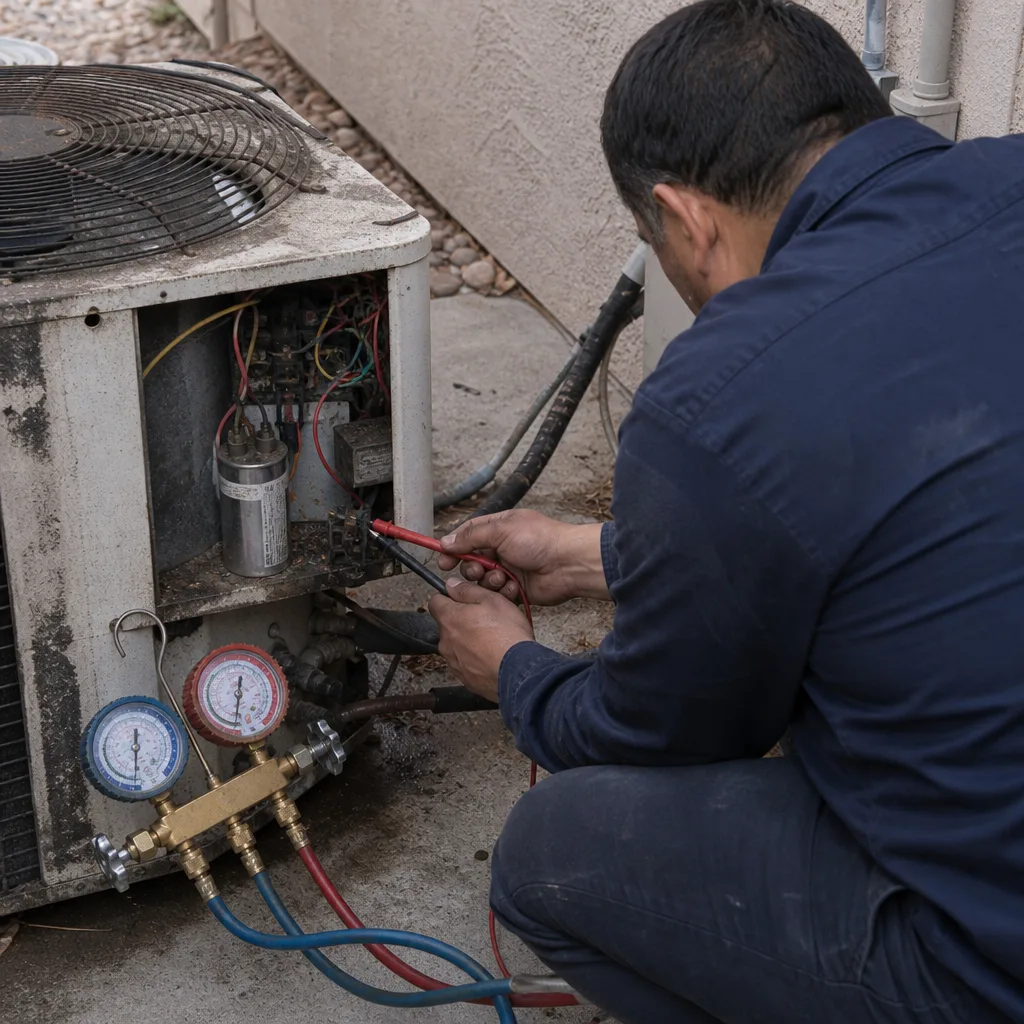
Seasonal tune-up and full diagnostic on your Carrier, Trane, or Goodman system - readings shown to you before any repair is proposed
Diagnosis first, numbers second - you approve the repair price before a single part goes in.
Get your free estimateStyles & brands we work with
- AC repair
- Furnace & heating
- Heat pumps
- Ductless mini splits
- Carrier
- Trane
- Goodman
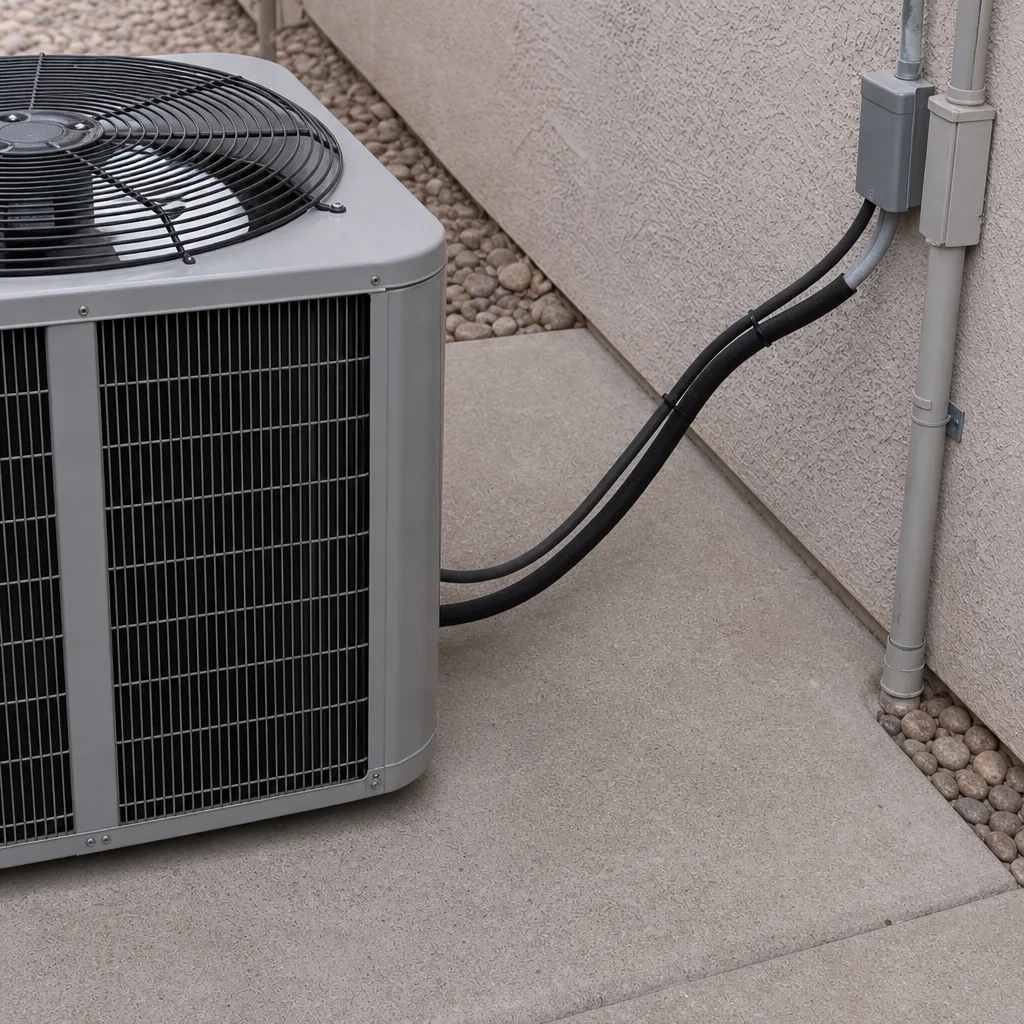
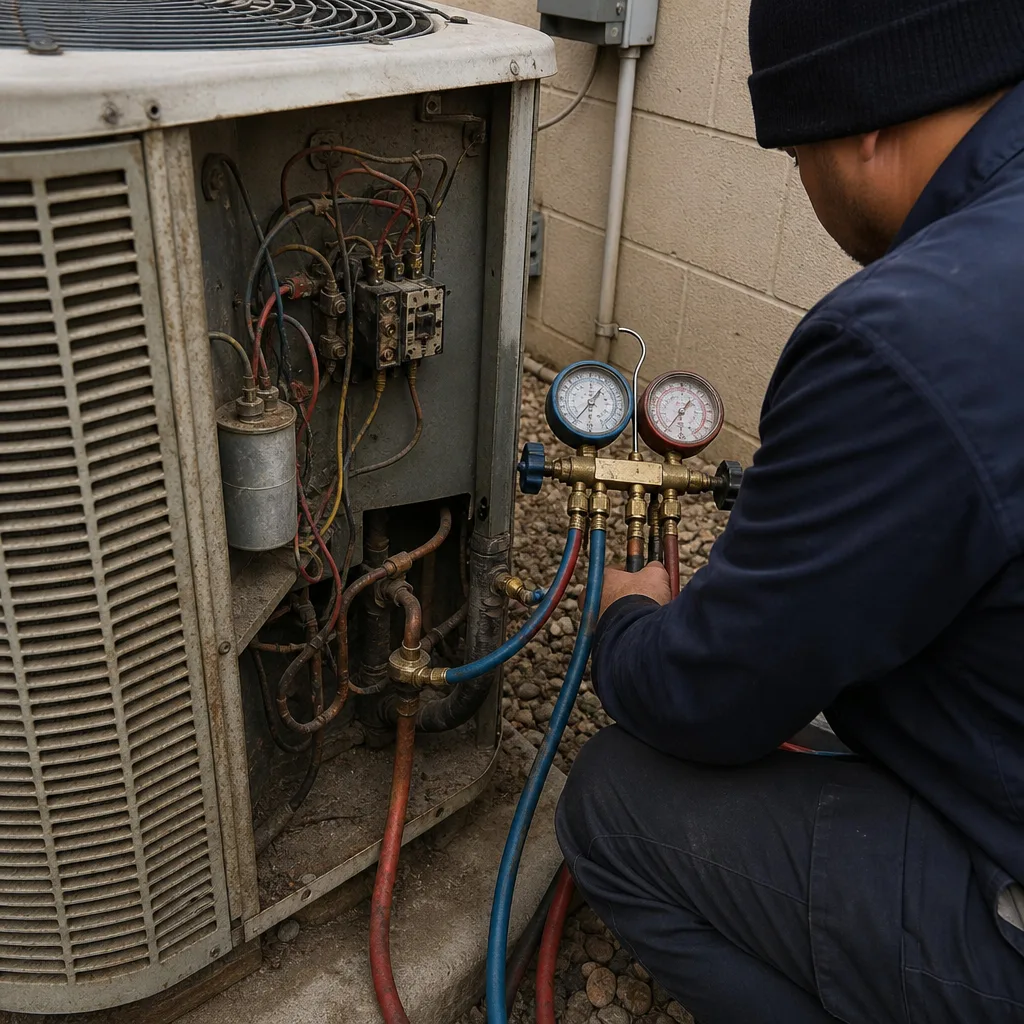
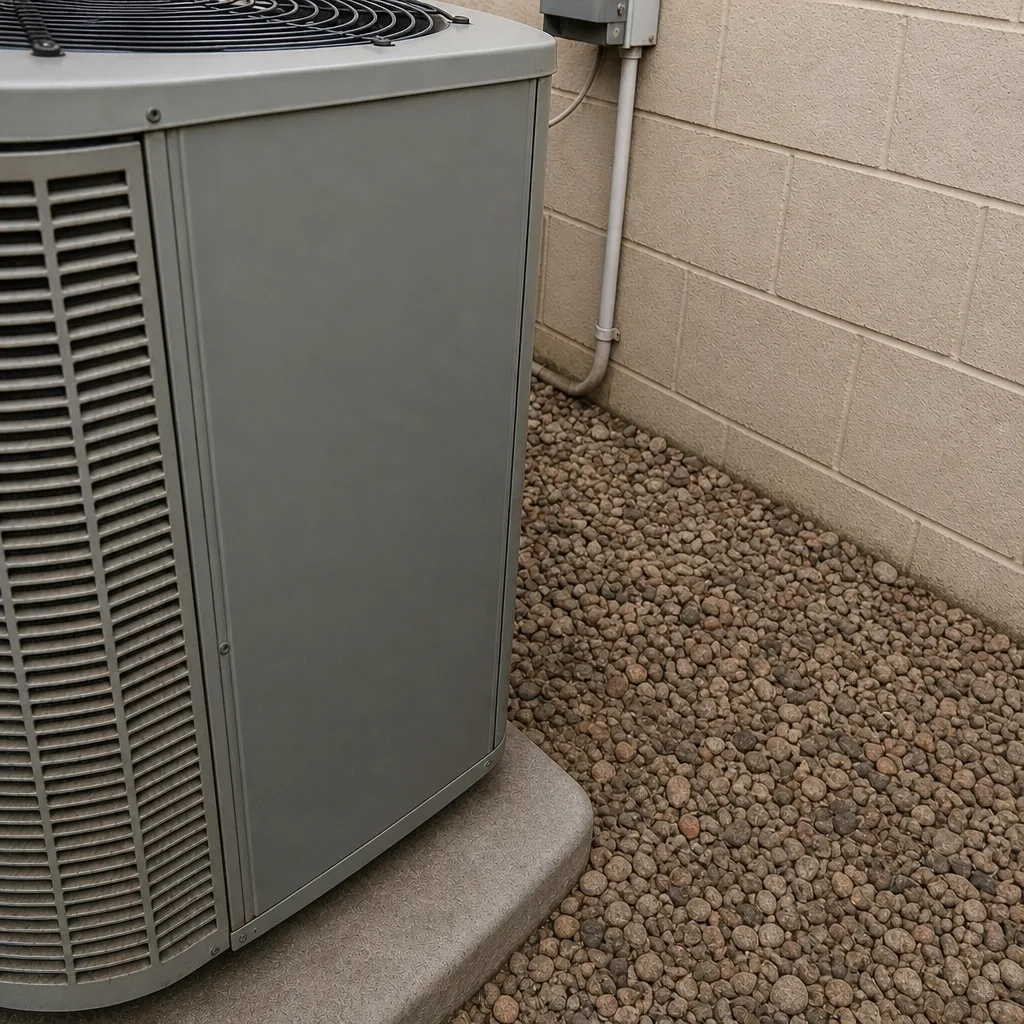
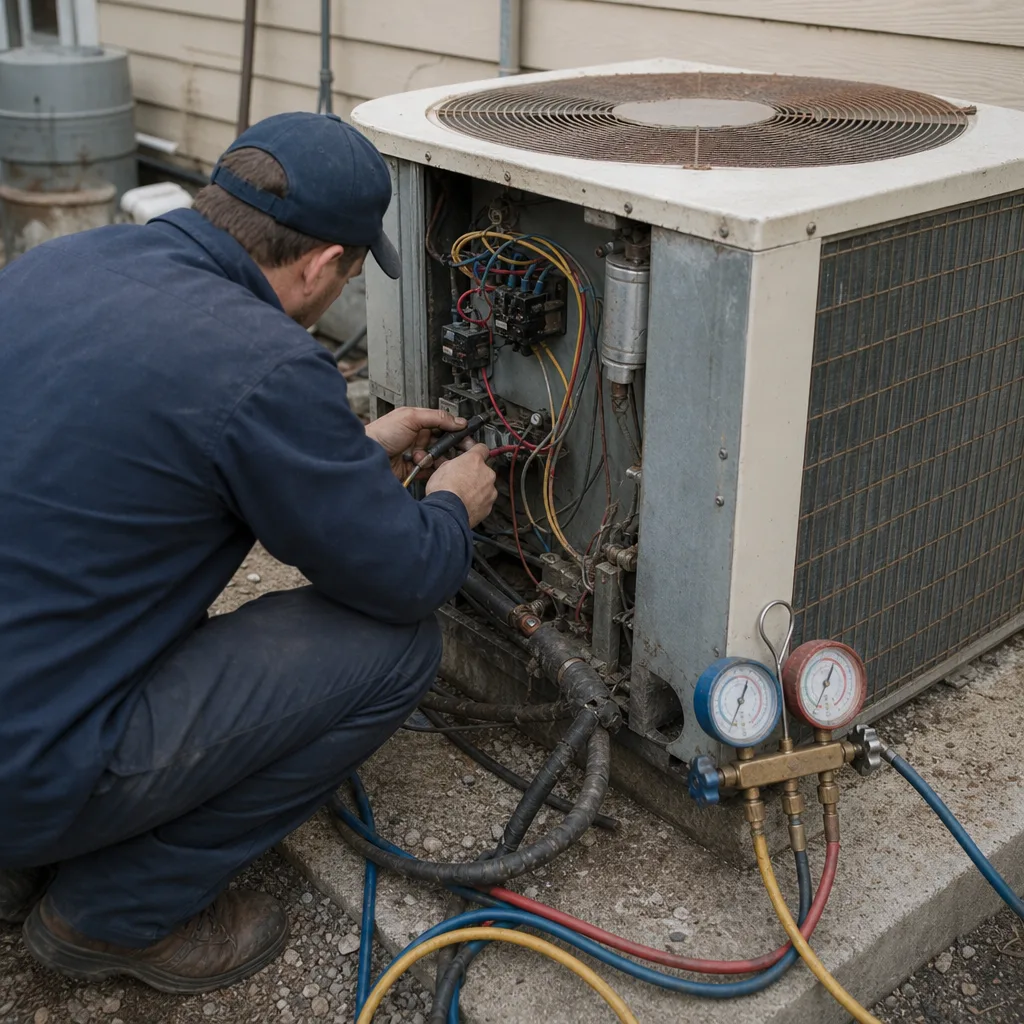
See the difference
 Before
 After
 Before
 After
 Before
 After
How Often to Replace an HVAC Air Filter in Winchester, NV: The 30-to-45-Day Answer
In Winchester, NV, a standard 1-inch HVAC air filter should be checked at 30 days and usually replaced every 30 to 45 days through the summer, stretching to about 60 days in the milder shoulder seasons when the system cycles less. The national 90-day guidance was written for a mid-continental climate with ordinary dust loads, and it doesn’t hold up in the Mojave Desert, where your system runs almost every day of the year. If you’ve been changing the filter on the calendar the packaging recommends, you’ve likely been breathing through a clogged one for a third of that time. Call (844) 783-5043 if you’d like us to check yours and show you what we mean.
Key Takeaways
- Winchester’s desert runtime and particulate load justify a shorter interval than the national rule: inspect at 30 days, replace at 30 to 45 in summer.
- A cheap MERV 8 filter swapped monthly beats an expensive dense filter left in for a quarter.
- Shared-wall apartments and closet return plenums load filters faster than detached houses.
- A clogged filter in summer heat raises energy use and shortens compressor life.
- The right interval is short and simple. The wrong one is quiet and expensive.
Why the 90-Day Rule Doesn’t Fit Winchester
Most filter advice you’ll read online assumes a house in a temperate climate that heats in winter, cools in summer, and takes long breaks in between. Winchester doesn’t take breaks. The system here runs nearly year-round, and the outdoor condensers in tight rooftop and closet spaces regularly see temperatures above 110°F in July and August. Every hour that fan runs, it pulls air across the filter. More runtime means more dust captured, and a filter that might last a season somewhere else loads up in five or six weeks here.
The air itself is also busier than a typical residential neighborhood. Winchester sits unincorporated and pressed right up against the Las Vegas Strip, which means construction activity, parking structure exhaust, and hotel HVAC discharge are constant factors. Add desert dust blowing through the valley and you have a particulate environment that fills a filter noticeably faster than the suburbs. That’s not a sales talking point; it’s why our technicians pull filters out of Winchester units on maintenance calls and find them grey and matted well before the homeowner expected.
There’s a housing detail that matters too. Most of Winchester is low-rise apartment and condo complexes built between the 1960s and 1980s, plus mobile home parks, with very few detached single-family homes. Return air plenums in these shared-wall units often sit in common corridors or storage closets, where lint, dust, and whatever else drifts through the building all get pulled toward the same filter. A filter serving a unit like that works harder than one in a suburban house with its own mechanical closet. If you want a fuller picture of how filtration fits into the whole system, our page on Air Quality & Ventilation covers the rest.
What to Actually Look For: A Simple Inspection Test
You don’t need a gauge to know when a filter is done. You need a light and thirty seconds. Here’s the routine we walk Winchester homeowners through:
- Find the filter and note the size. Most units here use a 1-inch filter in a return grille or a slot at the air handler. Write the size on the edge of the frame so you’re not guessing at the store.
- Hold it up to a bright light. If you can’t see light through the pleats, it’s clogged, no matter what the calendar says.
- Look for matting and color. Grey, brown, or visibly compressed pleats mean the filter is bypassing less air than it should. Replace it.
- Check the direction arrow. The arrow points toward the air handler, not away from it. Installed backward, a filter clogs faster and filters worse.
- Log the date. A pencil mark on the filter frame is enough. After two cycles you’ll know your unit’s real interval instead of the generic one.
What separates a filter that’s simply dusty from one that’s choking your system is airflow. If your vents feel weak, your system runs longer than it used to, or you hear the blower straining, the filter is one of the first things to check before you assume something expensive has failed.
What a Clogged Filter Costs You in Winchester Heat
Restricted airflow makes the system work harder to hit the setpoint, which means longer run times and higher energy bills. In desert heat, the bigger cost is mechanical. A starved system runs higher refrigerant pressures and hotter compressor temperatures, and compressors here are already working in an environment that stresses them. That’s how a two-dollar filter turns into a several-hundred-dollar repair.
When something does fail, here’s the honest range we quote in Winchester. The price quoted is the price paid:
| Service | Typical Range in Winchester |
|---|---|
| AC repair | $150-$650 |
| Furnace repair | $150-$700 |
| AC installation | $3,500-$7,500 |
| Seasonal tune-up | $80-$200 |
A tune-up sits at the low end of that table for a reason. During a maintenance visit our technicians check the filter, the coil, and the refrigerant charge together, because they fail together. We’re trained on nine major brands including Carrier, Trane, and American Standard, and most jobs are finished in a single visit. If you’ve got a written estimate from another company and you’d like a second look before you commit, that second opinion is free.
Which Filter Should You Buy?
Here’s the counterintuitive part. In Winchester’s particulate environment, a MERV 8 filter changed every 30 days will outperform a MERV 13 filter left in for a quarter. The higher MERV rating catches finer particles, but only while air can pass through it. Once a dense filter loads up, it strangles airflow, and you’ve paid more for a filter that’s hurting your system. A mid-grade filter swapped on schedule keeps air moving and still catches the dust that matters. Our technicians make this point on nearly every maintenance call, and it saves homeowners real money on both filters and repairs.
If someone in the home has allergies or asthma, that’s worth a conversation rather than a shelf decision. Filtration and ventilation work together, and the right combination depends on the unit and the building.
The Multi-Family Reality in Winchester
Most of the work we do in Winchester is on shared-wall units in the big complexes, not detached houses. Hundreds of identical units share the same builder-grade equipment and age out at the same time, so when a heat wave rolls through, the same compressor and capacitor failures show up across a whole building in the same week. We end up working multi-unit buildings nearly every call. A filter change schedule that treats each unit as its own little system is the cheapest insurance against joining that queue.
If you live in one of those buildings and you’re not sure who’s responsible for the filter, the answer is usually you, not the property manager. It’s the one maintenance task a renter or owner can do in two minutes that meaningfully extends equipment life. Our home page lays out the rest of what we handle, from AC repair to heating and heat pumps.
FAQs
Check it at 30 days and replace it every 30 to 45 days in summer, extending to about 60 days in the shoulder seasons. Winchester’s near-continuous system runtime and desert particulate load justify a shorter interval than the national 90-day rule. If you can’t see light through the pleats at the 30-day check, replace it then. Call (844) 783-5043 if you’d like us to look at your filter and airflow together.
Yes. Restricted airflow makes the system run longer and drives up refrigerant pressure and compressor temperature, and Winchester’s summer heat already stresses those components. A clogged filter is one of the most common contributors to premature compressor wear we see. Keep the filter clean and the system has far less to fight. If your system is already running long or struggling, call us and we’ll diagnose it.
Only if you change it on schedule. A MERV 8 filter swapped monthly beats a MERV 13 filter left in for three months, because a dense filter that’s clogged can’t move air. In this particulate environment, consistency beats the rating on the box. Ask us what fits your unit and we’ll tell you straight.
A seasonal tune-up runs $80-$200, and repair work runs $150-$650 for AC and $150-$700 for furnaces depending on the part. A tune-up catches a clogged filter and a dirty coil before either turns into a repair bill. Estimates are free, and the price quoted is the price paid. Call (844) 783-5043 for an exact quote.
If you’d rather have it looked at, Fireside Heating & Air Co. Winchester offers a no-pressure assessment in Winchester. We’ll check the filter, airflow, and the rest of your system and tell you plainly what it needs. Call (844) 783-5043 to set it up. Done right, or we make it right.
Written by the team at Fireside Heating & Air Co. Winchester, serving Winchester, NV.