
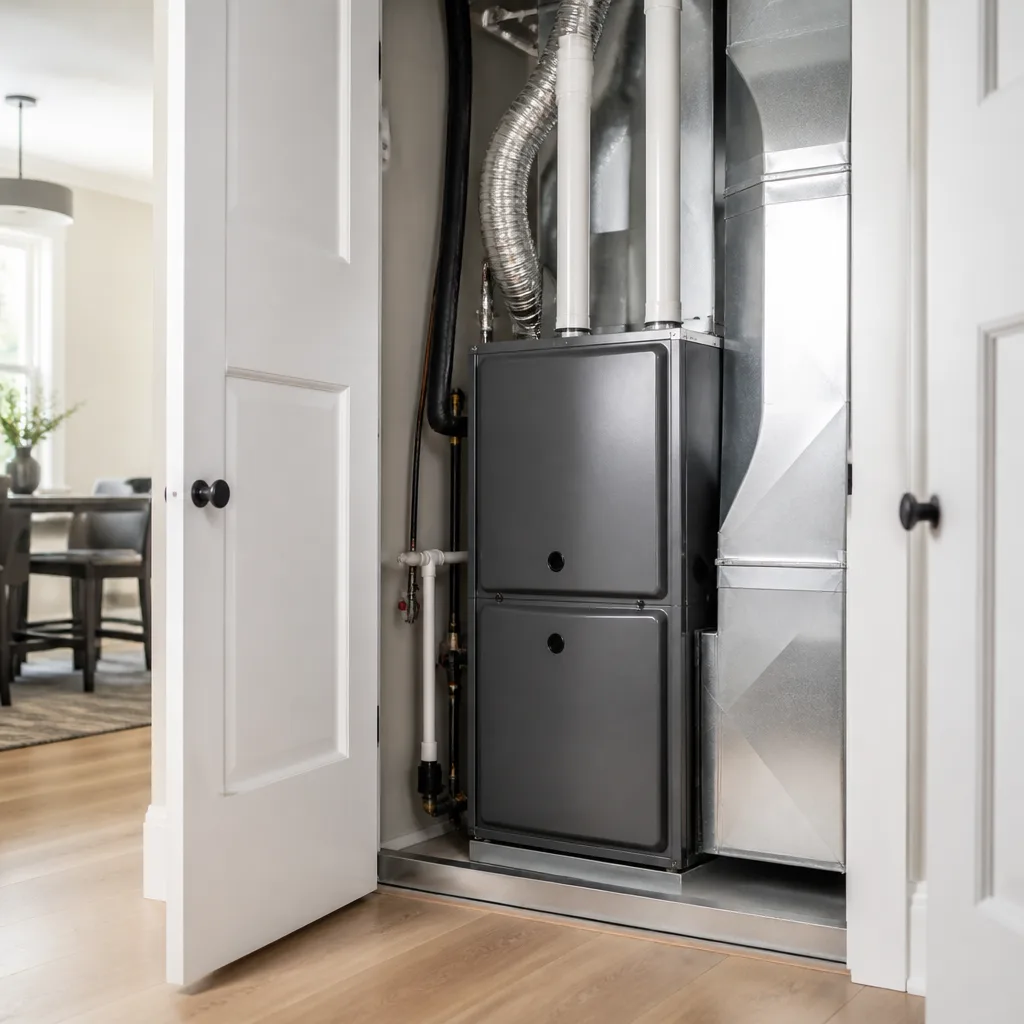
 Furnace & heating
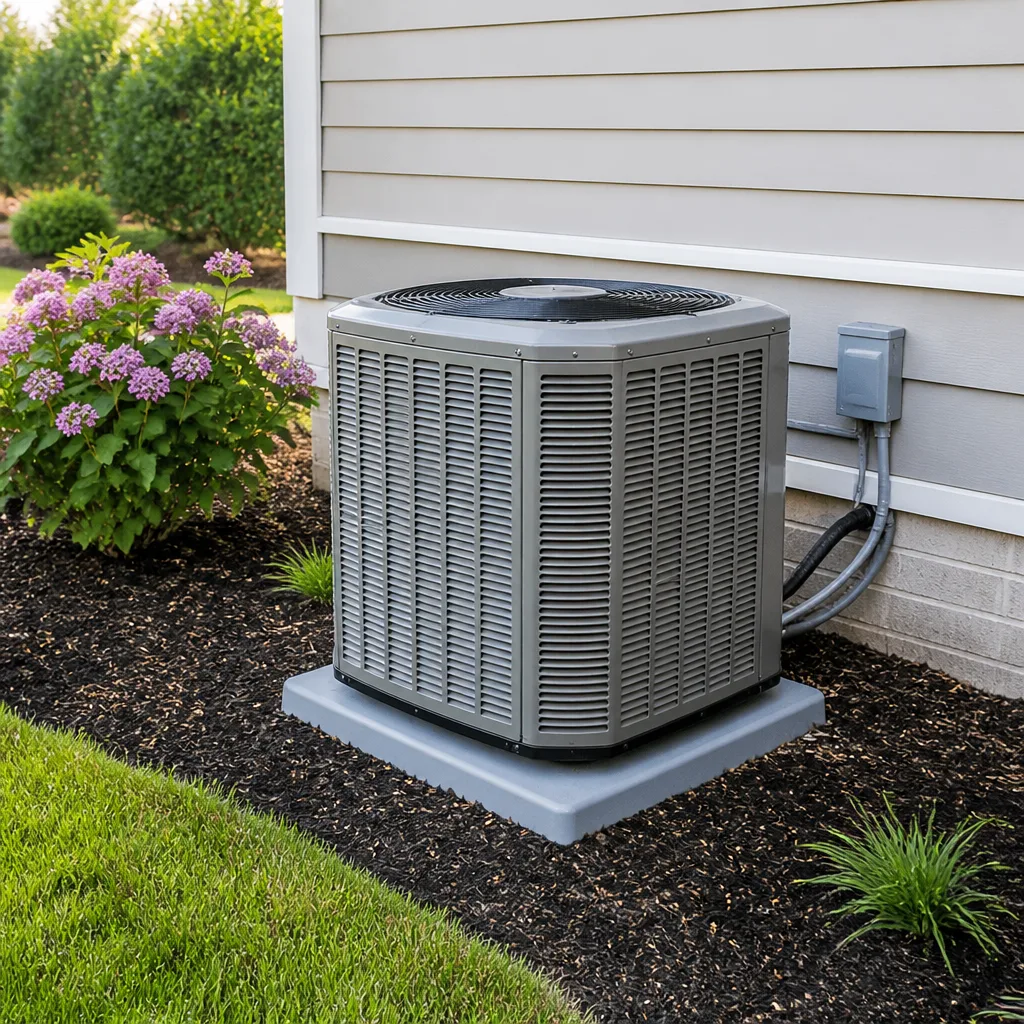 AC repair
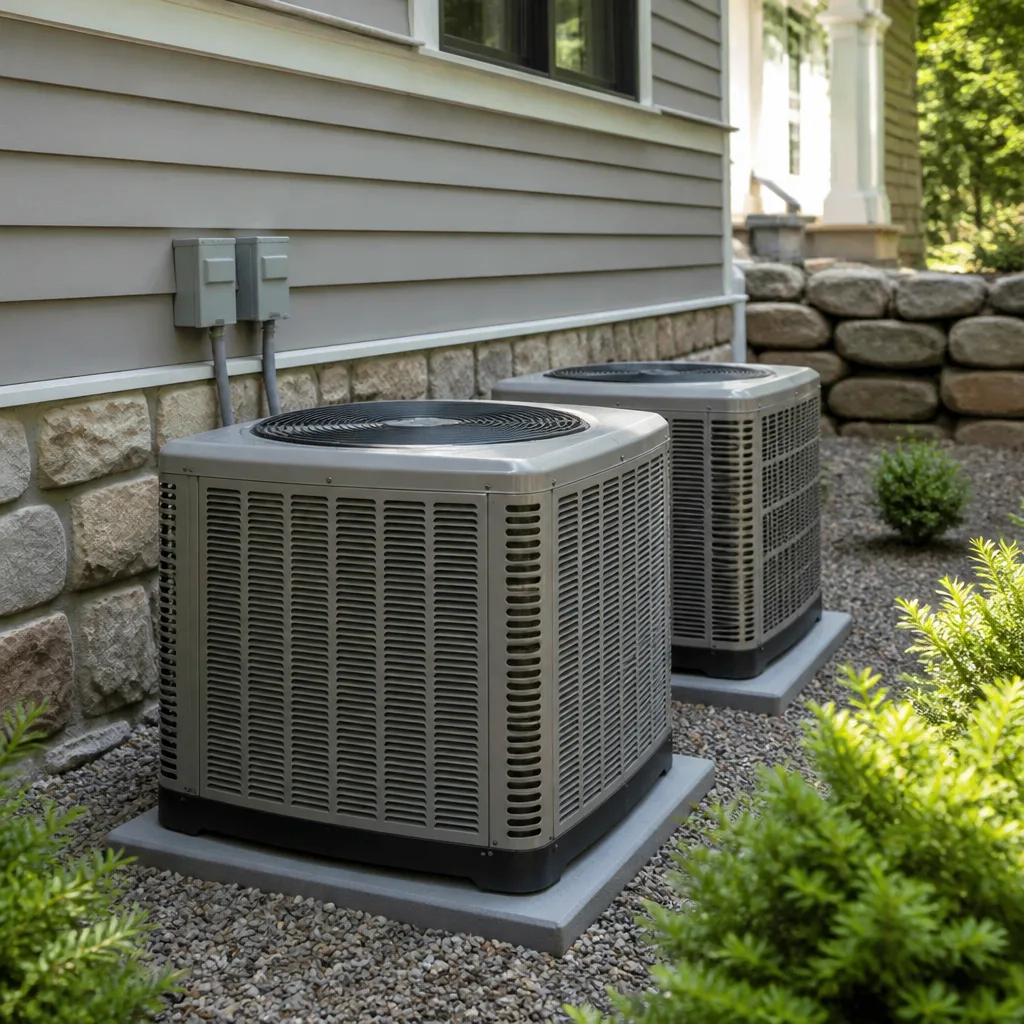 Heat pumps
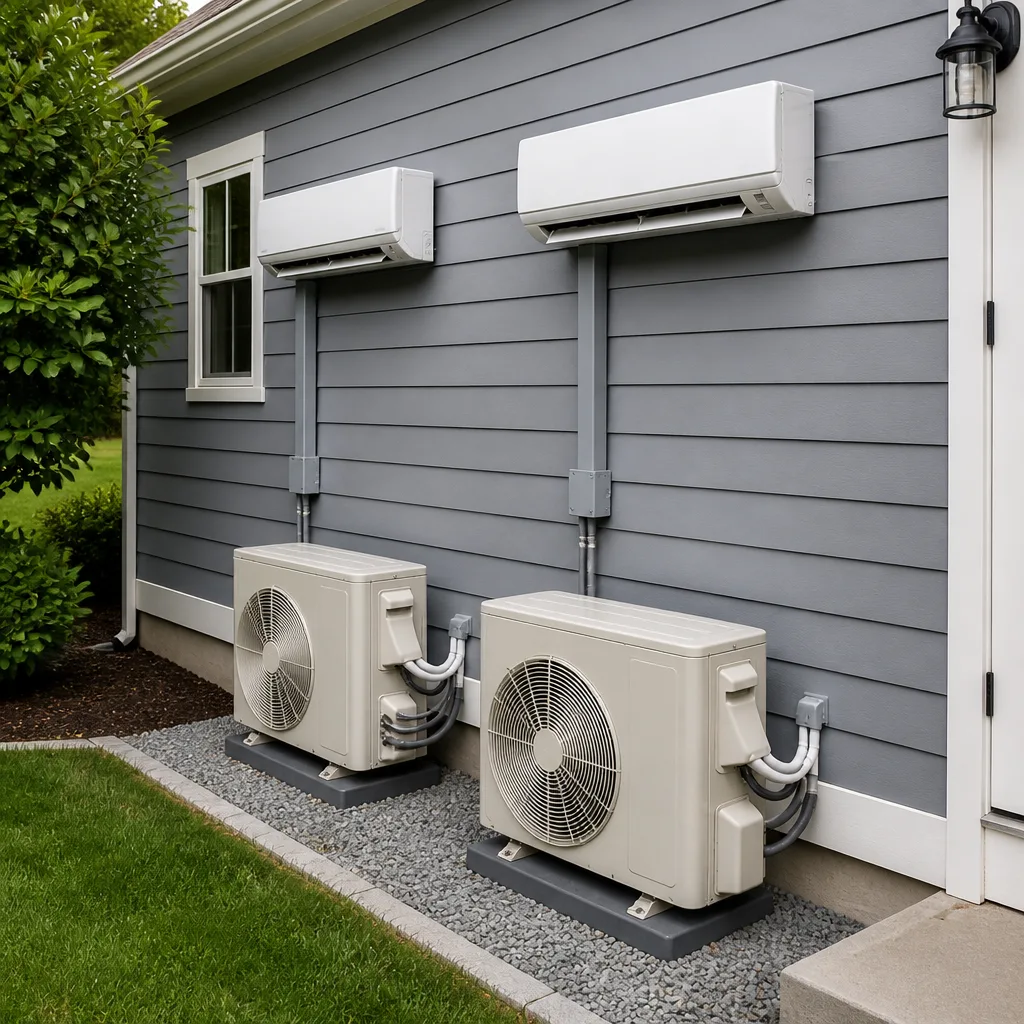 Ductless mini splits
 Carrier
 Trane
 Goodman
Seasonal tune-up and full diagnostic on your Carrier, Trane, or Goodman system - readings shown to you before any repair is proposed
Diagnosis first, numbers second - you approve the repair price before a single part goes in.
Get your free estimateStyles & brands we work with
- AC repair
- Furnace & heating
- Heat pumps
- Ductless mini splits
- Carrier
- Trane
- Goodman
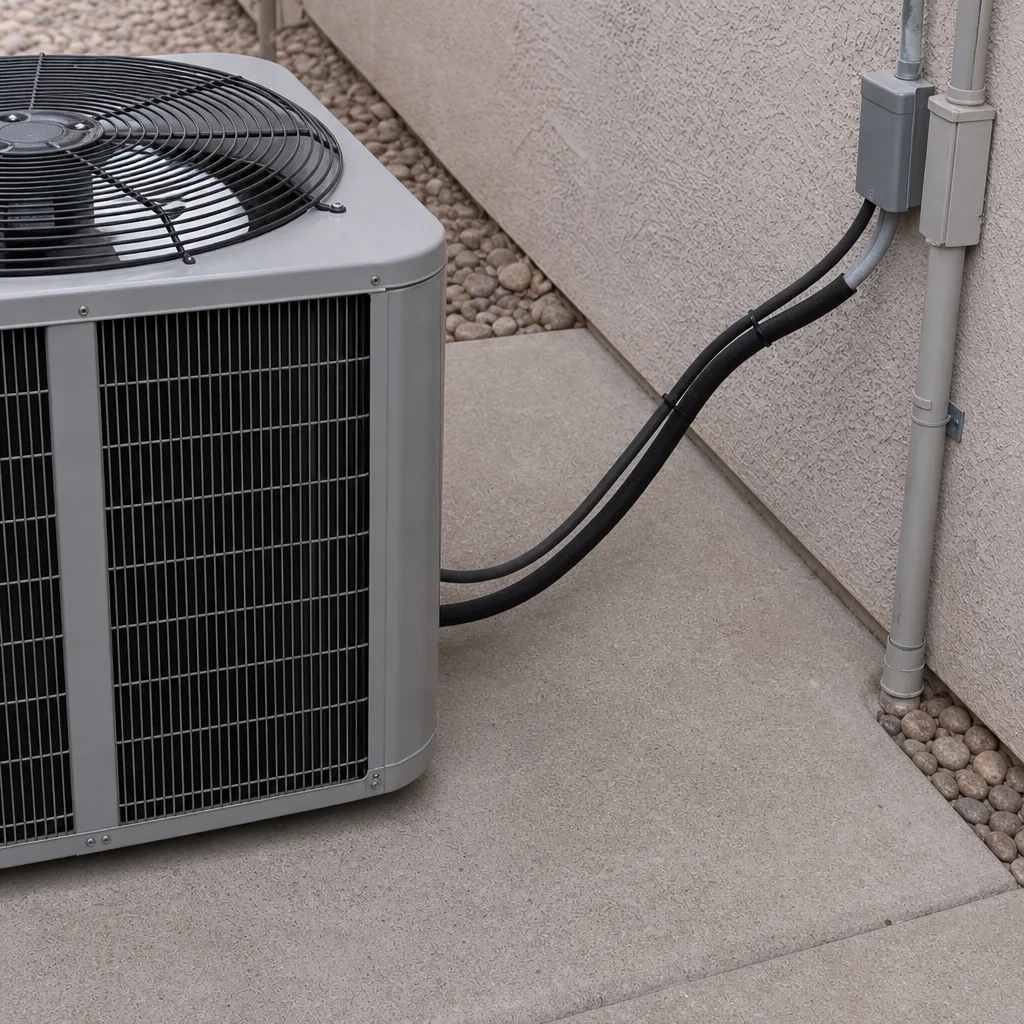
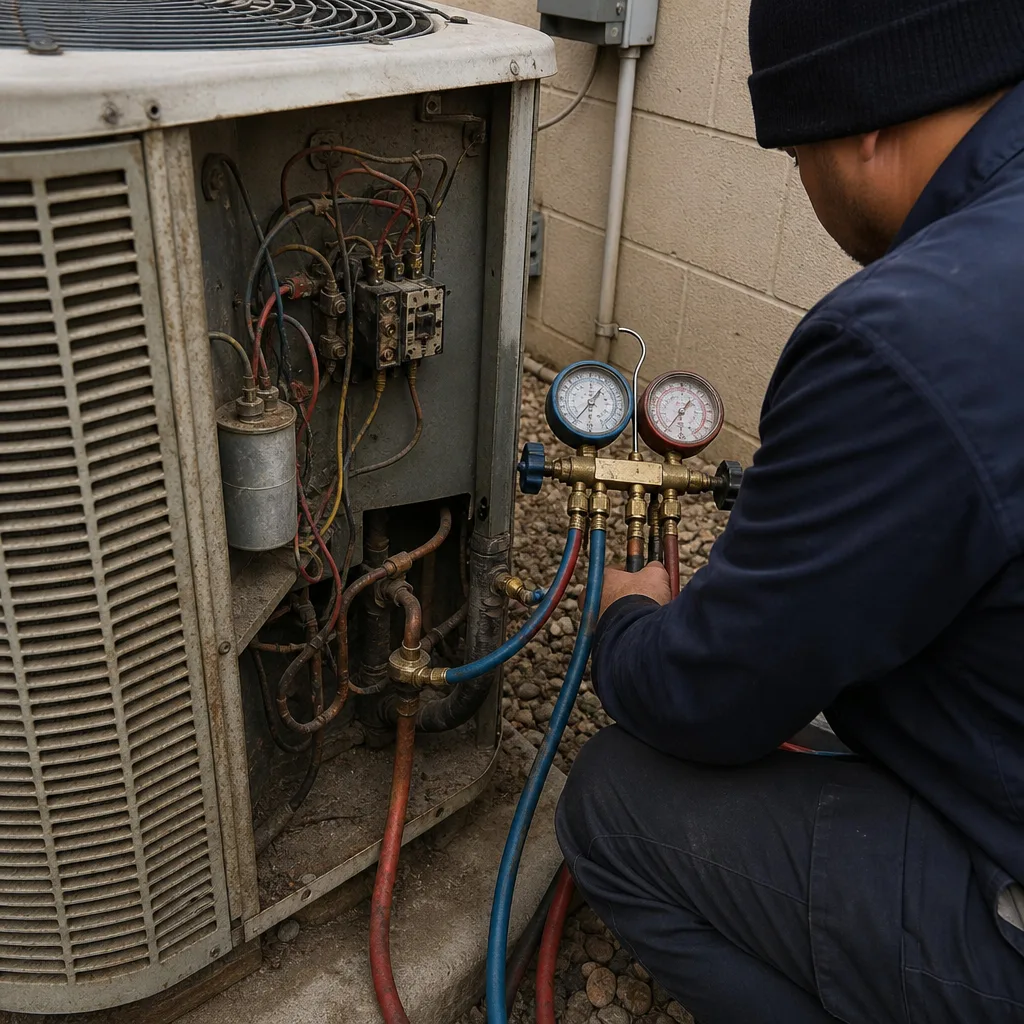
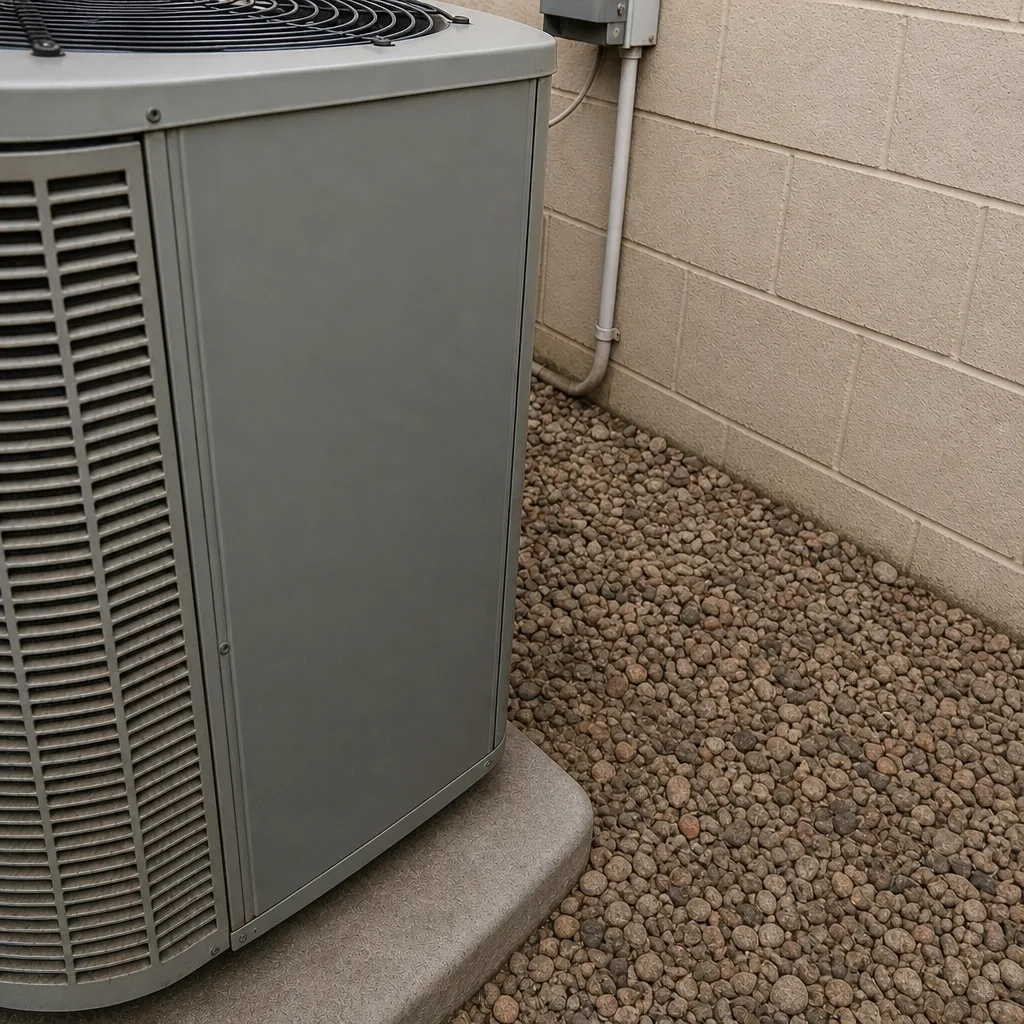
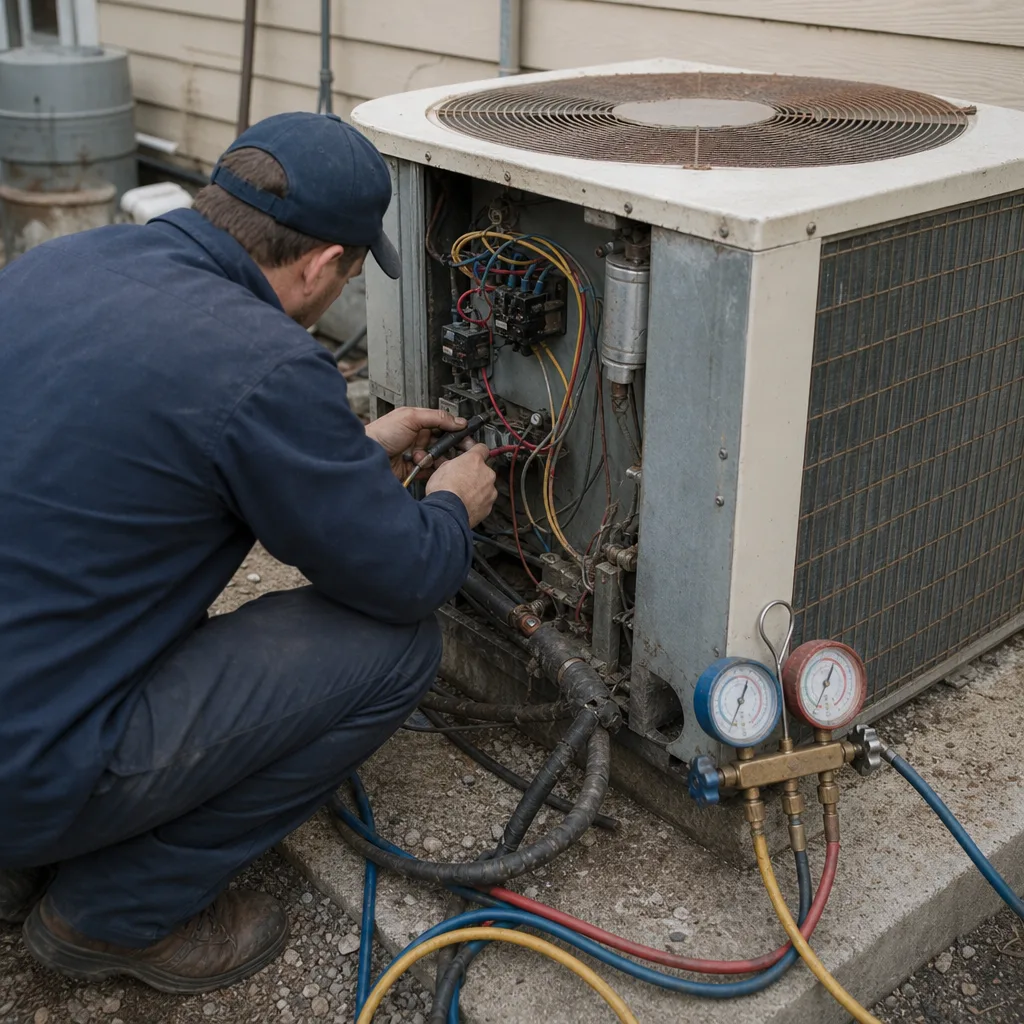
See the difference
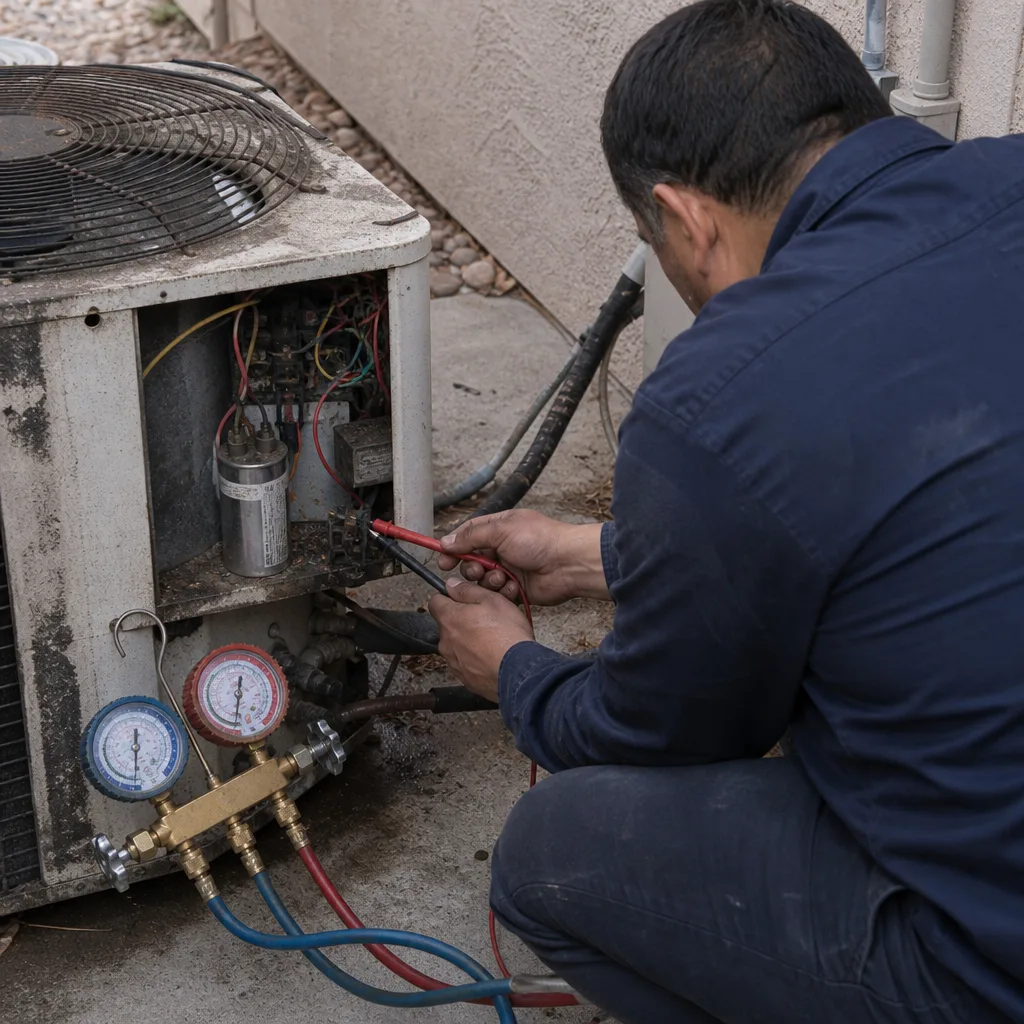 Before
 After
 Before
 After
 Before
 After
Furnace Blowing Cold Air in Winchester, NV? Start With the Flame Sensor
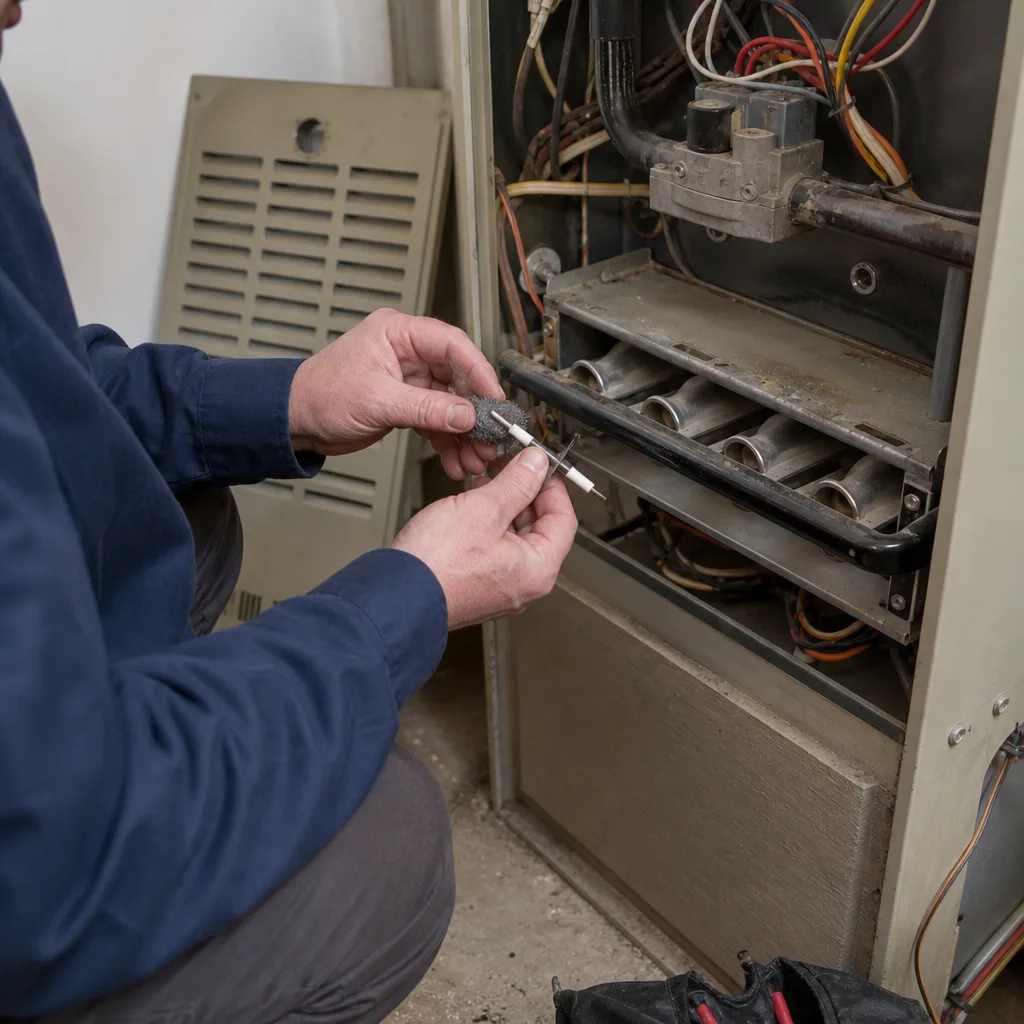
The most likely cause of a furnace blowing cold air in Winchester is a flame sensor coated with six months of Mojave dust. Your furnace sits idle from roughly March to November here, and when you first flip the heat on, that sensor can no longer confirm ignition even though the burners are lighting. The control board reads “no flame,” shuts the gas off as a safety measure, and the blower keeps running – cold air out of every vent. It’s a ten-minute fix that almost never shows up on the generic troubleshooting lists.
If you’ve already checked the thermostat and you’re still getting nothing but cold air, call (844) 783-5043. We answer live, day or night, and a furnace repair in Winchester typically runs $150-$700 depending on what’s actually failed.
Why Winchester Furnaces Fail Differently Than Cold-Climate Furnaces
Most furnace troubleshooting advice online was written for Minnesota and Ohio, where a furnace runs every day from October to April. Winchester isn’t that. Our winters are mild enough that a furnace might fire for a few hours in the morning and then sit quiet for days. Six months of dormancy is normal here, and dormancy is what causes most first-of-season cold-air complaints.
Three things happen to a furnace that hasn’t run since spring:
- The flame sensor oxidizes and collects dust. Desert dust settles on the sensor rod all summer. When it can’t sense the flame, the gas valve closes and the blower runs cold.
- The pilot or igniter gets stubborn. A standing pilot that won’t re-light after months of disuse, or a hot-surface igniter that’s cracked from sitting, both leave you with a running blower and no heat.
- The gas valve sticks from dormancy. Less common, but we see it in older units in Winchester’s 1960s-1980s housing stock, where a valve that sat closed all summer doesn’t want to open on the first cold morning.
In a cold climate, a furnace blowing cold air more often means a failed heat exchanger or a bad control board. Those happen here too, but they’re not the first thing we look at. Our technicians have up to 8 years of experience, and the first thing most of them do on a November call in Winchester is pull the flame sensor and clean it.
The Cold-Air Sequence, Weighted for Winchester
Here’s how we actually work through a “furnace blowing cold air” call, in the order that matches how often each cause shows up in this climate. It’s not the order you’ll find on the big national troubleshooting sites, because their order is built for places that freeze.
- Is the thermostat actually in HEAT mode? It sounds obvious, but after a summer of AC, plenty of thermostats get bumped to COOL or left on a schedule that hasn’t caught up. Check the mode and set the fan to AUTO, not ON. Fan-on runs the blower constantly, which reads as cold air even when the furnace is fine.
- Is the filter clogged from AC season? This is the quiet one. If you changed the filter in spring for AC season and forgot to change it again before the first heat run, a clogged filter restricts airflow, the high-limit switch trips, the furnace shuts off on safety, and the blower runs cold. A new filter costs about $8. Swap it and try again before you call anyone.
- Is the flame sensor dirty from dormancy? This is the Winchester special. The sensor is a short metal rod in the burner assembly. It’s supposed to confirm a flame is present. Six months of dust and a thin oxide layer and it can’t. The furnace lights, the board doesn’t see it, the gas shuts off, cold air blows. A technician cleans it with steel wool and emery cloth and you’re back in business.
- Is the pilot or igniter lighting at all? Watch through the sight glass (if your unit has one) or listen for the burners. If you get no flame, the igniter or pilot assembly is the suspect. Don’t start pulling parts on a gas appliance – that’s a job for someone trained on it.
- Has the high-limit switch tripped from restricted airflow? Beyond a clogged filter, a blocked return, closed registers, or a failing blower motor can all trip the limit. The limit switch is a safety device. If it keeps tripping, something is restricting airflow and it needs to be found, not reset over and over.
Steps 1 and 2 are things any homeowner can check safely. Steps 3 through 5 involve gas, ignition, and safety switches, and we don’t recommend homeowners dig into those. A furnace is a gas appliance with a burner assembly, a gas valve, and a heat exchanger, and the wrong move on any of them is a real hazard. Cleaning a flame sensor takes a trained hand ten minutes and the right tools. It’s not worth learning on your own furnace.
Common First-of-Season Scenarios We See in Winchester
Winchester is an unincorporated township pressed right up against the Las Vegas Strip, and the housing stock shapes the calls. Most of the work here is in low-rise apartment and condo complexes built between the 1960s and 1980s, plus the mobile home parks scattered through the area. Equipment sits in tight closets or on rooftops. Here’s what that looks like on a November cold-air call:
The apartment complex wake-up. In the denser buildings off Paradise Road and near the Convention Center, hundreds of identical builder-grade units age out together. The first cold snap of the year and the phone rings from the same complex all week. The scenario is usually the same: a Carrier or Goodman furnace that hasn’t run since March, a dust-coated flame sensor, and a blower blowing cold.
The mobile home furnace. Winchester has a substantial mobile home population, and HUD-code furnaces are built differently. The limit switch locations and venting configurations aren’t the same as a standard closet unit, and a cold-air complaint in a mobile home follows a different diagnostic path. Most generic troubleshooting guides ignore this entirely. Our technicians know to look for it.
The forgotten filter. The homeowner changed the filter in spring for AC season, ran it all summer, and never changed it again. First heat run in November, the high-limit switch trips, cold air blows. We see this one constantly, and it’s the cheapest fix on the list.
For a fuller look at how we handle furnace work in this climate, see our Heating & Furnace in Winchester page.
What Furnace Repair Costs in Winchester, and When to Call
Furnace repair in Winchester runs $150-$700, and most first-of-season cold-air calls land at the low end because the fix is a flame sensor cleaning or a filter change. A tune-up is $80-$200. Here’s how the line items break down:
| Service | Typical Range |
|---|---|
| Furnace repair (flame sensor, filter, igniter) | $150-$700 |
| Seasonal tune-up | $80-$200 |
| AC repair (for comparison, summer calls) | $150-$650 |
| AC installation (if replacement comes up) | $3,500-$7,500 |
We quote upfront and the price quoted is the price paid. No surprise line items when the job is done. Our home page has the standing offers, and every job is backed by our 90-Day Done Right Promise: if it isn’t done right, we make it right, in writing, no arguing.
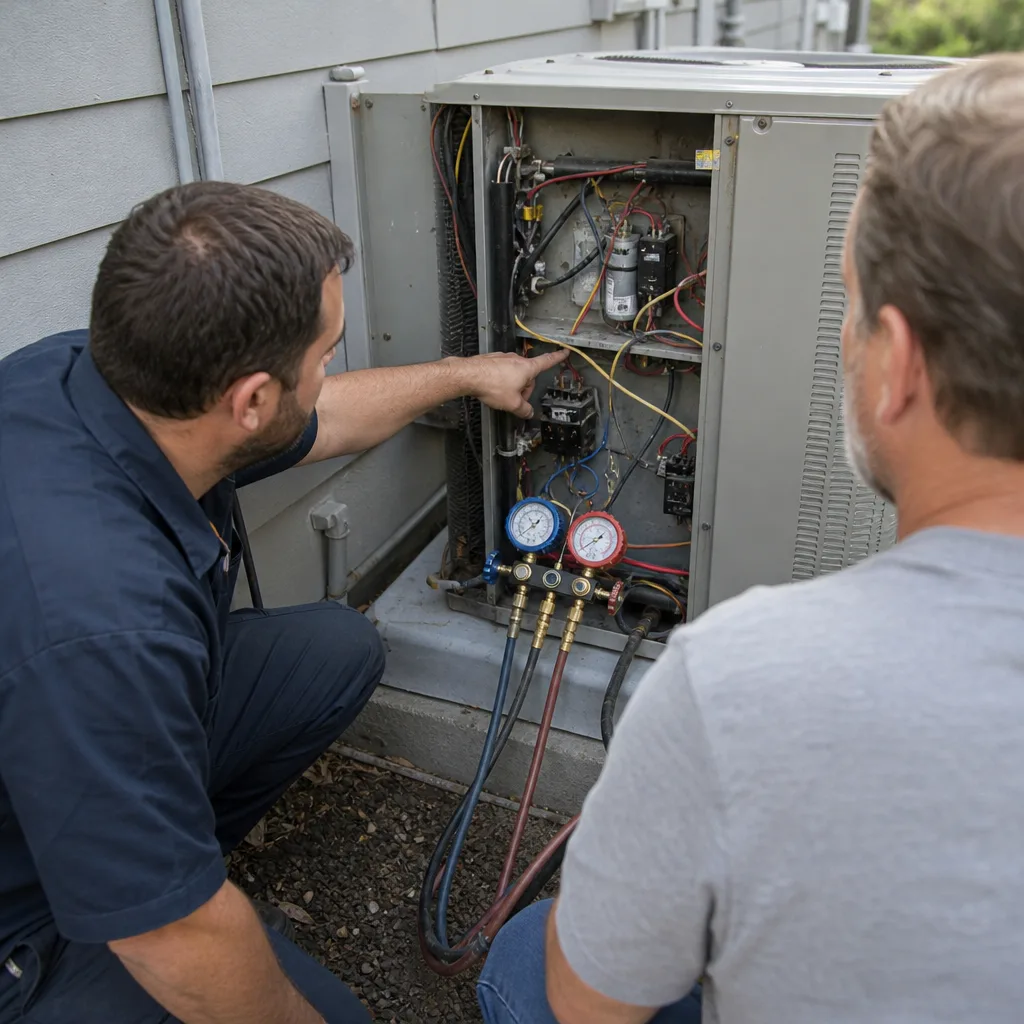
So when should you call instead of checking it yourself? If you’ve confirmed the thermostat is in HEAT and you’ve put in a fresh filter and the air is still cold, you’re past the homeowner-safe checks. That’s a gas-side or ignition-side diagnosis, and it’s worth having someone look at it before you spend another cold night guessing. This applies whether you have a Trane, a Lennox, or an older unit nobody can quite identify.
Frequently Asked Questions
Furnace repair in Winchester runs $150-$700, and most cold-air calls caused by a dirty flame sensor or clogged filter land at the low end. Call (844) 783-5043 for an exact quote – estimates are free and the price quoted is the price paid.
Yes. We answer the phone live 24 hours a day, 7 days a week, and most Winchester furnace jobs are completed in a single visit. Call (844) 783-5043 and we’ll be there when we say.
For a first-of-season cold-air call, repair is almost always cheaper – a flame sensor cleaning or filter change is a fraction of a new system. Replacement only makes sense when the heat exchanger has failed or the unit is at the end of its life. We’ll give you straight talk about repair versus replace, and a free second opinion on any written estimate if you’ve already been quoted.
Morning-only cold air usually points to a flame sensor that can confirm ignition once the furnace warms up but fails on the first cold start of the day. It’s a common pattern in Winchester’s mild winters, where the furnace sits idle overnight and the first run of the day is the hardest. Call (844) 783-5043 to get it checked.
When to Get It Looked At
If you’d rather have it looked at, Fireside Heating & Air Co. Winchester offers a no-pressure assessment in Winchester – call (844) 783-5043. We’ll tell you what’s actually wrong and what it costs before we touch a thing. You may also want to review our main Heating & Furnace service page for how we handle furnace work from start to finish.
Written by the team at Fireside Heating & Air Co. Winchester.