
Last updated November 18, 2026
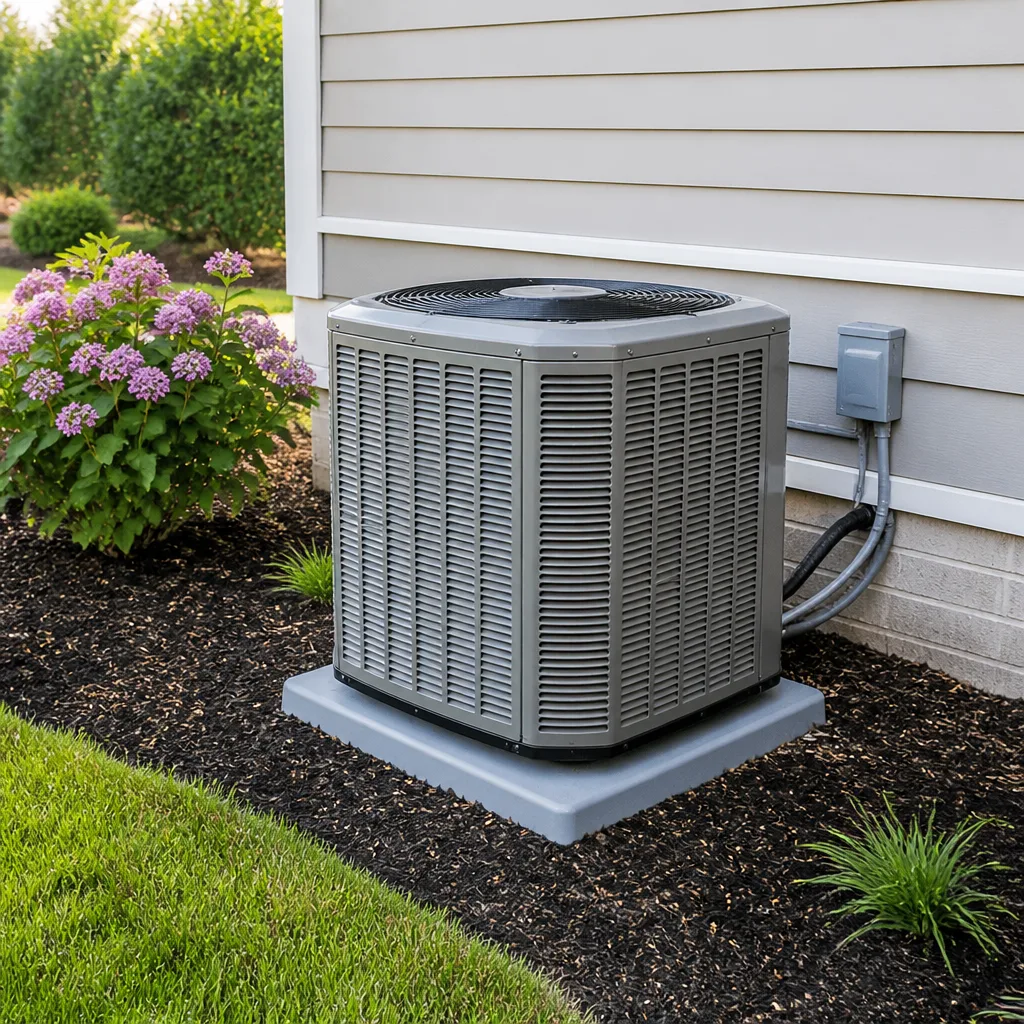 AC repair
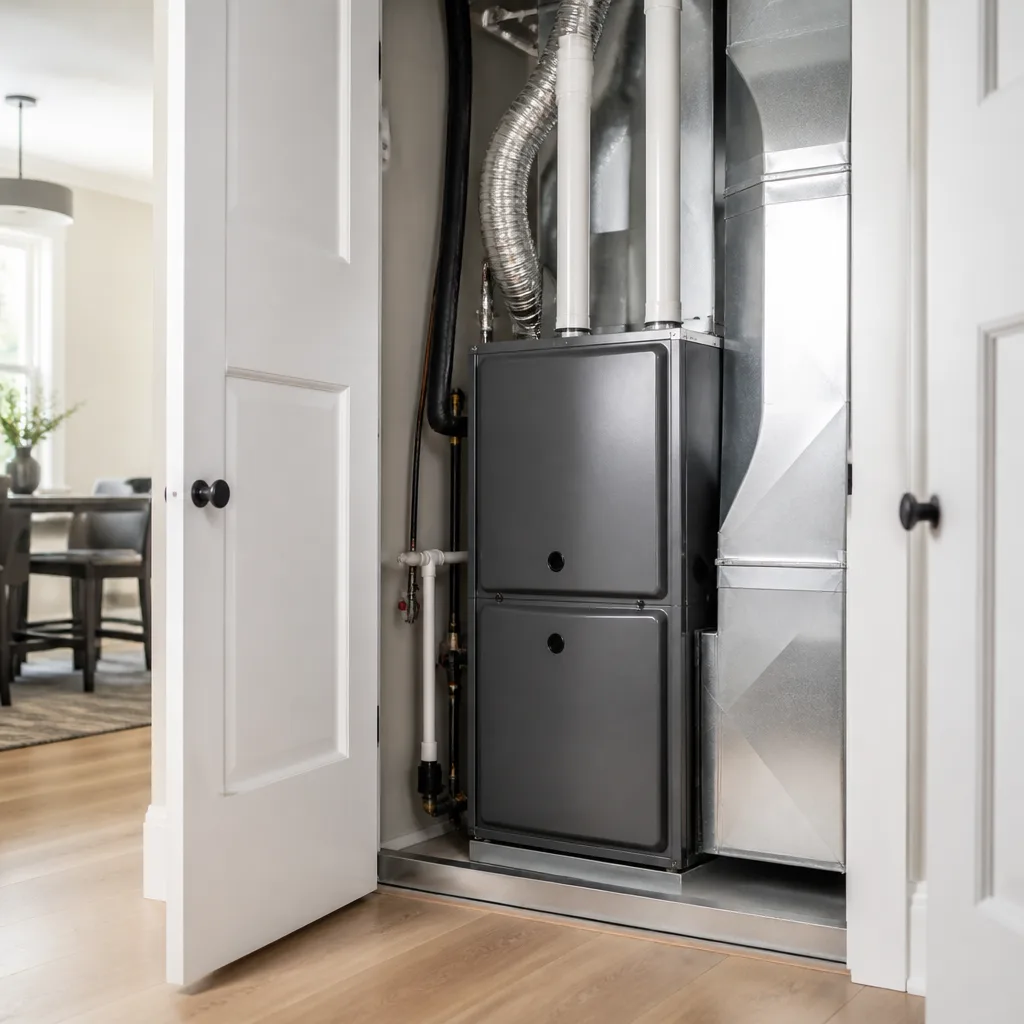 Furnace & heating
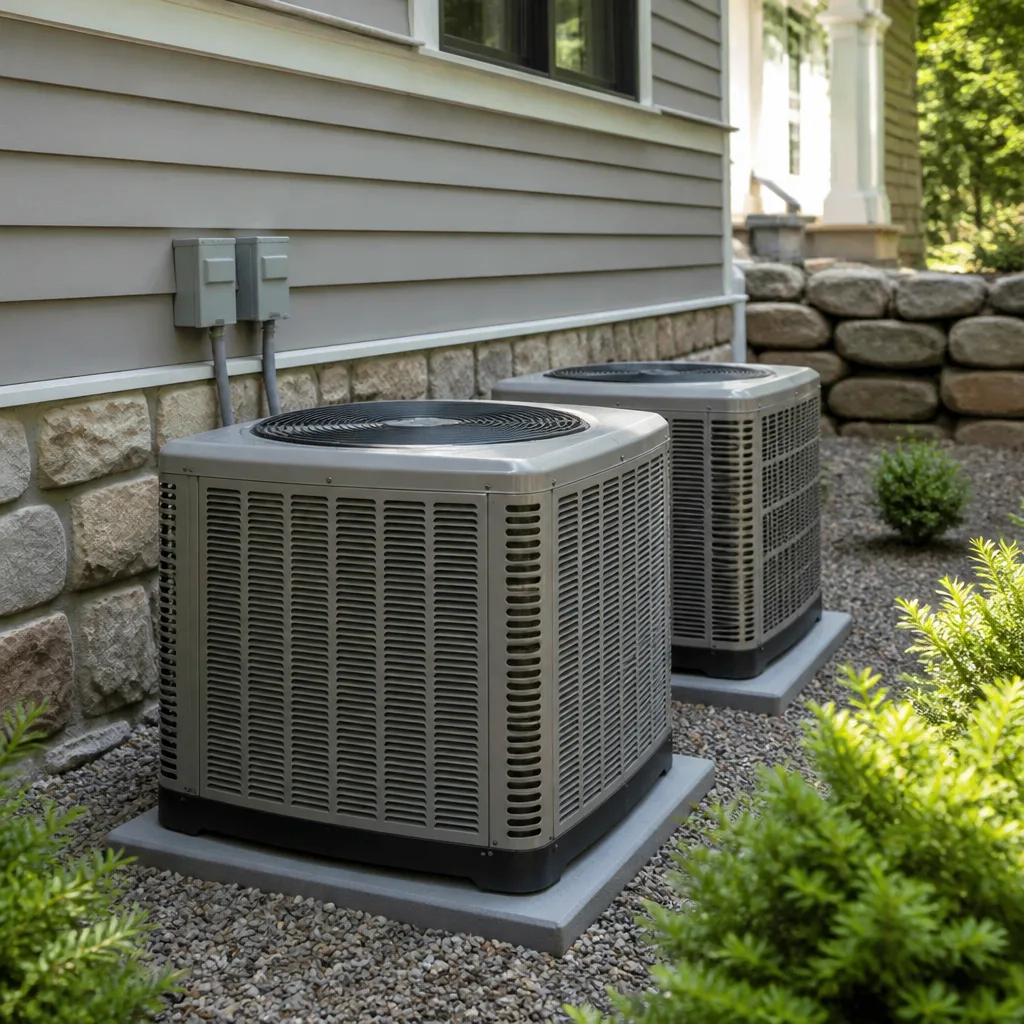 Heat pumps
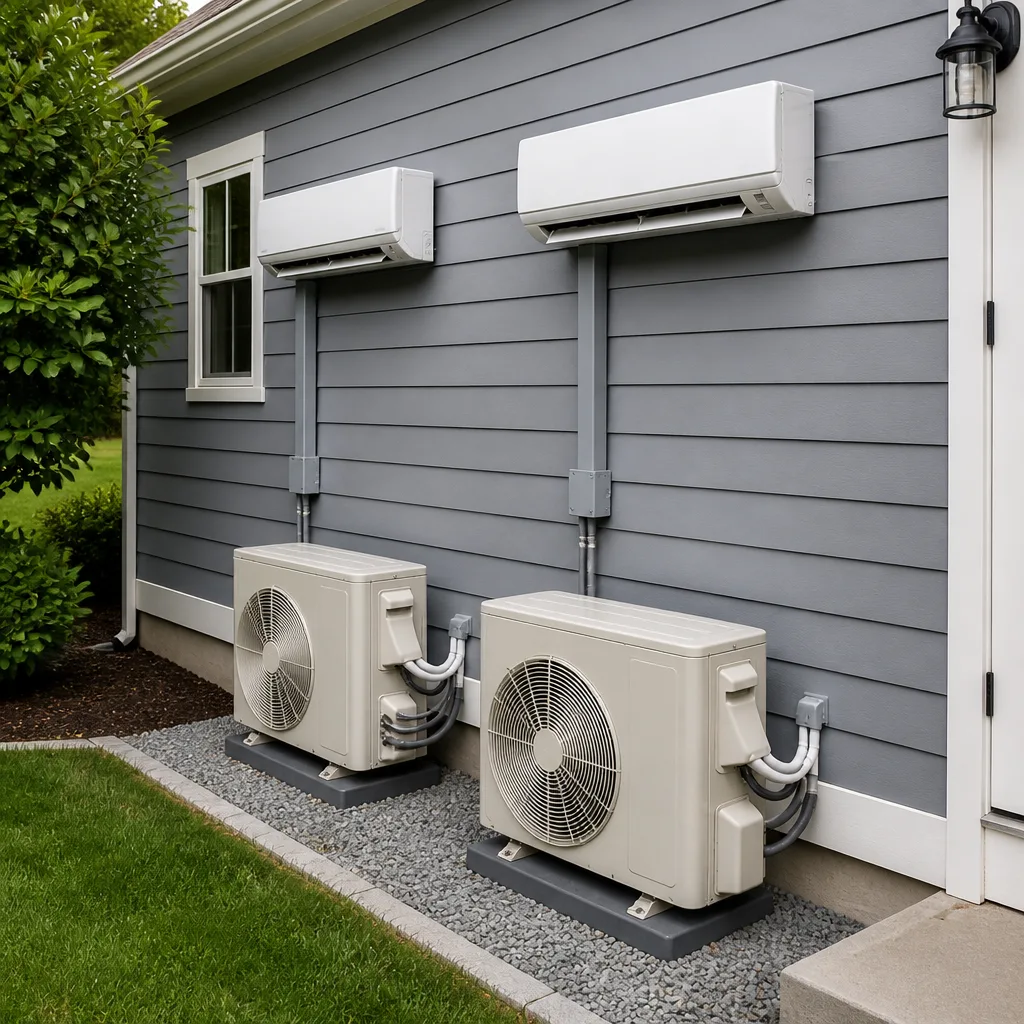 Ductless mini splits
 Carrier
 Trane
 Goodman
Seasonal tune-up and full diagnostic on your Carrier, Trane, or Goodman system - readings shown to you before any repair is proposed
Diagnosis first, numbers second - you approve the repair price before a single part goes in.
Get your free estimateHow Long Does Air Quality & Ventilation Take? Timelines and What to Expect
An air quality assessment that takes 45 minutes and one that takes three hours are not the same service. One technician is there to sell you a product. The other is there to find your problem. Before anyone walks through your door, knowing how to tell the two apart is worth more than any price comparison you’ll do online. In this guide, we lay out honest time ranges for duct inspection, ERV and HRV cleaning, UV system installation, whole-home humidifier installs, and blower door testing. We also explain why the diagnostic phase, not the install, is what actually sets the clock on a Winchester air quality job, and how to spot the shortcuts that create callbacks.
Quick Answer
Most air quality and ventilation services in Winchester take between 90 minutes and a full day, depending on the job. A duct inspection or blower door test runs about 1 to 2 hours; UV light installation and whole-home humidifier installs typically take 2 to 4 hours; ERV and HRV cleaning can take 3 to 5 hours. The diagnostic phase is the variable that matters most, and it should never be rushed.
Styles & brands we work with
- AC repair
- Furnace & heating
- Heat pumps
- Ductless mini splits
- Carrier
- Trane
- Goodman
Table of Contents
- Why the Diagnostic Phase Sets the Timeline
- Duct Inspection: What 1 to 2 Hours Really Buys You
- ERV and HRV Cleaning: The 3 to 5 Hour Job
- UV Systems and Whole-Home Humidifiers: 2 to 4 Hours
- Blower Door Testing: Measuring the Leaks
- How Winchester Home Construction Changes the Clock
- What Legitimately Extends a Job (and What Shouldn’t)
- How to Prepare Your Home the Morning of Service
Why the Diagnostic Phase Sets the Timeline
Every air quality call starts with the same question: what is actually wrong? A technician who skips straight to a recommendation has just told you they aren’t diagnosing anything. The good ones spend real time walking the house, checking static pressure, looking at return air, and reading the system’s history before they say a word about products. That phase is why a proper assessment can take 45 minutes to three hours, and it’s the part you should protect.
Here’s what a trained technician is doing during that window:
- Measuring static pressure across the air handler to see if the system is starving for return air.
- Checking filter type, filter condition, and whether the filter slot is sealed or open to the attic.
- Inspecting accessible duct runs for kinks, disconnected joints, and crushed flex in tight attic spaces.
- Sampling humidity levels in living areas and comparing them to outdoor conditions.
- Asking how the house feels in July and January, because that answer tells more than any gauge.
In Winchester, this phase matters especially because our summers push the system hard and our winters bring dry air that homeowners notice more than they expect. A diagnostic cut short is the leading cause of callbacks we see on air quality work. The install was fine. The diagnosis underneath it was wrong. If a technician is in and out in twenty minutes with a catalog in hand, that’s your cue to slow the conversation down.
Duct Inspection: What 1 to 2 Hours Really Buys You
A duct inspection typically takes 1 to 2 hours in a Winchester home, and most of that time is spent in places you won’t see: the attic, the crawl space, the mechanical closet, and the return chase. A technician who only looks at the registers in your living room has done maybe 15 percent of the inspection. The rest of the value lives in the parts of the system that never get looked at.
What the 1 to 2 hours covers:
- Accessible duct runs: checking for disconnected joints, crushed flex duct, and undersized transitions.
- Sealing at the plenum: the connection point between the air handler and the duct trunk, where most leaks live.
- Insulation condition: especially in attic runs, where summer attic temperatures can hit 140 degrees and cook worn duct wrap.
- Return air path: verifying the return isn’t undersized or pulling from a dirty space.
- Register and grille condition: checking for blockage, dust load, or rust that signals moisture issues.
The line between a 45-minute walkthrough and a genuine inspection usually comes down to whether the technician goes into the attic and the crawl space. In Winchester, we regularly find duct problems that were completely invisible from inside the house. If your home has a crawl space, expect the job to lean toward the two-hour end. That extra half hour is where the real findings are.
ERV and HRV Cleaning: The 3 to 5 Hour Job
Energy recovery ventilators and heat recovery ventilators are the most under-serviced piece of equipment in most airtight Winchester homes. A proper ERV or HRV cleaning takes 3 to 5 hours, and it isn’t a quick vacuum job. The core and the filters have to come out, the unit has to be cleaned inside and out, the condensate path has to be checked if it has one, and the exterior hoods need to be cleared of debris.
The time breaks down this way:
- Shut down and isolate the unit so you aren’t pushing dust through the house during the service.
- Remove and clean the core, which is the heart of the system and must be handled carefully to avoid crushing the flutes.
- Clean or replace filters on both the exhaust and supply sides.
- Clean the cabinet and blower wheels, which accumulate dust faster than most homeowners realize.
- Check the exterior intake and exhaust hoods for lint, insect nests, and the fine desert dust that clogs them seasonally.
- Verify airflow and balance before the unit goes back online.
Most Winchester ERV and HRV units should be serviced annually, and homes with pets or near newer construction dust should consider every eight to ten months. A good ventilator cleaning restores the efficiency the system was designed for. A rushed one leaves dust in the core, and the homeowner can’t tell the difference except on the electric bill. If your system involves a heat pump component, the crew handling it should also be comfortable with Heat Pump & Mini Split in Winchester work, since the two systems share a lot of the same duct and airflow concerns.
UV Systems and Whole-Home Humidifiers: 2 to 4 Hours
UV light installation and whole-home humidifier installation both fall into the 2 to 4 hour range, but they’re different jobs with different risks. A UV system is a relatively quick install (usually 2 to 3 hours) provided the technician locates the lamp correctly in the air stream and wires the unit to a proper power source rather than an extension cord. A whole-home humidifier is closer to the 3 to 4 hour end, especially when a water line has to be run and the bypass or fan-powered unit has to be fitted to the supply plenum.
What drives the time on each:
- UV install: cabinet location, power access, and whether the lamp is being placed where it can actually do its job against the coil and drain pan.
- Humidifier install: proximity to a water line, drain access, plenum space, and whether the unit is bypass-style or fan-powered.
- Humidifier commissioning: setting the humidistat, checking for leaks at every connection, and walking the homeowner through the seasonal adjustment.
Winchester’s dry winter air is hard on wood floors, wood trim, and sinuses. A whole-home humidifier is one of the highest-value upgrades we see in homes that have been running dry all winter. It also needs to be installed correctly. A bypass humidifier tapped into the wrong place will run constantly and still not move the needle. The extra hour of proper placement and commissioning is what makes the difference. On the cooling side, if the humidifier is being added at the same time as a system replacement, the whole visit is better scheduled alongside AC Repair & Installation in Winchester work so the plenum modification happens once, correctly.
Blower Door Testing: Measuring the Leaks
A blower door test takes about 1 to 2 hours, and it’s the single most honest measurement an air quality technician can make in a Winchester home. The setup alone runs 20 to 30 minutes. The tech has to fit the frame into an exterior door, calibrate the fan, seal off any gaps, and then walk the house while the fan depressurizes it and every leak announces itself with a whistling draft.
The test itself is straightforward. The value is in how it’s interpreted. The technician runs the fan to a specific pressure differential, records the CFM (cubic feet per minute) at that pressure, and compares the number to what your home should be hitting. Then the walkthrough begins. That’s when you find out that the “drafty room” isn’t a window problem at all. It’s a return air issue, or a disconnected duct in the attic, or a mechanical closet with no door seal.
In Winchester homes built after 2000, we often see blower door numbers that are tighter than homeowners expect, which is why the follow-up conversation matters. A tight house has clean air problems that come from the inside (cooking, cleaning products, humidity, off-gassing) rather than from air coming in. That’s exactly the case where an ERV earns its keep. A blower door test that changes how you think about your house is a good use of two hours. One that produces a one-page report and a sales pitch is not.
How Winchester Home Construction Changes the Clock
Two houses on the same Winchester street can take very different amounts of time for the same duct work, and the reason is the foundation type. Slab-on-grade homes have ductwork in the attic or in soffits, and all of it is accessible with the right attic access. Crawl-space homes have ductwork running under the floor, and that changes everything about the timeline.
What that means for service time:
- Slab-on-grade: duct inspection usually runs toward the shorter end (60 to 90 minutes). Access is up, not down, and the attack is straightforward.
- Crawl space: budget the full 2 hours or more. The technician has to suit up, get under the house, move through the space, and come out to document what was found.
- Mixed or retrofitted homes: expect both. Some Winchester homes have had additions over the years, which means the system has been reworked at least once.
Crawl-space work is more physically demanding and takes longer, and any company quoting you a 30-minute crawl-space duct inspection should be asked how they’re getting under the house in half an hour. We’ve seen crawl spaces in Winchester with duct runs you can’t see even with a flashlight unless you’re on your back with the light right against the run. That work takes time, and it should. The same is true on the heating side of the system. If the crawl space reveals a furnace issue, plan the follow-up around proper Heating & Furnace in Winchester service so both problems get solved in one coordinated visit.
What Legitimately Extends a Job (and What Shouldn’t)
Some jobs genuinely run longer than the quoted range. Some jobs run long because someone is selling you more than you agreed to. Knowing the difference is what separates a fair job from an expensive one.
Legitimate reasons a job extends:
- Disconnected or damaged duct runs found during inspection that require repair before the ventilation work can proceed.
- Mold or moisture damage in a crawl space or attic that has to be documented and addressed before any equipment goes in.
- Electrical upgrades needed for a UV system or powered ventilator that can’t be wired to the existing circuit safely.
- Older equipment with seized components, especially ERV cores that haven’t been serviced in years.
- Addition of a second system in a home with two air handlers, which doubles the diagnostic time.
What should raise a question:
- A technician who recommends a full system replacement on the first visit without a blower door test or static pressure reading.
- A quote that adds “ventilation upgrades” you didn’t ask for and can’t be tied to a specific measurement.
- A job that suddenly doubles in price once the technician is on site, with no documentation and no before/after photos.
- An inspection that never went into the attic or crawl space, but still produced a long list of “problems.”
The jobs we’ve seen go sideways in Winchester almost always started with a rushed diagnostic and a confident recommendation. Slow the diagnosis, and the rest of the job falls into place.
How to Prepare Your Home the Morning of Service
The most common time-waster we see is a technician who shows up and can’t get to the equipment. Fifteen minutes of homeowner preparation prevents 45 minutes of delay, and it keeps the job on schedule. The teams at Fireside Heating & Air Co. Winchester home will always be honest about what we need access to, but a few simple steps on your end make the visit smoother.
- Clear the mechanical closet and any path to the air handler. Two to three feet of working space in front of the equipment makes a real difference.
- Move cars out of the driveway so the service vehicle can pull straight in.
- Clear the attic access. If the hatch is in a closet, empty the closet floor. If it’s in the garage, don’t park under it.
- Note any problem comfort rooms by name (“the back bedroom is always hot”) so the technician knows where to focus.
- Secure pets. A dog in the yard or a cat that bolts through the crawl space door both push jobs into overtime.
- Have the last service paperwork nearby if you have it. It shortens the intake conversation.
- Know where the water shutoff is if a humidifier is being installed, just in case.
None of this is complicated. It’s the kind of small hospitality that keeps a good technician moving efficiently through your home. And it’s how a 3-hour job stays a 3-hour job.
Common Mistakes to Avoid
- Booking on price alone. A 45-minute “assessment” that ends in a product pitch is not an inspection, and the quote that follows is usually the most expensive part of the visit.
- Skipping annual ERV and HRV service. Winchester’s dust load clogs ventilator cores faster than most homeowners expect, and a clogged core can cost the system its entire efficiency benefit within two seasons.
- Assuming the “drafty room” is a window problem. In our experience, most draft complaints in Winchester homes trace back to return air or duct issues, not windows.
- Running a whole-home humidifier without a humidistat. A unit running wide open all winter can over-humidify the house and create its own moisture problems.
- Letting a technician into the attic without a camera or a written report. If you don’t get photos and a written summary, you can’t evaluate the recommendation.
- Combining a UV install with a system replacement without scheduling it properly. Both jobs touch the plenum, and they should be coordinated, not stacked on top of each other.
- Ignoring the crawl space because it’s uncomfortable to think about. Crawl-space duct issues are the single most common air quality finding in older Winchester homes, and the only fix is having someone actually go look.
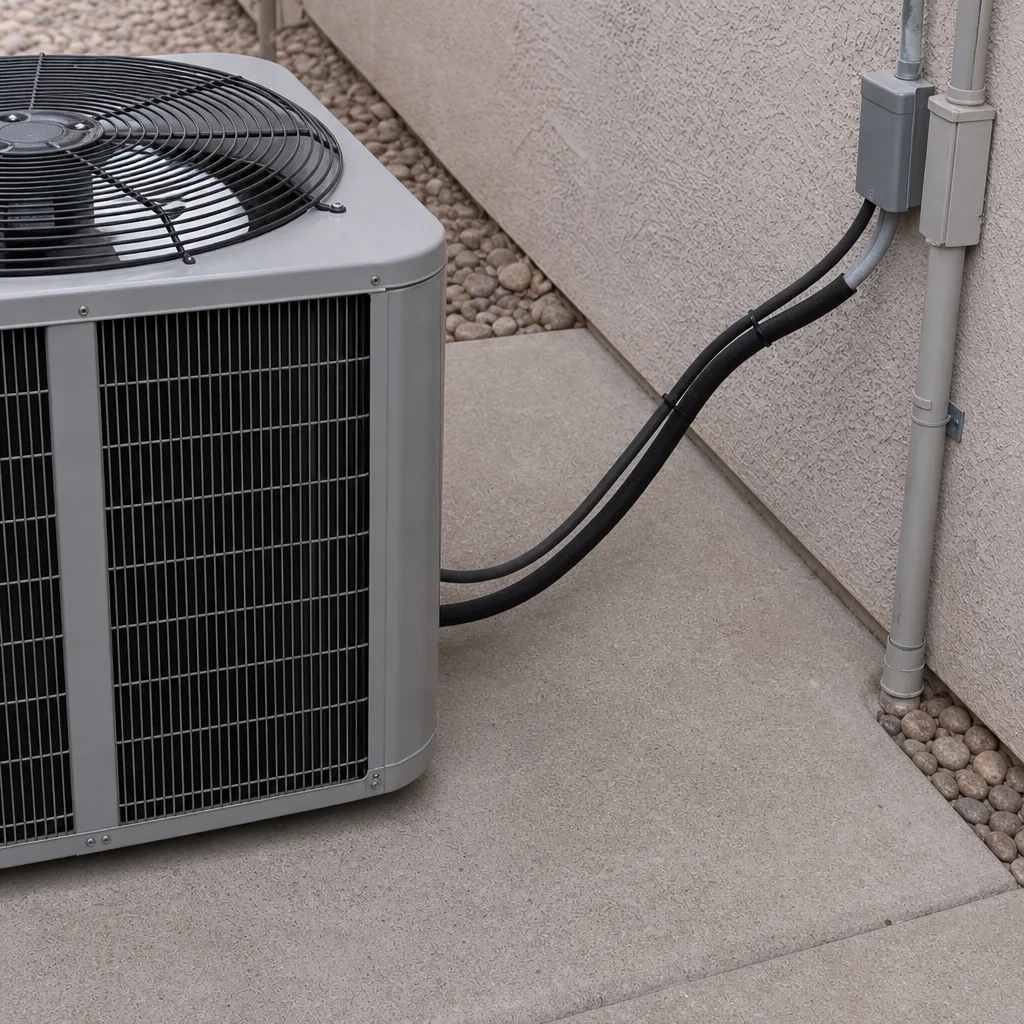
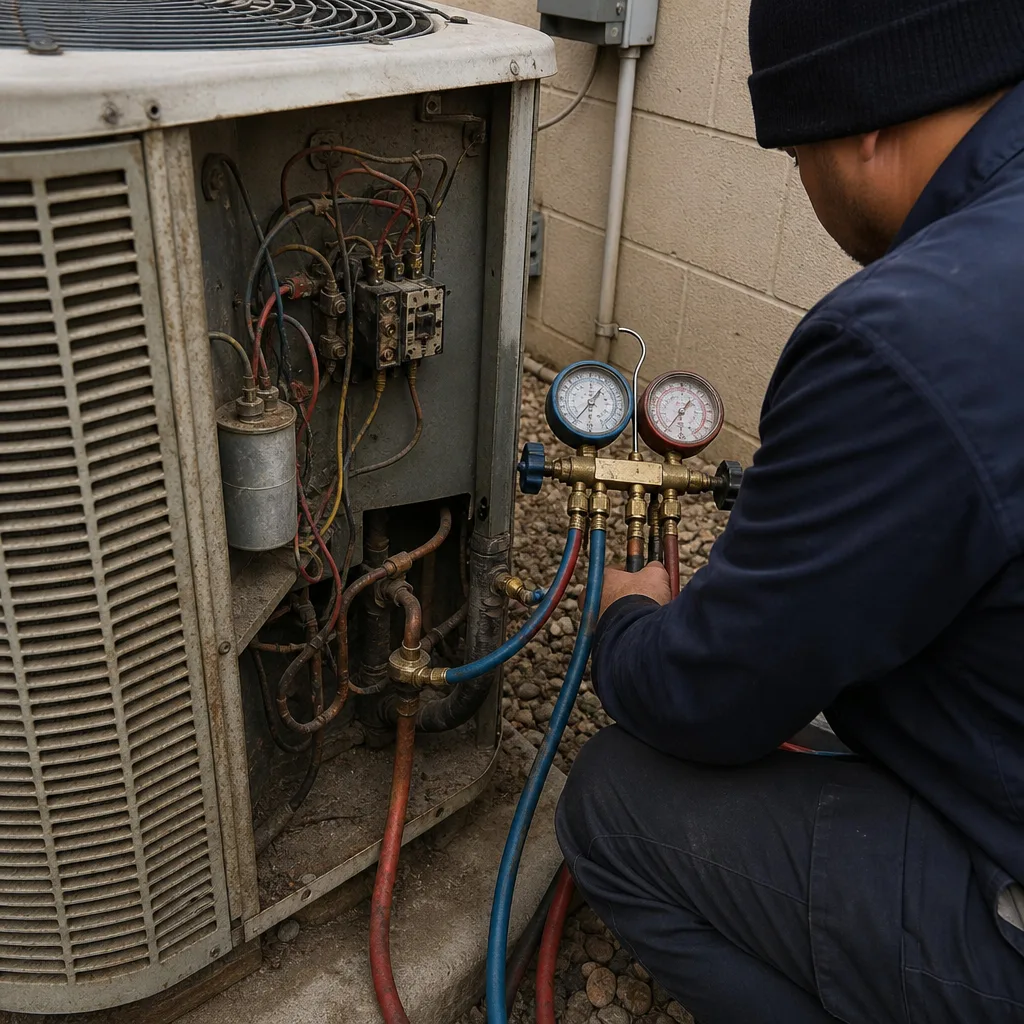
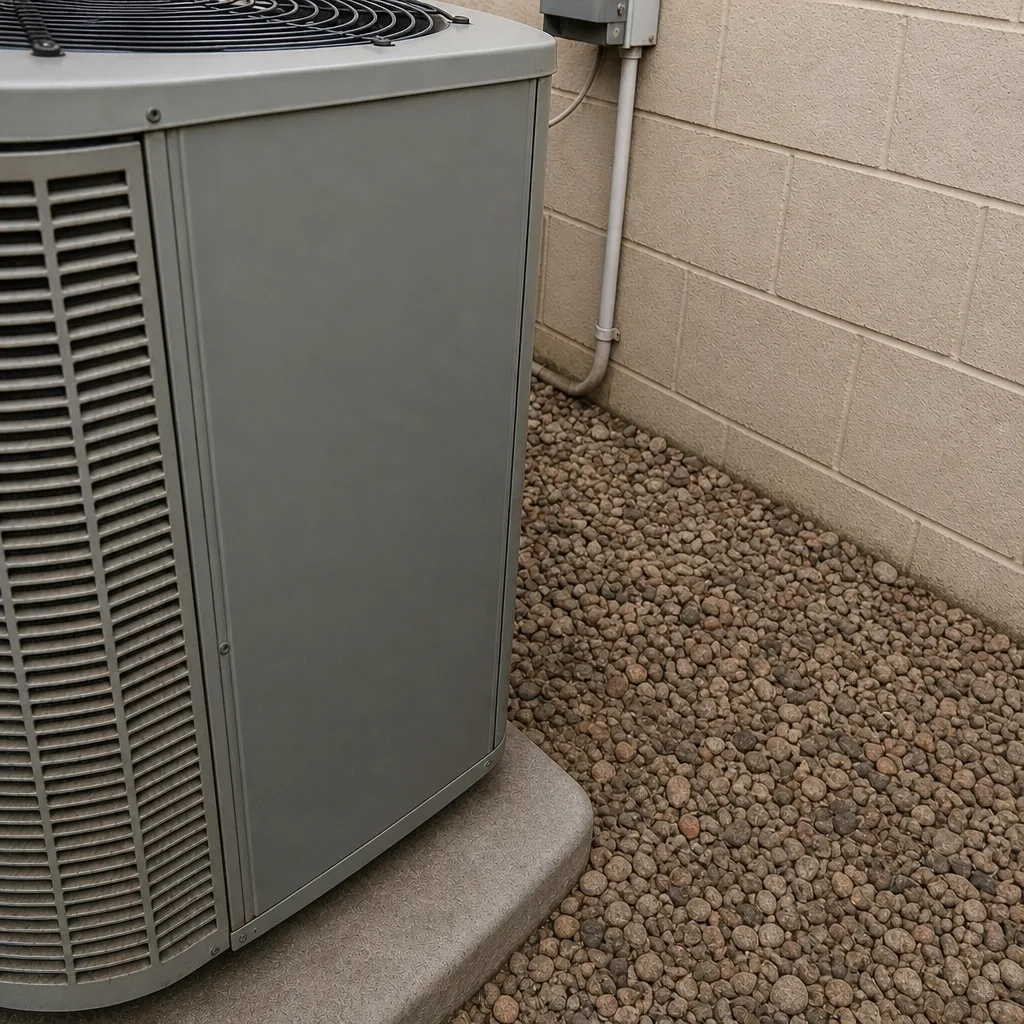
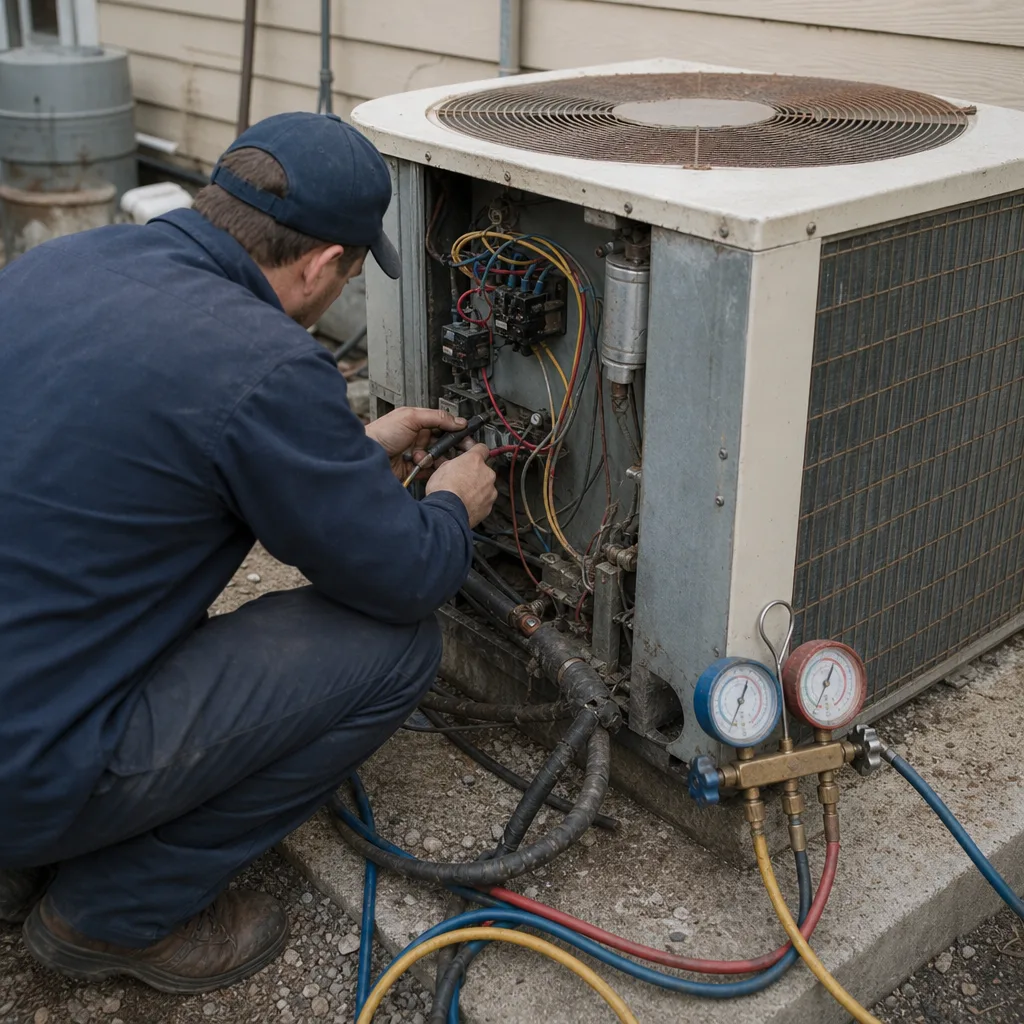
See the difference
 Before
 After
 Before
 After
 Before
 After
When to Call a Professional
Call a professional if any of these sound familiar: your house feels stuffy even when the system is running, a room is colder or warmer than the rest of the house, someone in the home has developed allergies you can’t explain, you notice condensation on interior windows in winter, or you’ve never had the ducts inspected in a home you’ve owned for more than five years. Those are the signs that air quality work is overdue, and the diagnostic is what tells you whether you need a duct repair, a humidifier, a ventilator, or all three.
Fireside Heating & Air Co. Winchester offers free estimates in Winchester and answers the phone with a live person, day or night. Call (844) 783-5043 to schedule a visit. The diagnostic is where the timeline is honest, and we’d rather spend the time to find your problem than rush toward a sale.
Frequently Asked Questions
Most jobs run between 90 minutes and a full day. Duct inspections and blower door tests take 1 to 2 hours; UV installs and humidifier installs run 2 to 4 hours; ERV and HRV cleanings take 3 to 5 hours. Call (844) 783-5043 for an exact estimate on your specific system.
Yes for the diagnostic phase. The technician needs to walk the house with you, ask about comfort complaints, and get access to attics and crawl spaces. Once the assessment is complete, you can step out during installation if you prefer.
Crawl-space duct runs require the technician to suit up, get under the house, and move through an enclosed space to see the full run. Slab homes keep the ducts in the attic, which is faster to access. Most Winchester crawl-space inspections run the full 2 hours or more. Our technicians have up to 8 years of experience navigating these spaces.
Often, yes. Both are 2 to 4 hour jobs and can usually be scheduled back-to-back or in a single visit if the plenum access and power access allow. The visit before installation is what determines if that’s feasible, so plan on the diagnostic happening first.
Annually is the standard, but Winchester’s dust and newer construction both push many homes toward every eight to ten months. If you notice stale air, dust buildup on vents, or the unit running louder than it used to, it’s time regardless of the calendar. Call (844) 783-5043 to schedule the cleaning.
Ask three things: will the technician go into the attic and crawl space, will you get photos and a written report of what was found, and is the price quoted the price paid. If the answers are vague, keep calling. Our team works differently, and our home page explains how the 90-Day Done Right Promise works. Estimates are free.
The Bottom Line
Air quality and ventilation work in Winchester doesn’t take a mysterious amount of time, but the good versions of it take more time than a rushed sales visit. A proper diagnostic is 45 minutes to three hours and it should never be cut short. Duct inspections run 1 to 2 hours, UV and humidifier installs 2 to 4 hours, ERV and HRV cleanings 3 to 5 hours, and blower door testing 1 to 2 hours. Crawl-space homes run longer than slab homes, and that’s expected. If a quote seems too fast, too clean, or too eager, slow it down. Call us at (844) 783-5043 for a free estimate. We’ll be there when we say, and the price quoted is the price paid.
Written by the team at Fireside Heating & Air Co. Winchester.