
Last updated November 18, 2026
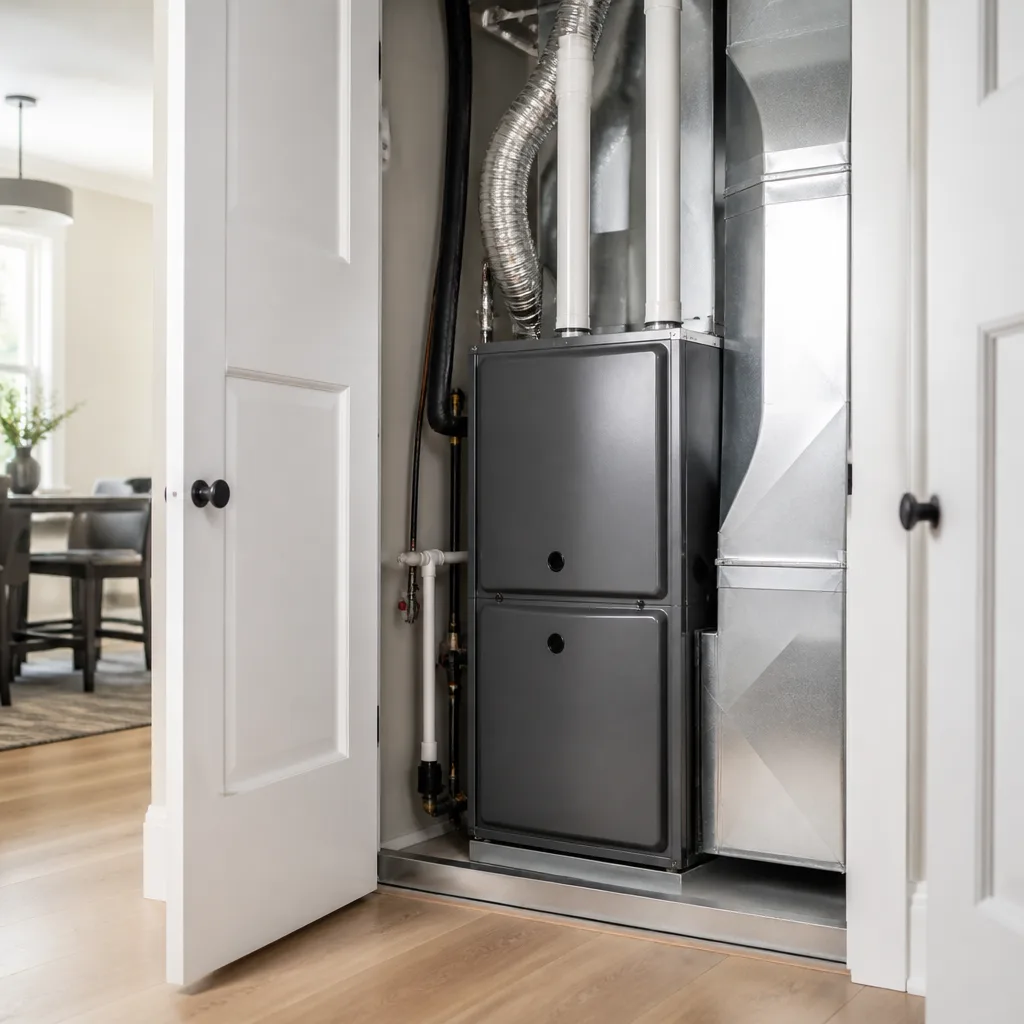 Furnace & heating
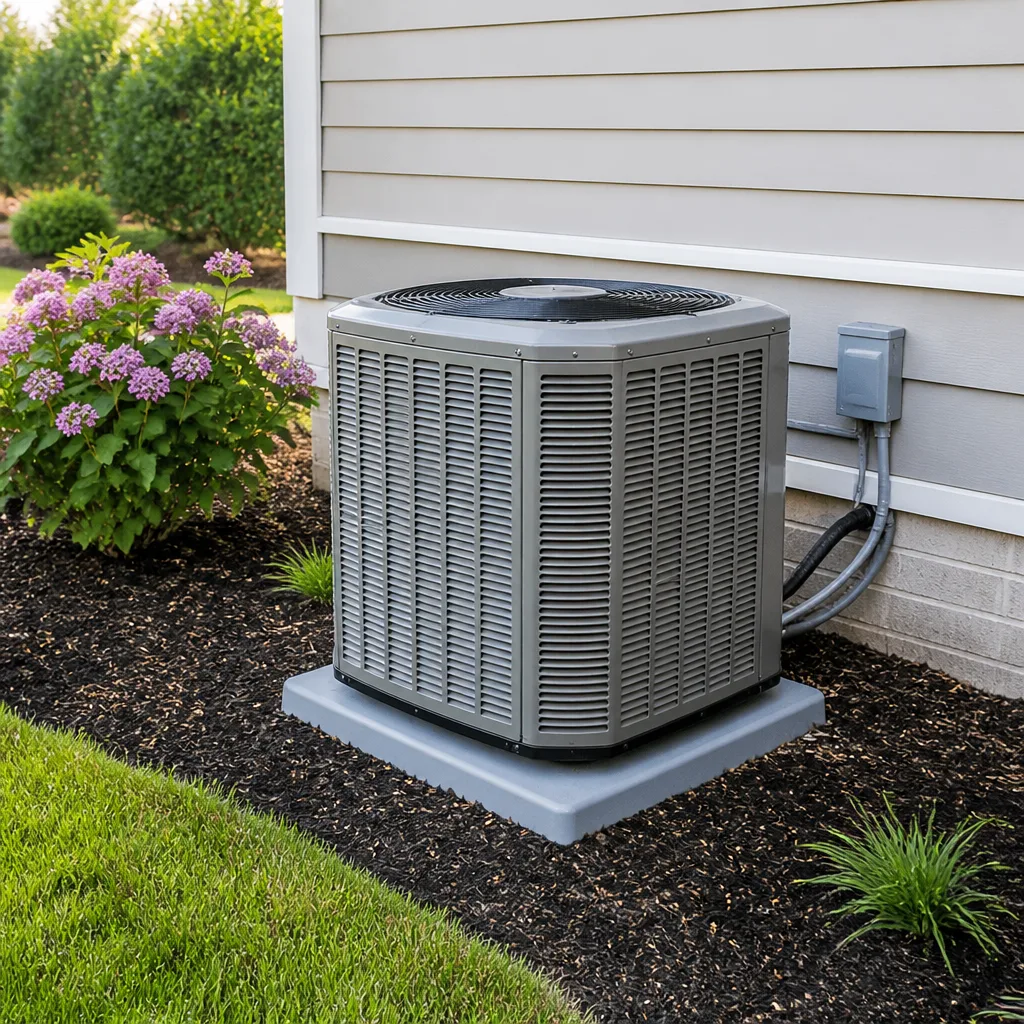 AC repair
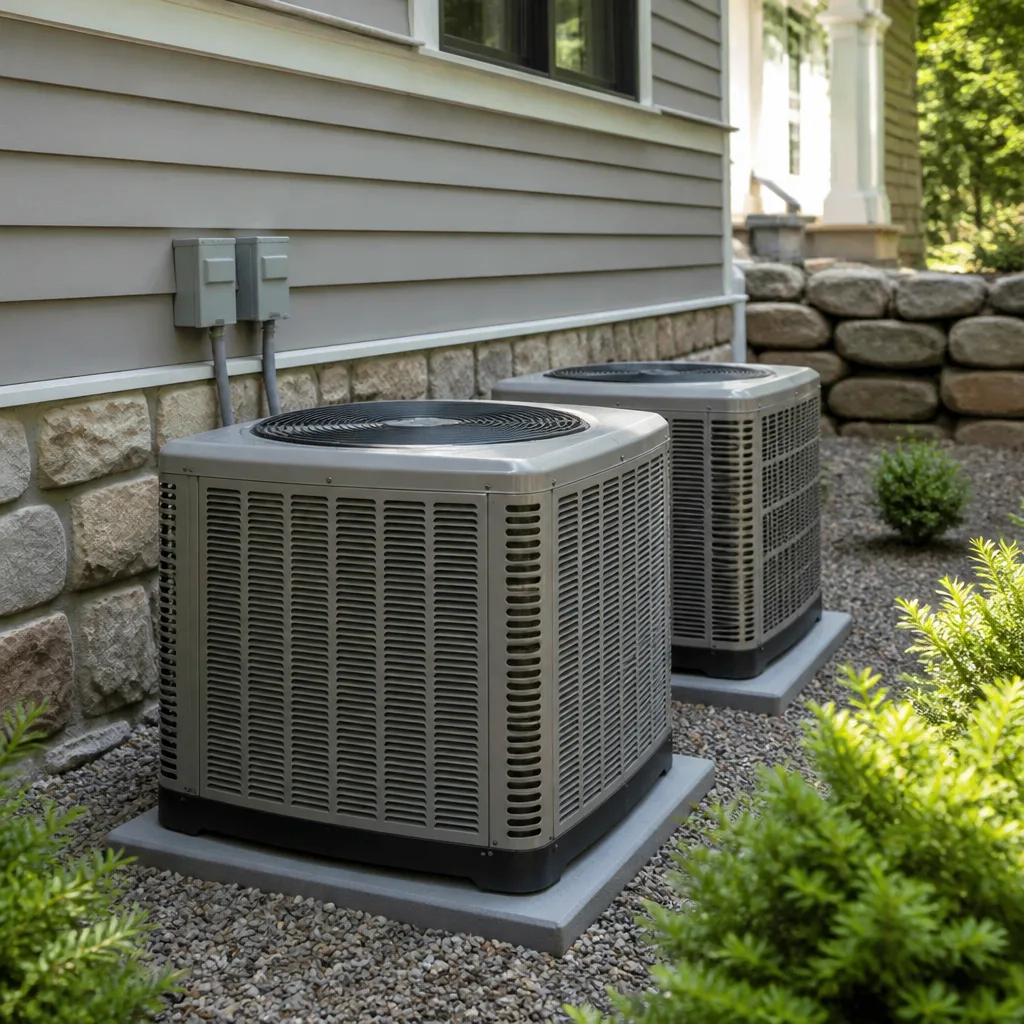 Heat pumps
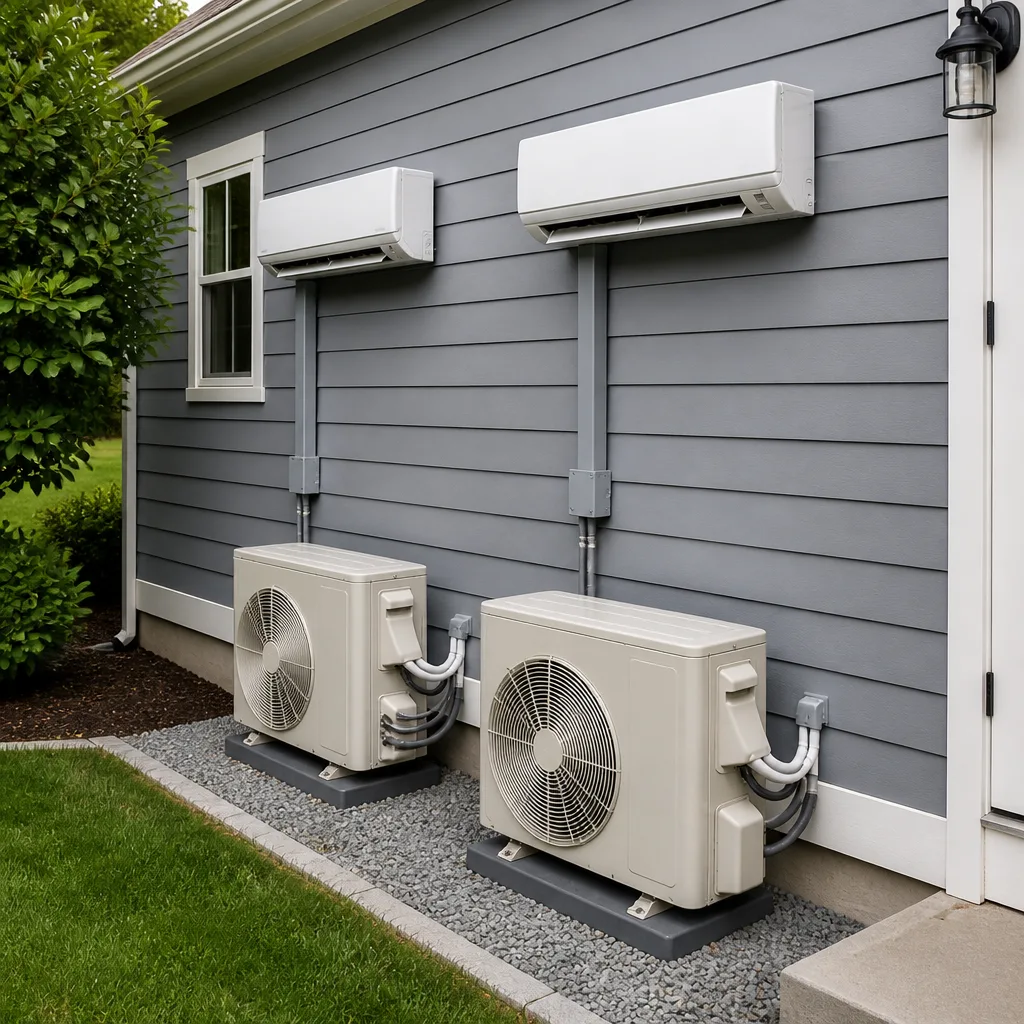 Ductless mini splits
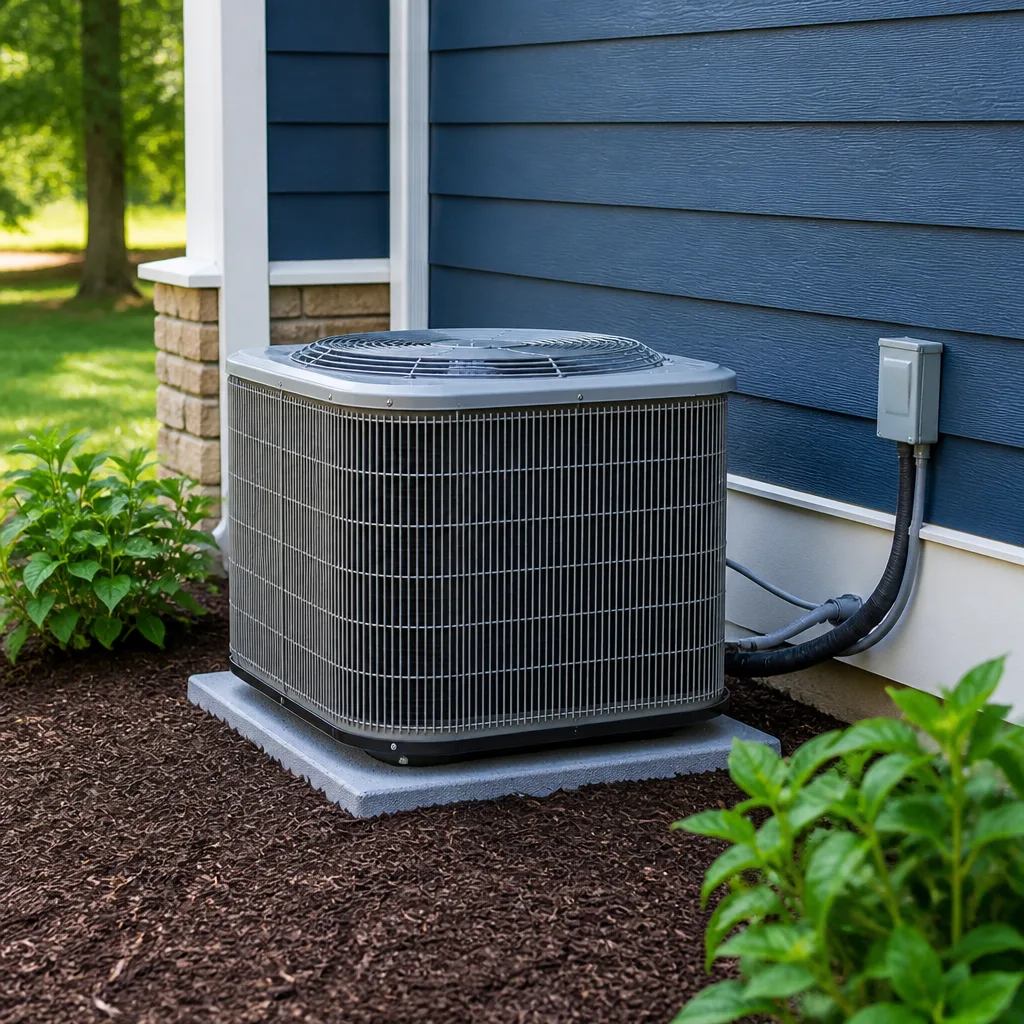 Carrier
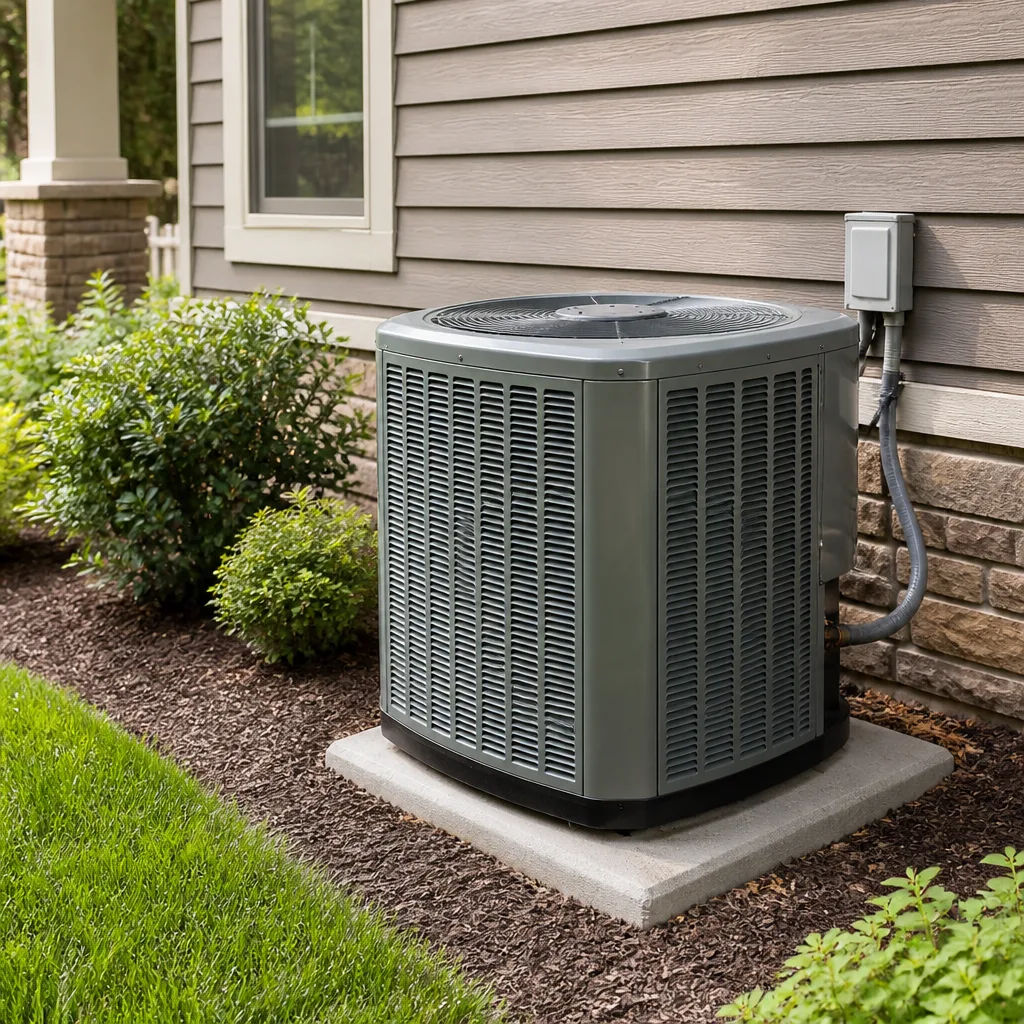 Trane
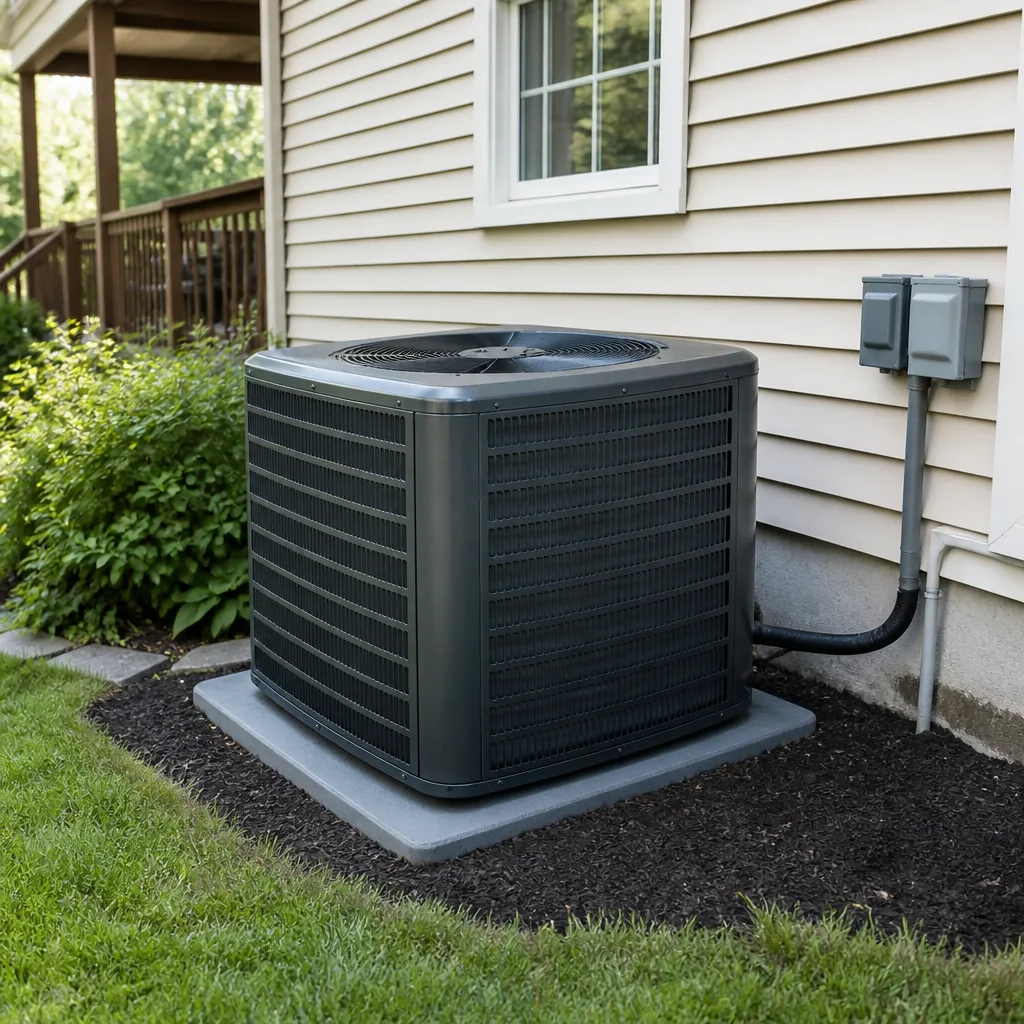 Goodman
Seasonal tune-up and full diagnostic on your Carrier, Trane, or Goodman system - readings shown to you before any repair is proposed
Diagnosis first, numbers second - you approve the repair price before a single part goes in.
Get your free estimateDIY vs Professional Heating & Furnace: What’s Safe to Do Yourself
Carbon monoxide from a cracked heat exchanger that was sealed, patched, or ignored is not a hypothetical disclaimer buried in a manual. It is the second-leading cause of non-fire CO deaths in residential buildings, and in our experience the calls that end with a family in a hospital or worse almost always trace back to a repair that should never have been attempted. That is the real line between what you can safely do to your furnace and what you cannot. This guide names the specific failure modes plainly, so the boundary makes sense instead of feeling like an industry protecting its turf. We’ll cover what you can legitimately inspect, clean, and replace yourself in Winchester, what requires a licensed contractor under Nevada law, and how to describe a symptom so precisely that the right part is on the truck before the technician pulls into your driveway.
Quick Answer
You can safely change your furnace filter, clean the blower compartment, vacuum the burners’ surroundings, clear debris from vents and the flue termination, and reset a tripped breaker or a flame sensor you have cleaned with steel wool. You should not touch gas piping, gas valves, the heat exchanger, the flue, or any combustion-air adjustment, and those tasks legally require a licensed HVAC contractor in Nevada. Anything that involves opening a gas line or gaining access to the heat exchanger is a professional job.
Styles & brands we work with
- AC repair
- Furnace & heating
- Heat pumps
- Ductless mini splits
- Carrier
- Trane
- Goodman
Table of Contents
- Why the Furnace DIY Boundary Is Harder Than You Think
- The Physics of Gas Line Failure: Why Nevada Requires a License
- What You Can Legitimately Do Yourself
- Why a Furnace That “Seems Fine” Needs a CO Test Before Anyone Sleeps
- What to Verify Before Accepting Any Contractor’s Quote in Nevada
- How to Describe a Symptom Accurately Over the Phone
- Winchester-Specific Context: Climate, Code, and What We See
- Repair or Replace? A Straight Answer
Why the Furnace DIY Boundary Is Harder Than You Think
Most homeowner safety advice treats furnace work like car repair: some tasks are beginner, some are advanced, and with enough YouTube you can climb the ladder. That framing is wrong for gas-fired equipment. The reason is that a furnace has two failure modes that a homeowner cannot observe and cannot test for without calibrated instruments: gas leaks that accumulate slowly, and heat exchanger cracks that open and close with thermal cycling. Both are invisible, both are quiet, and both hurt people before anyone notices.
Consider what a cracked heat exchanger actually does. The metal between the combustion gases and the supply air develops a fissure from years of heating and cooling. When the blower kicks on, it raises pressure in the air side and pushes supply air into the combustion chamber, which changes the flame shape. When the blower stops, the pressure reverses and combustion gases push into the supply air stream that feeds your registers. You breathe them. A homeowner who “seals” a crack with furnace cement makes the situation worse because the cement bridges the gap, hides the crack from the next inspector, and slows the flame signal that a technician looks for. We’ve seen exactly this in Winchester: a sealed crack on a 22-year-old Trane, a family who had been sleeping in the house for months, and a CO reading high enough to evacuate.
That is the honest reason the line exists. Not because the work is complicated, but because the failure mode is silent and the confirmation requires tools that cost more than the repair.
The Physics of Gas Line Failure: Why Nevada Requires a License
Nevada requires a licensed contractor to perform gas piping work and any repair or alteration of a gas-fired appliance’s combustion system. Homeowners often assume this is revenue protection. It is not. It is a recognition that gas ignition and combustion are physical processes with narrow tolerances, and the failure modes are specific.
Natural gas ignites at roughly 1,100 to 1,200 degrees Fahrenheit with a properly adjusted air-fuel mixture. A technician sets the gas pressure on a manifold to a pressure gauge reading within a tolerance often under a tenth of an inch of water column. Get that adjustment wrong, and the flame burns too rich or too lean. Too rich means carbon monoxide instead of carbon dioxide. Too lean means the flame lifts off the burner and can extinguish unpredictably. Neither looks different from the outside.
Pipe sizing compounds the problem. A gas line that was adequate for an older, lower-BTU furnace in a 1970s Winchester home may be undersized for a modern high-efficiency unit. An undersized line drops the pressure at the manifold. The burner flame shrinks, the heat exchanger cools unevenly, and the metal cracks over months instead of years. The installation looks fine. The homeowner sees normal operation. The CO detector eventually goes off.
What Nevada’s licensing requirement actually buys is a person who will perform a combustion analysis with a calibrated instrument, purge and leak-test gas lines properly, and sign their name to the result. There is no safe DIY path to that outcome.
What You Can Legitimately Do Yourself
Here is the honest list of tasks a confident homeowner can perform without an HVAC license. These are real maintenance items, not busywork, and they prevent a meaningful share of no-heat calls every winter in Winchester.
- Change the filter every 60 to 90 days during heating season. A clogged filter in a Winchester home with forced-air heat is the single most common cause of a furnace overheating and tripping the high-limit switch. Write the install date on the filter face with a marker. During wildfire season, and after any dust event, change it sooner.
- Shut off power at the breaker before any inspection. This is the correct safety sequence for every furnace task: the breaker off, the thermostat to off, and 10 minutes for the capacitor to discharge before you open anything.
- Vacuum the blower compartment and the burner area’s surroundings. Use a brush attachment with power off. Take the dust, pet hair, and lint that collects near the burners. Leave the burners themselves undisturbed.
- Clear return-air grates and supply registers of obstructions. Furniture over a return grille in a living room starves the furnace of air and causes overheating. This is a real fix in older Winchester ranch homes where furniture was placed years ago.
- Clear the intake and exhaust terminations outside. A high-efficiency furnace has PVC intake and exhaust pipes that exit the wall. Leaves, snow piling from a Winchester cold snap, and bird nests block them. Clear the openings. Do not extend or reroute them.
- Clean the flame sensor with steel wool. If the furnace fires and shuts off within a minute, the flame sensor may just be dirty. Power off, remove the sensor, gently scrub with steel wool, reinstall without bending it. This is a common, safe fix.
- Reset a tripped high-limit switch by restoring airflow. If the furnace runs for ten minutes and shuts down, the high-limit switch is doing its job. Change the filter, verify returns are open, and call us if the problem persists. Do not jump the switch out of the circuit.
None of these require opening gas lines or accessing the heat exchanger. All of them are safe to perform with the power off.
Why a Furnace That “Seems Fine” Needs a CO Test Before Anyone Sleeps
A furnace that heated the house all night without complaint is not evidence of safety. It is evidence that the system turned on and off. Carbon monoxide is odorless, colorless, and causes no symptoms at low concentrations until the concentration rises. The only way to know whether a furnace is producing CO is to measure it, and that measurement has to be taken in the supply air plenum while the furnace is running and again near the return.
For the homeowner, the practical test is different and simpler: install a CO alarm rated by UL 2034 on every floor of the house, and one within 15 feet of every bedroom door. Test the alarm monthly with the manufacturer’s test button. Replace the sensors per the manufacturer’s interval, and replace the alarm per the date printed on the unit. That is the only CO test a homeowner can perform that actually protects the household.
When you call us for a heating service call in Winchester, we bring a calibrated combustion analyzer and we measure. If anyone in your Household has been sleeping in the home after a DIY repair to any combustion appliance, tell us when you call. We treat that as an urgent diagnostic, no matter the temperature outside.
What to Verify Before Accepting Any Contractor’s Quote in Nevada
Nevada regulates HVAC contracting through the Nevada State Contractors Board. Before you accept a quote from anyone, verify three things. This is true whether the quote comes from a franchise, an independent shop, or a company with a familiar name.
- An active Nevada contractor’s license. Ask for the license number and look it up on the State Contractors Board’s website. The license should list HVAC classification and confirm current standing.
- Liability insurance and workers’ compensation coverage. Ask for the certificate of insurance and confirm the policy is current. If a technician is injured in your home without worker’s comp, the injury can become your problem.
- A written, itemized price before work starts. A price quoted over the phone is an estimate, not a price. The written quote should list the parts, the labor, and the total. If a contractor will not commit to a written price before starting, walk.
At Fireside Heating & Air Co., our technicians are background-checked, uniformed, and trained as journeymen. We answer the phone with a live person every hour of the day, including the 2 a.m. no-heat call. The price we quote is the price you pay, and every job carries our 90-Day Done Right Promise in writing, no arguing, no paperwork chase. If a job isn’t done right, we make it right. That’s the whole agreement.
How to Describe a Symptom Accurately Over the Phone
The difference between a same-day fix and a return visit is often how the problem gets described. When you call in to Winchester, our dispatcher sends a specific technician with the right parts in hand if the symptom is clear. Here is what we need to hear.
- What the furnace does when you turn the thermostat up. “Nothing happens,” “the igniter glows but the burner doesn’t light,” “the burner lights and shuts off after 30 seconds,” and “it runs for ten minutes and shuts down” are four different diagnoses with four different parts.
- How long it’s been doing it. A furnace that short-cycles once a season is a different problem from one that’s been doing it every hour for a week.
- What you’ve already done. Changed the filter, replaced the thermostat batteries, checked the breaker. Tell us. It saves a step.
- The make and model. Look at the data plate inside the burner compartment or the cabinet door. A Trane, a Lennox, a Goodman, and a Rheem all have different common failure points. A 2008 model has different typical wear than a 2018 model.
- Any smell, soot, or CO alarm event. A smell of gas, a soot streak on the cabinet, or a CO alarm that has ever sounded moves the call to the front of the schedule. Do not turn the furnace back on if you smell gas. Leave the house and call from outside.
- The age of the system and any recent work. If another contractor performed a repair in the last year, say so. It changes what we look at first.
Winchester-Specific Context: Climate, Code, and What We See
Winchester sits in a climate that stresses heating equipment in a specific way. The desert swing between cold winter nights and warm winter days means a furnace short-cycles through shoulder season. Metal expands and contracts more often per season than it would in a colder climate with a steady burn. We see heat exchanger failures in Winchester homes at younger service ages than the manufacturer recommends as a replacement trigger, because of that cycling.
The other pattern we see is dust. Spring dust events and the fine grit that comes off the desert floor work their way into the burner compartment and the blower wheel. A blower wheel that has caked grit on the fins loses efficiency and throws off the static pressure. That is one reason we push filter discipline hard in Winchester. Change on schedule, and change more often in dusty months.
Homes built in Winchester during the 1990s and 2000s often have original ductwork with flex runs that have sagged or pinched. That sag matters for heating performance. If the home is warm at the register but cold in a back bedroom, the duct is often the problem, not the furnace.
Repair or Replace? A Straight Answer
This is the question that comes up on almost every call. The straight answer is not complicated: repair if the cost is under roughly a third of replacement value and the unit has years of service remaining, replace if the unit is over 15 years old and facing a heat exchanger issue, and replace if the cost of repair exceeds half the installed price of a new system. The age, the type of failure, and the safety of the unit drive the decision.
We’re glad to be the second opinion on any written estimate you’re holding. That is a standing offer. When a company quotes you a replacement on a unit that only needs a flame sensor, we want you to know.
If you’re curious what a fair repair versus install scope looks like for your neighborhood, our team writes plainly about heating and furnace service in Winchester, and about Fireside Heating & Air Co. as a Winchester home company, so you know the work before you call. If your system is old enough that a replacement is worth discussing, our heat pump and mini split options in Winchester and AC repair and installation in Winchester pages cover both sides of that conversation.
Common Mistakes to Avoid
- Sealing a heat exchanger crack with furnace cement. This is the mistake that causes CO deaths. The cement hides the crack from the next inspector and prevents a proper diagnosis. Call a professional if a crack is suspected.
- Jumping out a high-limit switch. A homeowner who bypasses the safety switch to keep the house warm is overriding the only device that stops the furnace from overheating the heat exchanger. Change the filter, restore airflow, and if the switch still trips, call us.
- Replacing a flame sensor with a generic aftermarket part. Flame sensors are matched to the control board. A wrong sensor causes intermittent misfires that look like a control board failure. Use the exact part number for the model.
- Assuming a 20-year-old furnace is “fine” because it’s running. A Winchester furnace of that age is on borrowed time on the heat exchanger. An annual inspection with a combustion analysis is the only way to know.
- Skipping the CO alarm because the furnace “sounds normal.” CO has no sound. The alarm is the test.
- Hiring the lowest bid without checking the Nevada license. A contractor without an active Nevada license has no insurance backing their work, and any damage comes out of your pocket.
- Running the furnace with returns blocked by furniture. In older Winchester ranches, a return hidden behind a sofa starves the furnace and cracks the heat exchanger over time. Clear every return.
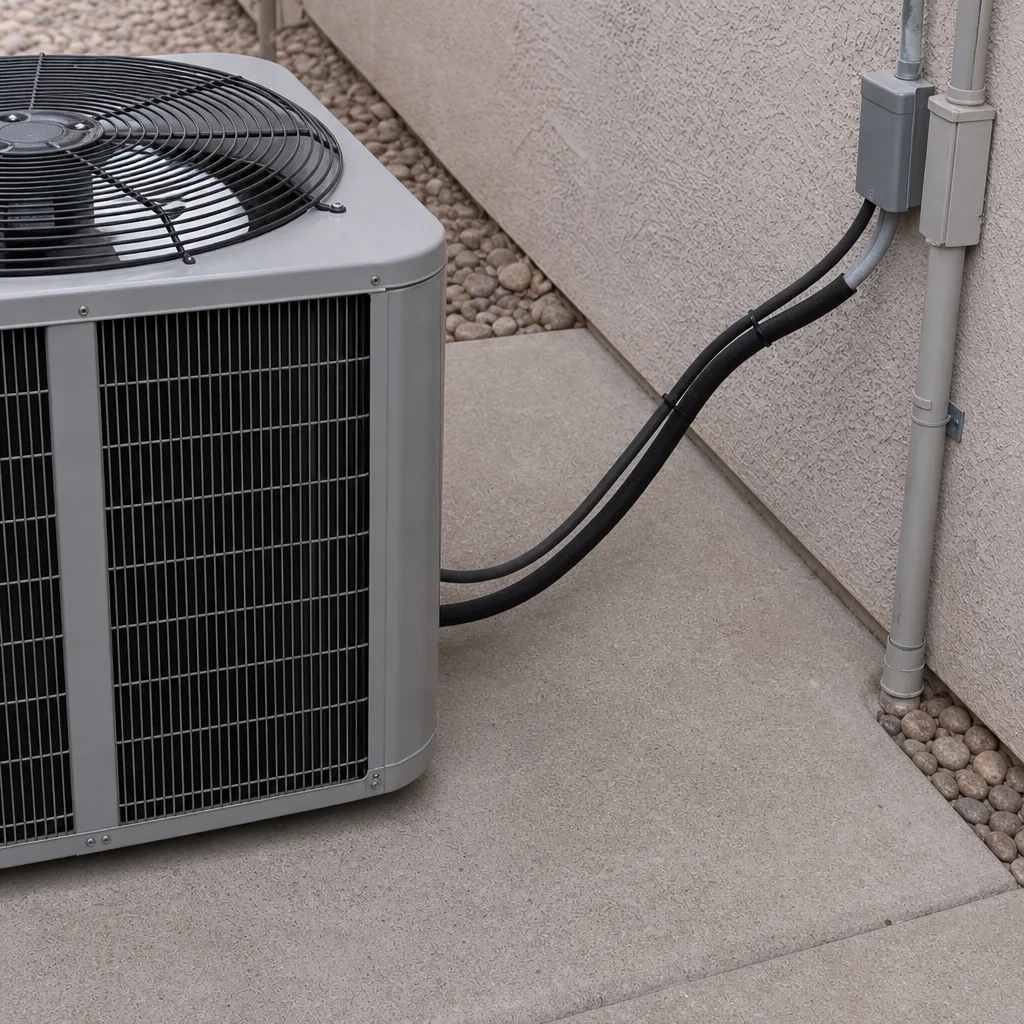
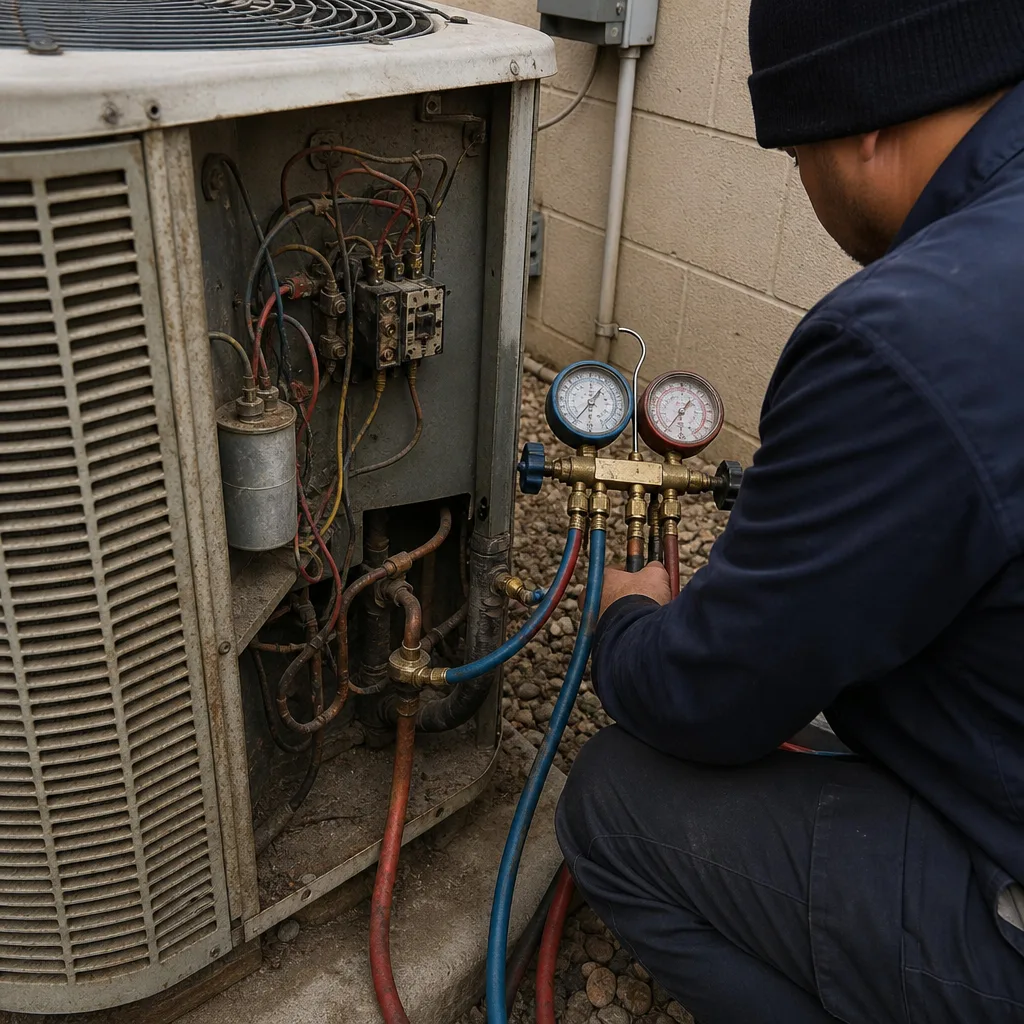
See the difference
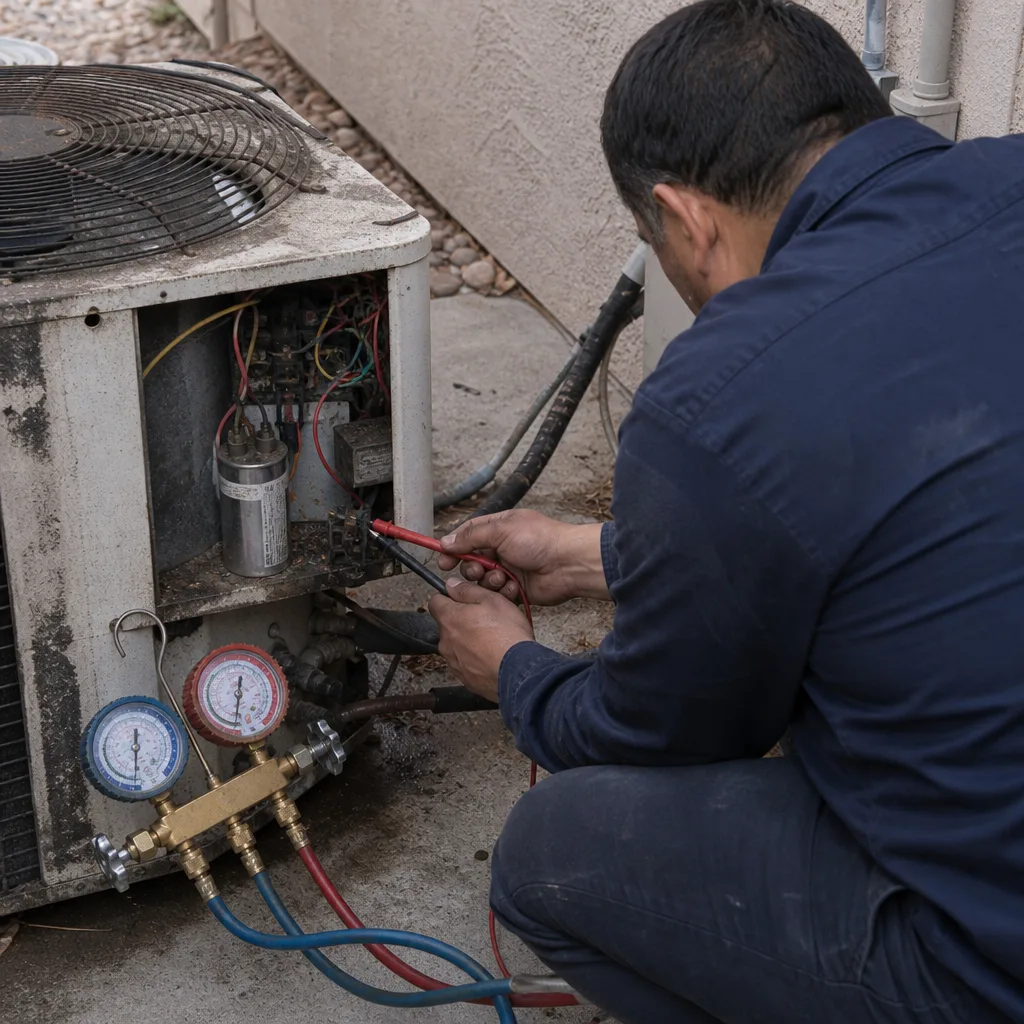 Before
 After
 Before
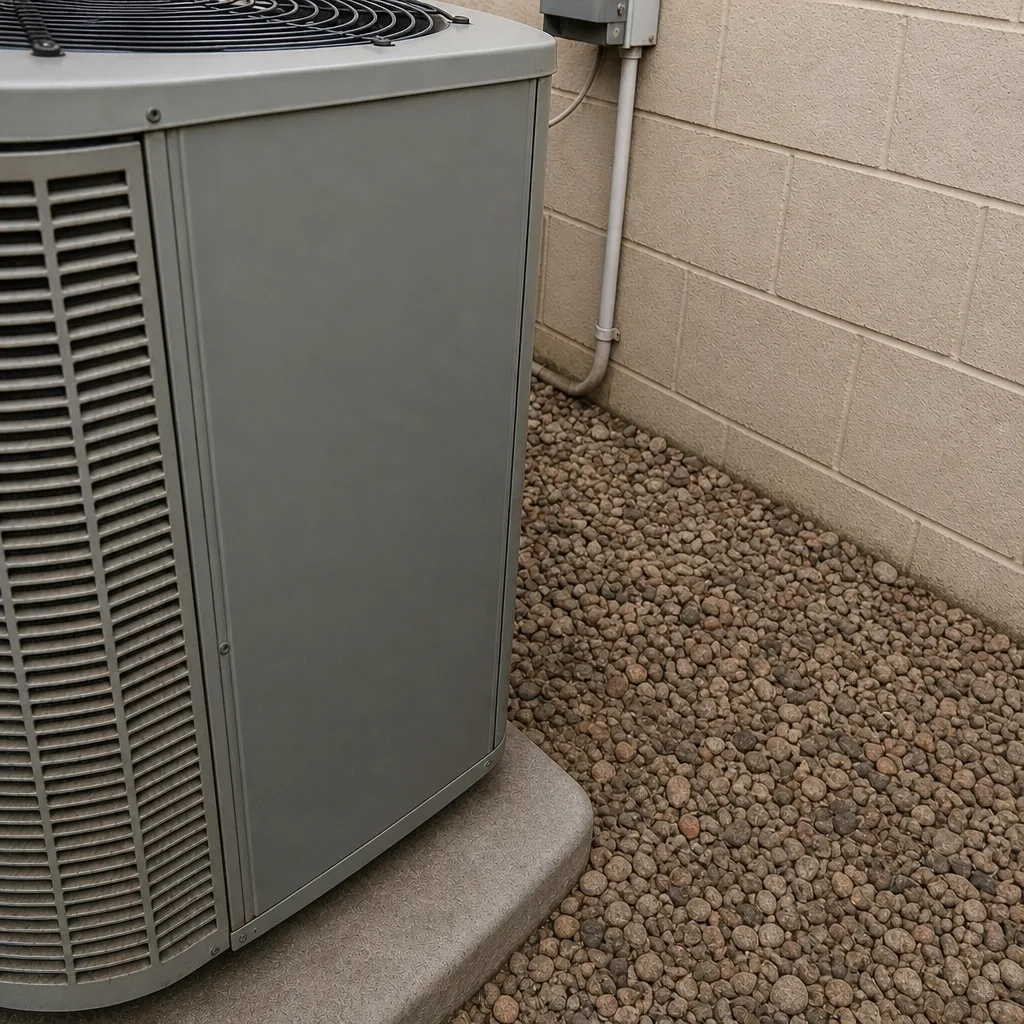 After
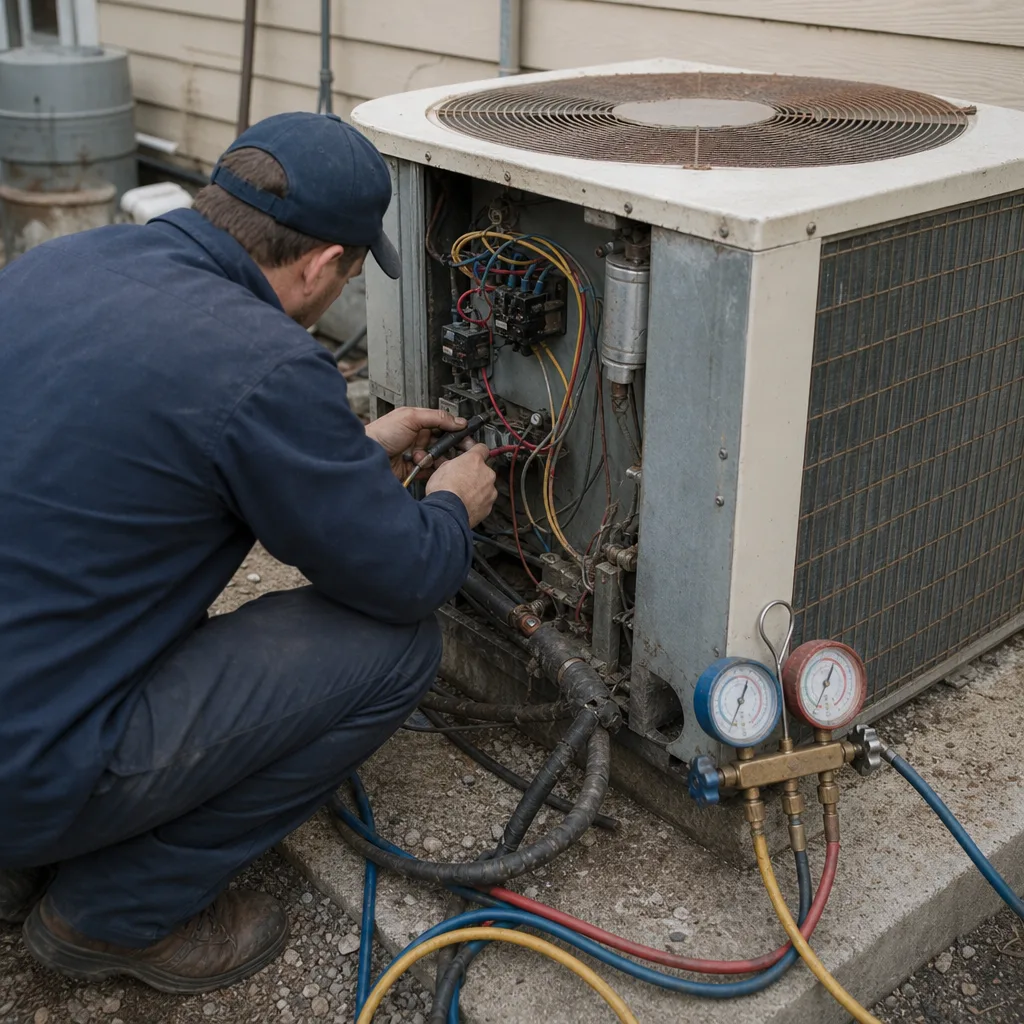 Before
 After
When to Call a Professional
Call us for any of these, without trying to diagnose it yourself first. A smell of gas, a CO alarm that has sounded, a furnace that runs but doesn’t heat, a heat exchanger concern, any noise from inside the cabinet, a repair that touches a gas line, a no-heat event when the outside temperature is dropping, and any furnace over 15 years old that has never had a combustion analysis. Also call if you’re facing a repair on a unit that another company wants to replace, and you want a second opinion on the written estimate. Fireside Heating & Air Co. Winchester offers free estimates in Winchester. Call (844) 783-5043. The phone is answered by a live person every hour of the day, and most jobs are completed in a single visit.
Frequently Asked Questions
Cleaning around the burners with a vacuum and brush attachment is safe with the power off; disassembling, removing, or adjusting the burners is not, and requires a licensed technician. The burners sit inside the combustion path, and removing them changes gas flow and flame shape. Leave the burners to a professional and stick to the surrounding area.
You cannot reliably tell without instruments. The visible signs include soot streaks on the cabinet, a flame that changes shape when the blower kicks on, and a CO alarm event, but a crack can exist without any of these. Call us and we’ll measure. If anyone in the household has been sleeping in the home after a DIY repair, tell us when you call and we treat it as urgent.
No, not for any repair that touches the gas line, the gas valve, the burners, the heat exchanger, or the flue. Videos show the visible steps and skip the measurements. A properly adjusted gas pressure within a tenth of an inch of water column, a combustion analysis, and a verified flue draft can’t be learned from a video, and getting them wrong is what produces CO.
Yes. Nevada requires a licensed HVAC contractor for any gas-fired appliance repair, combustion system work, or gas line alteration. Before accepting any quote, verify the license number on the Nevada State Contractors Board website and ask for a current certificate of insurance. That is the minimum bar.
Leave the house. Do not turn anything on or off inside, including the light switch. Do not use a phone inside the house. Go outside, call the gas utility’s emergency line and then call us from outside, and do not re-enter until the utility clears the building. Gas smell is always an emergency.
Most common furnace repairs in Winchester run from about $180 for a flame sensor or igniter to about $650 for a blower motor or control board issue, with the specific part and labor driving the difference. We give a written, upfront price before any work starts, and if you’re holding a written estimate from another company, we’ll give you a free second opinion on it.
The Bottom Line
The line between DIY and professional furnace work is not about complexity. It is about failure modes you cannot see without calibrated instruments. A filter change, a vacuumed blower compartment, cleared returns, a cleaned flame sensor, and a working CO alarm on every floor are safe, real, and worth doing. Gas lines, heat exchanger access, burner work, and combustion adjustments are not, and in Nevada they require a licensed contractor by law. Verify the license, get the price in writing, and let the technician measure what you cannot. Done right, or we make it right. That is the whole agreement at Fireside Heating & Air Co. Winchester.
Call (844) 783-5043 for a free estimate. We answer with a live person, any hour, and we’ll give you straight talk about what your system needs and what it will cost. Standing offers include $50 off any repair over $250, a free second opinion on any written estimate, an $89 seasonal tune-up, and a permanent 5% discount for seniors and veterans.
Written by the team at Fireside Heating & Air Co. Winchester.