
Last updated November 18, 2026
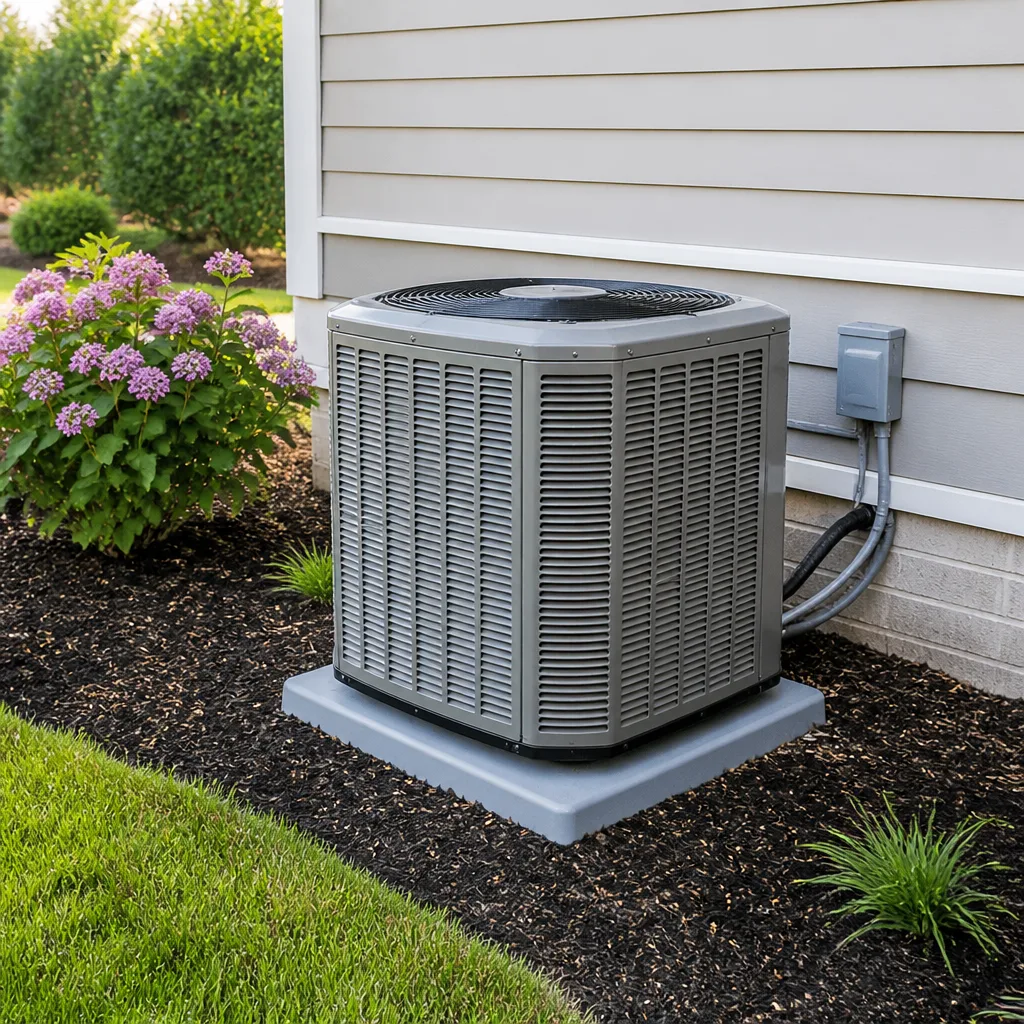 AC repair
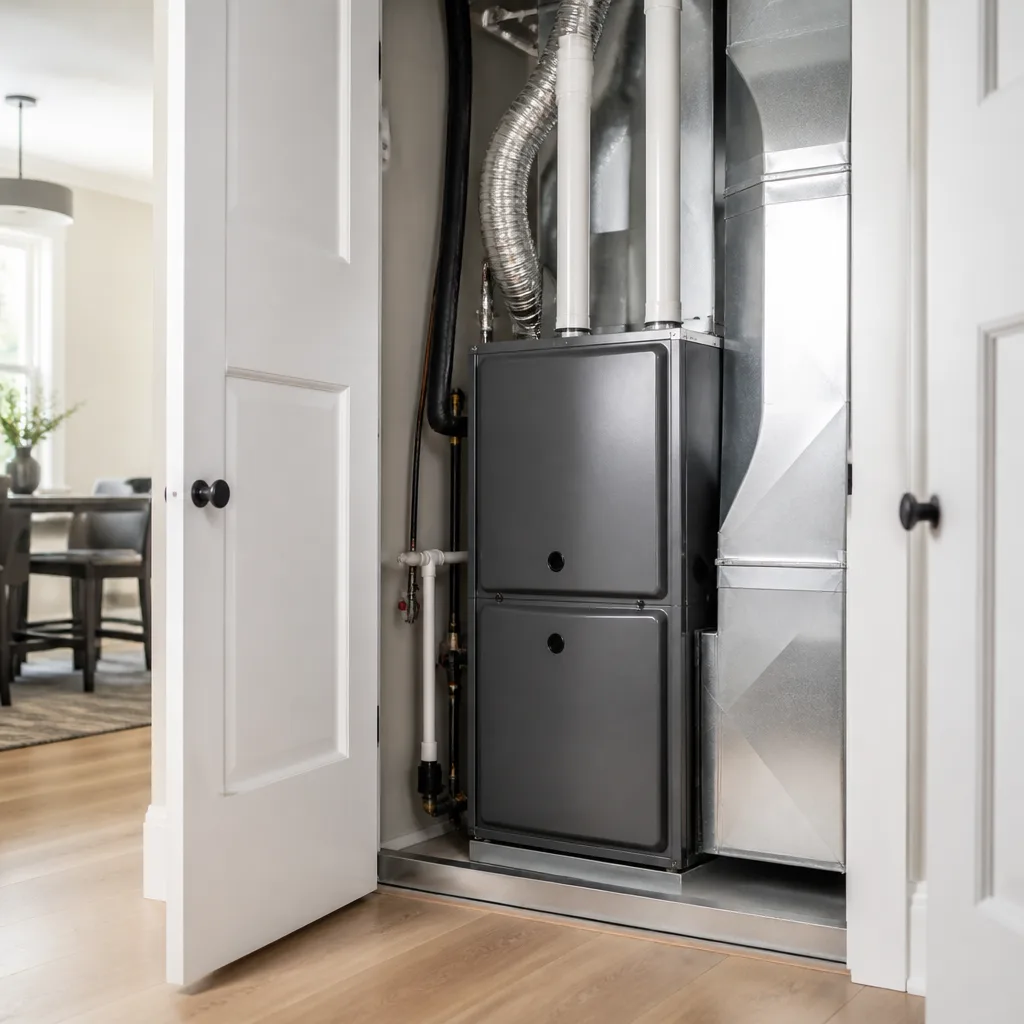 Furnace & heating
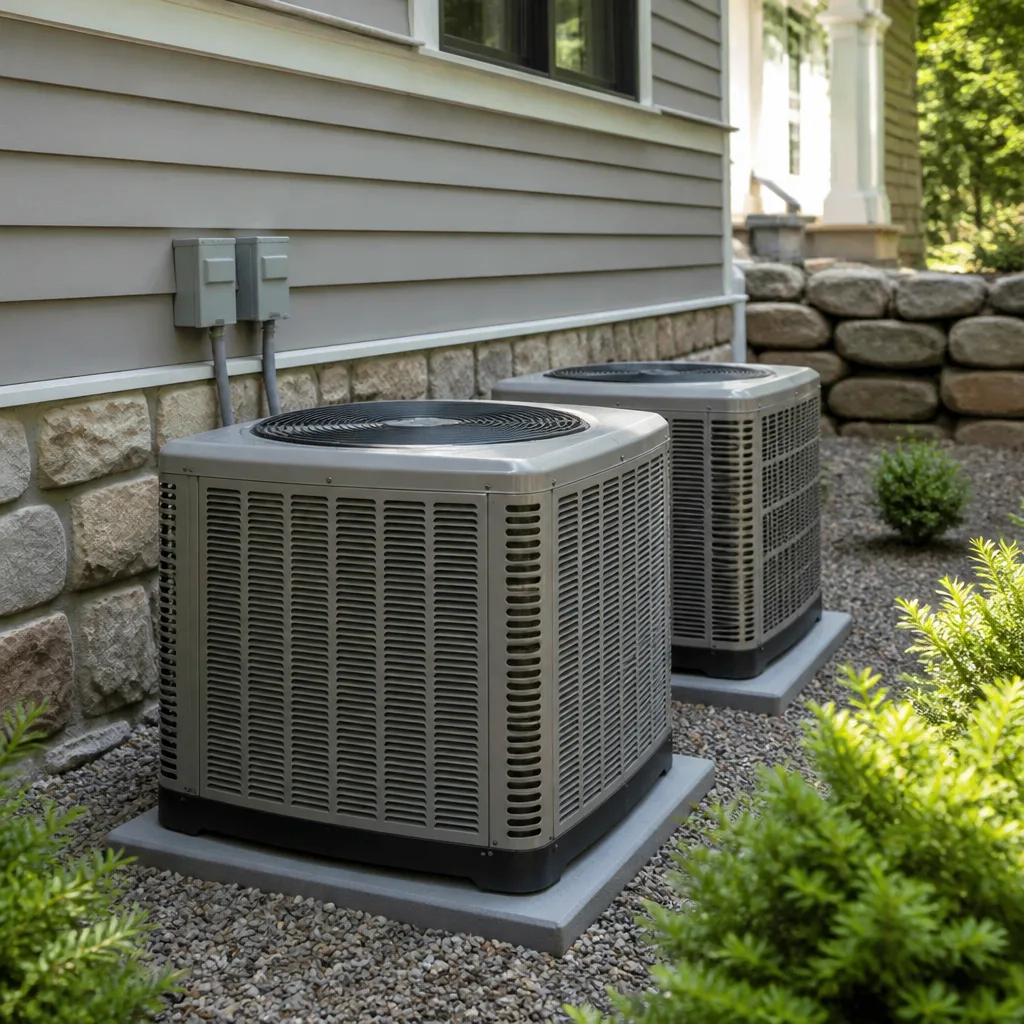 Heat pumps
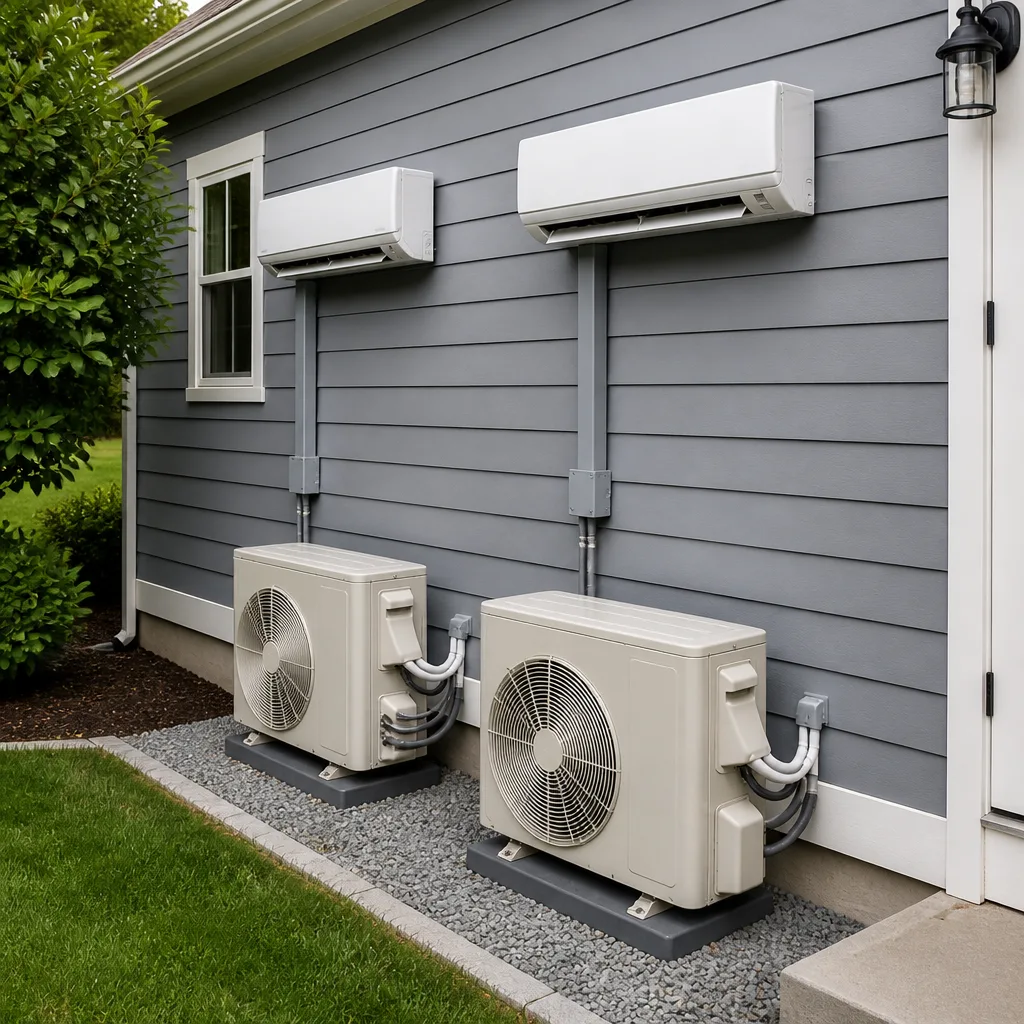 Ductless mini splits
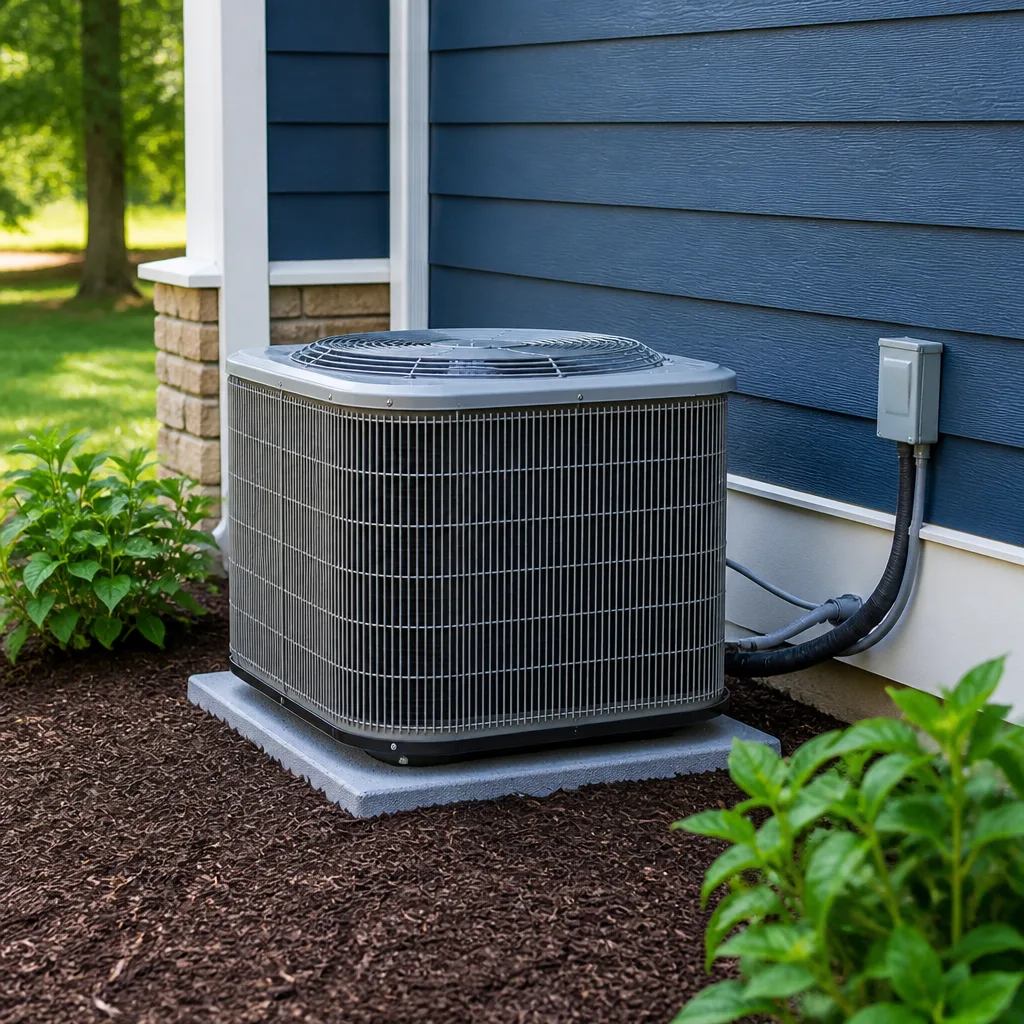 Carrier
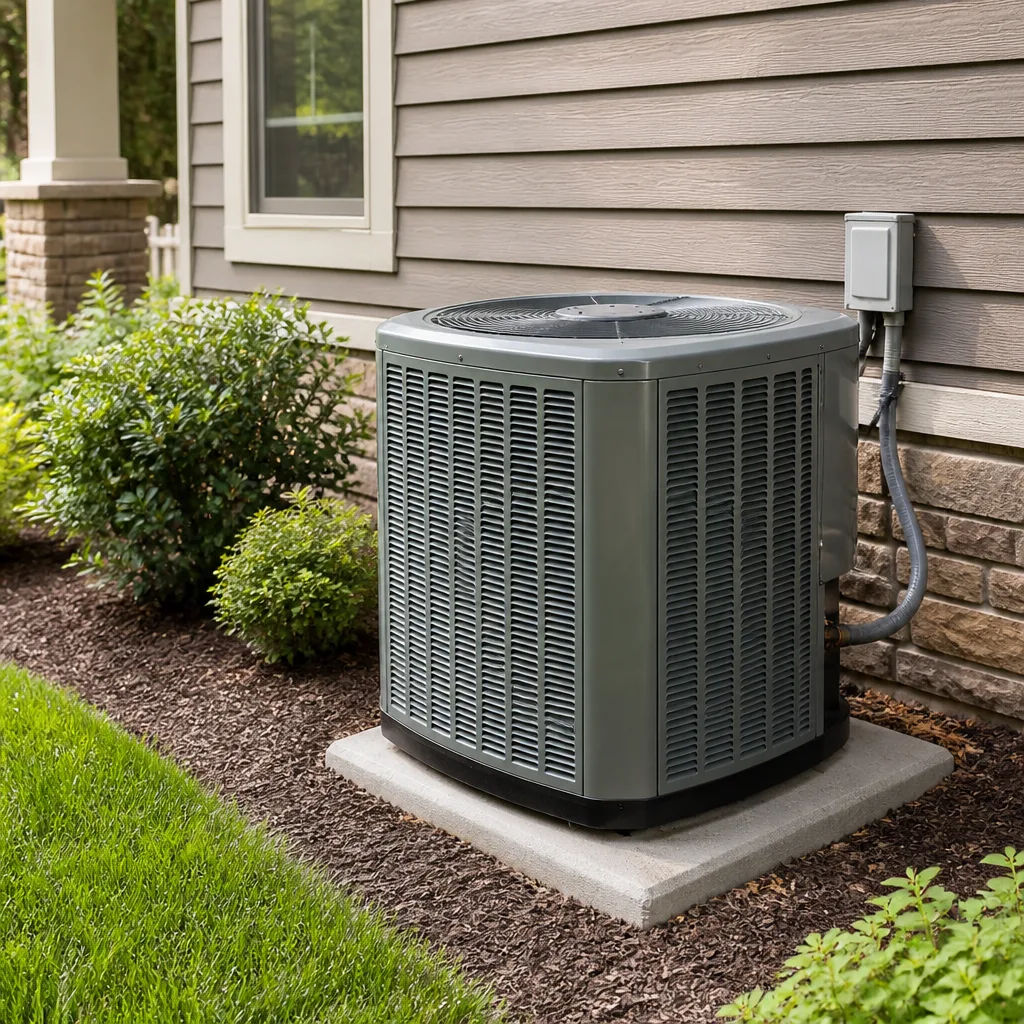 Trane
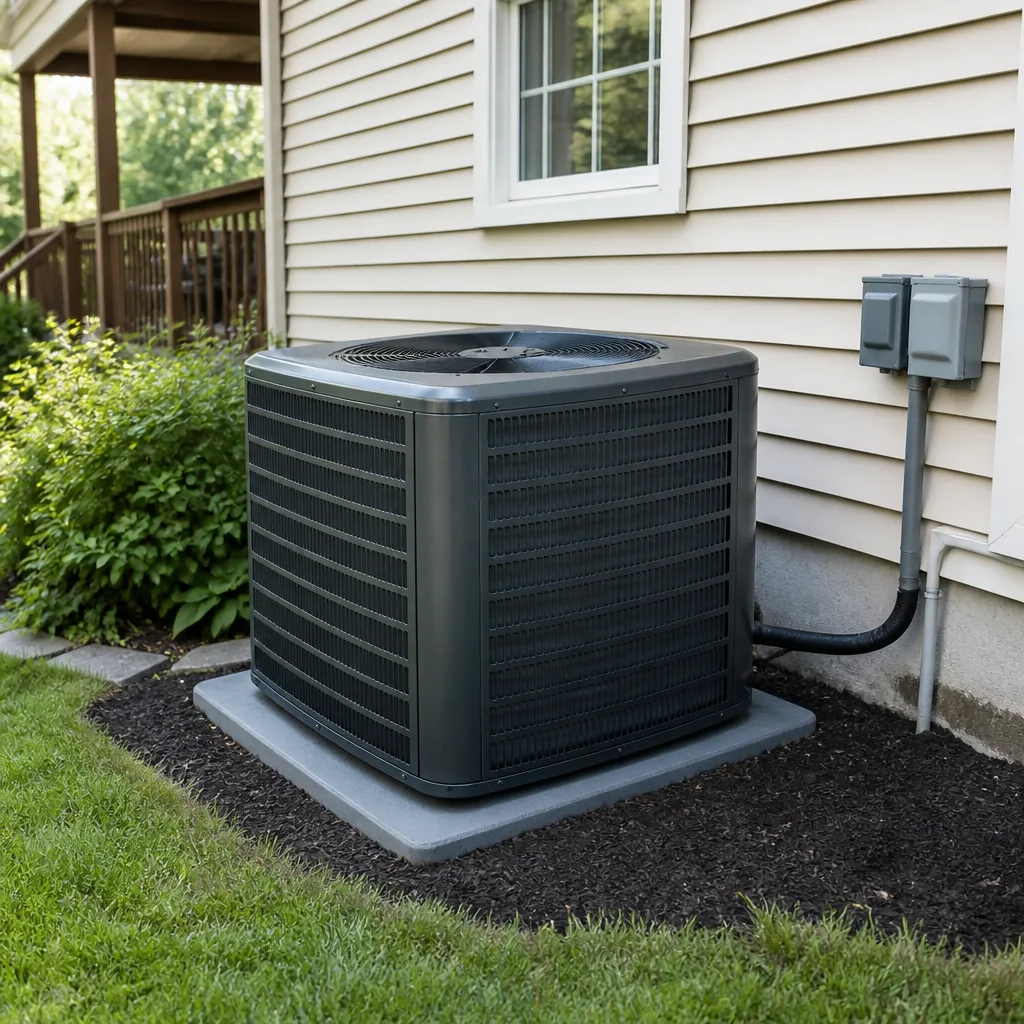 Goodman
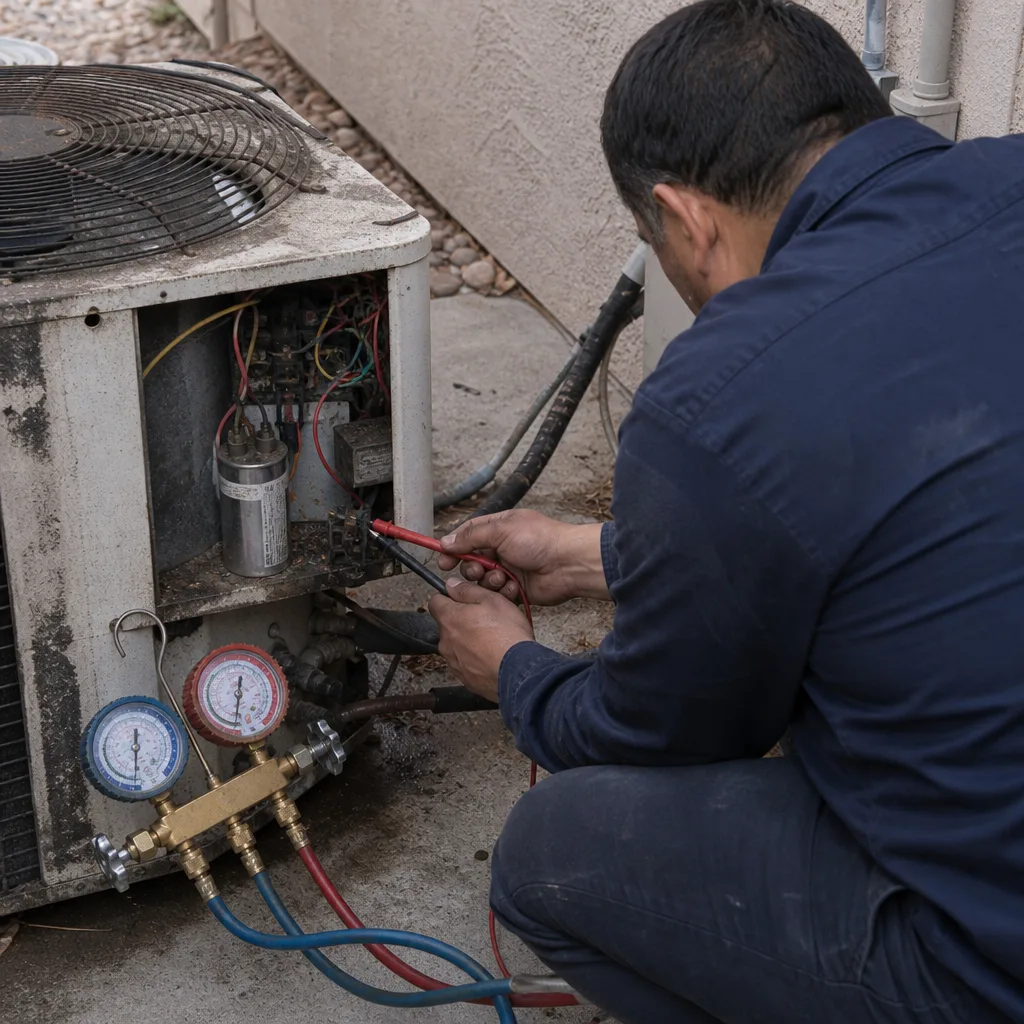
Seasonal tune-up and full diagnostic on your Carrier, Trane, or Goodman system - readings shown to you before any repair is proposed
Diagnosis first, numbers second - you approve the repair price before a single part goes in.
Get your free estimateThe Complete AC Repair & Installation Guide for Winchester Homeowners
Winchester sits above 4,000 feet, and that changes how your air conditioner behaves. The unit was likely rated at sea level, where the air is thicker. Here in Winchester, the air is thinner, which means your system moves less heat per hour than the spec sheet promised, and that shortfall often does not show up until year three, when the system starts to struggle on the hottest afternoons. We have spent years answering service calls that trace back to a sizing calculation that ignored elevation. This guide is what we tell Winchester homeowners at the kitchen table: how elevation and caliche soil shape your equipment, what a permit-pulled installation actually buys you, and the warning signs that a new install went wrong.
Quick Answer
In Winchester, AC repair typically runs $180 to $450 for common fixes, while a full system replacement usually costs $6,500 to $11,000 depending on tonnage, brand, ductwork, and whether the install team corrects the elevation-adjusted sizing. Proper installation here requires a Manual J load calculation that includes an elevation correction, a permit with county inspection, and a written workmanship guarantee. Cheap swap-outs without those three things cost more over the life of the equipment.
Styles & brands we work with
- AC repair
- Furnace & heating
- Heat pumps
- Ductless mini splits
- Carrier
- Trane
- Goodman
Table of Contents
- Why elevation matters more than the label on the box
- How sizing calculations change above 4,000 feet
- Caliche soil, dust, and compressor life
- Permit-pulled installation versus drop-and-go
- What a 90-day workmanship guarantee covers
- Red flags in the first 30 days
- Repair or replace? Straight talk
Why elevation matters more than the label on the box
Most residential air conditioners ship with a rating plate that assumes sea-level air density, roughly 59 degrees and near-standard atmospheric pressure. At 4,000 feet and above, the air is about 12 to 14 percent thinner. Thinner air carries less heat, which means the condenser coil rejects heat less efficiently and the compressor works longer to hit the same indoor temperature on a 100-degree July afternoon. In our experience across Winchester, this shows up as longer run cycles, higher electric bills, and compressors that wear out two or three seasons earlier than they should.
Manufacturers publish derating factors for altitude, and a disciplined installer will adjust the load calculation and equipment selection accordingly. Most Winchester homeowners never hear about this because many crews simply look at the square footage and match the equipment to the previous unit’s tonnage. That is not a sizing calculation. It is a copy of the last person’s guess.
For our part, we run a proper load calculation on every replacement, and we correct it for Winchester’s elevation before selecting equipment. If a contractor cannot explain how the altitude adjustment changes the number, ask more questions. For a deeper look at how we approach equipment selection and installation in Winchester, see AC Repair & Installation in Winchester.
How sizing calculations change above 4,000 feet
The textbook standard for residential HVAC sizing is ACCA Manual J, which estimates the heat gain and heat loss for a specific house based on square footage, insulation, window orientation, infiltration, and local design conditions. It is a solid method, but its default density tables assume sea-level air, and the outdoor design temperature a contractor plugs in matters too. Winchester’s summer design temperature sits in the mid-90s, but the afternoon swing from 55 to 95 in spring and fall confuses equipment that is oversized or undercharged.
A proper Winchester sizing calculation walks through these steps:
- Measure the house room by room, including window area, direction, and shade.
- Confirm insulation and duct location (attic runs in Winchester often sit at 130-plus degrees in July).
- Apply an altitude correction factor to the equipment’s rated capacity, typically a 2 to 5 percent reduction per 1,000 feet.
- Select equipment that matches the corrected load, not the raw one.
- Verify the change with a room-by-room airflow check after installation.
Homeowners sometimes accept the lowest bid on a straight swap and end up with a system that runs short cycles in cool weather and long cycles in the heat. That is a sizing error, and it is expensive to fix later. If you are adding a heat pump or a ductless system alongside the AC, our team covers that in the Heat Pump & Mini Split in Winchester guide.
Caliche soil, dust, and compressor life
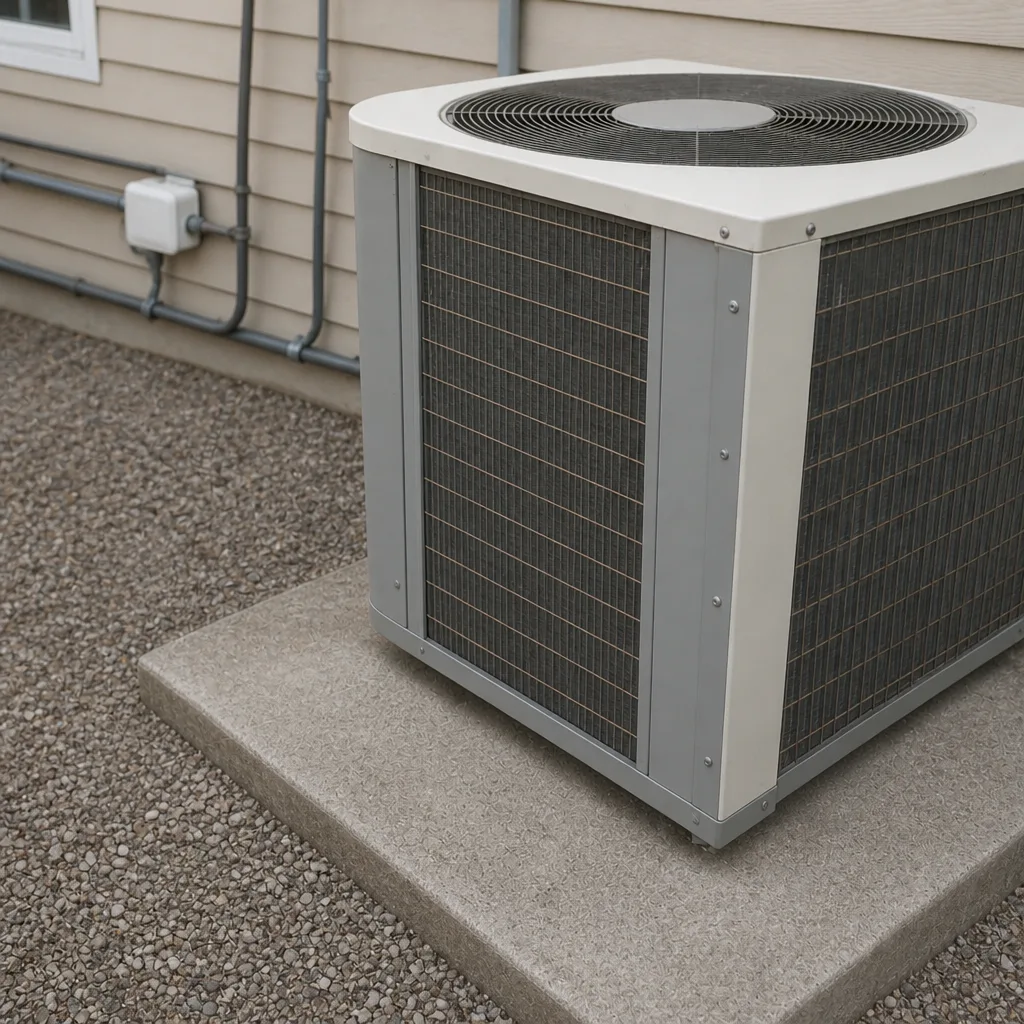
Winchester homes sit on caliche, that cement-hard layer of calcium carbonate just below the topsoil. It is why installing a concrete pad for an outdoor condenser can turn into a full day of jackhammering, and why some crews skip the pad and set the unit straight on the dirt. That shortcut is one reason compressors fail ahead of schedule here. A unit sitting off-level on uneven caliche invites vibration, refrigerant line stress, and dust infiltration that clogs the condenser fins within a season.
Our installation standard in Winchester accounts for this in a few specific ways:
- A level pad with proper drainage, and the unit elevated at least 3 inches off the ground for airflow.
- Coil guards where prevailing winds carry dust from open lots or nearby washes.
- Liquid-tight conduit and sealed penetrations at the wall, so the spring dust does not pull into the air handler.
- Filter access designed so a homeowner can change the filter without a ladder or a screwdriver.
Winchester’s seasonal dust storms, especially the spring winds that carry fine caliche powder off the open land east of town, put more particulate through a filter than most manufacturers expected. That is one reason we recommend a filter change every 60 days here during peak dust season and a full coil cleaning at the start of every cooling season.
Permit-pulled installation versus drop-and-go
A permitted installation means a licensed contractor files with the county, the work is inspected by a code official, and the record sits on file with the property. A drop-and-go swap means the old unit comes out, the new one goes in, and no one from the county ever sees it. On paper they save you a few hundred dollars. In practice the difference shows up at resale, at insurance claim time, and at inspection time if you sell the house.
In Winchester, a permitted installation typically includes these checkpoints:
- Verified load calculation and equipment match.
- Electrical disconnect, breaker size, and whip gauge checked against the label.
- Refrigerant line sizing, brazing, and pressure test to code.
- Condensate drain routing and secondary pan safety switch.
- Post-installation airflow and temperature-split verification.
The inspection is not a rubber stamp. When an inspector finds mismatched equipment, undersized wiring, or no secondary drain safety, the fix lands on the homeowner. And your manufacturer’s warranty is often voided if the equipment was installed without a permit where the code required one. The warranty card matters less than the paper trail behind it. When we quote a replacement in Winchester, the permit is included and we walk you through what the inspection covers, and the same standard applies to furnaces and heating systems we touch, as covered in Heating & Furnace in Winchester.
What a 90-day workmanship guarantee covers
A 90-day workmanship guarantee is a written commitment from the installing company that covers their labor and their installation quality for 90 days after the job is done. It is not the same as the manufacturer’s parts warranty, and conflating the two is one of the most common misunderstandings in the trade.
The manufacturer’s warranty covers the equipment itself, usually 5 to 10 years on the compressor and parts. It does not cover the installer’s labor, brazing, wiring, refrigerant charge, duct connections, or thermostat wiring. If the system fails on day 40 because the charge was wrong or a line was not brazed properly, the manufacturer warranty will pay for a replacement part but not the labor to install it. That is where a workmanship guarantee earns its keep.
Ours is called the 90-Day Done Right Promise. If something about our installation is not right within 90 days, we come back and make it right, no argument and no paperwork. We give it in writing on every job. Before you sign with any contractor in Winchester, ask for theirs in writing and read what is excluded. A verbal “we stand behind our work” is worth what it is written on.
Red flags in the first 30 days
A correctly installed Winchester system settles into a rhythm within the first month. Following are the specific signals that mean something is off, drawn from our own service calls:
- Long run times in mild weather. If the system runs 40 minutes to cool a house that is only 78 degrees outside, the charge or the sizing is off.
- Short cycling. A unit that starts and stops every 10 minutes is likely oversized or low on charge, and either one shortens compressor life.
- Ice on the indoor coil or outdoor line. Almost always a refrigerant charge or airflow problem, not a filter alone.
- Uneven cooling room to room. Usually a duct or airflow issue, but it can also mean the equipment was sized for the whole house while one wing gets starved.
- Water near the air handler. Condensate drain routing was wrong, or the trap is missing.
- Rattling at the outdoor unit. A sign the pad is off-level on caliche, or that the compressor mounts were not tightened.
- Electric bill jumping 20 percent or more. On a new install, that is a red flag, not a bill you should accept.
If you see any of these in the first 30 days, call the installer before the 90-day window closes. Every item above should be covered by a written workmanship guarantee.
Repair or replace? Straight talk
There is no single right answer, but there is a rule of thumb we use on service calls in Winchester. If your system is under 10 years old, the repair is under $800, and the refrigerant is R-410A (still available and reasonably priced), repair makes sense. If the system is over 12 years old, the repair is a compressor or a coil, and the refrigerant is the older R-22, replacement is likely the smarter move. R-22 is no longer manufactured, and the cost of a recharge alone can run more than a new system’s worth of savings in a few years.
We run through the math with you on the call, not after. The Fireside Heating & Air Co. Winchester home page lays out the ways to reach us, and for a straight quote, we offer a free second opinion on any written estimate from another contractor. We would rather you compare and choose us on the merits than feel pressured into a sale.
Our rates for common work in Winchester look like this:
| Service | Typical Winchester range |
|---|---|
| Diagnostic visit | $89 (credited toward repair) |
| Capacitor or contactor replacement | $180 – $290 |
| Refrigerant recharge (R-410A) | $280 – $650 |
| Blower motor replacement | $450 – $850 |
| Compressor replacement | $1,400 – $2,600 |
| Full system replacement (2 to 4 tons) | $6,500 – $11,000 |
| Seasonal tune-up | $89 |
The price quoted is the price paid. No surprise add-ons at the invoice.
Common Mistakes to Avoid
- Accepting a bid that never mentions a load calculation. The number on the sheet should come from a room-by-room Manual J, not the previous unit’s label. Ask to see it.
- Letting a contractor skip the permit to “save you money.” In Winchester, a drop-and-go install can void the equipment warranty and puts you on the hook for code fixes later. The permit is not optional.
- Setting the unit directly on exposed caliche. Level pad, three inches of clearance, and proper drainage. Anything less invites vibration and premature compressor wear.
- Ignoring the dust-filter schedule. Winchester’s spring winds push fine powder through every seam. Change filters every 60 days during dust season, and ask for a coil guard if nearby lots are open.
- Confusing the parts warranty with the workmanship guarantee. The manufacturer warranty does not cover the installer’s labor or their mistakes. Get both in writing.
- Choosing on price alone. The lowest bid on a Winchester replacement is usually the one without the permit, without the calculation, and without the guarantee. You pay for those gaps eventually.
- Waiting for the 90-day window to close before calling. If something is wrong, call in the first 30 days. The sooner we see it, the sooner it gets fixed, and it gets fixed free under the Done Right Promise.
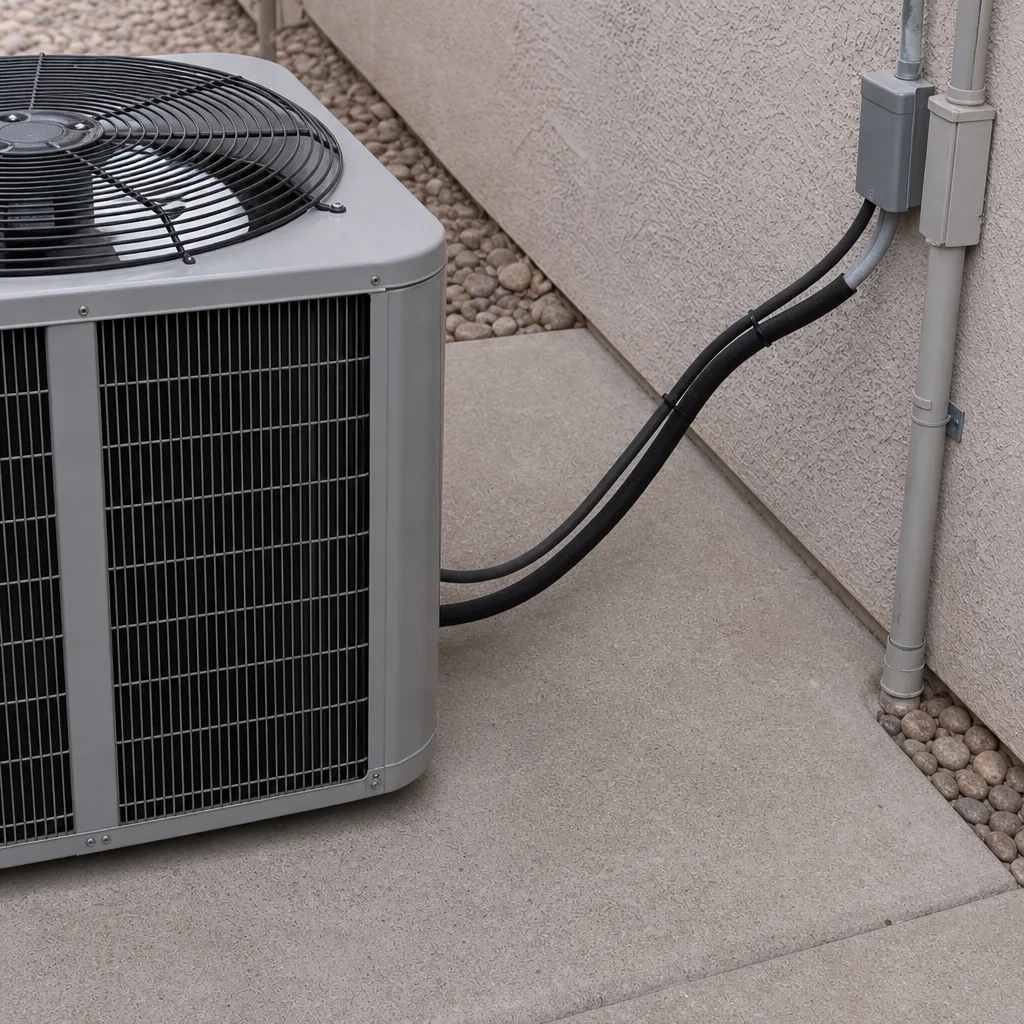
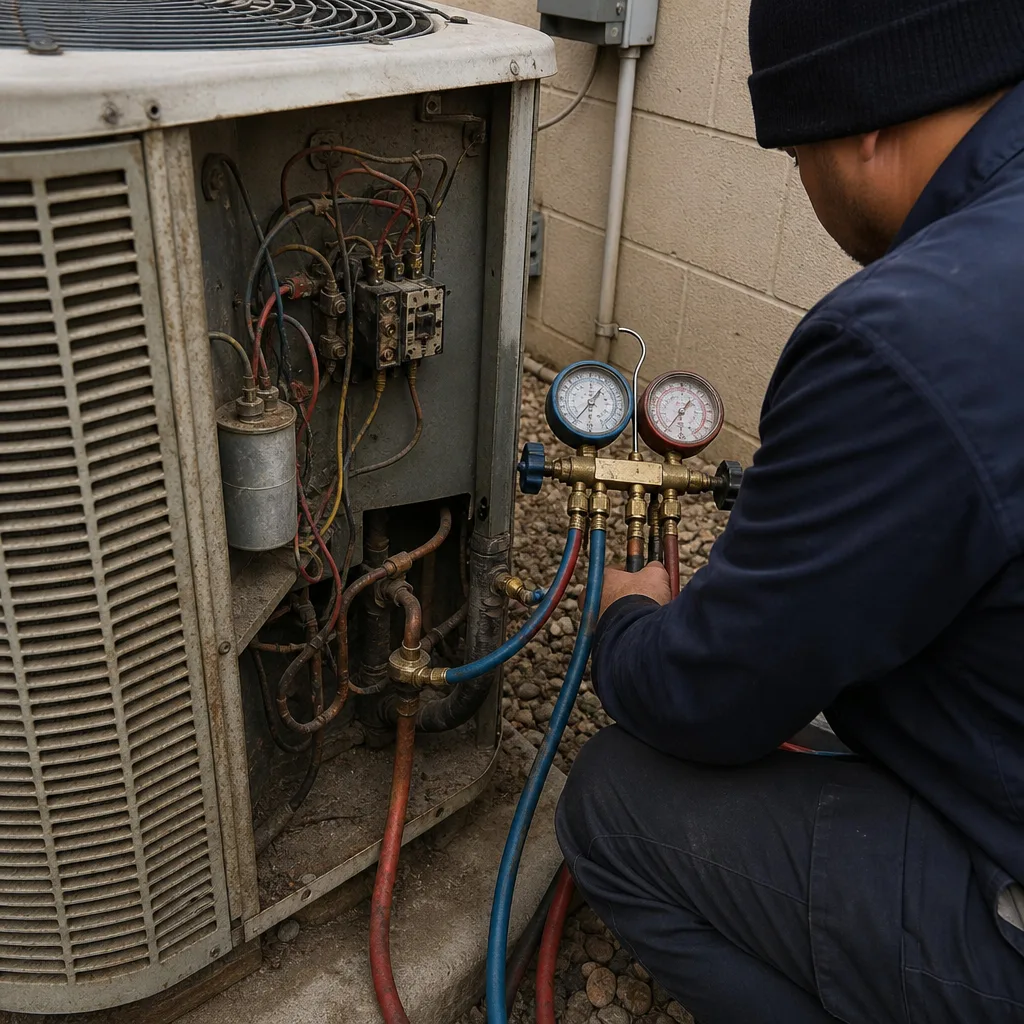
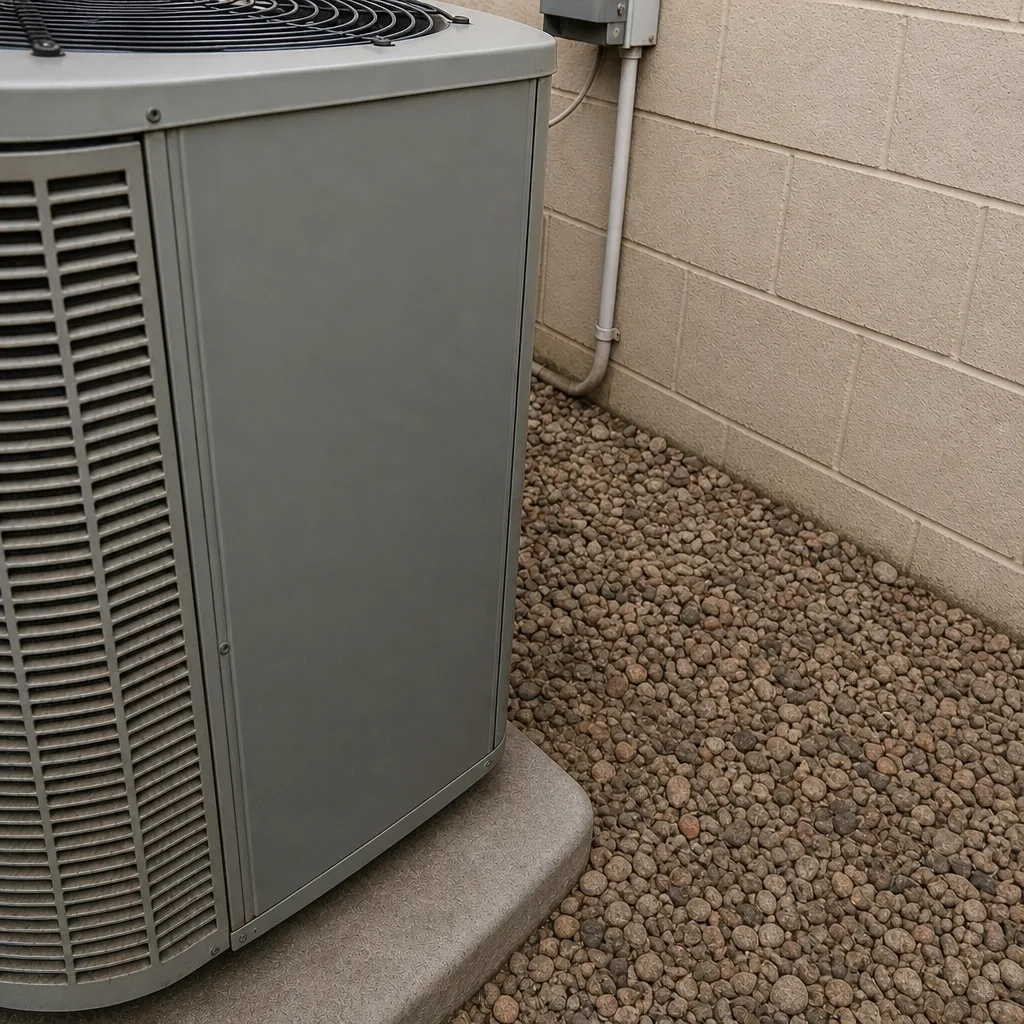
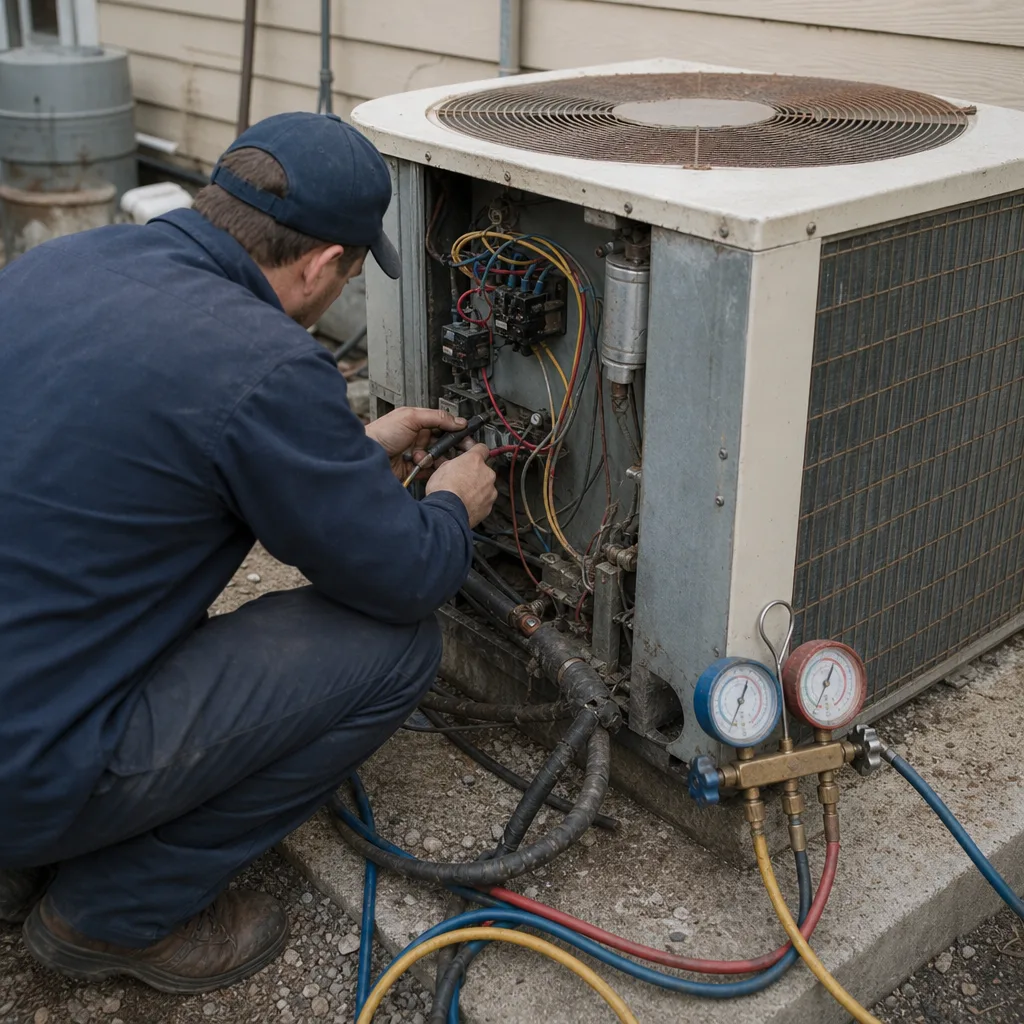
See the difference
 Before
 After
 Before
 After
 Before
 After
When to Call a Professional
Some problems are homeowner-level fixes. A tripped breaker you can reset once. A clogged filter you can swap. But refrigerant lines, compressor diagnostics, electrical panels, and gas-fired heating components are not safe to troubleshoot without training, and the risk is genuinely serious, from electrocution and refrigerant burns to carbon monoxide exposure on the heating side. If you see ice forming on the indoor coil, smell anything unusual near the furnace, or hear the outdoor unit grinding, stop and call.
Call us when the system cannot keep up on a hot Winchester afternoon, when the electric bill jumps more than 20 percent in a single month, when a contractor’s quote does not include a load calculation or a permit, or when the repair quote exceeds the cost of replacement and you want a straight answer. Fireside Heating & Air Co. Winchester offers free estimates in Winchester and free second opinions on any written estimate you already have. We answer the phone live, 24 hours a day, and our technicians have up to 8 years of experience on the nine major brands we service.
Call (844) 783-5043 for a free estimate. The 90-Day Done Right Promise applies to every job, in writing.
Frequently Asked Questions
Most Winchester AC repairs land between $180 and $450, with a diagnostic visit at $89 that is credited toward the repair. Compressor replacements run higher, $1,400 to $2,600, and full system replacement is $6,500 to $11,000 depending on tonnage, brand, and whether ductwork or sizing corrections are needed. Call (844) 783-5043 for an exact quote on your system.
At Winchester’s 4,000-foot elevation, the air is roughly 12 to 14 percent thinner than at sea level, which reduces how much heat your condenser can reject per hour. A unit sized without an elevation correction runs longer and wears out sooner. Ask your installer to show you where altitude was factored into the load calculation.
Yes, in most cases, and the permit is not a technicality. A permitted installation includes an inspection that verifies electrical sizing, refrigerant charge, drain safety, and equipment matching. Skipping the permit can void your manufacturer’s warranty and create issues at resale. Every replacement we quote includes the permit.
The manufacturer warranty covers the equipment and parts, but not the labor, refrigerant charge, brazing, wiring, or duct connections the installer touched. A 90-day workmanship guarantee covers those. Ours is written, on every job, and we make it right without argument if something we installed is not right.
If the system is under 10 years old, the repair is under $800, and the refrigerant is R-410A, repair is usually the right call. If it is over 12 years old, the repair is a compressor or coil, or the system uses R-22, replacement is likely smarter. Call (844) 783-5043 and we will run the math with you on the call, no pressure either way.
Yes, for most repair calls we can reach you the same day, and we answer the phone live 24 hours a day, including nights and weekends. We do not promise same-day for new system installations because that work needs a load calculation, a permit, and equipment ordered. Call (844) 783-5043 and we will give you a real window.
The Bottom Line
Winchester is a demanding place to own an air conditioner. Elevation changes the sizing math. Caliche and dust shorten compressor life. The permit and the workmanship guarantee matter more than the warranty card in the envelope. If you take three things from this guide, take these: demand a load calculation that includes elevation, insist on a permit and an inspection, and get the workmanship guarantee in writing before any crew touches your system. The equipment brand matters, but not as much as the crew that installed it. That is the whole game, and it is why we have put the Done Right Promise in writing on every job.
If something about your Winchester system is not sitting right, call (844) 783-5043. The line is answered live, day or night, and the estimate is free.
Written by the team at Fireside Heating & Air Co. Winchester.