
Last updated November 18, 2026
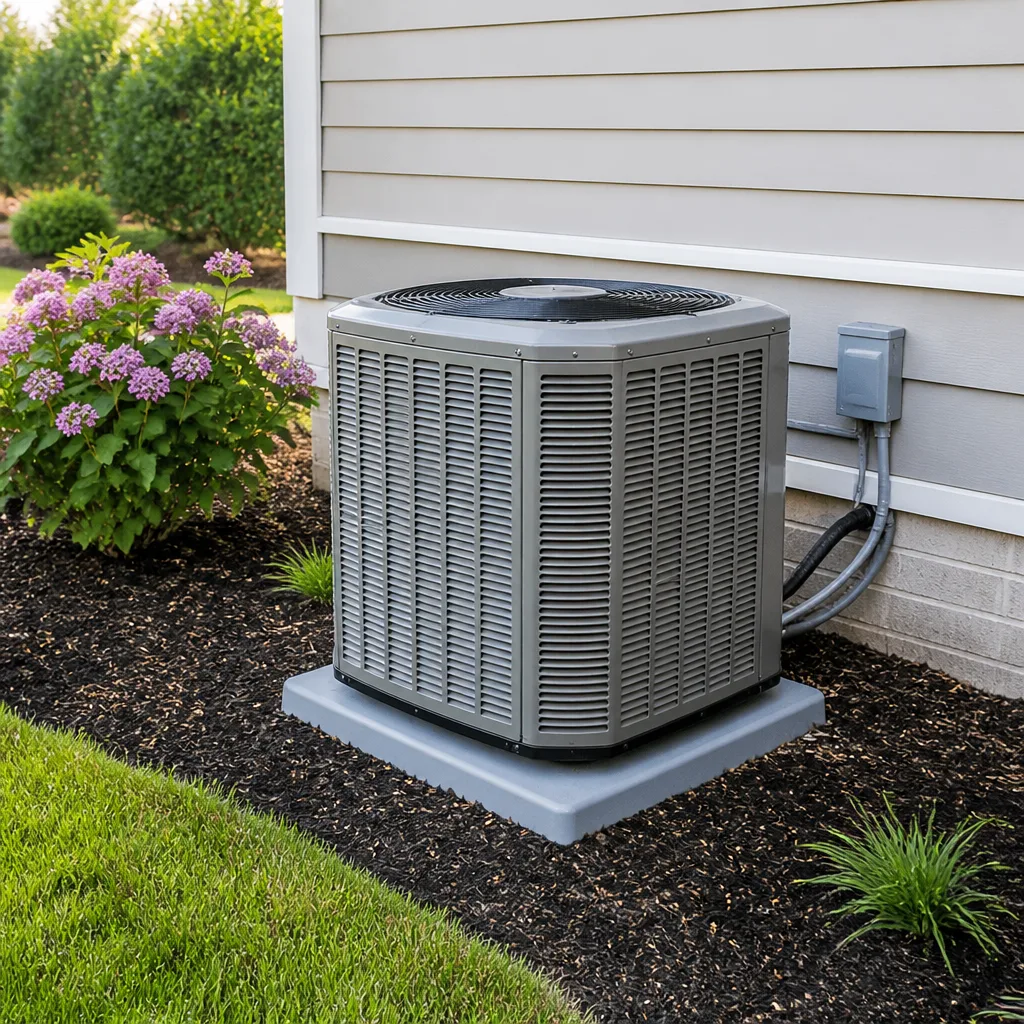 AC repair
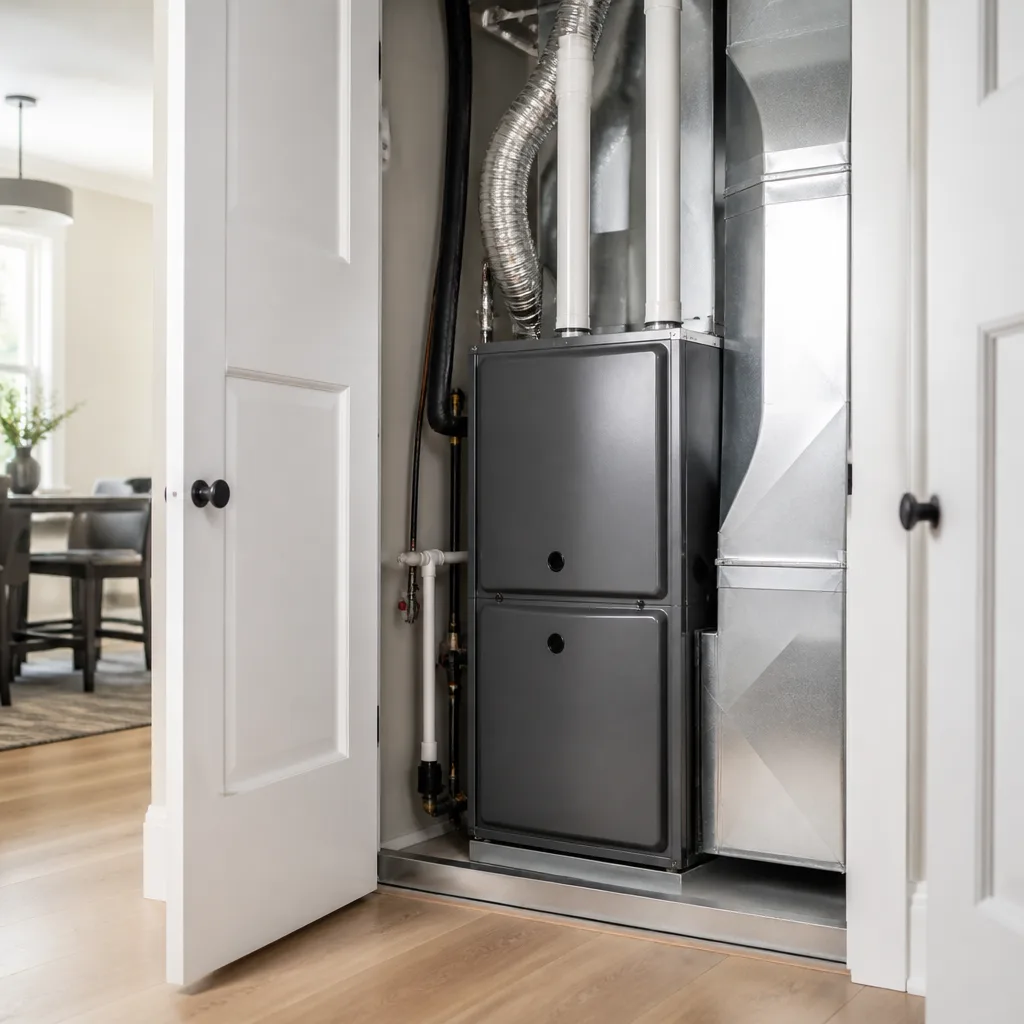 Furnace & heating
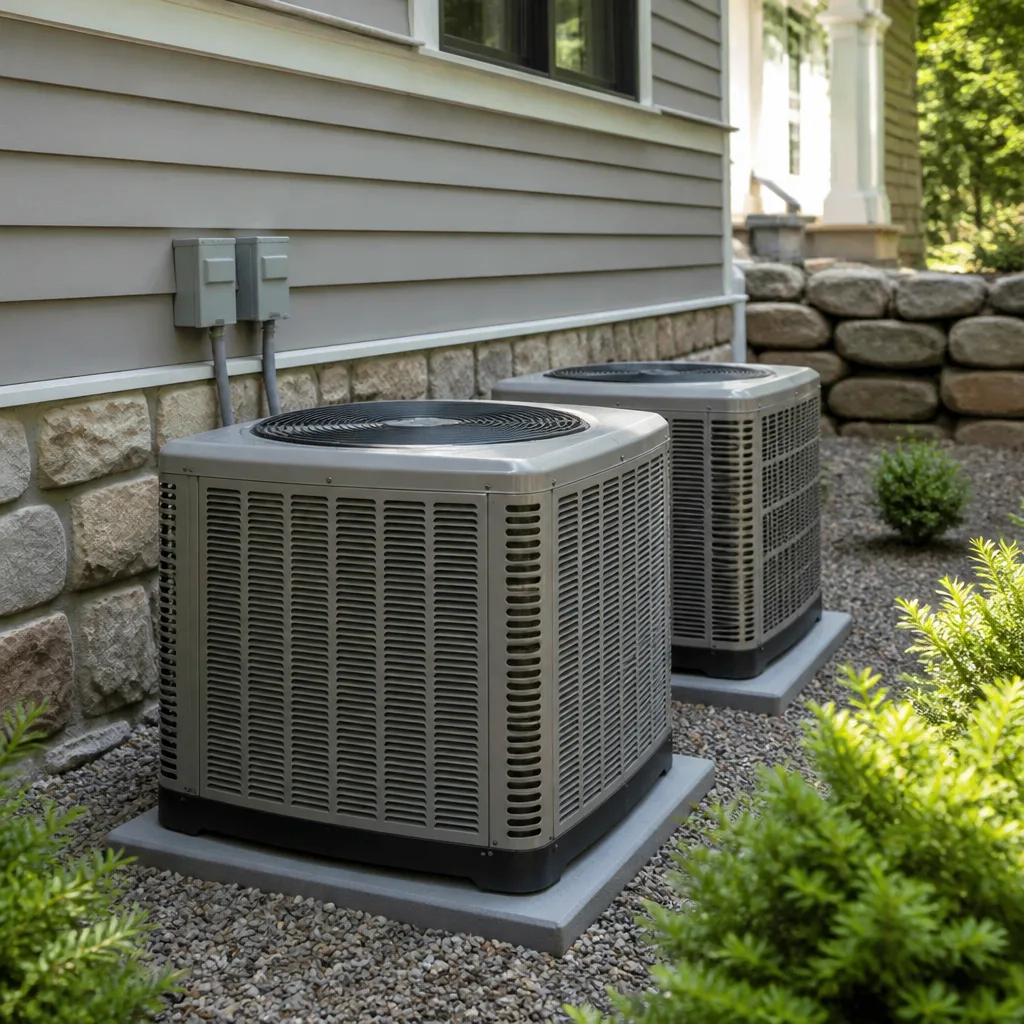 Heat pumps
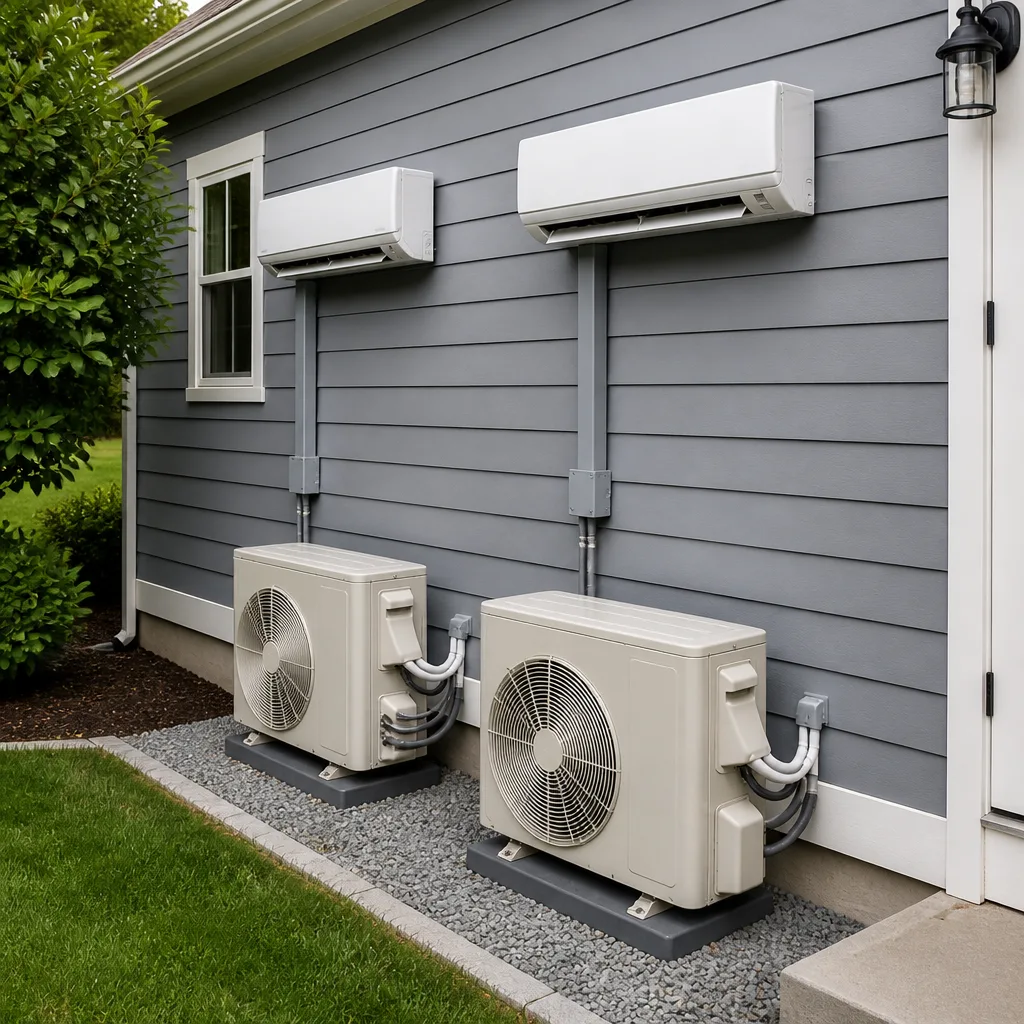 Ductless mini splits
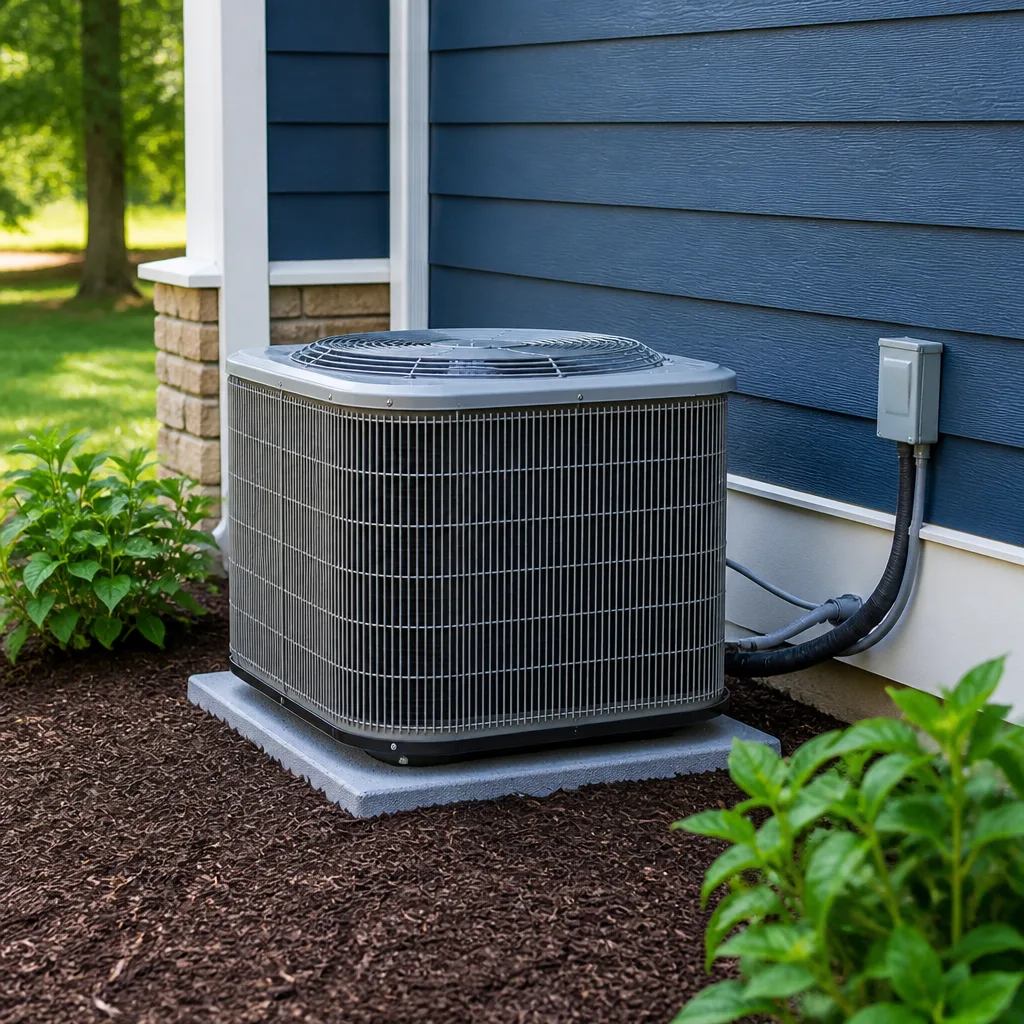 Carrier
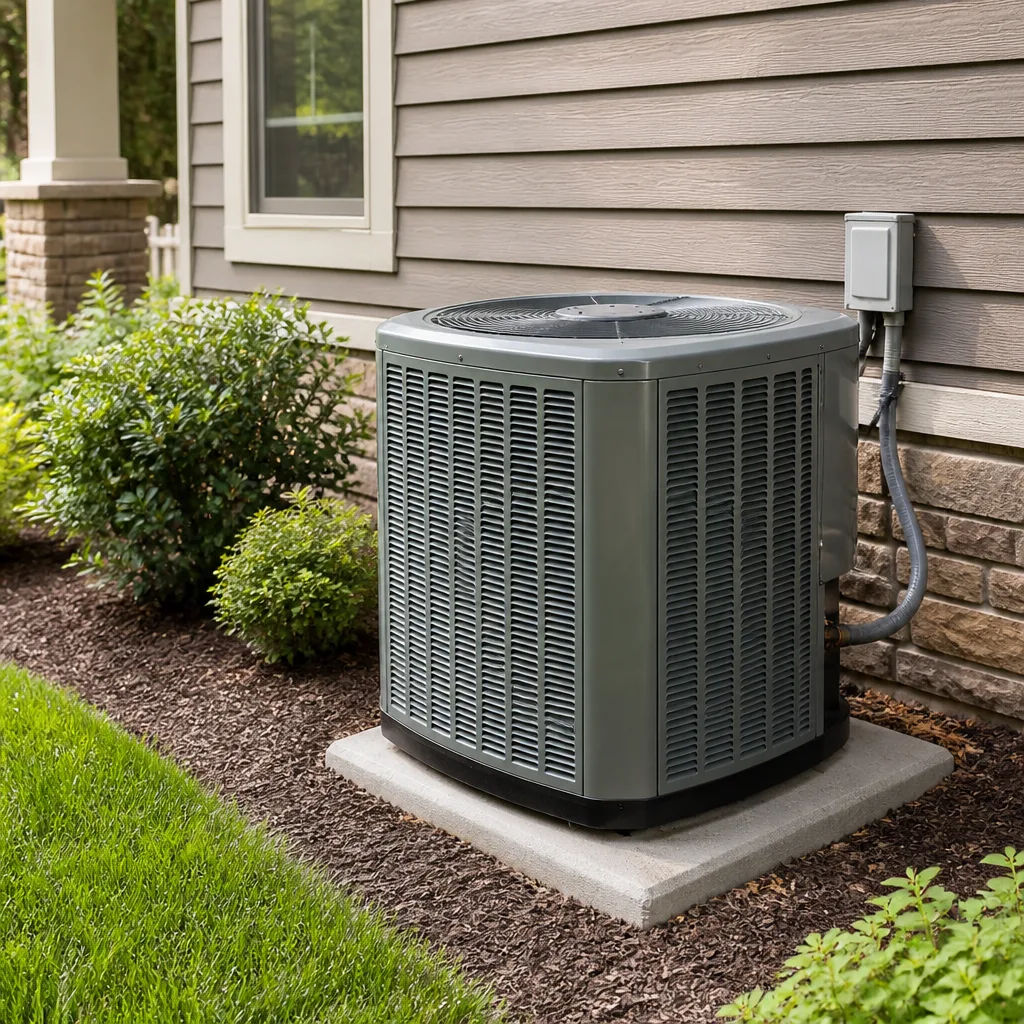 Trane
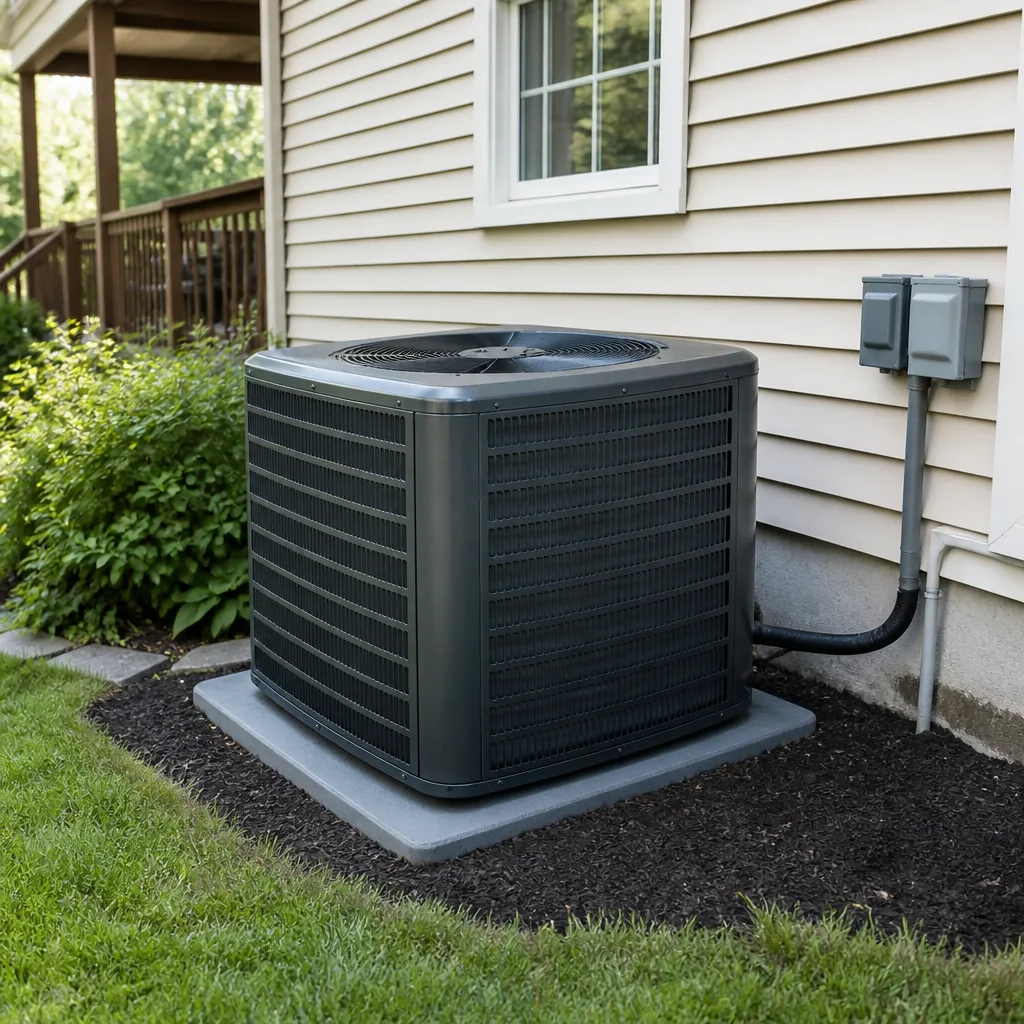 Goodman
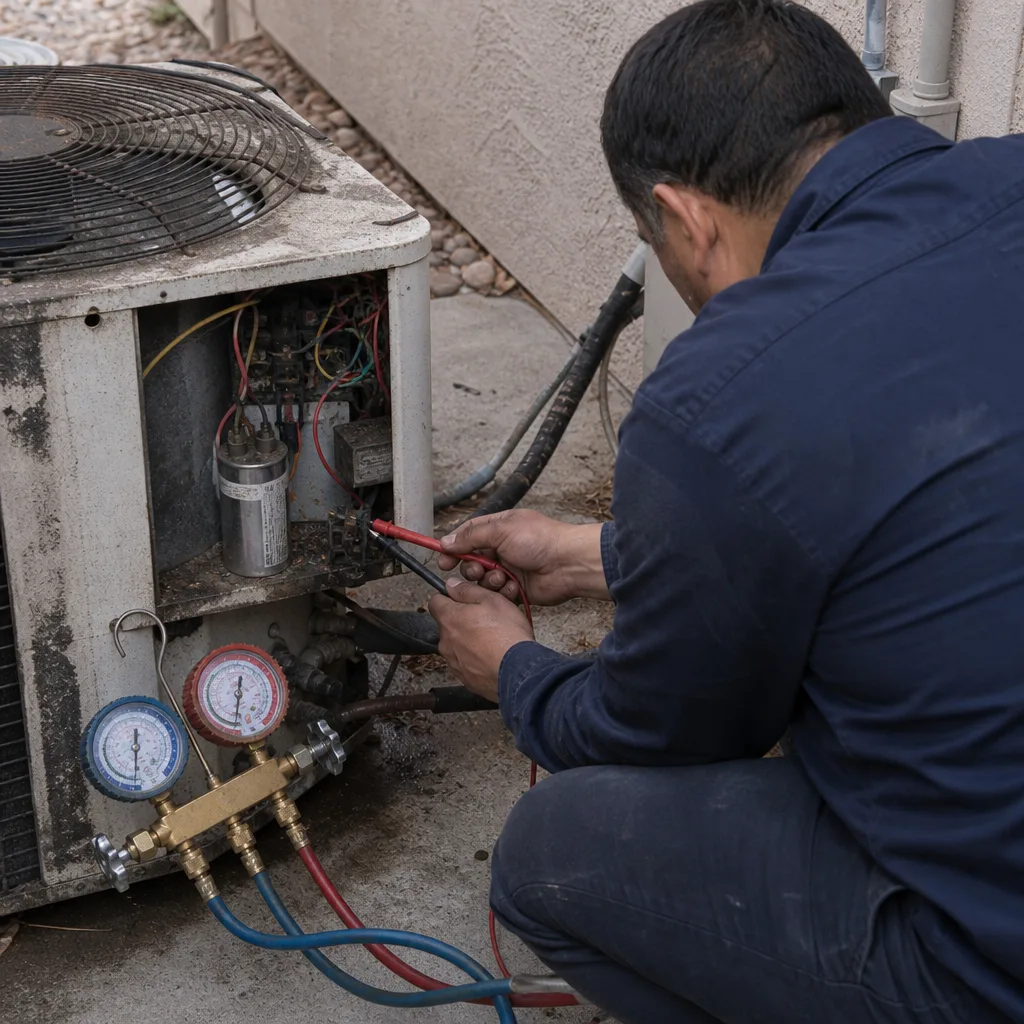
Seasonal tune-up and full diagnostic on your Carrier, Trane, or Goodman system - readings shown to you before any repair is proposed
Diagnosis first, numbers second - you approve the repair price before a single part goes in.
Get your free estimateChoosing the Right HVAC Brand: A Buyer’s Guide for Winchester
A top-tier brand installed poorly will underperform a mid-tier brand installed correctly every time. That’s the part most buying guides skip. In Winchester, where summer highs push past 105°F in July and winter mornings dip into the twenties for weeks at a stretch, the nameplate on the condenser matters far less than who sized it, who brazed the line set, and who can get a replacement part on a Tuesday morning when your system quits. This guide walks through the real variables that decide how your HVAC system performs: sizing, installation, local parts and service availability, and the installer relationship. By the end, you’ll know how to read a bid, what questions to ask, and why “what brand” is genuinely the third or fourth question on the list.
Quick Answer
The best HVAC brand in Winchester is the one your contractor installs every day and can service quickly when something fails. For most homes, brand reputation ranks behind three factors that matter more: correct load sizing for your square footage and insulation, installation quality by a trained technician, and parts availability from a local distributor in the Las Vegas Valley. Trane, Lennox, Goodman and Rheem all make dependable equipment. The difference is who puts it in.
Styles & brands we work with
- AC repair
- Furnace & heating
- Heat pumps
- Ductless mini splits
- Carrier
- Trane
- Goodman
Table of Contents
- Why Sizing Beats Brand Every Time
- Local Parts Availability in Rural Nevada Markets
- The Tier System, Honestly Explained
- Brand-Agnostic Specs That Matter for Winchester’s Climate
- How to Evaluate Any Brand’s Warranty Against Local Service Infrastructure
- The Installer Relationship Variable
- How to Evaluate a Bid in Five Steps
- Common Mistakes to Avoid
- When to Call a Professional
- Frequently Asked Questions
Why Sizing Beats Brand Every Time
An air conditioner that’s oversized by even half a ton will cool your house quickly and then short-cycle, never running long enough to pull real humidity out of the air and wearing out the compressor years ahead of schedule. Undersized equipment will run nonstop on an August afternoon in Winchester and never quite reach the set temperature. Neither problem is the manufacturer’s fault. Both are sizing problems, and they’re far more common than brand failures.
Proper sizing starts with a Manual J load calculation, which accounts for square footage, ceiling height, window area and orientation, insulation levels, and duct leakage. In Winchester neighborhoods built through the 1990s and 2000s, we routinely find attic insulation that has settled well below its original depth, single-pane glass added in a room addition without any duct adjustment, and ductwork that leaks twenty percent of its capacity into the attic before reaching the registers.
Ask every contractor you interview three things:
- Will you perform a room-by-room Manual J load calculation, or will you match the size of my old unit?
- Will you inspect and test the existing ductwork before quoting?
- What happens if the new system doesn’t reach setpoint on a design day?
If the answer to the first question is “we’ll just match what’s there,” you’ve found the reason someone else’s system never felt right. Matching existing tonnage is a guess dressed up as a plan. The right size is a calculation.
Local Parts Availability in Rural Nevada Markets
Winchester sits at the northwestern edge of the Las Vegas Valley, and that geography matters more than most buyers realize. When a condenser fan motor fails in the middle of July, the difference between a same-day repair and a four-day wait often comes down to whether the local distributor in North Las Vegas or the warehouse near the airport stocks that part for that brand.
Every major manufacturer sells through regional distribution, and no distributor stocks every part for every model. Some brands have deep local inventory with multiple stocking points. Others operate through a single regional warehouse with longer restock cycles. A premium compressor isn’t much use if the control board that delivers power to it sits on a truck coming from out of state.
Here’s what to ask before signing anything:
- Where is the nearest stocking distributor for this brand? If the answer is “we order it,” that’s a delay waiting to happen.
- How long does a typical warranty part take to arrive? Locally stocked parts can arrive in hours. Special-order parts can take a week.
- Which brands does the contractor actually service every week? The one they see most is the one whose failure patterns they know cold.
In Winchester, where a failed cooling system in July is a genuine safety concern for older residents, parts availability deserves equal weight with brand reputation. Ask the question directly.
The Tier System, Honestly Explained
The HVAC market breaks down into three rough tiers, and the honest version of that story is about component construction, not marketing language or efficiency ratings. Efficiency ratings (SEER2, HSPF2) are regulated and measured consistently across brands. Component quality is where budget, mid-range, and premium equipment actually diverge.
Budget tier
Goodman, Rheem’s lower lines, and similar manufacturers. These units use thinner cabinet steel, plastic fan grilles in some models, and more brazed joints than bolted ones. They’re perfectly capable of fifteen years of service when installed correctly. What separates them is fit and finish, and often a shorter standard parts warranty on the compressor.
Mid-range tier
Rheem’s mainline, American Standard, and Bryant. Heavier gauge steel in the cabinet, better coil protection, more durable fan assemblies, and typically a longer parts warranty. The step up in quality is real but modest. Most Winchester homeowners land here, and it’s a sensible place to land.
Premium tier
Trane, Lennox’s higher lines, and Carrier’s top-end models. Stainless steel heat exchangers on furnaces, fully variable-speed compressors, quieter operation, and the longest warranties available. The premium is real, but only worth paying when the installation is equally premium. A Trane variable-speed system dropped onto undersized, leaky ductwork will perform like a mid-tier system, because the ductwork is the bottleneck.
What this means for you: don’t pay for premium components and then let a bid cut corners on installation. The tier of the equipment and the tier of the install have to match.
Brand-Agnostic Specs That Matter for Winchester’s Climate
Winchester sits in a high-desert climate with a specific set of demands. Hot, dry summers that push past 105°F. Cooler winter mornings that drop into the twenties. A long shoulder season in spring and fall where outdoor temperatures swing thirty degrees in a single day. These conditions stress different parts of an HVAC system, and they’re worth checking regardless of which nameplate you choose.
- Low-ambient cooling capability. Confirm the system’s published low-ambient operating range. Standard residential condensers don’t always hold up when outdoor temps climb above 105°F, and Winchester gets there most summers.
- Two-stage or variable-speed operation. A single-stage compressor runs full-blast or not at all. A two-stage or variable-speed system runs longer at lower output, which improves shoulder-season comfort, controls humidity better, and reduces wear. The premium is usually worth it in Winchester’s climate.
- Defrost control quality on heat pumps. If you’re considering a heat pump, ask about the defrost control logic. Poorly tuned defrost cycles run too often in cold, dry air, wasting energy and wearing the reversing valve. Good controls switch to time-temperature defrost when conditions call for it.
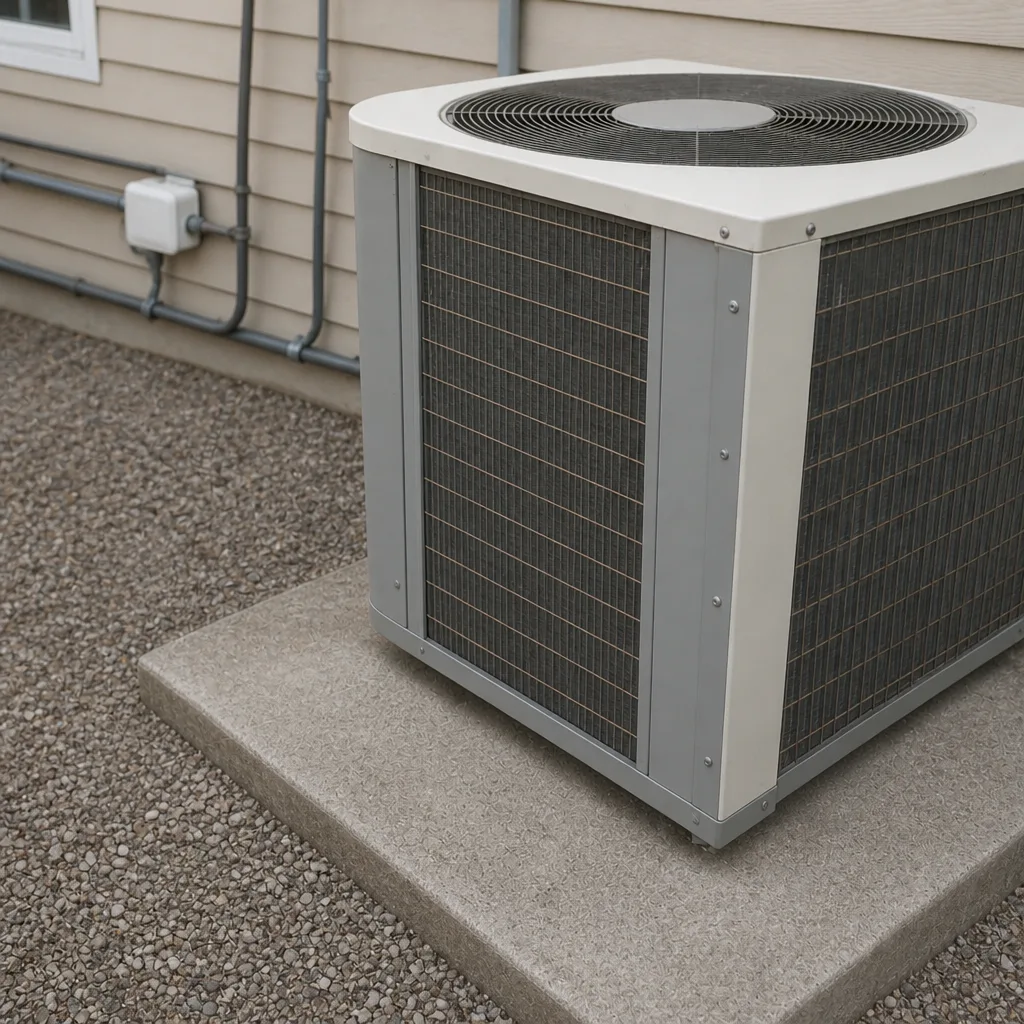
- Line-set and coil protection. High-desert dust and blowing grit find their way into outdoor coil fins. Look for coated or louvered coil protection on the condenser.
- Filter cabinet size. A four-inch media filter cabinet keeps dust and spring pollen out of the coil far better than a one-inch filter return grille. Bigger filter, less maintenance, cleaner air.
These specs matter equally whether you buy Trane, Lennox, Goodman or Rheem. Read them before you compare brand brochures.
How to Evaluate Any Brand’s Warranty Against Local Service Infrastructure
A ten-year parts warranty sounds impressive until you discover the part takes nine days to arrive from a regional warehouse and the labor to install it isn’t covered. The warranty document is only half the story. The other half is the service infrastructure behind it.
Every manufacturer publishes two warranty figures: the parts warranty (typically five to ten years on the compressor, five to ten on other components) and the labor warranty (usually one year, sometimes two, sometimes extended by the contractor). Most homeowners focus on the parts figure because it’s the bigger number. In practice, the labor figure often matters more on the average repair, because labor is what the homeowner pays out of pocket after the first year.
Here’s what to verify in writing before you buy:
- Parts warranty length, and whether the compressor has a separate covered period.
- Labor warranty length, and whether it comes from the manufacturer or the installing contractor.
- Whether the warranty requires annual maintenance by a licensed technician to stay in force (most do).
- Whether the parts are locally stocked or special-order, and how long a typical failure takes to resolve.
- Whether the warranty transfers if you sell the house.
The infrastructure check goes beyond the fine print. Look at the local service network: which contractors in the Winchester area service that brand regularly, where the nearest distributor sits, and whether parts typically come from Las Vegas or from out of state. A warranty is only as good as the supply chain standing behind it.
The Installer Relationship Variable
Here’s the part the spec sheets will never tell you. A contractor who installs and services one brand every week will outperform a contractor touching the “best” brand twice a year. Familiarity with a brand’s quirks shows up in a hundred small ways: knowing which model has a control board that fails in heat mode, which coil needs a specific charge adjustment, which furnace cabinet has a door that rattles loose after two seasons.
When you interview contractors, ask a simple question: how many of this exact model did you install last year? A vague answer usually means very few. A specific answer means the crew knows the unit, and the follow-up service call is faster and cleaner as a result.
We service nine major residential brands: Carrier, Trane, Lennox, Goodman, Rheem, York, Daikin, Bryant, and American Standard. That breadth is useful because it means we can service nearly any system you buy, but the honest answer is that we lean harder on the ones we see most often. Your contractor will too. That’s not a knock on any brand. It’s a fact about how service works.
Also ask whether the installer will hand you a documented startup report at the end of the job. It should include refrigerant charge, superheat and subcooling readings, static pressure on the supply and return, and the final temperature split. If they hand you a brochure and a handshake, that’s a sign the install was treated as a swap rather than a system commission. Our AC Repair & Installation in Winchester work starts and ends with that report.
How to Evaluate a Bid in Five Steps
Every contractor in Winchester will hand you a price. Here’s a short, repeatable process for comparing bids on the same terms.
- Check the load calculation. The bid should reference a Manual J load calculation. If it just matches your existing tonnage, ask why.
- Verify the equipment model number. Not the brand name and “3-ton” – the full model number. That lets you confirm efficiency rating, warranty terms, and whether it’s a builder-grade or consumer-grade version.
- Confirm what’s included in the price. New line set? New pad or rooftop curb? New thermostat? Permit? Duct sealing? Haul-away? Ask for the scope in writing.
- Ask about the startup report. Get the specific items the tech will measure and record before you’ll call the work complete.
- Read the labor warranty in writing. How long, what it covers, who honors it, and whether annual maintenance is required to keep it valid.
A bid that answers all five is a bid you can trust on price. A bid that dodges any of them is a bid you should set aside.
If you already have a written estimate and want a second look at it, we offer a Free Second Opinion on Any Written Estimate. It’s a plain review of the scope, the model number, and the price.
Common Mistakes to Avoid
- Buying on brand name alone. A premium nameplate on a badly sized install will underperform a budget brand installed correctly. Winchester homes with vaulted ceilings and added sunrooms are especially easy to undersize.
- Matching the old tonnage without a load calculation. The previous system may have been wrong. Duplicating that mistake means duplicating the discomfort.
- Ignoring parts availability in rural Nevada. A part three days away in July is a real problem. Ask where the nearest stocking distributor is before you sign.
- Paying for premium without premium installation. A variable-speed compressor on leaky, undersized ductwork runs no better than a builder-grade single-stage unit, and it may run worse.
- Skipping the startup report. Without measured refrigerant charge and static pressure, you have no way to know the install was done right.
- Letting the warranty lapse over a maintenance visit. Most manufacturer warranties require documented annual service. A missing tune-up can void a compressor claim years later.
- Choosing a contractor you can’t reach after the install. The 2 a.m. no-heat call in January is when the relationship actually matters. A live person answering the phone matters more than the brochure.
When to Call a Professional
Some HVAC decisions are safe to make alone. Others are not. Call a professional when:
- Your system needs a load calculation to size a replacement.
- Your system is short-cycling, tripping the breaker, or producing unusual noises.
- You’re considering a heat pump or mini-split and need to compare it against your current system honestly.
- You have a written bid in hand and want an unbiased second look before committing.
- Your system has quit entirely in extreme heat or cold, and you need someone on site today.
- You’re dealing with refrigerant work, electrical panel wiring, gas line connections, or high-voltage components – these carry real safety risk, and they’re not DIY territory. A trained, insured technician should handle them.
Fireside Heating & Air Co. Winchester offers free estimates in Winchester and answers the phone with a live person around the clock. Call (844) 783-5043.
Frequently Asked Questions
There isn’t one universal answer. The best brand for your home is the one your contractor installs and services regularly, that has local parts availability in the Las Vegas Valley, and that fits the sizing and load requirements of your specific house. Trane, Lennox, Goodman and Rheem are all reliable when installed correctly. Call (844) 783-5043 for a free estimate that includes a load calculation.
Sometimes, but installation quality matters more than brand tier. A budget-tier Goodman installed with a proper load calculation, sealed ducts, and a documented startup routinely outlasts a premium-tier Trane dropped onto leaky ductwork and an oversized system. Component quality is real, and premium tier does have heavier cabinets and longer warranties, but the install is the larger variable.
Locally stocked parts can be in hand the same day. Special-order parts can take several days to a week, depending on the brand and the distributor. Ask your contractor where the nearest stocking distributor for your brand sits, and whether the part in question is stocked locally. Call us for a free second opinion on any written estimate if you want a plain-spoken review before you commit.
Contractor first. A contractor who installs and services one brand every week will get more out of it than a contractor who touches the “best” brand once a quarter. Once you’ve chosen a contractor you trust, let them recommend a brand they know cold. The relationship lasts longer than the nameplate.
Rebate programs change, and the rules vary by equipment tier and efficiency rating. Ask any contractor to itemize the rebates your system qualifies for in writing before you sign. We’ll handle the paperwork on the systems we install and tell you plainly what’s available. Call (844) 783-5043 for a free estimate.
Yes. We service nine major residential brands – Carrier, Trane, Lennox, Goodman, Rheem, York, Daikin, Bryant, and American Standard – regardless of who installed the original system. Our Heating & Furnace in Winchester and AC Repair & Installation in Winchester teams handle service calls across the board, and every job carries the 90-Day Done Right Promise. If you’re considering a heat pump or mini-split, our Heat Pump & Mini Split in Winchester page has more, and Fireside Heating & Air Co. Winchester home lists what we cover.
The Bottom Line
Brand selection matters, but it’s the third or fourth question on the list. The variables that actually decide whether your system runs well for the next fifteen years in Winchester are sizing, installation quality, local parts availability, and the contractor relationship. Get those right, and any of the major brands will serve you well. Get them wrong, and the nameplate on the condenser won’t save you. Read every bid for the load calculation, the model number, the scope, and the startup report. And when the phone needs to be answered at 2 a.m. in January, you want a live person on the other end, not a voicemail tree.
Contact us today at (844) 783-5043 for a free estimate in Winchester. Live person on the line, no-hassle upfront pricing, and a plain-spoken review of what your home actually needs.
Written by the team at Fireside Heating & Air Co. Winchester.
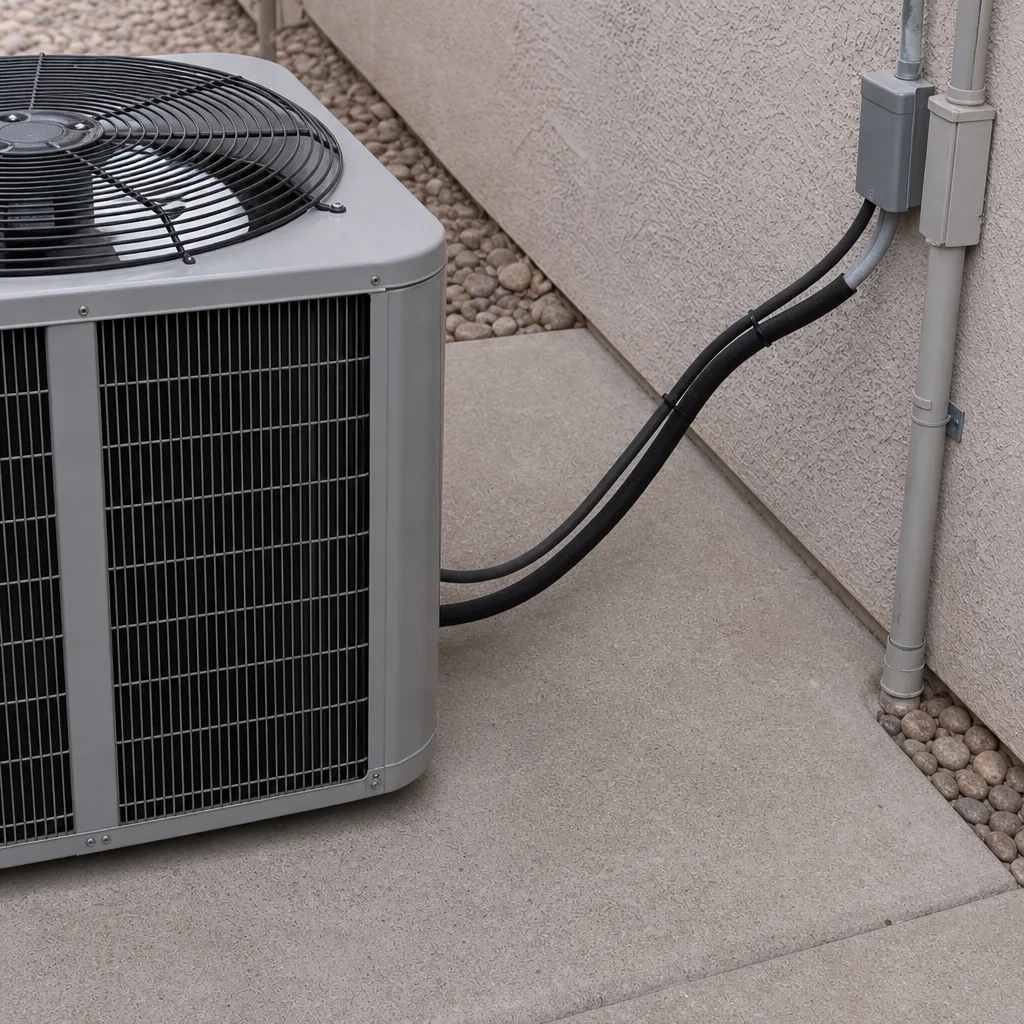
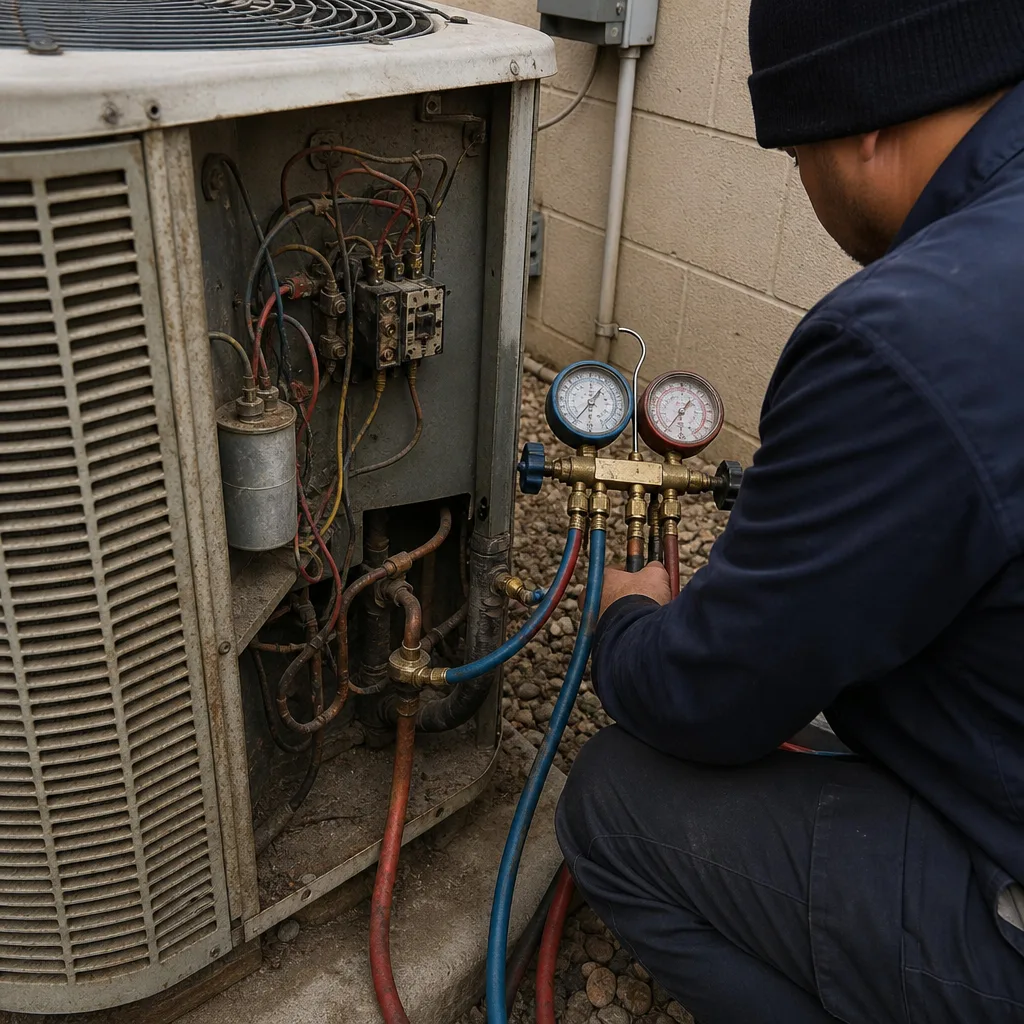
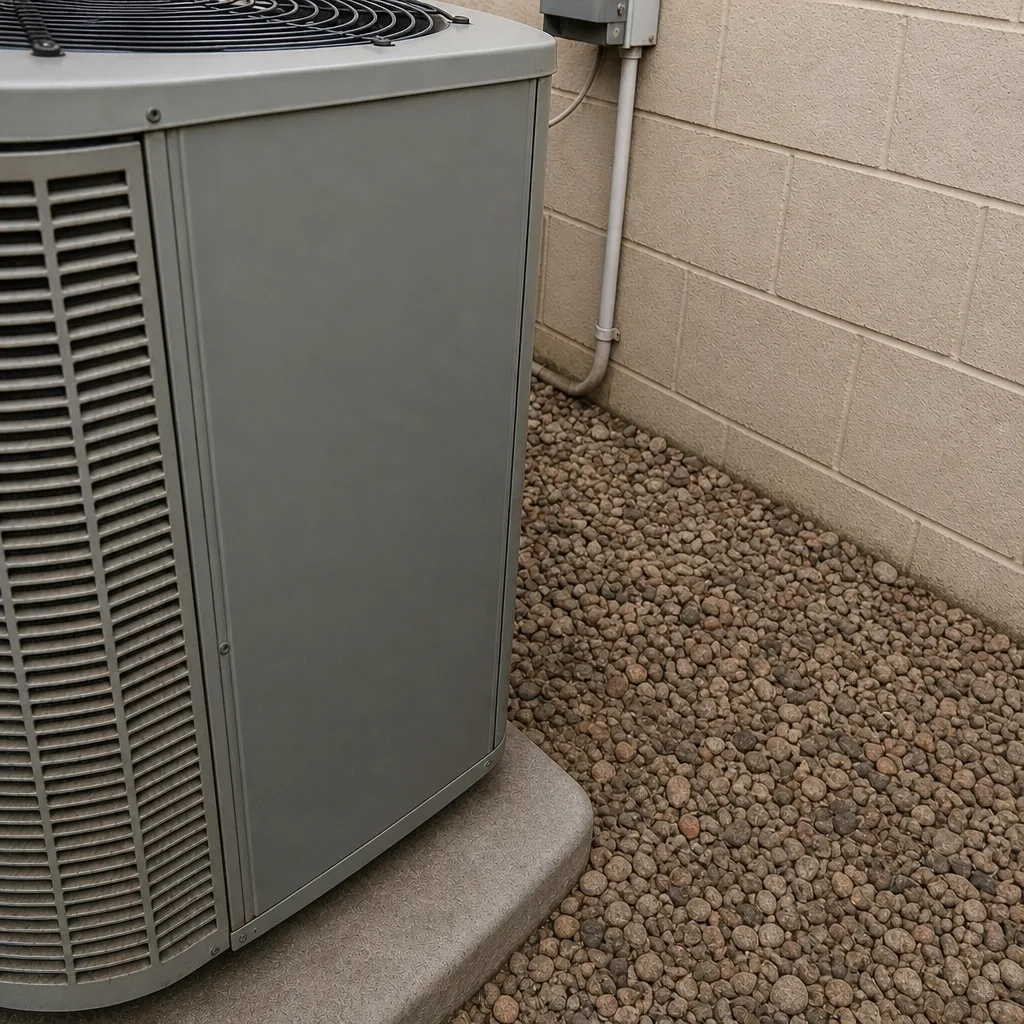
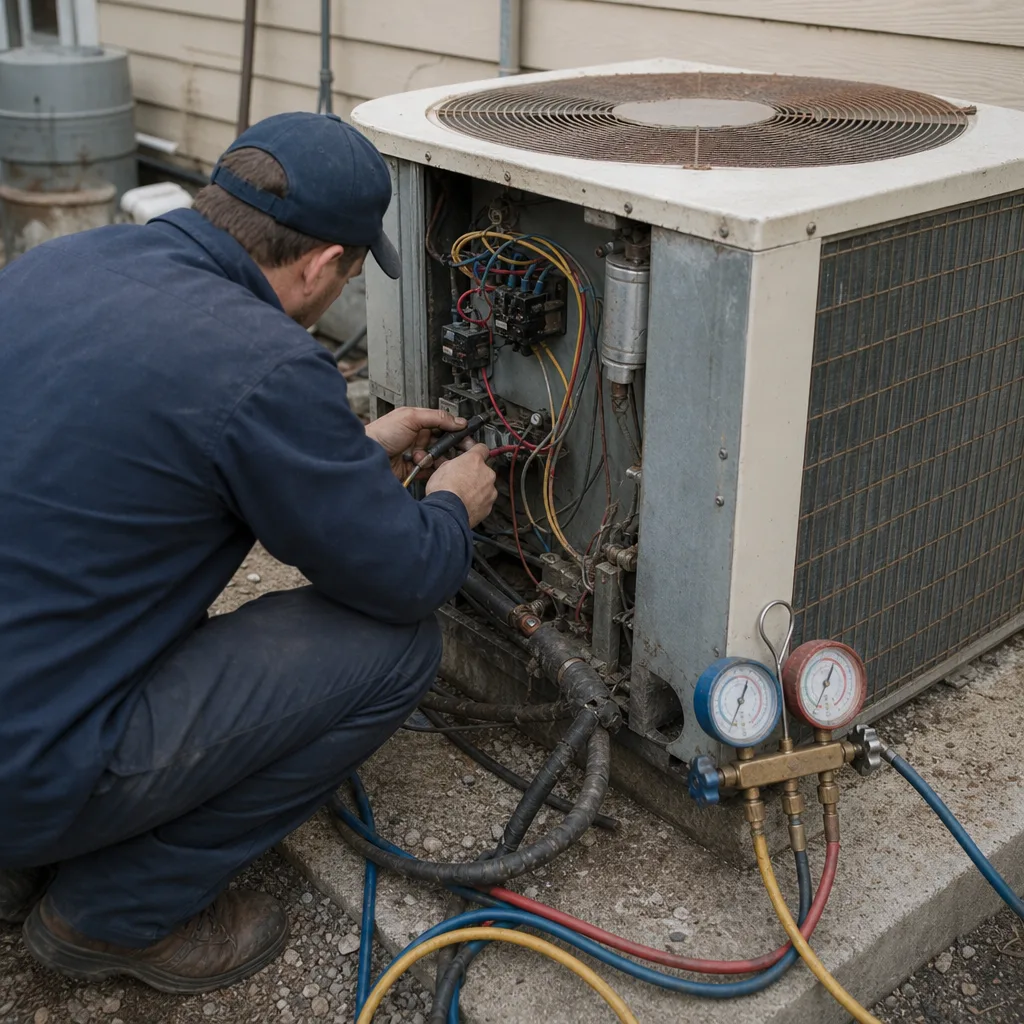
See the difference
 Before
 After
 Before
 After
 Before
 After